


The effects of an overdose of saffron can include nausea, vomiting, diarrhoea, dizziness, drowsiness, headache and unusual bleeding. Yellow discolouration of the skin or eyes has also been described after very large exposures. Severe symptoms are not expected from the few threads used in a meal, but swallowing a concentrated extract or a large amount of saffron requires prompt advice from a poison centre or medical professional.
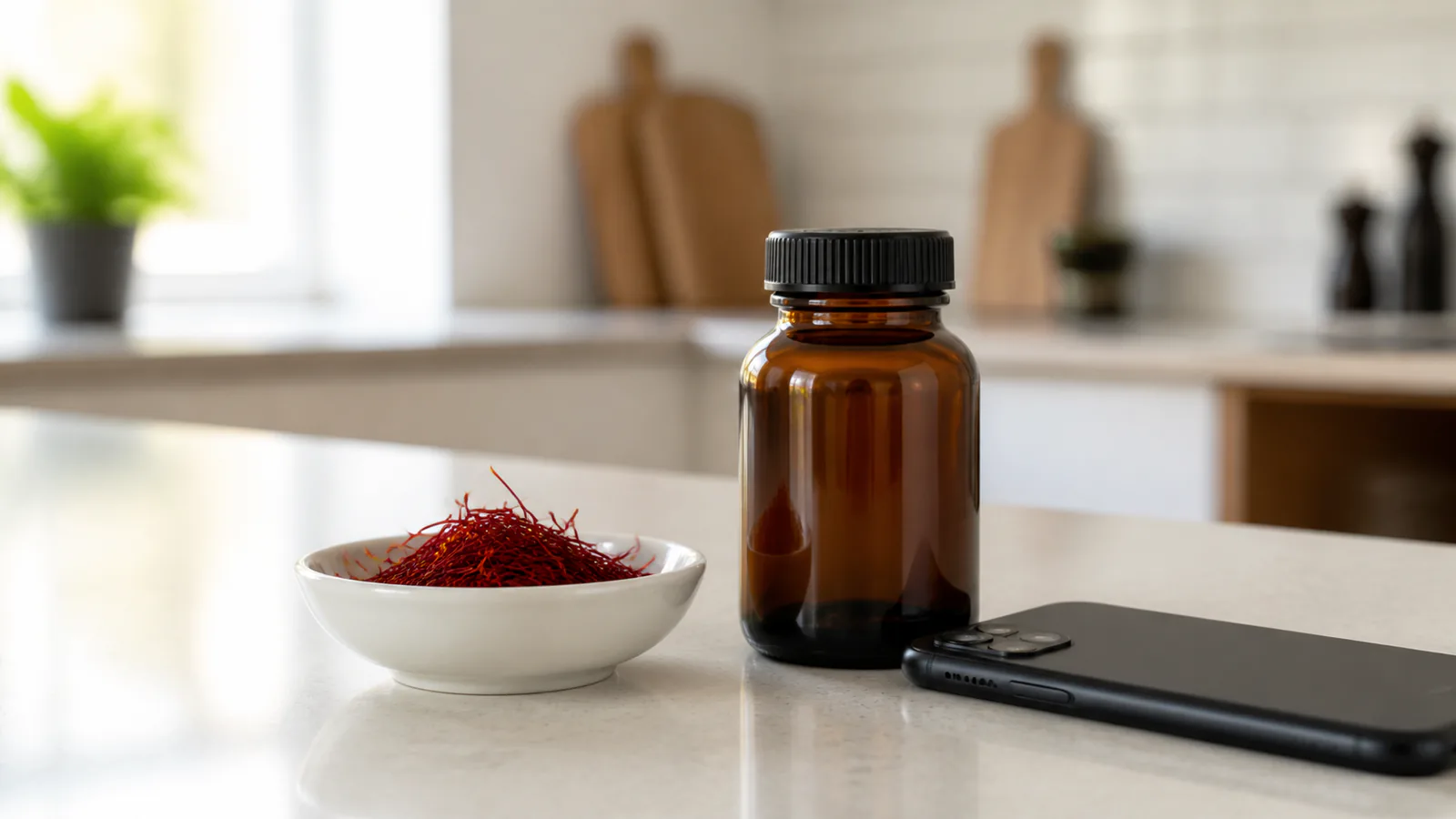
Call emergency services now if the person collapses, has trouble breathing, has a seizure, cannot be awakened, or has severe or persistent bleeding. In the United States, Poison Help connects callers to a local poison centre at 1-800-222-1222. Do not make the person vomit unless a clinician or poison specialist tells you to.
Saffron overdose symptoms and effects
Published human studies most often describe mild digestive or nervous-system effects from medicinal saffron preparations. Possible symptoms include:
- nausea, vomiting, stomach discomfort or diarrhoea;
- dizziness, drowsiness or headache;
- dry mouth or a change in appetite;
- a fall in blood pressure, weakness or faintness;
- yellow staining of skin, mucous membranes or the whites of the eyes after a very large exposure;
- nose, lip, eyelid, uterine or gastrointestinal bleeding in serious cases.
Symptoms do not prove that saffron is the cause. Jaundice, fainting and bleeding can have other urgent explanations, so they should not be assessed at home.
Can saffron be toxic?
Yes, saffron can be toxic at high exposure, but “how much is too much” does not have one dependable answer for every person or product. Culinary threads, powdered spice and standardized extracts differ in concentration. Body size, pregnancy, health conditions, medicines, the amount swallowed and whether the product is genuine all change the risk.
A 2026 systematic review of adverse events examined 102 clinical trials and one case report involving saffron-only preparations. About 17.5% of participants were estimated to have an adverse event related to saffron; digestive problems were most common and were generally mild and self-limiting. The authors nevertheless advised clinical monitoring for higher-dose or prolonged medicinal use because potentially important events were reported.
Those trial results should not be used as a home safety threshold. Research products are identified and measured, while a retail supplement may use a different extraction method or strength. A suspected overdose should be assessed from the actual product and exposure, not from a number copied from a study.
Why older sources give different dose figures
Older reviews often repeat estimates such as 1.5 grams per day being tolerated, toxicity above about 5 grams, and life-threatening effects around 20 grams. Much of that dose language comes from historical reports and mixed evidence rather than modern dose-escalation trials designed to establish a precise toxic threshold in humans.
It would be unsafe to treat the lower figures as a recommended daily intake or to assume that any amount below them is harmless. Even controlled studies of much smaller medicinal preparations have recorded side effects. For everyday cooking, use the small quantity a recipe calls for; for an exposure concern, contact a poison centre.
What causes saffron toxicity?
Saffron contains several biologically active compounds, including crocins, crocetin and safranal. Animal toxicology studies suggest that these constituents do not share an identical safety profile, and concentrated safranal can be toxic at high experimental doses. That does not support the old claim that safranal alone explains every human saffron overdose.
Whole saffron is a mixture, and the human evidence does not identify one compound as the sole cause of all symptoms. The strength and purity of the product matter too. An unexpected reaction may involve adulteration, contamination, another ingredient in a blend, or an interaction with medication.
Who needs extra caution?
Pregnancy
Food amounts and concentrated medicinal amounts are different exposures. High-dose saffron has historically been associated with uterine stimulation and bleeding. Anyone who is pregnant and has swallowed more than a normal food amount should seek individualized medical advice rather than waiting for symptoms.
Bleeding risk and blood-pressure medicines
People with a bleeding disorder, low blood pressure, or medicines that affect clotting or blood pressure may be more vulnerable to adverse effects. A clinician or pharmacist can evaluate the actual product and medicine list.
Children and accidental ingestion
A child’s exposure needs product-specific poison-centre advice. Keep saffron extracts and supplements in their original labelled packaging and out of children’s reach.
What to do after a suspected saffron overdose
- Stop using the product.
- Keep the package, ingredient list and remaining product.
- Note the approximate amount, time of exposure, symptoms, age, weight and regular medicines.
- Call a poison centre or healthcare service promptly; do not wait for symptoms if the amount was large or unknown.
- Do not induce vomiting or try to neutralize the product with food, milk or another remedy unless a professional directs you.
For a focused description of warning signs and triage, see our guide to saffron overdose symptoms. For normal culinary use, the practical question is how much saffron is used safely in food, not how close someone can come to a toxic dose.

![Exporting Saffron to Turkey + Price Guide [Complete 0 to 100]](https://img.rowhanisaffron.com/20260827003933/saffron-export-turkey-quality-inspection.webp)



