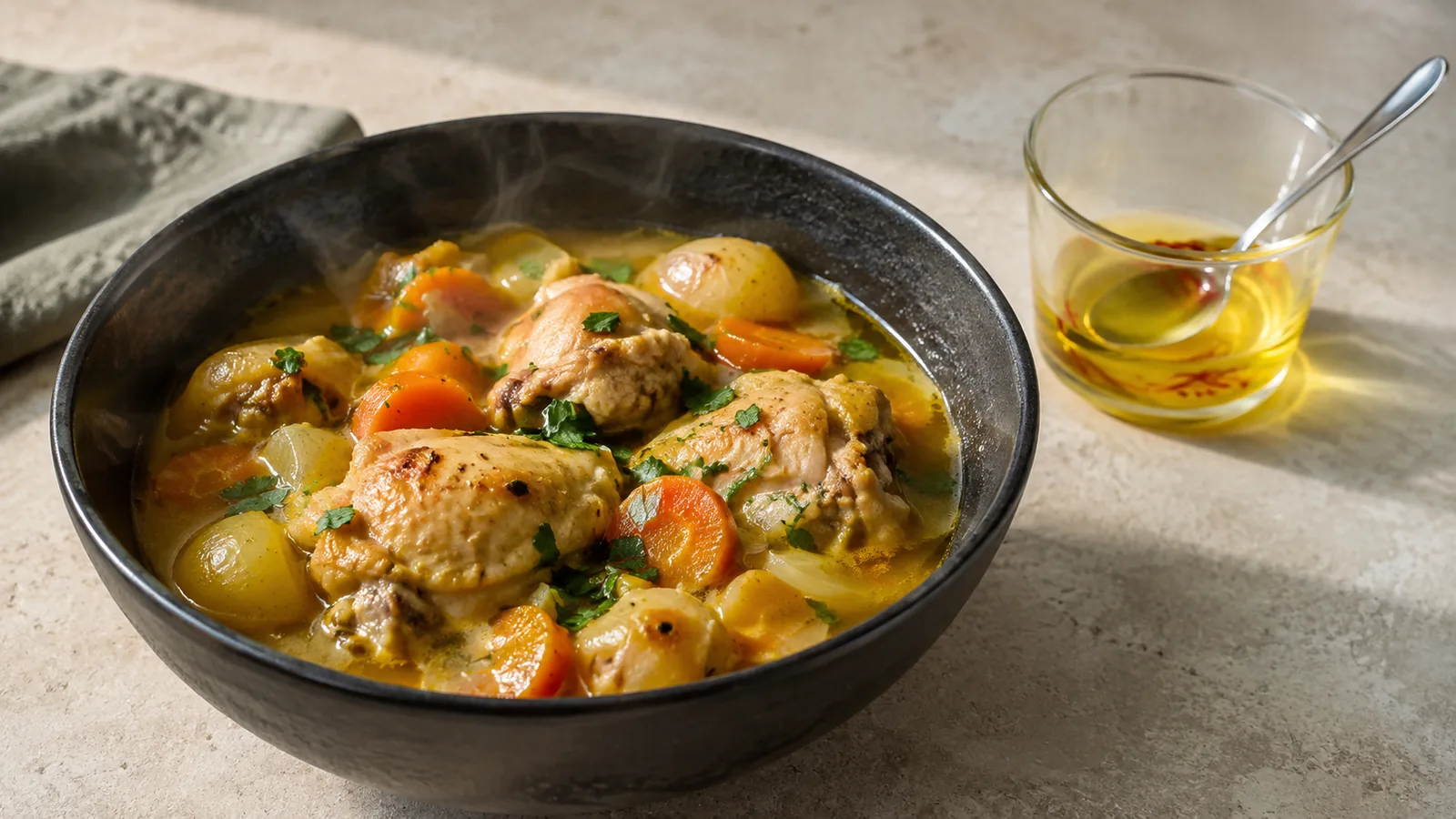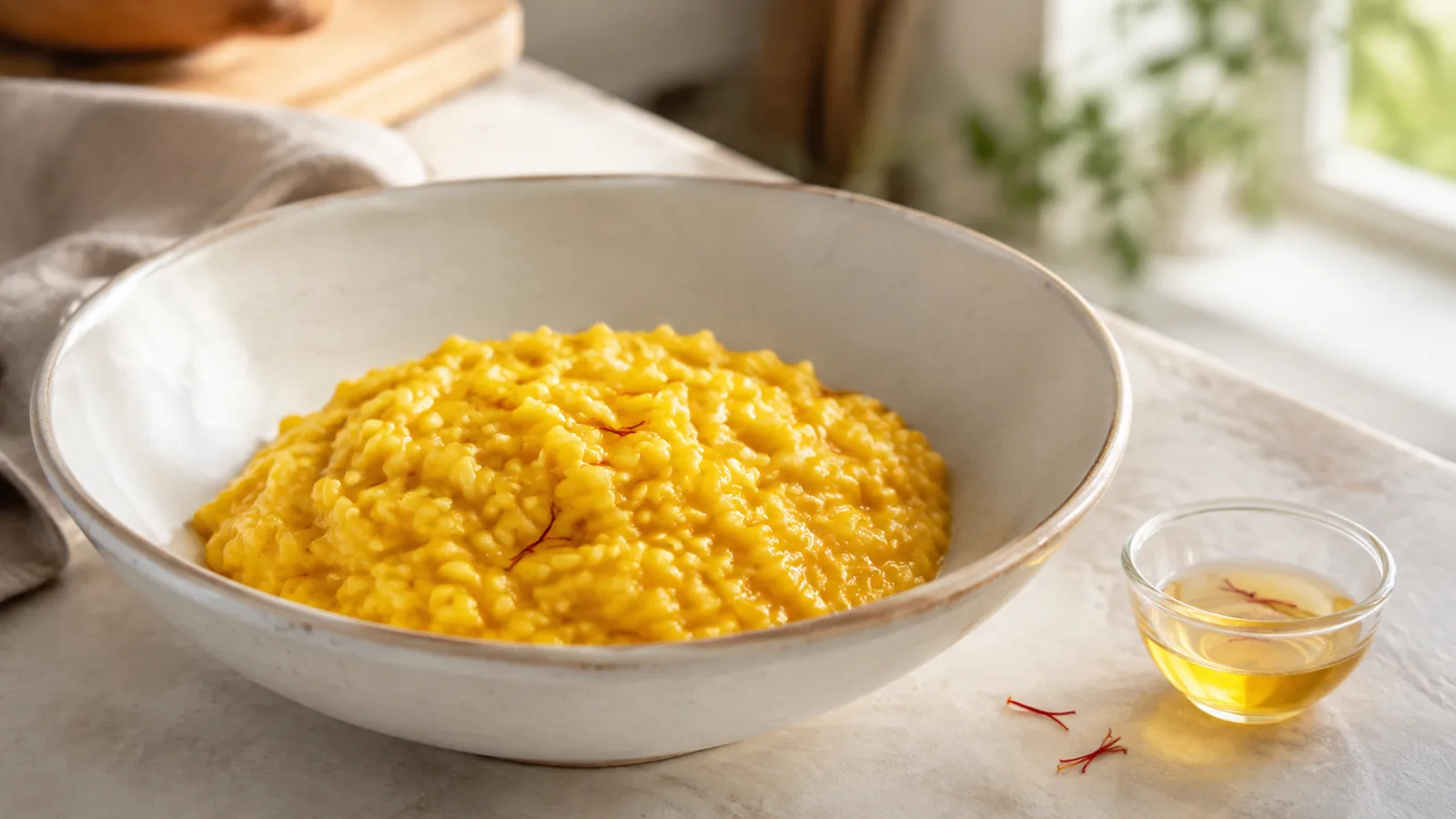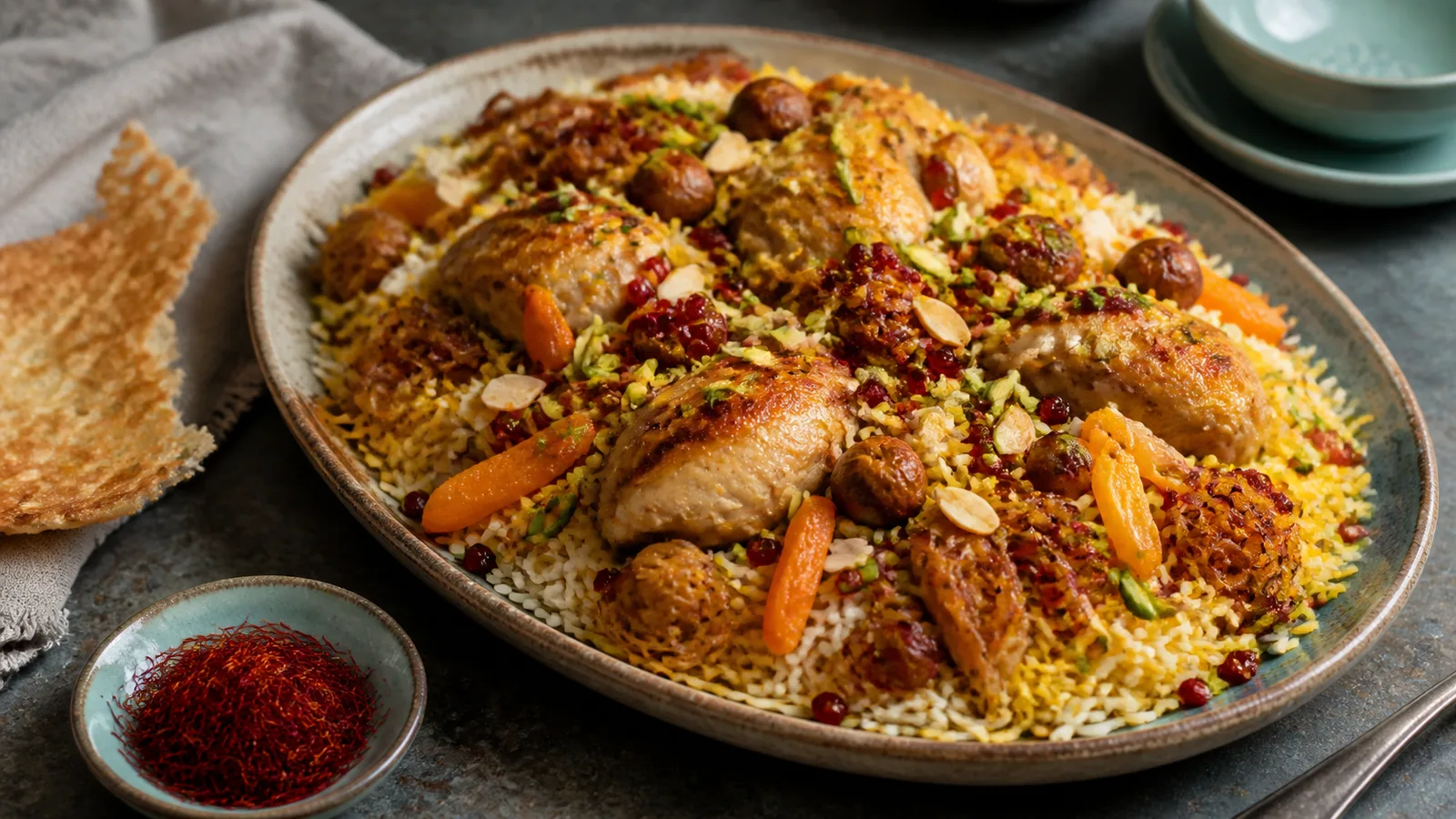
This saffron nut pilaf recipe pairs fluffy basmati rice with golden chicken, onions, dried apricots, barberries, pistachios, and almonds. The components are cooked separately, then brought together on the platter. That method protects the rice texture, keeps the fruit from burning, and lets the saffron remain visible and aromatic.
The dish draws on Azerbaijani plov traditions and the wider family of jeweled rice dishes across the region. It is suitable for a celebration, but the quantities below also work for a generous family meal.
About Azerbaijani plov and saffron rice
Plov is often described as a crowning dish of Azerbaijani cuisine, with many versions distinguished by cooking method and accompaniment. An official Azerbaijan Travel recipe describes partially cooked rice steamed with butter and lavash, then finished with saffron infusion. Meat, onions, chestnuts, and dried fruits may be cooked as a separate accompaniment and placed over or beside the rice.
The former article called this recipe Nut Rice, Jewelled Rice, and “Marssah Polow.” Nut rice and jeweled rice are useful English descriptions, but the last name is not well enough documented to use as a definitive Azerbaijani dish name. This version is best presented honestly as a saffron nut pilaf inspired by those established plov techniques.
Saffron nut pilaf ingredients
Serves 6:
For the saffron rice
- 400 g (2 cups) basmati rice
- 30–40 saffron threads, about 0.08–0.1 g
- 3 tablespoons warm water
- 2 tablespoons butter or ghee
- Salt for soaking and boiling
- 1 round of lavash or thin flatbread for the base, optional
For the chicken
- 500 g (about 1.1 lb) boneless chicken thighs or breast, cut into bite-size pieces
- 1 medium onion, thinly sliced
- 1 tablespoon butter or neutral oil
- ½ teaspoon salt
- ¼ teaspoon black pepper
- ¼ teaspoon ground cinnamon, optional
For the fruit and nut topping
- 60 g (½ cup) dried apricots, cut into strips
- 40 g (⅓ cup) dried barberries, or raisins if unavailable
- 50 g (⅓ cup) slivered pistachios
- 50 g (⅓ cup) slivered almonds
- 1 small onion, thinly sliced
- 1 tablespoon butter
- 1 to 2 teaspoons sugar, optional, for very tart barberries
- 100 g cooked peeled chestnuts, optional
The old proportions used 100 g each of pistachios and almonds, 400 g dried apricots, 300 g chicken, and only 250 g rice. That produces far more sweet garnish than rice. The revised balance keeps all the original ingredients while making the dish easier to cook and serve.
Prepare the saffron
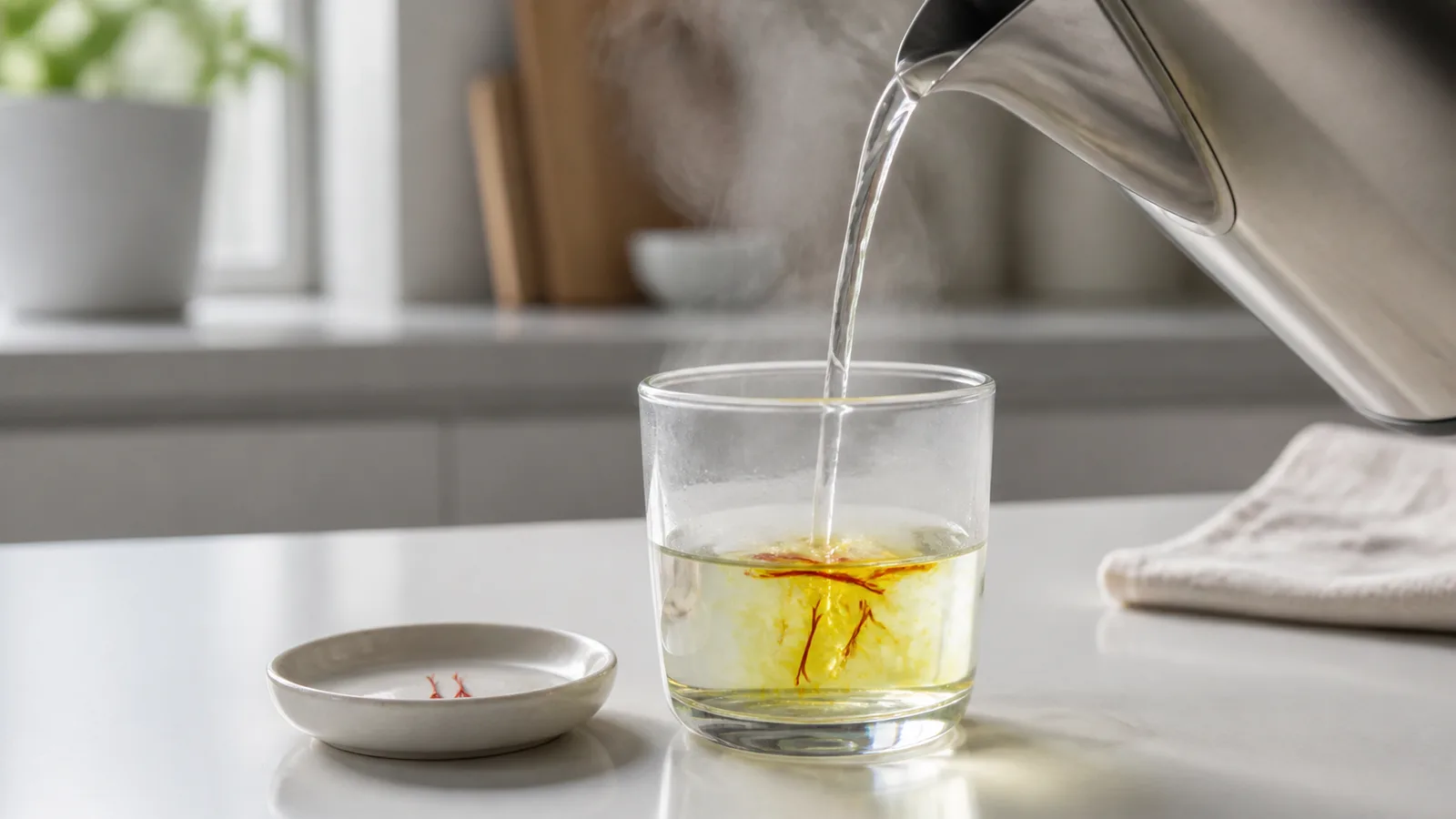
- Lightly crush the saffron threads in a small mortar.
- Cover them with 3 tablespoons warm-to-hot water, approximately 60–80°C (140–176°F).
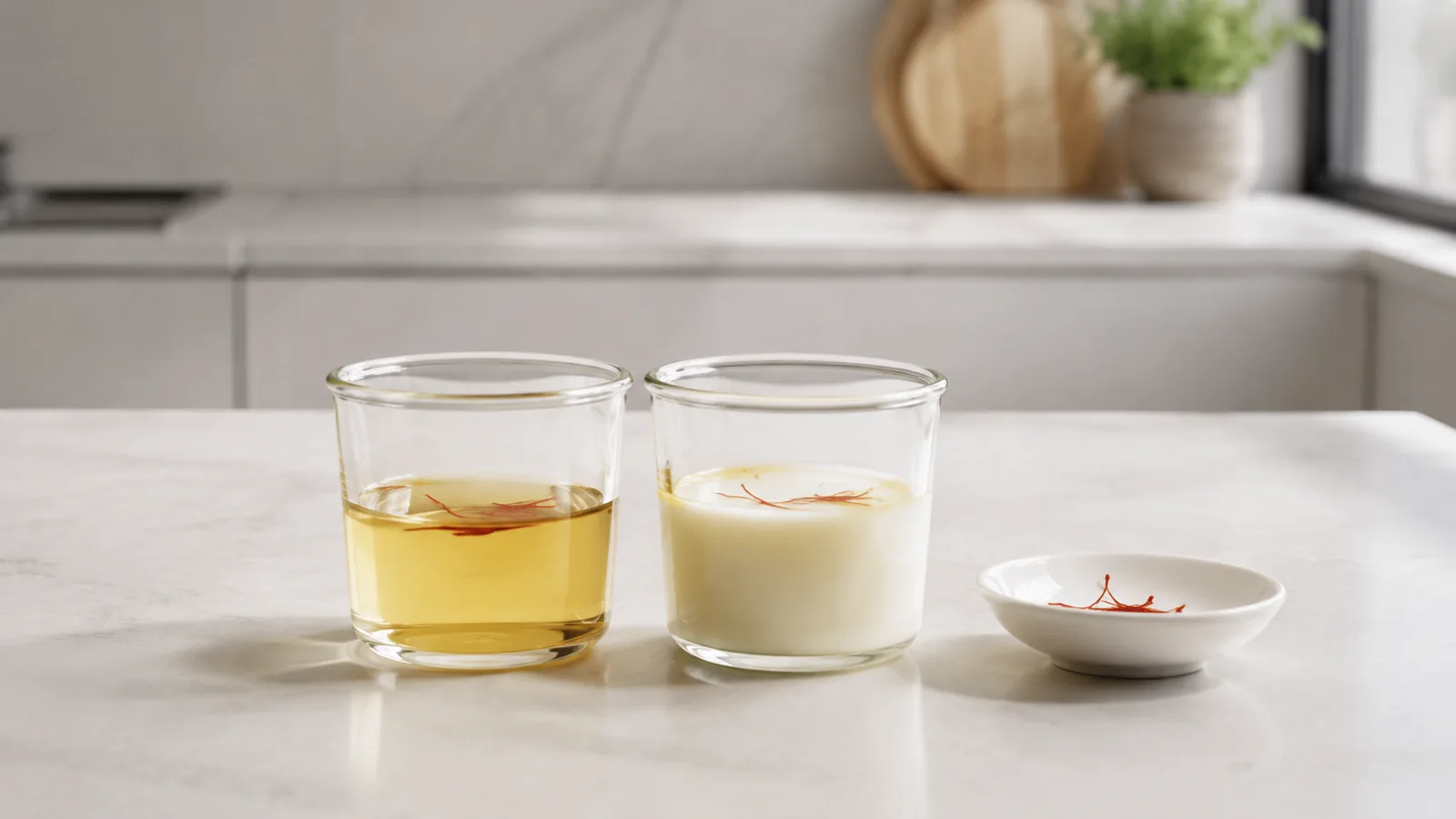
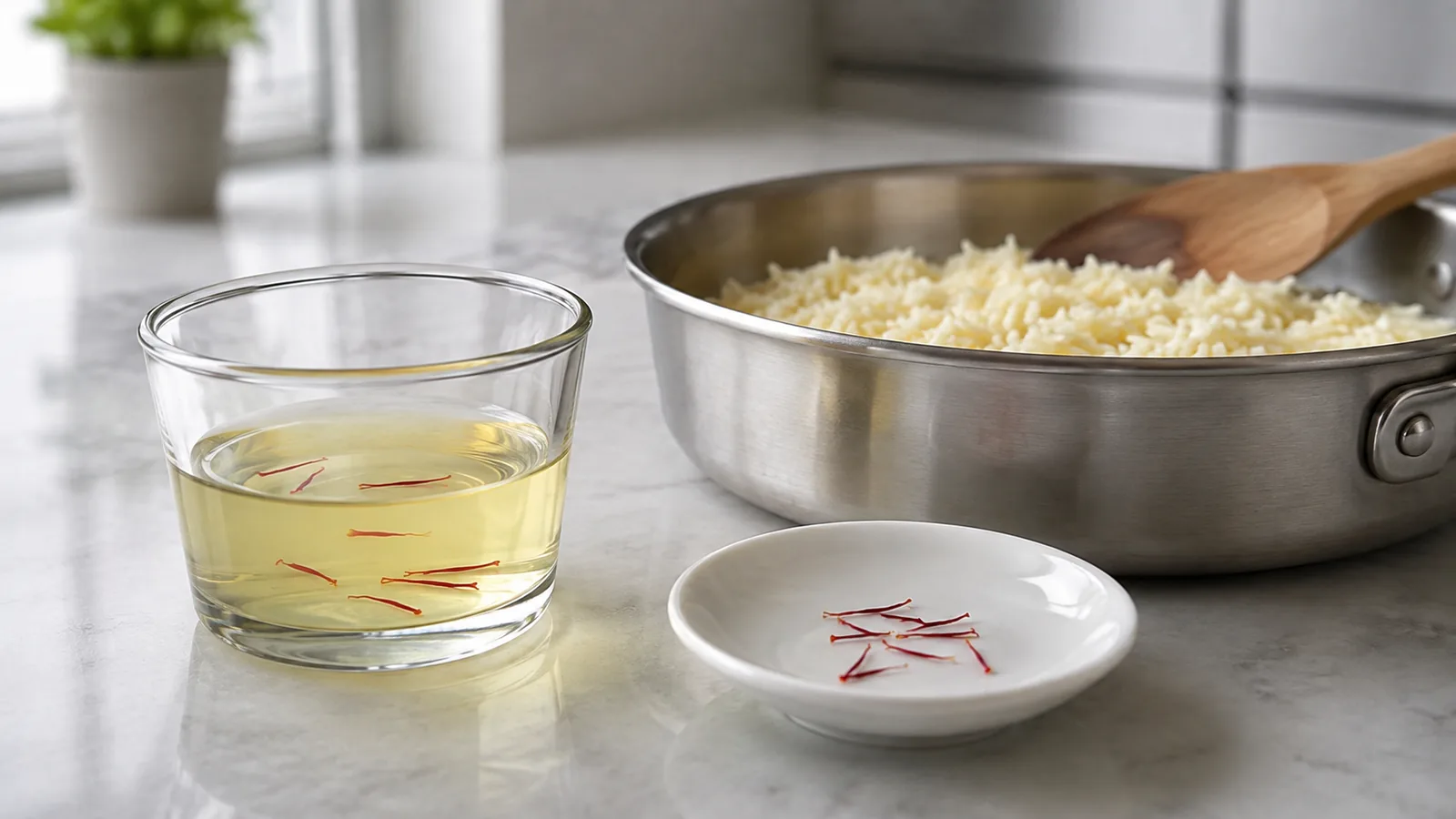
- Cover the cup and let the saffron bloom for 15 minutes.
Do this before starting the rice so the infusion is ready when the pot is assembled. Our saffron infusion guide explains the method and common mistakes.
Cook the chicken
- Warm 1 tablespoon butter or oil in a wide pan over medium heat.
- Add the sliced onion and cook until soft and lightly golden.
- Add the chicken, salt, pepper, and optional cinnamon. Cook, turning, until browned and fully cooked through.
- Stir in 1 tablespoon saffron infusion during the final 2 minutes, then cover and keep warm.
Boneless thigh stays juicy and tolerates reheating well. Breast cooks faster, so remove it as soon as the thickest pieces reach 74°C (165°F). The chicken can be replaced with 300–400 g minced lamb or beef formed into small meatballs, preserving the original alternative. Cook meatballs separately until safe at the center.
Prepare the dried fruit and nuts
- Rinse the barberries in cool water and drain well. Check carefully for grit or tiny stems.
- If the apricots are very dry, soak them for 10–15 minutes, then drain and pat dry. A two-hour soak is usually unnecessary; thin apricot slabs need no soaking.
- Melt 1 tablespoon butter over medium-low heat. Add the second sliced onion and cook until golden.
- Add the apricots and optional chestnuts. Cook for 2 minutes.
- Add the barberries and optional sugar. Cook for only 30–60 seconds; barberries scorch quickly.
- Turn off the heat and fold in the pistachios and almonds. Keeping the nuts brief on the heat preserves their color and texture.
Parboil and steam the saffron rice
- Rinse the rice in several changes of cool water until the water runs much clearer.
- Soak it in salted water for 30 minutes, then drain.
- Bring a large pot of salted water to a boil. Add the rice and cook for about 5–7 minutes, until the outside is tender but the center remains firm.
- Drain immediately and rinse briefly with lukewarm water to stop the cooking.
- Melt 1 tablespoon butter in a clean heavy pot. Line the base with lavash if using, or add a thin even layer of rice.
- Mound in the remaining rice without packing it. Make several steam holes with the handle of a spoon.
- Mix the remaining saffron infusion with 1 tablespoon melted butter and drizzle it over the top.
- Wrap the lid in a clean kitchen towel, cover tightly, and steam over low heat for 35–45 minutes.
The towel should be secured above the flame and must not hang near the heat. If you do not want a crust, skip the lavash and use a well-fitting heavy pot. If you do, the golden crisp lavash can be broken into pieces and served on the platter.
Assemble the nut rice
Fluff the saffron rice gently and spread it on a warm platter. Arrange the chicken over one side or serve it in a separate dish, following the common plov practice of keeping rice and accompaniment distinct. Spoon the apricot, barberry, onion, and nut mixture over the rice just before serving.
Do not steam all the nuts and fruits between layers for the full 45 minutes. That original method softens the nuts and increases the risk that barberries or sweet fruit at the bottom will catch. Combining the finished components produces a cleaner result and still reads as one dish.
How to buy and store nuts and dried fruit
- Smell before using. Fresh pistachios and almonds smell mild and nutty. Paint-like, bitter, stale, or soapy odors suggest rancidity.
- Inspect the color. Avoid nuts with visible mold, dark damp patches, or insect damage.
- Buy for turnover. A busy seller and sealed packaging with a clear date are more useful than vague “premium” wording.
- Store cool. Keep nuts airtight away from heat and light. Refrigeration or freezing slows rancidity when they will not be used soon.
- Check dried fruit. The pieces should smell clean and fruity, not fermented. Crystallized sugar on the surface is different from fuzzy mold.
Nutrition and allergy notes
Nuts supply unsaturated fat, protein, fiber, and micronutrients. That does not mean this pilaf boosts immunity, cures anemia, manufactures red blood cells, prevents heart disease, or guarantees weight management. The whole portion matters: rice, butter, fruit, nuts, and meat make this an energy-dense celebratory dish.
Serve a moderate portion with a salad, herbs, or vegetables. Anyone managing sodium, carbohydrate, or energy intake can reduce added salt, butter, and sweetener without removing the saffron.
Pistachios and almonds are tree nuts. Use separate utensils and a truly nut-free adaptation if cooking for someone with an allergy; simply picking the garnish off is not safe. Barberries are tart and may be difficult to source, but raisins are an easy substitute.
Useful variations
- Vegetarian: omit the chicken and increase chestnuts or add roasted chickpeas. Keep the nuts unless allergies require otherwise.
- More savory: reduce the apricots to 40 g and omit sugar.
- More jeweled: add a little orange zest and a few pomegranate arils after cooking.
- No barberries: use golden raisins and add a squeeze of lemon to the onion mixture.
- Meatballs: use the original minced-meat idea, seasoning lightly so it does not overpower the saffron.
The final result
A successful saffron nut pilaf has separate, fluffy rice grains; a clear golden aroma; tart fruit in small bursts; crisp nuts; and savory chicken or meatballs that make it a complete meal. No one component should overwhelm the others.
Cook each part with the attention it needs, then assemble just before serving. The finished platter will look generous and ceremonial while still tasting balanced from the first spoonful to the last.