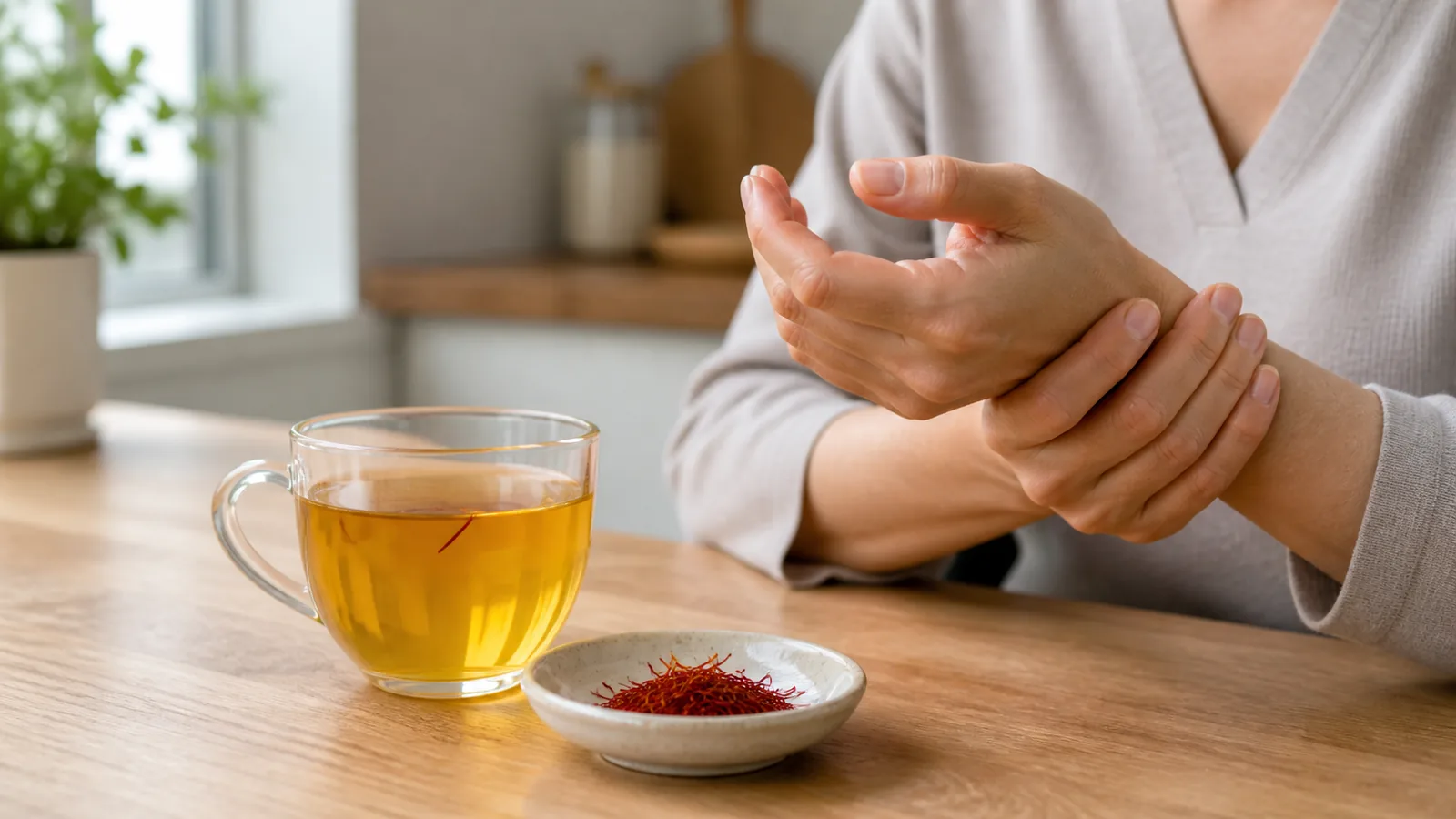
The health benefits of saffron are promising in a few research areas, especially mood symptoms, but they are often overstated. Most clinical studies have tested measured saffron powders or standardized extracts for a limited number of weeks. They do not show that ordinary culinary use treats depression, prevents heart disease, strengthens immunity or reverses cognitive decline.
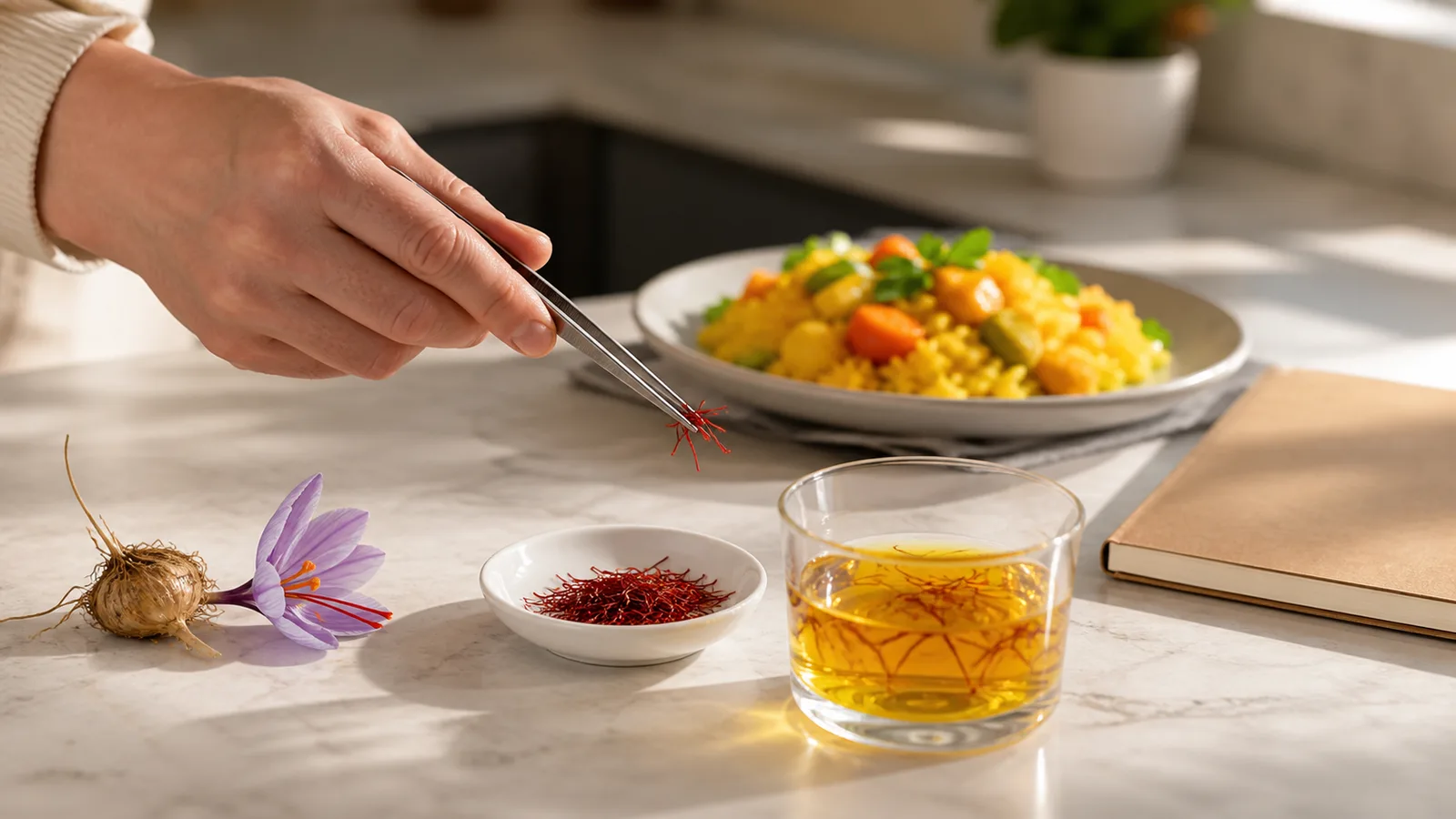
What are the benefits of saffron in practical terms? Its reliable advantages are culinary: colour, aroma and flavour. Searches such as “saffron advantages,” “saffron uses” or the shorthand “saffron good for health” should be answered by separating those established qualities from still-developing clinical evidence. Calling this precious spice “magical” turns uncertainty into marketing.
Saffron is the dried stigma of Crocus sativus. Its crocins contribute colour, picrocrocin contributes bitterness, and safranal is an important part of its aroma. These and other compounds are being studied in people, cells and laboratory models. A compound behaving as an antioxidant in a test tube is not the same as a demonstrated health outcome in a person.
What are the main saffron health benefits being studied?
Researchers have investigated saffron in relation to mood, anxiety, sleep, cognition, premenstrual symptoms, blood pressure, glucose and lipids. Results differ by product, population, duration and outcome measure. Some pooled results are encouraging, while others are small, inconsistent or based on too few high-quality trials for clinical recommendations.
A broad 2021 evidence-mapping review of 19 meta-analyses found signals across several outcomes but also concluded that the scientific quality of the reviews needed improvement. It called for larger, higher-quality randomized trials in more countries. That is a useful frame for understanding the benefits of saffron: interest is justified, certainty is limited.
Saffron and mood
Mood is one of the better-studied areas. A 2026 meta-analysis of 34 randomized controlled trials, including 1,769 adults, found lower scores on two self-reported depression and anxiety scales. The studies were highly heterogeneous, and several clinician-rated scales did not show significant effects. The authors rated the evidence moderate and asked for better trials.
That supports describing saffron as a possible complementary intervention under professional guidance—not as a natural antidepressant that is proven to treat depression. Crocin and safranal may be involved in proposed nervous system mechanisms, but no simple pathway explains every person’s mood.
Do not replace psychotherapy, prescribed medication or a clinical assessment with saffron. Persistent low mood, severe anxiety, loss of interest or thoughts of self-harm require prompt professional help. A spice should never delay that care.
Does saffron strengthen the immune system?
Saffron contains compounds with antioxidant activity in laboratory tests, including experiments involving free radicals, and supplementation has been studied against certain inflammatory biomarkers. This does not establish that eating saffron “boosts immunity,” wards off illness or prevents infection.
The immune system is a network, not a level that one food simply turns up. Vaccination, adequate nutrition, sleep, physical activity and condition-specific medical care have clearer roles. Saffron can contribute flavour to a varied diet, but regular consumption should not be advertised as immune protection.
Anti-inflammatory claims
Inflammation is involved in normal healing as well as many diseases. Laboratory effects and small changes in a biomarker do not show that saffron treats an inflammatory condition. A 2020 meta-analysis of mental-health trials found no significant change in C-reactive protein, illustrating why the broad phrase “reduces inflammation in the body” is too confident.
Someone with persistent pain, swelling, fever or another sign of illness needs the cause assessed. Saffron is not a replacement for diagnosis or anti-inflammatory treatment.
Saffron for memory and brain health
Small trials have explored saffron in mild cognitive impairment and dementia. A systematic review of randomized trials concluded that there were too few high-quality studies to recommend saffron for clinical use. It is therefore inaccurate to call saffron an effective tool for enhancing memory or learning, increasing brain circulation, creating mental clarity or preventing cognitive decline.
Memory changes can have many causes, including sleep, stress, hearing problems, medicines and medical conditions. New or worsening symptoms deserve professional assessment. No supplement should replace established dementia care.
Saffron and heart health
Meta-analyses have reported small average changes in some blood-pressure, glucose and cholesterol measures after saffron supplementation. A 2025 review in people with metabolic syndrome found modest pooled reductions in several measures but no significant effect on triglycerides, LDL, HDL, BMI or waist circumference. The authors called for more diverse, high-quality trials.
These studies do not show that saffron prevents heart disease. The preparations and amounts also differ from a pinch in food. Anyone with high blood pressure, high cholesterol, diabetes or cardiovascular disease should follow an evidence-based care plan and discuss supplements with the clinician managing it. Our focused article on saffron and heart health explains those limits further.
Digestive-health claims
Saffron has a history of traditional use for digestive complaints, but there is not strong clinical evidence that it stimulates digestive enzymes, improves nutrient absorption, heals the gut or creates healthy bowel movements. Those claims were made too strongly in the former article.
Used in cooking, saffron can make rice, vegetables, soups and other foods more appealing. That is different from treating reflux, pain, constipation or another digestive disorder. Continuing symptoms, bleeding, weight loss or severe pain need medical attention.
Skin benefits: tradition versus evidence
Saffron appears in traditional face masks and modern cosmetics, often with promises to lighten dark spots, slow ageing or create glowing skin. Evidence for those outcomes is limited and depends on the complete formulation, not the presence of one fashionable ingredient.
Putting kitchen saffron directly on the face can irritate skin or cause contact allergy. It can also stain temporarily. Patch-test a properly formulated cosmetic as directed and use proven sun protection for preventing photoageing and darkening. See a dermatologist for a changing lesion, persistent rash or pigmentation concern.
Premenstrual symptoms and menstrual pain
A 2026 systematic review and meta-analysis reported improvements in pooled premenstrual syndrome (PMS) and dysmenorrhoea scores. This is a meaningful research signal, not proof that saffron regulates hormones or is the right treatment for every person.
Severe pain, heavy bleeding, fainting, symptoms between periods or a sudden change should be assessed. Concentrated saffron is not appropriate during pregnancy without medical guidance, and a supplement can interact with medicines or other conditions.
Why saffron is so valuable
Saffron’s value begins with how it is produced. Each flower has only three stigmas. Flowers are gathered in a short harvest window, the stigmas are separated largely by hand, and the threads must be dried and stored carefully to protect aroma and colour. A considerable number of flowers is therefore needed for a small amount of finished spice.
Quality, origin, harvest, testing, labour, storage and supply all affect price. High cost is not itself evidence of stronger medicinal properties, just as an affordable packet is not automatically low quality. Buy whole threads from a traceable seller and ask for batch-specific testing for a significant purchase.
Culinary use is the most reliable benefit
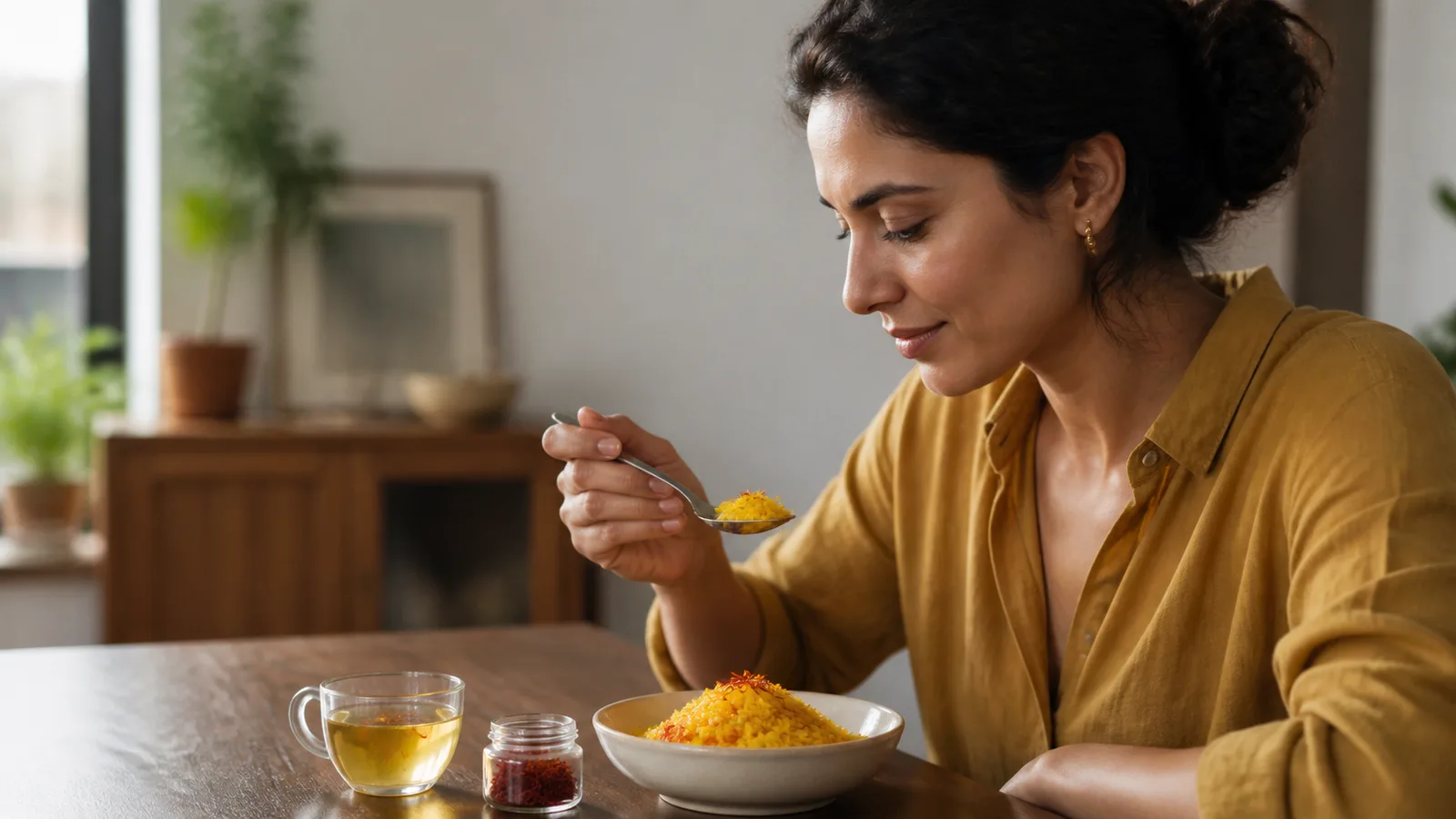
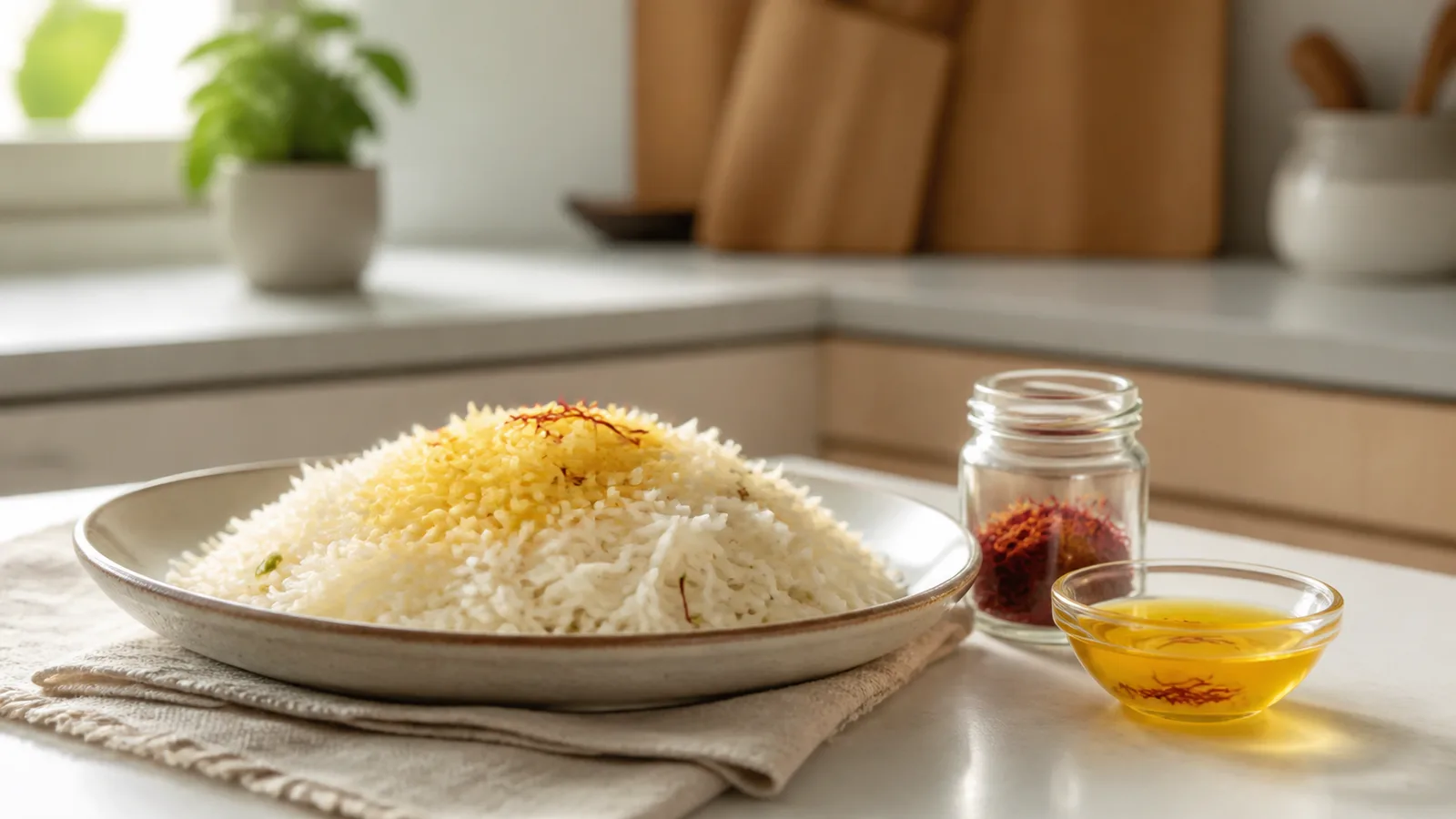
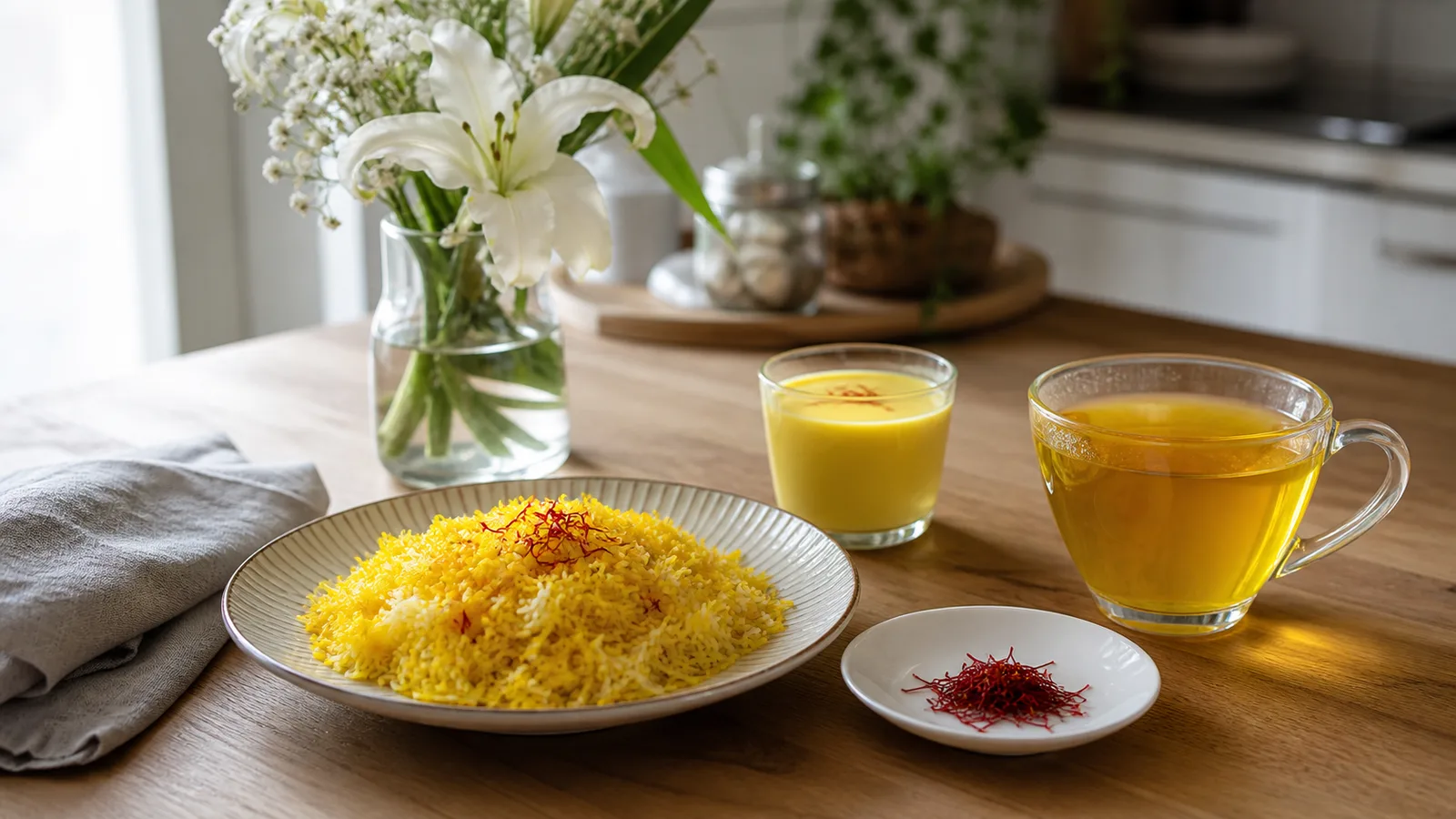
Saffron’s established value is sensory. A small pinch can colour and perfume an entire pot of rice, a stew, a sauce, bread, dessert or drink. Lightly crush the threads, infuse them in a few tablespoons of warm water for 10–20 minutes, and add the golden liquid and softened threads to the recipe.
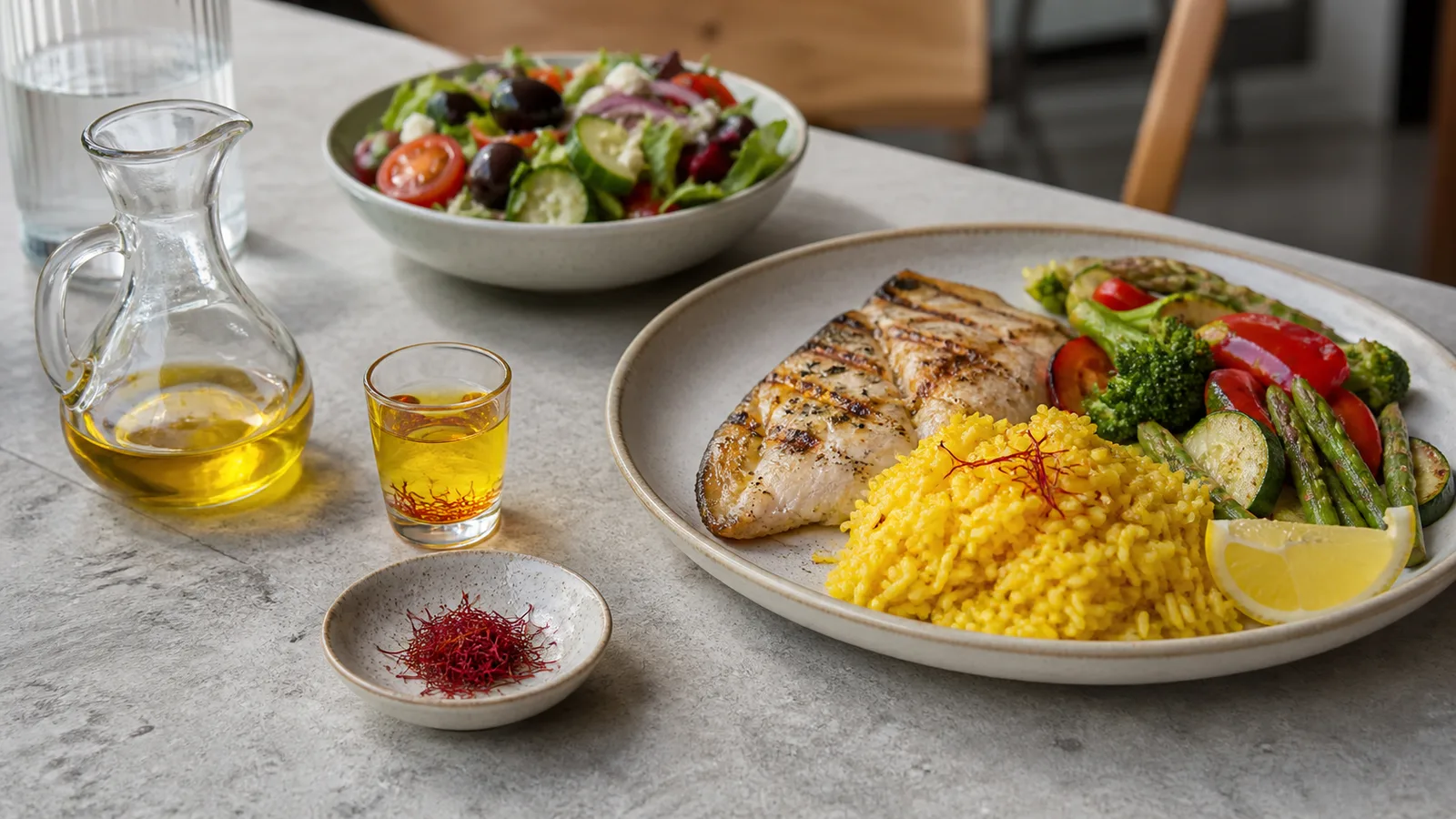
This method spreads flavour evenly. It does not “activate” healing properties or turn food into medicine. Using saffron in a nourishing dish can be part of a healthy eating pattern without making a disease claim.
Food, supplement and medicine are not interchangeable
Traditional use can suggest questions for research, but it does not prove effectiveness. Clinical trials usually identify their saffron preparation, amount and duration. Culinary threads, an aqueous tea, a standardized extract and a cream expose the body in different ways.
If an online article says “saffron was shown to help,” look for the exact outcome, participant group, comparator, duration and product. Then ask whether the result was clinically meaningful and repeated. Avoid turning an early or indirect result into a promise of treatment.
Safety and sensible use
Culinary amounts are not the same as repeated medicinal doses. Reported supplement side effects include nausea, dry mouth, headache, poor appetite, digestive discomfort and dizziness. Very large amounts can be harmful.
Ask a doctor or pharmacist before using a saffron supplement if you are pregnant or breastfeeding, take medication, have a health condition or are preparing for surgery. Particular caution is sensible with medicines affecting mood, sedation, blood pressure, blood sugar or clotting. Stop and seek advice if a product causes a concerning reaction.
A balanced view of saffron benefits
Saffron is a valuable spice with a serious and growing research literature. Mood and premenstrual-symptom findings are encouraging; cognition, cardiovascular and other results remain limited or product-specific. Claims about immunity, digestion, youthful skin and disease prevention go beyond what current human evidence can establish.
Enjoy saffron for its aroma, flavour, colour and cultural place in food. If considering it for a health outcome, use the evidence for that specific outcome, discuss the exact product with a qualified professional and keep proven care in place.