The benefits of saffron for the heart are promising but limited. Trials of saffron supplements have reported small changes in blood pressure, cholesterol, triglycerides and blood sugar in some groups. They have not shown that culinary saffron prevents a heart attack, clears an artery, dissolves a clot or repairs damaged heart muscle.
That distinction matters because the original article combined traditional Persian medicine with claims described as proven by modern medicine. A spice used in food, a standardised extract studied in a trial and a prescribed cardiovascular drug are not interchangeable.
What human research actually suggests
A 2022 systematic review and dose-response meta-analysis pooled 32 randomised trials with 1,674 adults. It reported modest average reductions in triglycerides, total cholesterol, LDL cholesterol, fasting glucose and systolic blood pressure, along with changes in several other markers.
Those are risk factors, not heart attacks or survival. Trials differed in participant health, saffron preparation, dose and duration, and many were small. A 2019 meta-analysis found no significant change in lipid profile or systolic blood pressure, while finding a small change in diastolic pressure. The research base is therefore more nuanced than “saffron prevents bad fats.”
For blood pressure specifically, a review of eight trials found average reductions of less than 1 mmHg systolic and about 1.2 mmHg diastolic. The authors said the effect might not reach clinical importance. That is not a reason to stop or reduce an antihypertensive medicine.
Cholesterol, triglycerides and arteries
The old post quoted Gholam Reza Kord Afshari, a traditional-medicine specialist, as saying saffron prevented increases in cholesterol, triglycerides and “low-fat lipids.” The last phrase was a mistranslation of low-density lipoprotein, or LDL cholesterol. It also said saffron stopped those substances from depositing in blood vessels.
Some pooled trials do report small reductions in lipid measurements. They do not show that saffron removes established atherosclerotic plaque or prevents plaque formation strongly enough to replace treatment. LDL lowering from a prescribed statin has direct cardiovascular-outcome evidence; a short saffron supplement trial measuring a laboratory value answers a different question.
People with coronary disease should follow the plan agreed with their clinician. The American Heart Association’s patient messages for chronic coronary disease identify statins as first-line cholesterol medicine and advise discussing over-the-counter supplements with a healthcare practitioner.
Blood pressure and saffron
The source said saffron’s antihypertensive effect had been proved. A better description is that small, short-term trials have detected modest average changes in some analyses. They have not established saffron as a treatment for hypertension or shown the long-term reduction in stroke and heart-attack risk expected from effective blood-pressure care.
If someone takes an antihypertensive drug, adding a concentrated saffron product without advice can also make the response harder to predict. Keep measuring blood pressure as directed, and discuss supplements rather than using them to change a prescription.
Can saffron help during or after a heart attack?
The original translation claimed that an unspecified amount of saffron reduced “blood cramping” during heart attacks, prevented injury to heart muscle and preserved left-ventricular function against damaging factors. “Blood cramping” may have referred to a clot, vessel spasm or restricted blood flow, but the wording does not identify which.
Laboratory and animal studies can explore antioxidant activity, blood-vessel responses or injury markers. They do not establish an emergency treatment in people. The article cited no human trial showing that saffron dissolves a coronary clot, limits infarct size or preserves left-ventricular function after an acute heart attack.
Chest pressure, pain spreading to the arm, back, neck or jaw, sudden shortness of breath, sweating, nausea or collapse can be an emergency. Call local emergency services. Do not take saffron, food or a supplement and wait to see whether symptoms pass.
The traditional “heart tonic” description
Kord Afshari was quoted as saying that saffron increased the “tendency and penetration” of foods and medicines toward the heart. The source also called it joyful, rejuvenating and a heart enhancer. These phrases belong to a traditional medical framework; they are not descriptions of measured drug delivery or modern cardiac physiology.
The source then said traditional practitioners added saffron to compounded remedies for heart patients so other medicines would be guided into the heart more effectively. There is no clinical basis here for adding saffron to a prescription or changing how a medicine is taken. Altering a cardiovascular medicine can affect its dose, absorption, safety and adherence.
Saffron has separately been studied for mood, which may explain part of the old “joyful” language. Feeling calmer or experiencing improved mood is not the same as strengthening heart muscle.
Culinary saffron versus a supplement
A few threads infused into food create a culinary exposure. Clinical trials usually use a measured capsule, extract or constituent over a defined period. Results from one preparation cannot automatically be assigned to every saffron tea, powder or dish.
Product quality matters as well. A supplement can vary in identity and concentration, while a powdered spice is harder to authenticate than whole threads. More is not better, and a food tradition does not establish the safety of a medicinal dose.
Who should ask before using concentrated saffron?
Talk with a physician or pharmacist before using a saffron extract if you have cardiovascular disease, low blood pressure, a bleeding disorder, or take anticoagulants, antiplatelet drugs, blood-pressure medicine or several prescriptions. Pregnancy is another reason to avoid unsupervised medicinal use.
Report dizziness, faintness, palpitations, unusual bleeding, rash or persistent digestive symptoms. Bring the actual product or label to the appointment so the clinician can assess the preparation and stated dose.
What protects the heart more reliably
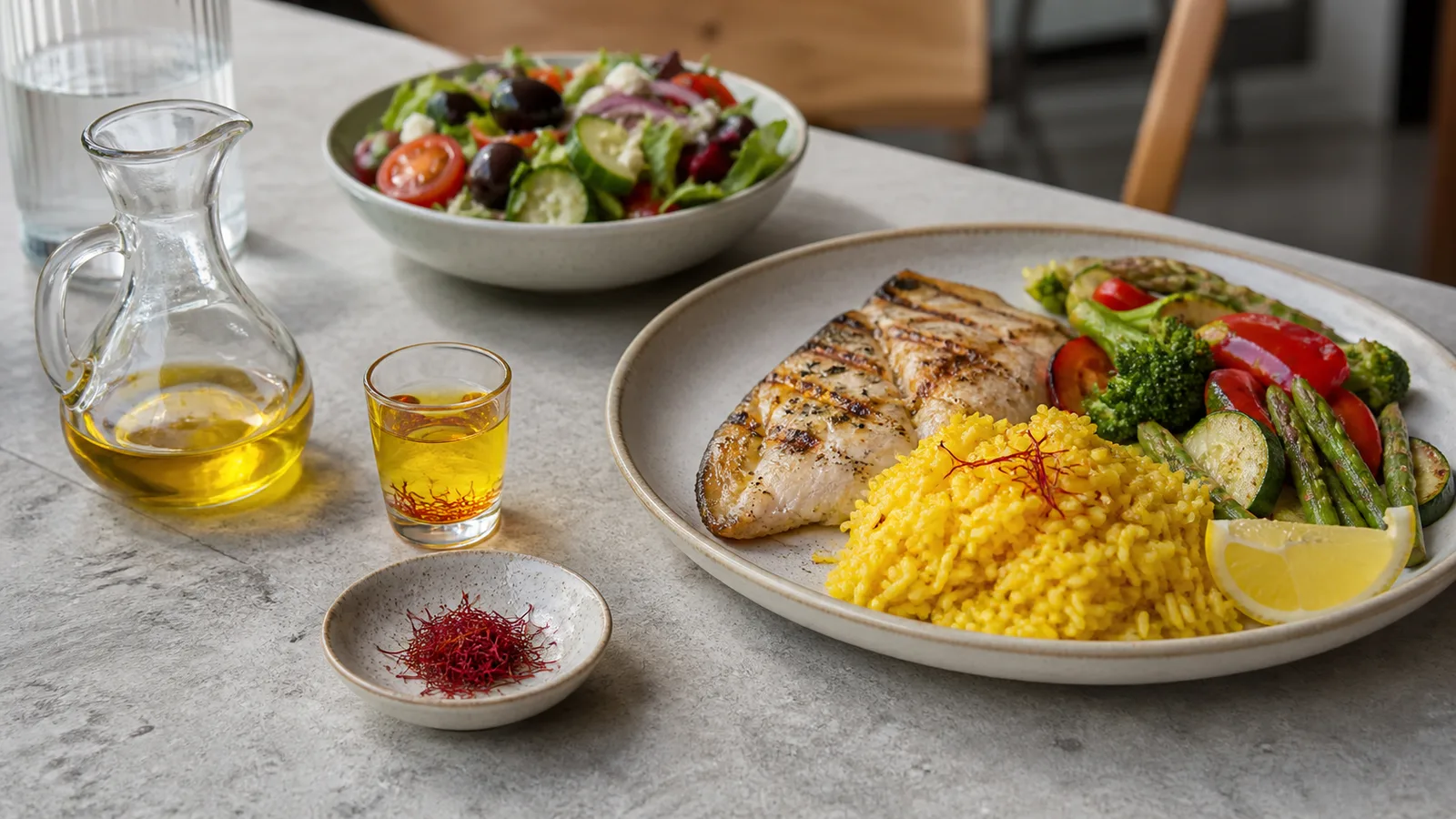
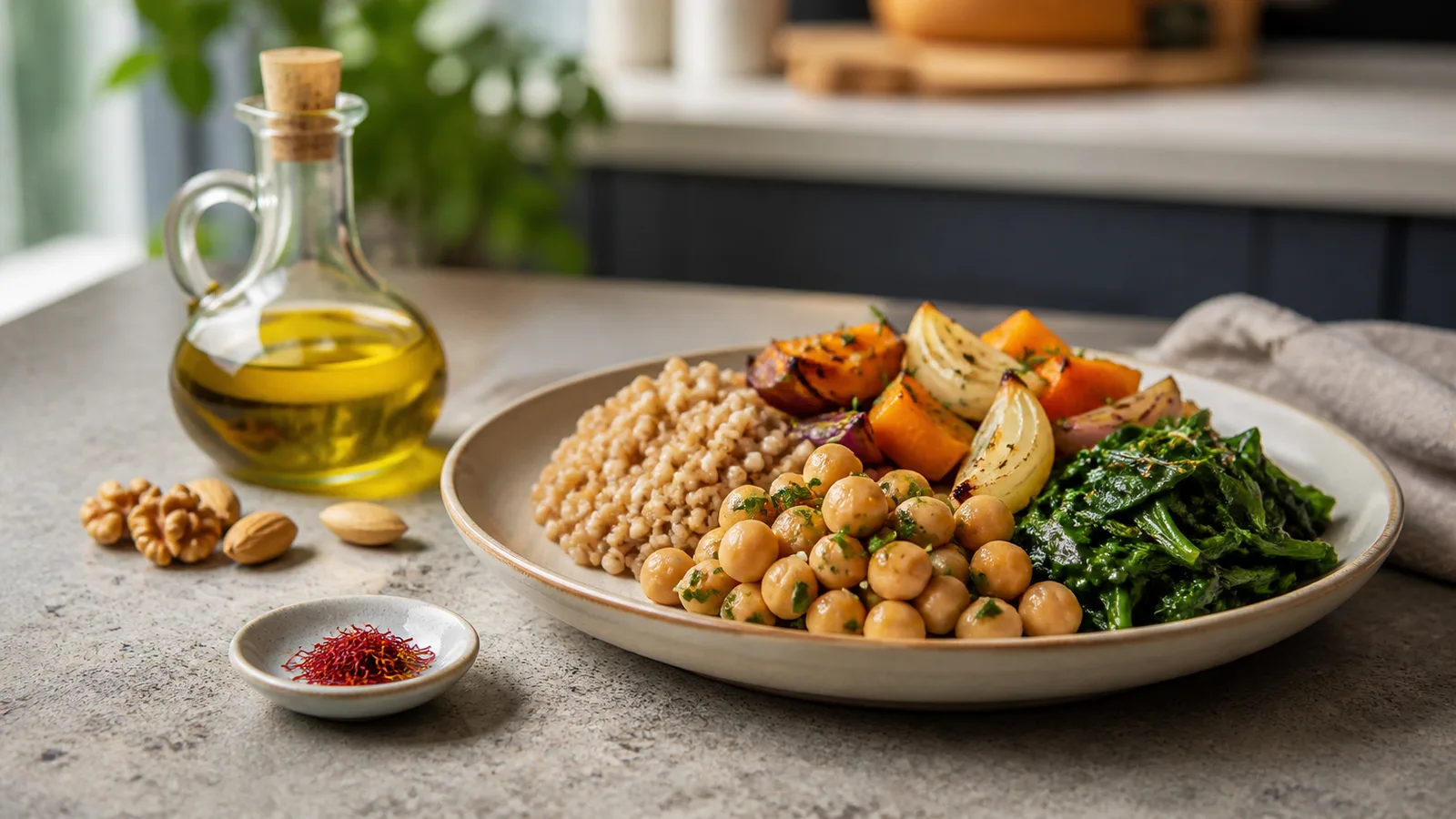
For most people, the established work is less exotic: do not smoke, keep active within medical advice, sleep adequately, manage blood pressure, diabetes and LDL cholesterol, and build meals around vegetables, legumes, whole grains, nuts, fruit and appropriate protein. Saffron can make such food aromatic and enjoyable without carrying the burden of being a medicine.
The fairest conclusion is that saffron supplements may slightly influence some cardiovascular risk markers. Evidence does not show that saffron prevents or treats heart attacks, clears vessels or replaces cardiovascular care. Use it for flavor; treat supplement claims as a conversation with the clinician who knows your risks and medicines.
Historical source: Parsineh quoting Fars News, as cited in the original post.