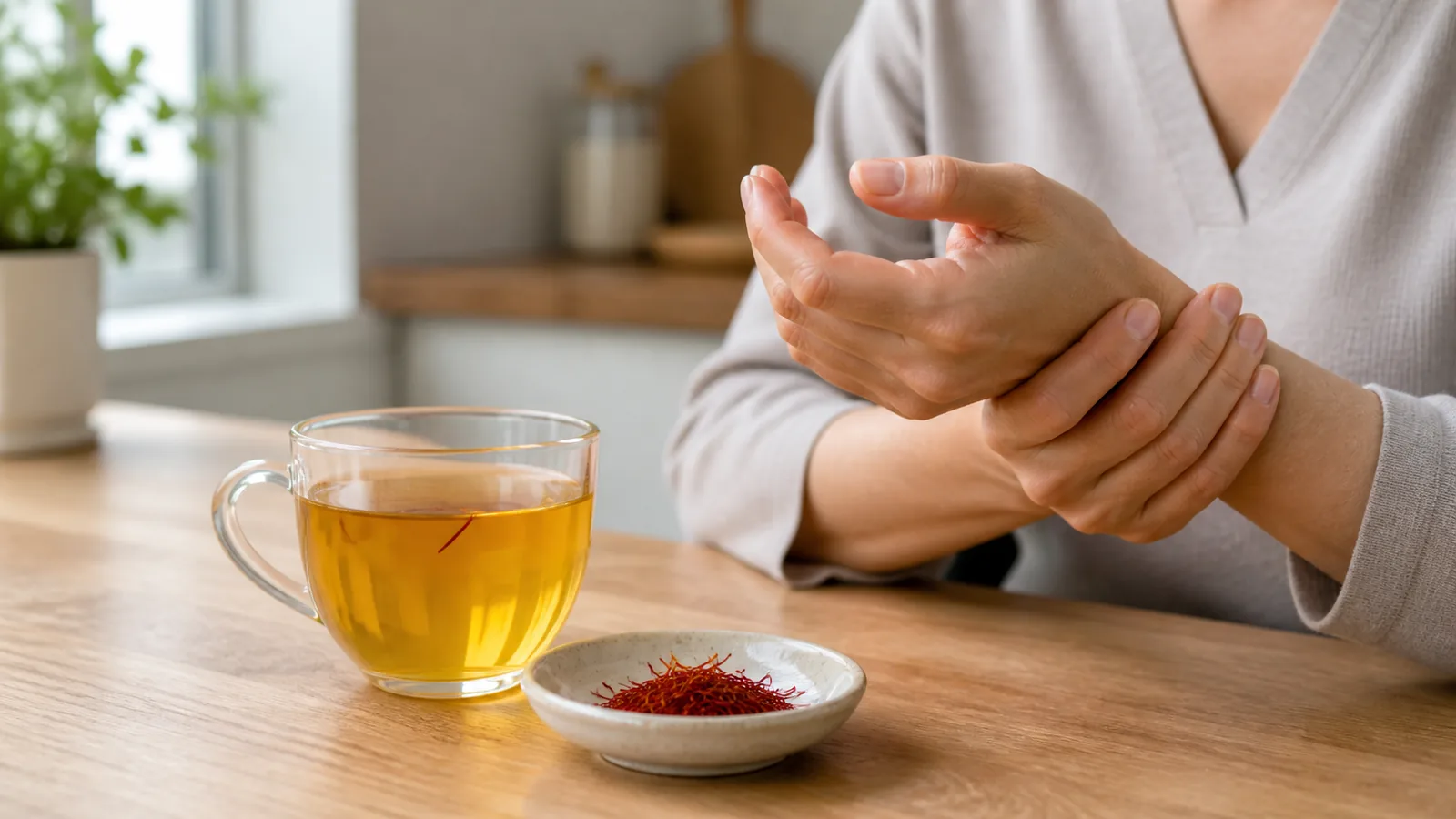
Saffron and liver cancer research includes a well-known rat experiment in which saffron extract reduced several signs of chemically induced liver tumours. The study provides a useful preclinical clue about inflammation, oxidative stress, cell proliferation and apoptosis. It does not show that saffron prevents or treats hepatocellular carcinoma in people.
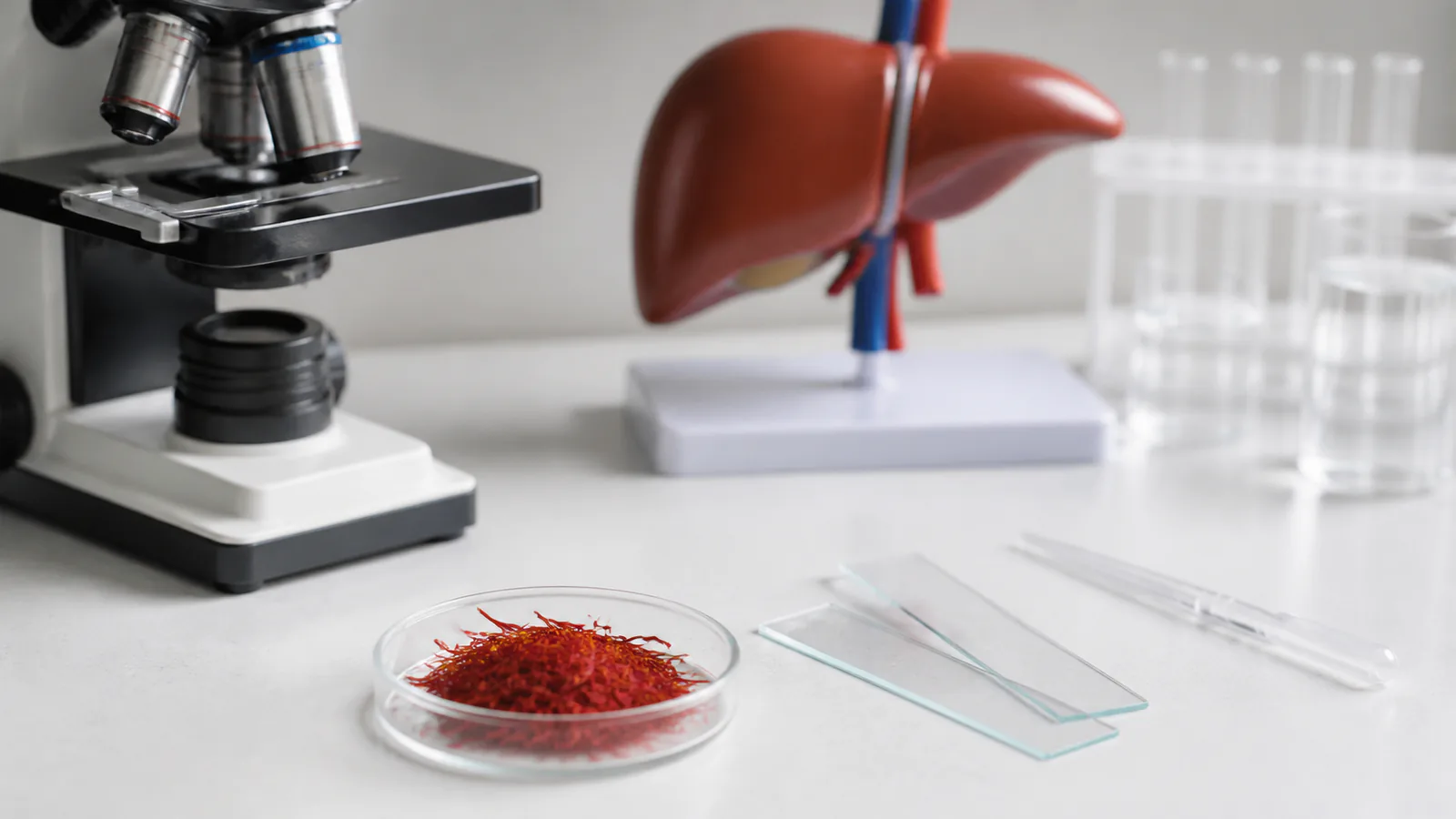
The original news report described the result as “inhibition of liver cancer.” To understand what that means, we need to look at the model, the measurements and the large gap between an animal experiment and a clinical therapy.
What the 2011 rat study actually did
The study, led by Amr Amin and published in Hepatology, used diethylnitrosamine (DEN) and a second chemical promoter to induce liver lesions in rats. DEN is commonly used in experimental models because it damages the liver and can produce changes that resemble parts of human hepatocarcinogenesis.
Researchers gave groups of rats saffron extract at 75, 150 or 300 milligrams per kilogram of body weight per day. Administration began two weeks before the cancer-inducing chemical and continued for 22 weeks. This was therefore a planned chemoprevention experiment in animals, not treatment of people who already had liver cancer.
The published study reported fewer and smaller abnormal liver nodules and fewer glutathione S-transferase-positive foci in saffron-treated animals. It also found changes in markers connected with oxidative damage, inflammation, cell proliferation and programmed cell death.
What the results mean
The experiment suggests that saffron extract altered the biological response to a strong chemical carcinogen in this rat model. Several findings were consistent with:
- lower oxidative damage in liver tissue;
- reduced activity of inflammatory markers;
- less cell proliferation;
- more apoptosis, the regulated process by which damaged cells die.
These measurements help researchers build a mechanism. They are not the same as tumour shrinkage, longer survival or better quality of life in a human trial. A marker can move in a favourable direction without becoming a useful or safe treatment.
What the study does not prove
The rat experiment does not establish that:
- culinary saffron prevents liver cancer;
- a saffron tea or supplement treats an existing tumour;
- the animal doses can be converted into a human dose;
- saffron is safe with chemotherapy, immunotherapy or targeted medicines;
- the result applies to every cause or stage of liver cancer.
Body-weight conversion alone cannot bridge those gaps. The animals received a characterized experimental extract, began it before chemical exposure and were studied under controlled conditions.
Why DEN-induced cancer is different from human HCC
Hepatocellular carcinoma (HCC) is the most common primary liver cancer. In people, it often develops after years of chronic liver injury or cirrhosis. Important causes include chronic hepatitis B or C, alcohol-related liver disease and metabolic dysfunction-associated steatotic liver disease. Aflatoxin exposure is another major risk in some regions.
A chemical rat model reproduces selected features, not that full history. Human tumours also vary in genetics, liver function, stage and response to treatment. A useful finding in rats must be followed by pharmacology, toxicology and carefully designed human trials.
What later saffron research has added
Researchers have continued to study crocin, crocetin and safranal in liver cancer cells and animal models. A follow-up crocin study examined early liver lesions using animal, cell and network analyses. Other experiments have combined saffron constituents with standard drugs in rats.
A 2026 study, for example, tested safranal with sorafenib in a rat cirrhosis-HCC model. It reported favourable changes in tumour, fibrosis and molecular measures. That is still preclinical research. Combining a supplement with sorafenib outside a trial could alter treatment or add toxicity and should not be attempted.
Is there human evidence?
There is no established clinical evidence that saffron prevents or treats liver cancer in patients. Human evidence would need to show outcomes such as tumour response, progression-free survival, overall survival or quality of life, while also defining side effects and interactions.
Our broader article on saffron and liver cancer compares cell, animal and human evidence and explains the difference between HCC and cancers that spread to the liver.
What proven prevention looks like
Effective liver-cancer prevention focuses on known causes: hepatitis B vaccination, testing and treatment for viral hepatitis, limiting alcohol, avoiding tobacco, reducing exposure to aflatoxin, and managing diabetes, obesity and chronic liver disease with medical care. People with cirrhosis or other high-risk conditions may need regular surveillance.
No spice replaces vaccination, antiviral treatment or surveillance imaging. If you have liver disease, discuss concentrated herbal products with the clinician managing it; liver function can affect how substances are processed, and product quality varies.
How to read this research responsibly
- Name the model: rats with chemically induced lesions.
- Name the preparation: a measured saffron extract, not ordinary food use.
- Name the outcome: nodules and tissue markers, not human survival.
- Keep the dose inside the experiment; do not turn it into instructions.
- Wait for replicated human trials before making a prevention or treatment claim.
The original study is credible evidence for further research. Its responsible conclusion is that saffron affected liver-cancer development in a specific rat model—not that saffron inhibits liver cancer in patients.