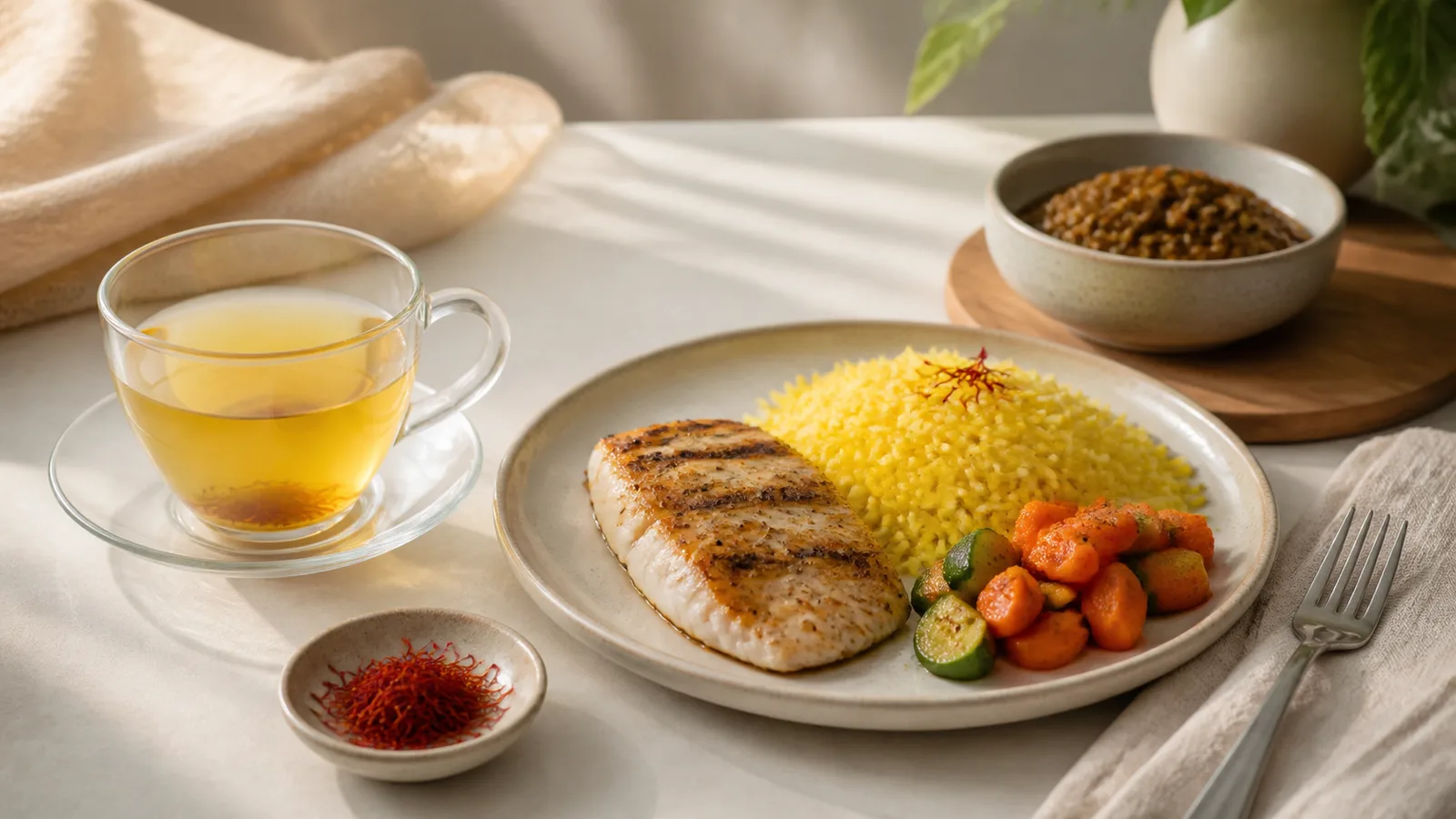
Saffron has a long history in food and traditional medicine, but good human evidence does not show that it treats indigestion, reflux, irritable bowel syndrome, inflammatory bowel disease, ulcers, or another digestive condition. Much of the digestive research concerns laboratory mechanisms, animals, or disease models rather than symptoms in people.
A small culinary amount may suit many adults, but saffron can also cause gastrointestinal side effects—especially when used as a supplement or in larger medicinal amounts. If a food or tea makes your symptoms worse, stop using it rather than assuming discomfort means it is “working.”
What does digestive health mean?
Digestive health covers many different issues. Indigestion, also called dyspepsia, can involve upper-abdominal pain or burning, feeling full too soon, uncomfortable fullness, bloating, nausea, or belching. Heartburn is a separate symptom, even though the two can occur together.
Lower digestive symptoms—abdominal pain, constipation, diarrhea, or changes in stool—may have different causes. A spice cannot be evaluated as one remedy for all of them. The symptom pattern and diagnosis matter.
What research says about saffron for digestive health
Saffron contains crocin, crocetin, picrocrocin, and safranal. Researchers have investigated antioxidant and anti-inflammatory activity, effects on cells and signaling pathways, and possible interactions with the gut microbiome.
A review focused on digestive diseases discussed these mechanisms and research involving inflammation and cancers of the digestive tract. It does not establish saffron as a treatment for inflammatory bowel disease, stomach or colon cancer, or ordinary indigestion. Mechanistic evidence is useful for planning trials; it is not a clinical recommendation.
A broader evidence map of saffron meta-analyses found uneven methods and called for larger, higher-quality trials. Digestive improvement from culinary tea remains unproven.
Can saffron help indigestion or bloating?
There is not enough clinical evidence to recommend saffron for indigestion, early fullness, belching, nausea, or bloating. These symptoms can have several causes, and some people notice that particular foods or drinks trigger them.
If saffron tea feels comfortable, it may be because it is warm, lightly flavored, and consumed slowly. That experience does not show that saffron changes stomach acid, speeds digestion, or treats the cause of symptoms.
Saffron, reflux, and heartburn
Saffron has not been proven to treat acid reflux or heartburn. Recipes around it may matter more: a large fatty meal, a strongly acidic drink, chocolate, caffeine, or eating close to bedtime can trigger symptoms for some people.
Do not replace a clinician’s advice or prescribed acid-reducing medicine with saffron. Frequent heartburn, trouble swallowing, vomiting, bleeding, or unexplained weight loss needs medical evaluation.
Saffron and the gut microbiome
References to the microbiome often come from early or preclinical research. The gut microbiome is complex, and there is no validated saffron regimen that produces a predictable beneficial change in people.
Saffron is used in such small culinary amounts that it should not be treated as a substitute for dietary fiber, varied plant foods, or treatment for a diagnosed gastrointestinal problem.
Does saffron treat IBS or inflammatory bowel disease?
No. Irritable bowel syndrome is a disorder of gut–brain interaction diagnosed from a pattern of abdominal pain and bowel changes. Inflammatory bowel disease involves intestinal inflammation and requires different assessment and management. They are not interchangeable.
Laboratory anti-inflammatory findings do not show that saffron controls Crohn’s disease or ulcerative colitis. It should not replace prescribed medicine. If you have IBS, a clinician or dietitian can help identify triggers without unnecessary restriction.
Can saffron prevent digestive cancers?
Cell and animal studies are not proof that eating saffron prevents or treats stomach, colon, liver, or another cancer. Cancer-related claims are especially inappropriate when they could delay screening, diagnosis, or treatment.
Discuss persistent symptoms, family history, and age-appropriate screening with a healthcare professional. Saffron can remain a culinary ingredient during cancer care only when it fits the individual’s diet and medical plan.
How to use saffron as food when your stomach is sensitive
There is no therapeutic digestive dose. Start with a normal culinary amount and a simple preparation so you can tell how you respond.
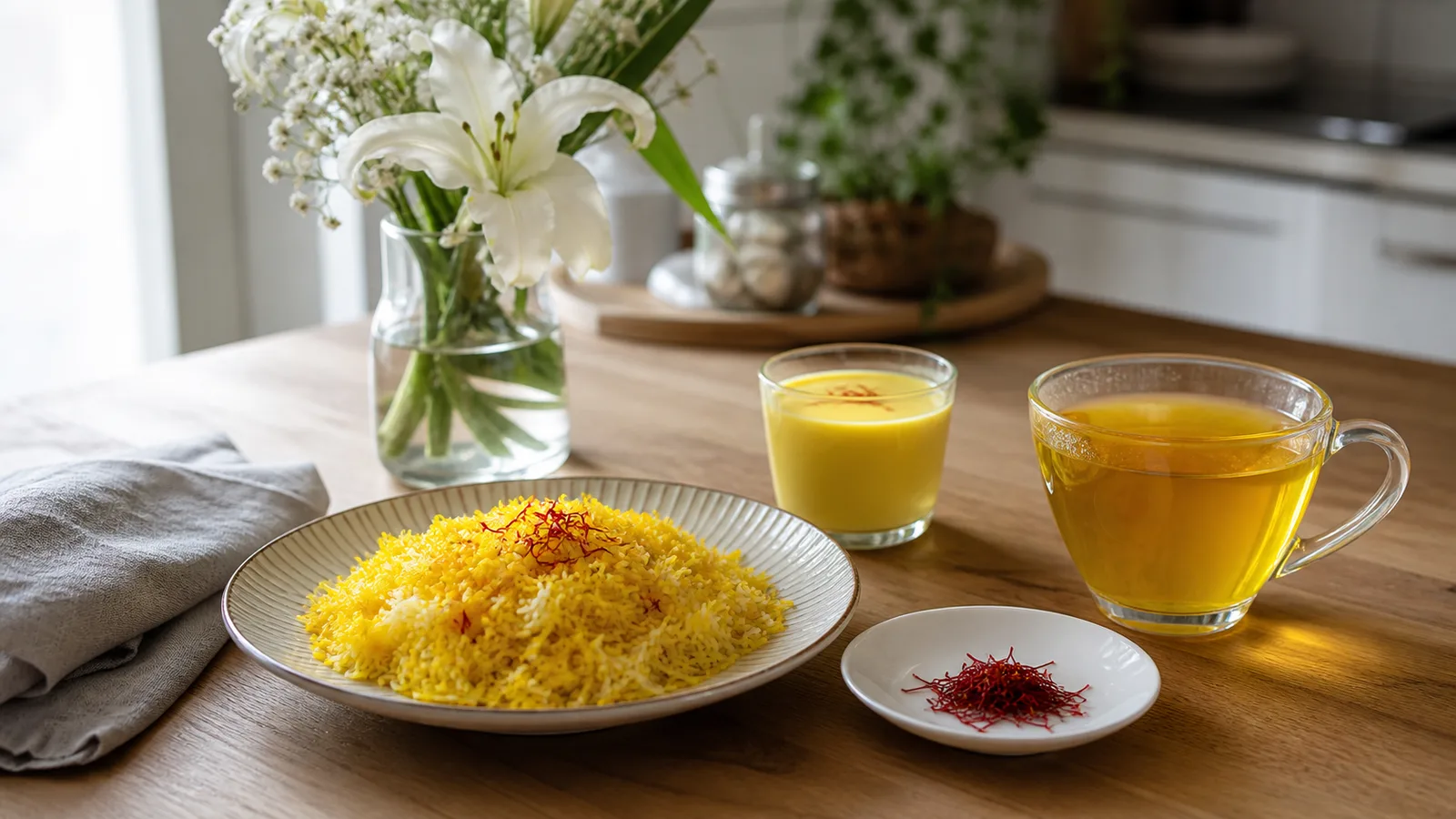
Light saffron tea
- Gently crush 5 to 8 saffron threads.
- Add 240 ml (1 cup) of hot water.
- Cover and steep for 8 to 10 minutes.
- Drink it slowly and without extra ingredients the first time.
Honey, lemon, milk, mint, and sweeteners can each affect symptoms differently. Introduce them separately rather than assuming the complete mixture is soothing.
Saffron in meals
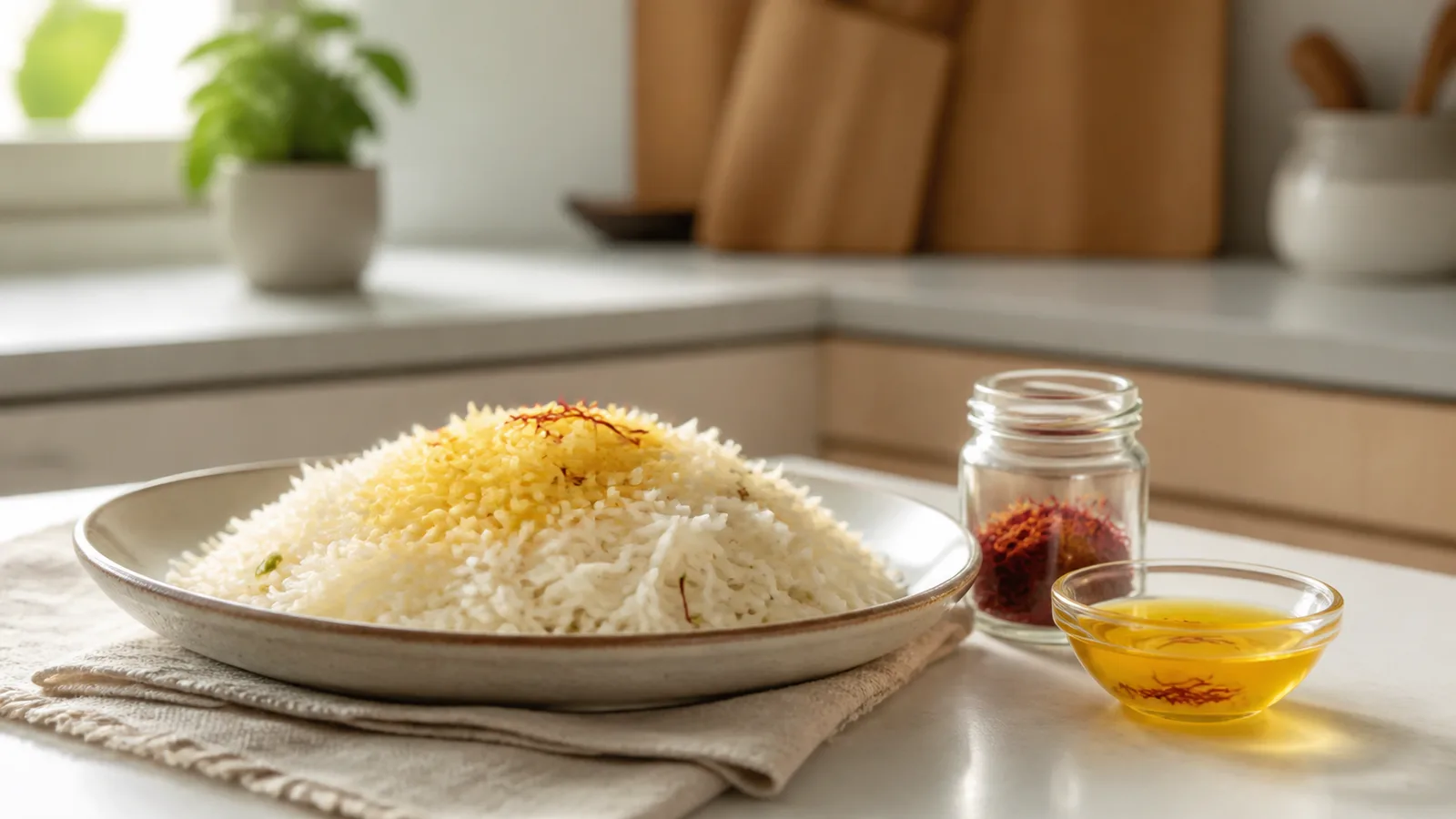
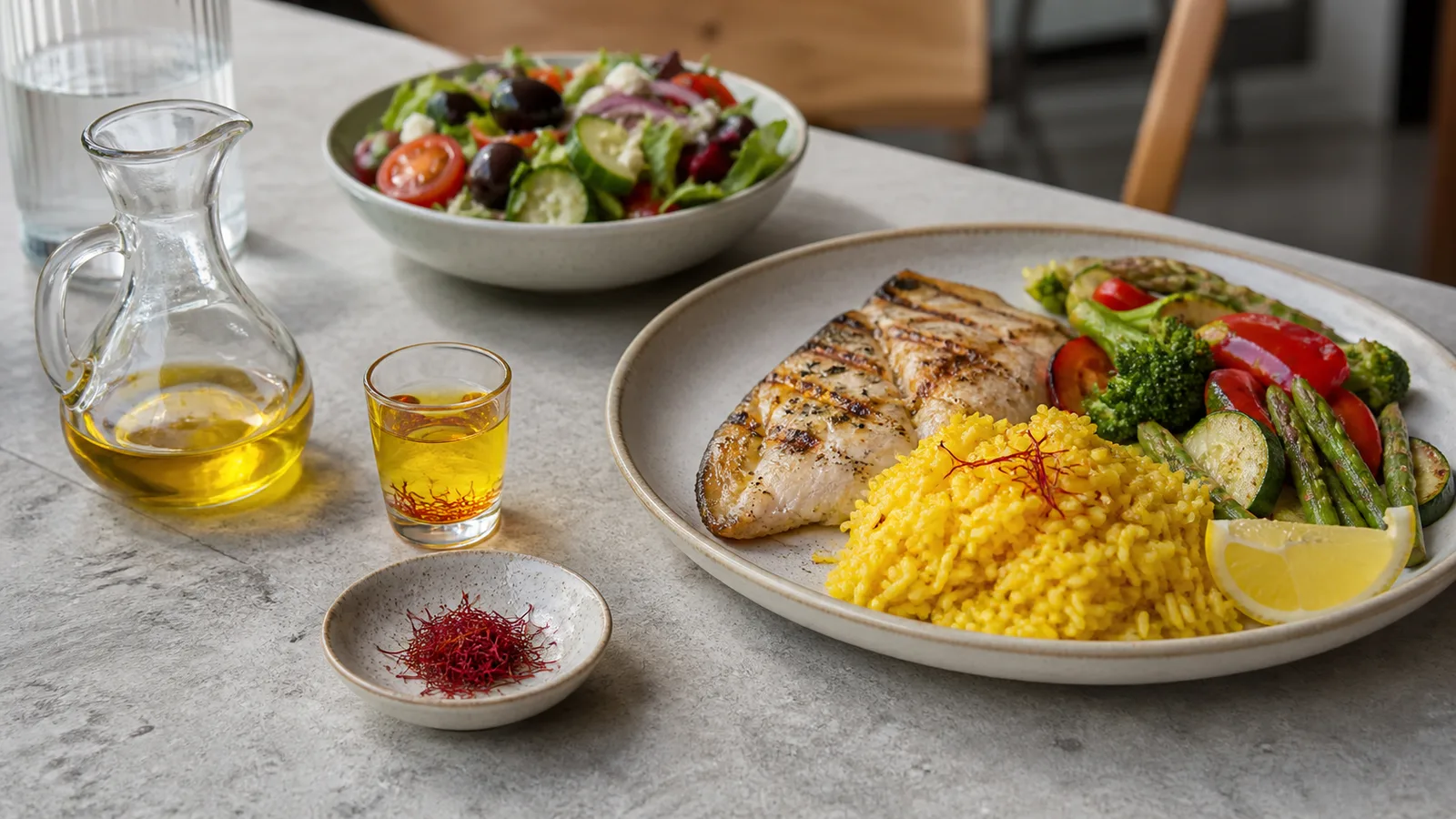
Bloom a small pinch and add it to rice, soup, vegetables, fish, chicken, or lentils. During a flare of indigestion, a simple, modest portion may be easier to evaluate than a rich saffron dessert or heavily buttered rice.
Can saffron upset the stomach?
Yes. A 2026 systematic review of human saffron safety data found that gastrointestinal problems were the most frequently reported adverse effects. Most were minor and self-limiting, but higher-dose or prolonged medicinal use may need clinical monitoring.
Possible complaints can include nausea, abdominal discomfort, vomiting, diarrhea, or appetite changes. The risk from an ordinary pinch in food is not the same as the risk from a concentrated extract, capsule, or repeated high intake.
Who should be cautious?
Ask a clinician before supplement-level saffron use if you are pregnant or breastfeeding, take prescription medicine, have low blood pressure or a bleeding condition, or are managing a chronic gastrointestinal, liver, or kidney condition. Do not combine several saffron products to chase a stronger effect.
Check supplement quality and ingredients carefully. A capsule may contain a standardized extract, whole powder, other botanicals, or undisclosed substances; research on one product does not validate another.
When digestive symptoms need medical care
Seek prompt medical help for severe or constant abdominal pain, chest pain, shortness of breath, difficulty or pain with swallowing, repeated vomiting, blood in vomit or stool, black tarry stool, jaundice, a swollen abdomen, or unintentional weight loss. Indigestion that does not improve also deserves assessment.
A clinician can review medicines, infections, ulcers, reflux, gallbladder or pancreatic problems, and disorders of gut–brain interaction. Treating the actual cause is safer than repeatedly changing spices or supplements.
Why the previous depression content was removed
The former article body discussed saffron for depression even though its title, URL, focus keyphrase, and meta description promised digestive health. That content mismatch did not answer a visitor’s question. Saffron mood research involves standardized preparations and belongs in our dedicated guide to saffron for depression, evidence, and safety.
Saffron should not be called a natural replacement for antidepressants, and mood research does not prove digestive benefit. The connection between the brain and gut is important, but it does not make one remedy appropriate for both.
The misplaced body also promised anxiety relief, better sleep patterns, cognitive support, serotonin regulation, and results from daily consumption. Those are not digestive claims, and none should be carried into a gut-health recommendation. They require their own evidence, dose, product, safety, and clinical context.
The evidence-based conclusion is straightforward: saffron adds aroma and color to food, and early digestive research is scientifically interesting. It is not yet an established remedy for gut symptoms or disease, and concentrated use can itself cause gastrointestinal effects.