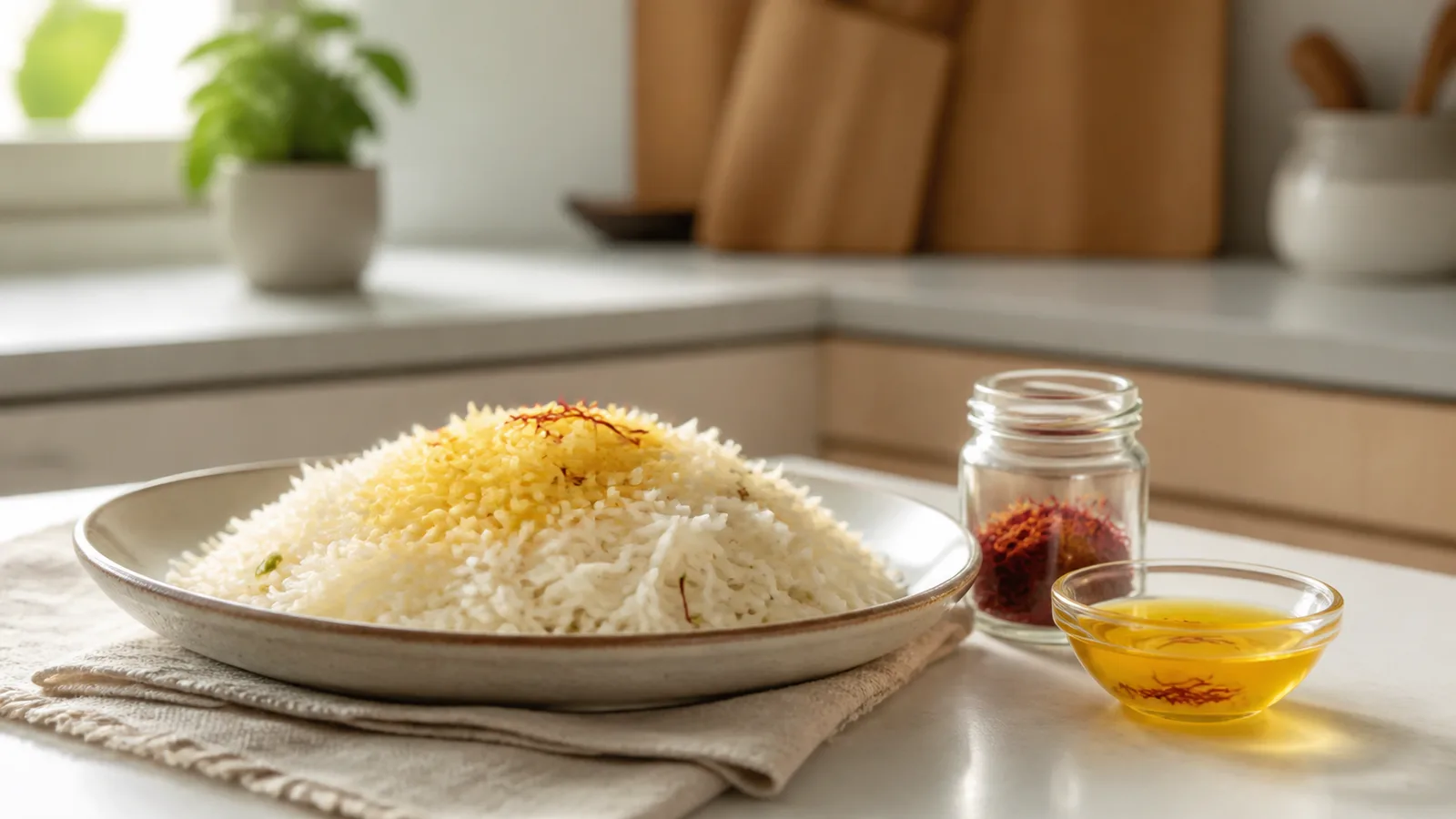
Saffron supplements have produced small changes in blood pressure and cholesterol in some randomized trials, but they have not been shown to prevent heart attacks, clear blocked arteries, or improve circulation in a way that replaces standard care. A few threads in food are also not equivalent to the measured extracts used in research.
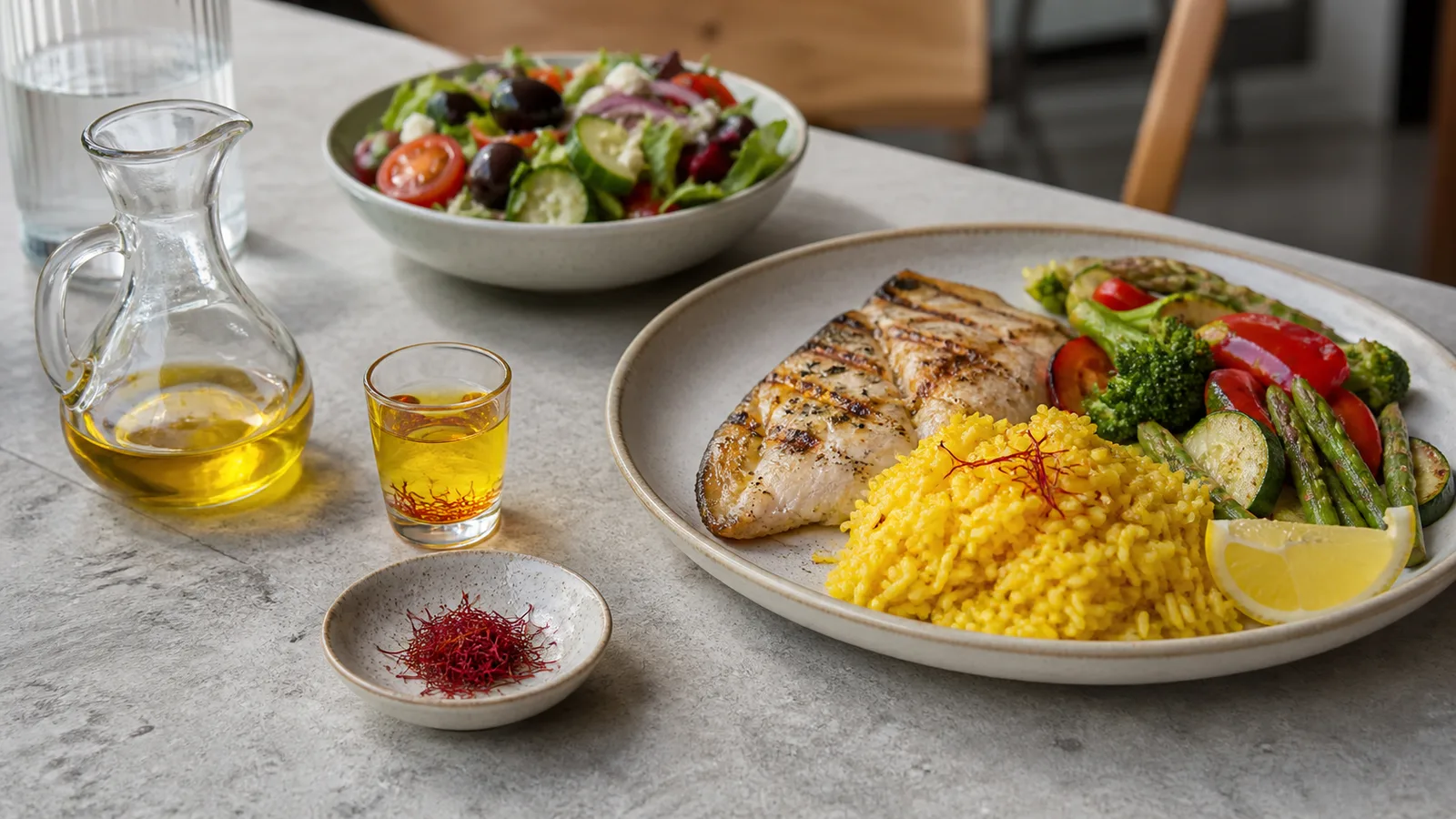
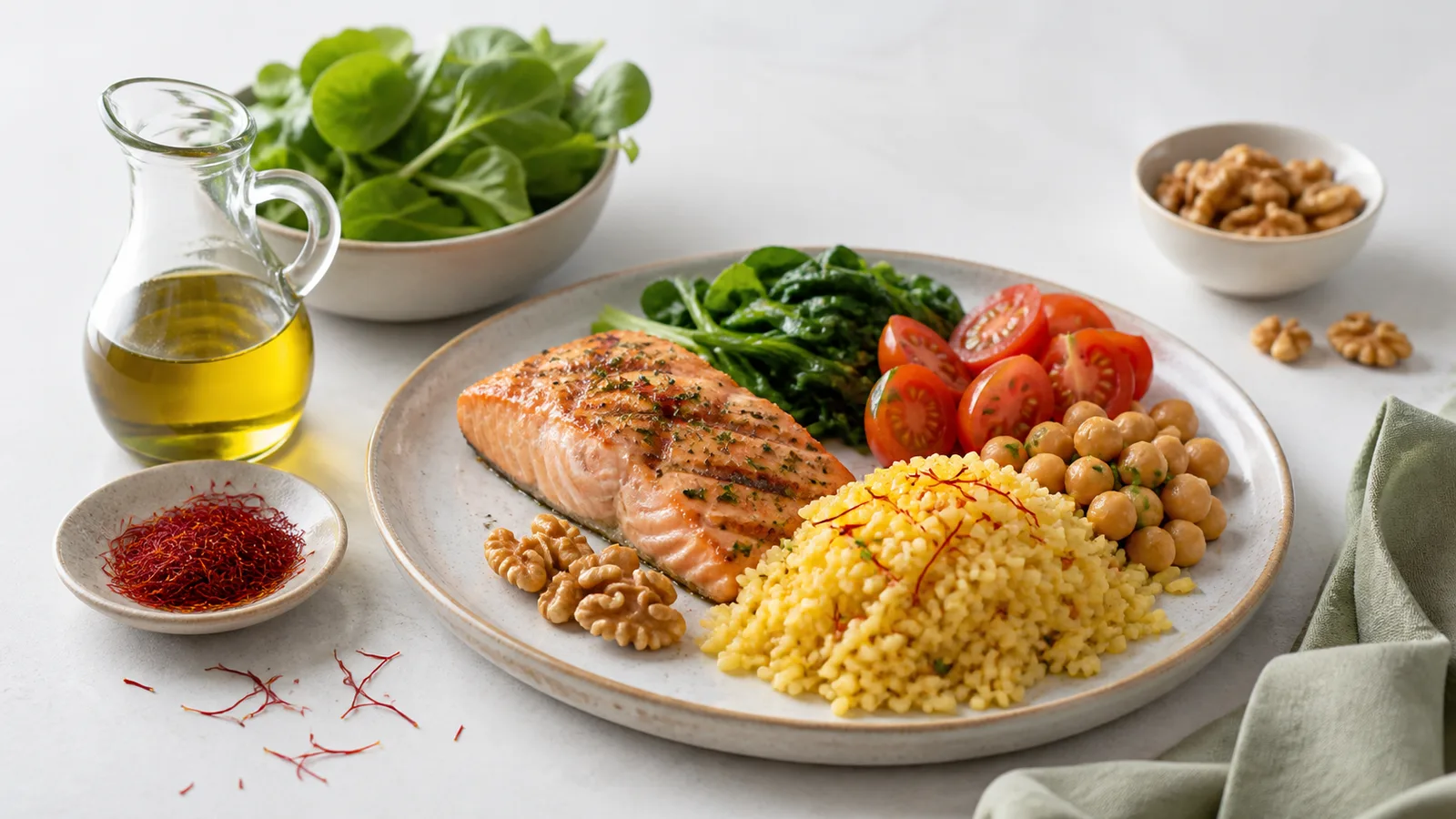
The practical role of saffron in heart health is mainly culinary: it can add aroma and color to vegetables, legumes, whole grains, fish, and other foods in a heart-conscious eating pattern. Anyone with heart disease or prescribed cardiovascular medicine should discuss concentrated saffron products with their clinician.
What studies actually measure
Most human research looks at cardiovascular risk markers—blood pressure, cholesterol, triglycerides, blood glucose, body measurements, or inflammatory markers—not heart attacks, strokes, survival, blocked arteries, or heart-muscle function.
A 2022 meta-analysis of 32 trials reported average reductions in several markers, including systolic blood pressure and LDL cholesterol. The studies differed in participants, products, dose, and duration. Another blood-pressure meta-analysis found reductions of less than 2 mmHg and warned that the effect might not be clinically important.
A 2025 review in people with metabolic syndrome also reported small average blood-pressure and total-cholesterol changes but no significant change in LDL, HDL, or triglycerides. The results are interesting, not a prescription.
Saffron for blood pressure
Saffron and blood pressure research should be read as risk-marker research, not proof of fewer cardiovascular events. If the question is “is saffron good for blood pressure?”, the size and clinical meaning of the reported change matter.
Does saffron lower blood pressure?
It may lower average readings slightly in some supplement trials, but effects are inconsistent and often small. That is not enough to use saffron for high blood pressure as a replacement for monitoring, lifestyle measures, or medication.
Blood pressure also changes throughout the day. One lower reading after saffron does not prove an effect. Use a validated monitor, follow the correct measuring technique, and look at a series of readings with your healthcare team.
Is saffron good for high blood pressure?
Using saffron as a low-sodium flavoring can fit a heart-conscious diet. A supplement is a different decision. If saffron blood pressure effects add to prescribed medicine, a susceptible person could feel dizzy or faint. Do not adjust a prescription based on supplement marketing or a home reading.
The careful answer to “can saffron lower blood pressure?” is therefore: small trial-level changes have been reported, but clinical importance and the best product are not established.
Saffron for cholesterol
Does saffron lower cholesterol?
Meta-analyses do not give one consistent answer. Some found small reductions in total cholesterol, LDL, or triglycerides; an earlier review found changes in total cholesterol and triglycerides but no significant LDL effect. Differences in the trials make a firm treatment recommendation inappropriate.
Saffron cholesterol research also uses extracts or powders, not the tiny amount scattered over a meal. Crocin may influence lipid-related pathways in laboratory research, but it has not been shown to remove cholesterol buildup from human arteries.
Use a lipid panel and your overall cardiovascular risk—not whether a food contains antioxidants—to decide on treatment with a healthcare professional.
Saffron benefits for heart health: what is not established
Blood circulation and oxygen delivery
No strong clinical evidence shows that saffron improves blood circulation, delivers more oxygen to organs, or increases circulatory efficiency. Feeling warm after a drink—or saffron’s traditional “warming” description—is not proof of vasodilation or better cardiac output.
Saffron contains only tiny amounts of potassium and iron in a normal serving. It cannot be relied on to relax blood vessels, produce red blood cells, or prevent anemia.
Atherosclerosis and arterial blockages
Saffron has not been shown to prevent or reverse atherosclerosis in people. Small changes in a blood marker do not demonstrate that crocin or crocetin clears fatty deposits from an artery. Smoking avoidance, blood-pressure and cholesterol control, diabetes care, activity, diet, and prescribed treatment have established roles.
Heart-attack prevention or protection
No clinical evidence shows that safranal prevents a heart attack or protects heart tissue during blocked blood flow. Chest pressure, pain spreading to an arm, jaw, back, or shoulder, shortness of breath, cold sweat, nausea, or sudden weakness can be emergency signs. Seek emergency help; do not take saffron and wait.
Stress and mood
Saffron extracts have separate research relating to mood. Even if stress management supports general wellbeing, it does not prove that saffron reduces cardiovascular events through relaxation. Mental-health and heart-health outcomes should not be merged into one claim.
Antioxidants and inflammation
Crocin, crocetin, safranal, and other compounds show antioxidant or anti-inflammatory activity in experimental research. This does not establish that saffron “strengthens” the heart or protects it from oxidative stress in a clinically meaningful way.
Is saffron good for heart patients?
A normal culinary amount may fit many diets, but “heart patient” covers people with very different diagnoses, medicines, procedures, and risks. Someone with low blood pressure, an arrhythmia, heart failure, coronary disease, a recent procedure, or anticoagulant treatment needs individualized advice.
There is no evidence that saffron enhances delivery or effectiveness of heart medications. The historical claim attributed to Avicenna should be treated as traditional context, not a reason to combine a supplement with prescription drugs. An interaction could increase side effects rather than improve treatment.
How to use saffron in a heart-conscious eating pattern
- Bloom a small pinch and use it to flavor vegetables, beans, lentils, or whole grains.
- Add it to fish or chicken dishes without relying on heavy cream, butter, or excess salt.
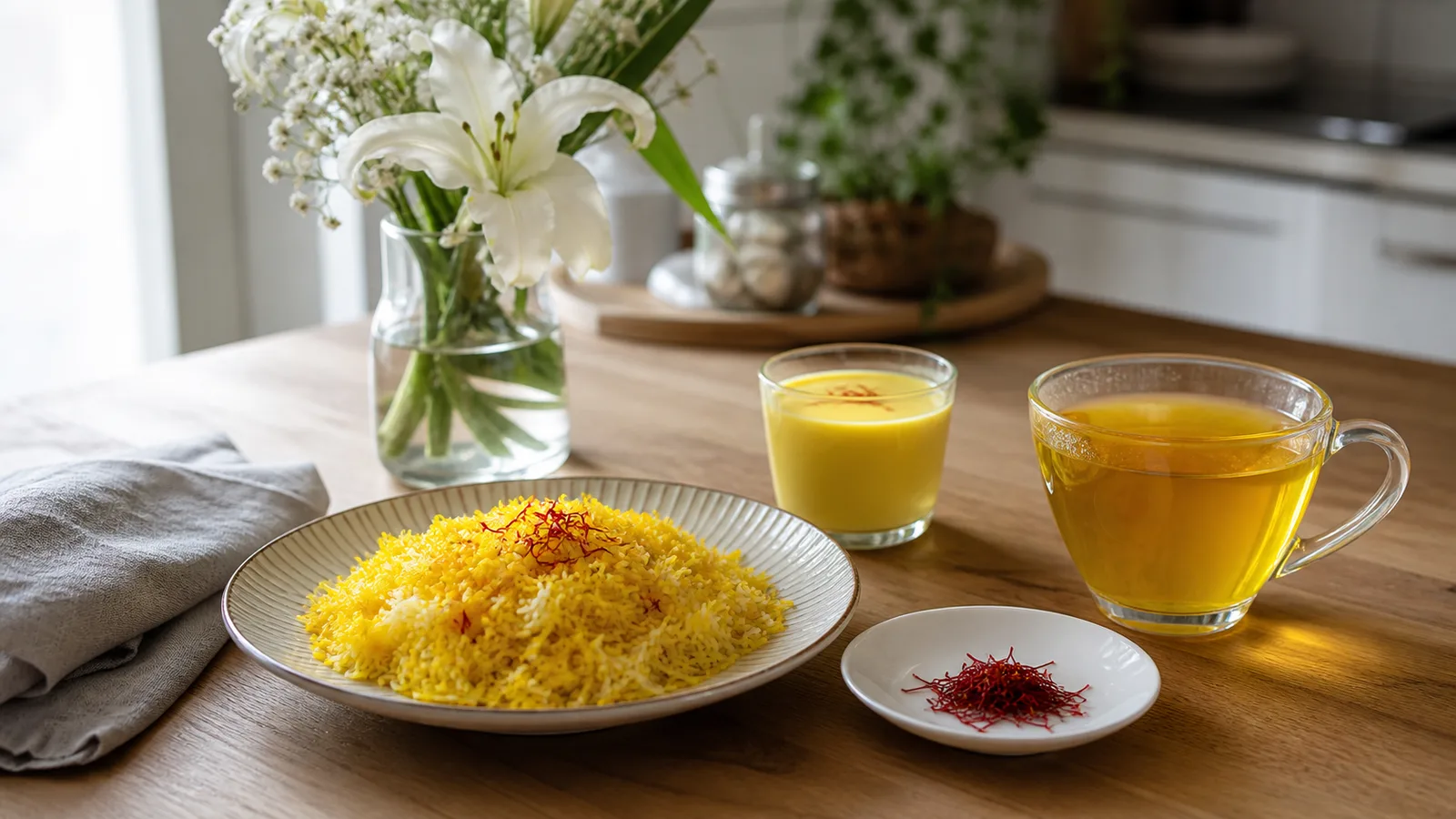
- Use unsweetened saffron tea in place of a sugary drink if it suits you.
- Measure oil, salt, sugar, and portion size; saffron does not cancel their effects.
- Choose an overall pattern rich in vegetables, fruit, whole grains, legumes, nuts, and suitable protein sources.
The minerals and vitamins once listed for saffron—potassium, calcium, iron, vitamin A, vitamin C, folate, niacin, riboflavin, and thiamine—are not present in a few culinary threads at levels that make saffron a meaningful source. Carotenoids and flavonoids may be chemically interesting, but their presence does not convert the spice into cardiovascular therapy. Its value in a meal is flavor, which can help food remain appealing with less salt or heavy sauce.
Supplement safety and medication questions
Do not start a saffron or crocin supplement to treat blood pressure, cholesterol, chest pain, or another heart condition without medical review. Concentrated products vary, and research on one standardized extract cannot validate every capsule.
Extra caution is appropriate for people taking blood-pressure medicine, anticoagulants or antiplatelet drugs, or several prescriptions; those with low blood pressure or a bleeding disorder; and anyone who is pregnant, breastfeeding, or preparing for surgery. Monitor for dizziness, faintness, bleeding, stomach symptoms, or allergy.
What protects cardiovascular health more reliably?
Work with a healthcare professional to control blood pressure, cholesterol, and blood sugar. Avoid tobacco, stay physically active in a way that is safe for you, sleep adequately, and follow a sustainable eating pattern. Take prescribed medicines as directed.
Saffron for heart health can be part of the food, not the treatment plan. That is the central limit behind responsible saffron heart health advice. The evidence supports continued research into modest changes in some risk markers; it does not support claims that saffron prevents arterial blockages, heart attacks, or strokes, improves heart medicines, or guarantees healthy circulation.