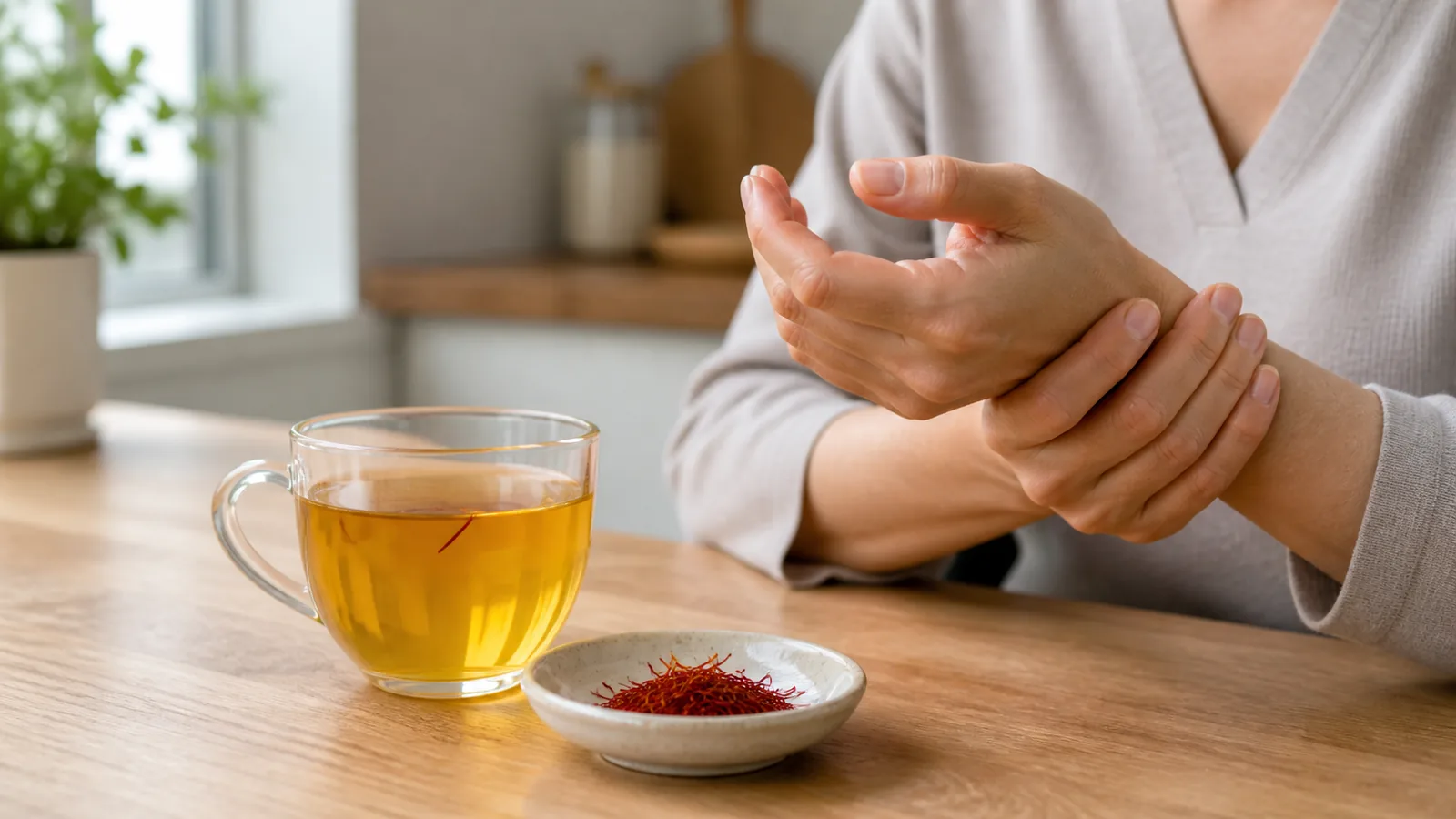
Saffron has been studied for depression, and recent systematic reviews report promising results from randomized trials of defined saffron preparations. That does not mean a saffron dish, tea, or unverified supplement will treat depression, nor does it make saffron interchangeable with an antidepressant.
Depression can affect sleep, appetite, concentration, relationships, work, and safety. A useful discussion of saffron must sit inside proper diagnosis and care, not offer “natural relief” as an easy substitute.
If you may harm yourself or cannot stay safe, contact local emergency services or a crisis service now. In the United States and its territories, call or text 988. Elsewhere, use your country’s emergency or crisis service.
What the research says about saffron for depression
A 2026 GRADE-assessed systematic review and meta-analysis included 34 randomized controlled trials concerning saffron and depression, anxiety, or mood disorders. Across the evidence base, some saffron preparations improved symptom scores compared with control conditions.
Earlier small trials compared saffron stigma or petal products with placebo and, in selected groups, with medicines such as fluoxetine, imipramine, or citalopram. A separate meta-analysis has examined saffron versus selective serotonin reuptake inhibitors.
These findings deserve attention, but several limits remain:
- trials use different extracts, plant parts, standardization methods, doses, and durations;
- many studies are small and short;
- participants and depression severity differ;
- blinding can be difficult when a product has a recognizable color or aroma;
- published symptom-score changes do not answer every question about relapse, long-term safety, function, or suicide risk; and
- a named research product is not evidence for every retail supplement.
The evidence does not support stopping prescribed medication, choosing saffron without assessment, or assuming it has fewer side effects for every person.
Does saffron work like an antidepressant?
That is not established. Researchers propose several possible mechanisms involving inflammation, oxidative stress, and neurotransmitter systems. Saffron contains crocin, crocetin, safranal, picrocrocin, and other compounds, but a plausible biological pathway is not the same as a proven clinical mechanism.
Claims that saffron simply “boosts serotonin” or blocks serotonin reabsorption in people are too definite. Depression is not explained by one chemical shortage, and clinical improvement cannot be reduced to a single laboratory pathway.
Comparability in a small trial also does not prove equivalence to a medicine. Fluoxetine, imipramine, and citalopram have established prescribing information, quality control, interaction data, and clinical-monitoring practices. A spice or supplement does not acquire those characteristics because a short study used it.
Extract, capsule, petal, tea, and food are not the same
A saffron extract is manufactured to concentrate or standardize selected constituents. One trial may use stigma extract, another petal material, and another a branded capsule. Their results cannot be transferred automatically to each other.
Saffron tea and food contain variable, usually much smaller exposures. They can be enjoyable parts of a meal or routine, but clinical trials of extracts do not establish a therapeutic recipe. Smelling saffron’s fragrance has also not been proven to treat depression or anxiety.
Powder is not necessarily an extract. It may simply be ground stigmas, and it is harder to inspect for adulteration. A product label should identify the plant part, amount, standardization, batch, manufacturer, and testing rather than relying on “sunshine spice,” “mood lift,” or “natural antidepressant” language.
Can saffron be taken with antidepressants?
Do not add a saffron supplement to an antidepressant without asking the prescriber or pharmacist. Interaction data are incomplete, products vary, and changes in mood treatment should be monitored. The same applies to stopping medicine in favor of saffron.
Tell the clinician about every supplement and medicine you take. This is especially important if you also use medication affecting blood pressure, blood sugar, bleeding, sleep, or mood, or if you have bipolar disorder. A period of unusual energy, reduced need for sleep, impulsive behavior, or agitation needs prompt medical attention.
Side effects and who should be cautious
A 2026 systematic review evaluated adverse events reported with saffron. Possible effects include nausea, digestive upset, headache, dizziness, dry mouth, allergy, and changes relevant to blood pressure or bleeding. Safety depends on the exact product, amount, duration, health conditions, and other medicines.
Pregnancy, trying to conceive, breastfeeding, surgery, a bleeding disorder, low blood pressure, and chronic medical conditions all require extra caution. Culinary use is a different exposure from a concentrated supplement, but pregnancy is not the time to experiment with medicinal amounts.
Seek urgent help for swelling, breathing difficulty, fainting, severe agitation, a rapidly worsening mood, or thoughts of self-harm.
How to assess a saffron supplement claim
- Identify the exact product used in the study. Match the plant part, extract, standardization, and formulation.
- Check the population. Evidence in adults with mild-to-moderate symptoms may not apply to another diagnosis or severity.
- Look beyond the abstract. Study size, duration, comparison, dropout, adverse-event reporting, and funding matter.
- Verify the retail product. Require batch identification and credible independent testing.
- Discuss the decision with the treating professional. Consider established options, interactions, monitoring, and what will happen if symptoms worsen.
What about saffron’s other claimed benefits?
The old version of this page bundled depression with skin care, immunity, digestion, arthritis, heart disease, diabetes, and cancer. Those topics do not establish the page’s depression claim.
- Saffron is not proven to prevent acne, eczema, rosacea, skin aging, or pimples. Adding saffron oil to a moisturizer or applying a saffron-and-honey mask can irritate skin and is not a treatment.
- It has not been shown to increase bile or digestive juices, treat bloating or indigestion, reduce stomach inflammation, or relieve irritable bowel syndrome.
- Antioxidant or free-radical results in a laboratory do not prove that saffron lowers cholesterol or protects people from heart disease, diabetes, cancer, heart attack, stroke, blood clots, or arterial plaque.
- Saffron has not been established as a way to strengthen the immune system or fight infection.
- Crocin, crocetin, picrocrocin, and safranal are not vitamins. Culinary saffron is not a meaningful multivitamin source of vitamin C, vitamin A, folate, or potassium.
Our saffron health benefits guide reviews the broader evidence and product-form distinctions without turning every laboratory finding into a promise.
A reasonable place for culinary saffron
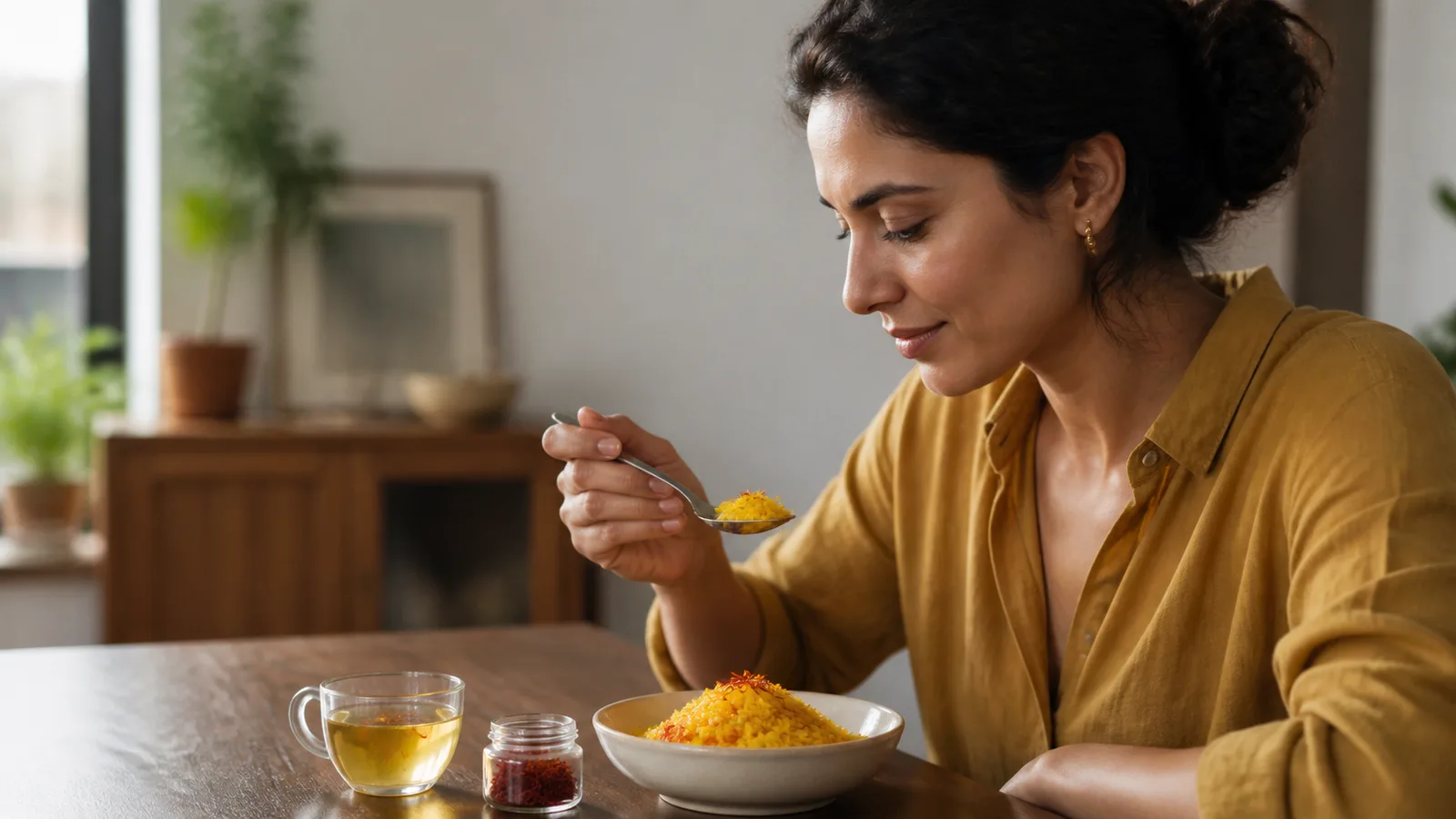
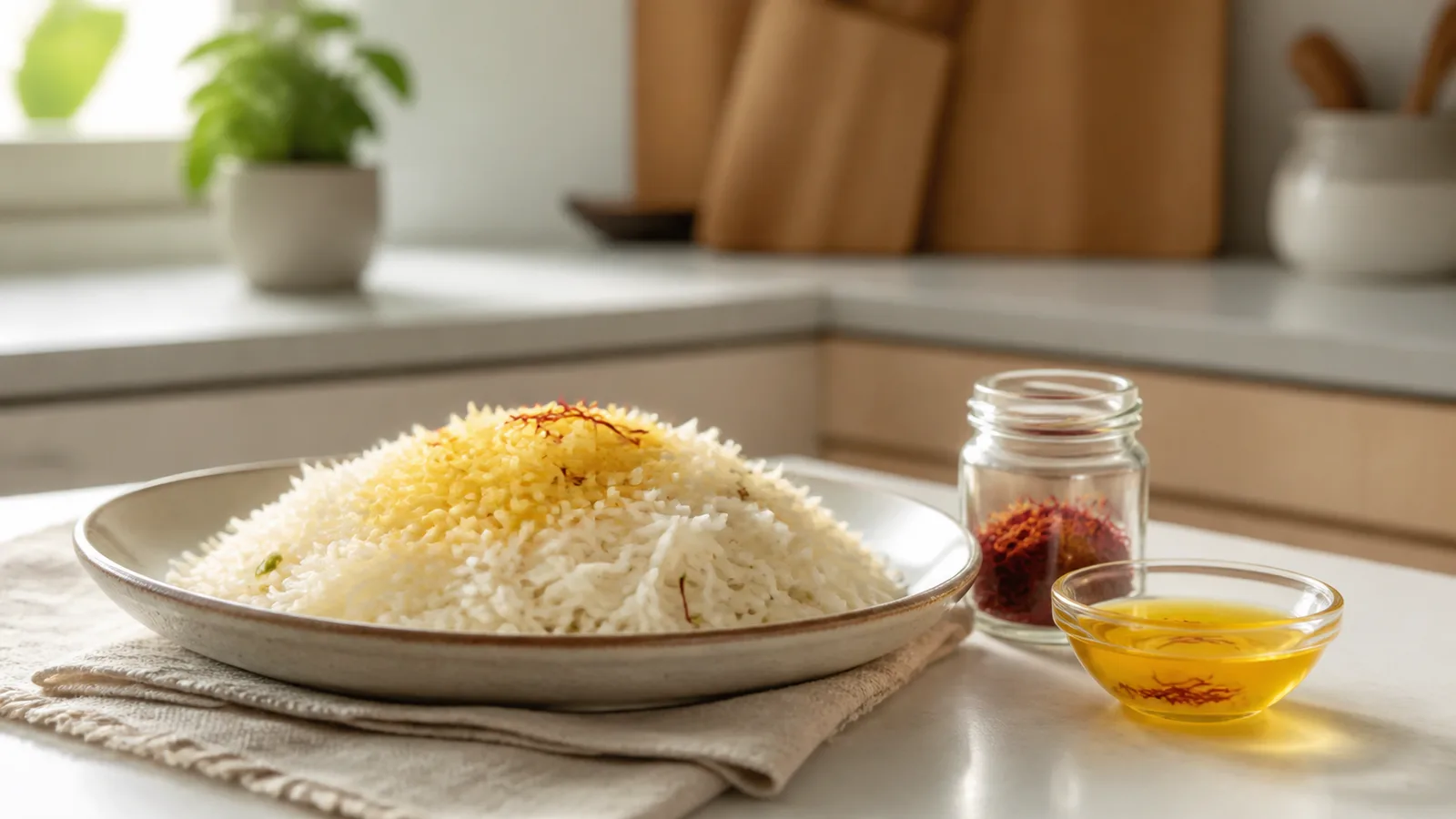
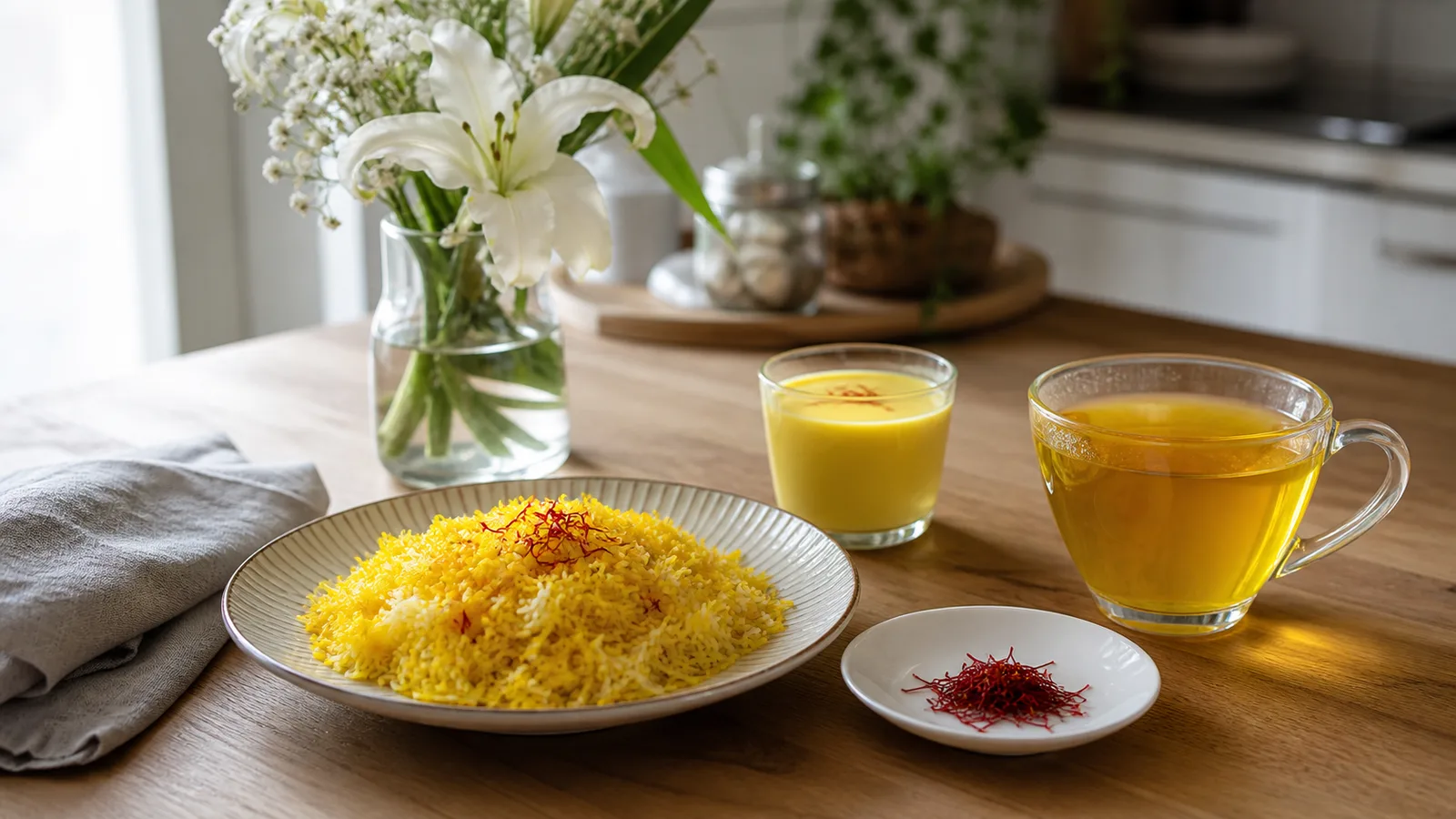
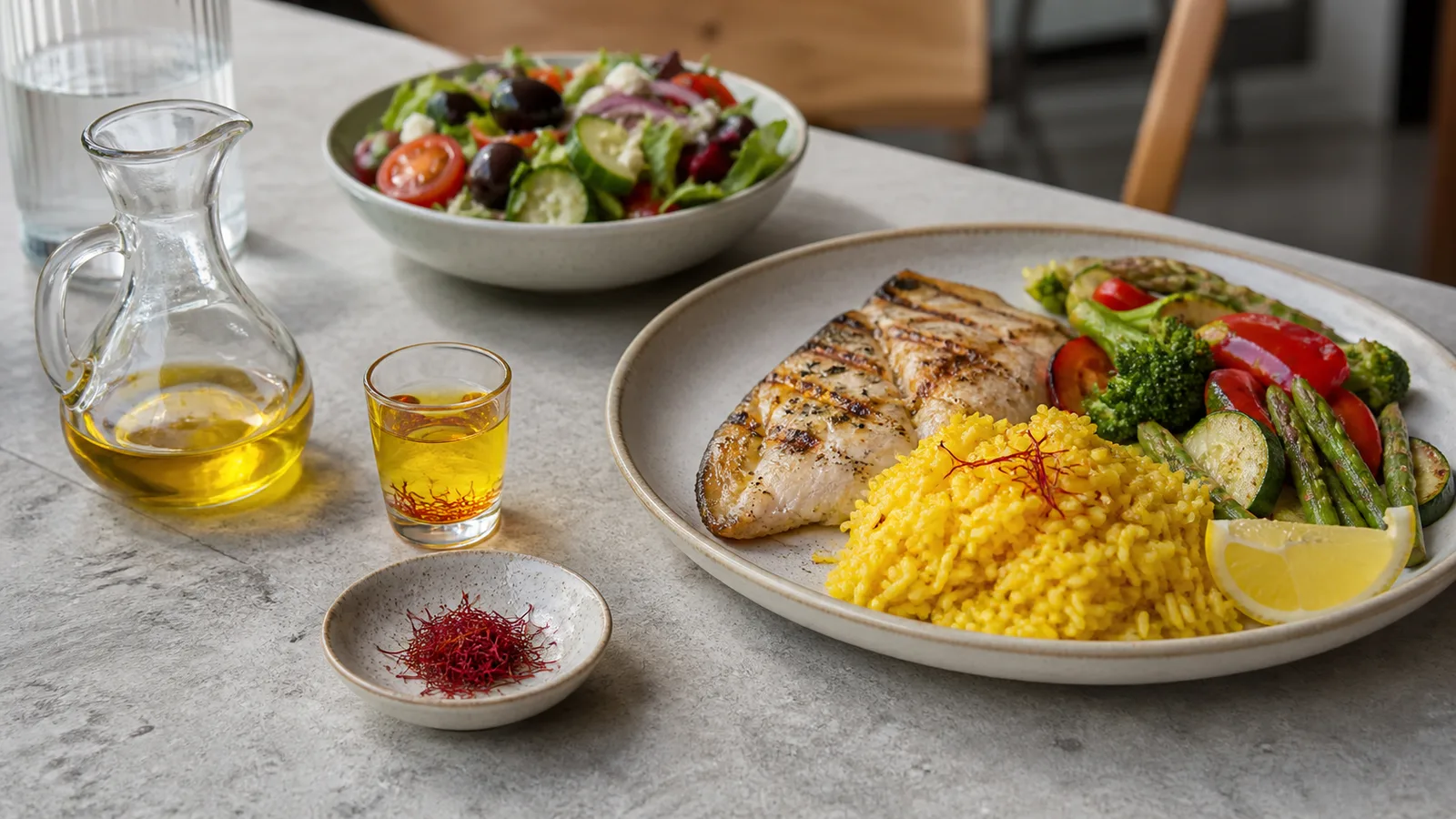
Saffron can still be part of daily life. Bloom a few genuine threads in warm water and use them in rice, soup, vegetables, yogurt, milk, or a simple drink. The color, aroma, and ritual may make a meal more enjoyable. Enjoyment and self-care can support wellbeing, but they do not diagnose or treat depression.
The responsible conclusion is hopeful but limited: saffron research is substantial enough to justify further high-quality trials and informed clinical discussion. It is not strong enough to justify self-treatment, an unverified capsule, or leaving effective care.
Sources
- 2026 GRADE-assessed systematic review and meta-analysis of saffron for depression, anxiety, and mood disorders
- Meta-analysis of saffron versus SSRIs for depression and anxiety
- 2024 systematic review of clinical evidence and mechanisms in neurological and psychiatric disorders
- 2026 systematic review of adverse events associated with saffron
- World Health Organization: depression fact sheet