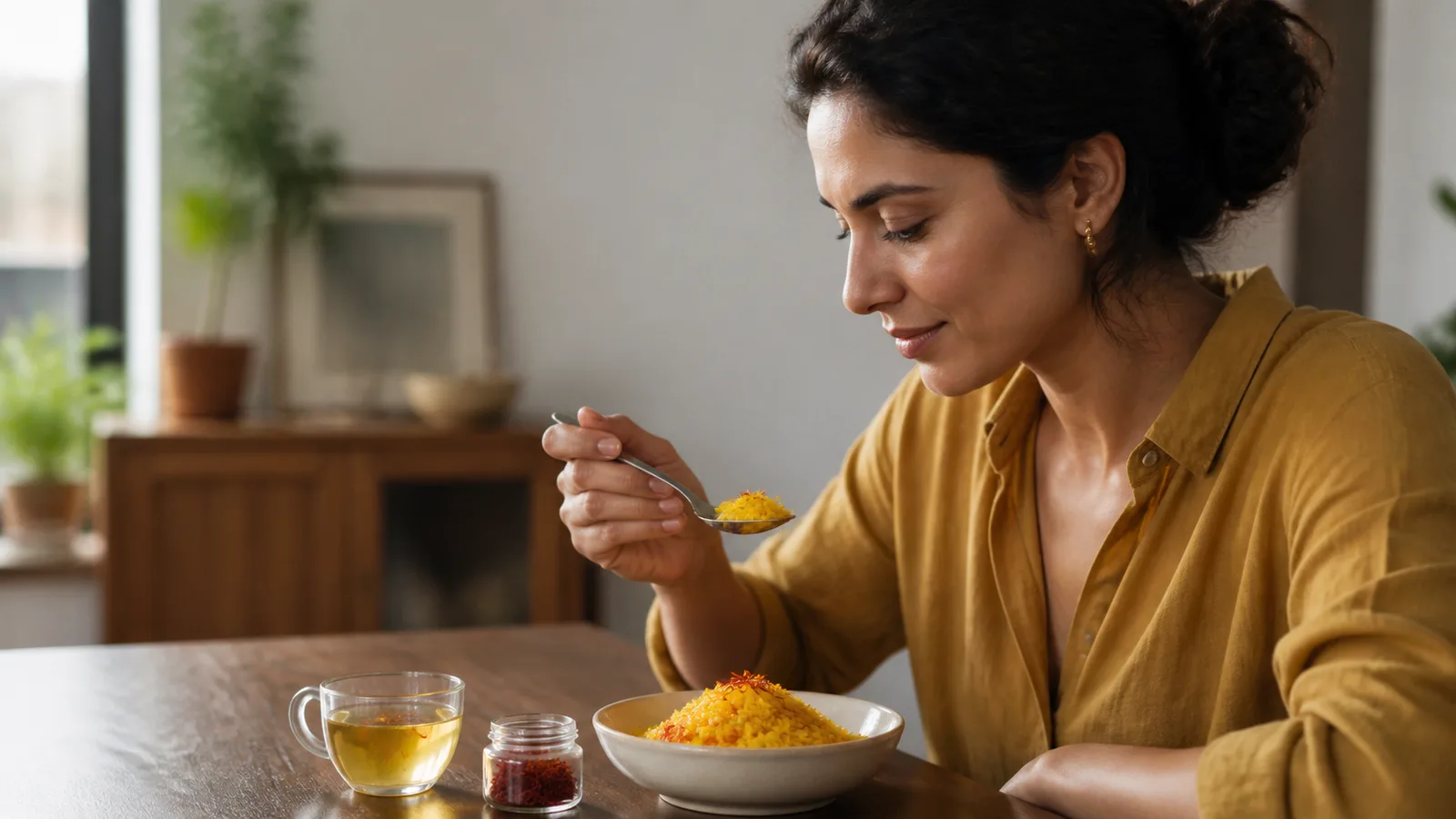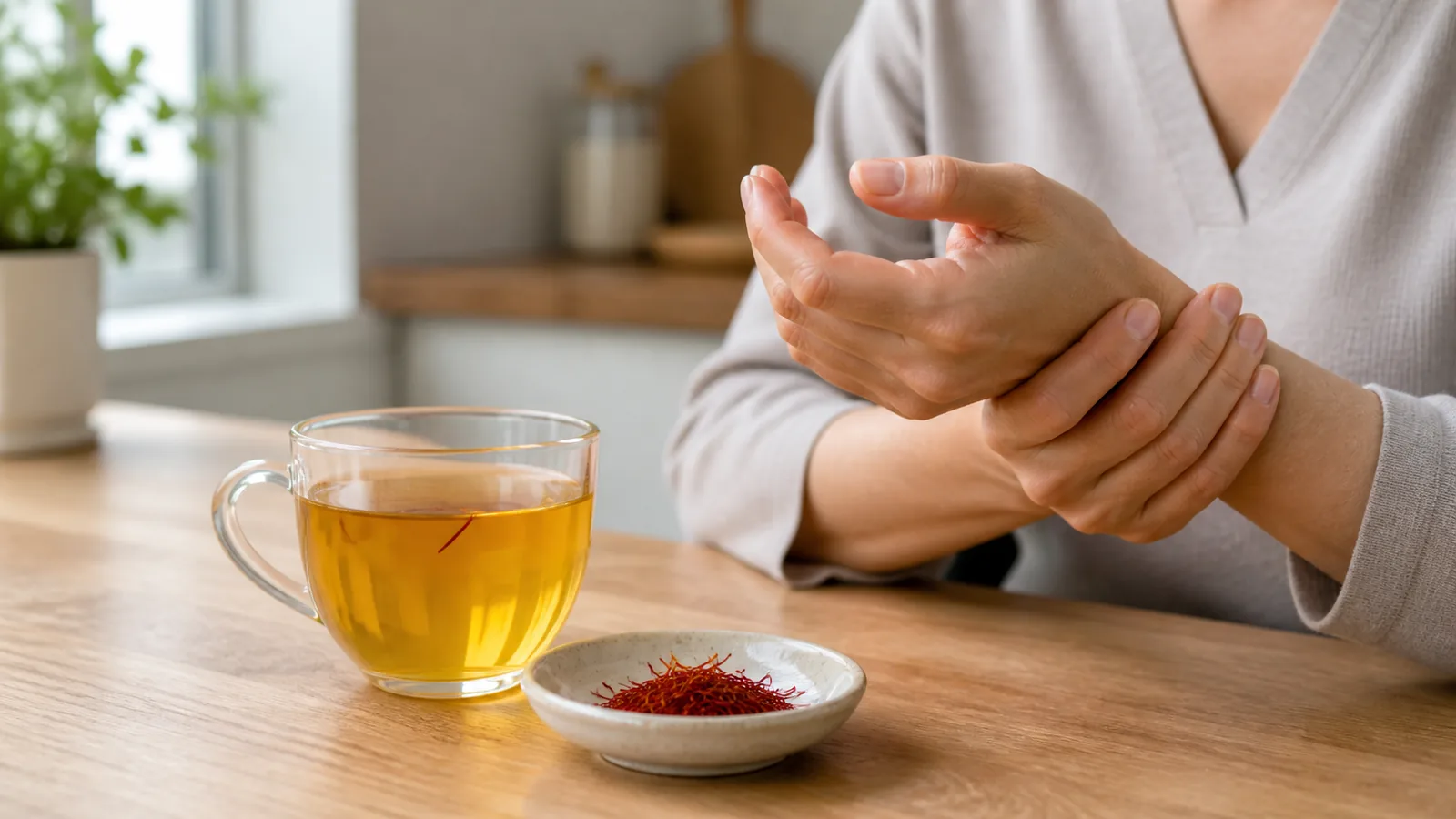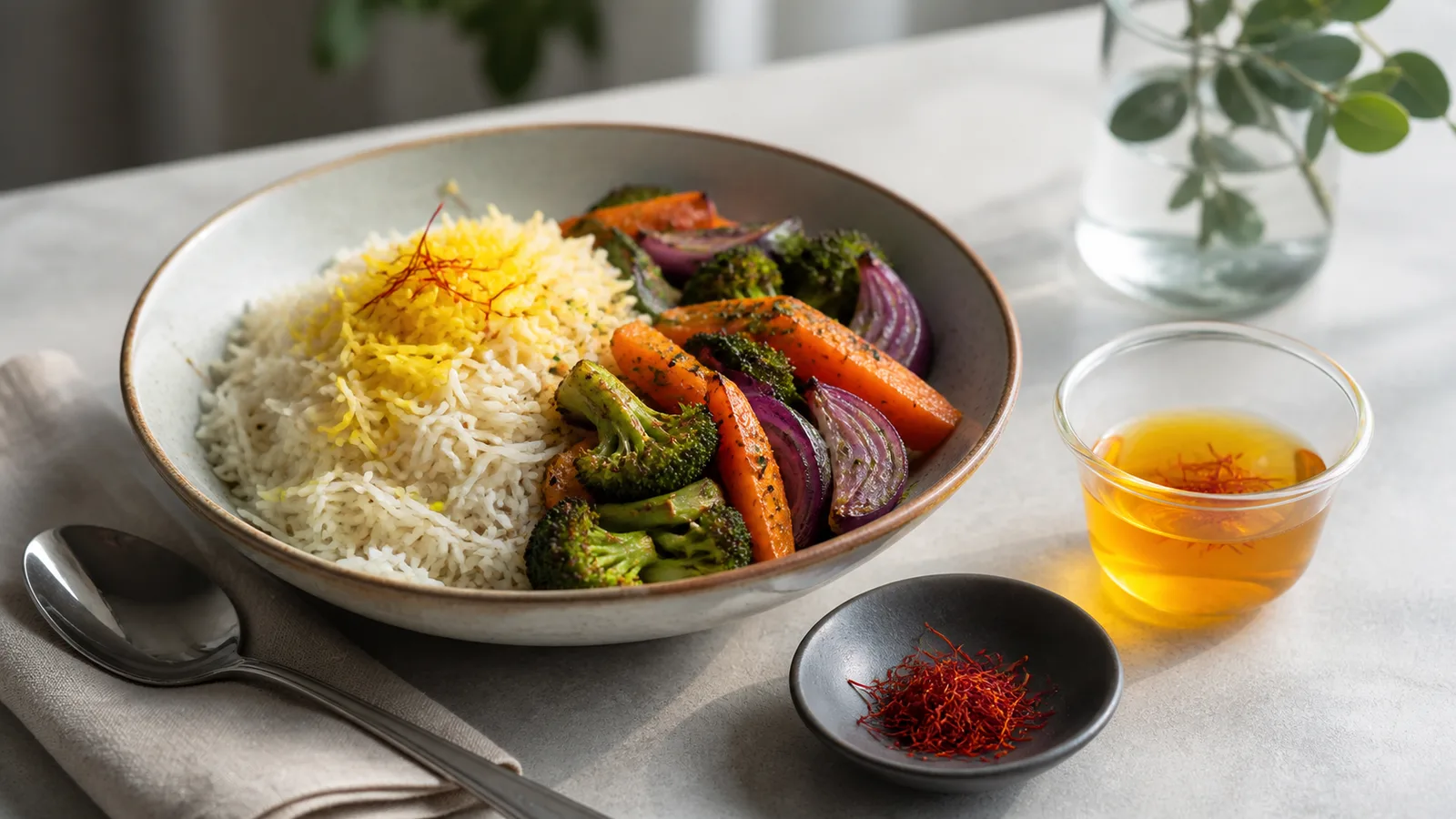
Saffron’s proven everyday advantages are its concentrated color, distinctive aroma, and ability to flavor food in very small culinary amounts. Its health reputation is more complicated. Clinical research has found promising results for some standardized saffron preparations, especially in mood and premenstrual-symptom studies, but evidence varies by outcome and does not turn saffron into a cure-all.
The form matters. Eating a saffron rice dish, drinking an infusion, taking a measured extract, swallowing a pill, and studying an isolated compound are not equivalent exposures. This guide separates culinary saffron benefits from the possible effects and risks of supplements.
What is saffron?
Saffron is the dried red stigma of Crocus sativus, a plant in the iris family. Each purple flower produces only three stigmas. Harvesting flowers and separating the delicate threads requires intensive manual work, which helps explain the spice’s “red gold” nickname and high price.
Saffron has a long history in Iranian cooking and traditional medicine, although its earliest origin is still debated. Modern quality cannot be inferred from history or nationality alone. Harvest timing, drying, storage, purity, and laboratory characteristics all affect the product in front of you.
Fixed statements that a pound always costs between $500 and $5,000 age quickly. Price varies by country, retail quantity, harvest, form, testing, origin evidence, and seller. Extremely cheap “saffron” is a warning, but a high price does not prove authenticity.
What gives saffron its properties?
- Crocin and related crocins are water-soluble carotenoid pigments responsible for much of saffron’s golden color.
- Crocetin is related to crocin and is widely studied in laboratory and clinical research.
- Picrocrocin contributes bitterness and is involved in the development of aroma during processing.
- Safranal is an important volatile behind saffron’s characteristic smell.
- Kaempferol and other flavonoids occur in saffron plant material; concentrations differ between stigmas and petals.
These compounds can show antioxidant or other biological activity in experiments. “Antioxidant” describes a chemical property; it does not prove that eating saffron will prevent oxidative stress, repair cells, stop inflammation, protect the brain, or prevent a particular disease.
What are the health benefits of saffron?
Mood, depression, and anxiety research
Recent systematic reviews of randomized trials conclude that defined saffron preparations may improve some depression, anxiety, and mood measures. Earlier small trials also compared saffron products with placebo or medicines such as fluoxetine, imipramine, and citalopram in selected people with mild-to-moderate symptoms.
Those comparisons do not show that saffron is interchangeable with an antidepressant. Trials differ in product, dose, duration, participants, and quality, and untreated depression can be dangerous. Do not start, stop, or replace medication with saffron without the prescriber’s guidance. Seek urgent help for severe symptoms or thoughts of self-harm.
The phrases “sunshine spice” and “natural antidepressant” are memorable marketing, not diagnoses or treatment standards. Evidence about extracts also cannot establish that smelling threads, drinking saffron tea, or eating a saffron dish will lift mood.
Saffron benefits for women: PMS and menstrual symptoms
A 2026 systematic review and meta-analysis found evidence from clinical trials concerning saffron and premenstrual syndrome or dysmenorrhea. Earlier studies included women with symptoms such as irritability, headaches, cravings, anxiety, and menstrual cramps; one small aroma experiment also measured anxiety and cortisol. That experiment cannot establish smelling saffron as a treatment.
The findings remain preparation- and population-specific. They do not prove benefits for fertility, pregnancy, postpartum recovery, or all “female health” concerns. Severe pain, heavy bleeding, a changed cycle, or persistent mood symptoms should be assessed rather than self-treated.
Sexual function
Small trials have examined saffron in men and women with sexual dysfunction, including symptoms associated with antidepressant use. Reviews report possible improvements in areas such as erectile function, desire, arousal, lubrication, pain, or satisfaction in some groups, while semen-quality findings have not established a fertility benefit.
This evidence does not make saffron a general aphrodisiac or a substitute for erectile-dysfunction treatment. Sexual symptoms can reflect medication effects, cardiovascular disease, hormonal factors, pain, or psychological distress. Discuss persistent changes with an appropriate clinician, especially before combining a supplement with an antidepressant.
Appetite and weight management
Several small studies have tested saffron extracts for snacking, fullness, body weight, body mass index, waist circumference, or body fat. An often-cited eight-week study reported reduced snacking and greater satiety in women taking a defined product.
Saffron has not been established as a reliable appetite suppressant or weight-loss aid. The mechanism is uncertain, study products are not ordinary food, and a few culinary threads will not cancel the energy in a meal. Sustainable weight management still depends on the overall diet, activity, sleep, medical factors, and an approach the person can maintain.
Blood sugar and cardiovascular measures
Meta-analyses have examined saffron or crocin supplementation in people with diabetes or cardiometabolic risk. Some outcomes may change, but results vary and the evidence does not support replacing diabetes, cholesterol, blood-pressure, or heart-disease care with saffron.
Claims that saffron “clears blocked arteries,” reliably lowers blood sugar, or increases insulin sensitivity in everyone go beyond the evidence. Animal and laboratory findings are not human treatment instructions.
Memory, Alzheimer’s disease, and brain health
Small trials and broader reviews have explored saffron preparations in cognitive conditions. That research is not proof that saffron prevents progressive brain-cell damage, improves learning in healthy people, or treats Alzheimer’s disease. Any use alongside dementia care needs clinical oversight because the evidence base is limited and a person’s other medicines and needs matter.
Age-related macular degeneration and eye health
Clinical studies have investigated defined saffron supplements for some measures in people with age-related macular degeneration. Systematic reviews describe the field as promising but still limited. Saffron does not replace eye examinations, AREDS-formulation advice when appropriate, injections, or another treatment recommended by an eye professional.
Cancer research
Saffron, crocin, and related compounds have affected skin, prostate, lung, breast, cervical, bone-marrow, and other cancer cell models in laboratories. Some experiments also examine how compounds interact with chemotherapy in cells.
Cell-culture selectivity is not evidence that saffron treats or prevents cancer in people. A compound can affect cells in a dish and still be ineffective, unsafe, or impossible to deliver at the same exposure in the body. Saffron must not replace screening, surgery, radiotherapy, chemotherapy, immunotherapy, or other oncology care.
Saffron extract benefits versus eating saffron
Searches for saffron extract benefits, saffron pills benefits, and saffron supplement benefits often lead to the same studies. An extract is manufactured to concentrate or standardize selected constituents. Two extracts can differ in raw material, extraction method, crocin or safranal content, excipients, and testing.
Eating saffron in food provides an uncertain, usually much smaller amount. Saffron powder is simply a physical form unless the label says it is an extract. Powder has no special health benefit over threads and is harder to inspect for adulteration.
Saffron petals or “saffron flower” products are also not interchangeable with the red stigmas. Petals contain a different chemical profile. Evidence from a petal study cannot automatically support a stigma extract, and neither automatically supports a culinary serving.
Benefits of eating saffron in food
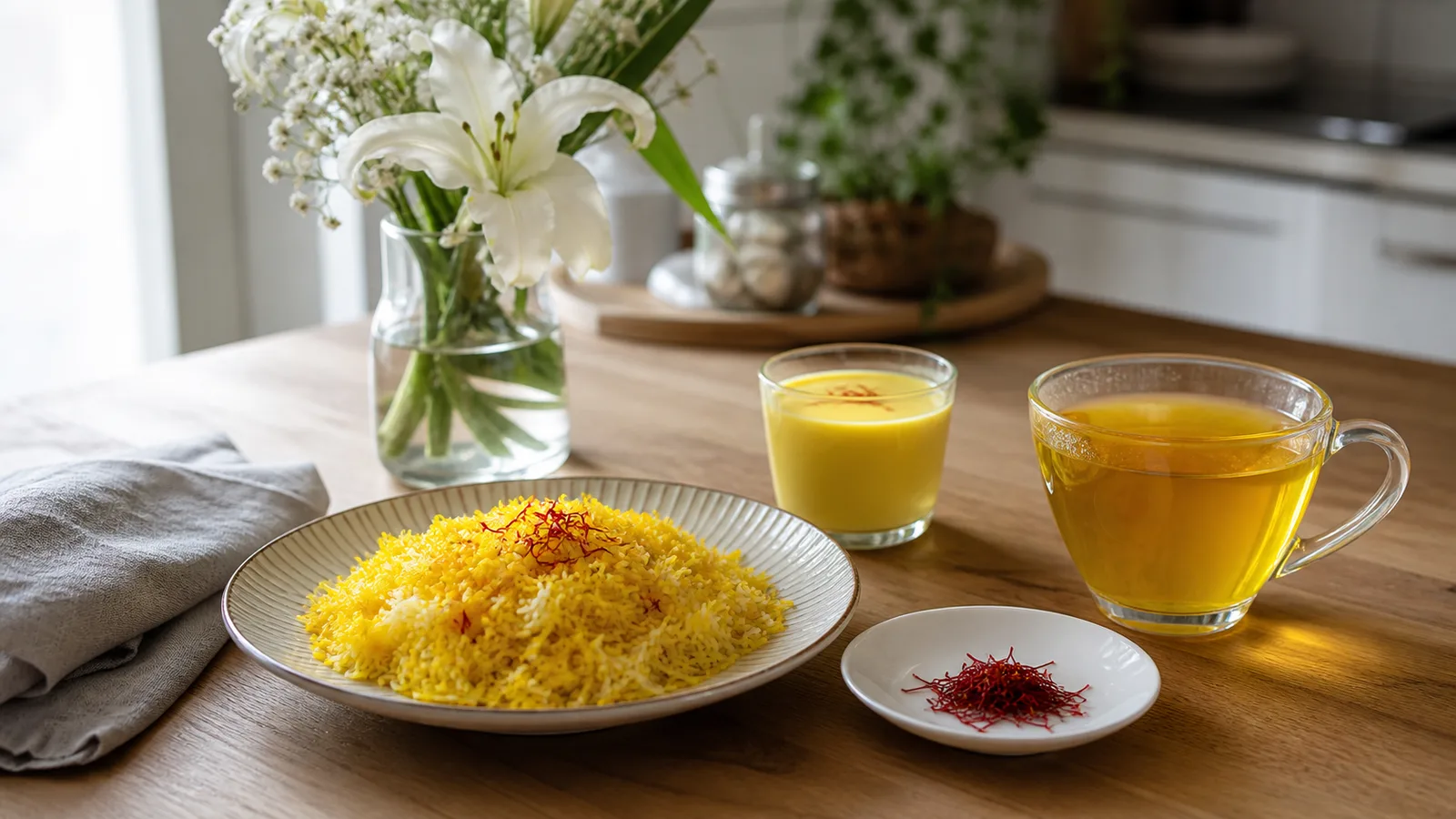
In food, the main saffron advantages are concrete. This saffron spice can:
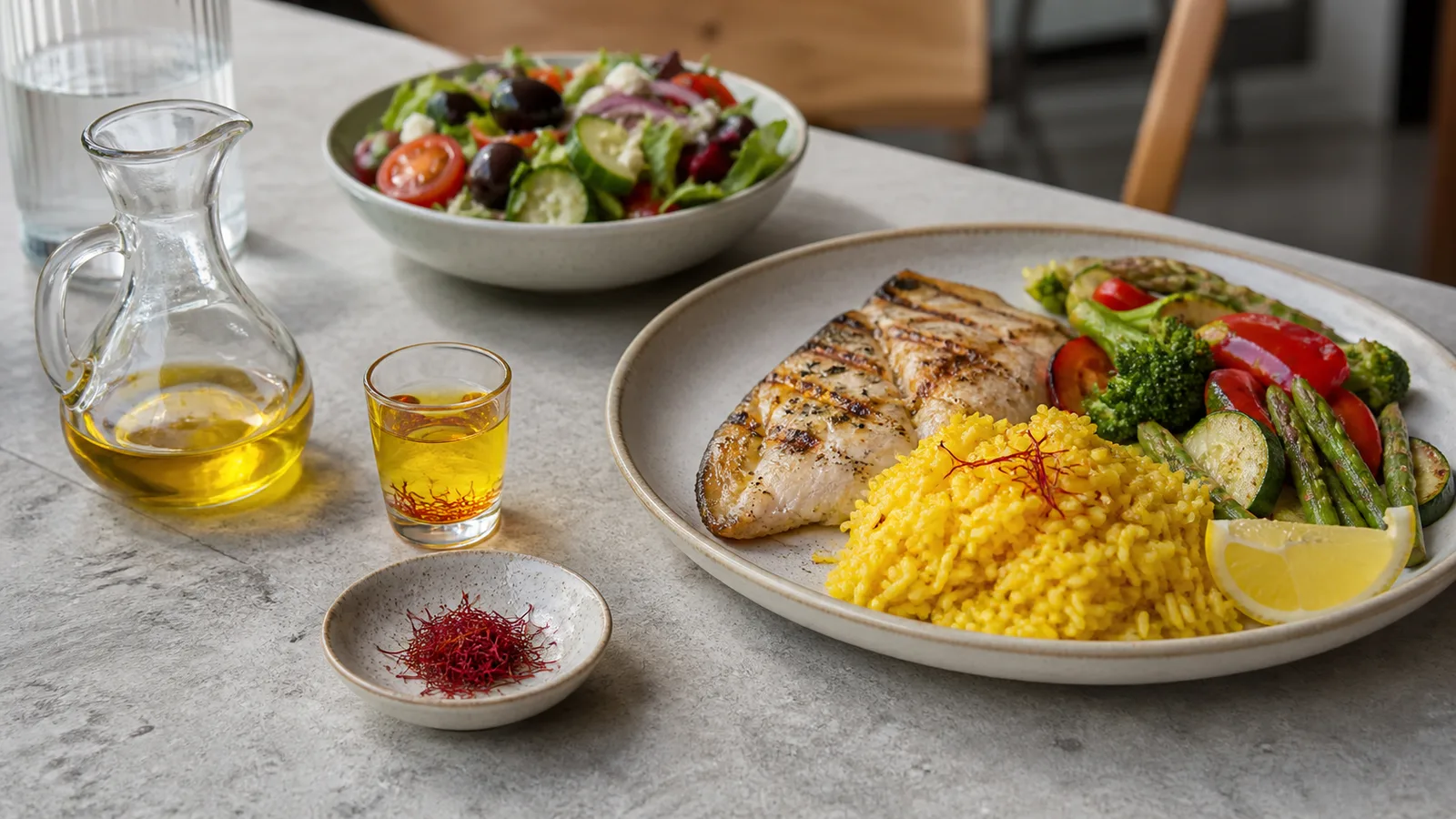
- it gives rice, soup, stew, chicken, fish, bread, desserts, and drinks a distinctive aroma;
- its pigments create a rich golden color from a small amount;
- it contributes gentle bitterness and complexity without needing a large quantity; and
- it connects a meal with longstanding Persian and regional culinary traditions.
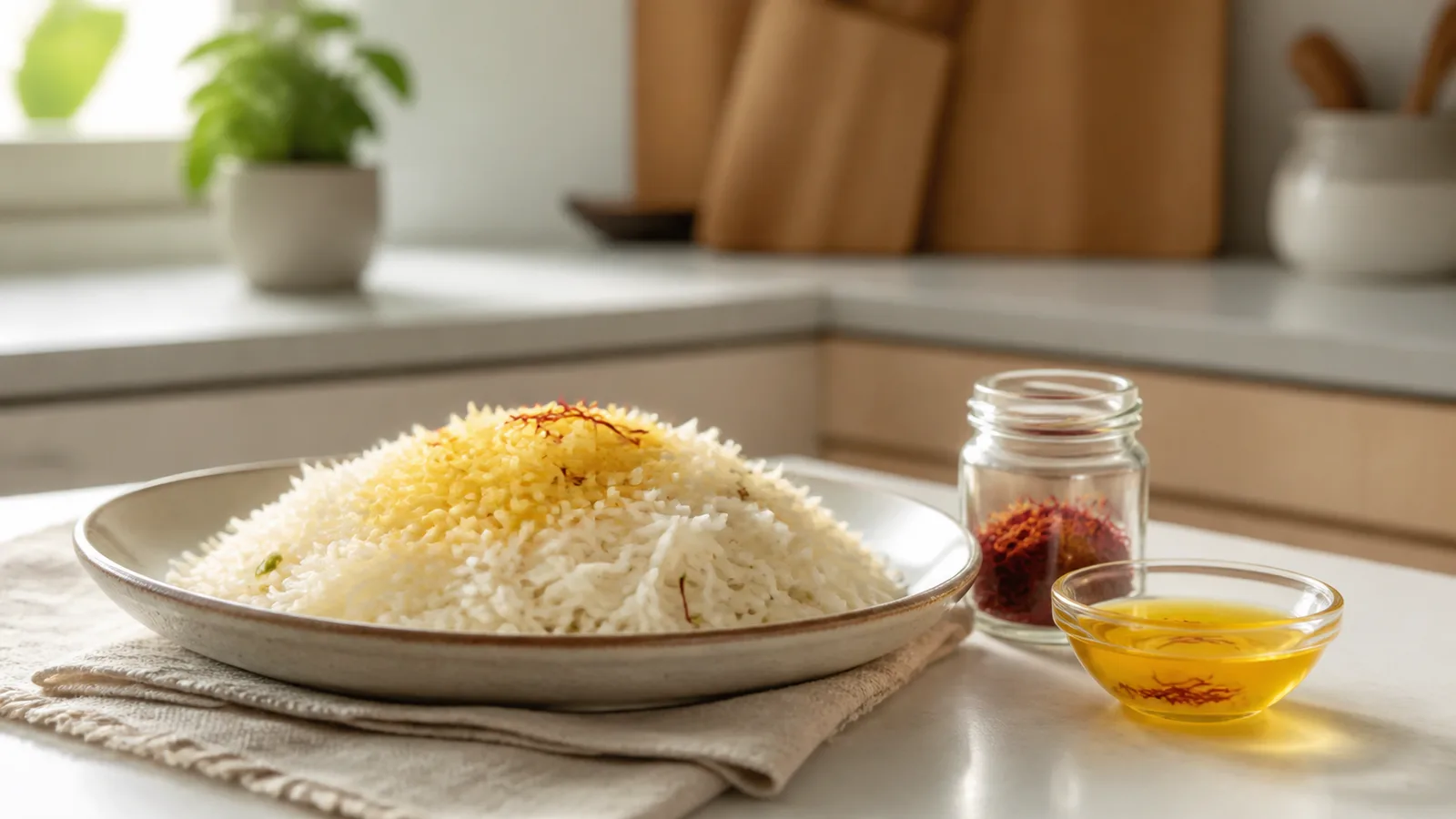
Crush the threads lightly and bloom them in a small amount of warm-to-hot water for 10 to 15 minutes. Add the infusion and softened threads to the dish. Boiling water is not forbidden, but prolonged aggressive heat can flatten delicate aroma; controlled steeping is easier.
A rough count such as 20 to 35 threads may suit a family dish, but thread size and potency vary. More than 50 threads is not a medical threshold and does not create stronger health effects. Start with less, taste, and adjust the recipe rather than treating a strand count as dosage.
Saffron side effects and safe-use boundaries
Culinary use and supplementation should be treated separately. A 2026 systematic review of saffron adverse events found that reported effects and safety conclusions depend on the product, dose, duration, population, and quality of reporting. Possible adverse effects include nausea, digestive upset, headache, dizziness, dry mouth, allergy, and changes relevant to blood pressure or bleeding.
The earlier article listed a broad range of clinical-study doses and a single toxicity figure. Those numbers are not personal instructions: preparations are not equivalent, and repeating a threshold can encourage unsafe self-dosing. Follow the tested serving on a legitimate product only after a healthcare professional confirms that supplementation is appropriate.
Extra caution is warranted if you:
- are pregnant, trying to become pregnant, or breastfeeding;
- take antidepressants, blood-pressure medicine, anticoagulants, antiplatelet medicine, diabetes medicine, or other prescriptions;
- have a bleeding disorder, low blood pressure, bipolar disorder, an allergy, or a chronic medical condition; or
- are preparing for surgery.
Pregnant people should not use saffron supplements or concentrated medicinal amounts without explicit clinical guidance. Ordinary culinary use is a different exposure, but it is still sensible to discuss concerns with the maternity-care team.
How to choose genuine saffron
Whole threads are easier to examine than powder. Look for natural variation, flared stigma ends, a clean characteristic aroma, a sealed package, batch identification, and traceable origin information. Beetroot, turmeric, paprika, dyed fibers, and other materials have all been discussed as adulterants, but no single home test can prove purity.
Buy from a supplier that can support quality claims with batch-level evidence. ISO 3632 provides specifications and test methods for dried saffron. A low price can raise suspicion, yet brand reputation and price alone are not laboratory results.
Is saffron good for you?
Saffron can be a valuable part of cooking, and standardized preparations have produced promising clinical findings in several areas. The strongest answer is not that saffron “heals” the body; it is that different products are being studied for different outcomes, with different levels of confidence.
Enjoy genuine saffron for its culinary properties. If you are considering an extract for a health goal, identify the exact product and evidence, discuss interactions and risks, and do not let a supplement delay effective care.
Sources
- 2026 GRADE-assessed meta-analysis of saffron for depression, anxiety, and mood disorders
- 2026 systematic review and meta-analysis of saffron for PMS and dysmenorrhea
- Meta-research review and evidence map of saffron health outcomes
- Systematic review of saffron supplementation and cardiometabolic indices
- Systematic review of saffron and its constituents in ocular disorders
- 2026 systematic review of adverse events associated with saffron
- ISO 3632-1:2025 — specification for dried saffron