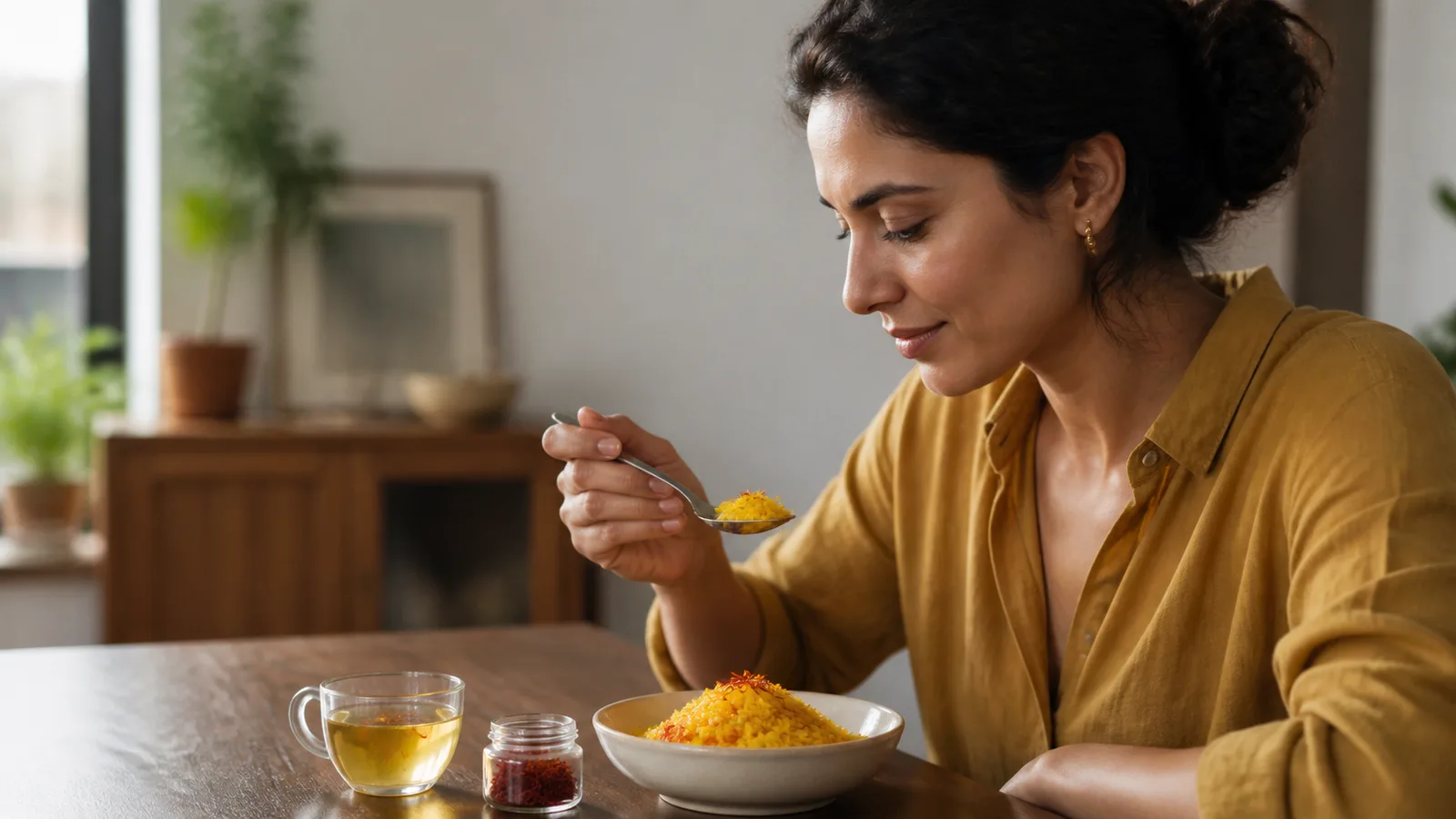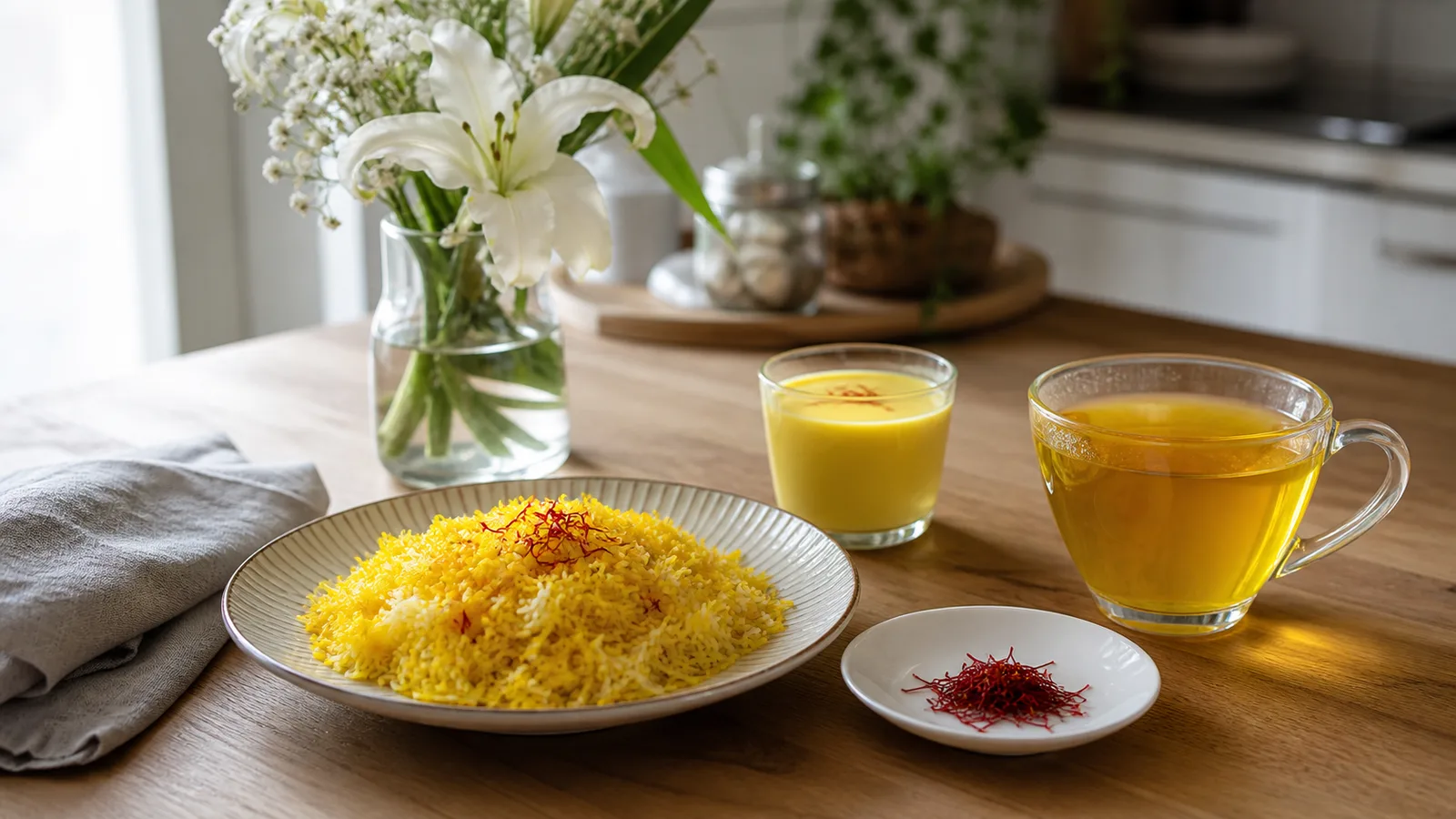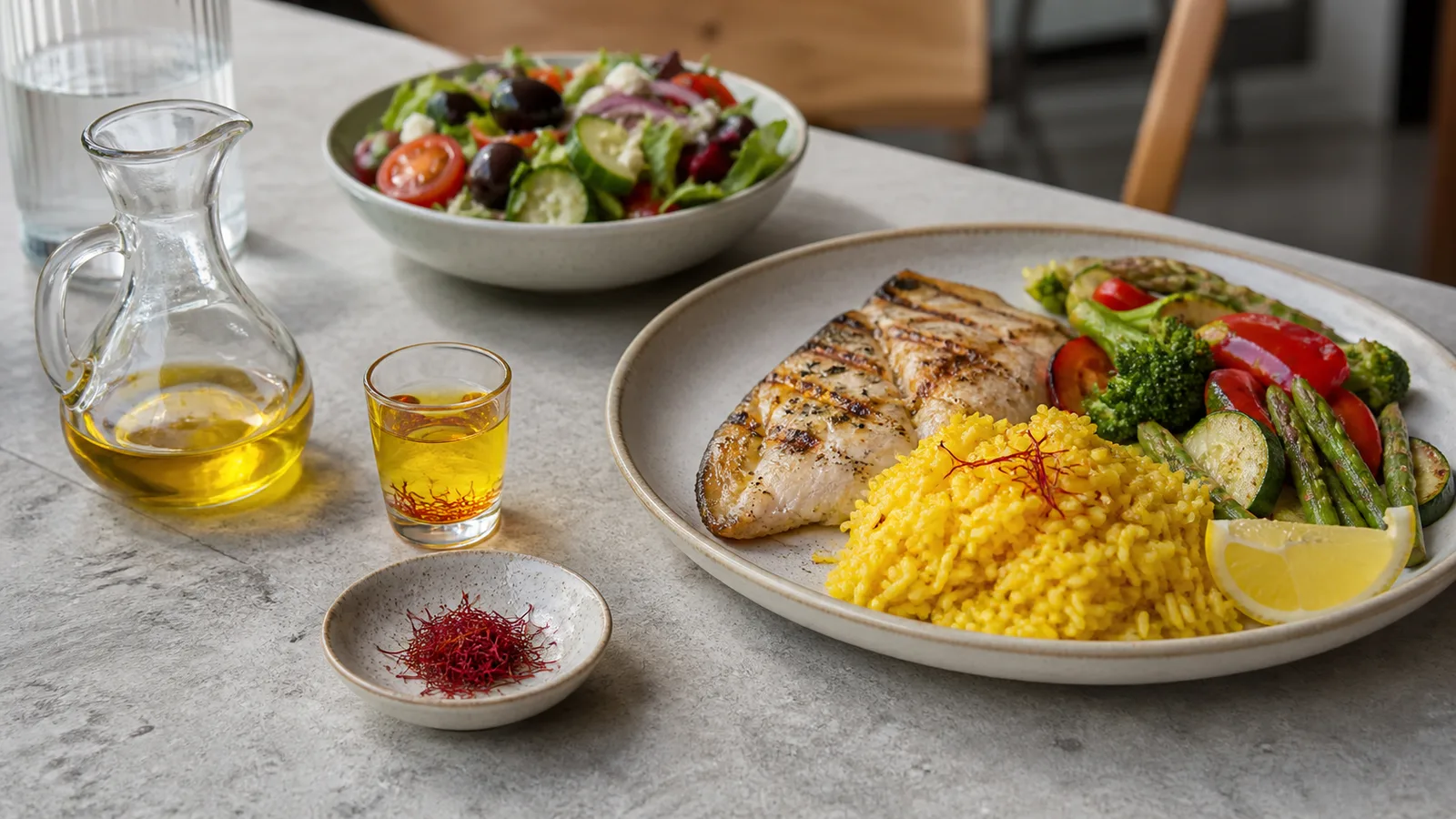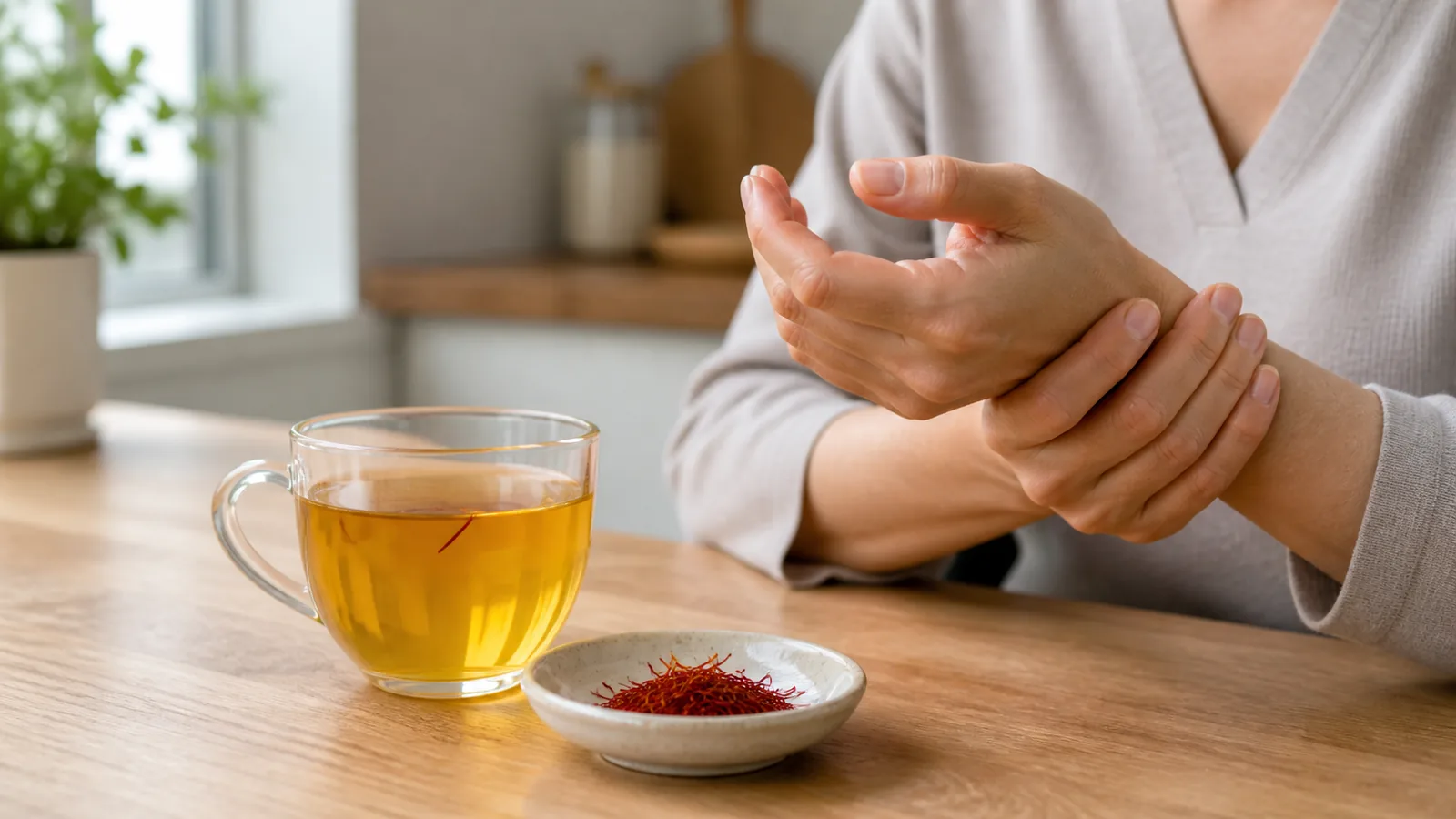
Saffron can support a wellness routine by making nourishing food more aromatic, colorful, and enjoyable. A small amount works in rice, soup, vegetables, fish, yogurt, milk, or a warm caffeine-free infusion. That is a realistic role for the spice.
Health research on saffron is promising in several areas, but most trials use standardized extracts rather than ordinary culinary servings. Saffron for wellness should therefore mean thoughtful food use, reliable sourcing, and evidence-aware decisions about supplements—not a replacement for sleep, movement, medical care, or a balanced diet.
What “wellness” can honestly mean
Wellness is not a medical diagnosis. It can describe everyday habits that help a person eat well, rest, move, manage stress, connect with others, and follow appropriate preventive care. A flavorful ingredient may help those habits feel sustainable, but it cannot carry the whole routine.
Saffron contains crocin, crocetin, safranal, picrocrocin, and other plant compounds. Researchers study these constituents in relation to oxidative stress and free radicals. The presence of antioxidants does not prove that culinary saffron reduces inflammation, protects the brain, or prevents disease in a person.
A practical saffron wellness routine
Use it to improve a balanced meal
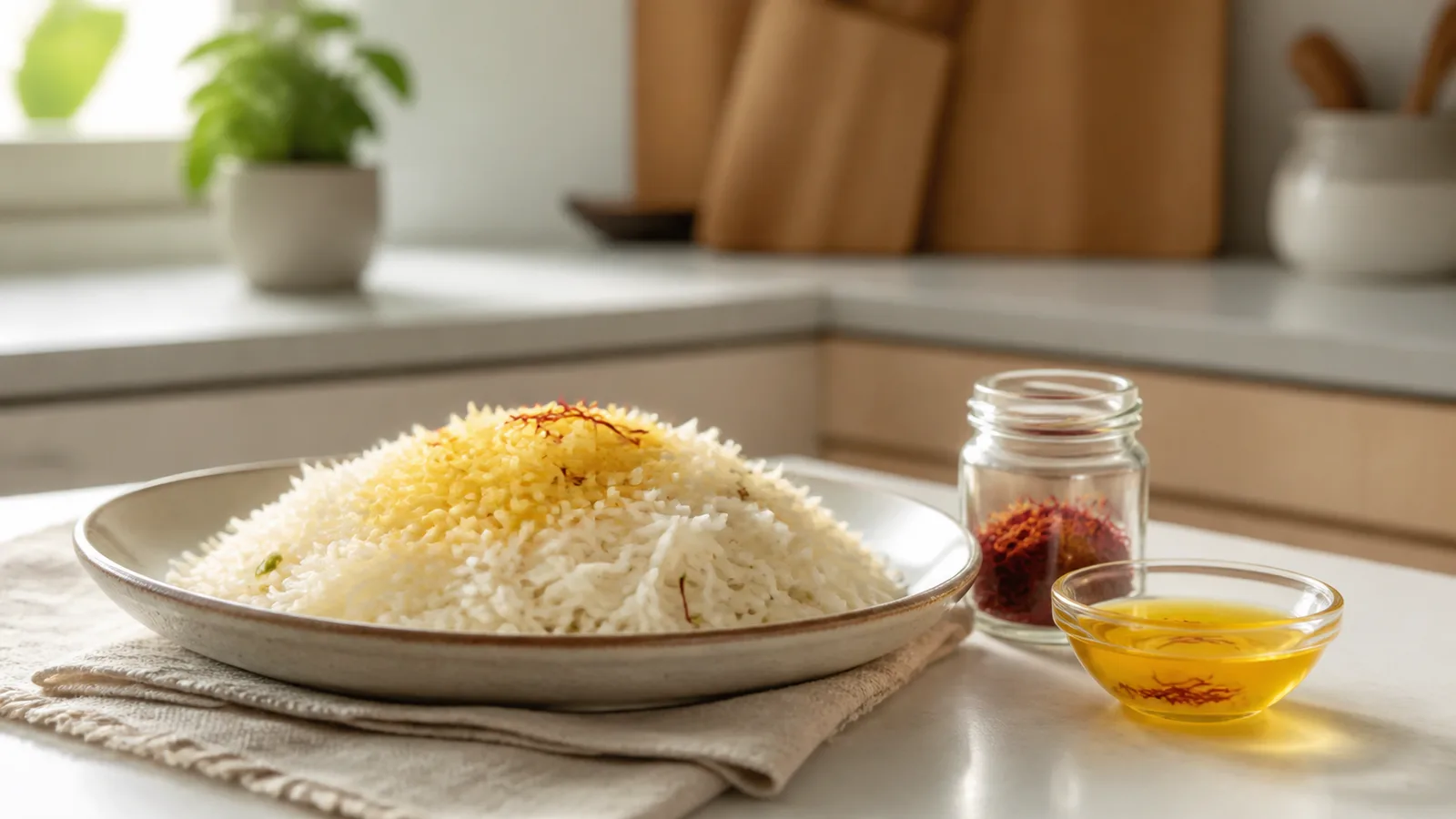
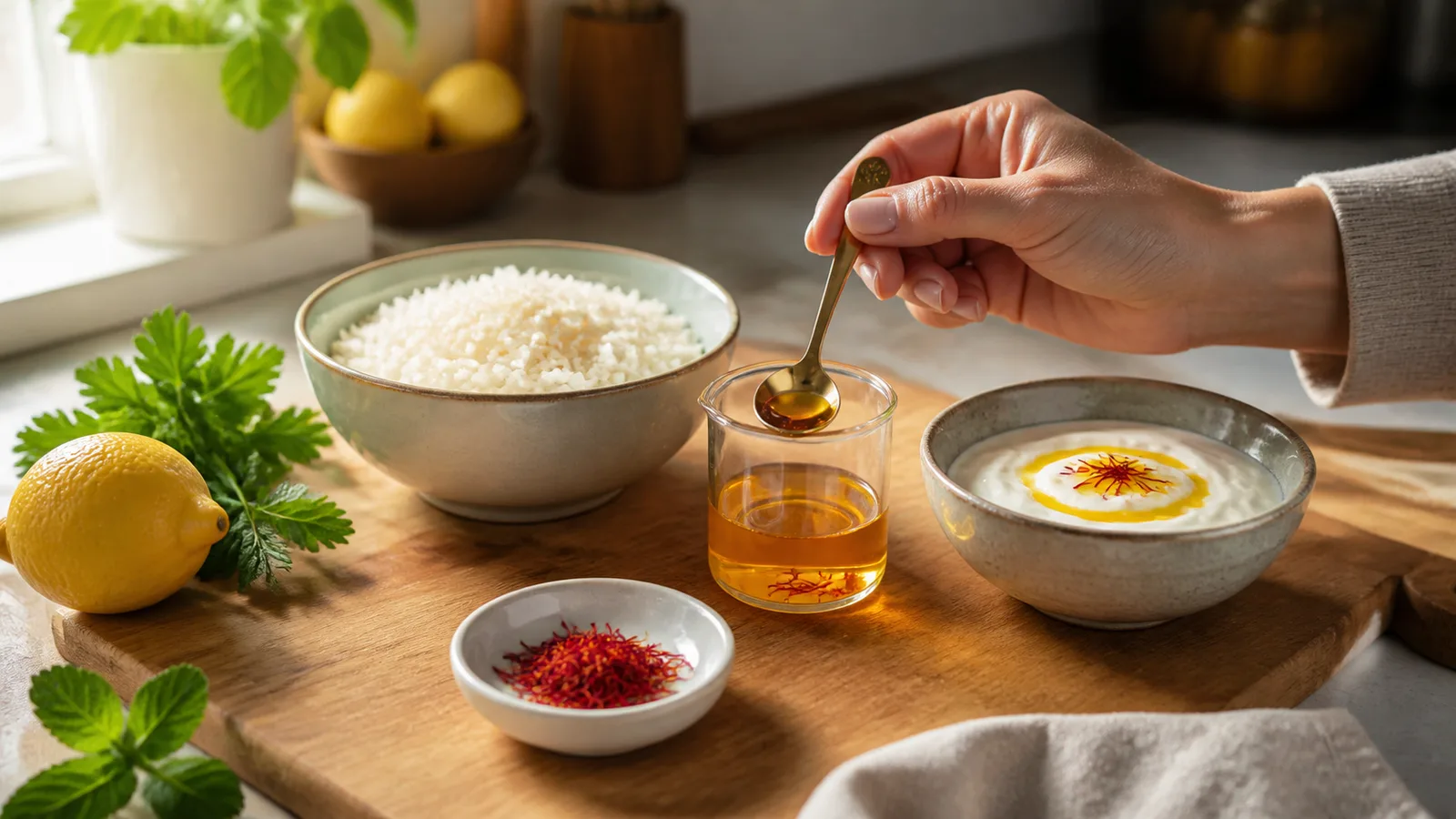
Bloom 8 to 15 threads in a few tablespoons of warm-to-hot water for 10 to 15 minutes. Add the liquid and softened threads to rice, lentils, roasted vegetables, chicken, or fish. Saffron’s aroma and color can make a simple meal more appealing without a heavy sauce.
For a larger family dish, begin with a modest amount and adjust by taste. Grinding the threads first increases the exposed surface. More saffron does not make a meal more medicinal.
Make an unsweetened saffron drink
Steep several threads in a covered cup of hot water. Lemon, cardamom, mint, or a little milk can change the flavor. Honey is optional. Plain saffron water contains no caffeine and little energy, which may suit an evening routine, but it has not been shown to treat insomnia or anxiety.
Build a sensory pause
Preparing the spice slowly, noticing its color, and sitting down with a warm drink can feel calming. The benefit comes from the ritual and attention as much as the ingredient. It is reasonable to enjoy that moment without describing saffron as a cure for stress or pain.
Store it so the routine stays worthwhile
Keep threads airtight, dry, and away from heat, light, and strong odors. Grind only what you need. Poor storage weakens aroma and color, and a musty product should not be used. A small fresh supply is more useful than a large old jar.
What health research has explored
Mood and mental health
Systematic reviews of randomized trials indicate that some defined saffron preparations may improve depression, anxiety, or mood measures. Small studies have also compared certain products with antidepressant medicine in selected participants.
The nickname “sunshine spice” is a reference to saffron’s color and mood reputation, not proof of an antidepressant effect.
This does not establish saffron as a side-effect-free natural alternative. Products and participants differ, trials are often short, and depression needs appropriate care. Never stop or replace an antidepressant with saffron without the prescriber’s involvement.
PMS and hormonal-wellness claims
Research has examined saffron products for premenstrual syndrome and dysmenorrhea, including irritability, headache, and cramping. It does not show that saffron “balances hormones,” improves fertility, or solves every female-health concern. Severe pain, unusual bleeding, or persistent symptoms need assessment.
Sexual wellness
Small studies have investigated saffron for aspects of sexual function, including erectile symptoms and antidepressant-associated changes in desire or comfort. The results are preliminary and product-specific. Saffron is not an established natural remedy for erectile dysfunction or low libido.
Appetite and weight management
Some supplement studies report changes in snacking, fullness, weight, or waist measures. Saffron has not been proven to control emotional eating or produce dependable weight loss. A culinary routine helps only when it supports the overall eating pattern rather than adding a supplement expectation.
Heart health and blood sugar
Reviews have examined cholesterol, blood pressure, circulation-related measures, glucose, insulin sensitivity, and other cardiometabolic outcomes. Results do not make saffron an “excellent option” for diabetes or a way to prevent cardiovascular disease. Medication, monitoring, diet, movement, and clinician-directed care remain central.
Vision, memory, and cognition
Small clinical studies have explored standardized saffron products in age-related macular degeneration and cognitive conditions. They do not prove that culinary saffron protects vision, improves memory in healthy people, or prevents or slows Alzheimer’s disease. Eye and cognitive symptoms warrant proper evaluation.
Cancer claims
Saffron compounds have affected cancer cells in laboratory experiments. That does not establish prevention or treatment in humans. Antioxidant activity cannot be translated into a recommendation to use saffron alongside or instead of cancer therapy without the oncology team’s review.
For a fuller analysis of the studies, product forms, and query-specific claims, read our evidence-based saffron health benefits guide.
Culinary saffron versus a supplement
A few threads in a recipe are not the same as a standardized extract. Supplements may differ in the part of the plant, extraction method, declared constituents, strength, excipients, and independent testing. A study of one formulation cannot validate every capsule on the market.
If you are considering a supplement for a specific health goal, bring the product label and evidence to a qualified healthcare professional. Ask whether the studied formulation matches it, whether the outcome matters to you, and whether there are interactions or safer alternatives.
Precautions for saffron use
The old advice that intake is safe until it exceeds 5 grams per day is not an appropriate dosage rule. Harm does not begin at one universal number, product strength varies, and repeating a toxicity figure can encourage risky experimentation.
Saffron or saffron supplements can cause nausea, digestive upset, headache, dizziness, dry mouth, allergy, or effects relevant to blood pressure and bleeding. Seek urgent help for breathing difficulty, swelling, faintness, or another severe reaction.
Get clinical advice before concentrated or regular supplemental use if you are pregnant, trying to become pregnant, breastfeeding, taking antidepressants or other prescription medicine, preparing for surgery, or managing a chronic condition. Culinary use is a different exposure, but pregnancy is not the time to experiment with strong preparations intended to have a medicinal effect.
Choose saffron that deserves a place in your kitchen
Buy whole threads when possible. They should show natural variation and flared stigma ends, carry a clean characteristic aroma, and come in sealed packaging with batch and origin information. Powder is harder to inspect and easier to dilute with foreign material.
A reputable source should be able to explain any quality claim. Price and “premium” language are not proof. ISO 3632 provides specifications and test methods for dried saffron; a claimed category should be tied to a current batch report.
The most useful place for saffron in wellness is modest and enjoyable: a genuine spice used skillfully in food. Let research inform any supplement decision, and let the rest of the routine rest on habits and care with much stronger evidence.
Sources
- 2026 GRADE-assessed meta-analysis of saffron for depression, anxiety, and mood disorders
- 2026 systematic review and meta-analysis of saffron for PMS and dysmenorrhea
- Evidence map of saffron health outcomes
- Systematic review of saffron and cardiometabolic indices
- 2026 systematic review of adverse events associated with saffron
- ISO 3632-1:2025 — specification for dried saffron