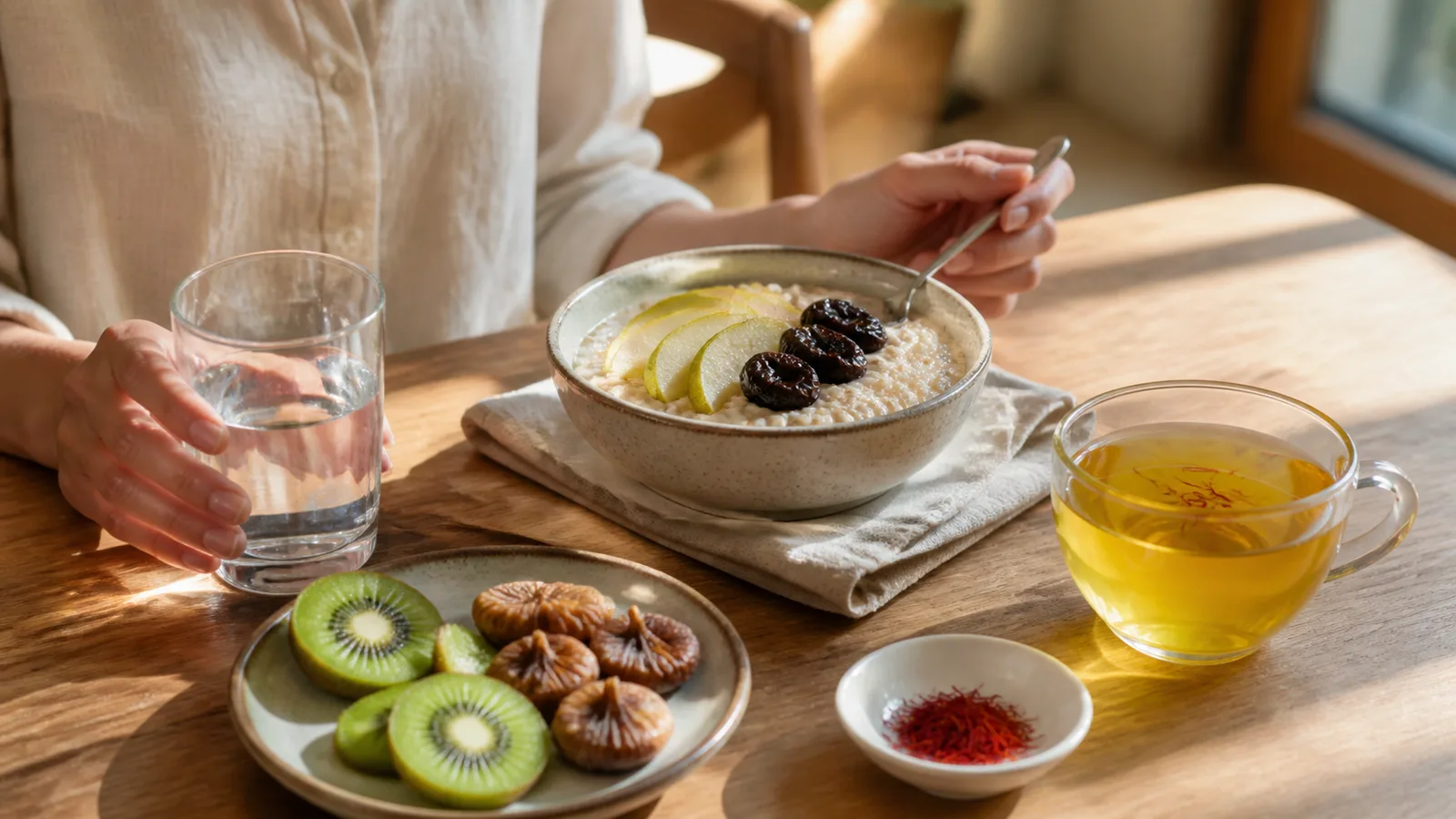
There is no good human clinical evidence that saffron relieves constipation. A warm saffron drink contributes fluid and may feel comforting, but it has almost no fibre and has not been shown to increase bowel movements. Saffron for constipation is better understood as a traditional food practice than as a natural remedy with proven laxative action.
That does not make the question unreasonable. Saffron has a long history in Persian medicine, and compounds such as crocetin are studied for antioxidant and anti-inflammatory activity. Neither history nor laboratory activity demonstrates that the spice moves stool through the colon.
What constipation means
Constipation is not defined by missing one day. Bowel habits differ from person to person. Common signs include fewer than three bowel movements a week, hard or lumpy stool, straining, painful passage, or the feeling that stool has not passed completely.
Short-term constipation can follow travel, a change in routine, less movement, low fibre intake or dehydration. Medicines and supplements can also contribute. Persistent constipation may be related to pelvic-floor function, irritable bowel syndrome, metabolic or neurological conditions, or another medical cause.
Does saffron help with constipation?
Current saffron evidence reviews cover mood, blood pressure, metabolism, cognition and other outcomes, but they do not establish a constipation treatment. A broad evidence map of saffron meta-analyses does not identify improved stool frequency or easier passage as a supported clinical outcome.
The original article described saffron as strengthening digestive muscles, neutralising stomach acid and improving digestion. Those ideas are associated with traditional accounts, including later readings of Avicenna’s Canon of Medicine; they are not measurements from a modern constipation trial. Stomach acid and movement of the colon are also different physiological questions.
If a warm drink seems helpful, the fluid, heat and the normal gastrocolic response after eating or drinking may be more relevant than saffron itself. That personal experience should not be turned into a promise that the spice treats constipation.
Saffron is also not a treatment for an ulcer, inflammatory bowel disease or intestinal cancer. Those conditions require their own diagnosis and care.
How to use saffron when you are constipated
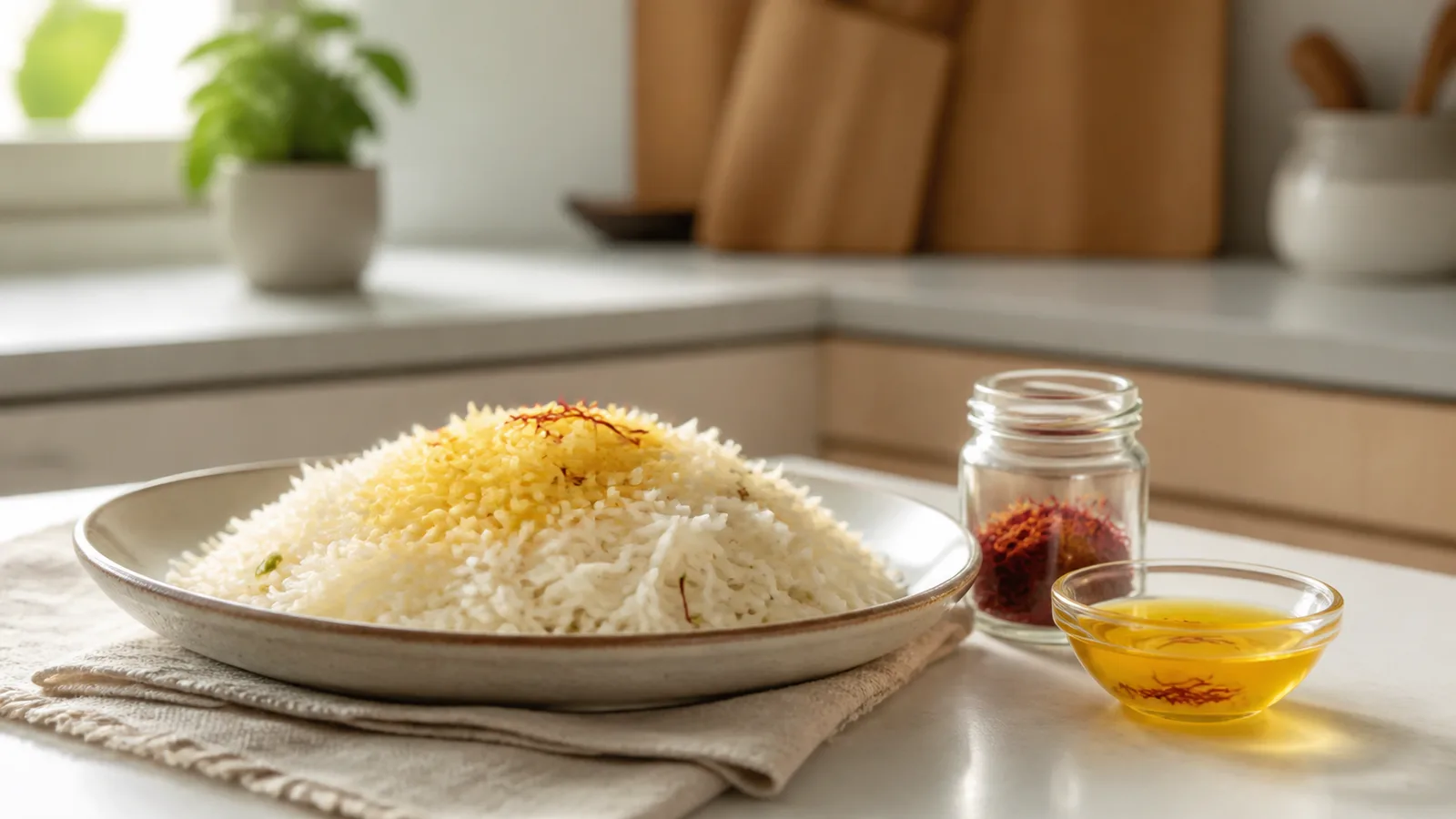
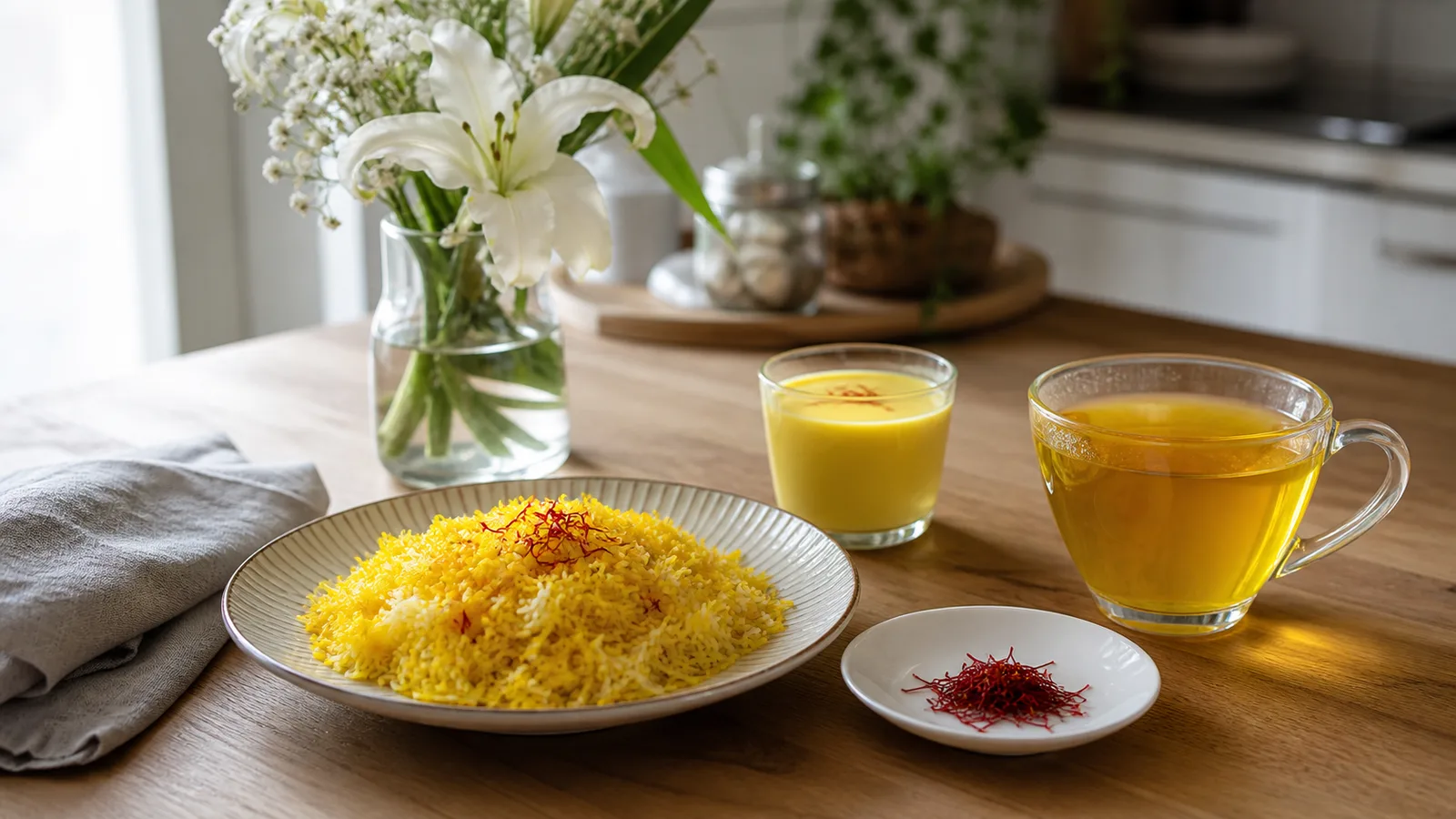
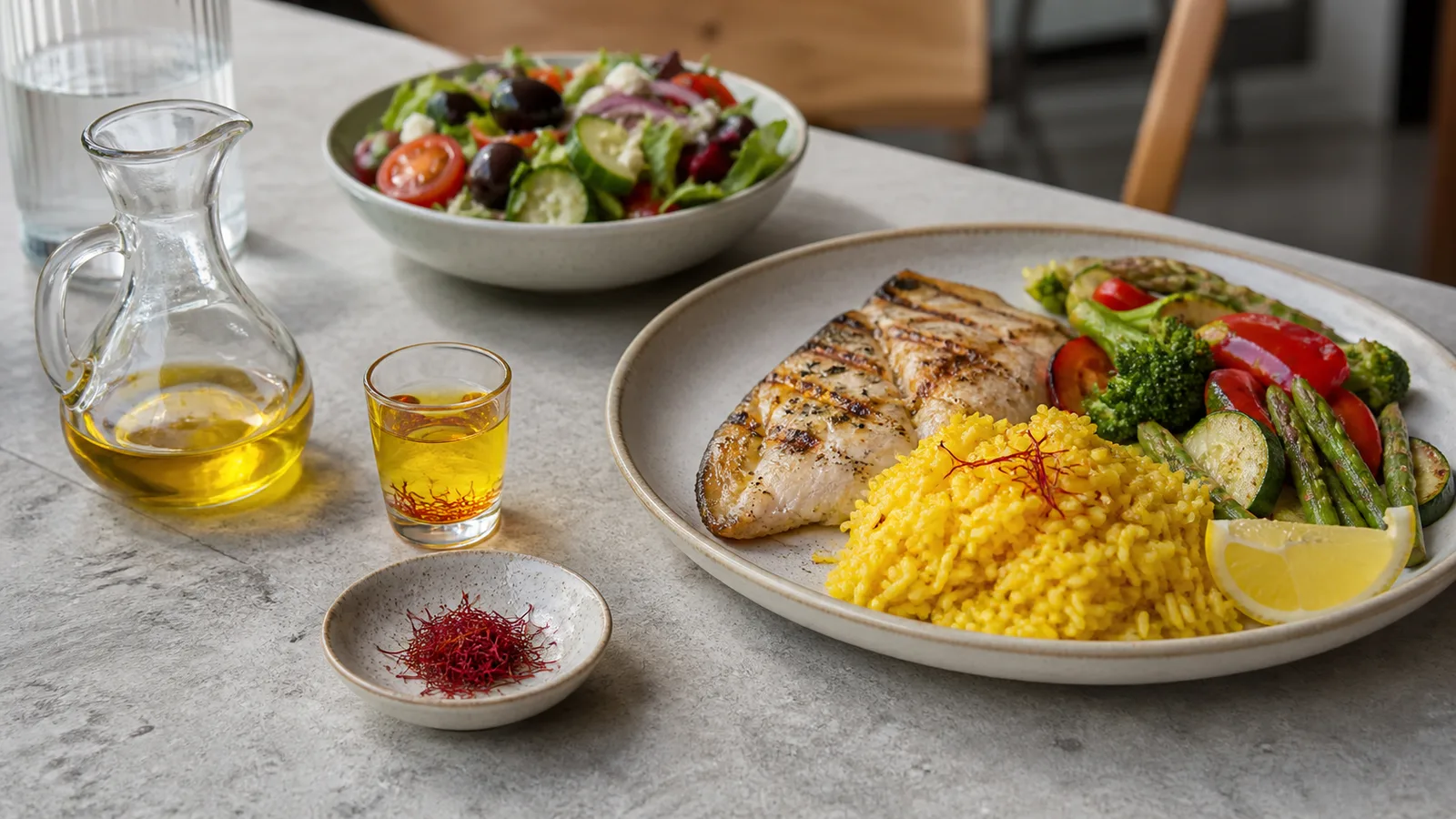
Saffron can still be used in ordinary food or tea. Bloom a small culinary pinch in hot water for 10–15 minutes, then add it to a meal or a drink for flavour and colour. Do not increase the amount in search of a laxative effect, and do not copy supplement doses from unrelated studies.
Saffron tea
A simple infusion provides liquid, which is useful when a person has not been drinking enough. It does not provide the bulk that helps fibre hold water in stool. Plain water, soup or another suitable drink can contribute hydration too.
Saffron syrup
A syrup made with sugar, water and saffron is not a constipation treatment. Sugar adds sweetness but no meaningful fibre, and a very sweet drink may upset some stomachs. If syrup is enjoyed as a cordial, keep it as an occasional food rather than increasing it for bowel relief.
Can saffron upset your stomach?
It can. Saffron trials and safety reviews report gastrointestinal effects such as nausea in some participants. A systematic review of adverse events found that reactions vary across preparations and studies. A concentrated supplement, ordinary spice and sweet syrup are different exposures.
Stop a new product if it clearly worsens nausea, cramping or bowel symptoms. Ask a pharmacist or clinician before using a concentrated saffron product during pregnancy or breastfeeding, before surgery, or alongside regular medicine. The goal is not to trade constipation for another problem.
What is more likely to relieve mild constipation?
The National Institute of Diabetes and Digestive and Kidney Diseases recommends measures that address stool consistency and bowel habits directly.
Increase fibre gradually
Adults generally need about 22–34 grams of fibre a day, depending on age and sex. Useful sources include lentils, beans, whole grains, vegetables, berries, pears, apples with the skin and nuts. Add fibre in stages; a sudden large increase can cause more gas and bloating.
Drink enough with the fibre
Fibre works better when there is enough liquid. Individual needs differ with body size, climate, activity, pregnancy and health conditions, so people on a fluid restriction should follow their clinician’s plan rather than generic advice.
Move and make time for the bowel
Regular physical activity can help. It may also be useful to sit on the toilet at a consistent time, often 15–45 minutes after breakfast, and not ignore the urge to go. A small footstool can put the knees above the hips and make passage more comfortable for some people.
Use foods with practical evidence
Prunes, dried figs, pears, kiwi, beans and whole grains add fibre or naturally occurring carbohydrates that can help stool retain water. The best choice is one that fits the rest of the diet and can be increased gradually. A sugary herbal syrup does not replace these foods.
When over-the-counter treatment may help
If food, liquid and routine changes are not enough, a pharmacist or clinician can help select an appropriate short-term option. Categories include fibre supplements, osmotic laxatives, stool softeners and stimulant laxatives. They work in different ways and are not interchangeable for every person.
Do not keep escalating laxatives or supplements without checking why constipation continues. Some medicines—including certain pain medicines, iron products and anticholinergic drugs—can contribute, but a prescribed medicine should not be stopped without professional advice.
When constipation needs medical care
The NIDDK advises prompt medical assessment when constipation comes with rectal bleeding, blood in stool, constant abdominal pain, inability to pass gas, vomiting, fever, lower-back pain or unexplained weight loss. Symptoms that do not improve with self-care also deserve review.
A sudden major change in bowel habits, repeated severe bloating or pain that interrupts daily life should not be managed indefinitely with tea. Our separate article on saffron and stomach pain explains why pain is a symptom to assess rather than a condition a spice can diagnose.
A clear conclusion on saffron for constipation
Saffron may make a pleasant warm drink, and culinary use is reasonable for most adults who already tolerate the spice. It is not a source of fibre and has not been shown in human trials to relieve constipation. The impression-bearing question “is saffron good for constipation?” deserves that plain answer.
For mild constipation, start with gradual fibre, enough liquid, movement and a workable toilet routine. If symptoms persist or warning signs appear, the useful next step is appropriate medical or pharmacy guidance—not a stronger saffron preparation.