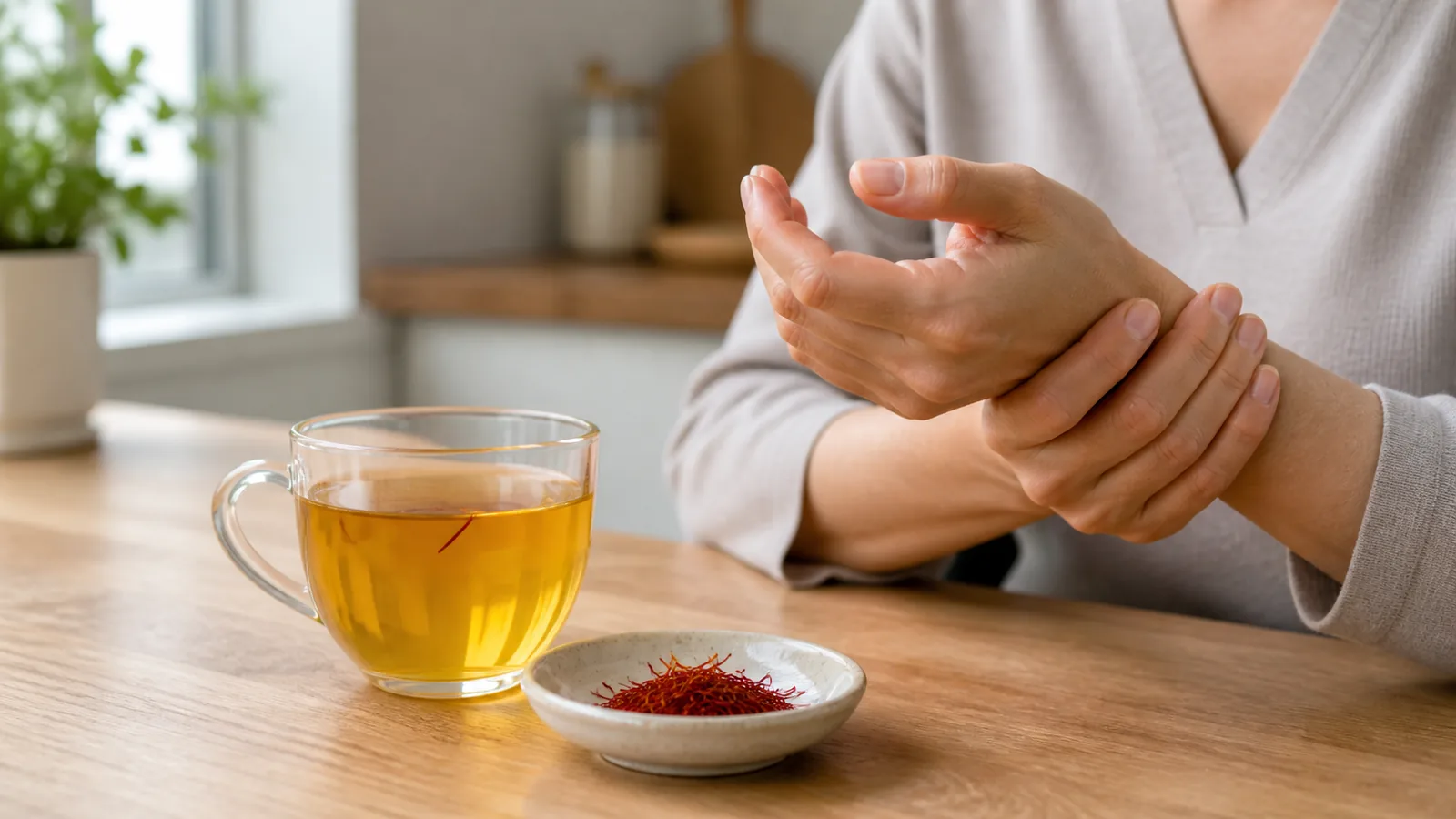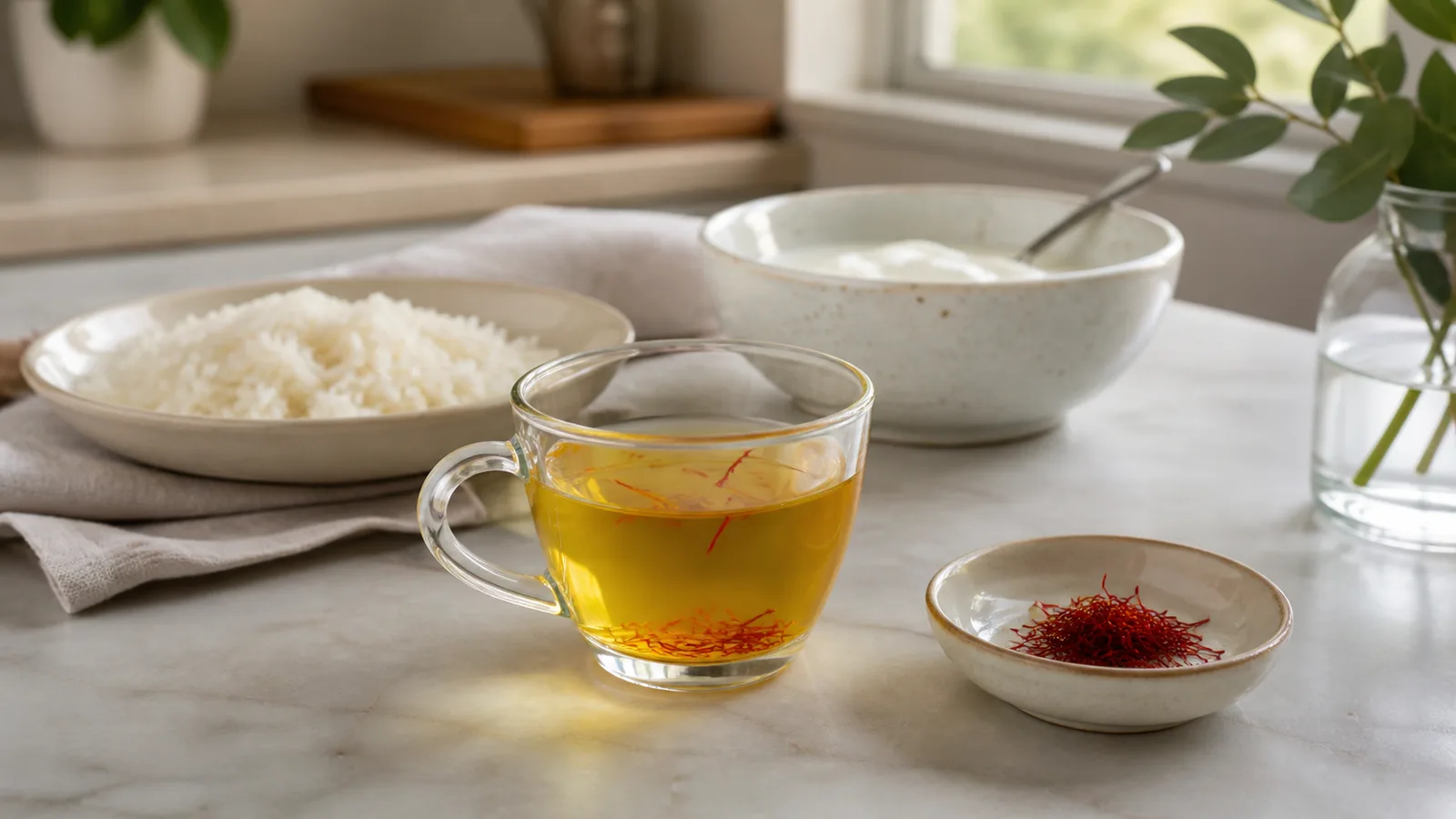
Treating Stomach Pain with Saffron is not supported by strong clinical evidence. Saffron has a long history in food and traditional medicine, and laboratory research has examined its compounds in digestive disorders. That is different from showing that culinary saffron relieves abdominal pain in people or treats the condition causing it.
“Stomach pain” is a symptom, not a diagnosis. Indigestion, constipation, trapped wind and a stomach infection are common causes, but pain can also come from the appendix, gallbladder, pancreas, bowel, kidneys or another organ. The right response depends on the pattern and cause; adding saffron cannot make that distinction.
Where the original stomach-pain claim came from
The previous article quoted nutritionist Mohammad Taghi Anousheh in a report attributed to YJC. He described saffron’s culinary and traditional uses and said that it was used for stomach pain in some countries, naming Germany. The article did not provide a German clinical guideline, approved indication, product name, trial or dose to support that statement.
Without that evidence, the claim can only be recorded as an attributed historical statement. It should not become a recommendation to self-treat pain. Herbal traditions and commercial availability in a country do not establish efficacy for an undiagnosed symptom.
What saffron is—and what its compounds do
Saffron comes from the dried stigmas of Crocus sativus. The old translation called it “a herb with onions and no stems.” More accurately, the plant grows from underground corms and produces flowers close to the ground. Its colour, taste and aroma have made it useful in food, confectionery and perfumery, while standardised saffron preparations are also studied in pharmaceutical research.
The article referred to compounds translated as “Kristen and Samsonal.” The relevant names are crocin and crocetin, which are associated with colour, picrocrocin, which contributes bitterness, and safranal, an important volatile aroma compound. Finding antioxidant or anti-inflammatory activity in a compound or laboratory model does not show that a pinch of saffron cures a digestive disease.
A 2016 review of saffron in digestive disorders discussed possible mechanisms and research involving peptic ulcer, inflammatory bowel disease, liver conditions, cancers and other gastrointestinal topics. Its conclusion also said that further clinical studies were needed to verify saffron’s effects. Much of the underlying evidence was preclinical. A mechanism is a reason to study a treatment, not a substitute for patient trials.
Does saffron help digestion or “strengthen the stomach”?
The quoted nutritionist said saffron helped natural digestion and strengthened the stomach because of its antioxidant properties. Those phrases are too broad to test as written. A clinical study would need to define a condition—such as functional dyspepsia—specify the saffron preparation and dose, compare it with placebo or standard care, and measure symptoms and adverse effects.
Current reviews of saffron’s clinical evidence concentrate more heavily on mood, cognition, metabolic outcomes and several other defined conditions than on nonspecific stomach pain. An evidence map of 19 saffron meta-analyses found promising results in some areas, but also found that review quality needed improvement and called for large, high-quality trials in multiple countries. It did not establish saffron as a general digestive treatment.
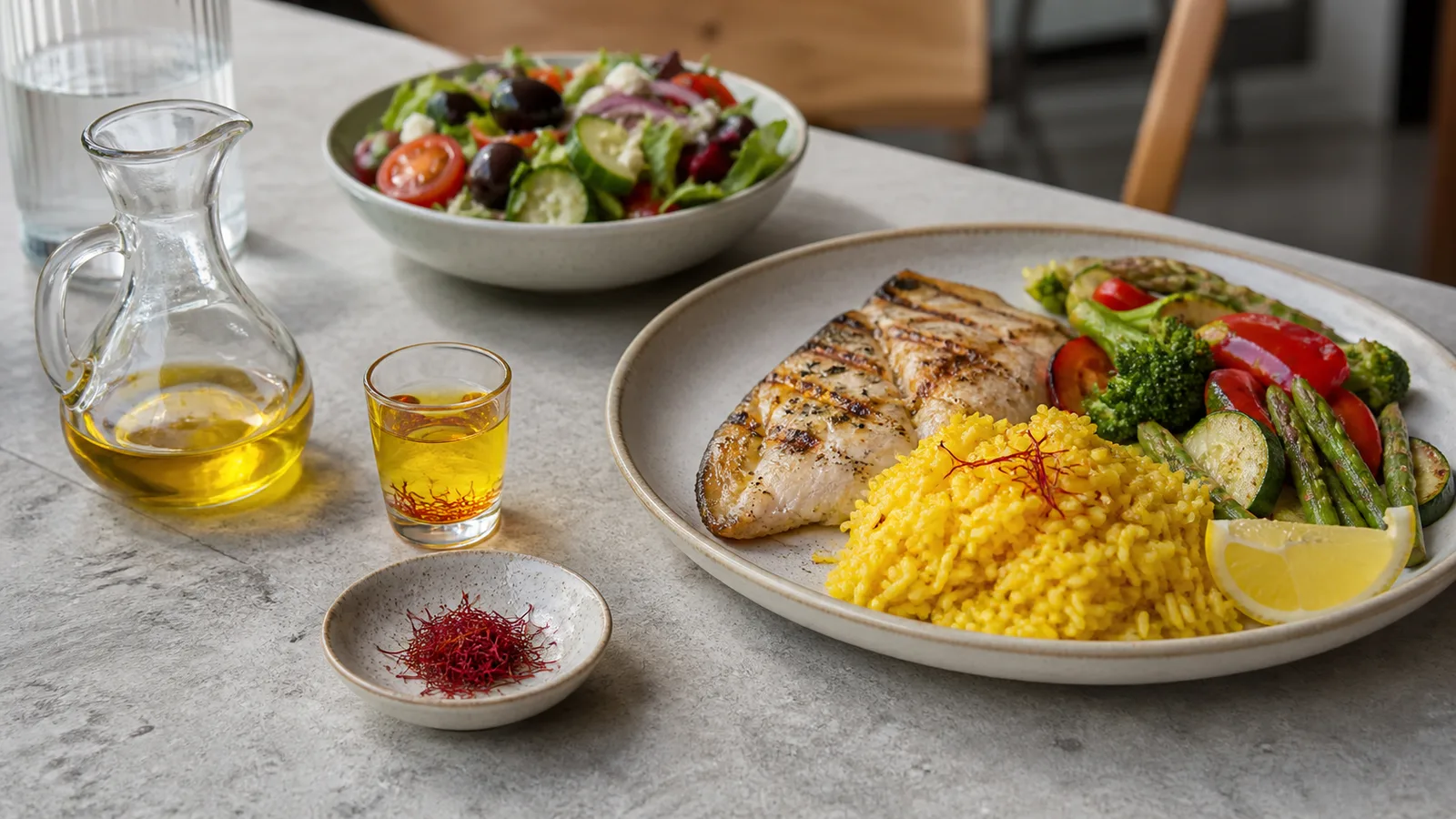
Food amounts of saffron can still be part of a normal meal if they suit the person eating it. That is culinary use. It should not be reframed as a treatment dose, and more is not necessarily better.
Other claims in the old report
The archived text went well beyond digestion. It said saffron could lower fat and cholesterol, increase oxygen penetration in plasma, act against cancer, treat blood pressure and iron deficiency in women, and reduce heart attacks. It also described saffron in traditional medicine as a sedative, anti-stress aid, appetite stimulant and “stomach enhancer.”
These claims do not all have the same evidence, and several were mistranslated or medically imprecise:
- Some meta-analyses report small changes in cholesterol or blood pressure in selected participants taking standardised supplements. Results have been inconsistent, and this is not a reason to replace prescribed treatment.
- “Increasing oxygen penetration in plasma” is not a recognised clinical outcome as written. The article supplied no test, population or result that could be evaluated.
- Antioxidant findings do not demonstrate that saffron prevents or treats cancer in people.
- Iron-deficiency anaemia requires appropriate testing and treatment of both the deficiency and its cause. Saffron is not an iron-replacement therapy.
- Research on mood and stress uses defined saffron preparations and measured outcomes. It does not make culinary saffron a sedative.
- No evidence in the report showed that saffron prevents a heart attack.
Retaining these topics as corrections is safer than simply deleting them: a reader can see which old claims were made and why they should not guide care.
Can saffron itself cause digestive symptoms?
Yes. A 2026 systematic review of adverse events in human studies found that gastrointestinal problems were the most frequently reported side effects of saffron preparations, usually minor and self-limiting. The review concluded that saffron was generally well tolerated but advised clinical monitoring for medicinal use at higher doses or over longer periods.
This is another reason not to respond to stomach pain by increasing saffron intake. A person may tolerate the small amount used in cooking yet react differently to a capsule, extract or concentrated infusion. Supplements may also vary in composition and may interact with a person’s medicines or health conditions.
When stomach pain needs medical attention
Most mild stomach aches settle, but recurring, worsening or unexplained pain should not be masked with a spice or supplement. Seek medical advice if pain does not go away, keeps returning, or comes with persistent bloating, difficulty swallowing, unplanned weight loss, changes in urination, bleeding or ongoing diarrhoea.
Sudden or severe pain needs urgent assessment, especially if the abdomen is painful to touch, vomit contains blood or looks like coffee grounds, stool is bloody or black and sticky, the person cannot pass urine, stool or gas, or there is chest pain, breathing difficulty or collapse. These are not situations for testing a home remedy.
Safe culinary use and storage
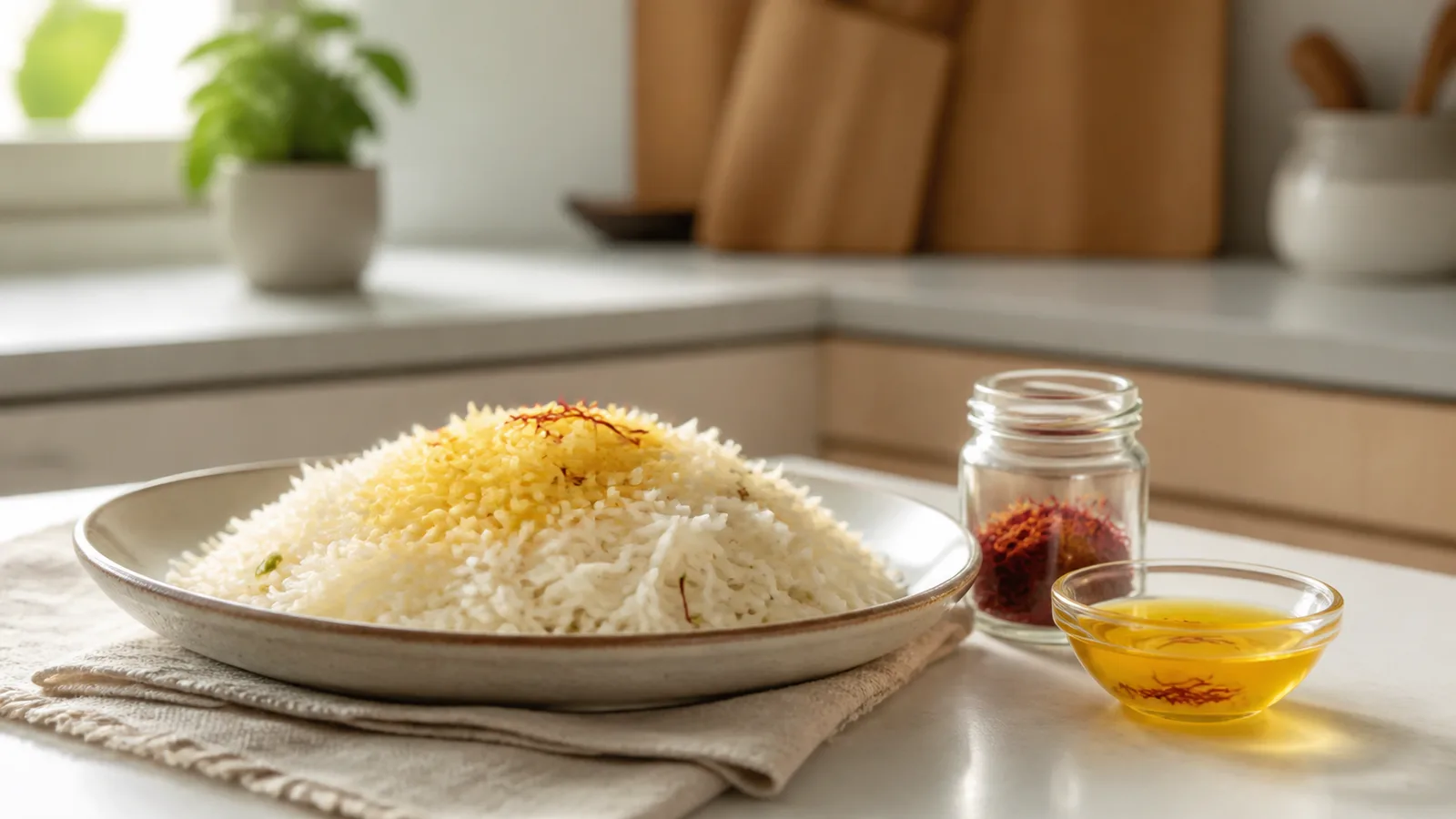
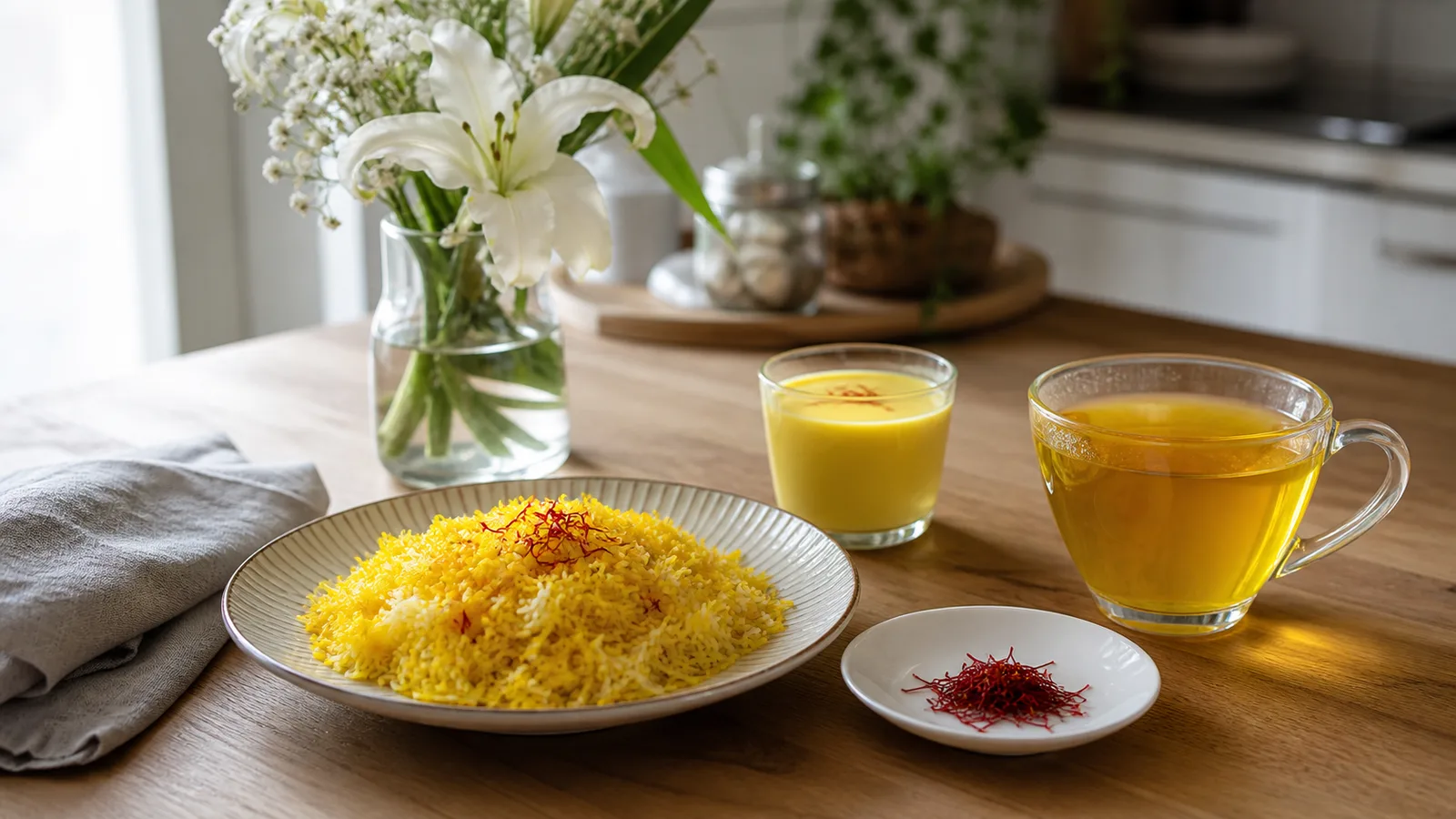
If there is no individual medical reason to avoid it, saffron can be used in ordinary recipe quantities for colour and aroma. A small pinch can be crushed and bloomed in warm water before being added to rice, soup or another dish. This is a cooking method, not a stomach-pain treatment.
The old article’s storage advice was broadly sound despite its awkward wording. Light, moisture, heat and air can diminish saffron quality, especially after grinding because more surface area is exposed and volatile aroma compounds such as safranal can be lost. Store threads in a tightly closed container in a cool, dry, dark place. Whole threads are also easier to inspect than powder.
The responsible conclusion is simple: saffron is interesting enough to study, but the evidence does not support treating stomach pain with saffron. Identify the cause of the pain, use appropriate care, and keep the spice in its proven role as a concentrated culinary ingredient unless a qualified clinician recommends a specific evidence-based product.
Sources reviewed: the PubMed-indexed review of saffron in digestive disorders; the evidence map of saffron meta-analyses and health outcomes; the 2026 systematic review of adverse events from saffron preparations; and NHS guidance on stomach ache and urgent warning signs. All accessed 25 August 2026.