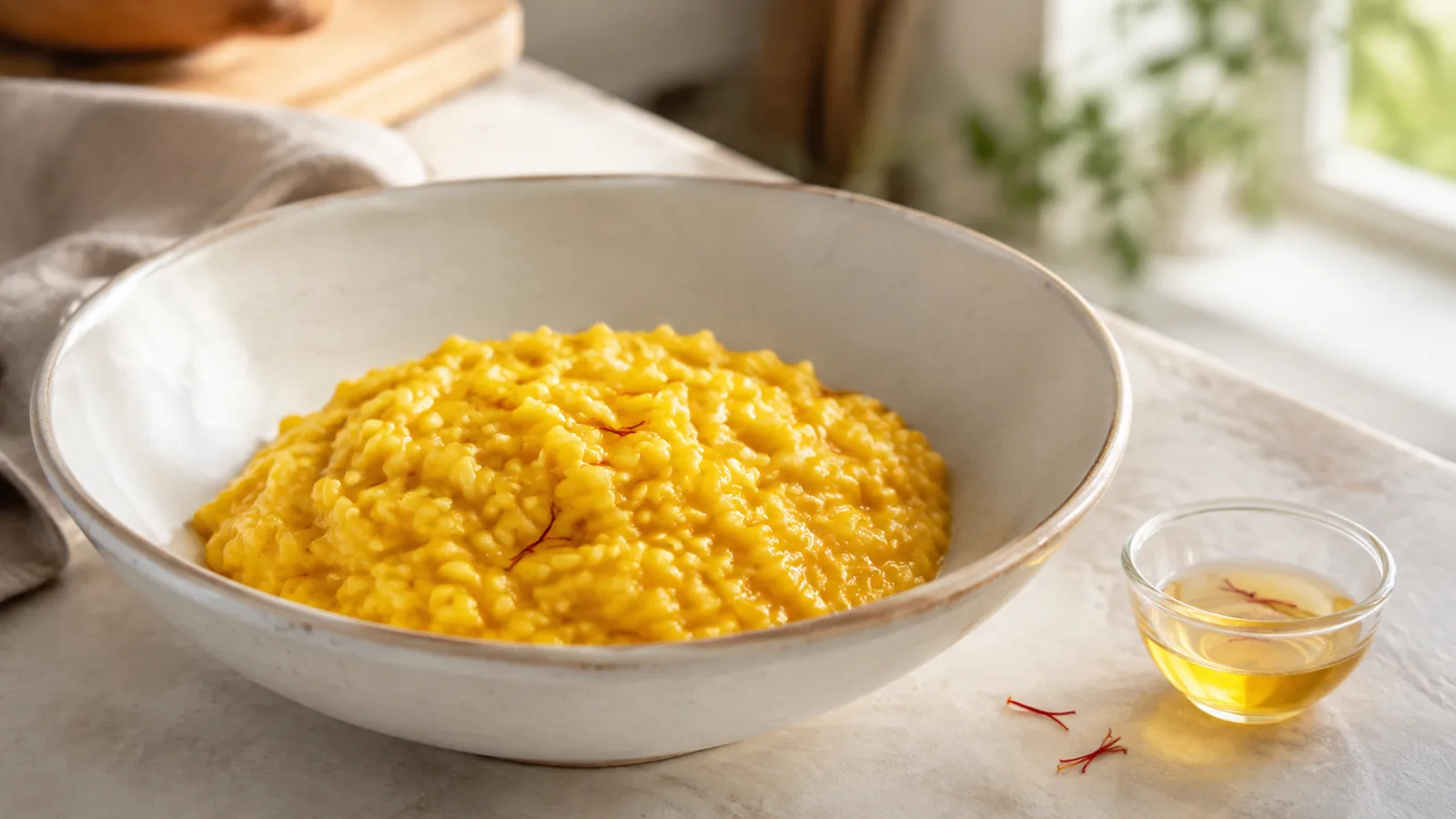
Orange spring jam is the literal translated name for Persian bahar narenj jam, a fragrant preserve made with bitter-orange blossoms, sugar and a restrained touch of saffron. The flowers give it a delicate citrus perfume; careful blanching keeps that perfume while taking away harsh bitterness.
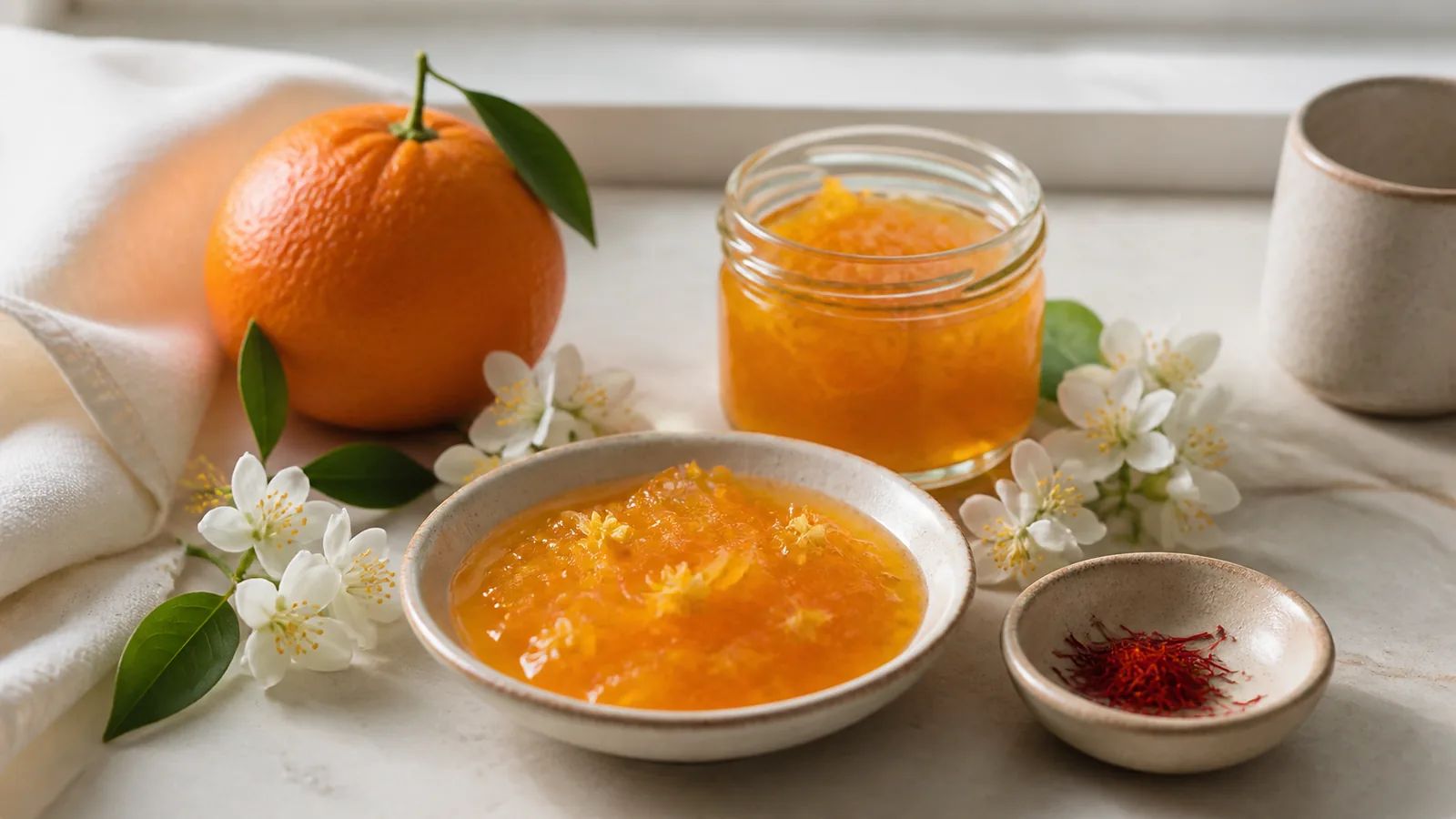
This is a small refrigerator batch for breakfast, not a tested shelf-stable canning formula. It takes about four hours including soaking, followed by roughly one hour of active cooking and cooling.
Orange spring jam ingredients
- 1 cup fresh bitter-orange blossoms, loosely packed
- 1 1/2 cups granulated sugar
- 1 cup water, plus more for soaking and blanching
- 1 tablespoon rosewater, or to taste
- 2 green cardamom pods, lightly crushed
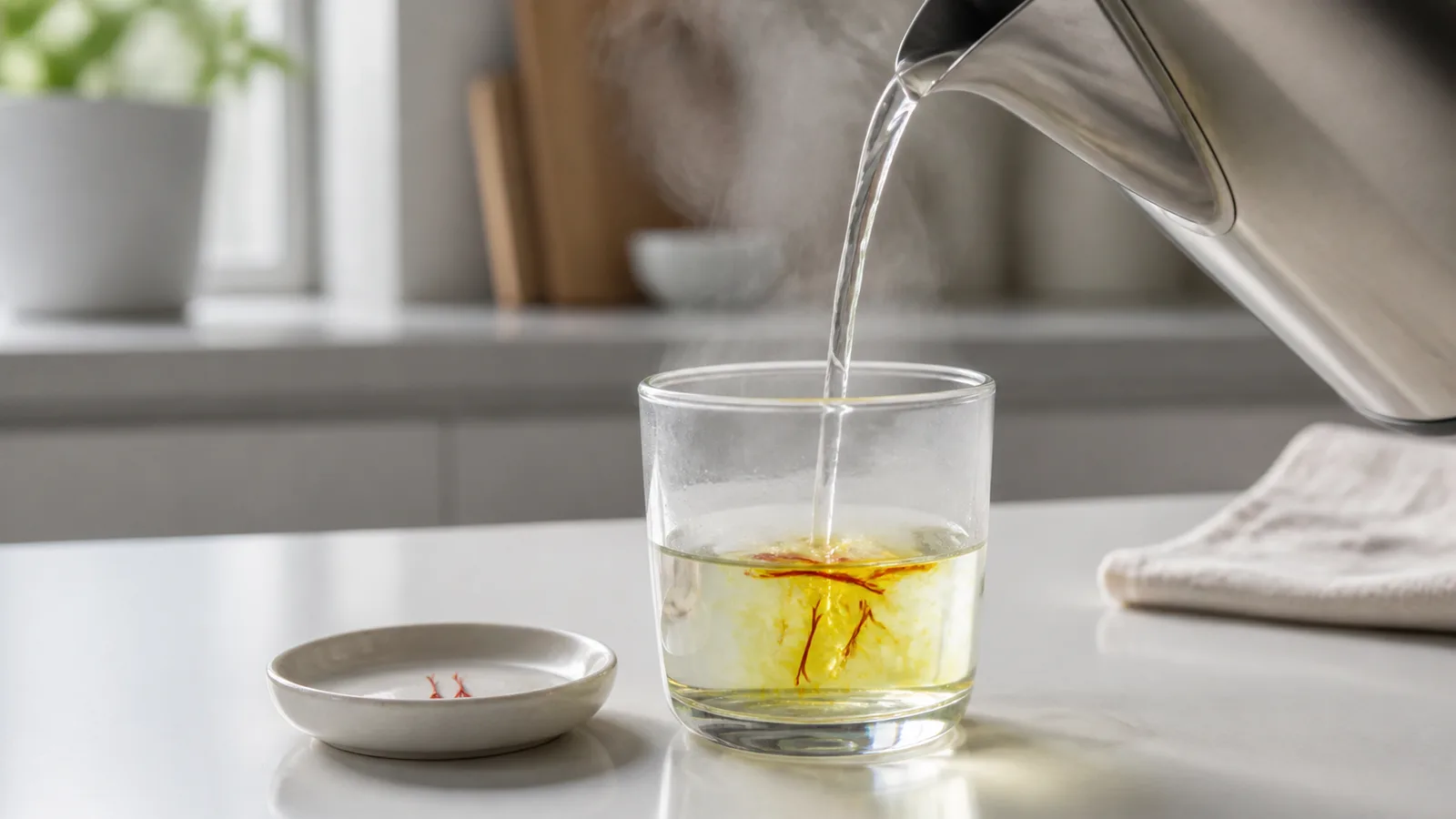
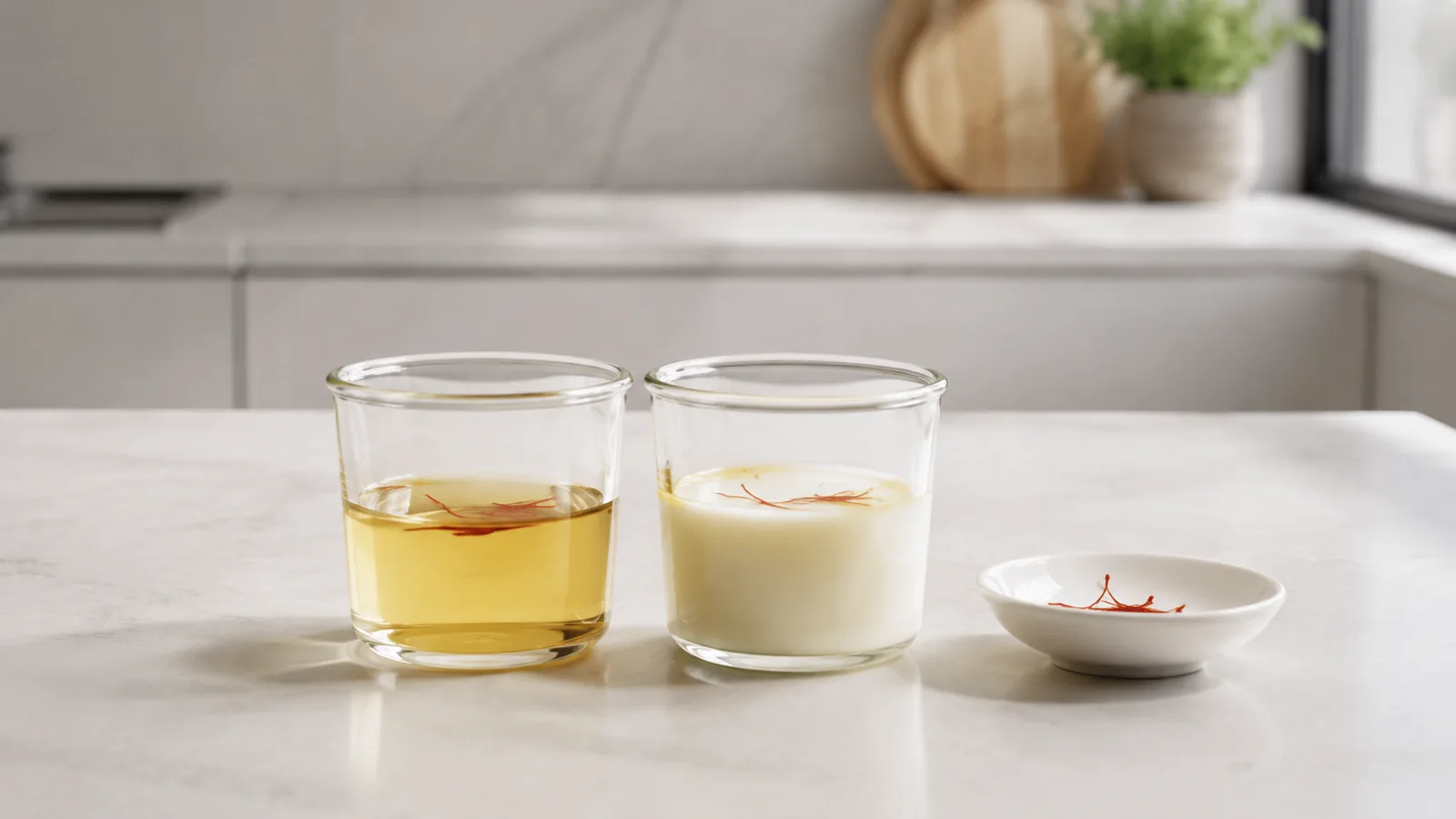
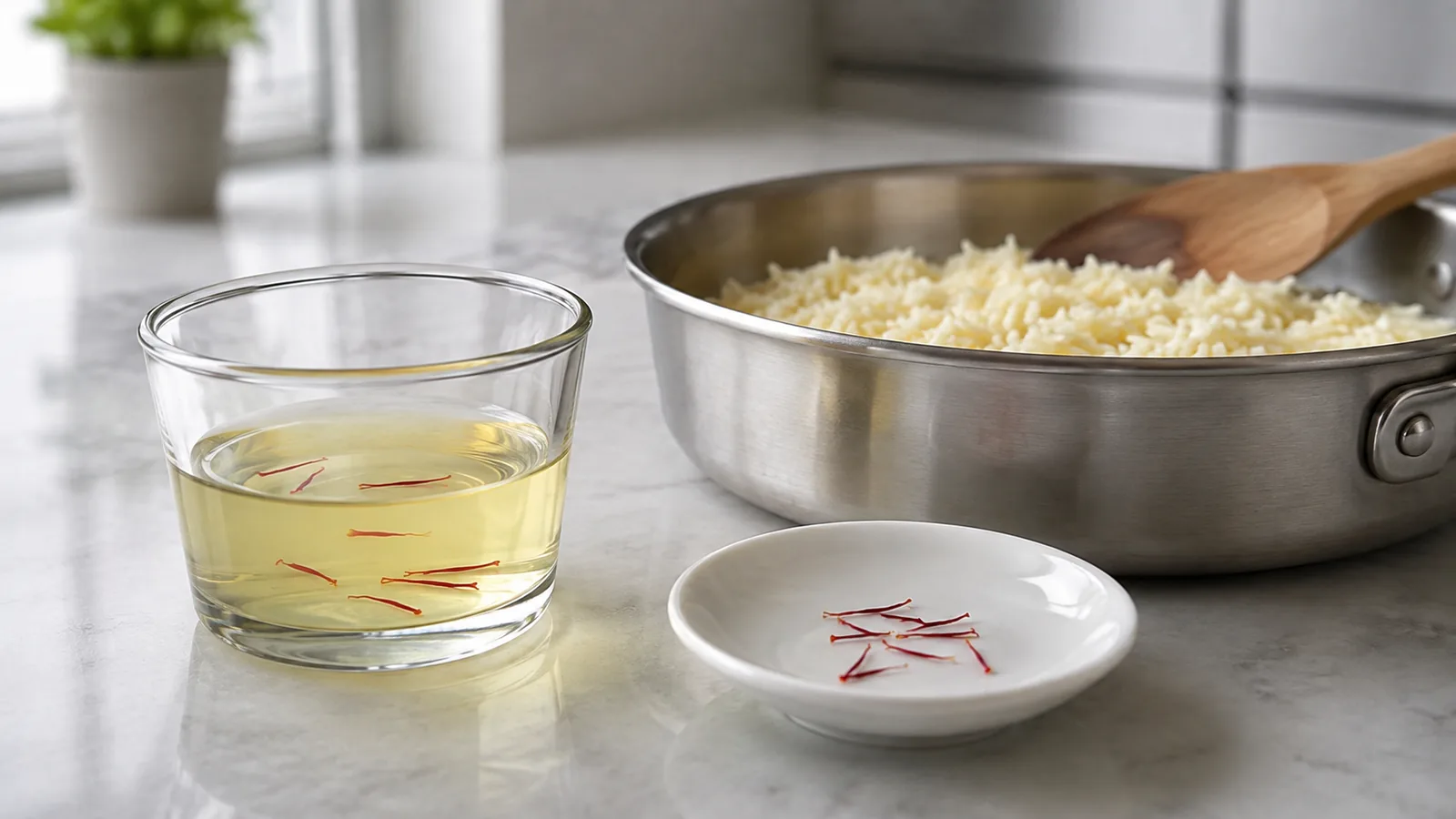
- 1 teaspoon concentrated brewed saffron, or to taste
- 1 teaspoon lemon juice, optional, to brighten the syrup
Use blossoms sold for culinary use and make sure they have not been sprayed with garden chemicals. “Orange spring leaves” and “narcissus spring leaves” in the older English version both refer to orange blossom, not citrus leaves or narcissus.
How to prepare the orange blossoms
Sort through the blossoms and remove stems, damaged petals and insects. Rinse them gently in a bowl of cool water, lift them out and repeat until the water is clear.
Cover the cleaned blossoms with cool water and leave them for three hours. Drain, then taste one petal. Bitter-orange flowers can vary considerably; soaking alone may be enough for very mild blossoms, while others need blanching.
For bitter flowers, bring a small saucepan of water to a boil. Add the blossoms for one minute, drain and cool under fresh water. Taste again and repeat once if needed. Do not keep boiling until all aroma has gone. The aim is gentle bitterness, not a flavourless flower.
How to make orange blossom jam with saffron
1. Make the syrup
Put the sugar and 1 cup of water in a heavy, non-reactive saucepan. Warm over medium heat, stirring only until the sugar dissolves. Add the cardamom pods and bring the syrup to a steady simmer.
Cook for 5–7 minutes. Brush any sugar crystals from the side of the pan with a wet pastry brush rather than stirring vigorously.
2. Add the blossoms
Squeeze the soaked or blanched blossoms very gently so they are not dripping, then add them to the syrup. Reduce the heat and simmer slowly for 15–25 minutes.
Stir occasionally with a clean spoon. The petals should become tender and suspended through the syrup. A wide pan evaporates faster, so begin checking early.
3. Add rosewater and saffron
During the final 3–4 minutes, remove the cardamom pods and stir in the rosewater, brewed saffron and optional lemon juice. Adding these aromatics late prevents their fragrance from boiling away.
Use saffron lightly. It should give the syrup a warm golden cast without covering the blossom’s fresh citrus character.
4. Check the set
Put a small plate in the freezer before cooking. Spoon a little syrup onto the cold plate and wait 30 seconds. Push it with a fingertip: it should move slowly and wrinkle very lightly, but this jam remains looser than a firm fruit jelly.
Remember that the syrup thickens as it cools. If it is reduced too far, the sugar may crystallise and the petals can become chewy.
How to balance bitterness and perfume
If the finished jam is sharply bitter, the flowers needed another short blanch before entering the syrup. Adding more sugar at the end can hide some bitterness but usually leaves the preserve cloying.
If the blossom aroma is weak, the flowers may have been old, overwashed or overboiled. A measured spoonful of food-grade orange blossom water can help a mild batch, but add it off the heat and taste before using more.
Rosewater, cardamom and saffron are supporting flavours here. Start small. A good orange spring jam smells first of citrus blossom, with the other aromas appearing quietly behind it.
Cooling and refrigerator storage
Spoon the hot jam into a clean, heat-safe jar, leaving room at the top, and allow it to cool briefly. Cover and refrigerate once it is no longer steaming heavily. Always use a clean, dry spoon.
This ingredient ratio has not been validated for room-temperature canning, so sealing a hot jar does not make it shelf stable. Keep it refrigerated and use it within about three weeks, or freeze small portions. The National Center for Home Food Preservation’s jam-storage guidance explains why moisture, storage temperature and a tested process matter.
How to serve this Persian jam
Serve a small spoonful at breakfast with warm bread, butter or mild cheese. It also works beside plain yogurt or over rice pudding, where the loose aromatic syrup can spread through the dish.
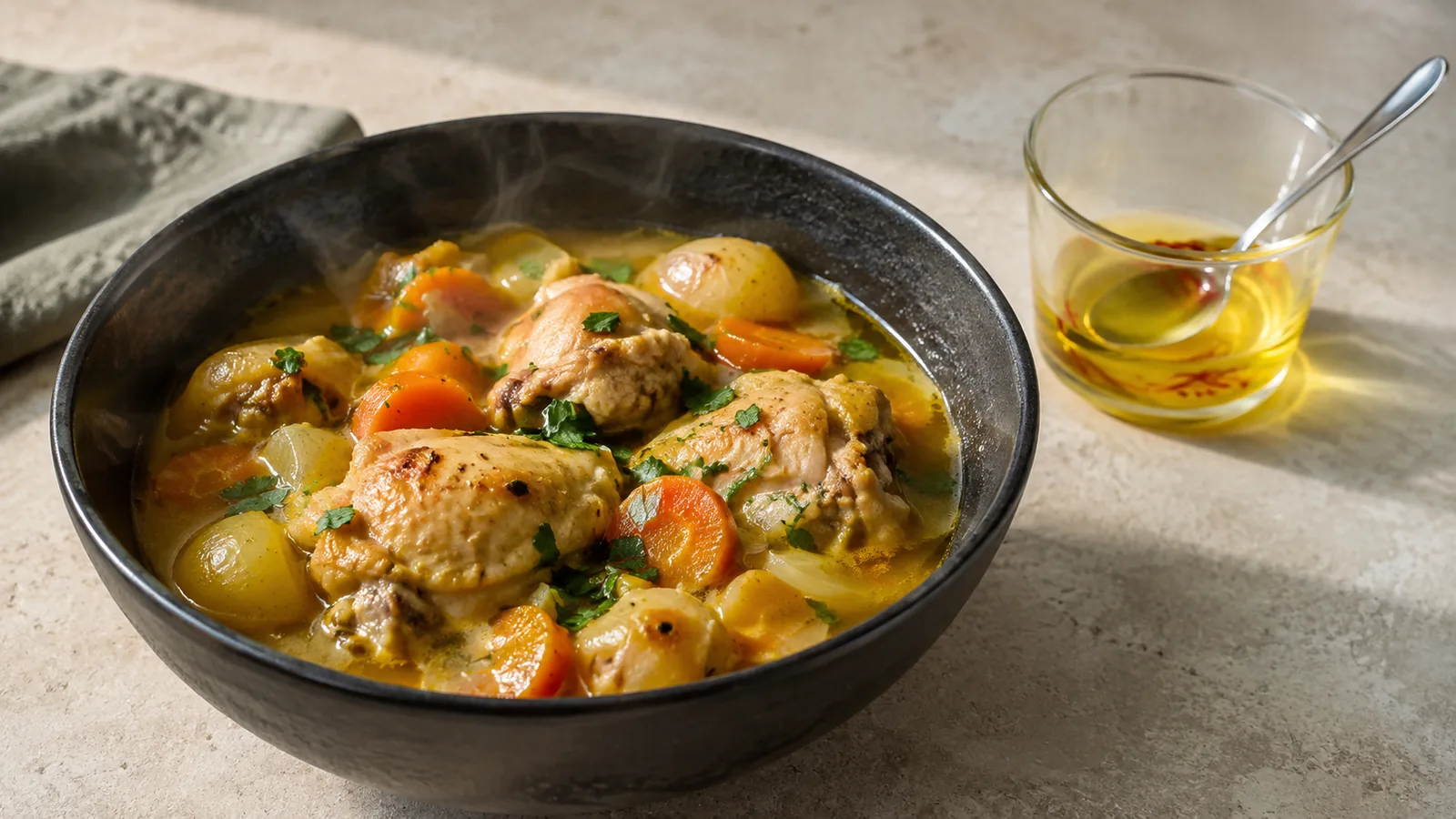
The finished preserve should have tender petals floating in clear golden syrup. It is floral without tasting like perfume, lightly bitter in the way citrus peel can be, and warm with just enough saffron to round the finish.