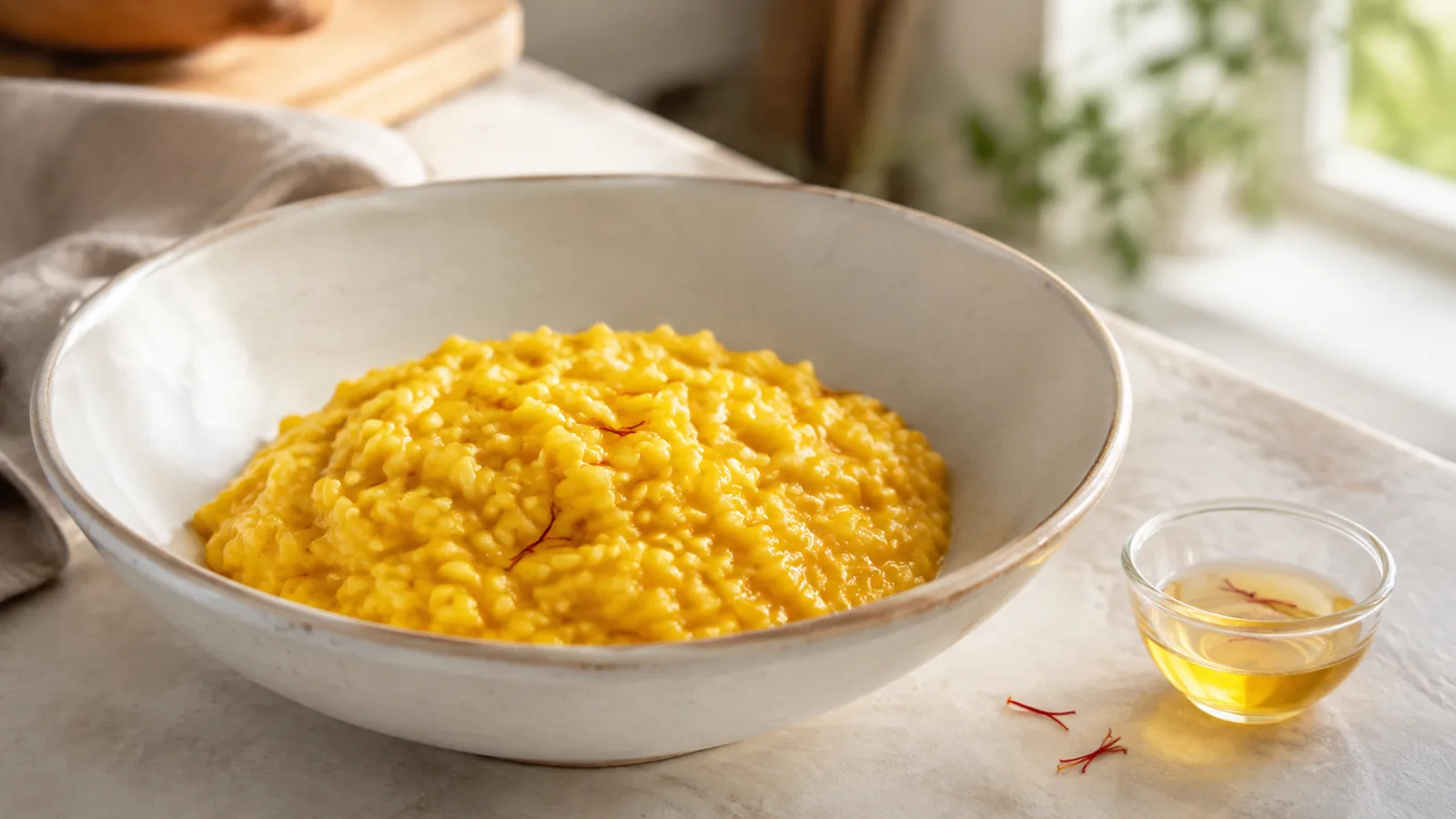
This traditional Iranian saffron ice cream recipe combines milk, rosewater, saffron, salep and thin pieces of frozen cream in a fragrant, gently chewy dessert.
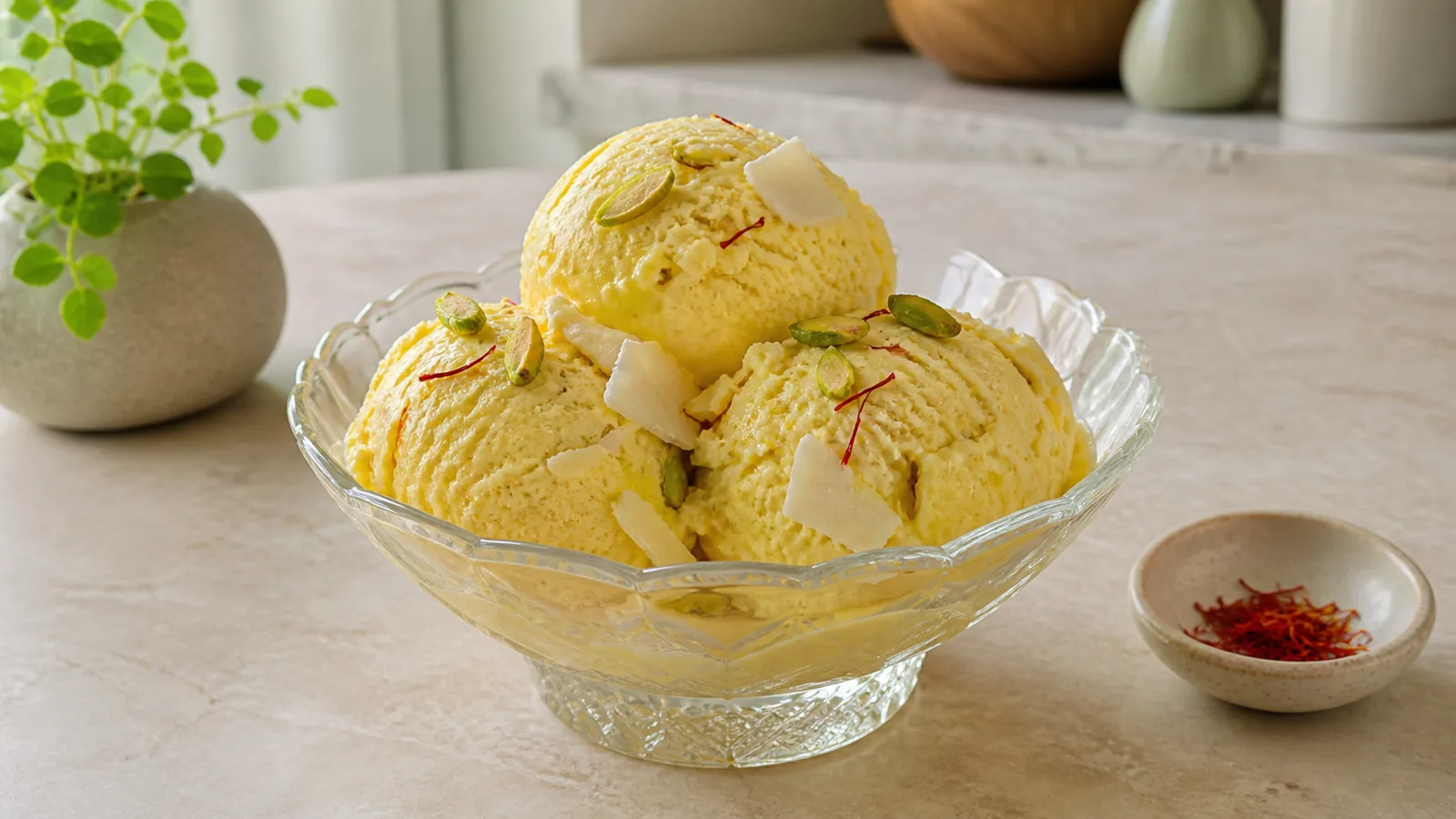
Known as bastani sonati, it is quite different from a standard vanilla ice cream. Salep gives the base its characteristic stretch, while repeated mixing keeps the texture smoother as it freezes. You can make it with an ice-cream machine or use the original hand-mixed method with a metal bowl.
Ingredients for traditional saffron ice cream
- 1 litre whole milk
- 250 g sugar
- Up to 30 g salep powder, according to the strength and package directions
- 1/2 cup rosewater
- 1/3 teaspoon finely ground saffron
- 100 g whipping cream, preferably 35% fat or higher
- Chopped or slivered pistachios, optional
- Sour-cherry syrup, optional for serving
Salep powders are not all equally strong. Some are pure ground orchid tuber, while commercial ice-cream mixes may contain starches, sugar or gums. Treat the original 30 g as a ceiling, check the label and use the amount intended for one litre of milk. Too much can make the base unpleasantly dense.
Prepare the saffron and cream pieces
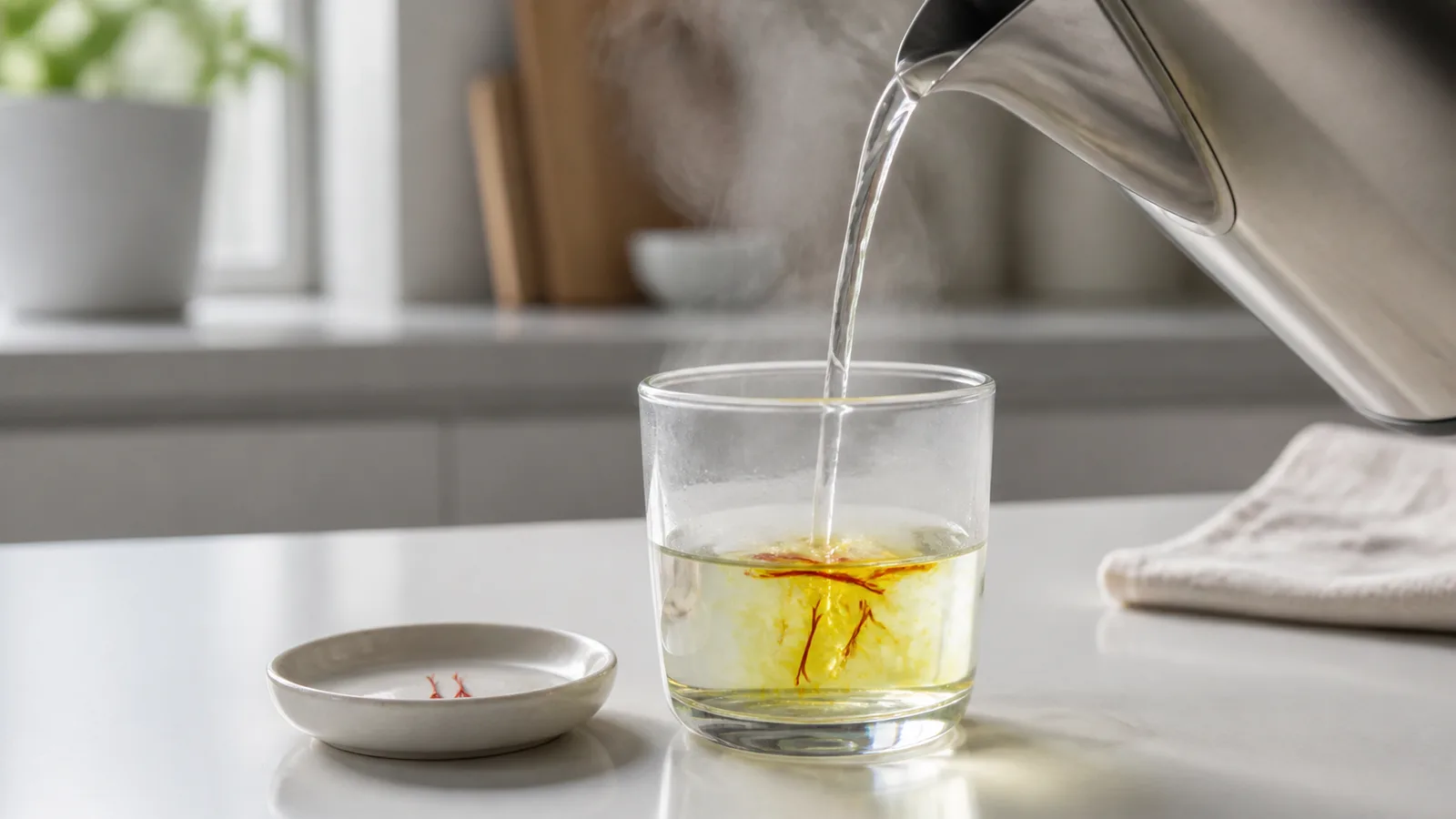
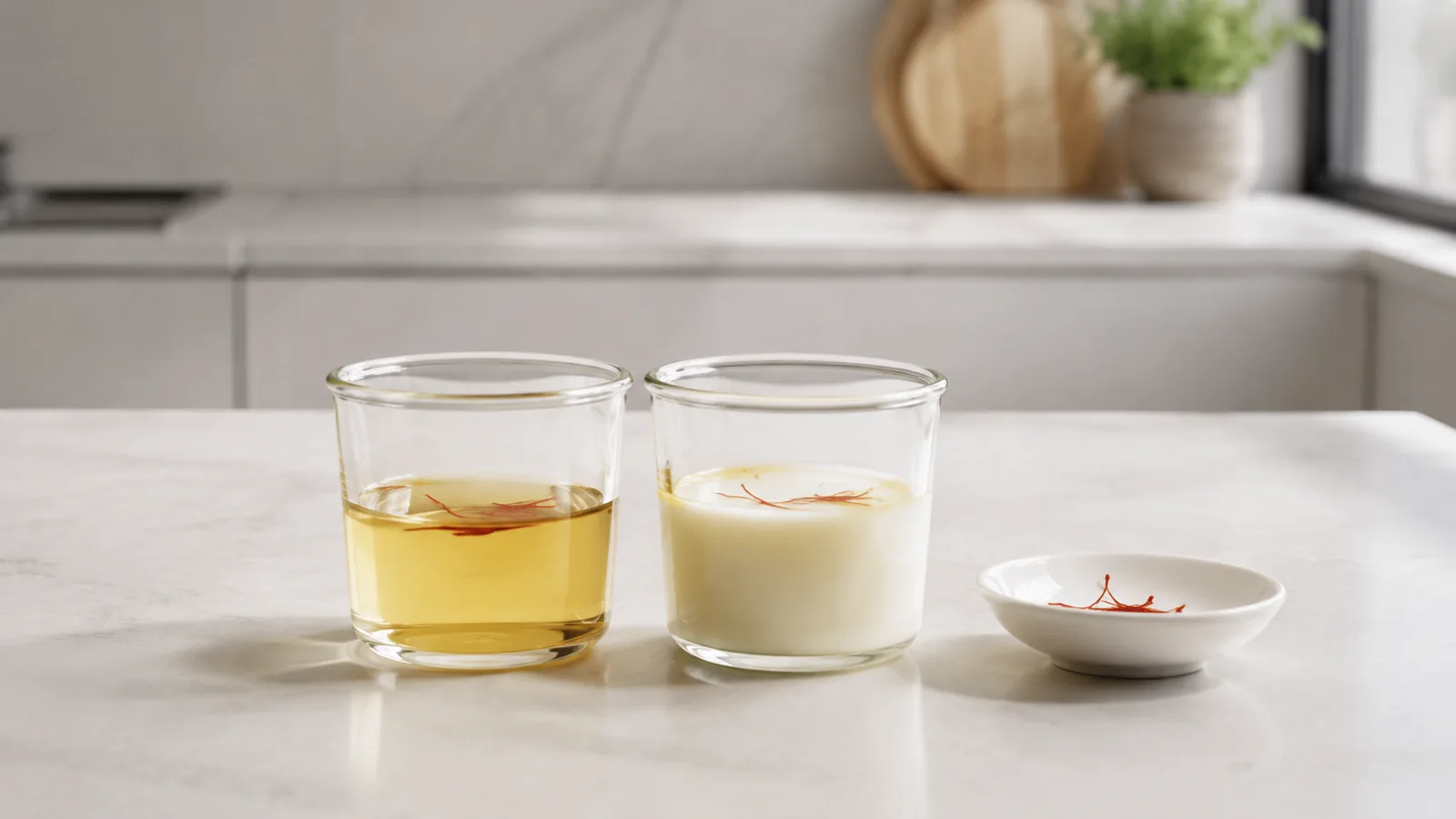
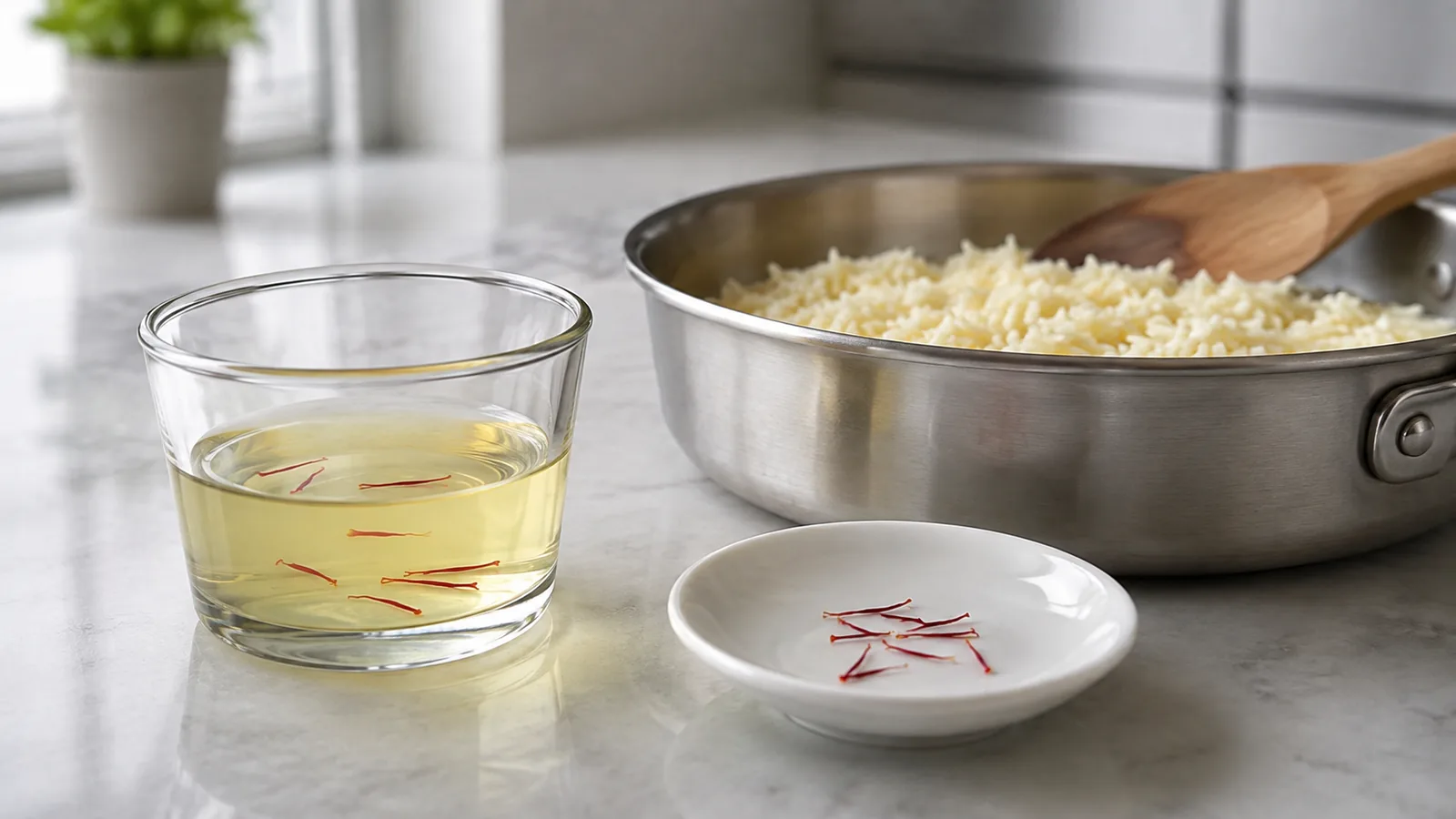
Grind the saffron finely, then stir it into the rosewater so the colour begins to open before it reaches the milk. If you would like more detail on the blooming step, see our guide to the best way to brew saffron. The measured saffron should remain noticeable after the dairy is added, but simply adding more can make the ice cream bitter.
For the traditional cream pieces, line a flat tray or shallow Pyrex dish. Spread the whipping cream in a layer about 2 mm thick and freeze it until firm. Once frozen, lift or scrape the sheet from the tray and break it into small flakes. Return them to the freezer while you make the base; they soften quickly at room temperature.
Cook the milk, sugar and salep base
- Pour the milk into a heavy saucepan and bring it just to a boil, watching closely so it does not foam over.
- Lower the heat. Mix the sugar and salep together thoroughly in a dry bowl; this helps the salep disperse instead of forming rubbery lumps.
- Add the sugar-salep mixture gradually while whisking the milk without stopping.
- Keep the base over gentle heat and continue stirring until the sugar has dissolved and the mixture lightly coats the back of a spoon. Follow the salep package directions if they specify a cooking time.
- Stir in the saffron and rosewater mixture, then remove the pan from the heat.
The base should be thicker than milk but still pourable. It will tighten further as it cools and freezes. If it becomes gluey in the saucepan, adding more salep will not fix it; whisk in a small amount of warm milk instead.
Cool the mixture safely
Transfer the hot mixture to a clean, shallow metal bowl. Set that bowl over an ice bath and stir until the base is cold. Do not allow melted ice water to spill into it. A shallow container cools much faster than leaving the mixture in a deep, hot saucepan.
Use pasteurised milk and cream, keep the frozen cream pieces cold and move the cooled base promptly into the freezer or machine. FoodSafety.gov advises keeping the refrigerator at 40°F (4°C) or below and the freezer at 0°F (-18°C) or below; its cold-food storage chart explains the distinction between safety and freezer-quality times.
Freeze without an ice-cream machine
- Place the covered metal bowl in the freezer for about 30 minutes.
- When a frozen ring begins to form around the edge, remove the bowl and beat the base well, scraping the sides into the softer centre.
- Return it to the freezer. Repeat the beating every 30 minutes for roughly 2–3 hours, until it is thick and evenly frozen rather than icy at the edges.
- Fold in the frozen cream flakes and pistachios during the final mixing, when the ice cream is firm enough to hold them in place.
- Cover the surface and freeze until scoopable.
The original method placed a steel bowl inside a larger container of softened ice and mixed continuously before transferring it to the freezer. That works if you have enough ice and patience. The repeated-freezer method above follows the same principle in shorter sessions: break up crystals as they form, then let the base freeze again.
Use an ice-cream machine
Chill the cooked base thoroughly before churning; do not pour a warm mixture into the machine. Follow the manufacturer’s capacity and freezing instructions, then churn until the texture resembles soft serve. Depending on the machine, this often takes around 20–25 minutes, which is the timing in the original recipe.
Fold in the cream pieces near the end rather than at the beginning, or the paddle may crush them into the base. Transfer the finished ice cream to a freezer-safe container and let it firm up before serving.
How to keep saffron ice cream smooth and stretchy
- Combine the dry ingredients first. Sugar separates the salep particles and makes them easier to whisk into milk.
- Add salep slowly. A spoonful dumped into hot milk can seize into lumps before it disperses.
- Do not reduce the sugar blindly. Sugar affects softness as well as sweetness; a large reduction produces a harder, icier result.
- Mix during freezing. Regular beating is the key step when no machine is available.
- Use high-fat cream for the flakes. It freezes into cleaner pieces and is less likely to disappear into the base.
- Let a hard-frozen tub rest briefly. Five to ten minutes at room temperature usually makes scooping easier without melting the cream pieces.
Food-safety note for salep and other powders
Do not taste the uncooked milk-and-powder mixture. If your packaged salep blend contains flour or starch, cook it as directed. The FDA explains that flour is a raw food and that cooking, rather than home heat-treating shortcuts, is what makes flour-containing mixtures safer to eat.
This version does not contain eggs. If you adapt an Iranian ice cream recipe that does use eggs, choose a properly cooked custard method or pasteurised egg product rather than adding raw egg to a frozen dessert.
Serving and sensible portions
Scoop the traditional ice cream into chilled dishes and finish it with pistachios. A spoonful of sour-cherry syrup provides a sharp contrast to the sweet rosewater base, but add it at the table so it does not tint the entire batch.
The previous article assigned one exact calorie total to the whole recipe. That number cannot be reliable without the labels and fat percentages of the milk, cream and salep product actually used. This is a rich dessert made with sugar and dairy, so serve a portion that suits the rest of the meal instead of treating it as a substitute for milk.
Good traditional saffron ice cream should smell of rosewater and saffron, show small cream pieces in every scoop and soften into a pleasantly elastic texture. Careful salep measurement and repeated mixing matter more than adding extra colour or sweetness.