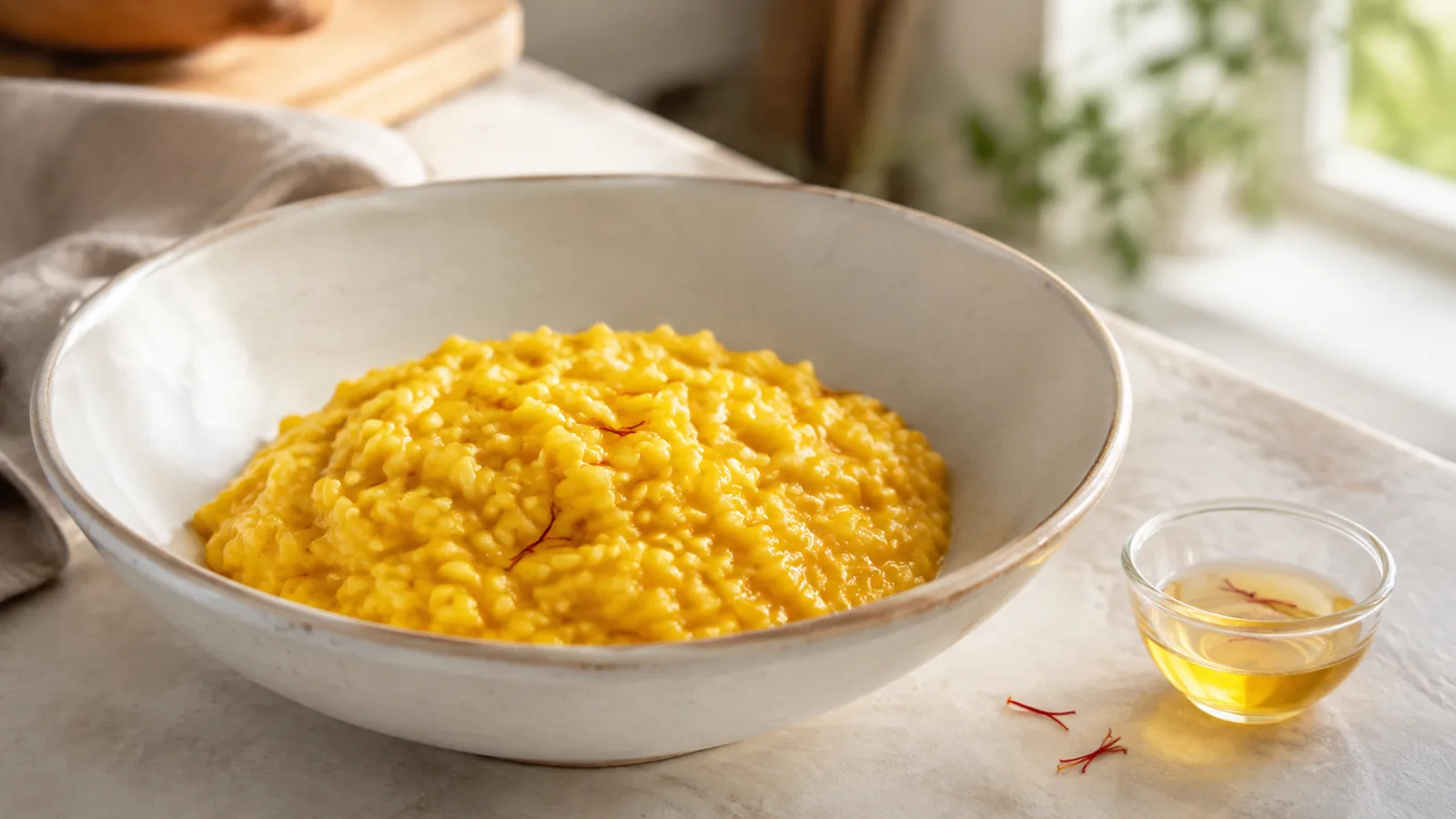
This recipe for cooking sweet butterfly with Iranian saffron makes delicate egg-free cookies scented with cardamom, brushed with saffron and finished with tiny purslane seeds.
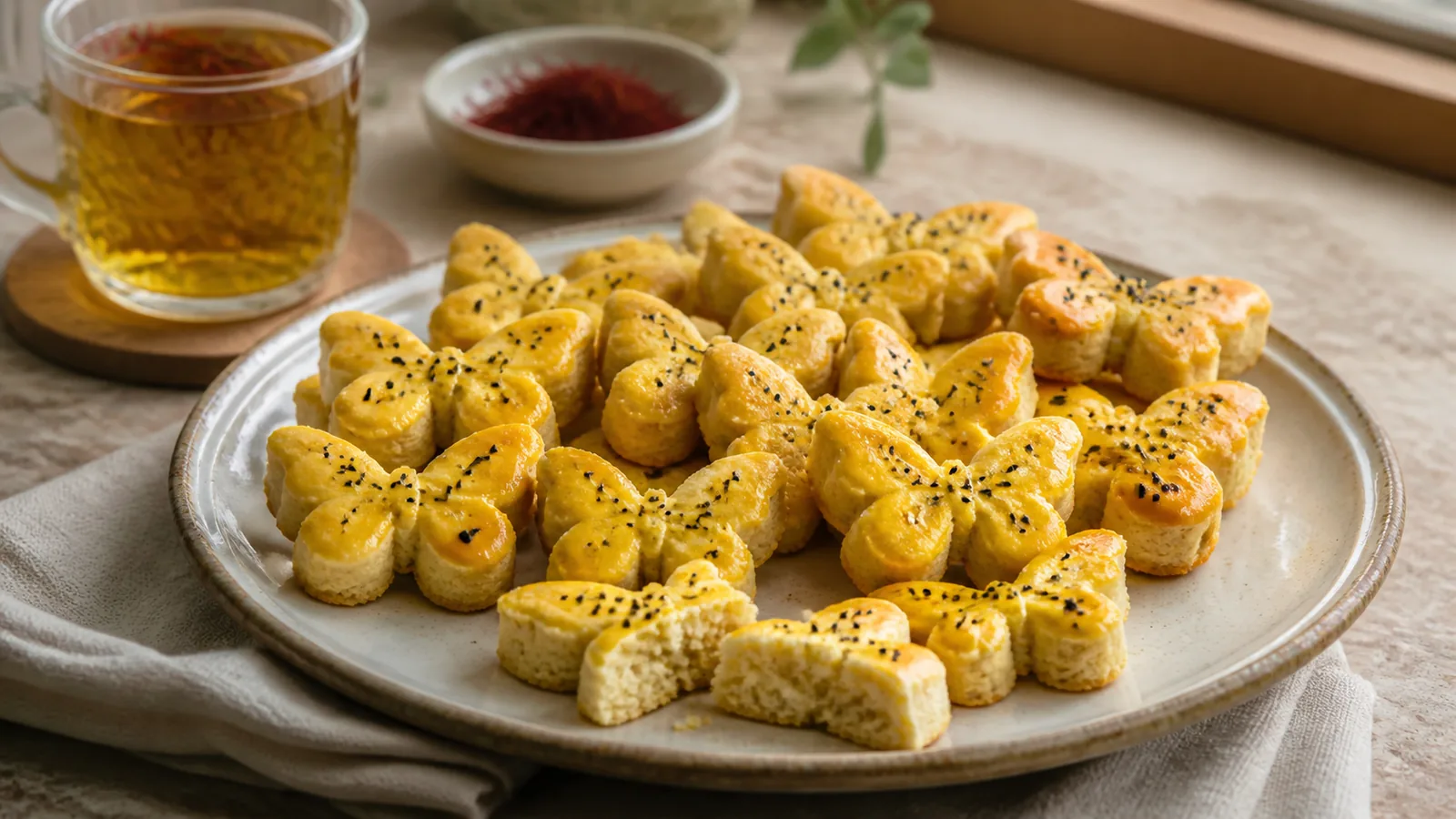
“Sweet butterfly” describes the shape, not an ingredient. The dough can be cut with a butterfly cutter or formed into small bow-like pieces by pinching the center. Because the page has current hidden-query visibility around position five to six, the exact name, proportions, one-hour rest, 1 cm thickness and 170°C bake remain unchanged.
What is sweet butterfly?
Sweet butterfly is a simple Persian-style shaped cookie built from flour, solid baking fat and powdered sugar. There is no egg or milk in the original formula. Cardamom perfumes the dough, while bloomed saffron and purslane seeds decorate the surface.
The texture should be short and tender rather than chewy. That comes from creaming the fat and sugar until pale, then adding only enough flour to make a dough that releases cleanly from the hands. Heavy kneading or extra flour can make the baked sweet dry.
Ingredients
- 1 2/3 cups all-purpose flour, about 200 g
- 2/3 cup soft solid baking fat or shortening, about 135 g
- 2/3 cup powdered sugar, sifted
- 1 teaspoon baking powder
- 1/3 teaspoon ground cardamom
- 2 teaspoons bloomed Iranian saffron
- Food-grade purslane seeds (Portulaca oleracea), as needed
Use a neutral-tasting solid fat intended for baking. Butter can be substituted, but it adds water and milk solids, so the cookies may spread or brown differently. Do not melt the fat; it should be soft enough to mix while still holding its shape.
Before mixing the dough
Line one or two baking trays with parchment. Sift the powdered sugar to remove hard lumps, then stir the baking powder and cardamom through the measured flour.
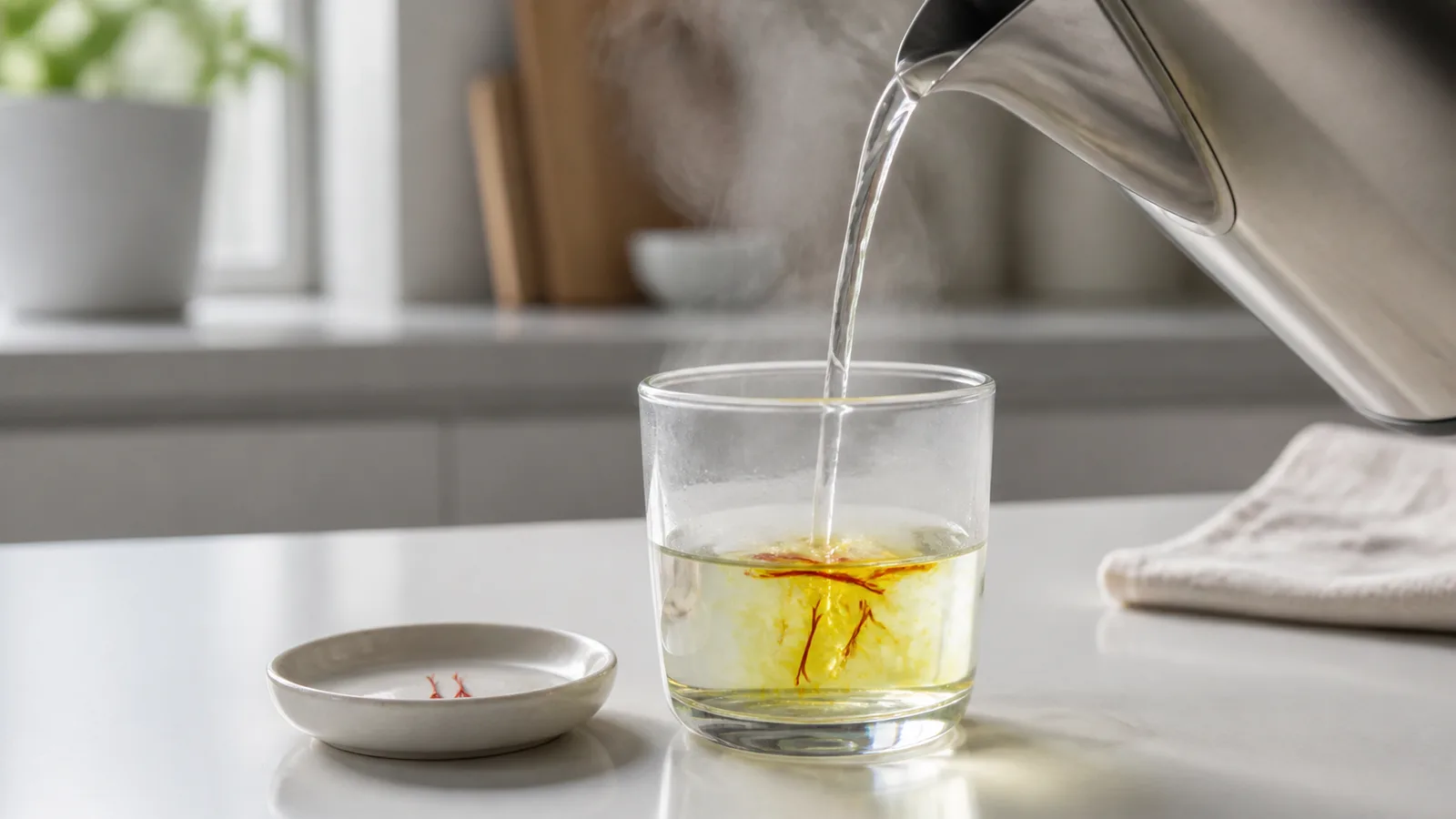
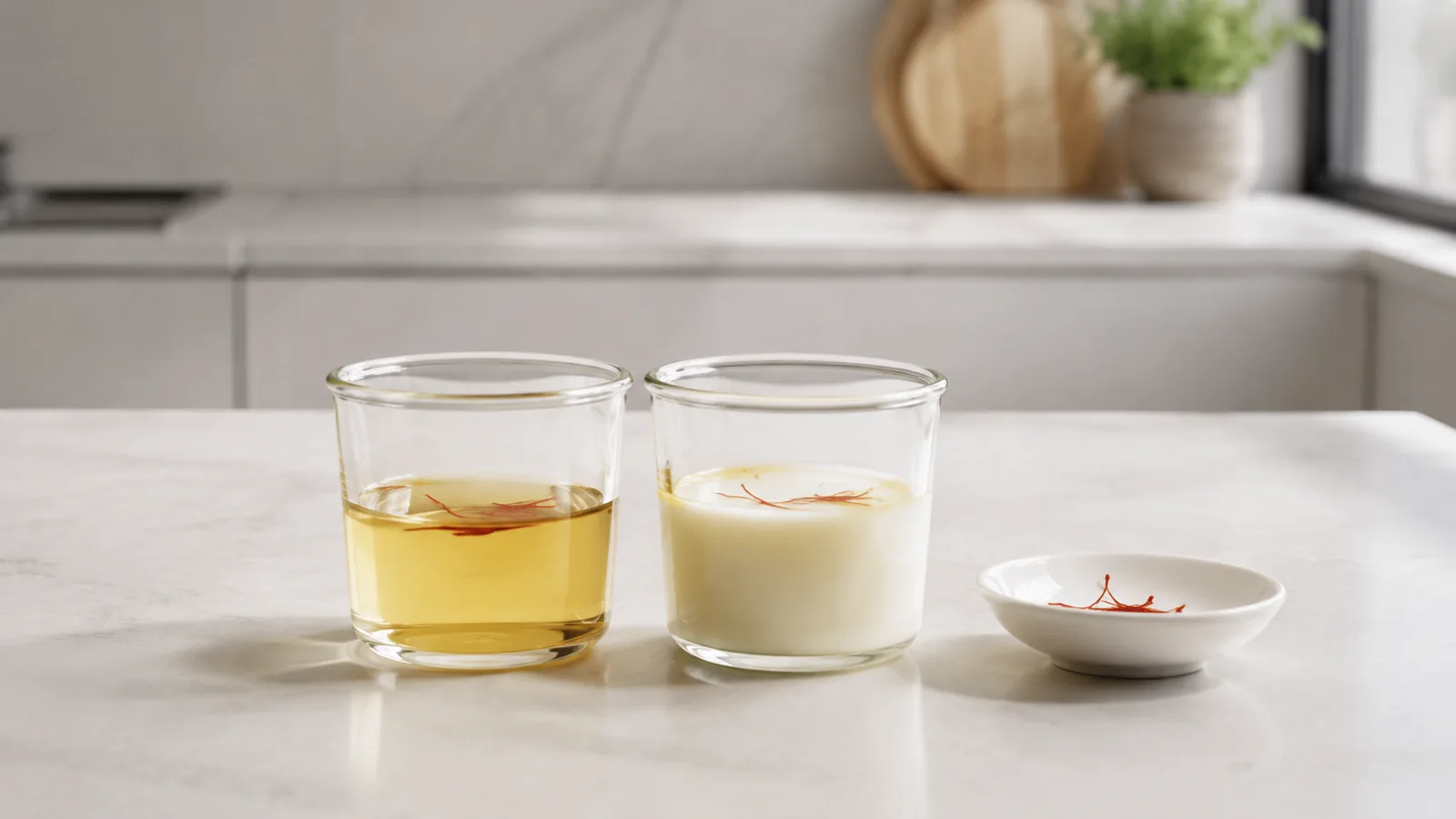
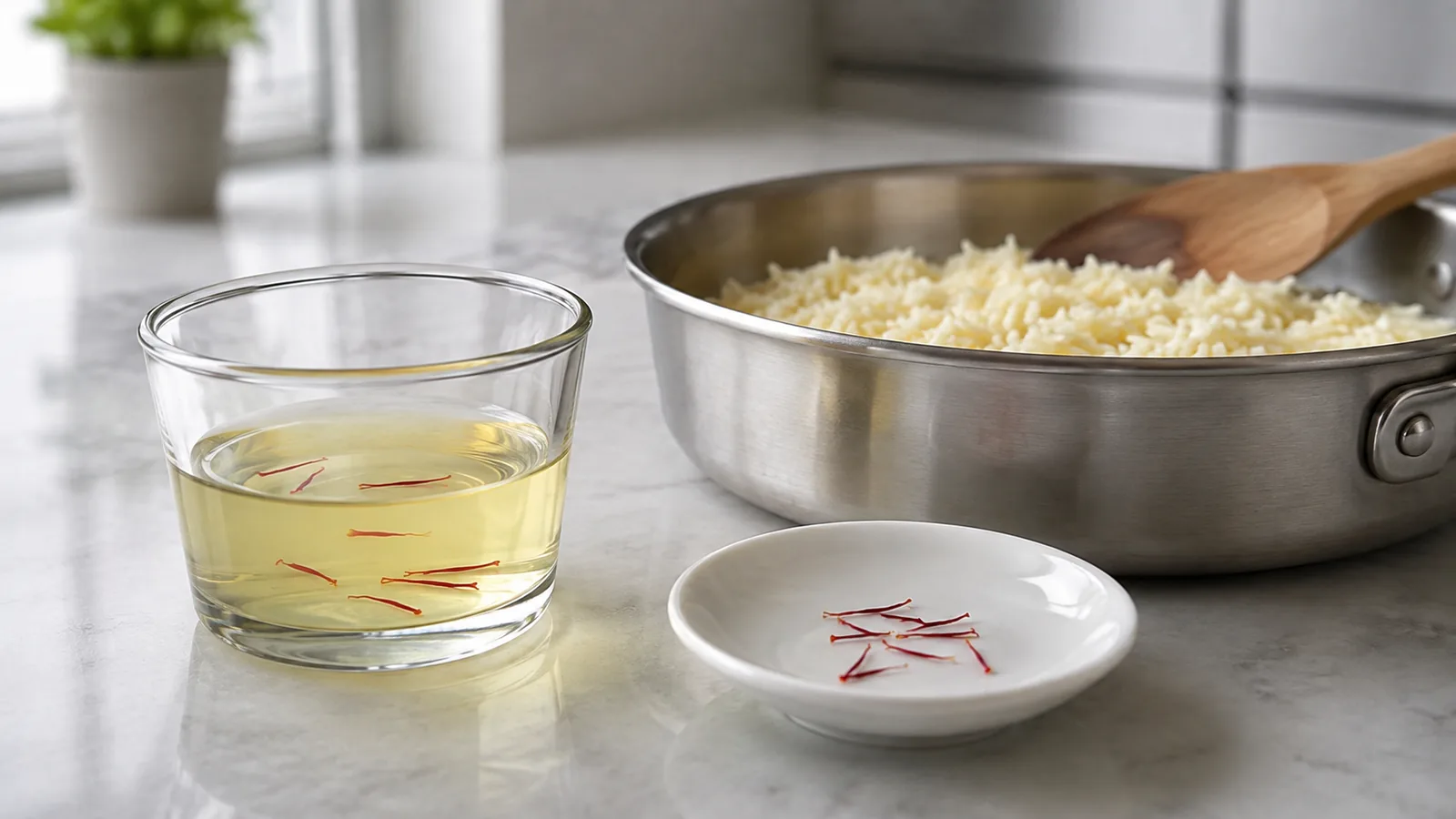
Finely grind a small pinch of Iranian saffron and bloom it with a little hot water. The recipe needs only two teaspoons of the finished liquid for brushing, not two teaspoons of dry threads. Our guide to brewing Persian saffron explains how to release its color and aroma without flooding the dough.
Purslane seeds are the tiny black seeds of Portulaca oleracea. Buy seeds sold for food use rather than garden seed, which may be treated or packaged for planting.
Cream the fat and powdered sugar
Put the soft solid fat and sifted powdered sugar in a mixing bowl. Beat with an electric mixer on medium speed for 4–5 minutes, scraping down the sides once or twice, until the mixture is pale, smooth and slightly aerated.
The old instruction says to stir “until white.” The exact color depends on the fat; the useful cue is that it becomes noticeably lighter and no dry sugar remains. This creaming stage creates a finer crumb in a recipe that has no egg.
Add the flour without overworking
Add the flour mixture in three portions, folding with a spatula at first and then bringing the dough together gently by hand. Stop once it forms a soft mass that does not stick heavily to clean fingers.
If the dough is crumbly after all the measured flour is incorporated, press a handful before changing it. Short cookie dough can appear loose but hold when compressed. If it truly will not join, add one teaspoon of soft fat. If it is greasy and slumps, chill it briefly rather than adding a large amount of flour.
Do not taste the unbaked dough. The recipe contains no egg, but flour is still a raw food; the FDA’s flour-safety guidance advises against eating raw dough and recommends cleaning hands, tools and work surfaces after handling it.
Rest the dough for one hour
Flatten the dough into a thick disk and wrap it in food-safe reusable wrap or place it in a sealed container. Let it stand for about one hour, as the original recipe directs.
In a cool kitchen, room temperature is suitable because the dough has no perishable egg or dairy. If the room is warm and the fat becomes shiny or soft, refrigerate the dough for 20–30 minutes, then let it soften just enough to roll without cracking.
Roll and make the butterfly shapes
Heat the oven to 170°C (340°F). Place the rested dough between two sheets of parchment and roll it evenly to 1 cm thick. Rolling between paper avoids adding flour that could toughen the cookies.
Using a butterfly cutter
Cut the dough with a small butterfly-shaped cookie cutter. Lift each piece with a thin spatula and place it on the lined tray, leaving a little space between cookies. Press scraps together gently and reroll only once.
Making a butterfly without a cutter
Cut small rectangles or ovals of equal size. Pinch each piece firmly in the center to create two rounded “wings,” or join two small teardrop shapes at their narrow ends. Keep every cookie close to 1 cm thick so the batch bakes evenly.
Add Iranian saffron and purslane seeds
Brush each shaped sweet lightly with the two teaspoons of bloomed saffron. A thin coat is enough; excess liquid can blur the edges and make the seed topping slide.
Sprinkle food-grade purslane seeds over the damp surface and press very gently so they adhere. Keep the decoration restrained enough that the butterfly outline remains visible.
Bake at 170°C for 15–20 minutes
Bake on the center rack for 15–20 minutes. Rotate the tray once if the oven has a hot side. The cookies are ready when the surfaces look dry and the lower edges have taken on only a faint golden color.
Do not wait for deep browning. Powdered-sugar cookies continue firming as they cool, and a dark surface usually means the tender texture has been lost.
Leave the baked sweets on the tray for five minutes before transferring them to a wire rack. They are fragile when hot. Cool completely before stacking or storing.
Troubleshooting sweet butterfly cookies
The dough cracks while rolling
Let chilled dough warm for several minutes, then press it gently between the parchment sheets. If a squeezed piece still falls apart, knead in one teaspoon of soft fat.
The butterfly shapes spread
The fat was probably too warm or the dough too soft. Chill the shaped tray for 10–15 minutes before baking and make sure the oven is fully preheated.
The cookies are dry
Flour may have been packed into the cup, the dough overworked or the cookies baked until visibly brown. Spoon flour into the cup and level it, handle the dough minimally and use the pale-edge cue.
Serving and storing
Serve the sweets after they are completely cool, when the cardamom and saffron aromas are clearer and the crumb has set. They suit tea or coffee without needing icing or an additional syrup.
Store in an airtight container at cool room temperature, separating layers with parchment. Properly cooled cookies keep their clean butterfly shape and delicate texture better than sweets packed while still warm.