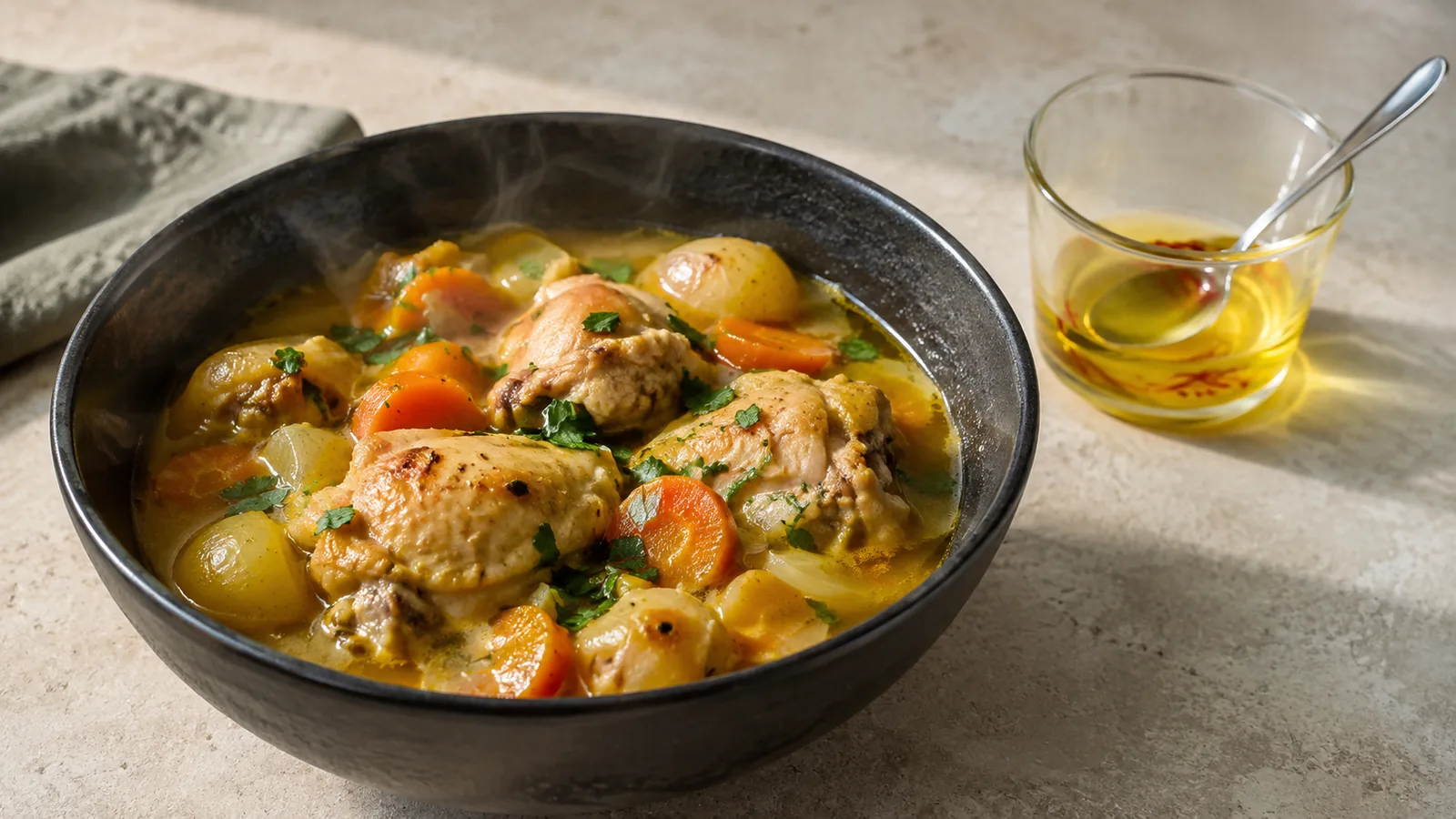
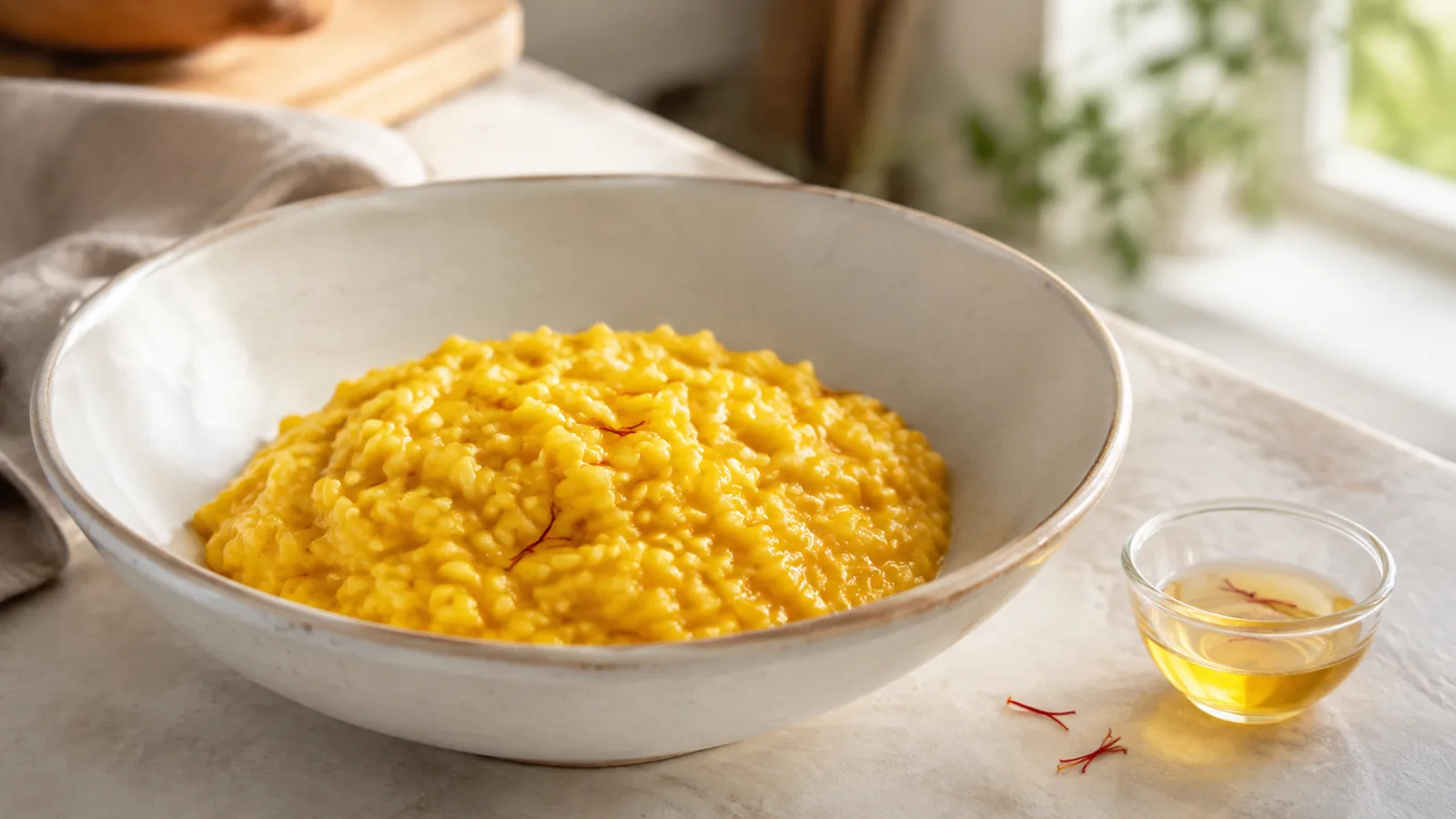
This recipe for cooking six kebabs (kebab skewers) with Iranian saffron uses a long saffron-yogurt marinade, lean meat, peppers, tomatoes and onion cooked over gentle heat.
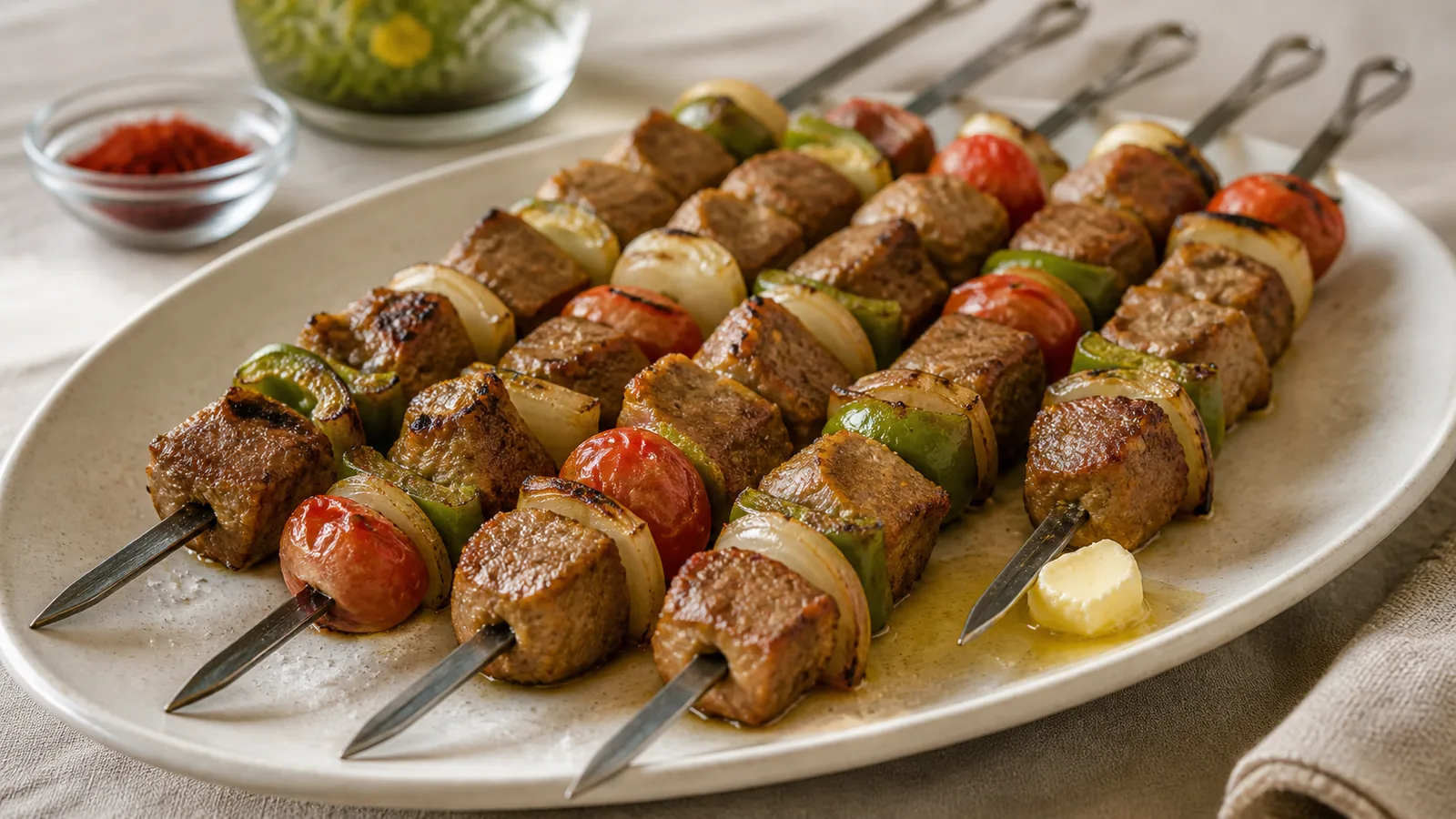
The page calls them six kebabs; the method is a shish-style arrangement in which meat and vegetables alternate on each skewer. Ten to 12 hours in the refrigerator gives the marinade time to season the meat before grilling.
Six kebabs ingredients
- Lean boneless meat or fillet: 1 kilogram
- Green bell peppers: 2 to 3
- White onions: 250 grams
- Small tomatoes: 12
- Yogurt: 1 cup
- Grated onion: 1 tablespoon
- Lemon juice: 2 tablespoons
- Ground saffron: 1 teaspoon
- Crushed black pepper: 1 teaspoon
- Salt: as needed after grilling
- Butter: a small amount for finishing
Make the saffron yogurt marinade
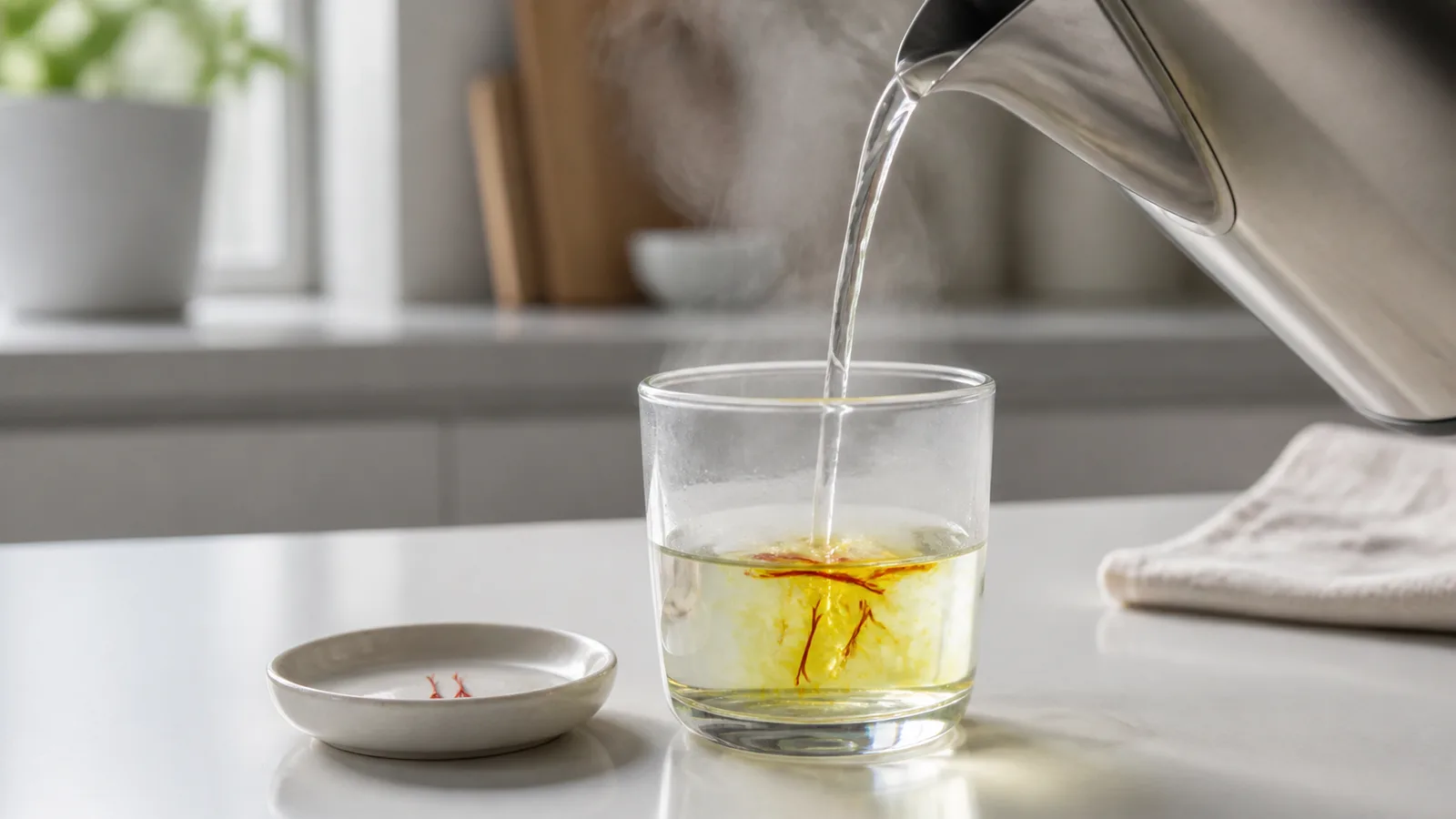
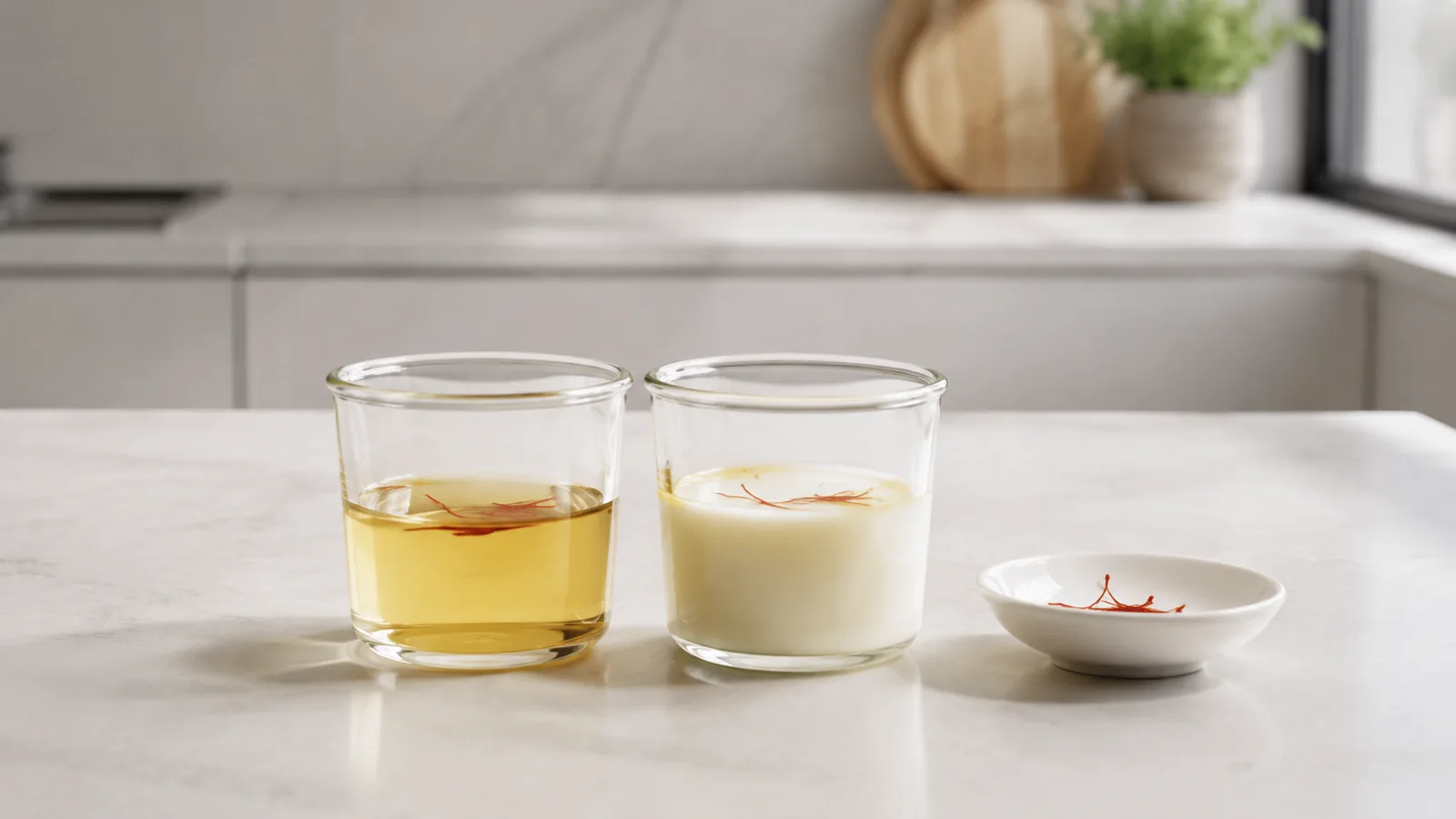
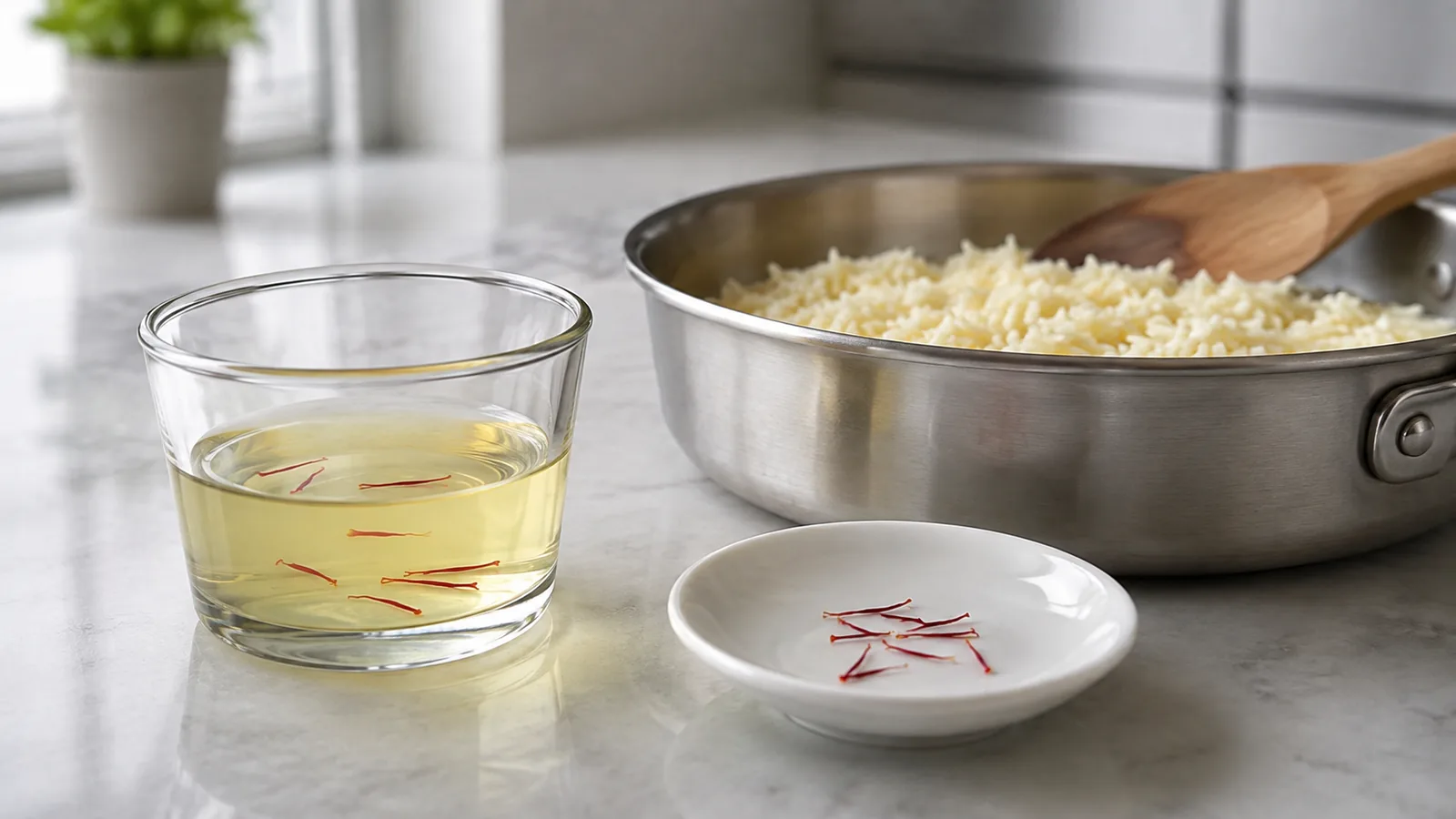
Dissolve the 1 teaspoon of ground saffron in a small amount of boiling water and let it bloom briefly. Stir it into the 1 cup of yogurt until the colour is even.
Add the 1 tablespoon of grated onion, 2 tablespoons of lemon juice and 1 teaspoon of crushed black pepper. Mix well. The marinade should coat the meat rather than run off it.
Cut and marinate the meat for 10 to 12 hours
Cut the 1 kilogram of lean meat or fillet into cubes about two fingers wide. Even pieces cook at a similar rate, which matters when meat and vegetables share a skewer.
Put the meat in a non-reactive container, add the saffron yogurt and turn every piece through the marinade. Cover and refrigerate for 10 to 12 hours. Do not leave the meat to marinate at room temperature.
Prepare the vegetables and skewers
Cut the 2 to 3 green bell peppers into pieces large enough to thread. Peel the 250 grams of white onions and cut them into sturdy skewer-size pieces. The old ingredient wording describes the onions as finely chopped, but the cooking method requires pieces that will stay on a skewer; the grated tablespoon used in the marinade remains separate.
Leave very small tomatoes whole, or halve larger ones so the 12 tomatoes are close in size to the other ingredients. If you use wooden skewers, soak them according to their package directions before placing them near the heat.
Assemble the six kebab skewers
Lift the meat from the marinade and let the excess drip back into the container. Thread meat, green pepper, tomato and white onion alternately onto the skewers. Leave a narrow gap between pieces rather than compressing everything tightly; heat needs room to reach the sides.
Discard the used marinade. It has been in contact with raw meat and should not be brushed onto cooked kebabs unless it is first brought to a full boil in a separate pan.
Grill over gentle heat
Cook the kebab skewers over gentle, steady heat, turning them so the meat browns on all sides and the vegetables soften without burning. Move a skewer away from a flare-up instead of allowing the yogurt coating to scorch.
Check the thickest meat cube with a clean thermometer. For whole cuts of beef, veal or lamb, the CDC food-safety guide gives 145°F (63°C), followed by a three-minute rest. If you choose another meat, follow the safe minimum temperature for that meat rather than relying on colour.
Finish with salt and butter
Transfer the cooked saffron kebabs to a warm dish. Sprinkle with a little salt and place a small amount of butter over the hot meat so it melts across the surfaces.
Rest the skewers briefly before serving. The meat should remain distinct from the peppers, tomatoes and onions, with saffron and yogurt forming a lightly browned coating rather than a heavy sauce.
Details that make kebab skewers easier to cook
- Keep the meat cubes close to the original two-finger width and make them uniform.
- Marinate under refrigeration for the full 10 to 12 hours.
- Use the grated onion in the marinade and the 250 grams of onion as skewer pieces.
- Alternate meat with pepper, tomato and onion rather than crowding the skewer.
- Use gentle heat and turn the skewers regularly.
- Add salt and the small butter finish after grilling.
These six kebabs with Iranian saffron rely on preparation more than complicated seasoning. A measured marinade, evenly cut pieces and controlled heat keep the meat tender while the vegetables develop colour around it.