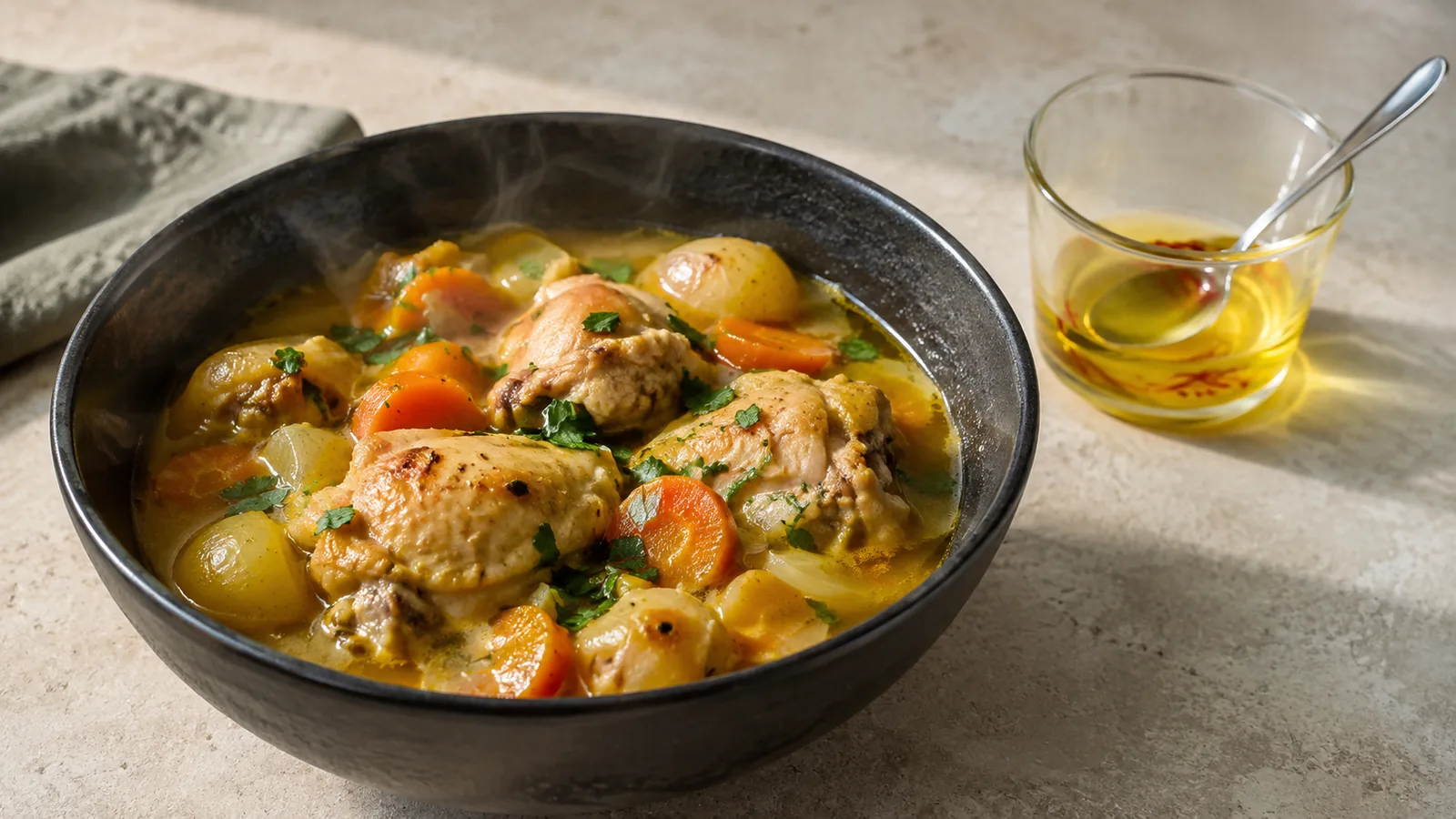
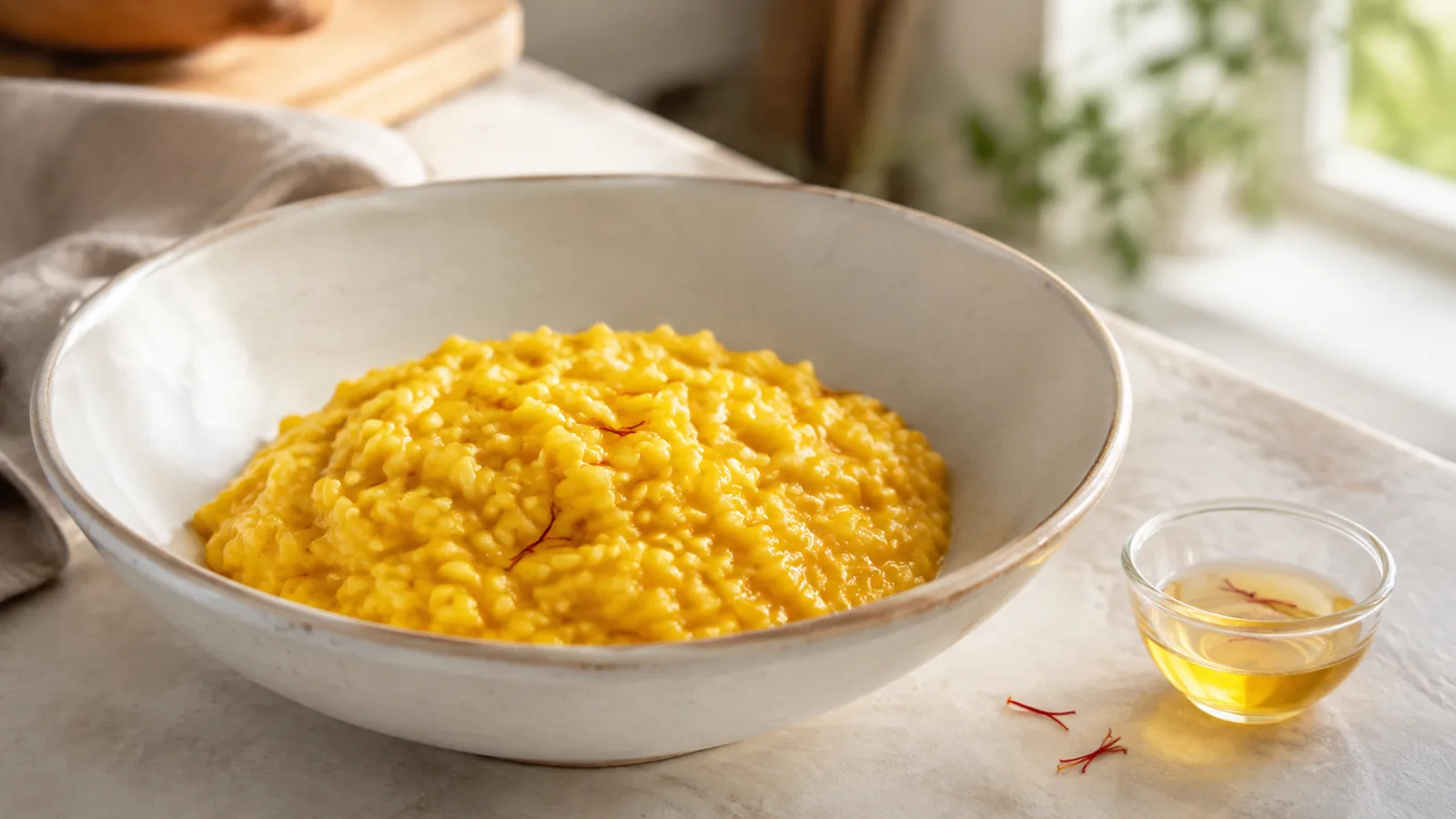
This recipe for cooking balang jam with Iranian saffron turns the thick peel of balang fruit into a fragrant Iranian preserve, with lemon juice and optional cardamom, cinnamon or rosewater.
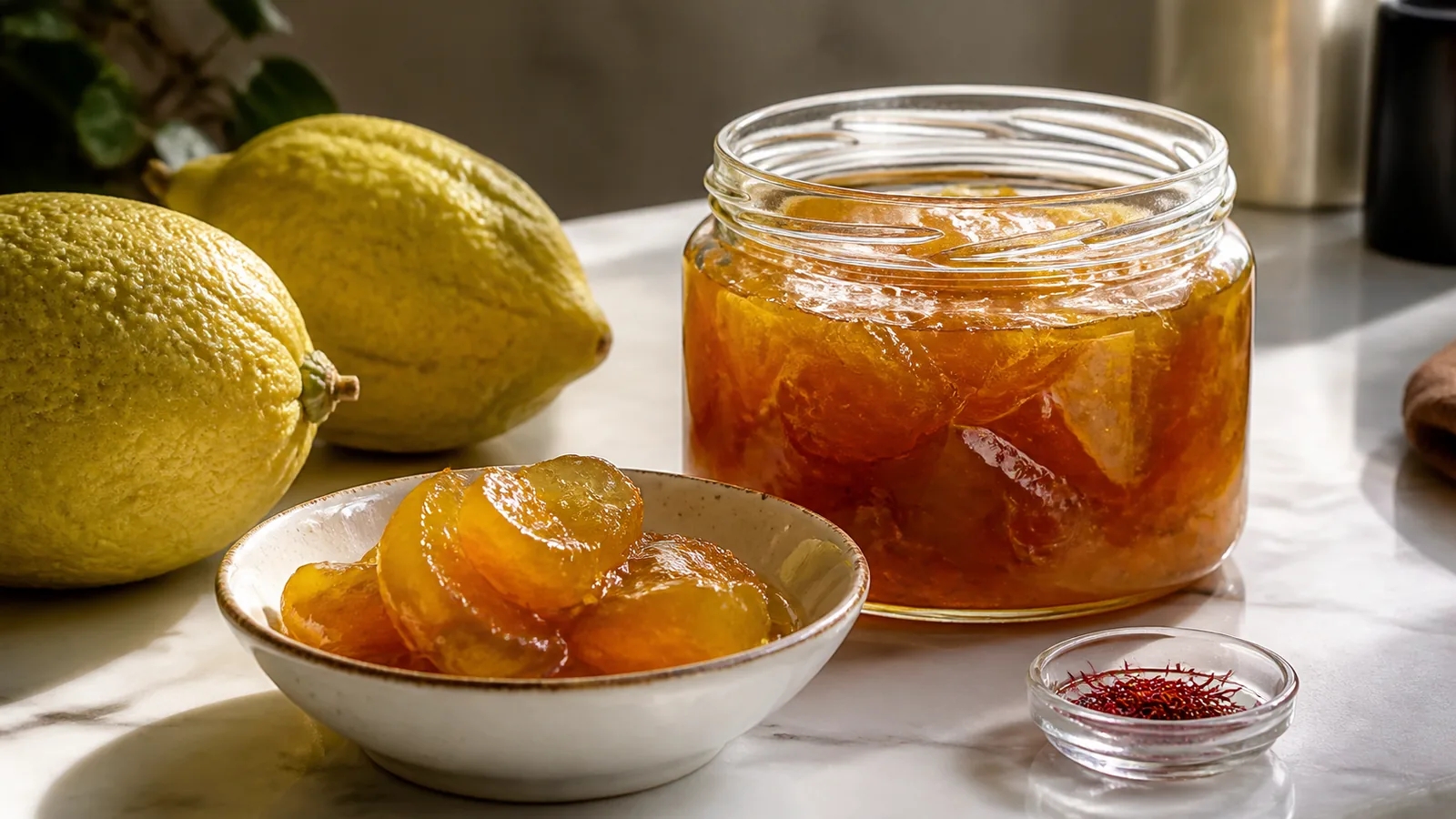
The central task is removing enough bitterness without losing the peel’s character. Repeated 10-minute boils do that work; a final, slower cook with sugar gives the pieces their translucent finish.
What is balang fruit?
Balang is the Persian name used for citron, Citrus medica. It is a highly aromatic citrus fruit with a thick rind and comparatively little juicy flesh. That substantial peel is why balang fruit is well suited to morabba-ye balang, also written as moraba balang or balang jam.
This is a peel preserve rather than a smooth spread. The finished pieces should be tender and glossy, with a measured citrus bitterness underneath the saffron-scented syrup.
Balang jam ingredients
- Balang fruit: 2 pieces
- Sugar: 1 cup in the original ingredient list; see the weighing note below
- Lemon juice: 2 tablespoons
- Water: 4 glasses for the final cook, plus more for removing bitterness
- Cardamom: as needed, optional
- Cinnamon stick: as needed, optional
- Brewed saffron: as needed, optional
- Rosewater: as needed, optional
Prepare the citron peel
Wash and dry the 2 balang fruits. Pare away only the thin coloured outer layer. Cut each fruit open, separate the flesh from the thick peel and remove any seeds or tough inner membrane. Cut the peel into even strips, squares or the shape you want in the finished jam.
Weigh the prepared peel before boiling and make a note of the result. Fruit size varies considerably, so this measurement is more dependable than the number of fruits alone.
Remove the bitterness
Put the chopped balang peel in a saucepan and cover it generously with fresh water. Bring it to the boil over medium heat and boil for 10 minutes.
Drain the peel, rinse it under cold water and gently press out excess liquid without crushing the pieces. Return it to the pan with fresh water and repeat the 10-minute boil. Complete this process 3 to 5 times in total, tasting a cooled piece after the third round. Stop when the bitterness has softened to a pleasant citrus edge.
The exact number of rounds depends on the fruit and on how much bitterness you enjoy. Changing the water each time matters; simmering repeatedly in the same water will not draw it out as effectively.
How much sugar should you use?
The original recipe gives 1 cup of sugar for 2 balang fruits, then advises using equal amounts of prepared peel and sugar. Because two fruits can yield very different quantities of peel, these directions may not produce the same ratio.
For a repeatable batch, follow the source’s weighing rule: after the final rinse and gentle squeeze, use sugar equal to the weight of the drained peel. Keep the original 1-cup quantity when it matches the amount of peel you have prepared; otherwise, the equal-weight rule scales the recipe without guessing.
Cook the balang jam
Return the drained peel to a clean heavy saucepan. Add the measured sugar and 4 glasses of water. Bring the mixture to the boil, stirring gently until the sugar dissolves, then lower the heat so the syrup cooks at a steady simmer.
Cook for about 1 hour. Stir from time to time and watch the texture more closely near the end. The peel should become tender and increasingly translucent, while the syrup should lightly coat a spoon. It will thicken further as it cools, so do not wait for it to become stiff in the pan.
Add saffron, lemon and aromatics
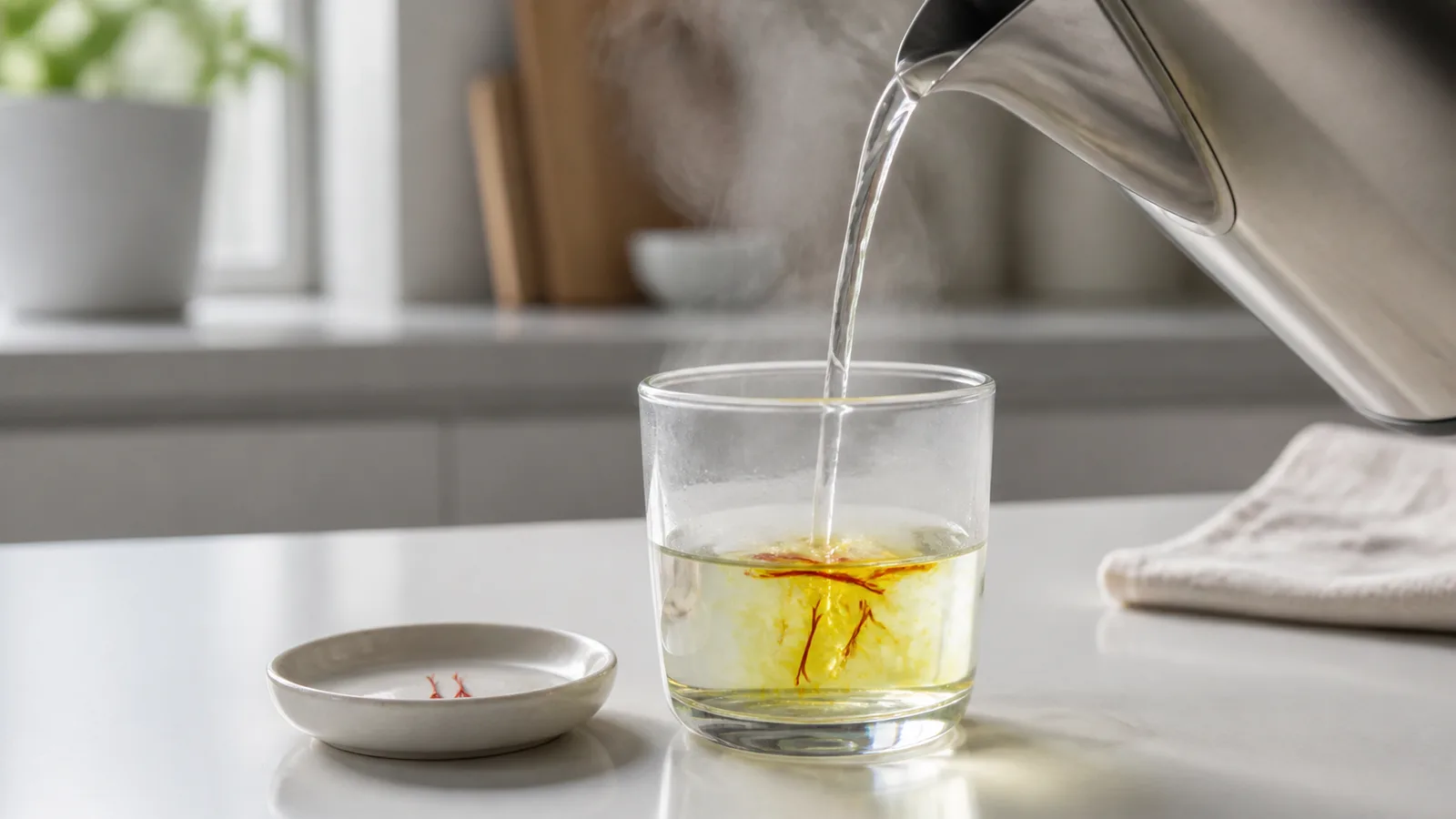
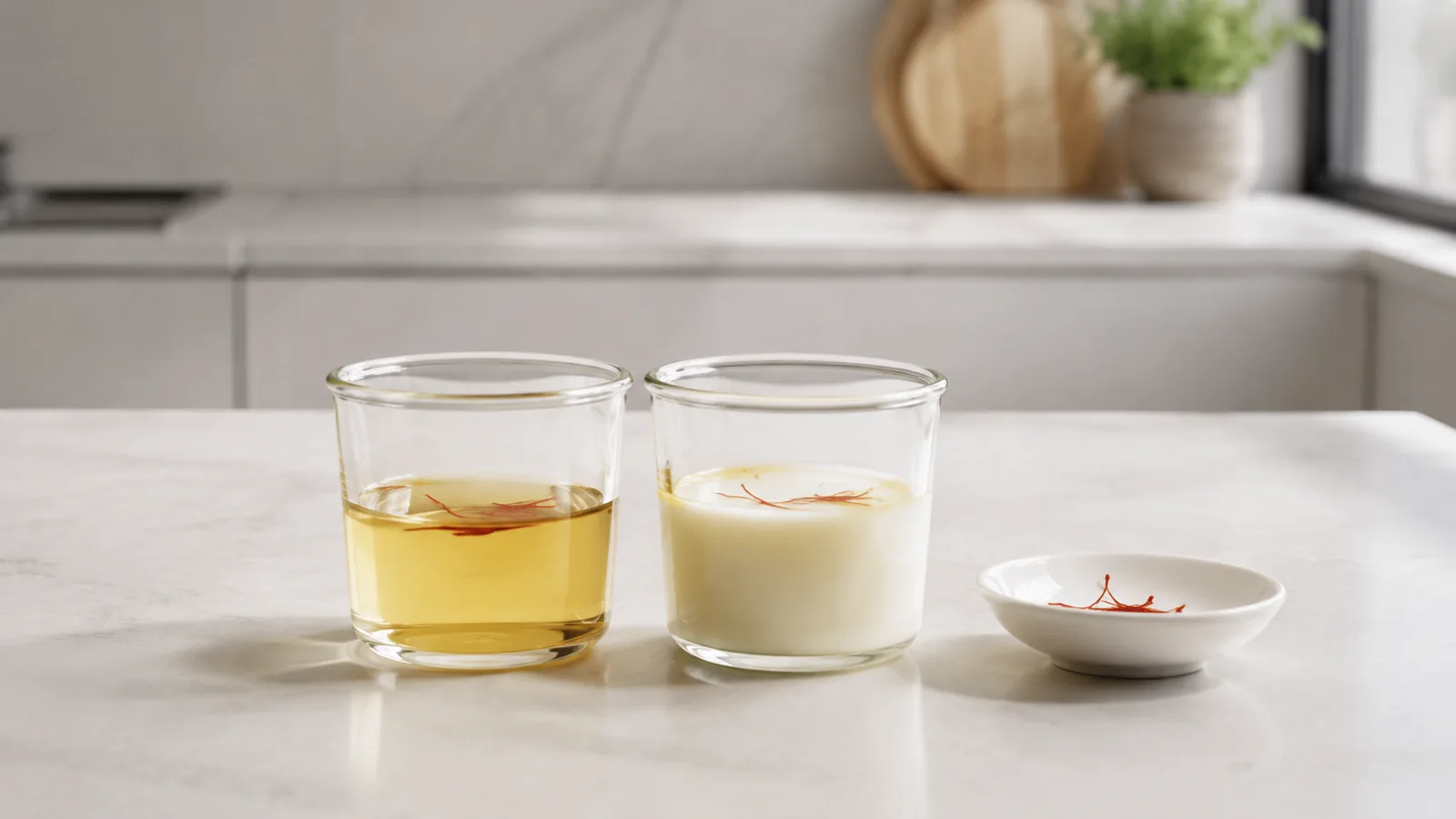
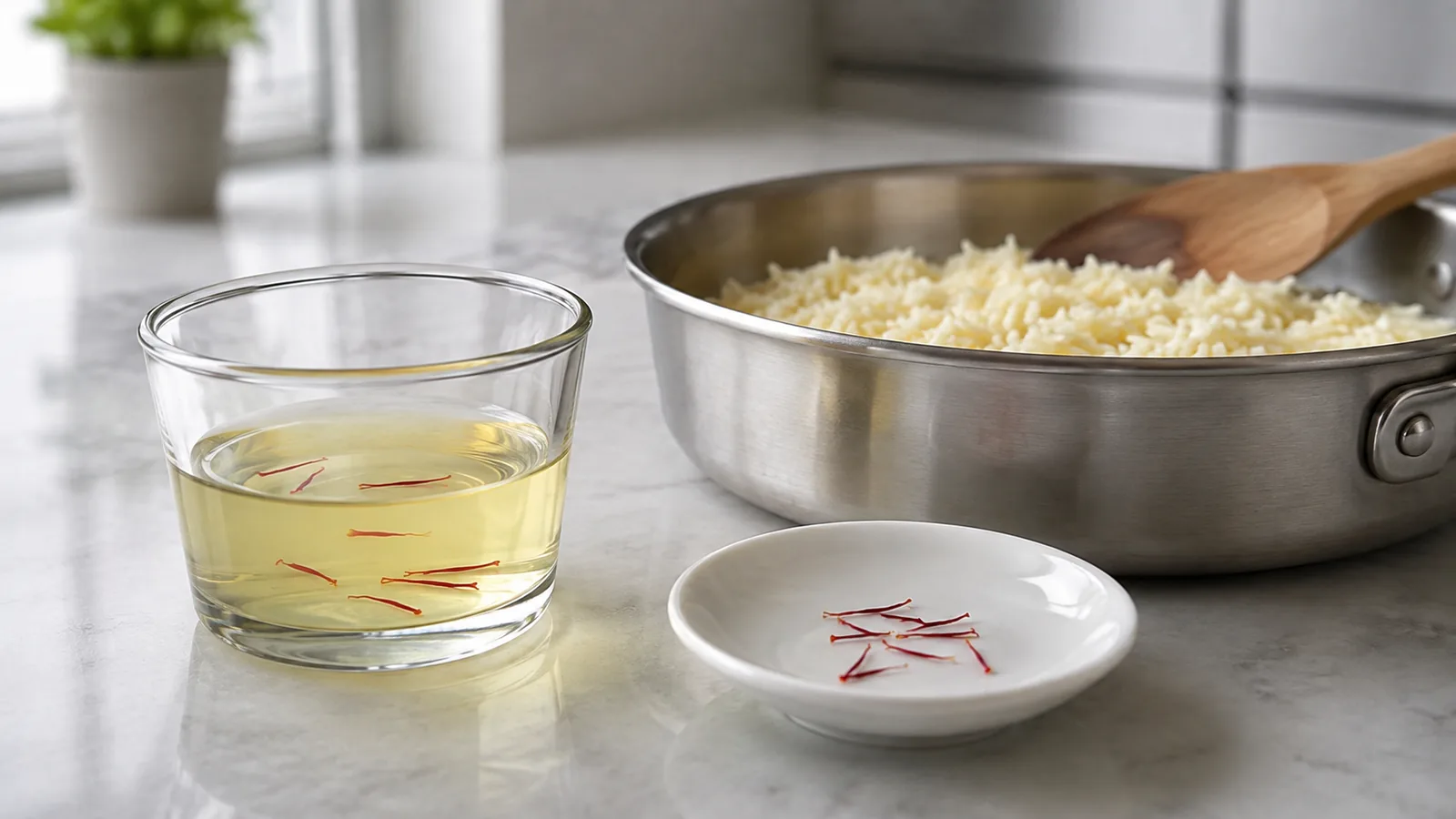
Near the end of cooking, stir in the 2 tablespoons of lemon juice. Add brewed saffron to taste, then choose cardamom, a small cinnamon stick or rosewater if you want another aromatic note. You can use more than one, but restraint keeps the scent of balang fruit clear.
Let the jam return to a gentle simmer after the final additions, then remove it from the heat. If you used a cinnamon stick or whole cardamom pods, take them out before filling the jars.
Cool and store the jam safely
Spoon the hot jam into clean, heat-safe jars, leaving room at the top. Let it cool, close the lids and keep the jars in the refrigerator. Always use a clean, dry spoon when serving.
This article describes a refrigerator jam, not a tested shelf-stable canning process. For pantry storage, use a validated method with the correct jar preparation and processing time; the National Center for Home Food Preservation citrus-marmalade guidance explains those controls.
How to judge the finished texture
- The balang peel should be tender enough to bite cleanly but should still hold its shape.
- The syrup should coat the fruit rather than run like plain water.
- A cooled spoonful will be thicker than the same syrup while it is boiling.
- The flavour should retain a light citrus bitterness; repeat the preliminary boils only if it is still harsh.
- Saffron, cardamom, cinnamon and rosewater are optional accents, not a reason to hide the fruit.
Balang jam with Iranian saffron is ready when the citron peel is glossy and tender and the syrup remains spoonable after cooling. Served at breakfast with bread, butter or cream, a small portion carries plenty of fragrance.