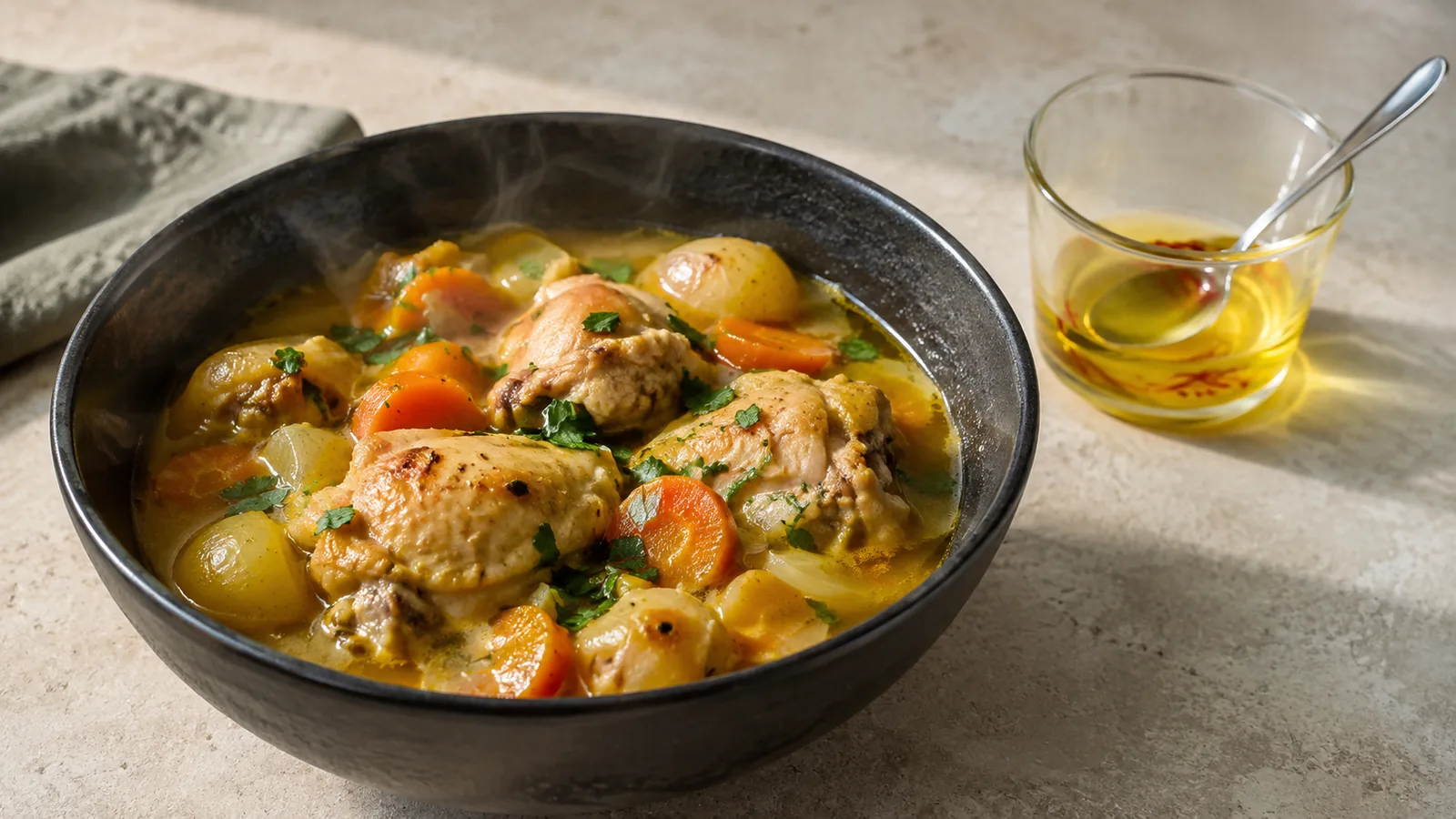
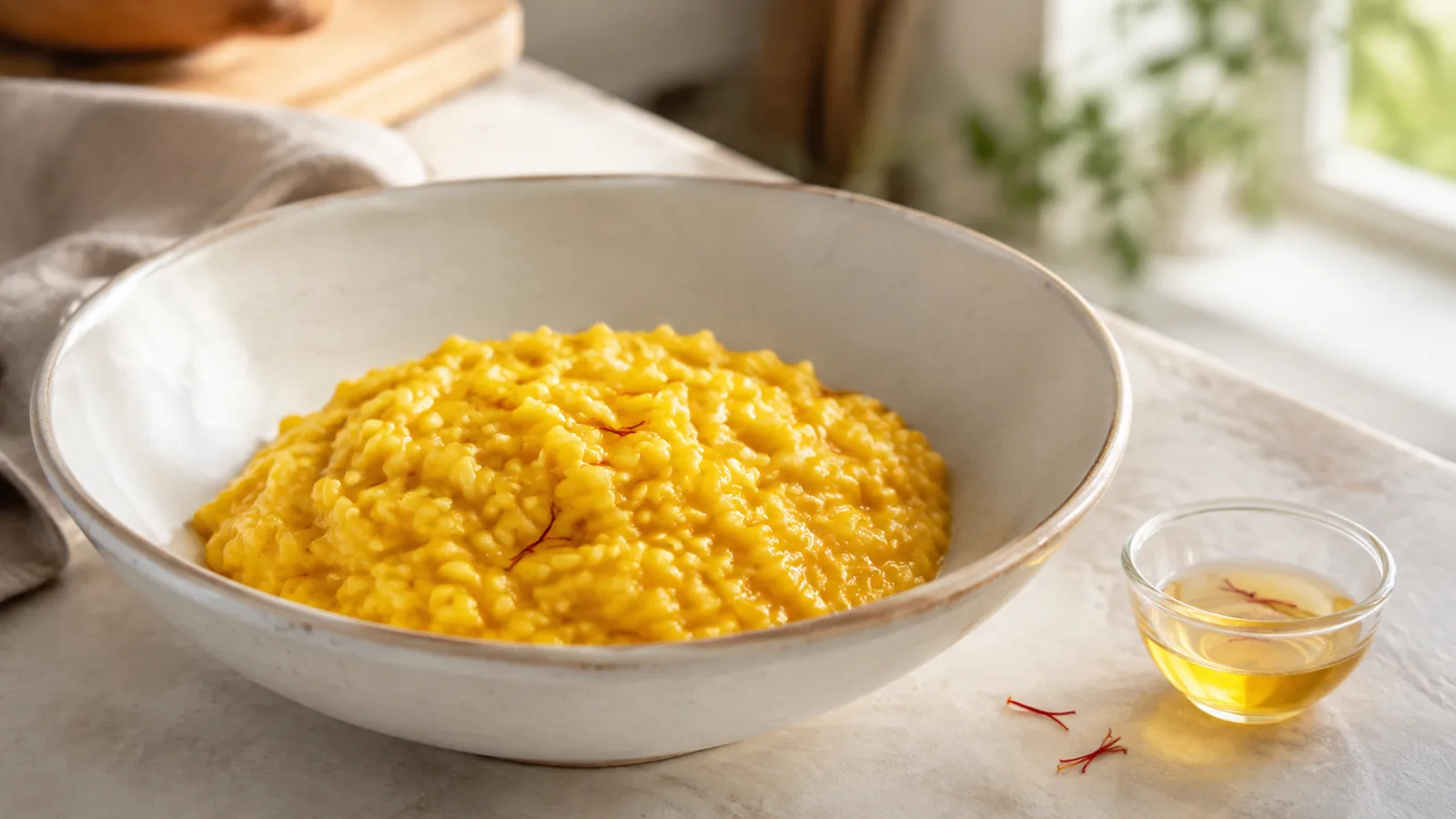
This recipe for cooking pasta dolma with Iranian saffron uses small shaped pasta, split peas, ground meat and fresh herbs as a filling for grape leaves, peppers, eggplants or tomatoes.
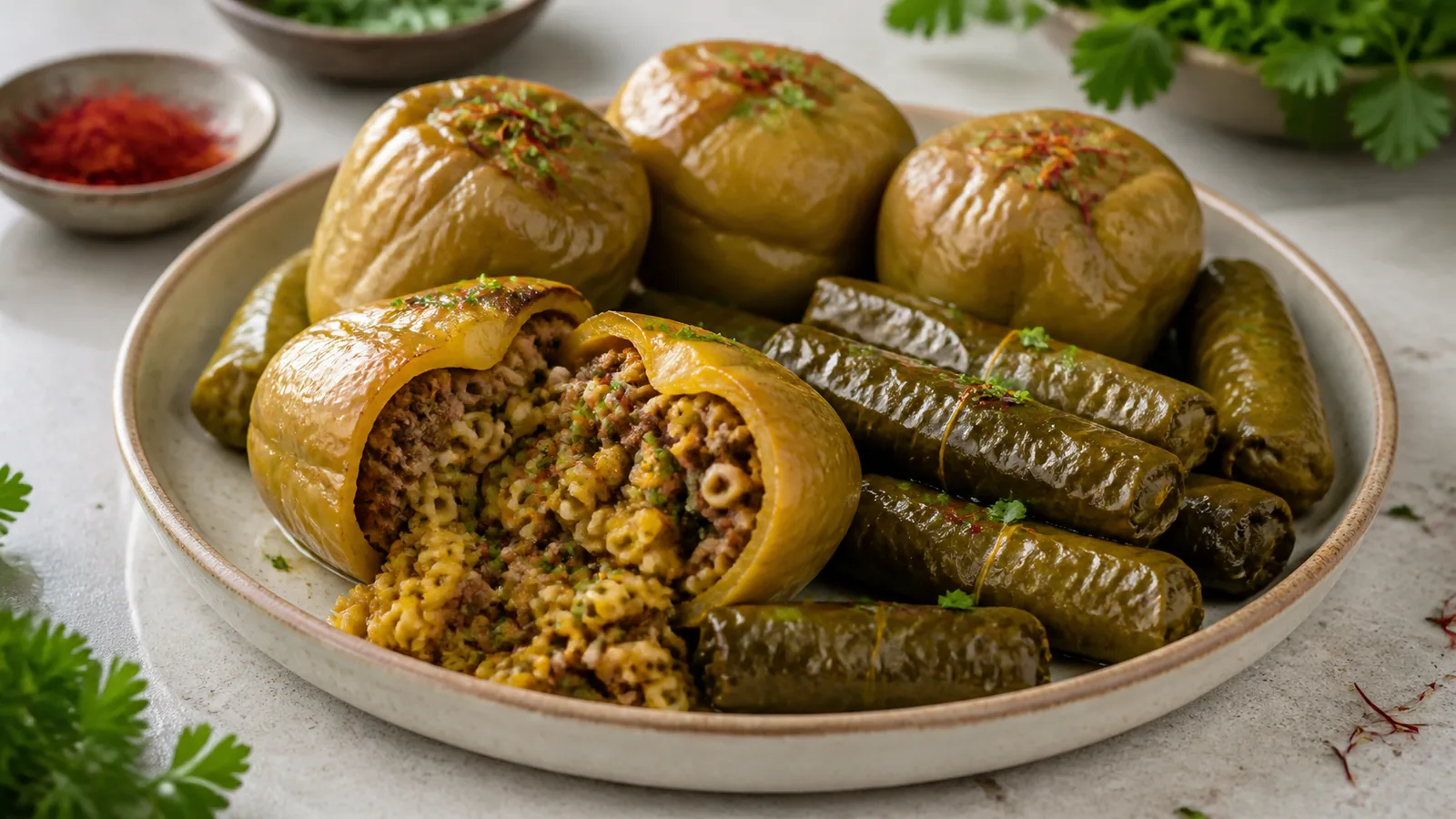
The same dish appears in search as “dolma pasta,” so that wording and the original range of wrappers remain central. In the old translation, “cobs” means cooked yellow split peas, “hair leaves” means grapevine leaves, and “jams” means the vegetables being stuffed. Correcting those words makes the method readable without changing the unusual pasta-dolma idea that already ranks.
What is pasta dolma?
Dolma describes a family of filled leaves and vegetables rather than one fixed recipe. Here, small pasta shapes take the place of some of the rice commonly found in Iranian fillings. Cooked split peas, browned meat and a generous mixture of herbs make the filling substantial enough for a main meal.
Grape leaves produce small rolled pieces with a sharper sweet-sour seasoning. Bell peppers, small eggplants and tomatoes hold more filling and suit a light tomato sauce. Choose one wrapper for a predictable cooking time, or cook different vegetables in separate pots.
Ingredients
For the pasta filling
- 3 cups small shaped pasta
- 2 cups cooked yellow split peas
- 300 g ground lamb or beef
- 2 medium onions, finely chopped
- 500 g mixed fresh herbs: leek greens, parsley, dill, summer savory, tarragon, mint, and spring onion or green garlic
- 2 tablespoons bloomed Iranian saffron, or to taste
- Salt and black pepper, as needed
- Turmeric and a mild mixed spice, as needed
- Up to 1 cup neutral oil across browning, sauce and the cooking pot
Choose a wrapper
- Fresh or jarred grape leaves
- Bell peppers
- Small stuffing eggplants, not already pickled
- Firm ripe tomatoes
For the seasoning and sauce
- Vinegar, as needed
- Sugar, as needed
- Tomato paste, for vegetable dolma
- Boiling water, as needed
- Turmeric, saffron and optional mild curry powder
Prepare the Iranian saffron
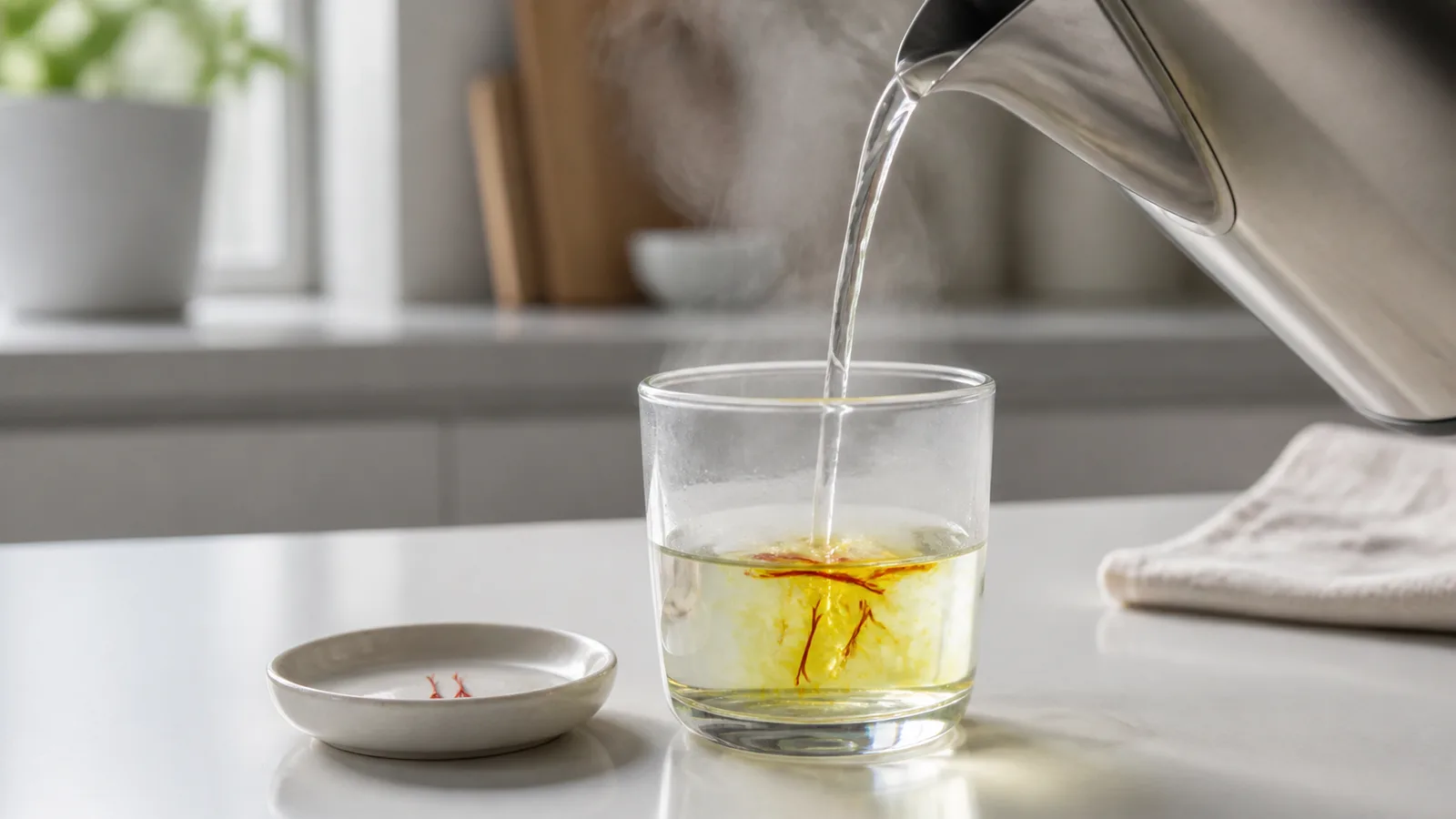
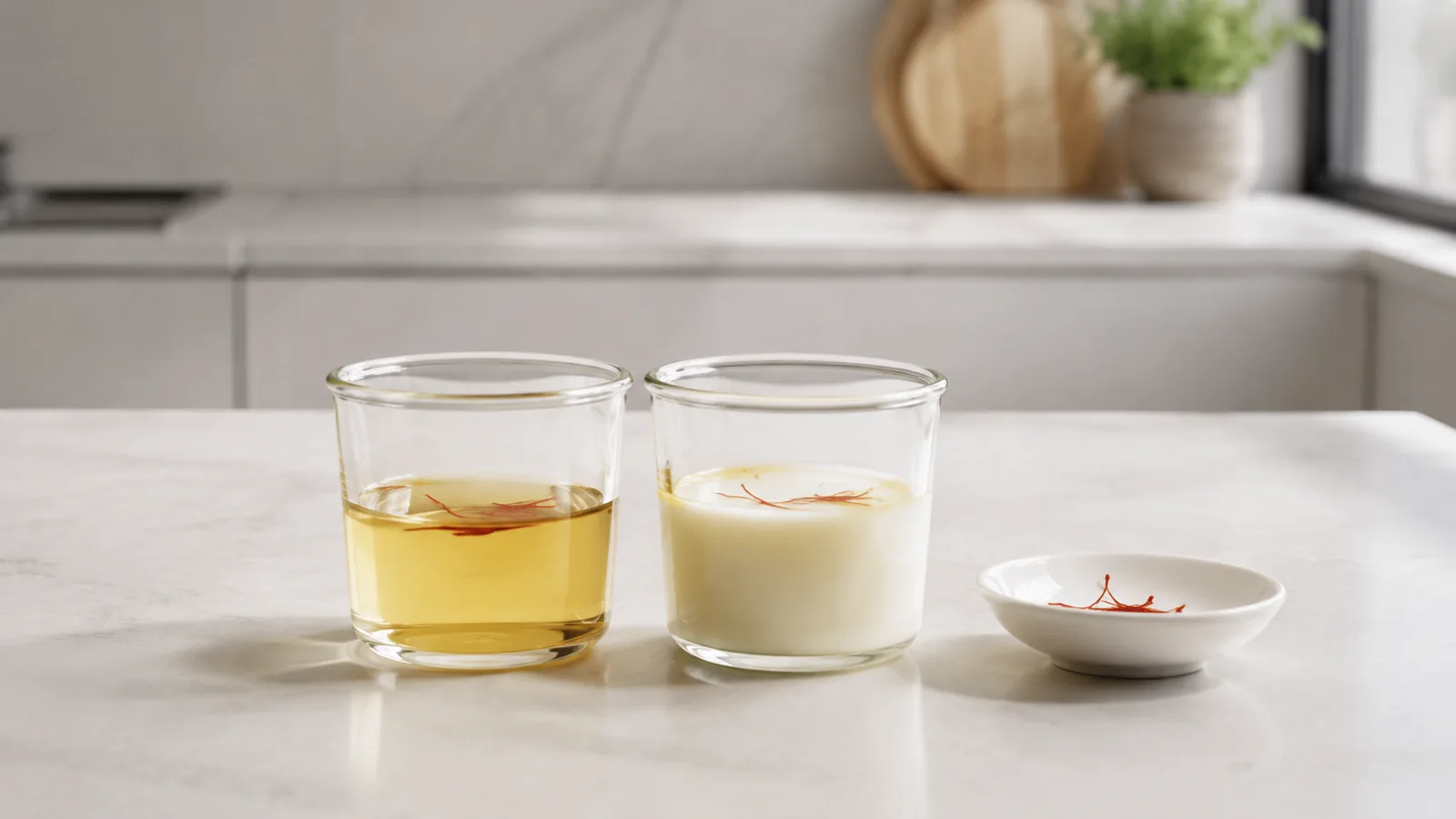
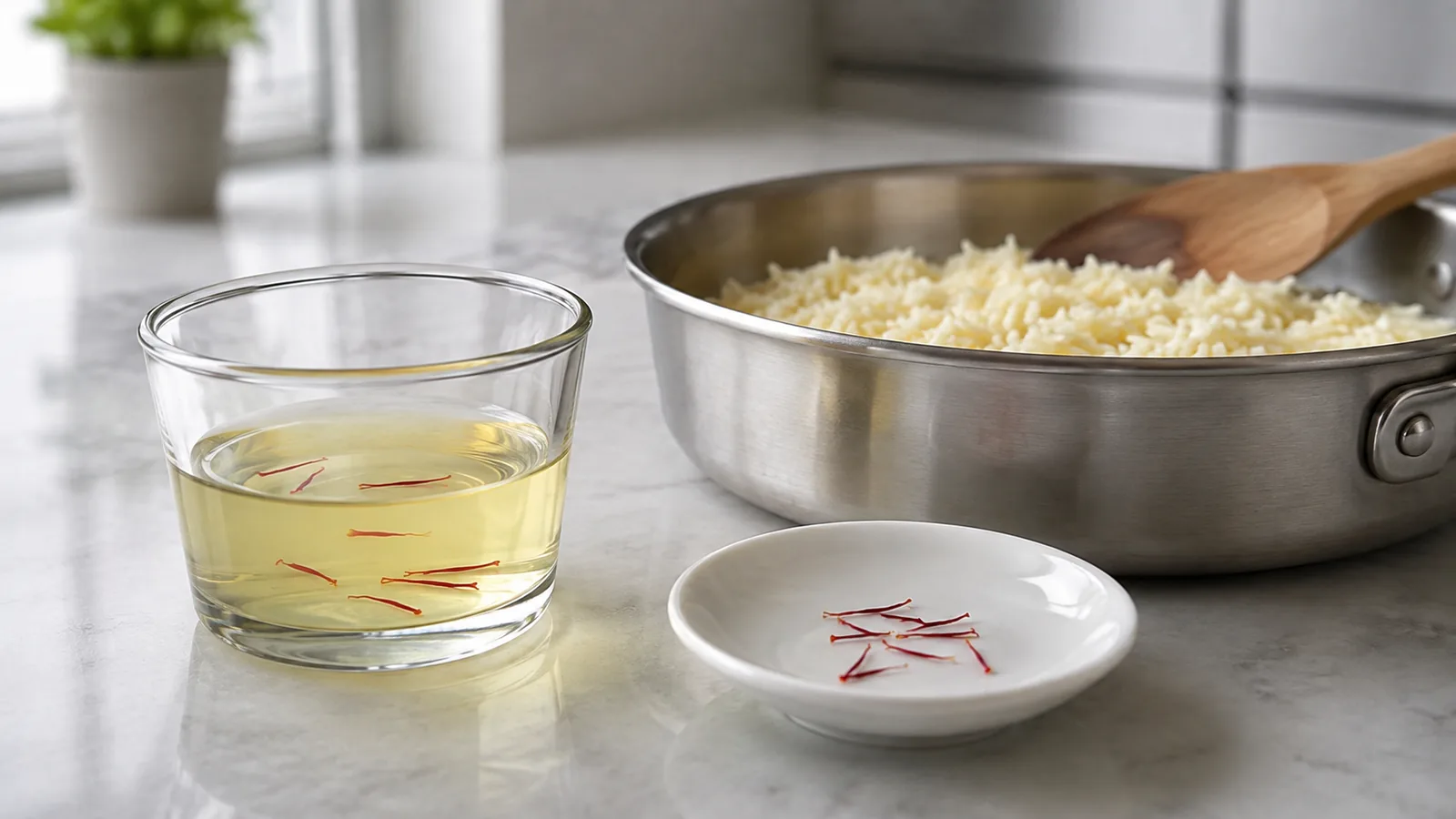
Finely grind the saffron and bloom it in a little hot water for 10–15 minutes. Use some in the filling and keep the rest for the cooking liquid. Our checked guide to brewing Iranian saffron explains the method.
Saffron should provide aroma and color, not be lost under curry powder. If using curry, keep it restrained and taste the cooked meat mixture before adding more.
Cook the split peas and pasta
If the split peas are not already cooked, rinse them and simmer in fresh water until tender but still holding their shape. Drain very well and measure two cups after cooking.
Bring a large pot of salted water to a boil. Add the shaped pasta and cook until just tender, stopping one or two minutes before the package’s fully cooked time because the filling will cook again. Drain and rinse briefly with lukewarm water, as the original recipe directs, then spread it out to cool and prevent sticking.
Do not use long noodles. Small shells, elbows or short tubes fit inside the wrappers and combine evenly with the peas and herbs.
Brown the meat and onion
Heat two tablespoons of oil in a wide pan. Add one chopped onion and cook until soft and lightly golden. Add the ground meat, breaking it into small pieces. Season with salt, pepper, turmeric and the preferred mild spice.
Continue cooking until no pink remains and excess liquid has evaporated. Ground meat should reach 160°F (71°C). Transfer it to a large mixing bowl and let it cool slightly.
Mix the dolma pasta filling
Wash and dry the herbs thoroughly, then chop them finely rather than grating them. Add the cooled pasta, cooked split peas and herbs to the browned meat. Stir in one tablespoon of bloomed saffron.
Fry a spoonful of the mixture in the empty pan and taste it before filling anything. Adjust salt, pepper, herbs or saffron then. The mixture should be moist but not wet; loose water makes grape leaves split and pools inside peppers.
Leave expansion space in every wrapper. Even partly cooked pasta and split peas absorb some sauce, so packing the filling tightly can break a grape leaf or force the top from a vegetable.
Option 1: grape-leaf dolma pasta
Rinse jarred grape leaves well, or blanch fresh leaves in boiling water just until flexible. Lay one leaf vein-side up with the stem end toward you. Put a small spoonful of filling near the base, fold the sides inward and roll snugly without squeezing.
Line a wide pot with damaged leaves, then arrange the rolls seam-side down in tight layers. Place a heatproof plate over them so they do not open. Add enough boiling water to reach about halfway up the rolls, along with a little oil, the remaining saffron and the chosen sweet-sour seasoning.
Cover and cook over low heat for 35–45 minutes. If making a distinctly sour version, add most of the vinegar halfway through cooking, as the original recipe advises; prolonged acidity can keep grape leaves firmer. Let the rolls rest for 10 minutes before lifting them out.
Option 2: bell-pepper dolma pasta
Cut a lid from each bell pepper and remove the seeds and pale membranes. Spoon in the filling only three-quarters full, then replace the lid.
Sauté one tablespoon of tomato paste in a little oil. Add boiling water, turmeric, a small amount of saffron and optional mild curry powder. Stand the peppers upright in a snug pot and pour in enough sauce to reach one-third of their height.
Cover and simmer gently for about 35–45 minutes, until the pepper is tender but not collapsing. Spoon sauce over the tops once or twice instead of turning them.
Option 3: eggplant or tomato dolma pasta
Small eggplants
Use raw small stuffing eggplants, not pickled eggplant. Remove strips of peel, cut a lid and hollow the center, leaving a sturdy wall. Salt for 20 minutes, pat dry and brown lightly in oil before filling three-quarters full. Cook in the tomato sauce over low heat for 35–45 minutes.
Tomatoes
Cut lids from firm tomatoes and scoop out the centers. Stir the chopped tomato flesh into the sauce. Fill the shells loosely, replace the lids and simmer for about 25–35 minutes. Tomatoes soften sooner than peppers or eggplants, which is why they are better in their own pot.
Choose sweet, sour or balanced seasoning
For the sweet seasoning in the old recipe, use roughly twice as much sugar as vinegar—for example, two tablespoons of sugar to one tablespoon of vinegar—then adjust after tasting the cooked sauce.
For a sour version, reduce or omit the sugar and add vinegar gradually. For a balanced sweet-sour result, begin with equal amounts. Plum vinegar, grape vinegar and white wine vinegar differ in strength, so a fixed ratio is only a starting point.
Do not taste sauce that has been in contact with undercooked filling. In this version the meat is browned before assembly, but the full dolma should still finish cooking before the final seasoning adjustment.
How to keep the dolma intact
- Cool and drain every filling component before mixing.
- Choose one wrapper per pot so cooking times remain predictable.
- Fill leaves and vegetables no more than three-quarters full.
- Keep the liquid at a quiet simmer rather than a rolling boil.
- Use a plate to hold grape-leaf rolls in place.
- Rest the cooked dolma before transferring it to a platter.
Serving pasta dolma with Iranian saffron
Arrange grape-leaf rolls in a shallow circle or serve stuffed vegetables upright with a little sauce around them. Plain yogurt and fresh herbs balance both sweet and sour versions.
The point of this pasta dolma is not to disguise the pasta. Small shapes should remain visible among the split peas, herbs and meat when a pepper or tomato is opened. Careful draining and loose filling give the dish that clear, coherent texture.