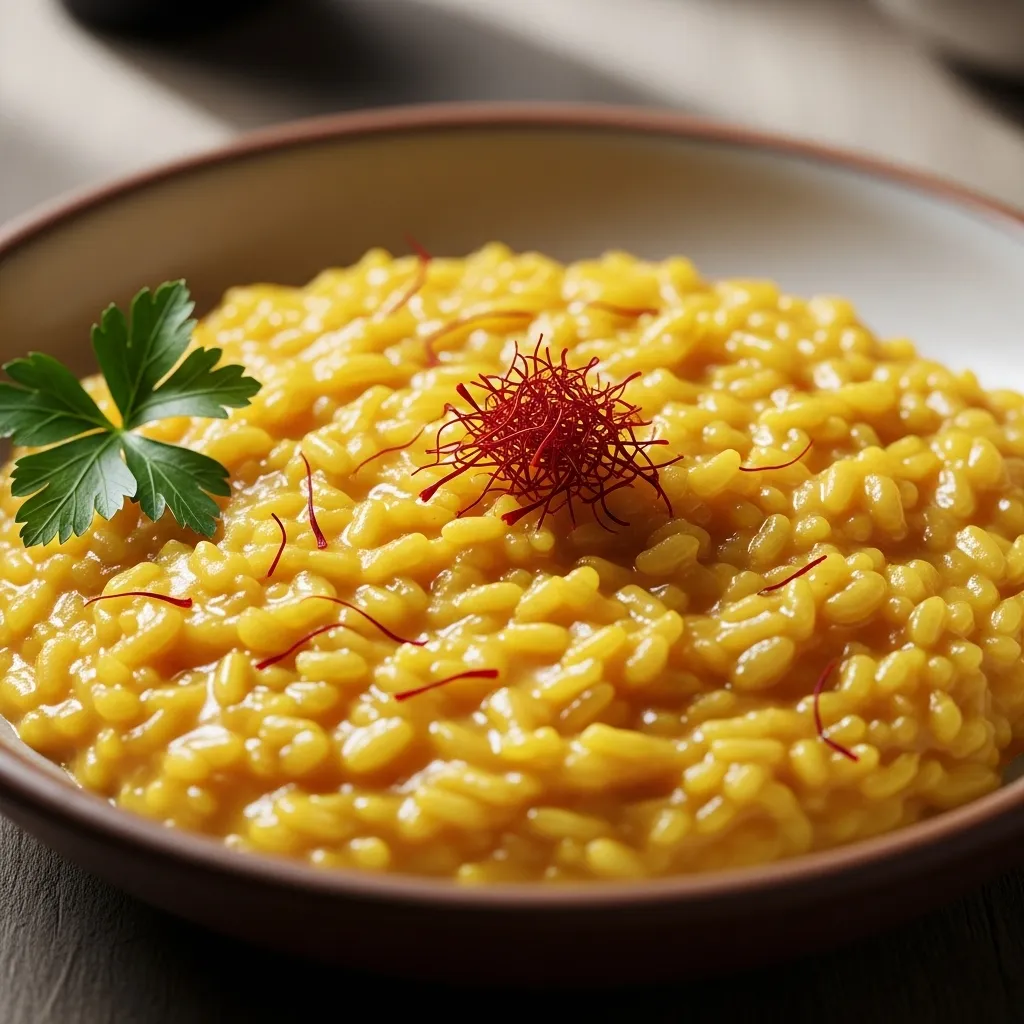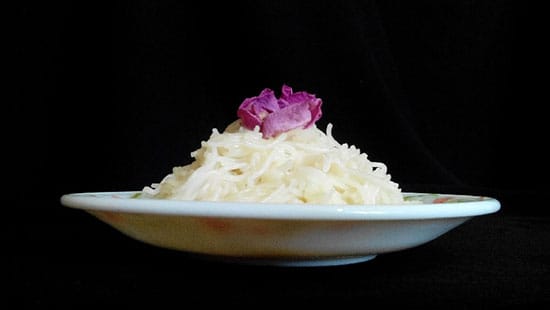
Bilalut dessert with Iranian saffron is a sweet vermicelli dish from Bandar Abbas, scented with rosewater and finished over low heat so the bottom turns lightly caramelised.

The name appears in several English spellings, including Bilalut, Belalut, Bilalit and Balalut. This recipe keeps the simple Bandar Abbas version recorded on this page: no egg topping, no long spice list, and only five core ingredients.
What is Bilalut dessert?
Bilalut begins with thin vermicelli briefly boiled like noodles. After draining, it is layered with sugar, rosewater, saffron and a little oil or butter, then covered and steamed for 10–15 minutes. The strands become tender and fragrant while the sugar nearest the pot develops the prized golden crust.
Related sweet vermicelli dishes are found across the Persian Gulf and in South Asia, but their toppings and spices differ. Visit Qatar’s official cuisine guide, for example, describes Balaleet with rosewater, saffron, cardamom and turmeric, topped with egg. That is a useful regional comparison, not a reason to add egg to this particular Iranian Bilalut recipe.
Ingredients for saffron Bilalut
- 1/2 packet thin vermicelli
- 1/4 cup sugar, or a little less to taste
- 2 tablespoons rosewater
- Prepared saffron infusion, as needed
- Oil or butter, as needed for the pot and noodles
Packet sizes vary, which is why the original half-packet measure cannot be turned into one universal weight. Keep the sugar in proportion to the amount you actually cook. If you use half of a particularly large packet, begin with the stated 1/4 cup and taste a cooked strand before the final steam.
Prepare the saffron before cooking
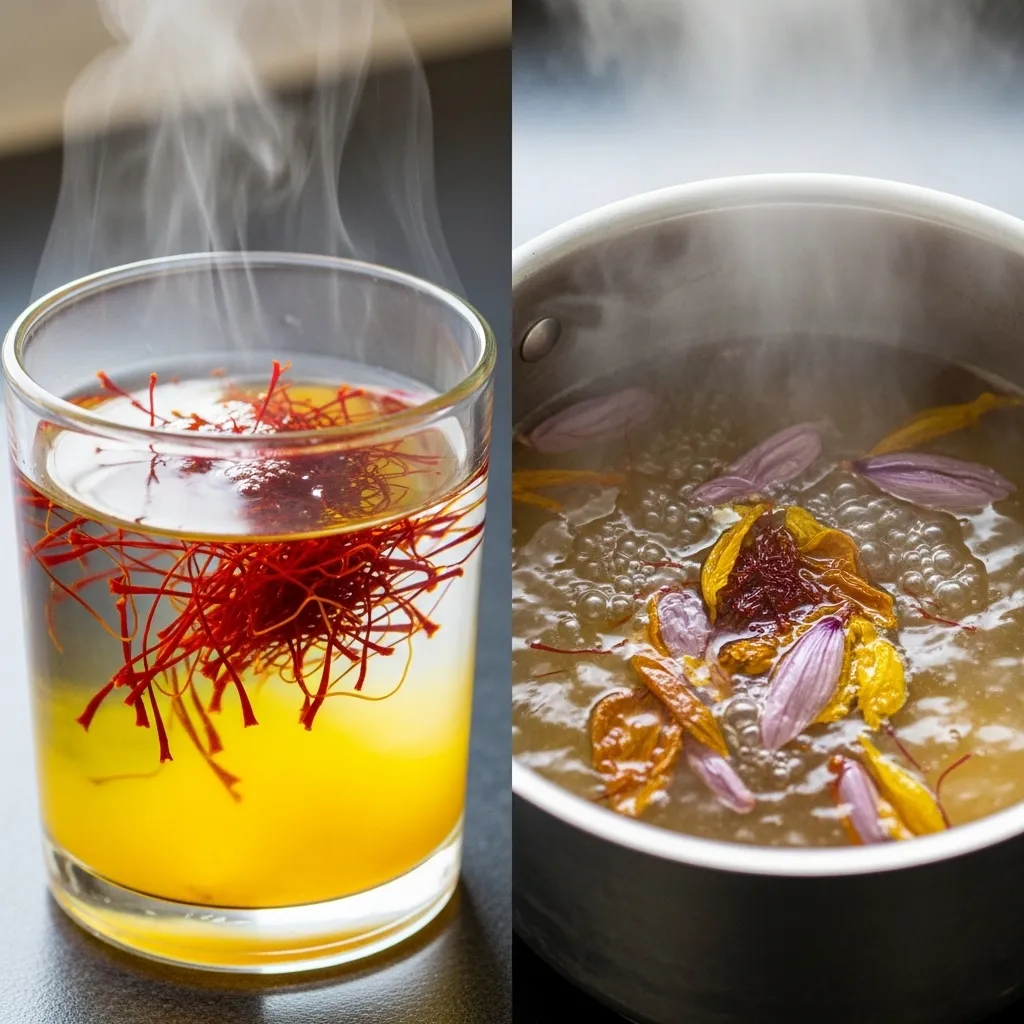
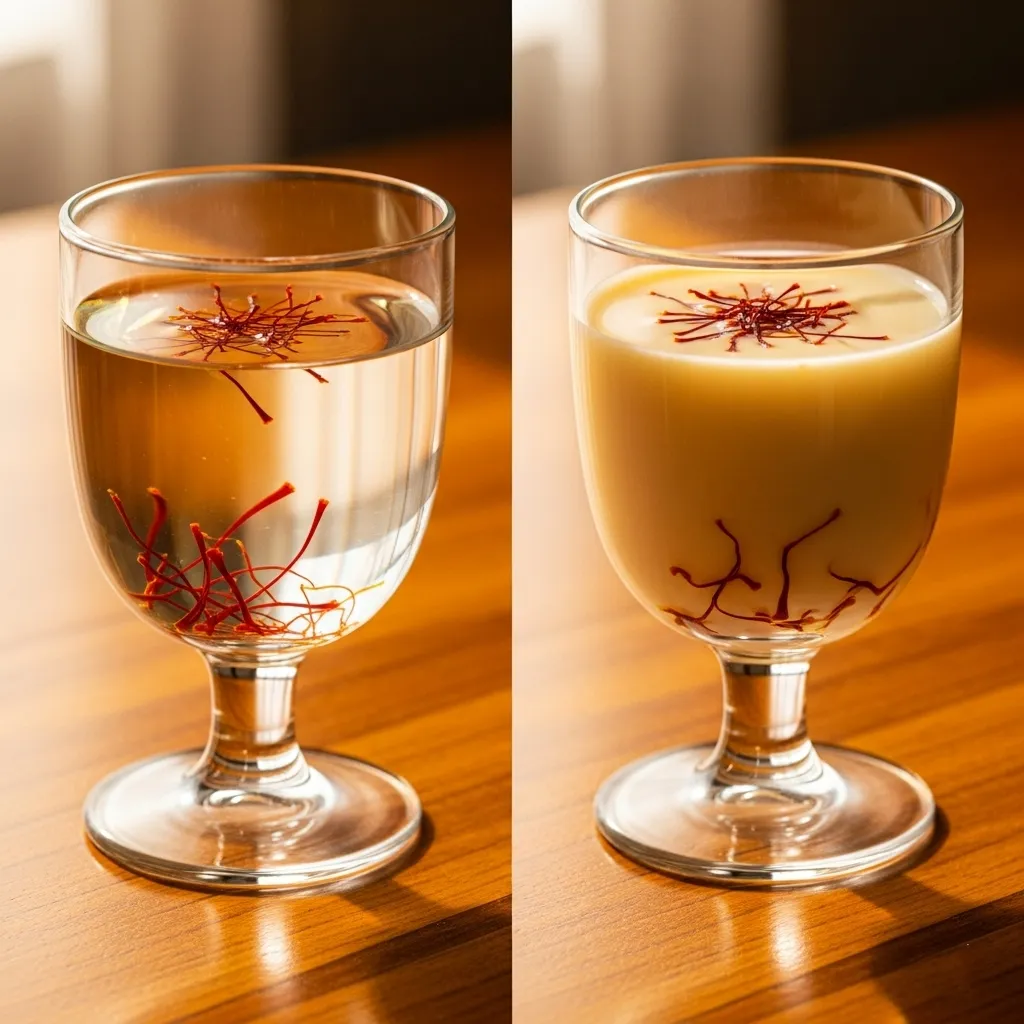
Grind a small pinch of saffron and prepare a concentrated infusion. A watery mixture can make the noodles soft before they steam, while concentrated saffron gives a clear golden colour with only a few spoonfuls. See our guide to the best way to brew saffron if you need the extraction step.
Keep the rosewater separate until the noodles are layered. Long boiling drives off much of its aroma, so it belongs in the covered finishing stage rather than the first pan of water.
Boil the vermicelli for only 3–4 minutes
- Bring a generous saucepan of water to a full boil.
- Add the vermicelli and stir gently so the strands separate.
- Cook for 3–4 minutes, or until flexible but still slightly firm at the centre.
- Drain immediately in a fine colander. Shake away excess water without pressing the noodles into a solid mass.
The vermicelli will continue cooking under the lid, so do not wait for it to become completely soft in the boiling water. Overcooked strands tend to clump and will not form the light, separate texture associated with good Bilalit.
Layer the noodles, sugar and rosewater
- Choose a small, heavy-based non-stick pot with a well-fitting lid.
- Coat the bottom with a thin, even layer of oil or melted butter.
- Add half the drained vermicelli and sprinkle over about half the sugar.
- Add the remaining vermicelli, followed by the rest of the sugar.
- Drizzle over the 2 tablespoons rosewater, a little oil or melted butter, and the prepared saffron infusion.
- Use two forks to lift and turn the upper noodles gently. Do not scrape away the bottom layer you want to caramelise.
Layering distributes the sugar more evenly than pouring it all in one spot. If you prefer a less sweet dessert, reduce the second addition rather than leaving the first layer completely unsweetened; some sugar near the base is what helps make the caramelised bottom.
Steam Bilalut over low heat
Wrap the lid in a clean tea towel if condensation normally drips heavily from it, keeping the fabric safely away from the flame. Cover the pot and set it over low heat for 10–15 minutes.
Listen as it cooks. A quiet sizzle is expected, but a harsh crackle or burnt-sugar smell means the heat is too high. Because sugar colours quickly, check at 10 minutes the first time you use a particular pot and burner.
When the noodles are tender and fragrant, remove the pot from the heat and leave it covered for 2 minutes. This brief rest lets steam loosen the sides while the bottom remains crisp.
Release the caramelised bottom
Run a flexible spatula around the edge. You can spoon the noodles into a serving dish and lift the golden pieces from the base, or invert the pot onto a plate if the crust has formed as one stable round.
The caramelised sugar at the bottom is a defining part of this Bilalut dessert, but it should be amber rather than bitter and black. If it sticks, do not force the entire crust out at once. Lift it in crisp pieces and place them on top of the soft saffron vermicelli.
Adjust sweetness without losing the dish
The original recipe correctly treats sugar as a matter of taste. A quarter cup gives a clear sweetness to half a standard packet, but the right amount depends on packet size and whether the dish is served as dessert or at breakfast.
Reduce sugar gradually, not by replacing it with extra rosewater or saffron. Rosewater can become perfumed and soapy when overused, while too much saffron can turn bitter. The balance should remain gentle: sweet noodles first, followed by rosewater and a warm saffron finish.
Serve the Bandar Abbas version warm
Bilalut is best served warm, when the vermicelli is soft and the caramelised pieces still have some snap. Use a shallow plate so the golden and white strands remain visible rather than compressing them in a deep bowl.
This simple version needs no elaborate garnish. Its character comes from the contrast already in the pot: tender vermicelli, fragrant Iranian saffron and rosewater, plus the lightly crisp sugar crust that forms during the final low-heat steam.