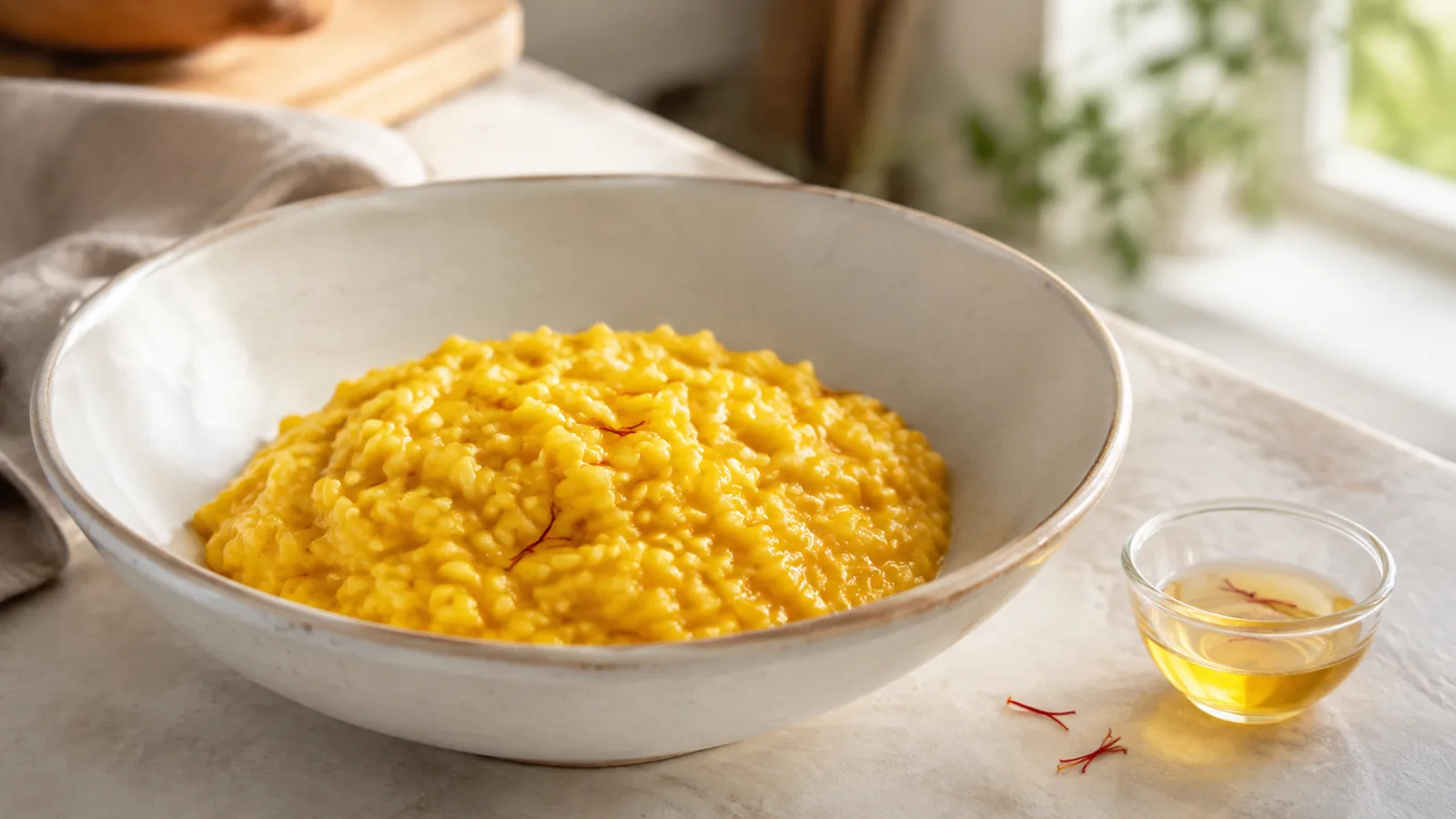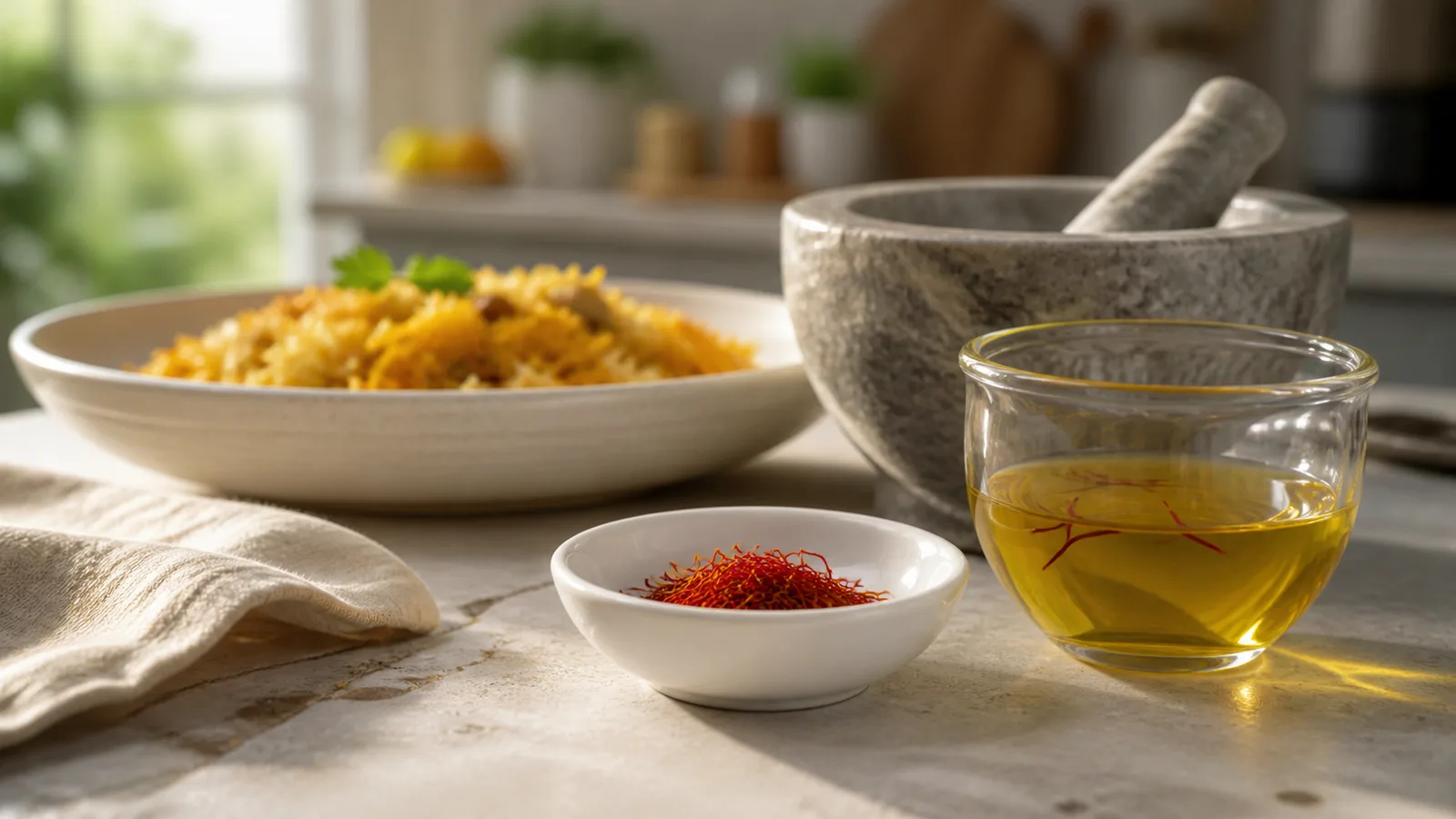
The main precautions when consuming saffron are simple: use a modest culinary amount, do not treat a concentrated extract like an ordinary spice, and stop using it if you develop signs of an allergic reaction. Saffron is widely used in food and is generally well tolerated in cooking quantities. Most safety concerns involve supplements, unusually large amounts, an individual allergy, or a medical situation in which even a small effect could matter.
This distinction is easy to lose online. A few threads infused for rice are not equivalent to a capsule containing a standardized extract, and neither should be compared with swallowing several grams of the spice. Product, dose, duration, and the person taking it all change the answer.
Precautions When Consuming Saffron in Cooking
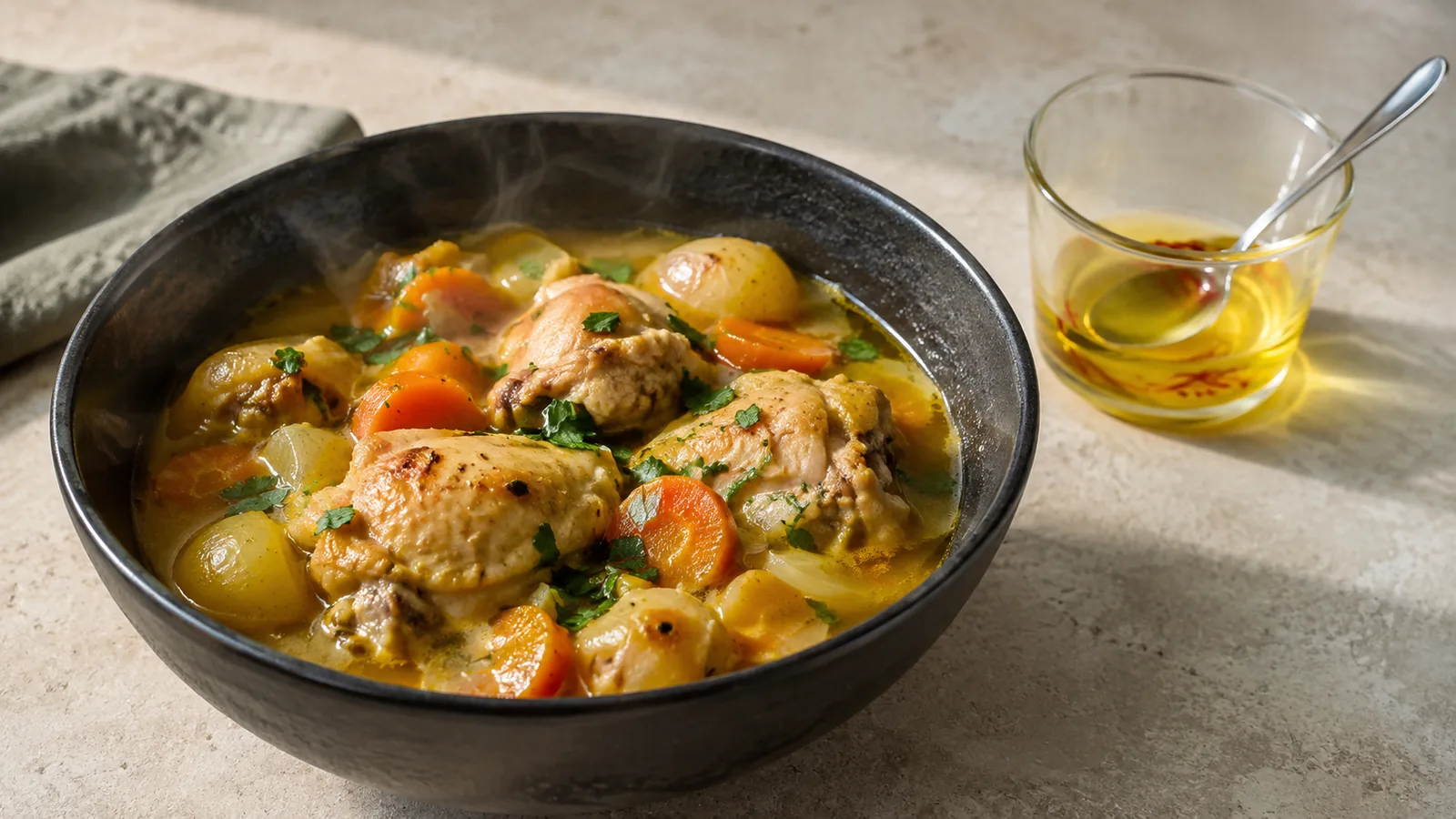
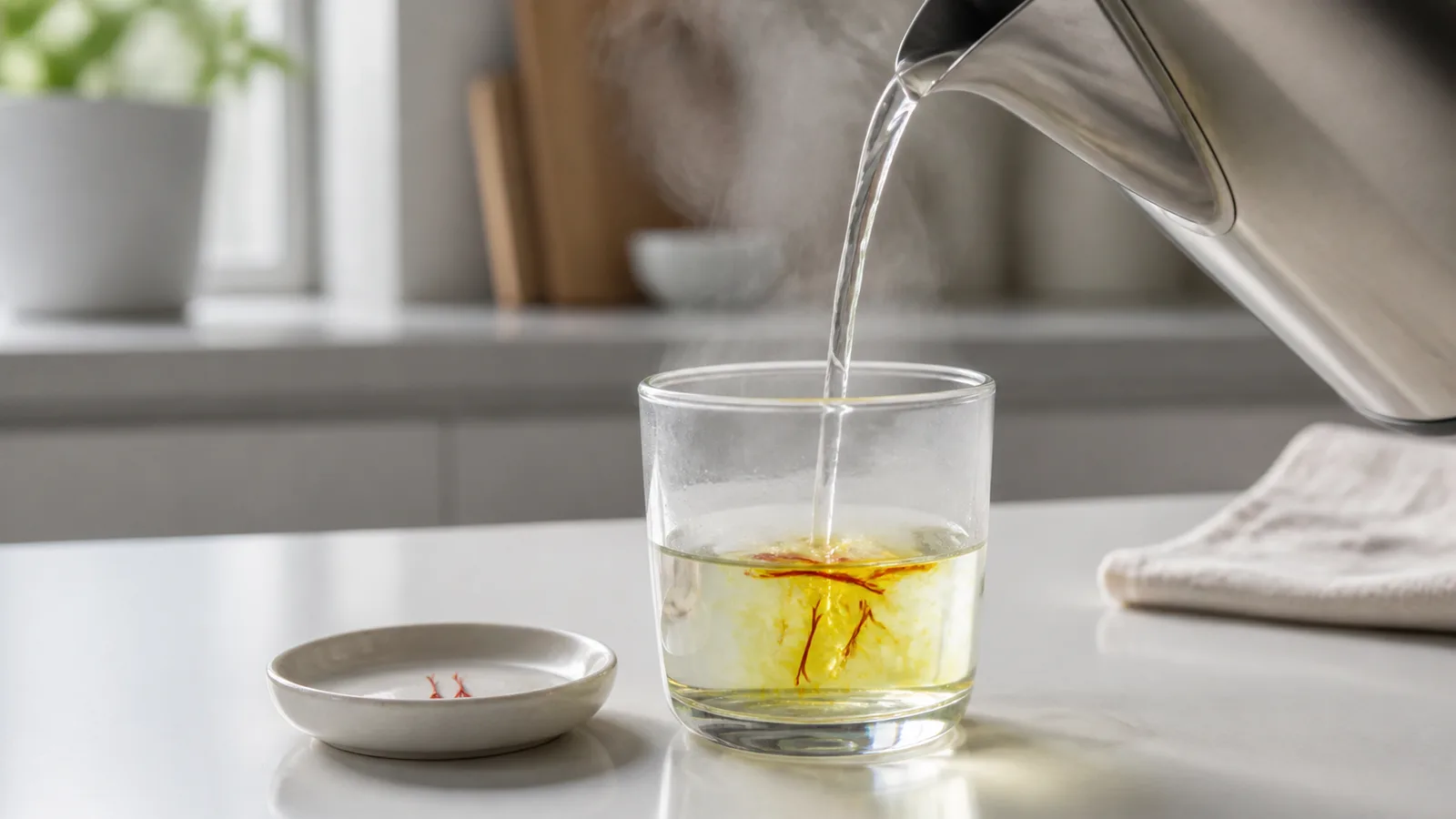
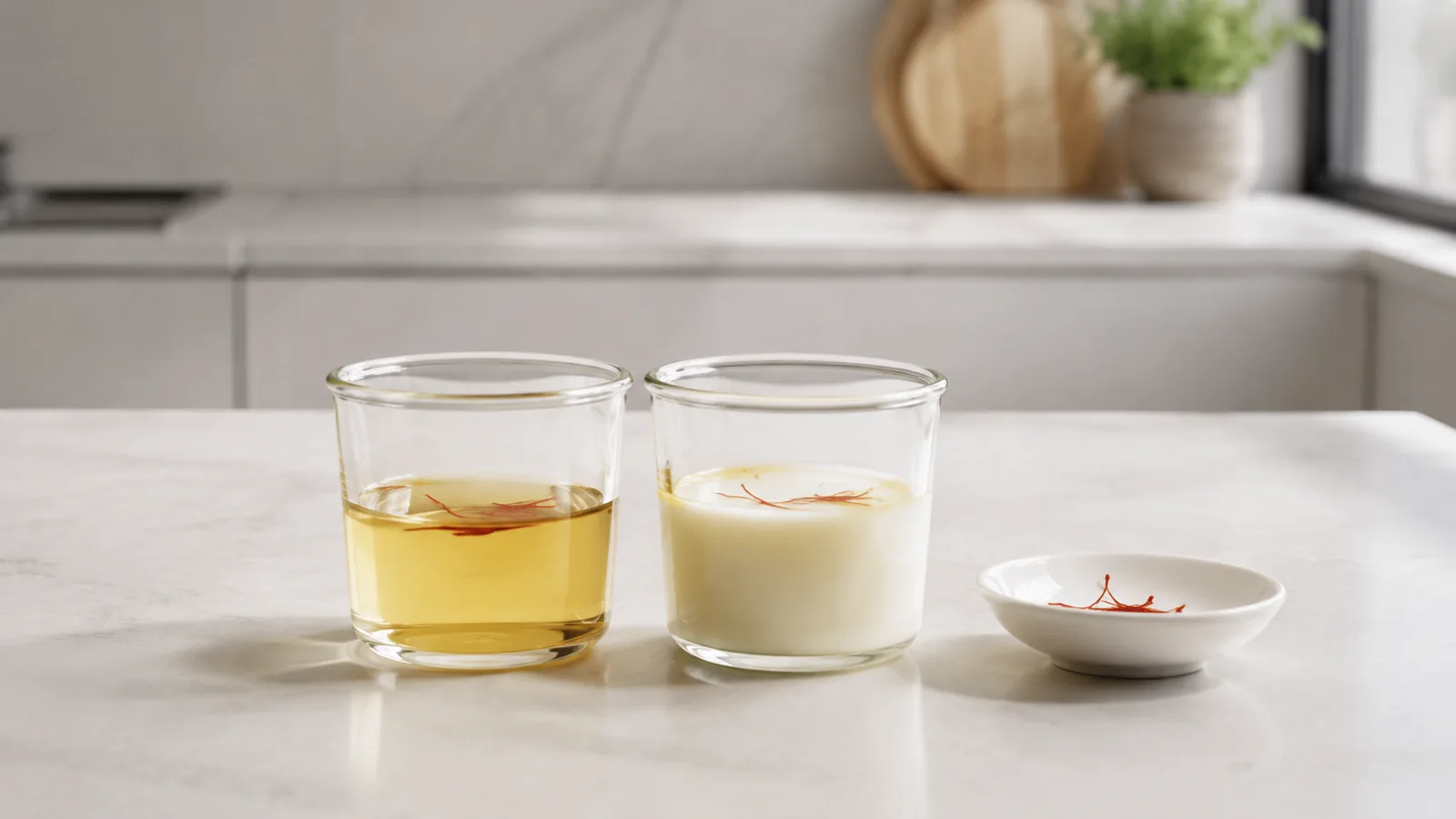
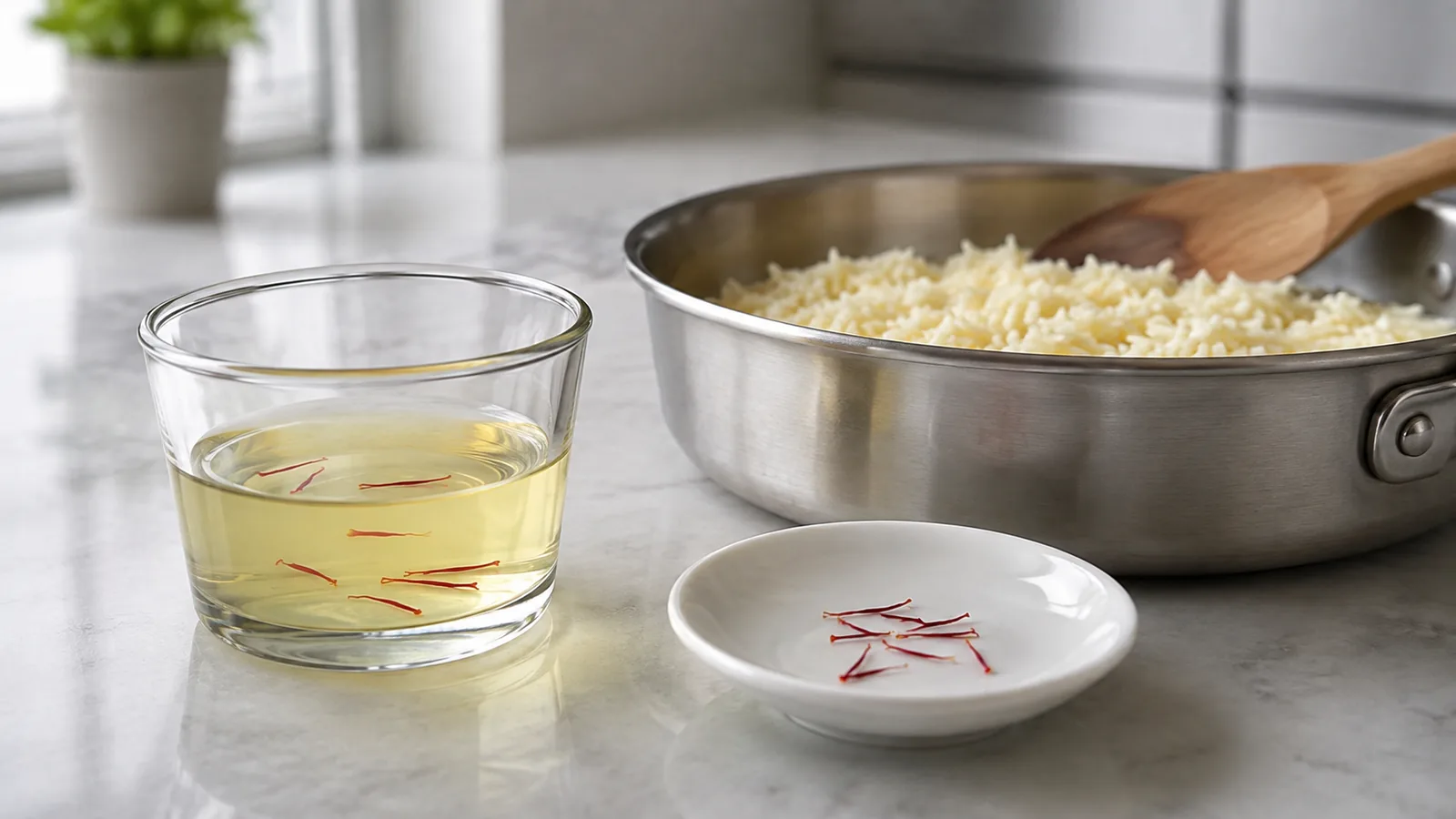
Saffron has an intense aroma, a deep golden color, and a naturally bitter taste when used too heavily. In Iranian, Mediterranean, Indian, and other cuisines, a small amount is normally steeped and shared across an entire dish. That is quite different from continuous daily use for a claimed health effect.
There is no universal thread count that guarantees safety for every person. In practical cooking, begin with the amount a tested recipe calls for. More saffron does not necessarily improve the flavor, and increasing the dose because a supposed benefit has not appeared turns food use into self-experimentation.
For a reliable culinary method, see our guide to using saffron in cooking. If you are considering a capsule, tincture, or high-strength extract, assess that exact product separately rather than borrowing advice meant for a recipe.
Saffron side effects: what has actually been reported?
A 2026 systematic review examined adverse-event reporting across 102 human saffron trials. The preparations and doses varied considerably, and many studies were short. Saffron was generally well tolerated at conventional study doses, but adverse events were not absent.
Reported symptoms in trials have included nausea, vomiting, stomach discomfort, headache, dizziness, dry mouth, drowsiness, and changes in appetite. These symptoms are not unique to saffron, and a report during a trial does not always prove the saffron caused it. Still, a new symptom that begins after starting a supplement deserves attention.
Anxiety and nervousness are sometimes repeated on saffron side-effect lists, but the available evidence does not establish them as predictable effects of a culinary pinch. The same caution applies to sweeping claims that saffron always improves mood. Responses to concentrated products can differ, and supplements should not be used to adjust psychiatric treatment without the prescriber’s involvement.
Too much saffron can cause side effects, but “too much” cannot be defined by one internet number for every product and person. If someone has swallowed an unusually large amount or has significant symptoms, contact a local poison service or medical professional rather than waiting for a blog dose threshold.
Kesar side effects are saffron side effects
Kesar is another name for saffron, not a different ingredient. Searches for kesar side effects or the side effects of kesar therefore lead to the same precautions. Check the label, though: a kesar drink, powder, or capsule may also contain sugar, herbs, colorants, or other active ingredients that could be responsible for a reaction.
Can you be allergic to saffron?
Yes. A saffron allergy is possible, although published reports are uncommon and there is no dependable population rate. Clinical literature includes sensitization among people handling saffron flowers occupationally and rare reports of a serious reaction after eating saffron. That is enough to take symptoms seriously, but not enough to call saffron allergy common.
Flower pollen exposure and eating the dried red stigmas are also not identical. A worker who develops seasonal eye or breathing symptoms around flowering plants may have a different exposure from a diner using the spice. An allergist can assess the history rather than assuming every reaction to a yellow rice dish came from saffron.
Saffron allergy symptoms
Possible food-allergy symptoms include itching or tingling in the mouth, hives, swelling of the lips or face, nausea, vomiting, or stomach pain. Trouble breathing, throat or tongue swelling, difficulty swallowing, faintness, or rapidly worsening symptoms can indicate anaphylaxis.
An allergic reaction to saffron that affects breathing, the throat, or circulation is a medical emergency. Use prescribed emergency medicine if available and call the local emergency number. Do not test the food again at home to see whether the reaction repeats.
How common is saffron allergy?
No good study gives a percentage for the general public. The evidence consists largely of small occupational studies and case reports, which can show that an allergy exists but cannot measure how often it occurs. Anyone with a previous reaction should avoid saffron until a qualified allergy professional has assessed it.
Who should not take saffron?
A person with a known saffron allergy should not eat saffron or take a saffron supplement. For everyone else, the word take matters: sharing a seasoned meal and taking a concentrated product every day are different decisions.
Speak with a clinician or pharmacist before using a saffron supplement if you are pregnant or breastfeeding, take regular medicine, have a diagnosed heart or kidney condition, manage diabetes or low blood pressure, have bipolar disorder, or are preparing for surgery. The purpose is to review the exact product and your circumstances—not to imply that an occasional saffron dish is automatically dangerous to every person in these groups.
Diabetes and low blood pressure
Meta-analyses of supplement trials have found small average changes in blood glucose or blood pressure in some populations. Those findings do not prove that culinary saffron will cause hypoglycemia or a dangerous fall in blood pressure. They do mean a concentrated product is worth discussing when someone uses glucose-lowering or blood-pressure medicine, especially if their readings already run low.
Do not change prescribed medicine on the strength of a saffron study. If a clinician agrees that a supplement is reasonable, follow the monitoring plan they recommend and bring the actual product label to the discussion.
Heart conditions
The old warning that saffron disrupts heart rhythm was too broad. Current human evidence does not establish a culinary amount as a common cause of arrhythmia. A person with heart disease should still disclose concentrated supplements because blood pressure effects, other ingredients, and medicine interactions may be relevant.
Bipolar disorder and mood treatment
It is also too certain to say that saffron creates happiness and therefore triggers mania. Research has explored standardized saffron preparations for mood symptoms, but that does not prove a dish seasoned with saffron causes a manic episode. Someone with bipolar disorder should not add a mood-targeted supplement or replace treatment without speaking to their mental-health prescriber.
Kidney conditions
Ordinary saffron in food has not been shown to stop healthy kidneys from filtering toxins. Evidence on long-term, high-dose extracts in people with kidney disease is limited, however, and a multi-ingredient supplement may introduce other risks. A renal clinician or pharmacist can check the product against kidney function and current medicines.
Can saffron cause miscarriage?
Claims about saffron and miscarriage often mix traditional warnings, animal research, very large quantities, supplements, and normal food use. These are not interchangeable. The available evidence does not show that the small amount in an ordinary meal predictably causes miscarriage, but it is also not enough to declare concentrated or unusually large amounts safe throughout pregnancy.
During pregnancy, use saffron as food rather than as a self-prescribed treatment, and ask the obstetric care team about any supplement or repeated high-dose use. Seek urgent medical care for bleeding, severe pain, contractions, faintness, or any other worrying pregnancy symptom instead of trying to manage it with—or blaming it solely on—a spice.
Safety information during breastfeeding is limited as well. Culinary exposure and a high-strength capsule should again be considered separately; discuss the latter with a clinician who can review both parent and infant factors.
Saffron before surgery
The former advice to stop all saffron exactly two weeks before surgery was presented as a fixed saffron-specific rule without adequate evidence. The safer instruction is to tell the surgical and anesthesia team about every supplement, extract, tea used medicinally, and medicine you take. Follow their timing, because the procedure, product, dose, and other medicines determine what should be paused.
There is usually no need to hide the fact that saffron appeared in a normal meal. If the medical team gives a specific fasting or pre-operative instruction, that instruction takes priority.
How to use saffron in moderation
- Buy food-grade saffron from a traceable seller and check that the package contains saffron, not an unidentified colored blend.
- Follow a tested recipe and share the infusion through the dish instead of repeatedly increasing the amount.
- Keep supplements and loose spice away from children and pets.
- Read multi-ingredient drink and capsule labels; a reaction may involve something other than saffron.
- Stop a new supplement and seek advice if symptoms appear. Treat breathing or circulation symptoms as an emergency.
Saffron’s possible benefits and disadvantages depend on context. Our broader review of saffron and health explains why preliminary research should not be turned into a promise of treatment.
A practical safety conclusion
For most people, enjoying a modest amount of genuine saffron in a meal is a different proposition from taking a concentrated extract every day. Use enough to flavor the dish, not enough to chase a medical effect. If you have had an allergy, are pregnant, take medicines, have a condition that changes the risk, or want to use a supplement, get advice about the exact situation.
That approach preserves what is valuable about saffron in cooking without pretending that a natural ingredient is risk-free—or making ordinary culinary use sound more dangerous than the evidence supports.
Evidence reviewed: 2026 systematic review of adverse events in human saffron studies; clinical research on saffron sensitization and allergy; 2024 systematic review of cardiometabolic outcomes in saffron supplement trials; and NHS-hosted guidance on recognizing a severe allergic reaction.