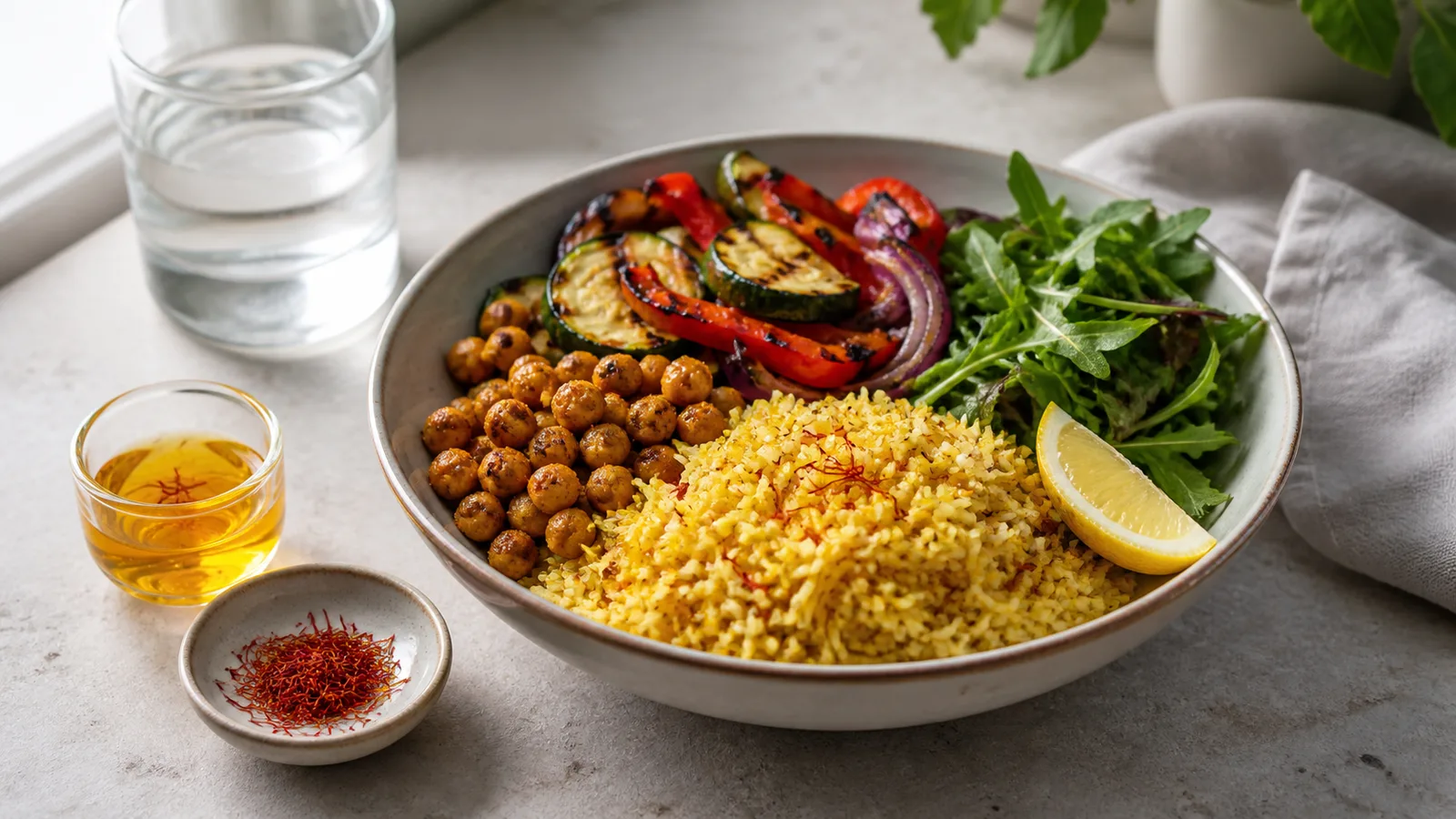
Saffron for weight loss has been studied, but current evidence does not show that it reliably reduces body weight or BMI. Some small trials of standardized saffron extracts have reported less snacking or modest changes in particular measurements. Larger reviews find mixed results, and culinary saffron, tea, and proprietary extract capsules should not be treated as the same intervention.
The practical answer is that saffron can make nourishing food more enjoyable without adding much energy of its own. It should not replace an evidence-based eating plan, physical activity, medical care, or an approved treatment when one is needed.
Benefits of Saffron for Weight Loss: what does the evidence show?
A 2022 systematic review and meta-analysis brought together 25 randomized controlled trials in people with overweight or obesity. Compared with control groups, saffron supplementation did not produce statistically significant reductions in body weight, BMI, waist circumference, or hip circumference. The review found a change in waist-to-hip ratio, but the authors also noted study differences and the need for stronger evidence.
A newer 2025 review of people with metabolic syndrome and related conditions likewise found no significant change in BMI or waist circumference. Some metabolic measurements changed, but that does not establish saffron as a weight-loss treatment.
These results matter more than a single positive trial. They suggest an interesting research question, not a dependable way to lose weight.
The claimed saffron benefits for weight loss therefore need careful wording. Less snacking in one small trial is not the same outcome as a consistent reduction in weight, BMI, or body fat across studies.
The previous benefits list also credited saffron with improving circulation, reducing postpartum bleeding, rejuvenating skin, enhancing bladder and stomach function, and acting as an antispasmodic. Those are separate medical claims and do not demonstrate weight loss. They are not presented as established effects here; postpartum bleeding in particular requires prompt professional care, not self-treatment with saffron.
The Impact of Saffron on Weight Loss
One often-cited 2010 trial enrolled 60 mildly overweight women. Participants took either a named saffron-stigma extract or placebo for eight weeks without a prescribed calorie restriction. The extract group reported fewer snacks and lost more weight than the placebo group, while most other body measurements changed little.
That study is relevant, but narrow. It tested 176.5 mg per day of a proprietary extract in a small group of women for a short period. It did not test a pinch of saffron in food, a cup of homemade tea, every saffron capsule, or long-term weight maintenance.
A separate 12-week randomized trial in 73 overweight women with mild-to-moderate depression found that saffron capsules did not reduce food craving. Mixed findings like these are why a proposed appetite effect should not be advertised as settled fact.
Can saffron help you lose weight?
Does saffron help with weight loss? Not on the evidence available today in a predictable, clinically meaningful way. If saffron affects appetite for some people, the effect appears too uncertain and product-specific to promise. A person can also eat less at one moment and compensate later, so snacking frequency alone is not proof of lasting fat loss.
Is saffron good for weight loss? It can flavor nutritious food but is not a proven slimming ingredient. Using saffron to lose weight should not displace the parts of a plan that have stronger evidence.
Saffron does contain compounds such as crocins and safranal, and researchers have explored mood, metabolism, and appetite pathways. A biological mechanism, laboratory experiment, or animal study cannot tell us how much weight a person will lose or prove that saffron boosts metabolism in daily use.
Mood, serotonin, and emotional eating
The previous article said saffron increases serotonin, improves mood, reduces stress and anxiety, and therefore lowers calorie intake. That chain is too certain. Some clinical research has examined standardized saffron preparations for mood symptoms, but it does not prove that ordinary saffron tea changes serotonin in a way that causes weight loss.
Emotional eating is real and deserves support without blame. If mood, binge eating, anxiety, or restrictive eating is affecting someone’s health, a clinician or registered dietitian can address the underlying issue more directly than a spice supplement.
Does saffron block fat absorption?
There is no good clinical basis for telling readers that saffron blocks pancreatic lipase enough to reduce fat absorption in daily life. Enzyme effects reported in laboratory research do not establish the effect of a food, tea, or supplement in people. Saffron is not an over-the-counter substitute for an approved lipase-inhibiting medicine.
How to Use Saffron for Effective Results
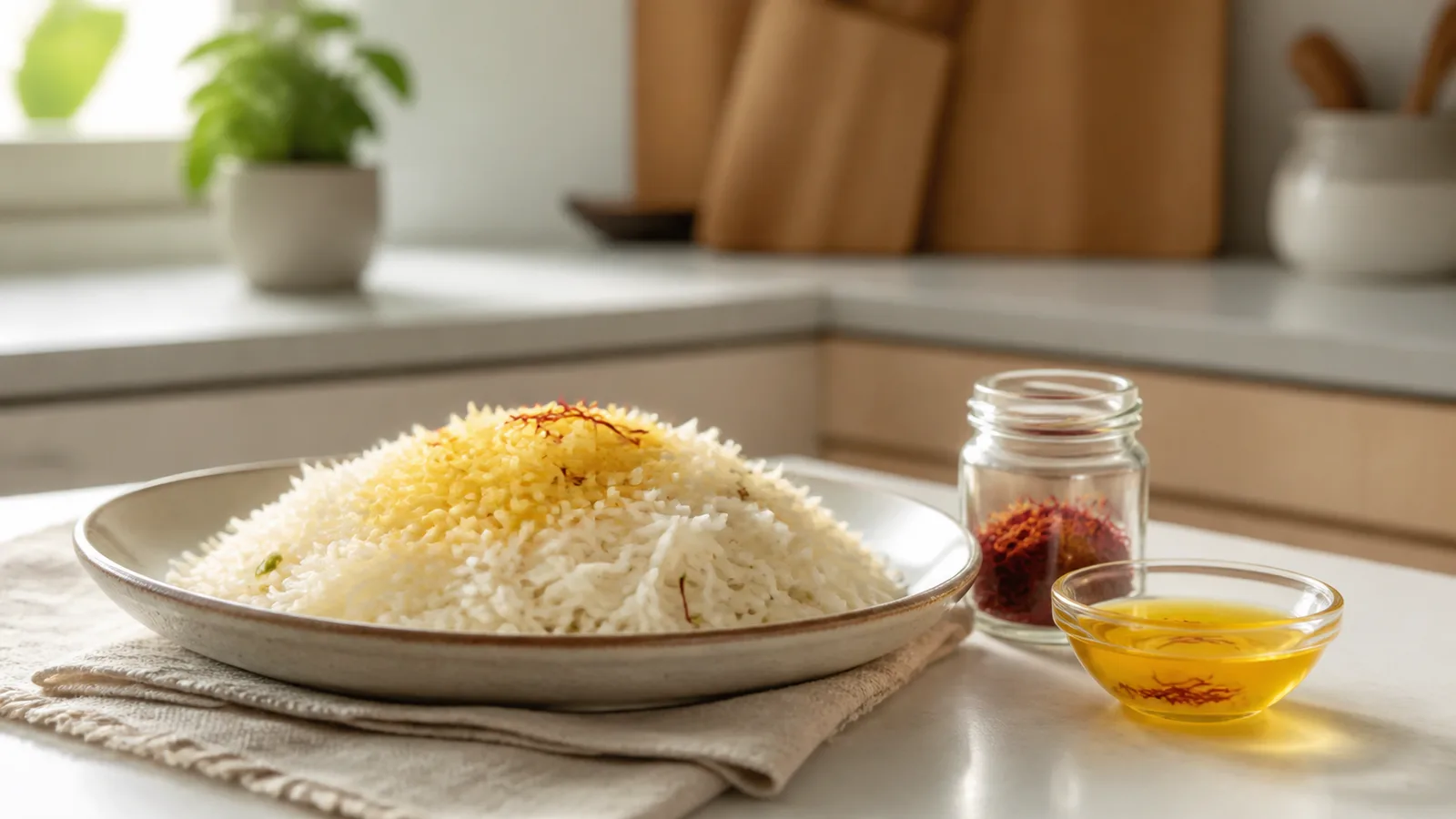
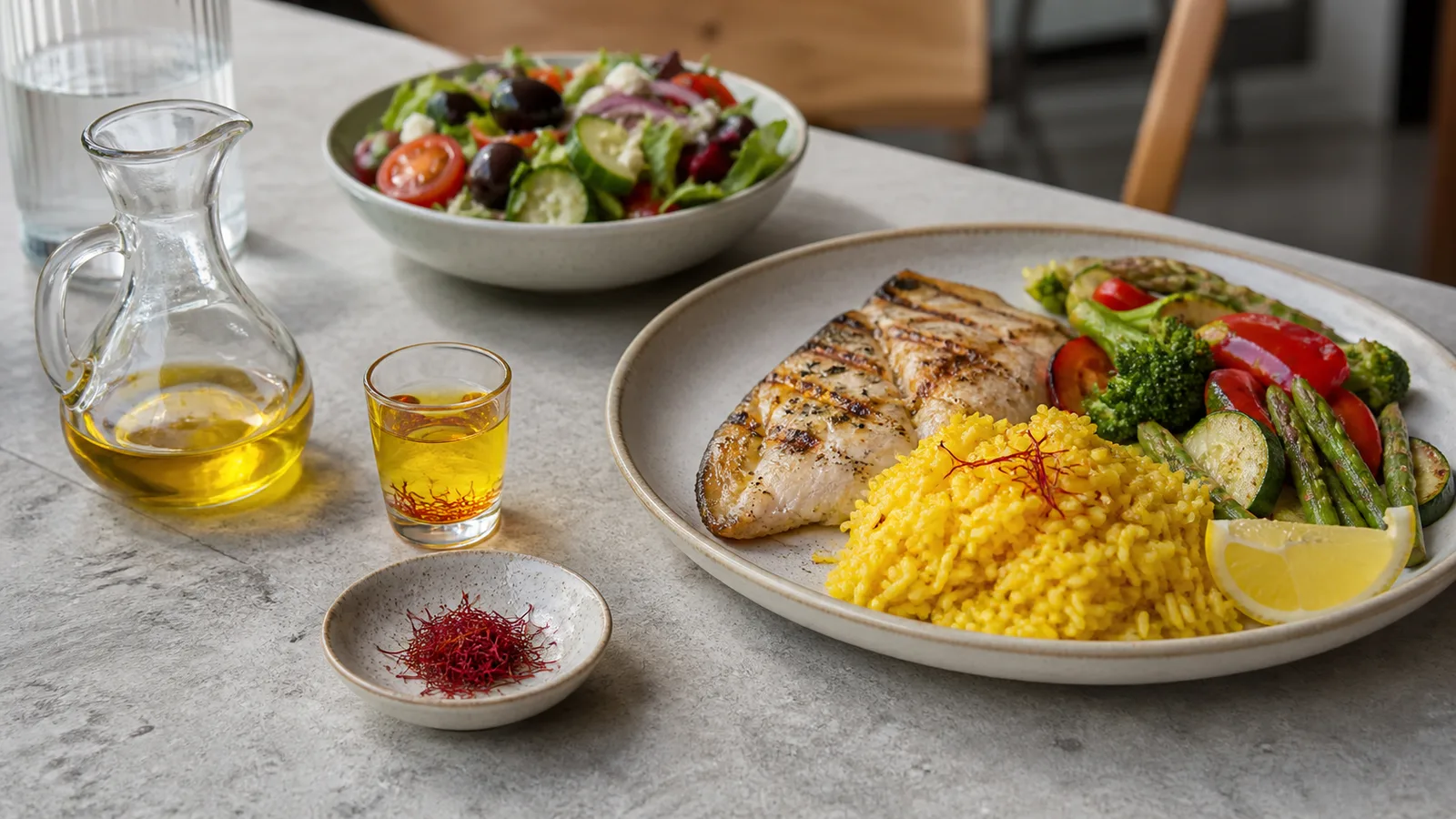
If the goal is a sustainable eating pattern, use saffron for flavor rather than as an appetite suppressant. A small infusion can make vegetables, beans, fish, chicken, yogurt, soup, and rice satisfying without relying on a heavy sauce or a large amount of sugar.
- Crush a modest pinch of food-grade saffron threads.
- Steep them in 2 to 4 tablespoons of warm water for 10 to 20 minutes.
- Add the whole infusion to a meal that already fits your dietary needs.
- Pay attention to the complete dish and portion rather than assigning a fat-burning effect to the saffron.
For technique and meal ideas, see our guide to using saffron in cooking. A flavored meal can support consistency, but it does not change the basic energy balance behind weight change.
Saffron drinks before meals
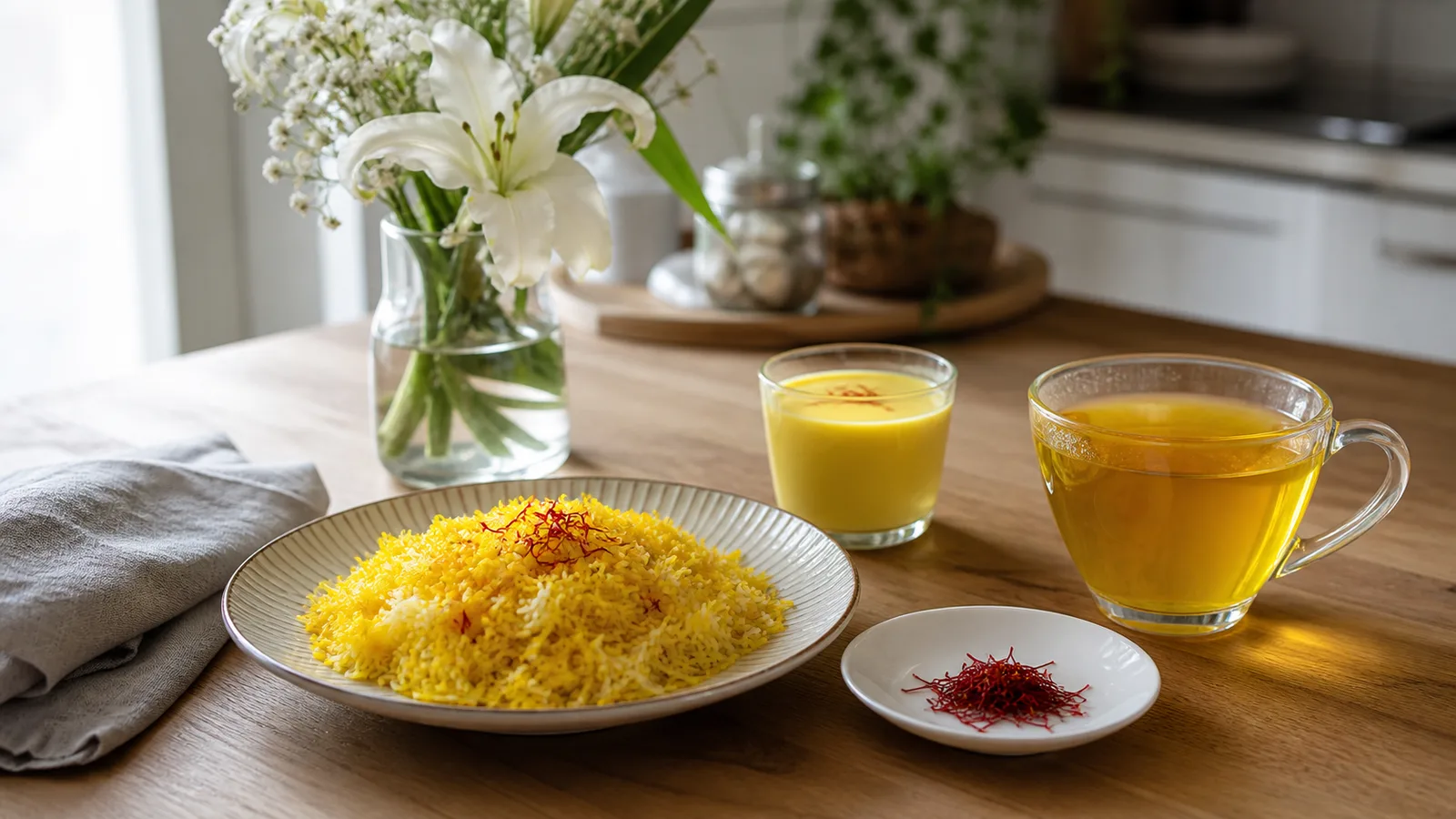
A hot or cold saffron drink before a meal has not been shown to suppress appetite reliably. Unsweetened tea contributes little energy and may be a pleasant ritual, but saffron syrup, sweetened milk, and bottled drinks can contain substantial sugar. Judge the whole drink rather than the reputation of one ingredient.
If you enjoy the flavor, use a culinary recipe such as saffron tea. Do not keep increasing the amount because hunger remains; persistent or sudden appetite changes deserve a medical discussion.
Saffron with basil seeds
Basil seeds absorb water and add texture and fiber to a drink. The combination may feel filling for some people, but no strong evidence shows that saffron and basil seeds together cause weight loss. Soak the seeds according to the product directions and count sweeteners or syrups as part of the drink.
How to use saffron extract to lose weight
There is no established saffron-extract dose that can be recommended here for weight loss. Trials use specific preparations with their own extraction methods, marker compounds, and amounts. Two capsules with the same front-label wording may not match each other or the product studied.
If you are considering an extract, bring the exact ingredient and Supplement Facts panel to a pharmacist or clinician. Check the manufacturer, lot information, dose per serving, other active ingredients, and independent quality testing. Do not copy a trial dose onto an unrelated product.
Saffron dosage for weight loss
A culinary amount and a concentrated extract dose answer different questions. There is no reason to weigh food seasoning as though it were a medicine, and there is no validated thread count for treating obesity. More is not better.
“Natural” does not mean safer
The earlier article described saffron as a safer natural alternative to chemical weight-loss remedies. That comparison is misleading. Safety depends on the exact product, dose, contaminants, interactions, and person using it, not whether an ingredient began as a plant.
The US National Center for Complementary and Integrative Health notes that many weight-loss supplements have not been proven safe or effective. The FDA also maintains warnings for weight-loss products found with hidden drug ingredients. An “all natural” label does not rule out contamination or adulteration.
Precautions When Using Saffron
The small amount of saffron shared in food is different from taking a concentrated extract every day. Supplement safety data can be limited, and products may interact with medicines or be unsuitable for some health conditions.
- Ask a qualified clinician before using a saffron supplement during pregnancy or breastfeeding.
- Discuss it first if you take regular medicine, are preparing for surgery, or have a diagnosed medical condition.
- Stop and seek advice if a supplement causes an unexpected reaction.
- Avoid products promising rapid weight loss, fat blocking, or guaranteed appetite suppression.
The old article stated that excess saffron tea causes kidney damage, miscarriage, prolonged appetite suppression, and malnutrition without giving a dose or evidence. Those outcomes should not be presented as predictable effects of a culinary drink. Pregnancy and concentrated-dose cautions remain important, but they need product-specific medical guidance rather than an alarmist universal rule.
What supports weight loss more reliably?
The NIH Office of Dietary Supplements identifies healthy food choices, reduced calorie intake, and physical activity as the proven foundations of weight loss. The right plan depends on health, medications, culture, food access, and whether a person has an eating disorder or another condition that changes nutritional needs.
Saffron can have a place in that plan as a seasoning. It can make rice, legumes, vegetables, lean proteins, soups, yogurt, or fruit-based dishes more aromatic. That is a culinary advantage, not evidence that the spice burns fat.
Final Thoughts
Research on saffron and weight loss is worth following, especially the difference between proprietary extracts and the spice used in food. For now, the most comprehensive reviews do not show reliable reductions in body weight or BMI.
Enjoy saffron for its flavor and color. If you want help with weight management or are considering a concentrated extract, use evidence-based care and discuss the exact product with a qualified professional rather than relying on a tea, supplement testimonial, or “natural fat burner” claim.
Evidence reviewed: 2022 systematic review and meta-analysis of saffron in overweight and obesity; 2025 meta-analysis in metabolic syndrome and related conditions; 2010 randomized trial of a proprietary saffron extract and snacking; 2019 randomized trial of saffron, depression, and food craving; NIH Office of Dietary Supplements weight-loss fact sheet; NCCIH guidance on weight-loss supplements; and FDA weight-loss product notifications.