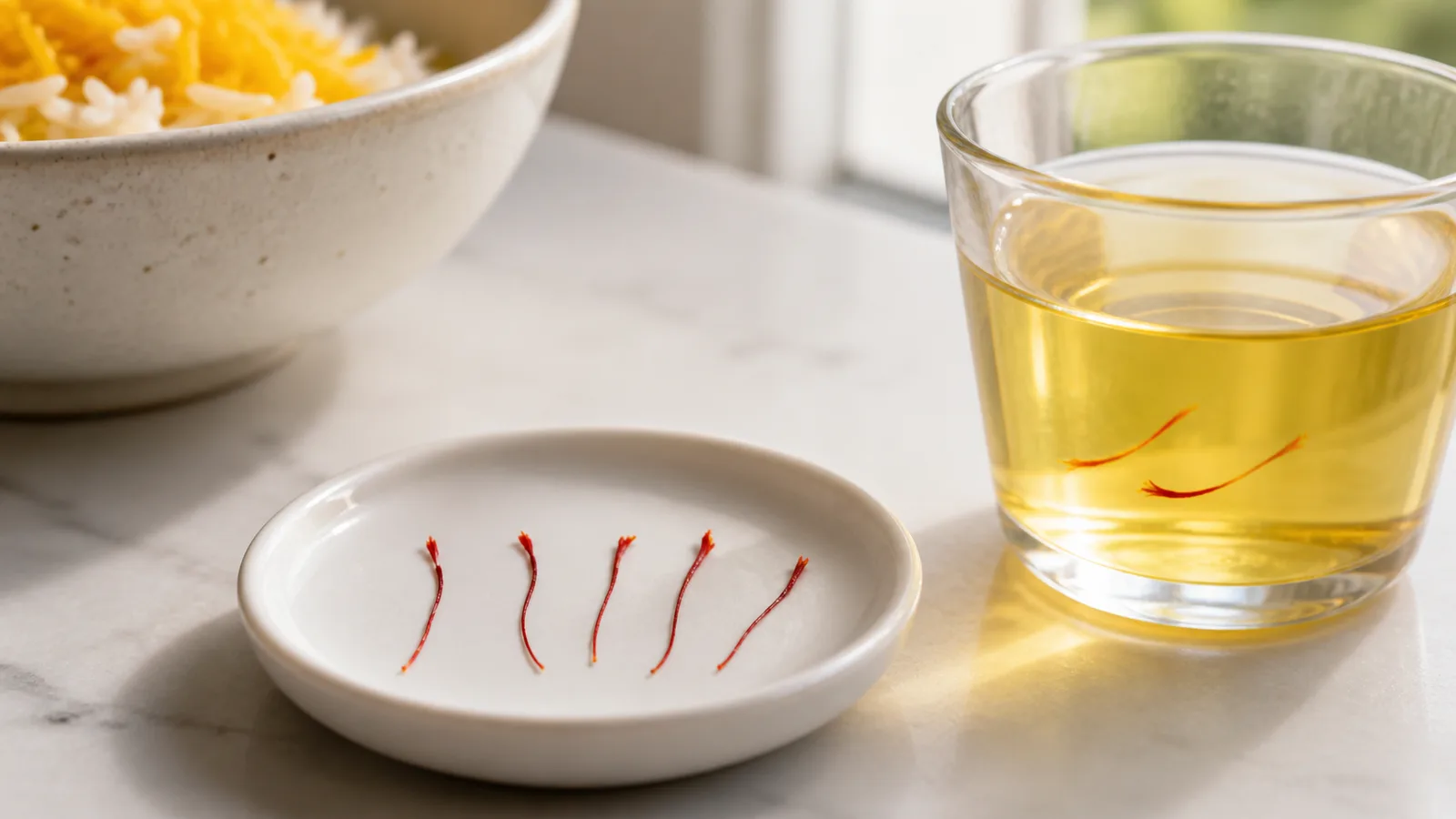
Yes. Saffron is generally regarded as the world’s most expensive culinary spice by weight. The comparison refers to genuine dried saffron sold gram for gram, not to the cost of one recipe. Prices still vary by grade, form, origin, season, order size and seller, so “most expensive” is a market description rather than one permanent global price.
Most Expensive Spice: Is Saffron the Most Expensive Spice?
The short answer is yes in ordinary spice markets. The International Organization for Standardization describes saffron as the world’s most expensive spice and connects its high value to the hand collection of each stigma. That does not mean every saffron offer costs more than every rare botanical product; it means saffron commonly leads culinary spices when comparable weights are used.
The distinction matters because saffron is usually sold in fractions of a gram, while cardamom, cinnamon or pepper may be sold in much larger bags. A tiny jar can look affordable until the price is converted to the same weight.
What Is the Most Expensive Spice in the World by Weight?
Saffron is the standard answer because its saleable part is exceptionally small. Each Crocus sativus flower provides three red stigmas, which are collected, separated and dried. An FAO publication reports that approximately 150,000 to 170,000 flowers are processed for one kilogram of saffron spice.
That number explains the price more clearly than the “red gold” nickname. A field can produce a large volume of flowers while yielding comparatively little finished saffron.
Why Saffron Costs So Much
Manual Harvesting and Separation
Flowers arrive during a short harvest period and need prompt handling. Workers pick the blooms and separate the stigmas from petals and excess style material. The work requires speed and care because the valuable portion is delicate and contamination or poor sorting reduces quality.
Drying Reduces Weight and Requires Control
Fresh stigmas contain moisture. Controlled drying makes the spice stable and develops its familiar aroma, but leaves much less finished weight. Too much remaining moisture, excess heat or poor storage can compromise the product, so trained processing and rejected material become part of the cost.
Crop and Harvest Risk
Saffron is cultivated in Iran, India, Spain and other suitable regions, not in only one country. Yield can change with corm health, field age, soil, water management, weather during flowering and the availability of harvest labour. A narrow picking window magnifies disruptions.
Quality and Purity Verification
High value creates an incentive for added moisture, foreign material, artificial colour or substitution. Supplier controls and laboratory work add cost but help buyers understand what a lot contains. The current ISO 3632-1:2025 specification applies to dried saffron in filament, cut-filament and powder forms and includes storage and transport recommendations.
Small-Scale Packaging and Trade
Importing, testing, storing and packing fractions of a gram costs more per unit than moving a bulk sack. Food-safe jars, seals, labels, batch records, freight, tax, duties and exchange rates can all affect the final retail figure.
Most Expensive Spices by Weight: What Is Being Compared?
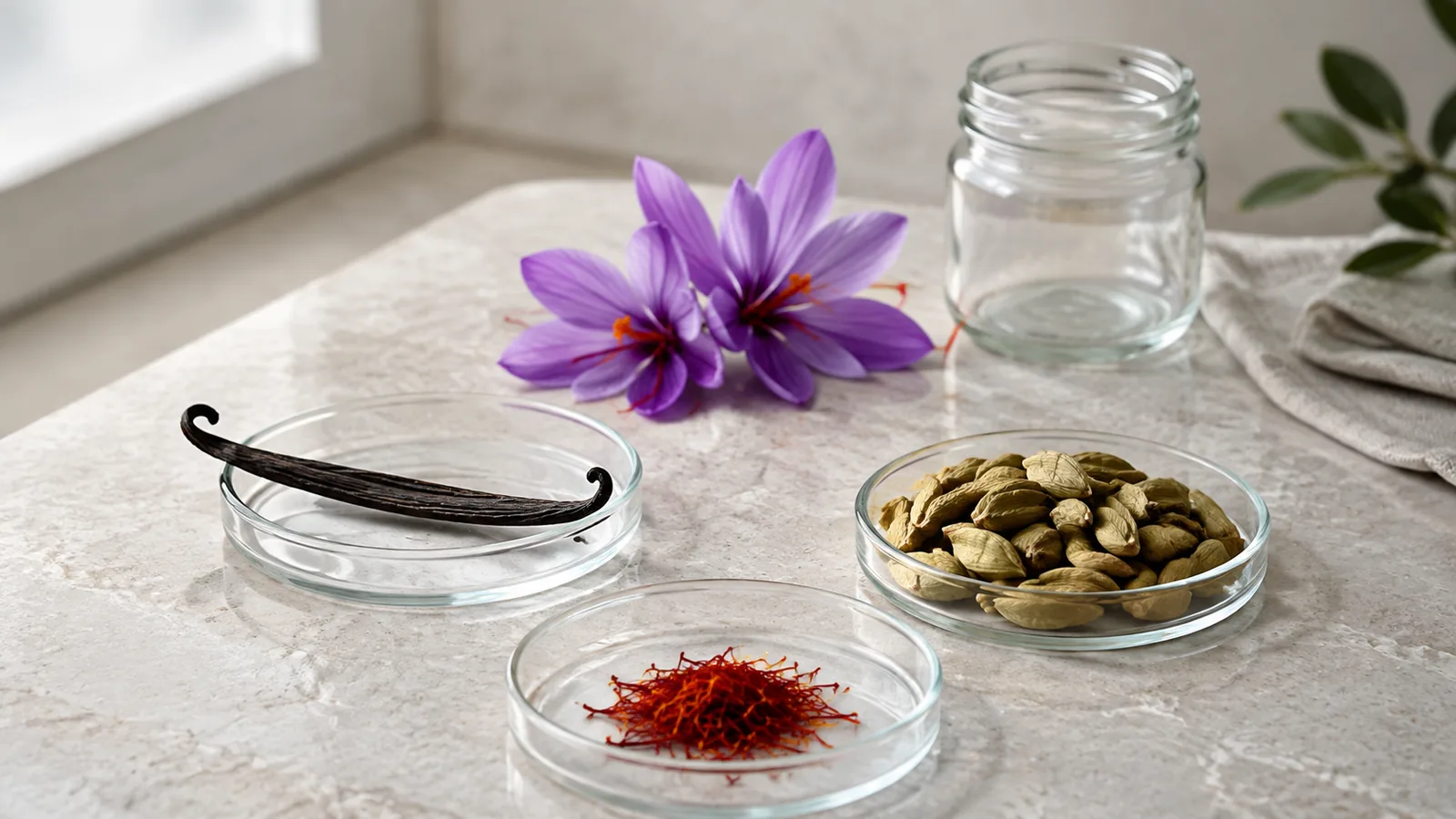
Vanilla and cardamom can also be costly, and their prices move with harvests and supply. A fair comparison needs the same date, currency, market level, weight and product form. Retail saffron threads should not be compared with wholesale vanilla beans or a cardamom price from a different year.
Some rare ingredients sold for fragrance, medicine or collecting may exceed a particular saffron listing. That does not displace saffron’s familiar position in the culinary spice category. Define the category before treating any ranking as exact.
Is “Rarest” the Same as “Most Expensive”?
No. Rarity describes availability; price also reflects demand, usable yield, labour, processing, quality, trade and package size. A botanical material can be rarer than saffron but have little culinary market. Saffron’s value comes from the combination of limited finished yield and sustained demand, not from a claim that it is the rarest plant on Earth.
This is why the query “what is the rarest and most expensive spice in the world by weight?” needs a split answer: saffron is generally the most expensive culinary spice by weight, while “rarest” depends on how rarity is measured.
Saffron Price per Kilogram versus Price per Dish
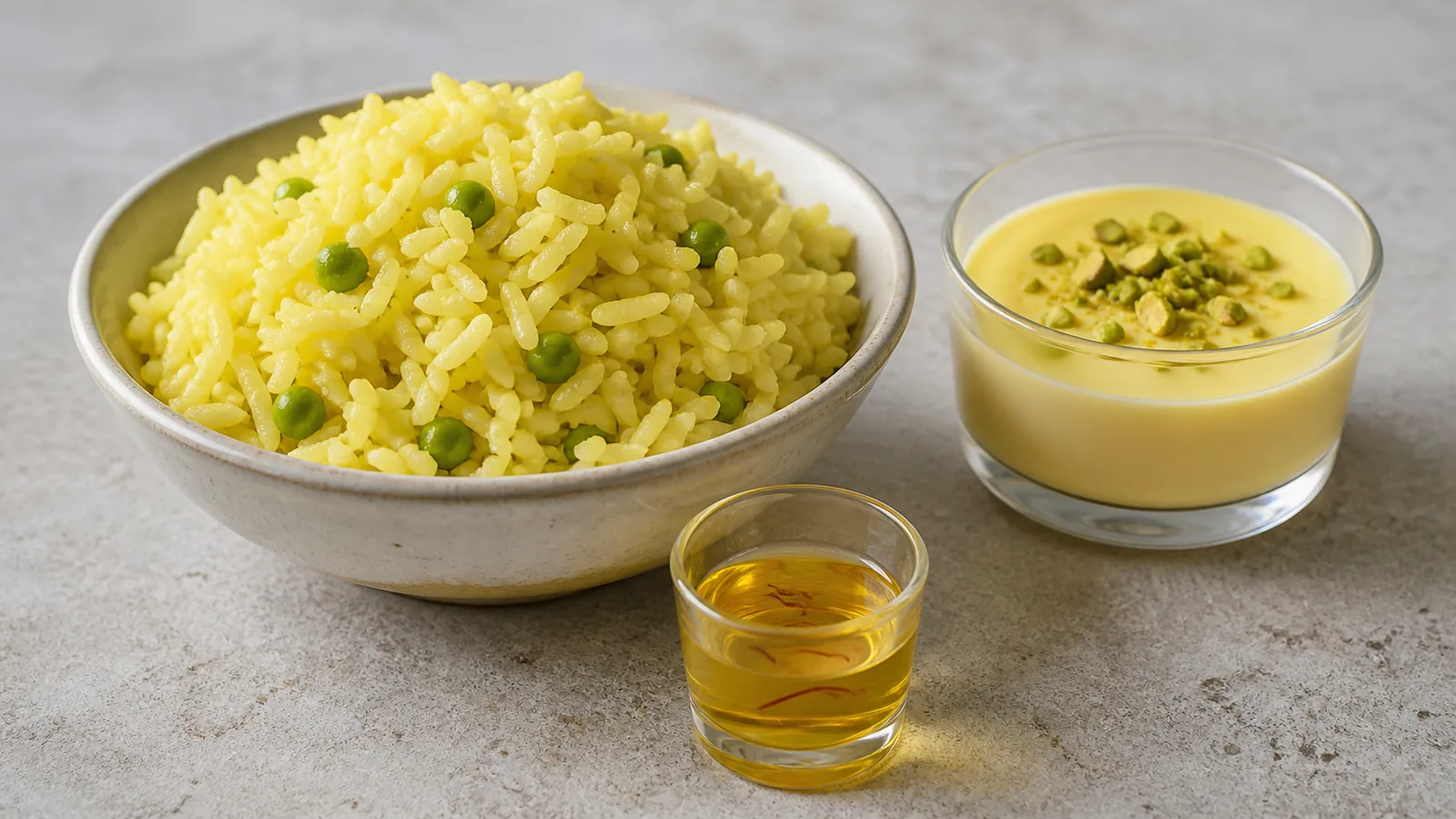
A kilogram comparison makes saffron sound extreme because home cooks rarely use anything close to that quantity. A family rice dish might use around 0.05 to 0.1 gram. At that scale, careful measurement and extraction matter more than the headline kilogram value.
There is no useful permanent “saffron price per kg” for this article to quote. Wholesale and retail, threads and powder, tested and unverified lots, and different destinations are not equivalent. For current offers, package weights and buying options, use the unchanged saffron price page.
Does a High Price Prove High Quality?
No. A very low price can be a warning, but an expensive label is not laboratory evidence. Quality can be influenced by thread selection, moisture, drying, storage and adulteration. Origin and decorative packaging may influence price without proving sensory strength or purity.
A search for the “most expensive saffron” will not reveal one permanent winner. Lots, grades, package sizes and exchange rates change, and an ornate retail presentation can cost more without containing stronger or purer threads.
Compare like with like and look for clear net weight, product form, origin, batch identity and evidence behind grade or purity claims. Powder is not automatically false, but whole threads make some forms of substitution easier for a customer to notice.
Why the Cost Can Change from One Seller to Another
- Order size: retail fractions carry more packaging and handling cost per gram.
- Form: whole filaments, cut filaments and powder are different products.
- Quality evidence: sampling, testing and documentation add real cost.
- Season and supply: harvest size and available quality affect the market.
- Trade route: freight, duties, tax, exchange rates and intermediaries differ.
- Presentation: decorative packaging may raise price without improving the spice.
For a fuller explanation of these variables, read the factors affecting saffron price.
How to Get Better Value from Saffron
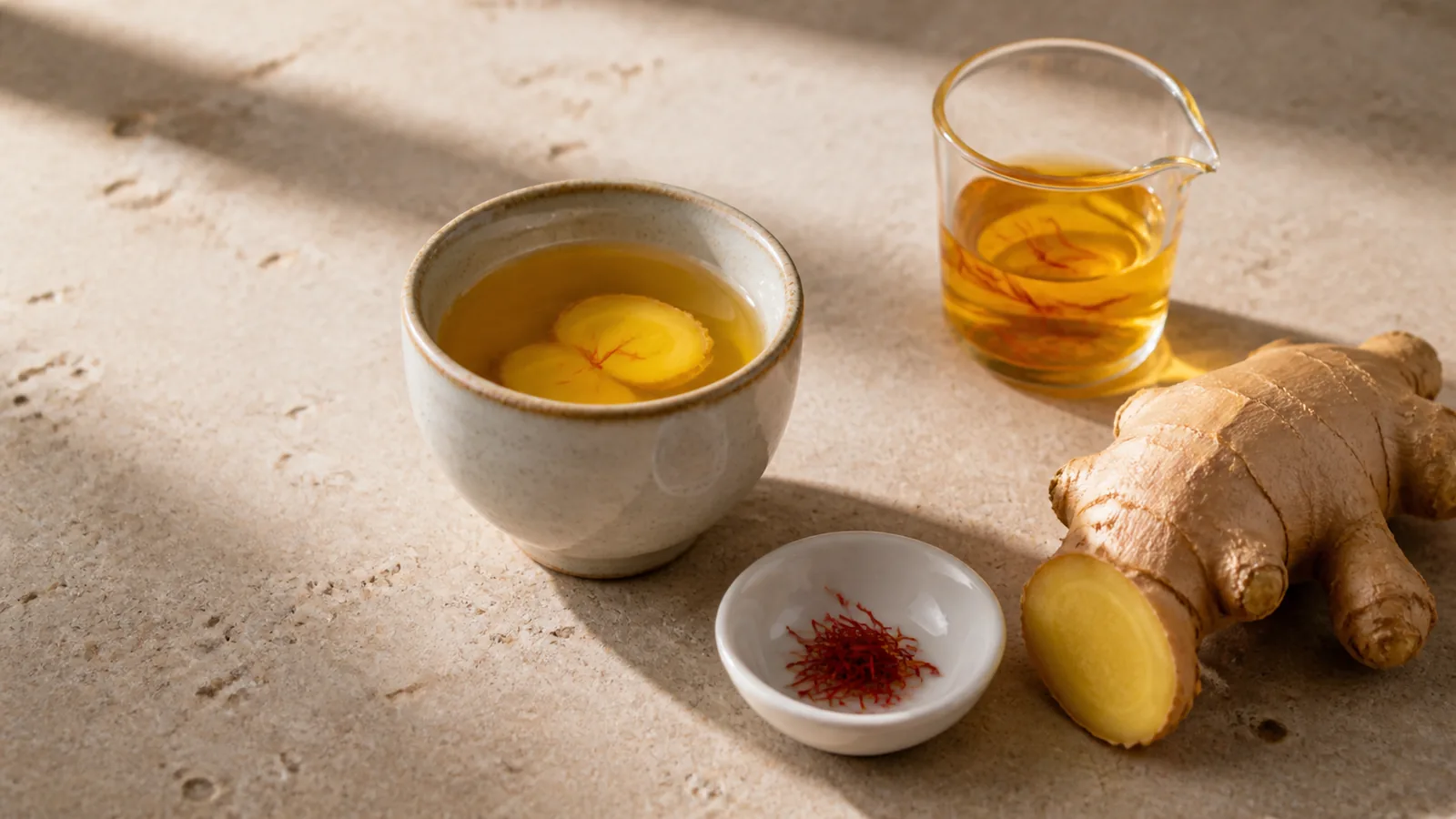
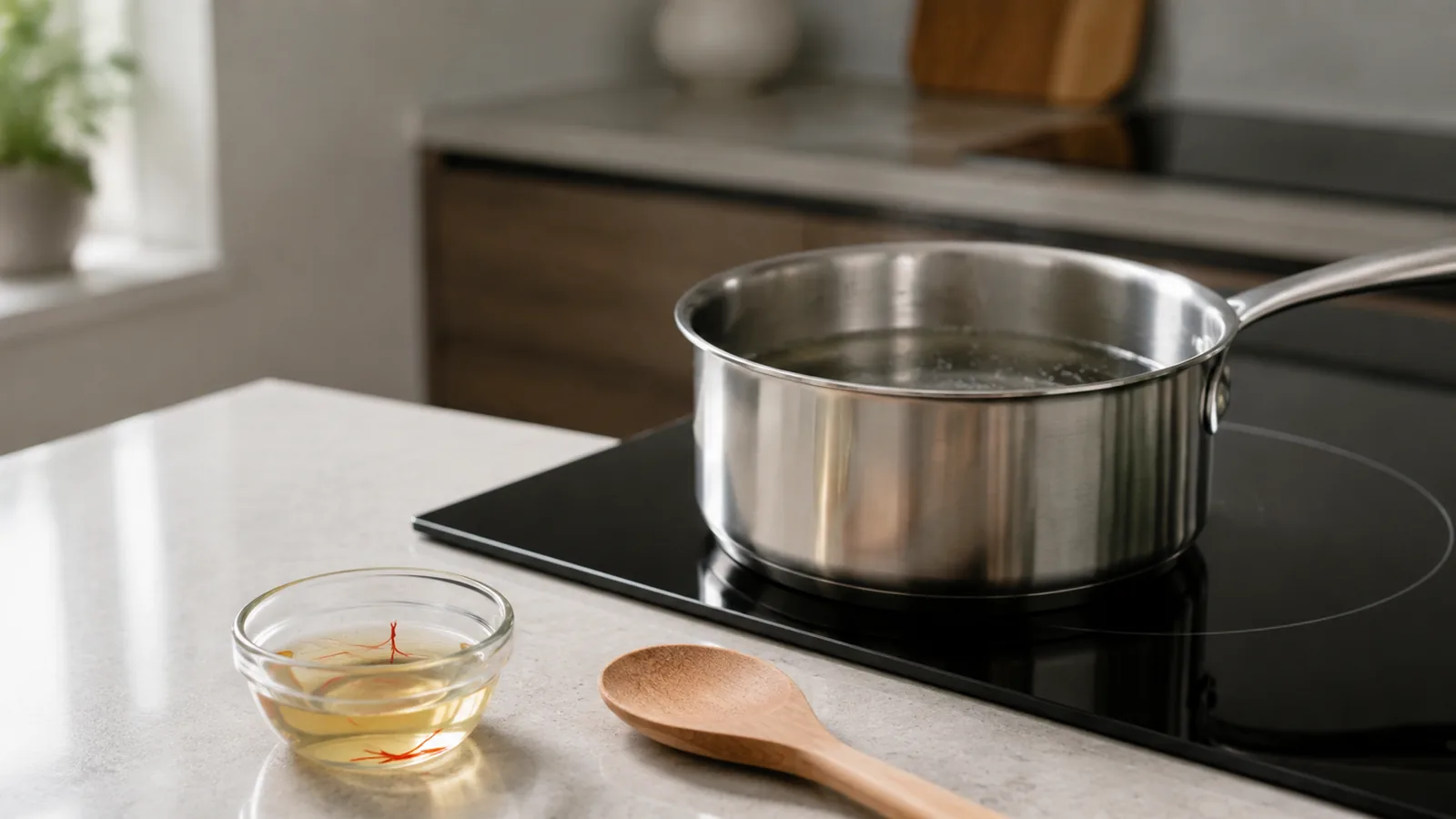
Buy a quantity you can store well, keep it airtight and protected from heat, light and moisture, and measure each recipe. Lightly crushing the required threads and steeping them in a small amount of warm water, stock or milk distributes a modest dose more evenly than adding an unmeasured dry bunch.
Judge value by the finished food as well as the sticker. Saffron that is measured, stored correctly and used in retained liquid may flavour many dishes from a small jar.
Conclusion
Saffron is generally the most expensive spice in the world by weight because three tiny stigmas per flower require an enormous flower harvest, fast manual separation, controlled drying and careful verification. Its exact rate moves, and high price alone does not prove quality. Compare the same weight and form, look for evidence behind the product, and remember that a normal dish uses only a small fraction of a gram.