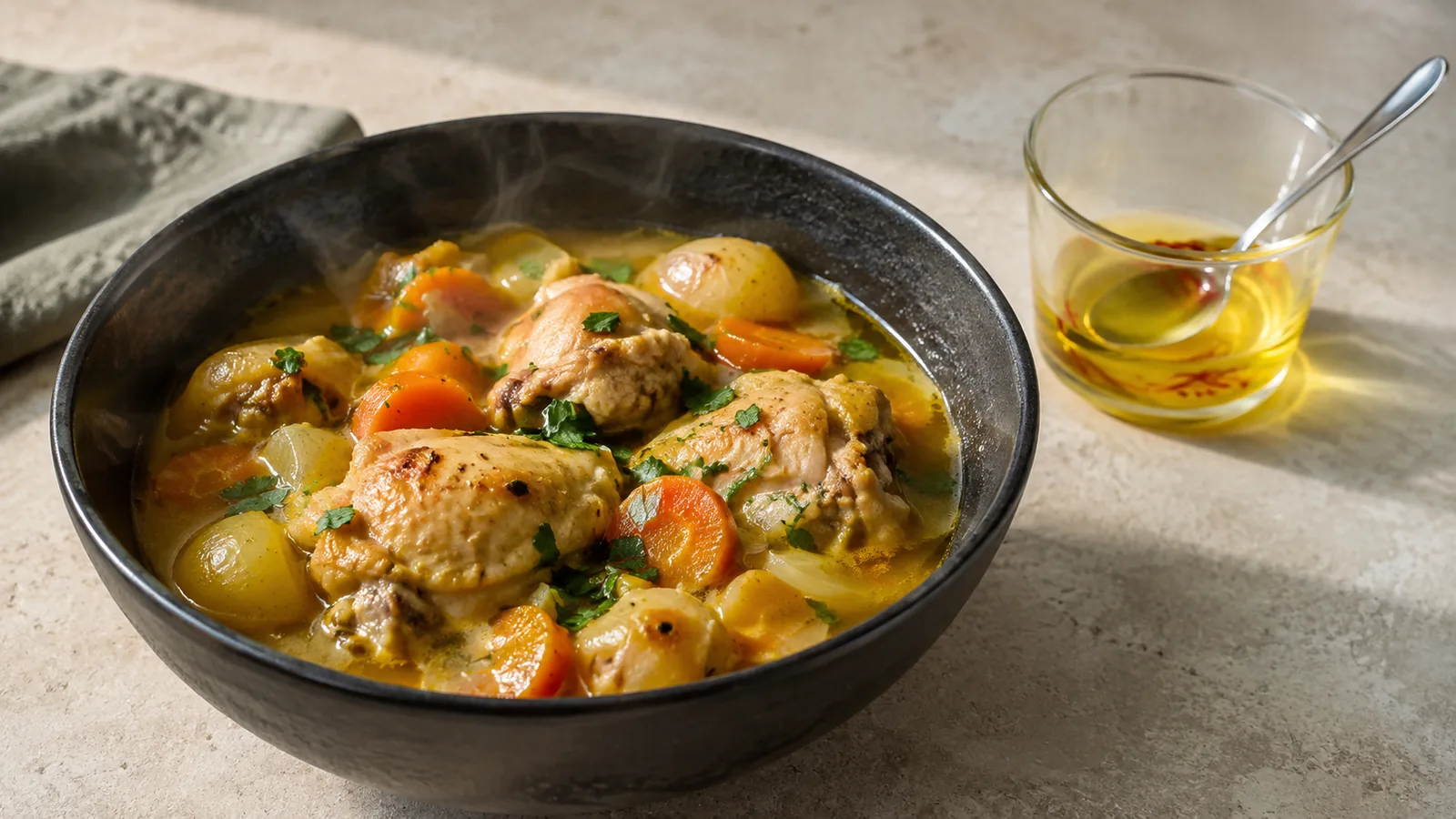
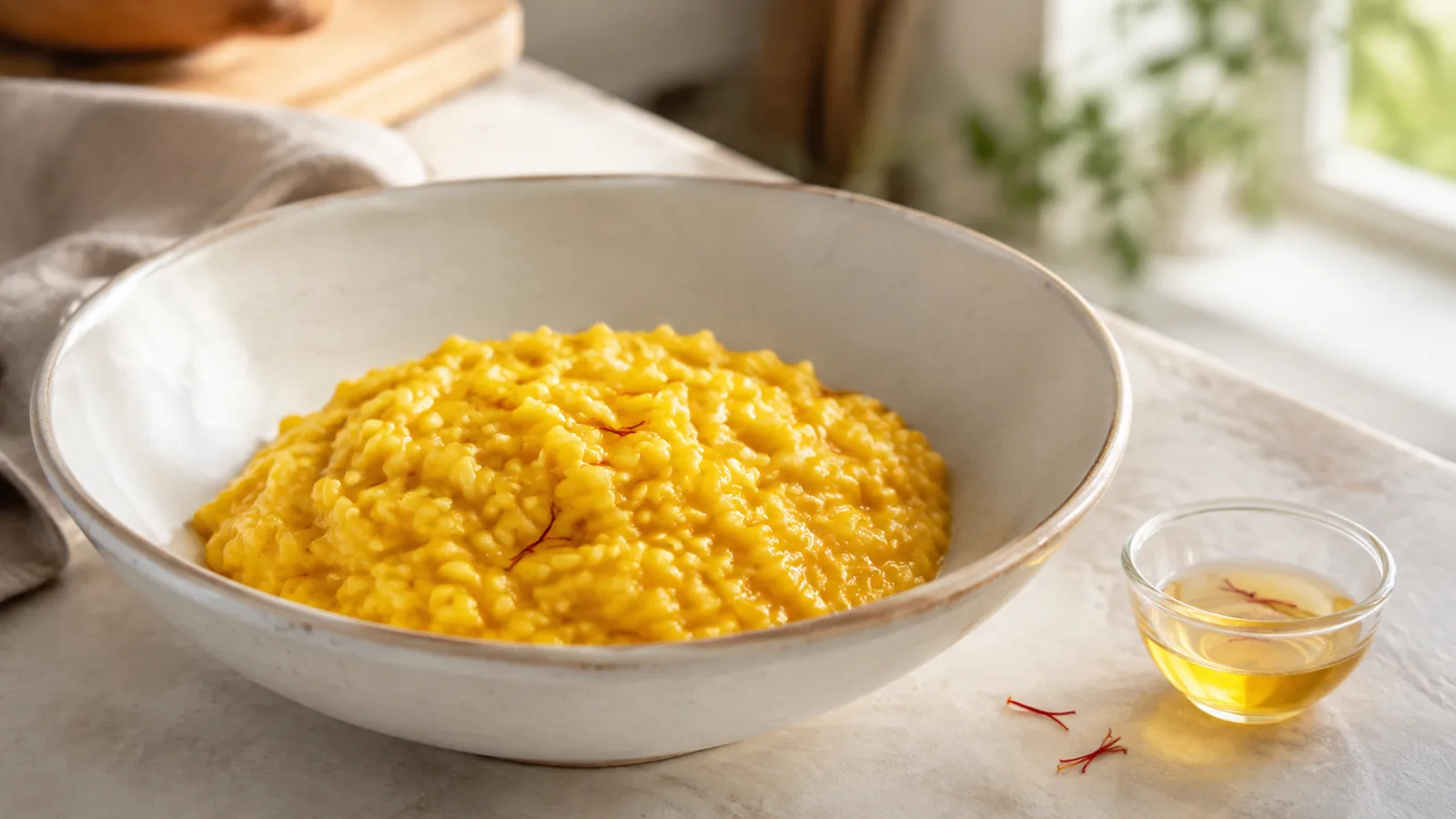
Yes, saffron can be good in chili, especially a mild chicken, turkey or bean chili where its aroma will not be buried. Saffron flavor in chili is delicate rather than hot: it adds a warm floral note, gentle bitterness and a golden tint. It is not traditional in most chili recipes, so use a small infusion and treat it as an experiment, not a required ingredient.
Using Saffron in Chili: Flavor Tips for Your Dish
Saffron is a versatile spice that can elevate many dishes, including chili. While not traditional, adding saffron to chili introduces a subtle aroma, a golden hue, and a delicate flavor that complements other spices in the dish. The result works best when the base is aromatic and rounded rather than extremely smoky or fiery.
A robust beef chili loaded with hot peppers, smoked paprika and dark roasted spices may overwhelm saffron. A white chicken chili, a light turkey chili or a tomato-and-bean version usually leaves it more room. If the finished pot already tastes complete, there is no need to add an expensive spice simply for novelty.
What Does Saffron Add to Chili?
Saffron does not make chili hotter. Capsaicin in chili peppers creates heat; saffron contributes aroma, colour and a faint earthy-floral bitterness. In a pale chili, its colour may be visible. In a dark tomato or red-pepper base, the colour is less obvious, though the aroma can still remain.
The spice can connect savoury ingredients with a slightly sweet background from onion, tomato or roasted pepper. It should sit behind the beans, vegetables and protein rather than make the dish taste perfumed.
How to Add Saffron to Chili
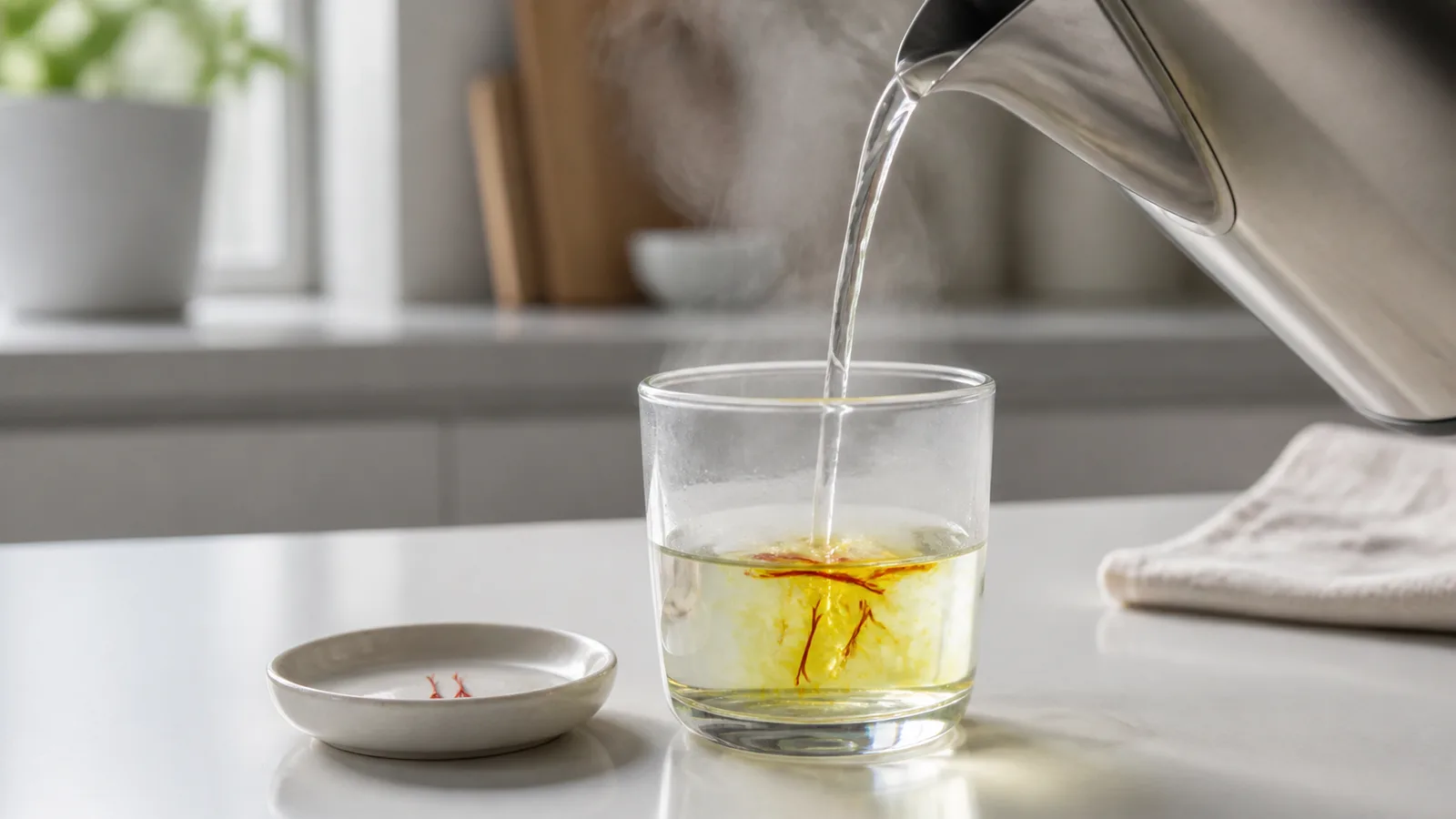
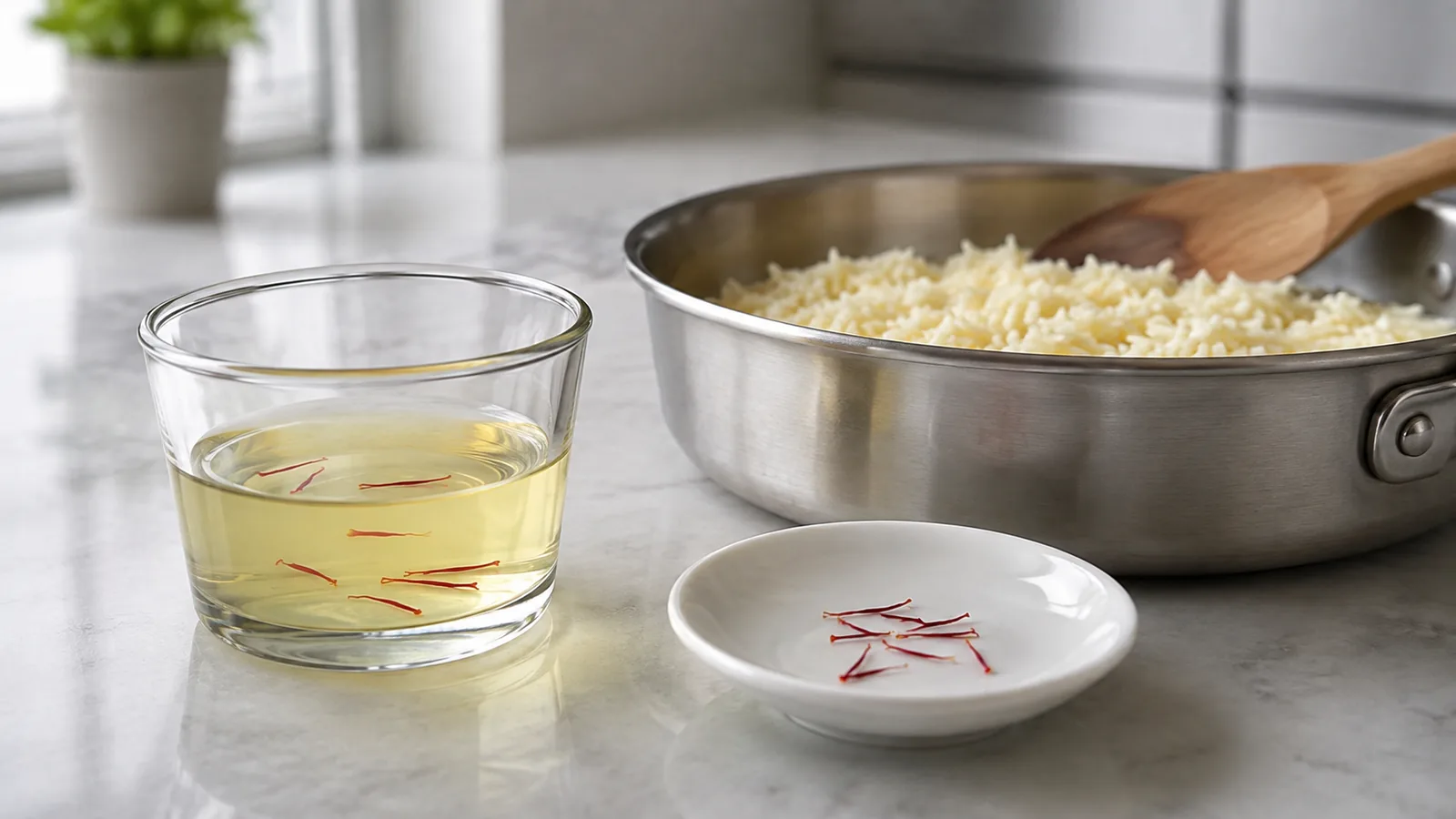
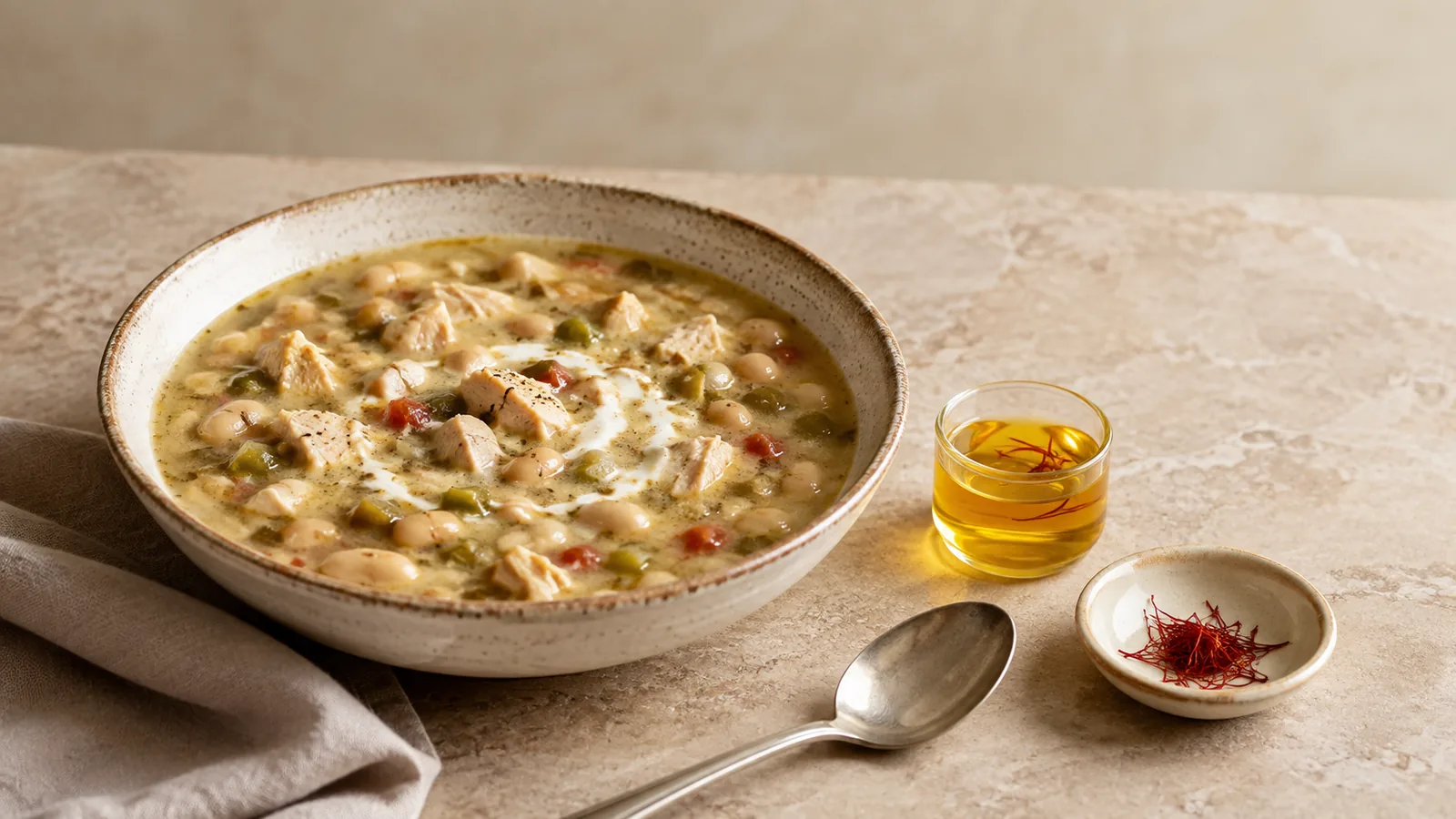
For best results, soak saffron threads in a small amount of warm water or broth for 10–15 minutes before adding them to your chili. This step helps release the color and flavor evenly throughout the dish. Crush the threads lightly first if you want faster, more even extraction.
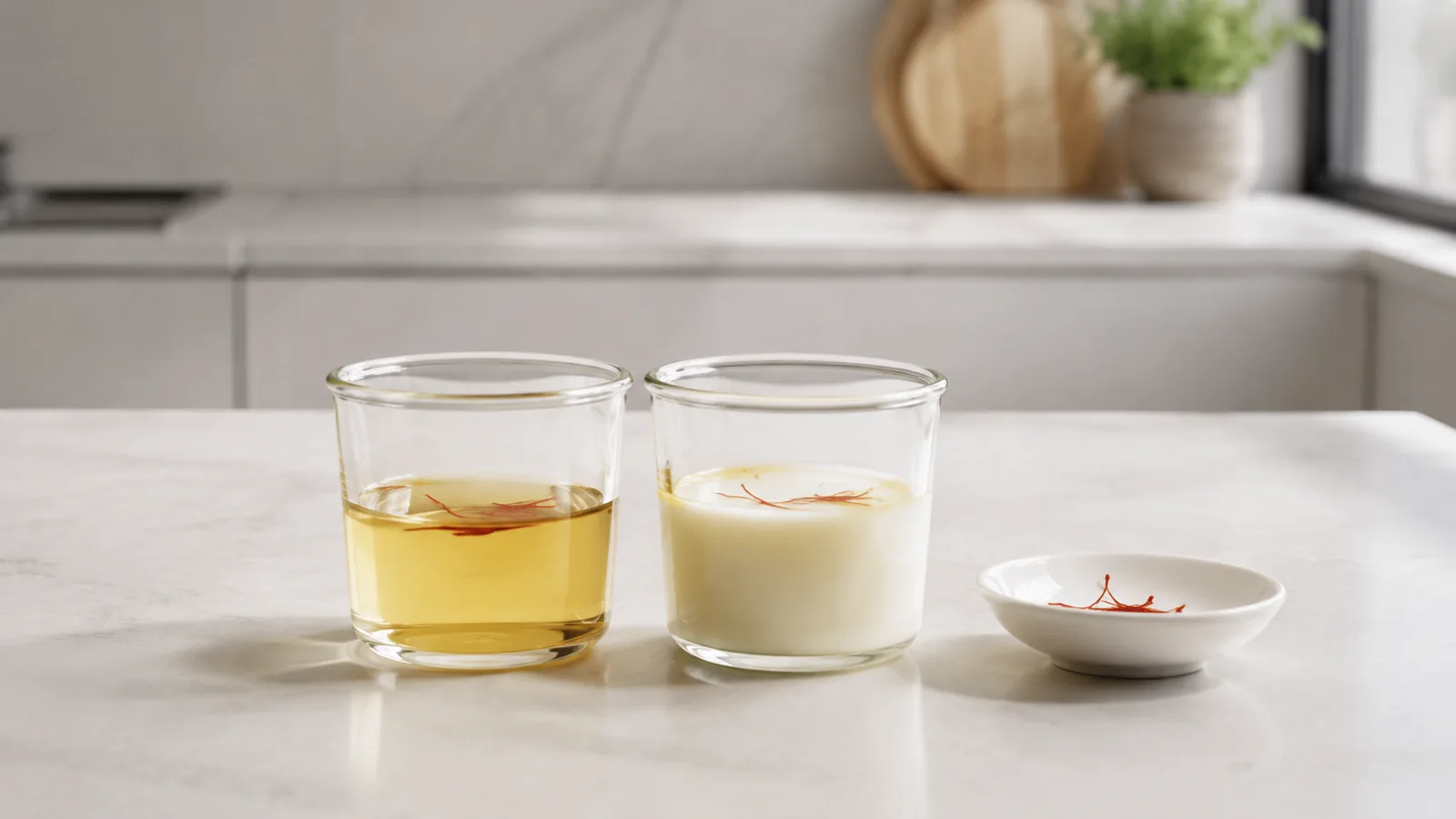
Use liquid already suited to the recipe. Warm chicken or vegetable broth works naturally in a savoury pot, while plain warm water avoids changing salt levels. The liquid should be warm rather than furiously boiling.
Start with a small pinch for a household pot. Saffron varies in strength and chili recipes vary in size, so taste before adding more. Too much can introduce bitterness without overcoming strong chilli heat.
Timing Matters
Add the saffron infusion during the last 10–15 minutes of cooking. Adding it too early can diminish its aroma and flavor. By incorporating it toward the end, the chili maintains its richness while absorbing saffron’s unique characteristics.
That timing assumes the beans, meat and vegetables are already tender. Stir the infusion through the whole pot, let it simmer gently, then taste after a few minutes. If the dish needs longer reduction, wait to add the saffron so its aroma is not exposed to unnecessary heat.
Flavor Pairings
Saffron pairs well with earthy ingredients like beans, peppers, and tomatoes, as well as protein options such as beef, chicken, or turkey. Combining saffron with these flavors adds depth and complexity without overpowering the traditional chili taste, provided the rest of the seasoning remains balanced.
Onion, garlic and mild sweet pepper are dependable partners. A little cumin can work, but a large amount may dominate. Coriander seed, oregano and black pepper should also be measured with restraint. For acidity, use tomato or a small finish of lime rather than enough sourness to flatten the aroma.
Cream, yoghurt or avocado can soften heat in a white or green chili and make saffron easier to notice. Add dairy according to the recipe and avoid boiling it hard after it goes in.
Which Type of Chili Works Best?
White chicken chili is the easiest match. Its pale broth lets the golden tint show, and chicken, white beans and mild green peppers do not automatically overwhelm the spice. Turkey chili can work for the same reason.
A vegetarian bean chili is another option when it uses sweet peppers, tomato and moderate seasoning. With a deep red beef chili, choose saffron only if the recipe is not dominated by smoke and intense heat. The more forceful the base, the less likely the extra cost will improve the bowl.
Chili the Stew versus a Chili Pepper
The word “chili” can mean a stew or the pepper itself. Saffron may be used in a chili-based stew, but it is not normally mixed with a raw hot pepper and eaten as a two-ingredient pairing. The surrounding broth, beans, vegetables or protein create the balance.
If you are cooking with very hot fresh peppers, build the dish first and taste its heat. A saffron infusion cannot cancel capsaicin. Reducing the pepper or adding an appropriate cooling ingredient is more effective than spending more saffron.
A Simple Test Before Seasoning the Whole Pot
When you are unsure, ladle a small portion of finished chili into a saucepan or heatproof bowl. Add a teaspoon of saffron infusion, wait a few minutes and taste it beside an untreated portion. This gives a direct comparison without risking the entire batch.
If the aroma disappears, the chili is probably too assertive for saffron. If it adds a pleasant lift, scale the infusion carefully to the remaining volume. Keep the control portion nearby so you can judge whether more is genuinely better.
Common Mistakes to Avoid
Do not scatter many dry threads into the pot and expect even flavour. Do not use saffron as a substitute for chilli pepper, paprika or turmeric; they have different roles. Avoid combining it with every strong spice in the cupboard, and do not judge quality only by how quickly the liquid turns yellow.
Another mistake is adding saffron before hours of simmering. The beans or meat may need that time, but the infusion does not. Prepare it near the end and add it once the main texture is right. For more detail, see how to add saffron to a dish.
Serving a Saffron Chili
Choose toppings that let the aroma remain noticeable. A spoonful of plain yoghurt, chopped mild herbs or a little fresh lime can work. Heavy smoked cheese, strong barbecue sauce or a mountain of raw onion may cover the subtle change you made.
Serve the chili warm and compare the first aroma with the flavour after a few bites. Saffron should make the bowl more interesting, not announce itself as a separate perfume.
Conclusion
Using saffron in chili can provide a subtle but sophisticated enhancement in color, aroma, and taste. Bloom a small pinch in warm water or broth, add it during the last 10–15 minutes, and favour a mild chicken, turkey or bean recipe over an intensely smoky pot. For whole threads suited to careful cooking, the original all red saffron page remains available.