Is saffron good for weight loss? It is not a proven way to lose weight. The best pooled evidence in adults with overweight or obesity found no statistically significant reduction in body weight, BMI, waist circumference, or hip circumference from saffron supplements. Some individual trials have reported changes in appetite or snacking, but those findings do not show that saffron tea or a pinch used in food burns fat.
Saffron can still fit into a balanced eating pattern. It adds a strong aroma and colour with very little energy when used as a spice, and unsweetened saffron tea can replace a higher-calorie drink. Those are practical food choices, not a metabolic shortcut.
Can saffron help with weight loss in that supporting role? Possibly, if it makes a nutritious meal enjoyable or replaces a sugary drink. That is different from causing the weight loss itself.
What does research on saffron and weight loss show?
A 2022 systematic review and meta-analysis of 25 randomised trials examined saffron in people with overweight or obesity. The pooled differences in body weight, BMI, waist circumference, and hip circumference were not statistically significant. It reported a change in waist-to-hip ratio, but the authors also highlighted variation among studies and the need for stronger evidence.
That result is more useful than selecting one positive experiment. Trials use different people, durations, doses, and products: whole saffron, crocin, or standardised extracts are not interchangeable. Even when a study detects a modest change, it may not be large enough to matter to an individual, and it does not establish long-term weight maintenance.
An earlier meta-analysis of nine articles reported a small average reduction in waist circumference, while finding no significant change in HbA1c. Different reviews can reach different conclusions because their included trials and populations differ. That uncertainty is exactly why saffron should not be marketed as a reliable weight-loss aid.
Does saffron reduce appetite?
There is limited evidence that particular saffron or crocin supplements may affect appetite or dietary intake in some groups. One small trial involved 84 adults with coronary artery disease and tested 30 mg per day of saffron extract or crocin for eight weeks. Appetite and energy intake changed in the intervention groups, but the result came from a defined clinical population and a measured extract; see the trial record.
That study does not answer whether ordinary saffron reduces appetite in everyone. It also cannot tell us that a homemade cup of tea suppresses cravings. Appetite is shaped by sleep, medication, stress, food availability, meal composition, and many other factors.
What about cravings and emotional eating?
The idea that saffron prevents emotional eating is often linked to simplified claims about serotonin. Human mood biology is more complicated than “more serotonin means fewer snacks,” and saffron has not been proven to switch off emotional eating. If stress or low mood is driving eating that feels difficult to control, the useful response is support for that cause, not a stronger spice extract.
Does saffron boost metabolism or burn fat?
There is no good clinical evidence that culinary saffron meaningfully raises resting metabolism or makes the body burn fat faster. Terms such as “thermogenic,” “metabolism booster,” and “fat-burning spice” should not be treated as established effects. The pooled result showing no significant weight change is inconsistent with the claim that saffron reliably accelerates fat loss.
A calorie deficit remains relevant to weight loss, but it should come from an eating pattern that is nutritious and realistic enough to maintain. The US National Institute of Diabetes and Digestive and Kidney Diseases explains that a sustainable healthy eating plan and physical activity support weight loss and maintenance. No spice replaces those foundations.
Saffron tea and weight loss
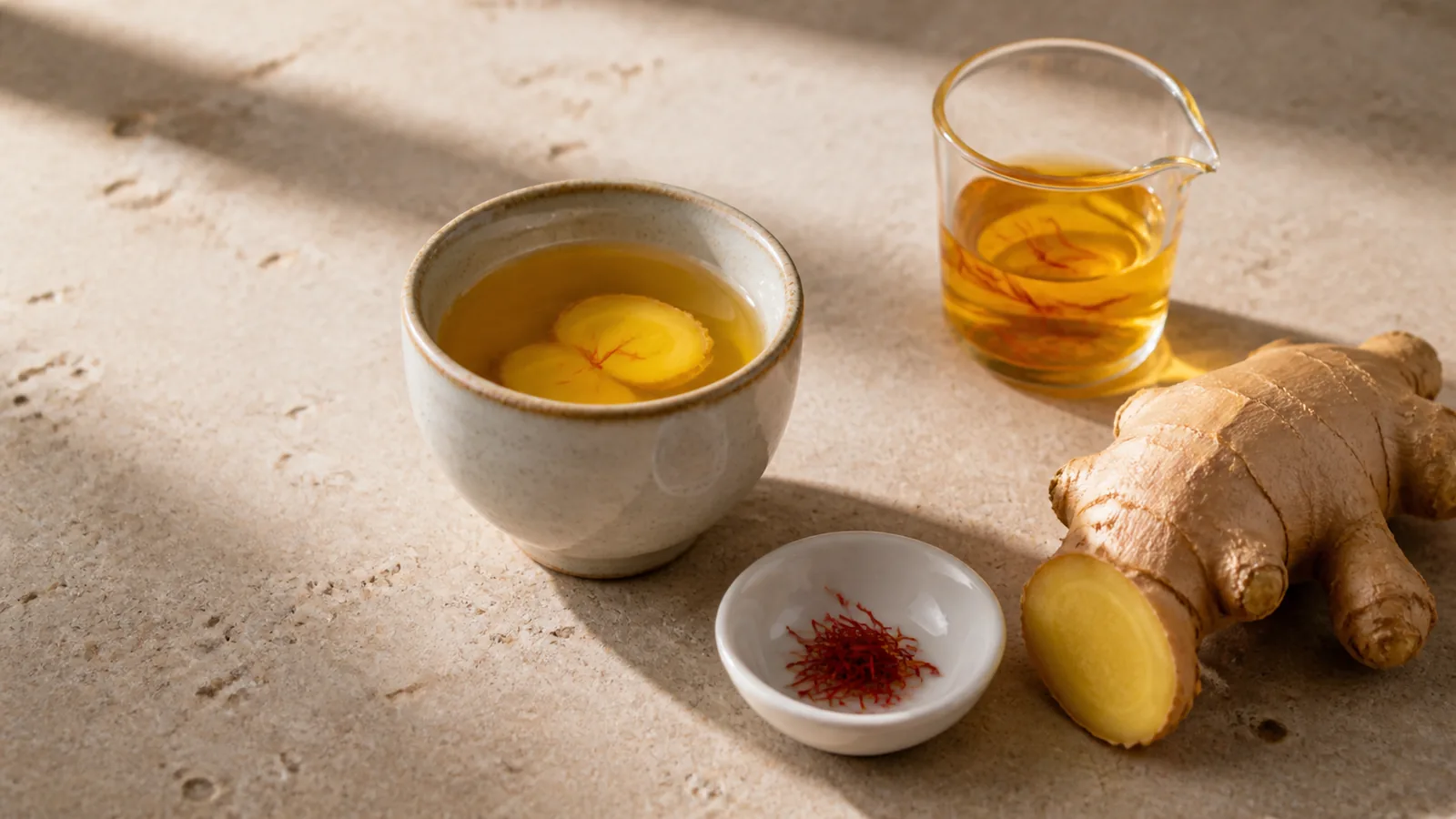
Unsweetened saffron tea is a low-calorie drink. If it replaces a sugary coffee, soft drink, or heavily sweetened tea, the substitution can reduce energy intake. The benefit comes mainly from what the drink replaces, not from saffron melting body fat.
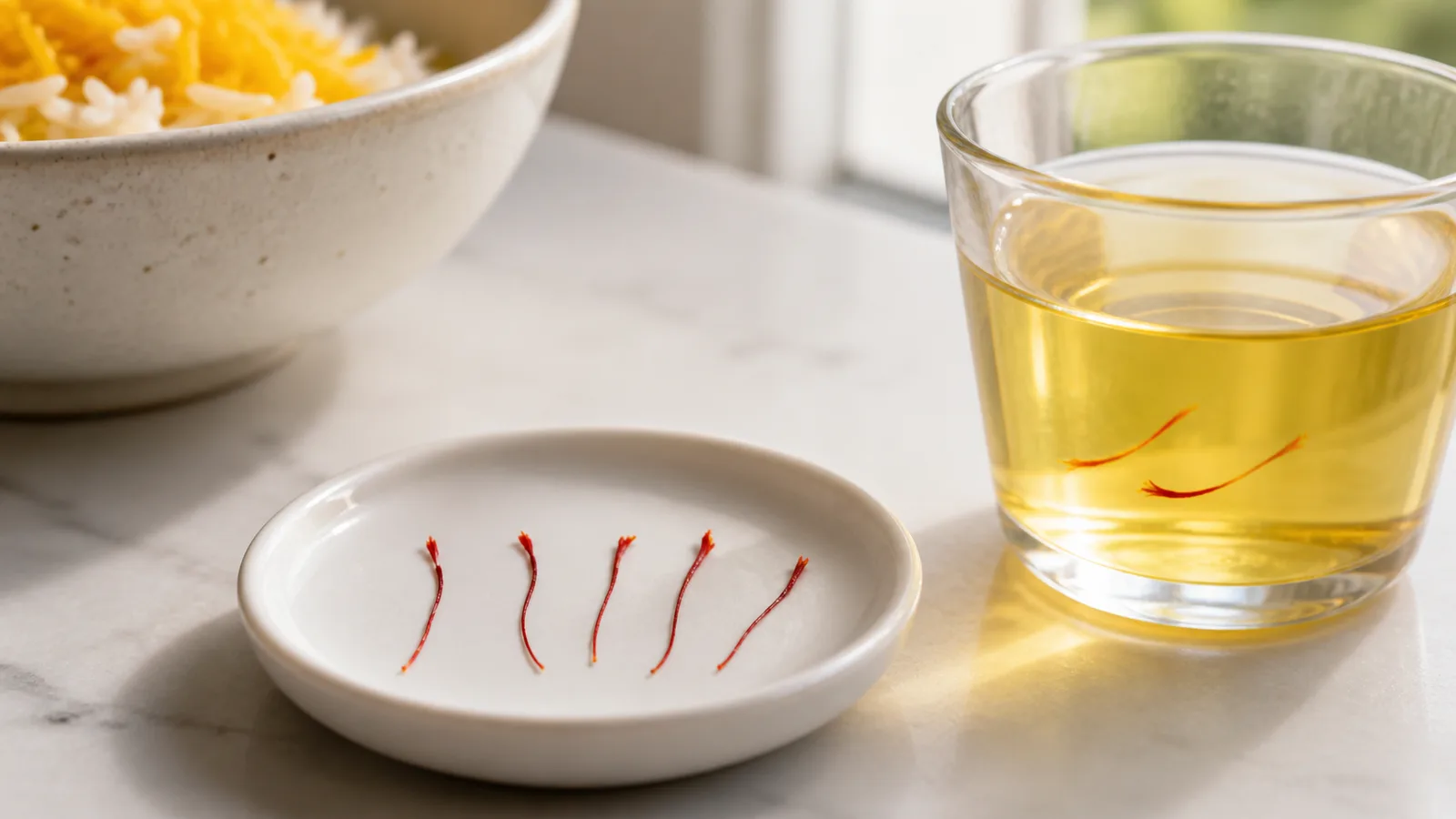
To make it, steep a few genuine saffron threads in hot water for 5 to 10 minutes. Lemon, ginger, or cinnamon can add flavour. Honey is optional and contributes calories, so measure it rather than assuming every “natural” addition is irrelevant to a weight-loss plan.
Searches for saffron tea weight loss and saffron tea and weight loss often lead to before-and-after promises. A homemade infusion has not been tested as equivalent to the standardised extracts used in supplement trials. Drink it because you enjoy it or because it helps replace a higher-calorie beverage.
How to use saffron for weight loss safely
There is no evidence-based saffron weight-loss schedule. If you want to include the spice while working on your weight, use it as food:
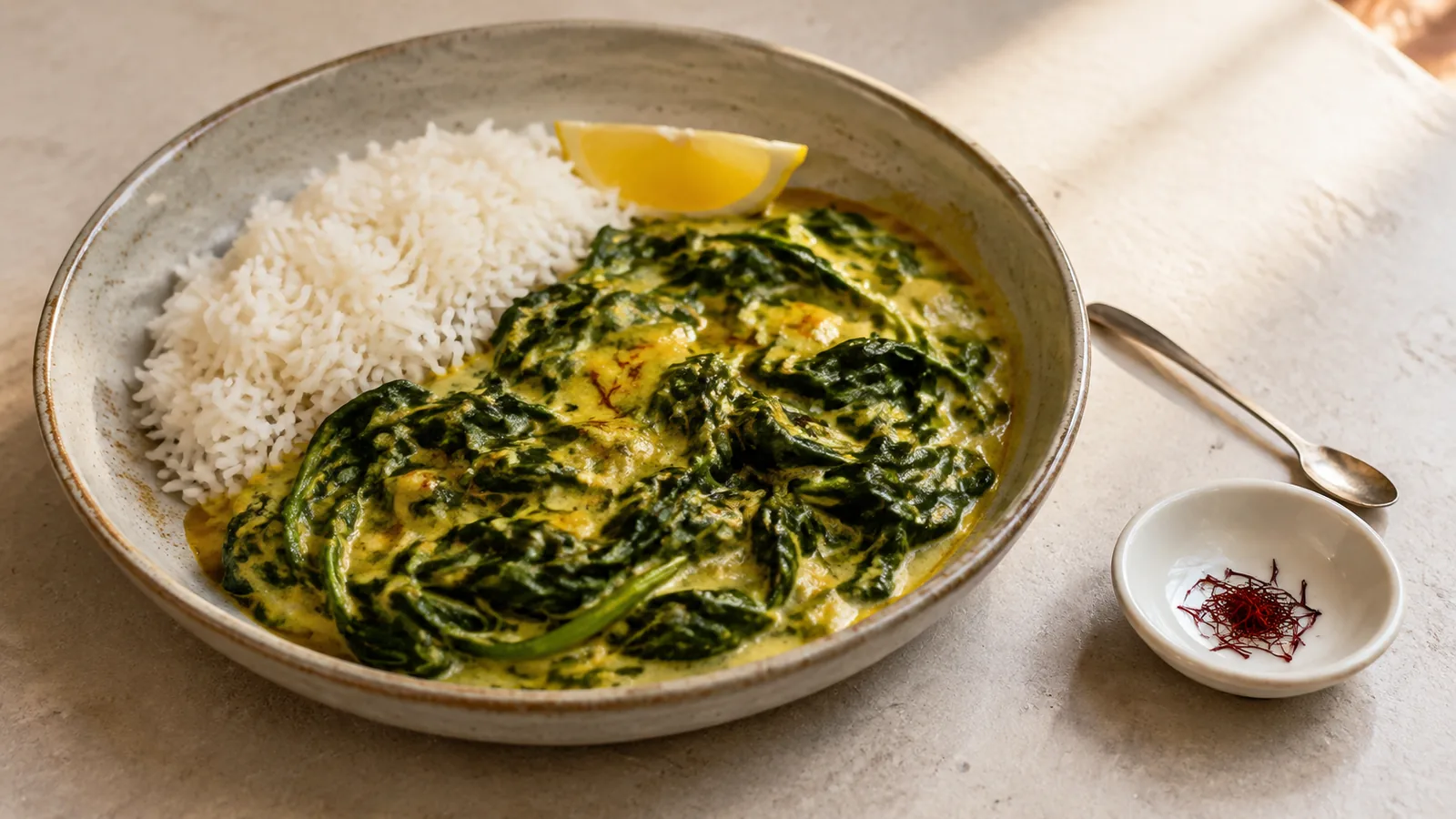
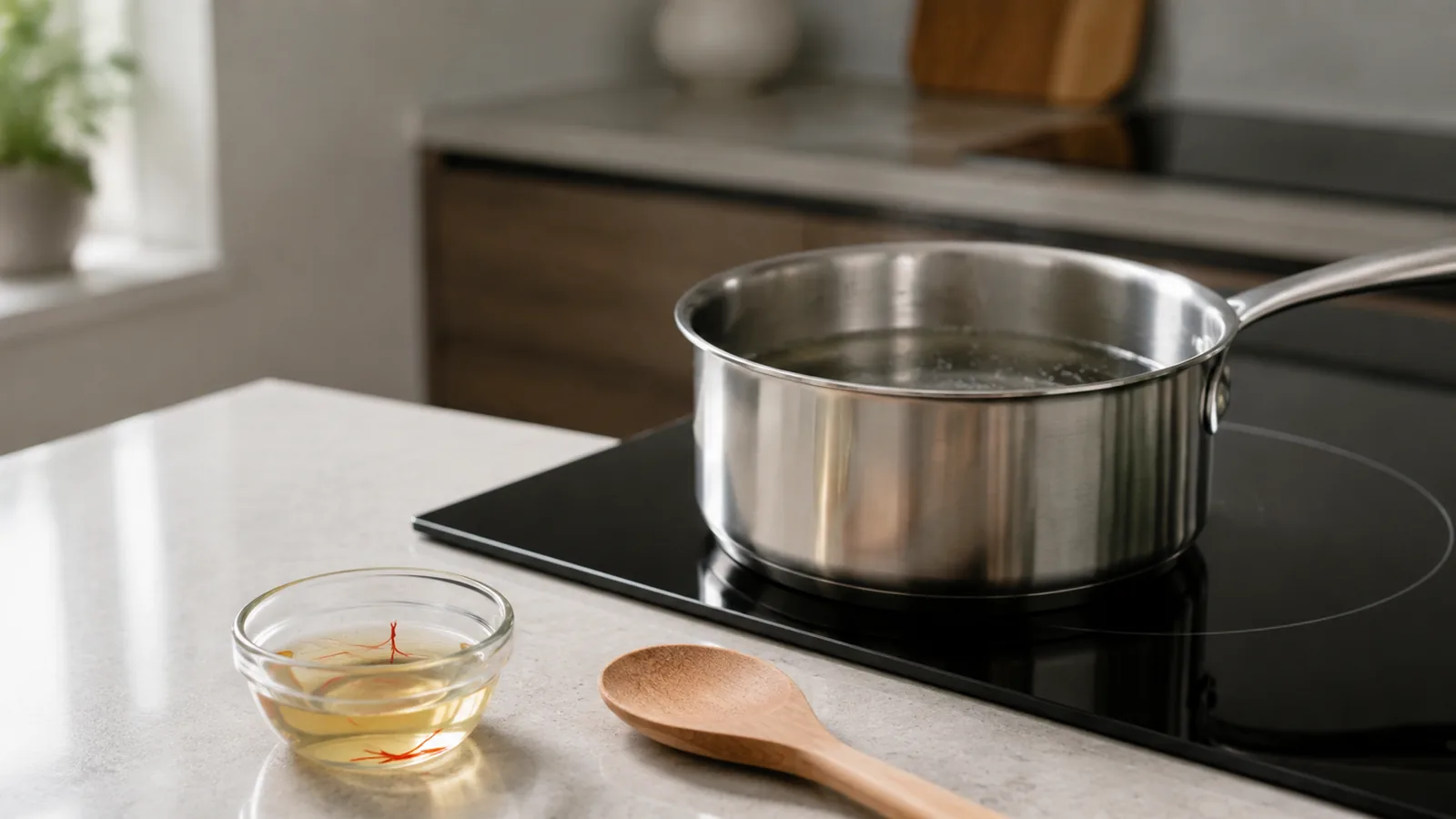
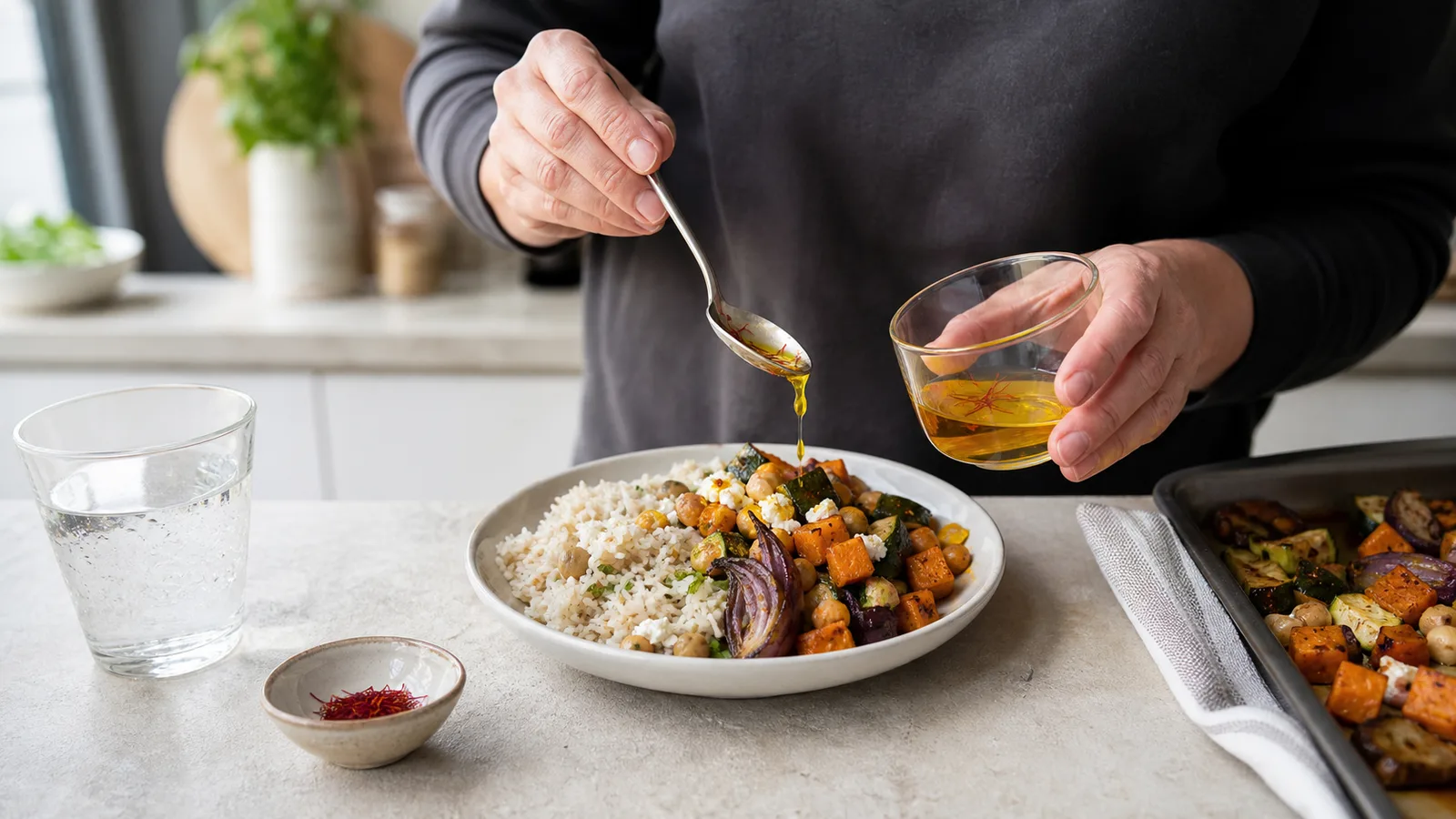
- Bloom a few threads in warm water, then add them to vegetables, beans, soup, stew, or a modest serving of rice.
- Use the aroma to make a simple meal satisfying without relying on a heavy sauce.
- Choose unsweetened saffron tea when it genuinely replaces a higher-calorie drink.
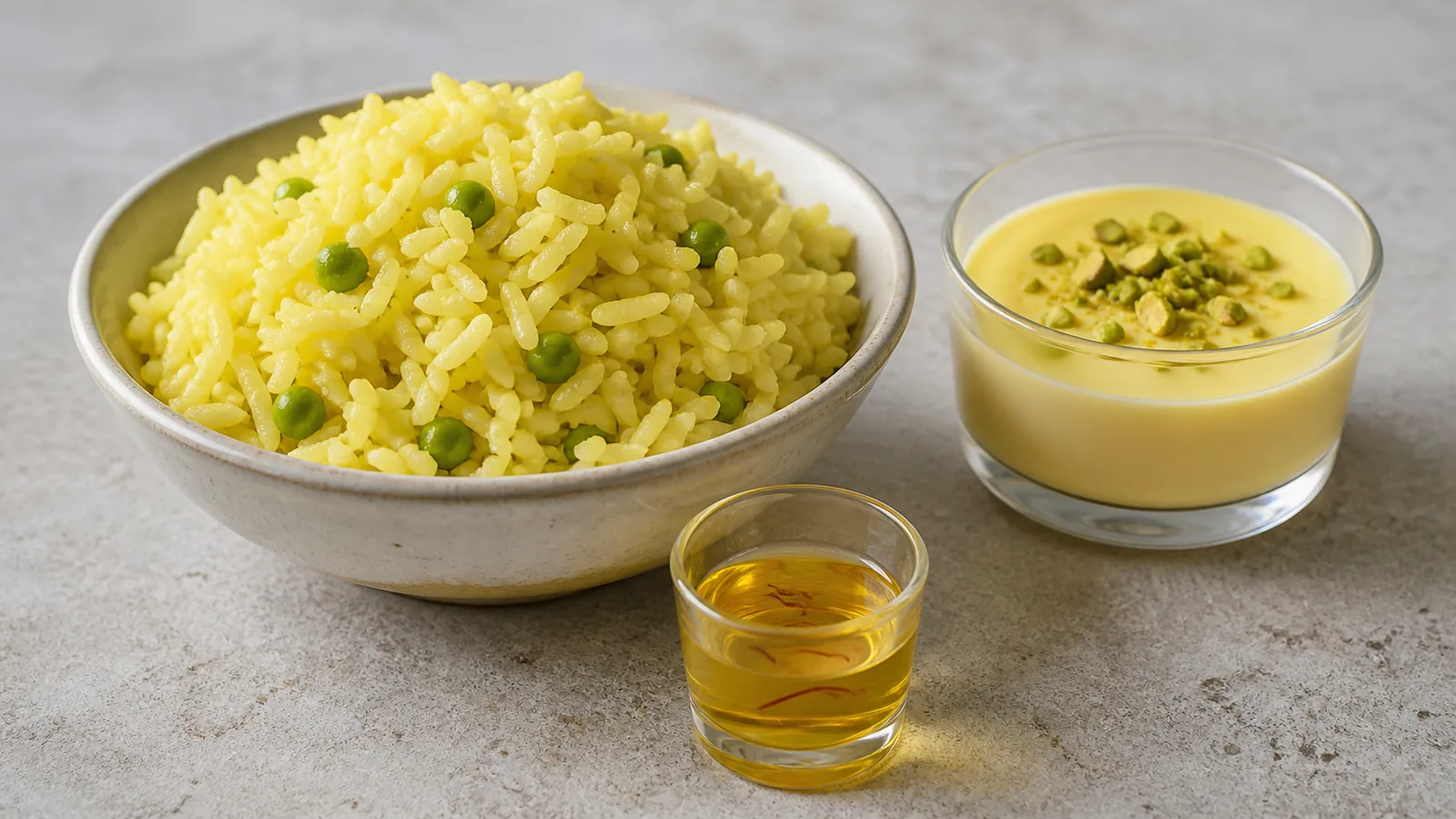
- Keep an eye on the complete recipe; saffron does not cancel calories from sugar, cream, butter, or a large portion.
This is the honest way to use saffron to lose weight: as one flavouring inside a broader plan, not as the active cause of weight loss. It can support an enjoyable eating pattern, but it does not guarantee a calorie deficit or a particular result.
Does saffron extract help you lose weight?
A saffron extract is more concentrated than a culinary infusion, and supplement formulations differ. “Clinically studied” on a label may refer to one branded formulation, one dose, and one group of participants; it does not validate every capsule. Current evidence does not justify replacing established weight-management care with saffron extract.
If you are looking for how to use saffron extract to lose weight, there is no standard schedule supported by reliable pooled results. Follow neither a trial dose nor an influencer’s capsule plan without individual medical advice.
A recent review of saffron research and safety stresses that outcomes depend on dose, preparation, duration, and population. Supplements may also be inappropriate in pregnancy or alongside some medicines. Speak with a clinician or pharmacist before using a concentrated product, especially if you have diabetes, heart disease, a history of disordered eating, take regular medication, or are preparing for surgery.
A better way to judge a weight-loss claim
Before buying any product sold as saffron for weight loss, ask four questions:
- Was the claimed outcome actual body weight, or only appetite, a laboratory marker, or waist-to-hip ratio?
- Was the result statistically significant and large enough to matter?
- Was the tested formulation the same as the product being sold?
- Did the study last long enough to tell us anything about maintaining the change?
If those details are missing, claims about saffron benefits for weight loss or “saffron benefits for weight reduction” are marketing phrases, not results you can rely on.
The bottom line
Can saffron help you lose weight? It may make healthy food more enjoyable and an unsweetened infusion can be a useful drink swap. Research on appetite is interesting but limited, while pooled trials do not show significant reductions in weight or BMI. Saffron is therefore an optional flavour, not a fat burner or stand-alone treatment.
If you want threads for tea or cooking, you can browse our saffron product range. Use them for flavour and build weight goals around evidence-based nutrition, movement, sleep, and professional support when needed.