Kashmir is where some of the world’s most sought-after saffron is grown, but being close to the fields does not make genuine saffron a cheap spice. The Kashmiri saffron price may be lower at a trustworthy local source than after export, packaging and international shipping, yet the underlying crop is still costly to produce.
So, is saffron cheap in Kashmir? Usually not in the everyday sense of the word. A suspiciously low offer deserves the same scrutiny there as it would anywhere else.
What determines the cost of saffron in Kashmir?
The price changes with the harvest, grade, thread condition, seller and quantity. Comparing two offers only makes sense when the products are genuinely comparable. Whole red stigmas, broken threads and powder do not have the same value, and a retail jar cannot be compared fairly with a larger wholesale lot.
The harvest is almost entirely manual
Each Crocus sativus flower carries three stigmas. The flowers open during a short season and are picked by hand, after which the delicate stigmas must be separated and dried. That concentration of work into a narrow harvest window is one reason saffron remains expensive even at its origin.
Yield changes from year to year
Weather, field conditions and the success of the flowering season affect the amount available. When the crop is smaller, local supply can tighten even if demand remains strong. A buyer visiting Kashmir is therefore not guaranteed the same price in every place or season.
Grade and usable red material matter
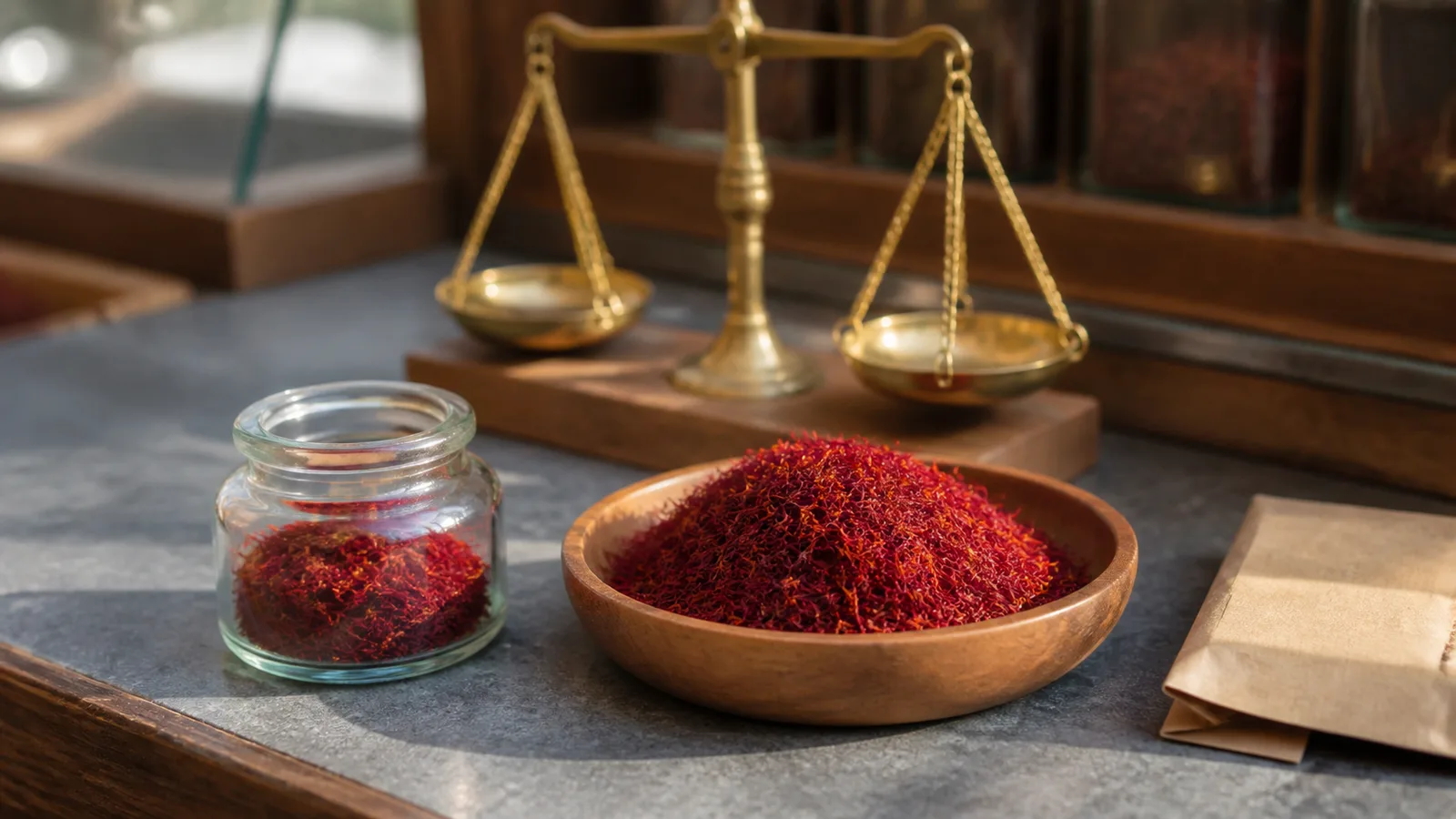
A packet containing long, deep-red stigmas with little yellow style material generally commands more than a mixed or broken product. Colour strength, aroma and careful drying also influence what a seller can charge. These qualities cannot be judged from colour alone, but they explain why two packets labelled “Kashmiri saffron” may have very different prices.
Can it cost less near the source?
It can. Buying close to producers may remove some distributor, export and overseas fulfilment costs. Larger quantities may have a lower price per gram, too. Neither point makes the crop inherently inexpensive. Retail presentation, certification, seller reputation and testing can add legitimate costs, while an informal offer may provide less traceability.
Currency conversion also makes casual comparisons misleading. Check the price per gram in the same currency, note the quantity in the packet, and compare like with like. A small jar can appear affordable while carrying a higher per-gram price than a larger package.
Why an unusually cheap price is a warning
Low price does not prove that saffron is fake, but a figure far below comparable offers can signal adulterated or diluted powder, dyed fibres, excess yellow style or a product from another origin. “Kashmiri” should describe a verifiable origin, not merely a colour or marketing style.
Before buying, look for:
- a clearly stated net weight and price, so the per-gram cost can be calculated;
- whole threads that can be inspected rather than an unidentified powder;
- specific origin and producer or seller information;
- a sealed package with lot or traceability details where available;
- a seller who explains grade and testing without promising miracles.
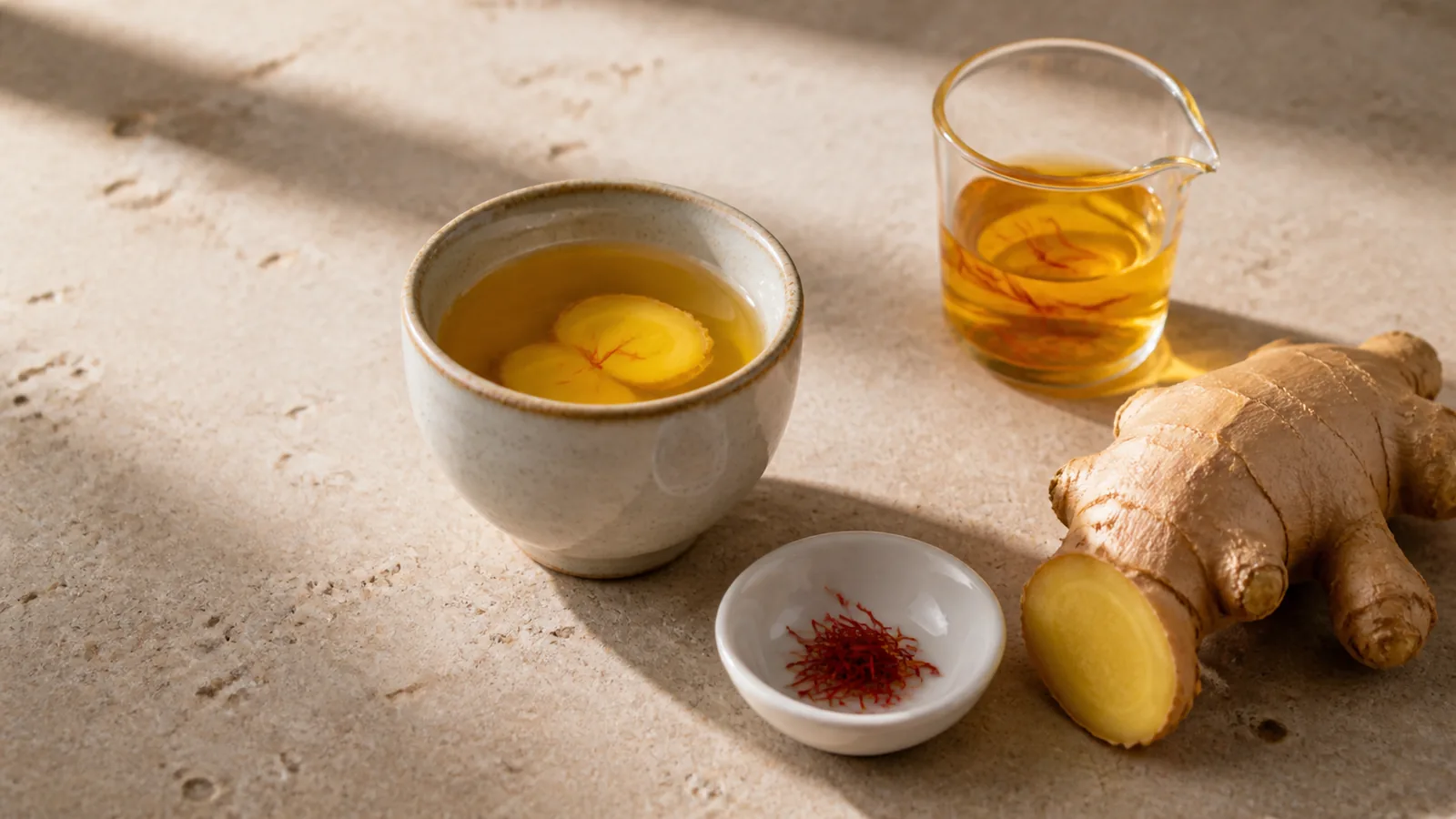
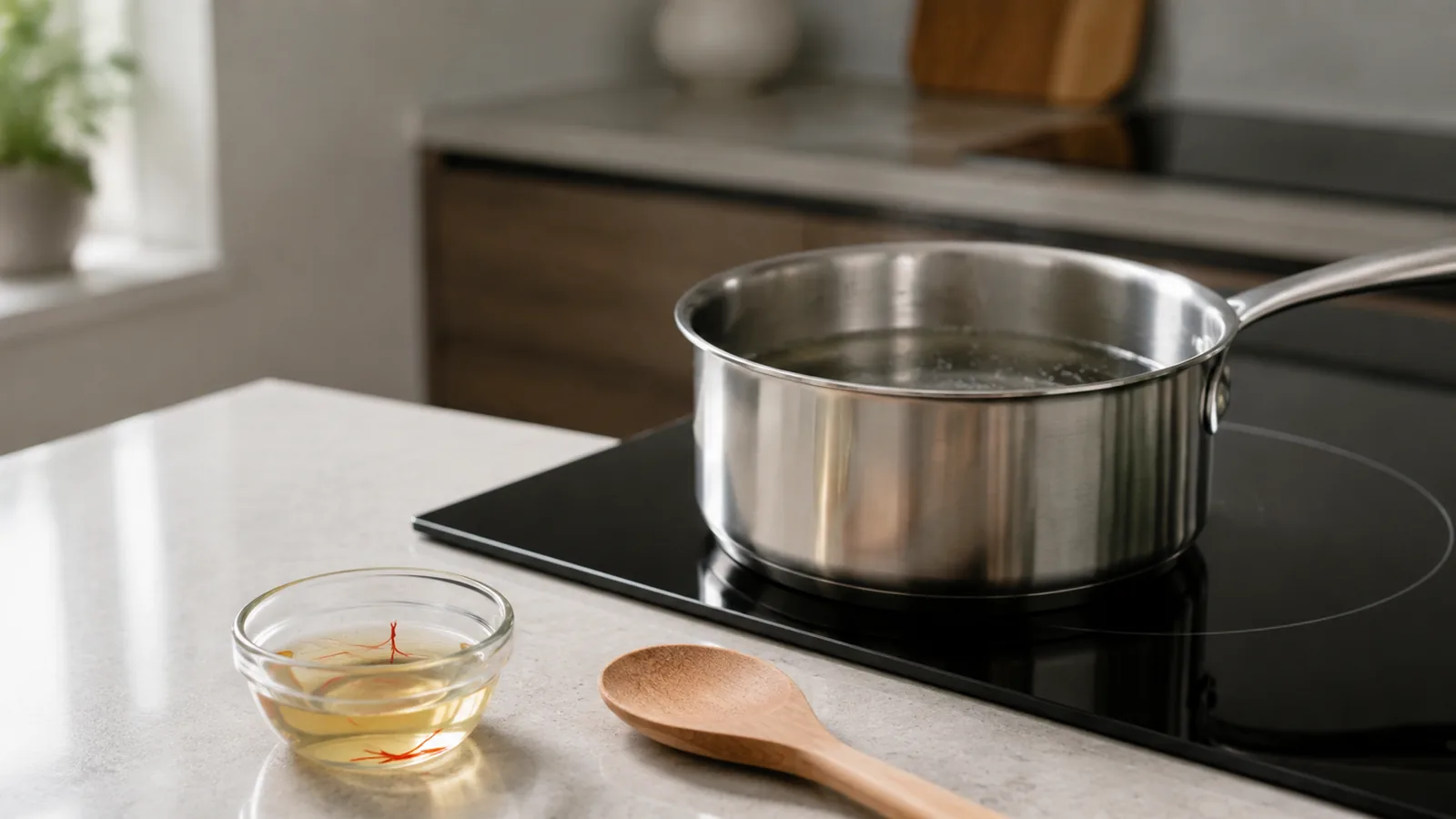
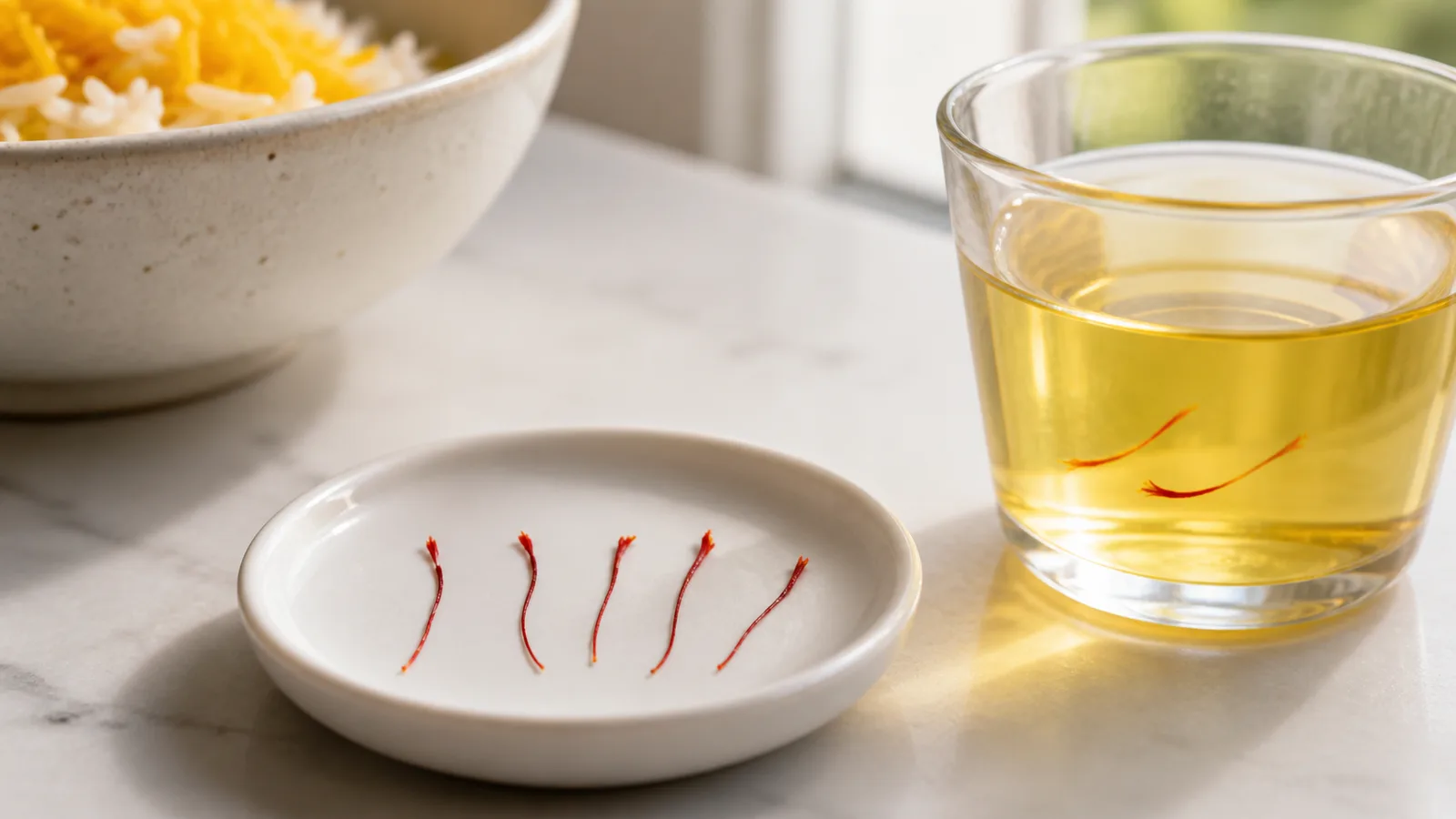
At home, genuine threads should release a golden-yellow colour gradually when bloomed in warm water. That simple observation can reveal some crude substitutes, but it is not a laboratory authentication test and does not establish geographic origin.
Is the highest price always the best?
No. A premium can reflect good raw material and responsible handling, but it can also reflect elaborate packaging or retail positioning. The useful question is whether the seller can explain what you are paying for. Inspectable threads, origin information, sensible storage and consistent quality are more informative than luxury language.
The same restraint applies to claims about crocin content. Laboratory results can help compare colour strength when the method and batch are identified. A bare number in an advertisement, without a report or context, should not be treated as proof.
How to compare Kashmiri saffron prices fairly
- Convert every offer to a price per gram.
- Separate whole red threads from lower grades, mixed material and powder.
- Account for tax, shipping and currency conversion.
- Check whether origin and batch information are available.
- Buy a modest quantity first when the supplier is unfamiliar.
Online prices also change, so an old article or screenshot is not a reliable quotation. Use it to understand the market, then verify the seller’s current price and terms before purchasing.
The practical answer
Kashmiri saffron may be more economical near its source, particularly when bought directly and in a sensible quantity, but authentic high-grade material is not normally cheap. Hand harvesting, variable yields, careful drying and limited supply still shape the cost of saffron in Kashmir. A fair price is one you can compare per gram and connect to a clearly described, traceable product.
For buyers outside the region, our saffron products show the available formats and current prices directly. Judge the product itself rather than assuming that the lowest or highest number automatically represents the best value.