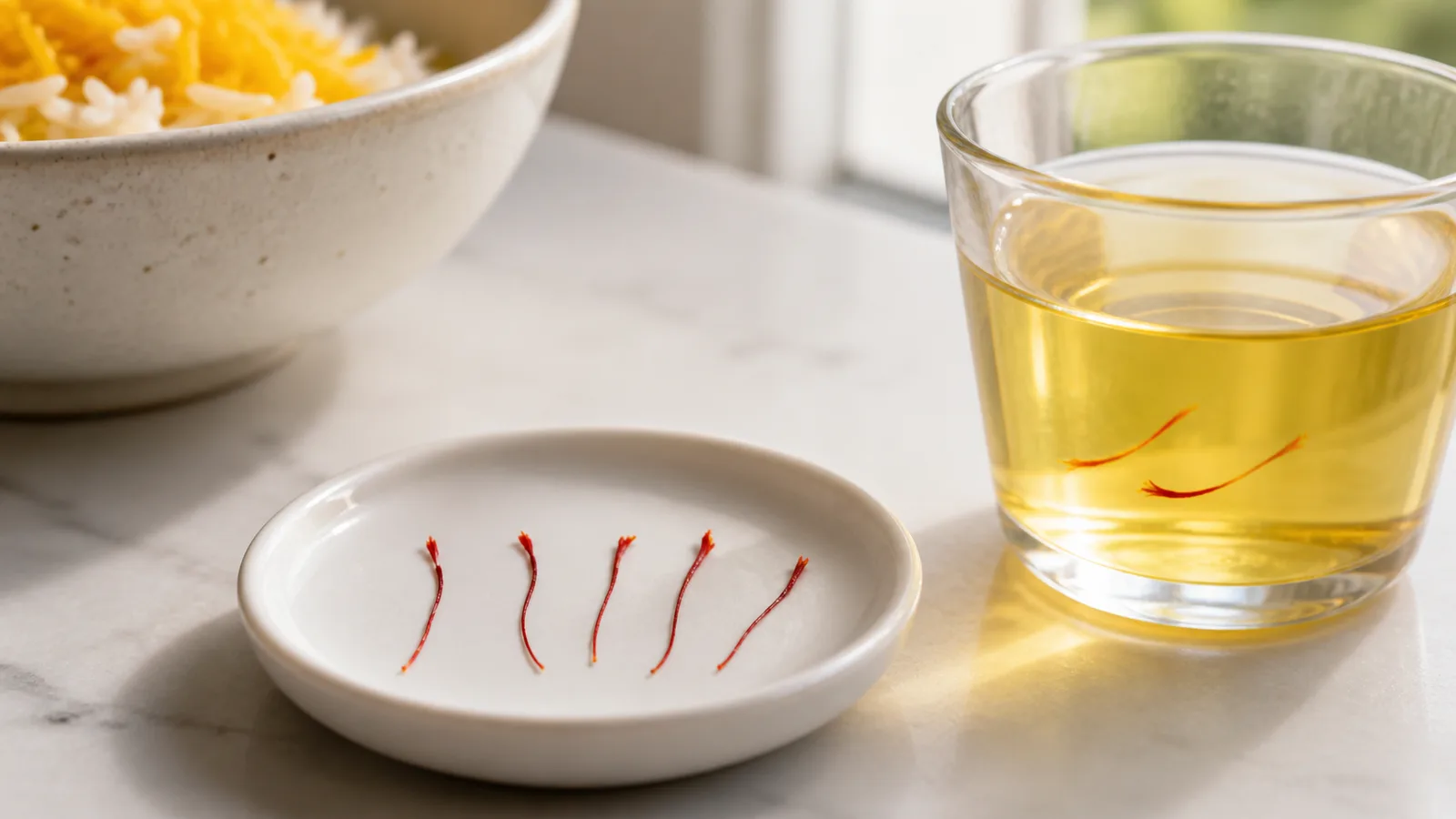
Yes—saffron is a culinary luxury, but it is a practical one. It costs more per gram than familiar spices because each flower yields only three usable red stigmas and almost every stage requires careful hand work. Yet a dish needs only a small pinch, so genuine saffron can still be affordable per serving.
What makes saffron a luxury ingredient?
A luxury ingredient is usually scarce, difficult to produce, distinctive in use and valued beyond basic necessity. Saffron fits that description. Its aroma, golden colour and measured bitterness cannot be reproduced simply by adding more of an inexpensive yellow spice.
The phrase saffron luxury can describe two things: the underlying cost of a labour-intensive crop and the way a seller presents it. The first is real. The second varies. A beautiful gift box may feel luxurious, but packaging alone does not prove that the threads inside are fresh, authentic or high grade.
Three stigmas make every gram labour-intensive
Saffron comes from the autumn-flowering Crocus sativus. Each flower carries three red stigmas, and those delicate parts become the spice after separation and drying. Flowers are picked during a short bloom, then the stigmas must be removed without bringing too much yellow style or other plant matter into the finished lot.
University of Vermont Extension estimates that about 150–170 flowers are needed for one gram of dried saffron. A pound therefore represents many tens of thousands of flowers. Machines can help with some field and processing work, but harvesting and separating such small, fragile material still demand concentrated labour.
Drying reduces the harvested stigmas to a stable, saleable thread. If it is rushed or poorly controlled, aroma and appearance can suffer; if the product retains too much moisture, storage becomes riskier. The price pays for loss of weight as well as the work done before a jar reaches the buyer.
Is saffron rare because it grows in only three countries?
No. Iran, India and Spain are famous saffron origins, but they are not the only places where Crocus sativus can grow. Greece, Afghanistan, Morocco, Italy and smaller emerging regions also cultivate it, and trial plots exist much farther afield.
Commercial success is more demanding than getting a few flowers to bloom. A grower needs suitable corms, well-drained soil, a workable seasonal pattern, labour at harvest, careful drying and a route to market. Scale, skill and consistency matter. The crop is geographically selective, but “only three countries can grow saffron” would be too strong.
Iran remains the world’s largest producer. The UN Food and Agriculture Organization’s account of the Gonabad Qanat-based saffron farming system identifies Iran as producing more than 90% of the world’s saffron. Kashmir in India, La Mancha in Spain and Kozani in Greece have their own strong regional identities and can command premium prices.
Why chefs treat saffron as special
Luxury gourmet saffron is not valuable merely because it is expensive. In the kitchen, a modest infusion can perfume and colour an entire dish. The pleasure comes from recognising the ingredient rather than displaying a large quantity.
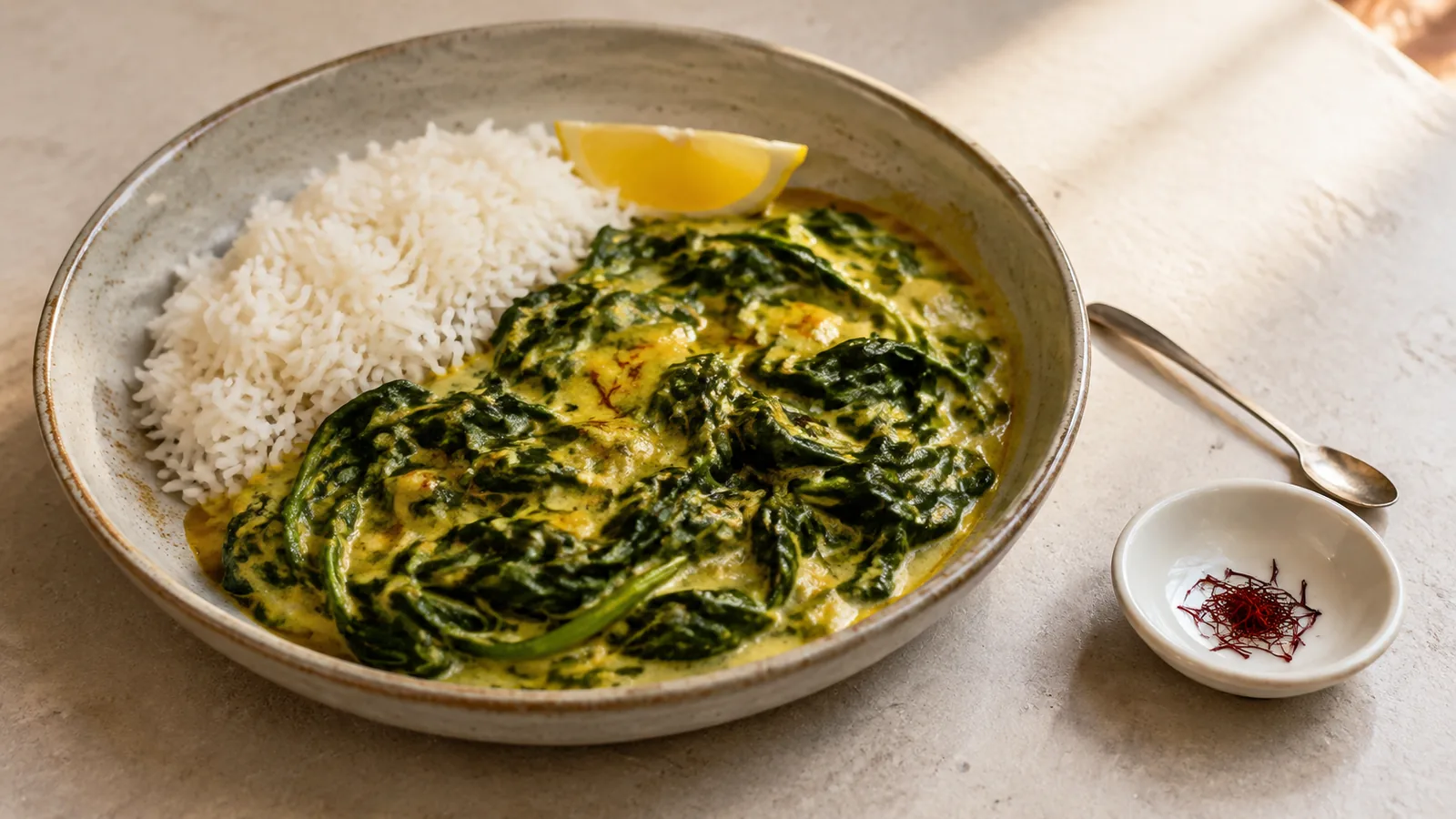
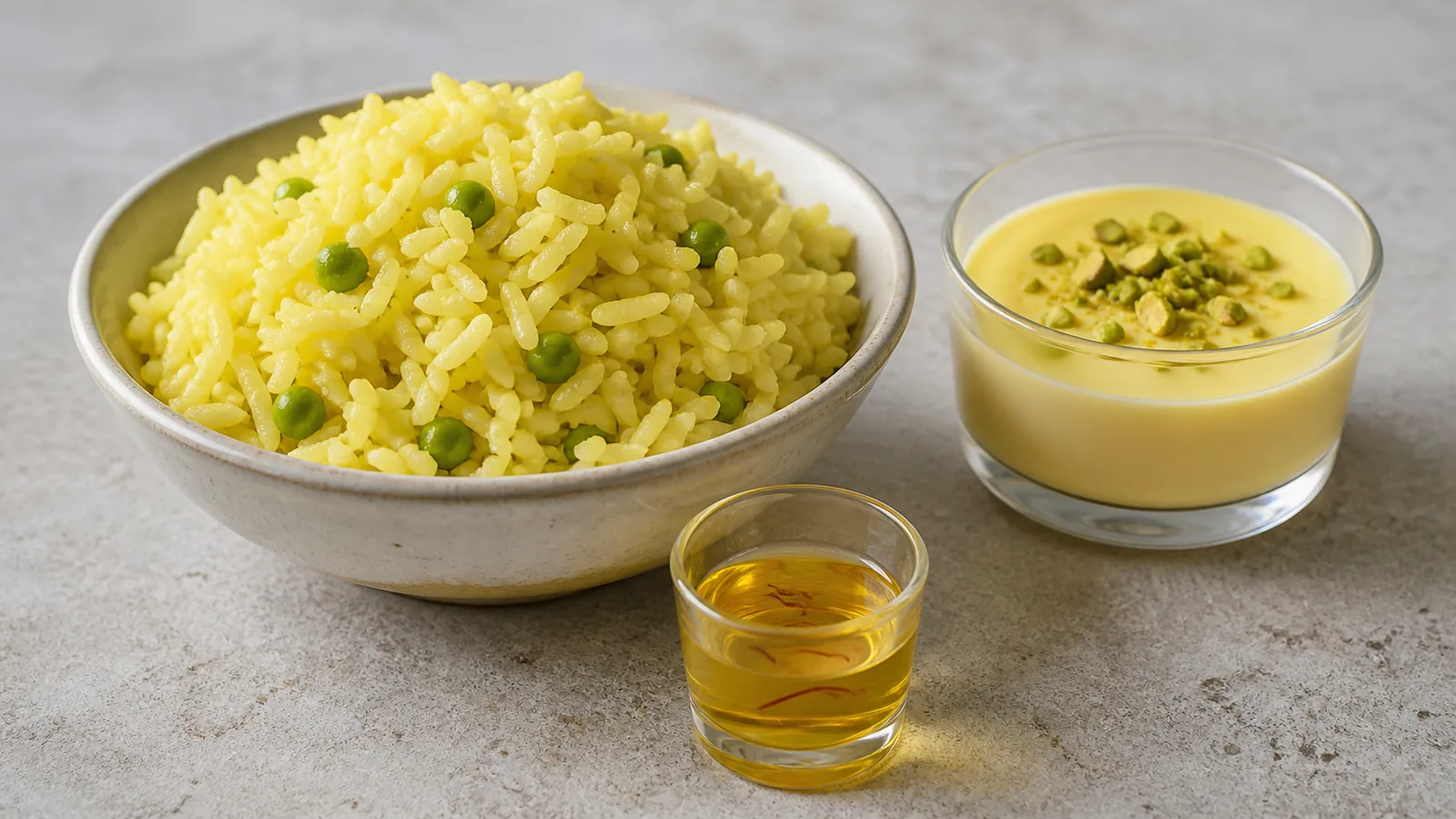
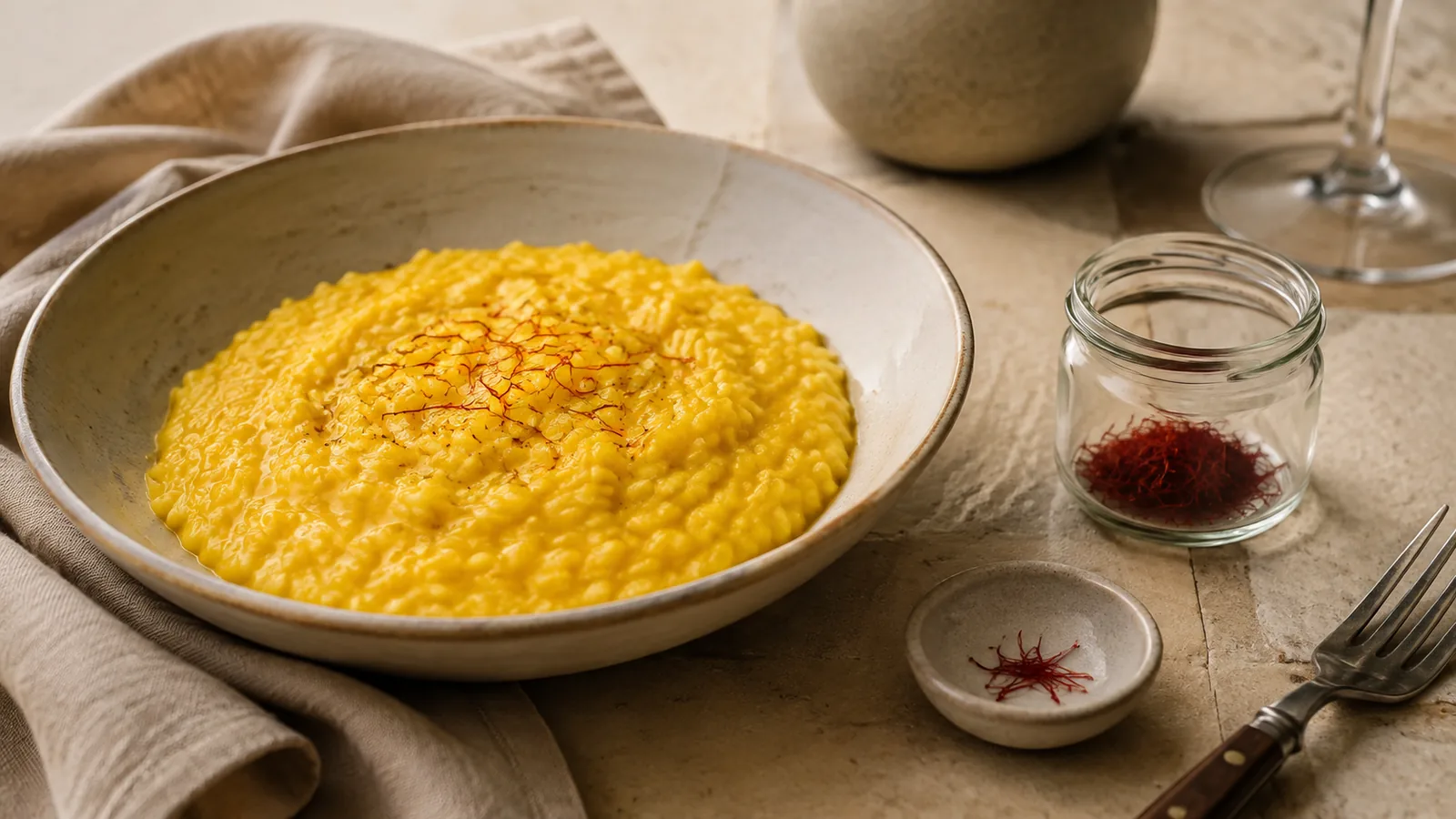
In risotto alla milanese, saffron gives the rice its warm colour and distinctive aroma. In paella, it belongs with the stock and other savoury ingredients rather than sitting on top as decoration. It can also bring depth to milk desserts, breads, syrups, ice cream and delicate sauces.
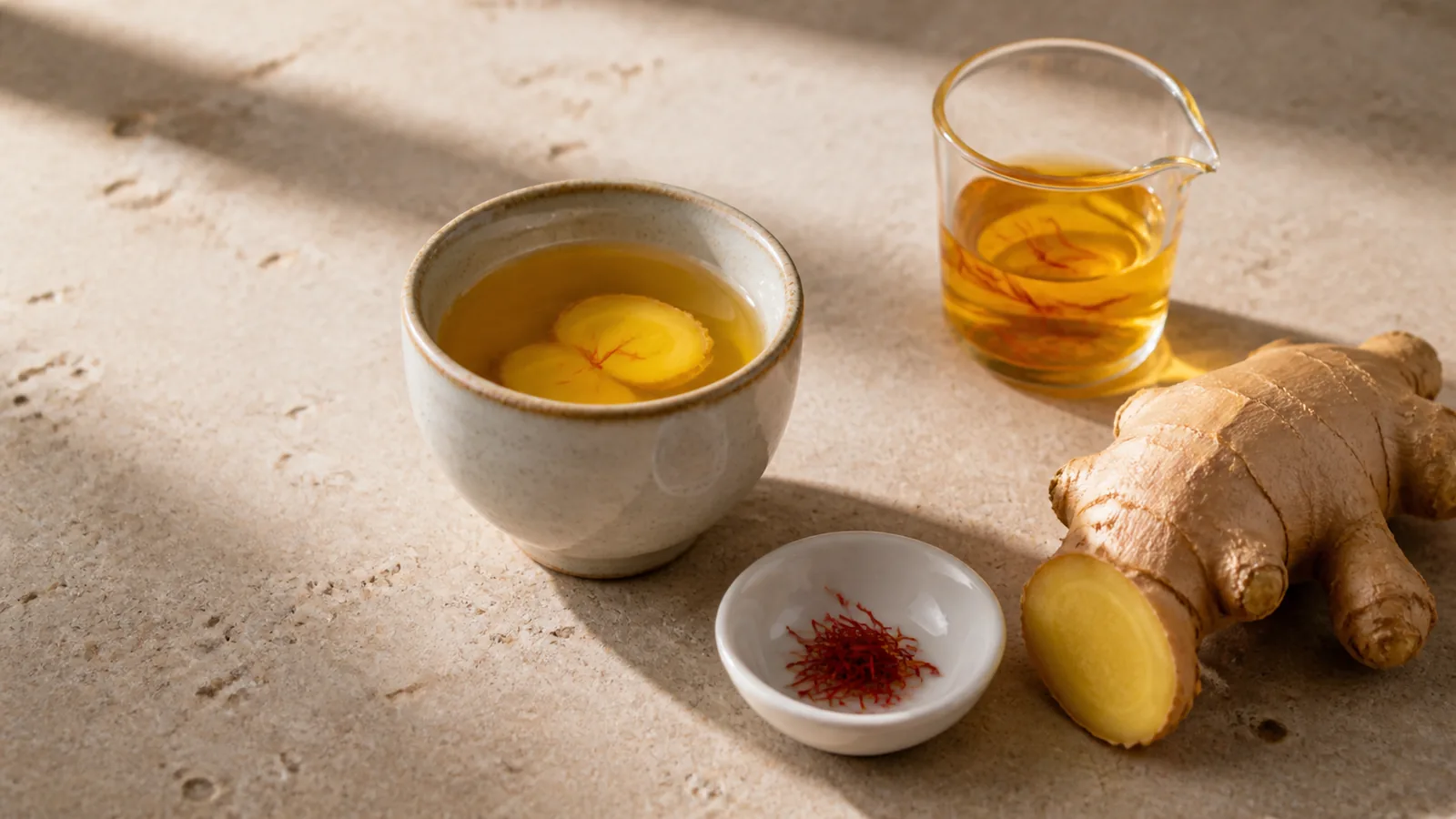
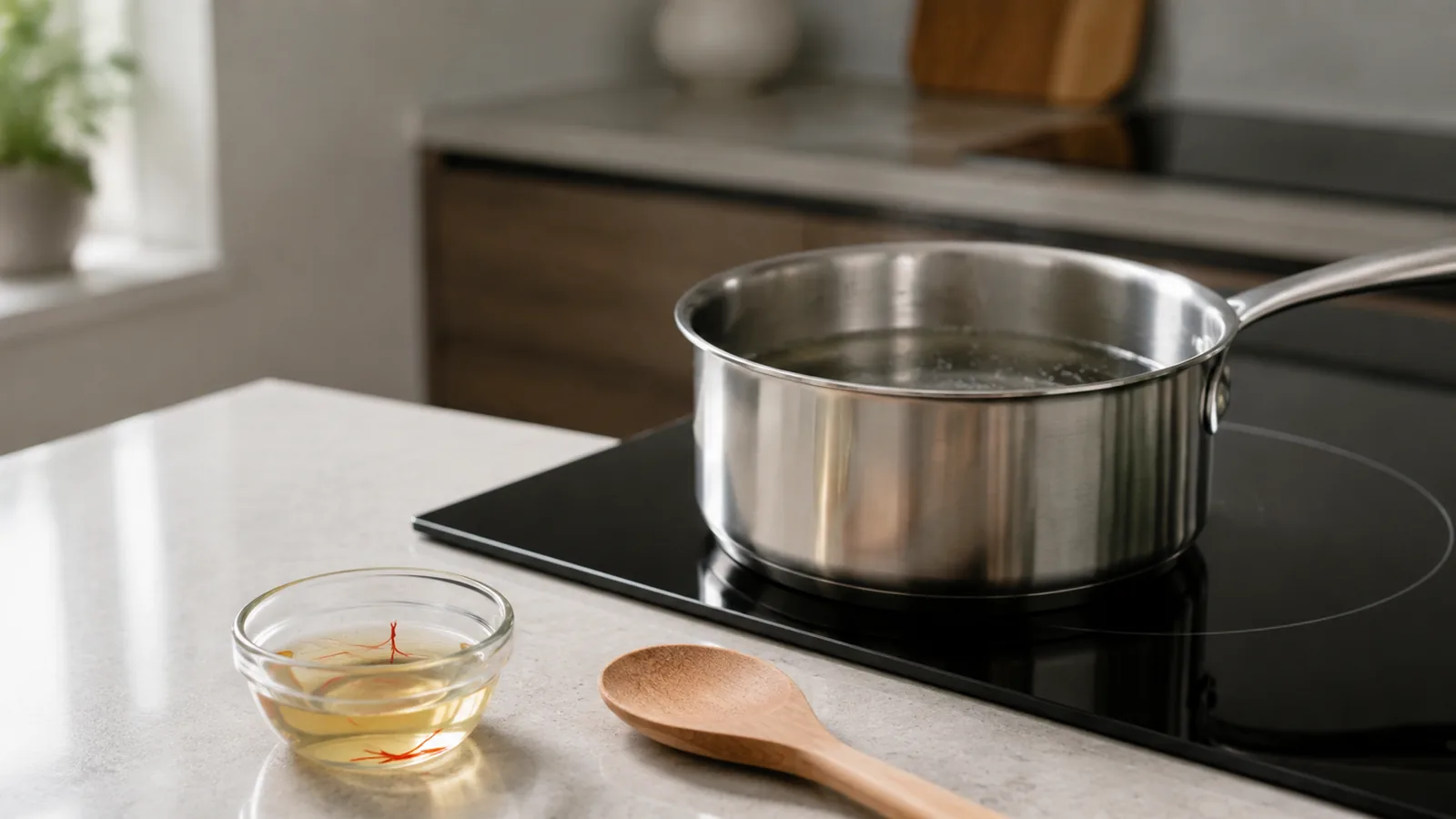
Good technique makes the luxury go further. Gently crush the required threads, steep them in a small amount of warm liquid, and add that infusion to the dish. Fierce dry heat and careless overuse waste the ingredient. More threads do not always create a better flavour.
Why the price varies so much
There is no permanent world price for saffron. The amount shown online depends on the date, currency, origin, grade, pack size, sales channel and whether freight or tax is included. A wholesale kilogram and a decorative half-gram retail jar should never be compared as though they are the same purchase.
These factors commonly affect the final price:
- the proportion of red stigma to yellow style;
- thread integrity, cleanliness and foreign matter;
- colouring strength and aroma-related laboratory measures;
- moisture, drying quality and storage history;
- verified origin and batch traceability;
- whole threads versus powder;
- package size, testing, import costs and retailer margin; and
- harvest supply in the year of sale.
For dated market context rather than a frozen figure, use our current saffron price guide. It is more honest to explain the unit and market than to repeat a dramatic “price per pound” without saying when or where it applied.
Does a high price guarantee high quality?
No. Expensive packaging, a famous place name and deep red colour can all influence a buyer, but none is conclusive on its own. Threads can be old, damp, mixed with excess style or mislabelled. Powder can be genuine, but it removes useful visual clues and is easier to adulterate.
The current ISO 3632-1:2025 specification for saffron gives producers and laboratories a shared technical framework. An actual test applies to the sampled lot; the existence of a standard does not turn every product that mentions it into certified quality.
For a household purchase, look for whole threads with a fresh characteristic aroma, sensible packaging, a clear origin statement and a seller who can explain the grade. Saffron should be protected from light, moisture and heat. A sealed pack should not contain unexplained debris, condensation or a large amount of yellow material if it is sold as an all-red grade.
“Red gold” is a metaphor, not a quality grade
Saffron is often called red gold because it is valuable, traded internationally and sold in small weights. The nickname captures its cultural and economic status, but it is not an official classification. A seller cannot prove quality merely by printing “red gold” on a label.
The same caution applies to words such as premium, royal or luxury. They may describe positioning, not an independently verified grade. Useful information is more specific: whole or powdered, origin, thread cut, net weight, lot reference, packing date and any genuine test evidence.
Can saffron be luxurious without being wasteful?
Yes. Buy the amount you will use while it is fresh, store it carefully and measure it for the dish. A small pack is often wiser than a large bargain jar that sits open for years. When saffron is bloomed properly and matched to a recipe, its cost is spread across several portions.
The most sensible luxury is quality the cook can taste and use. Someone comparing available sizes can view our current saffron products; the right pack depends on how often saffron appears in the kitchen, not on buying the most ornate box.
If a product description leaves a genuine question about origin, grade or intended use, contact our saffron team before buying rather than treating a luxury label as the answer.
Saffron’s cultural value matters too
Saffron has travelled through Persian, South Asian, Mediterranean and North African food traditions for centuries. It appears in celebratory rice, breads, sweets, drinks and dishes prepared for guests. That history helps explain why it can feel precious even before price enters the conversation.
Culture should not be used to rank one country’s saffron automatically above another. Origin shapes farming practice, flavour expectations and identity, while quality still belongs to the individual lot. Respect for those traditions is compatible with careful, evidence-based buying.
The practical answer
Saffron is a luxury because a tiny useful part must be collected from a vast number of flowers, processed carefully and protected until it reaches the cook. Its flavour, aroma and colour are distinctive, and its cultural history adds meaning.
It does not have to be an inaccessible indulgence. Used by the pinch, genuine saffron can turn a shared pot of rice, a loaf or a dessert into something memorable. The real luxury is authentic, well-kept spice used with skill—not the highest price tag.