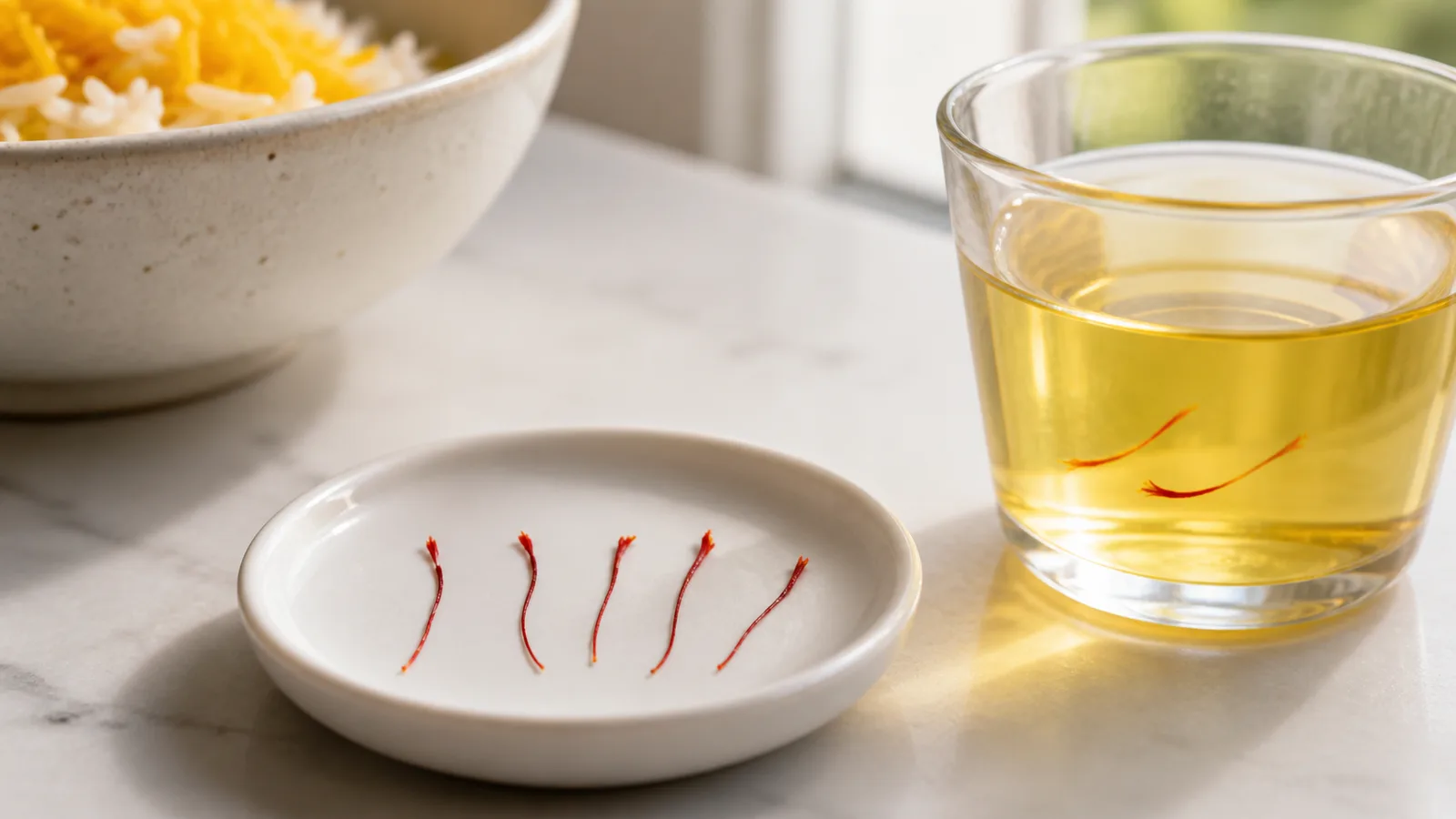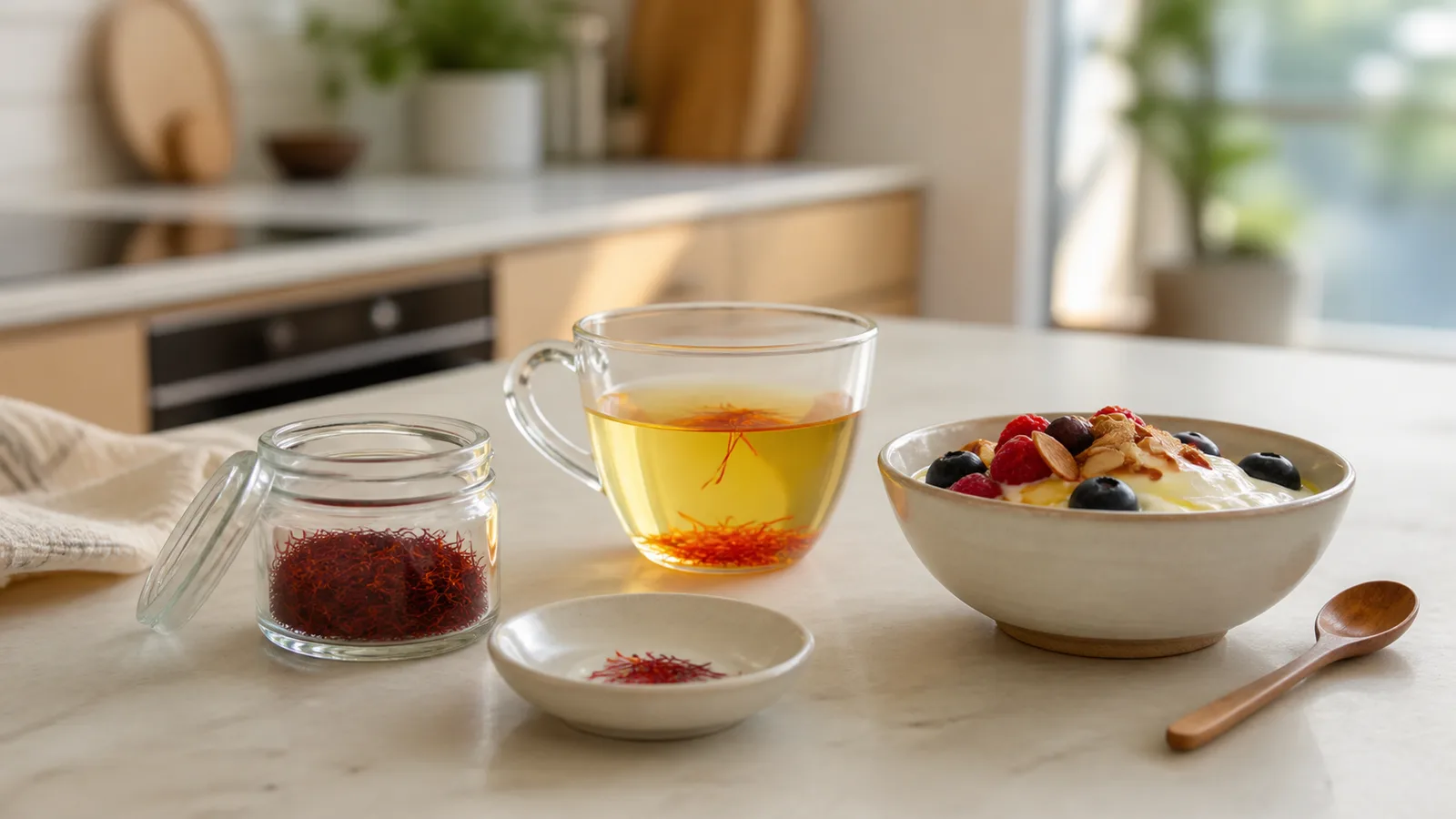
For most healthy adults, a small amount of saffron used in food can be part of an everyday diet. That answer changes when “every day” means a concentrated extract, several strong drinks, or an amount far beyond what a recipe needs. Product form and total intake matter more than the calendar alone.
Is it safe to consume saffron daily? Often, in ordinary culinary quantities, but no amount is guaranteed safe for every person. Pregnancy, allergy, low blood pressure, regular medicine, surgery, and an unexpected reaction all deserve extra care. A supplement label should be assessed as a supplement, not as though it were a pinch of spice.
Is it Safe to Consume Saffron Daily? Benefits and Risks
A practical saffron safety check starts with five questions:
- Is this whole saffron used in food, a homemade infusion, or a concentrated product?
- How much do I actually use across a day, including more than one product?
- Am I taking it for flavour or trying to treat a symptom?
- Do pregnancy, medicines, low blood pressure, allergy, or surgery apply?
- Have any symptoms begun since I started using it regularly?
“Natural” does not answer those questions. Nor does a green plugin score, a traditional reputation, or one number copied from a clinical trial. Safe use comes from matching exposure to the person and the purpose.
Benefits of Saffron
Saffron contains crocin, crocetin, picrocrocin, and safranal. Researchers have studied standardised saffron preparations for several outcomes, with mood receiving considerable attention. A 2026 systematic review of clinical trials reported promising results in some populations, alongside differences in products, study design, and participants.
That evidence should not be translated into a promise that daily saffron rice will treat depression, sharpen memory, relieve arthritis, cure indigestion, or prevent disease. A controlled extract and a cooking amount are not equivalent. A person receiving care for mood, pain, digestion, or another condition should not replace treatment with a spice.
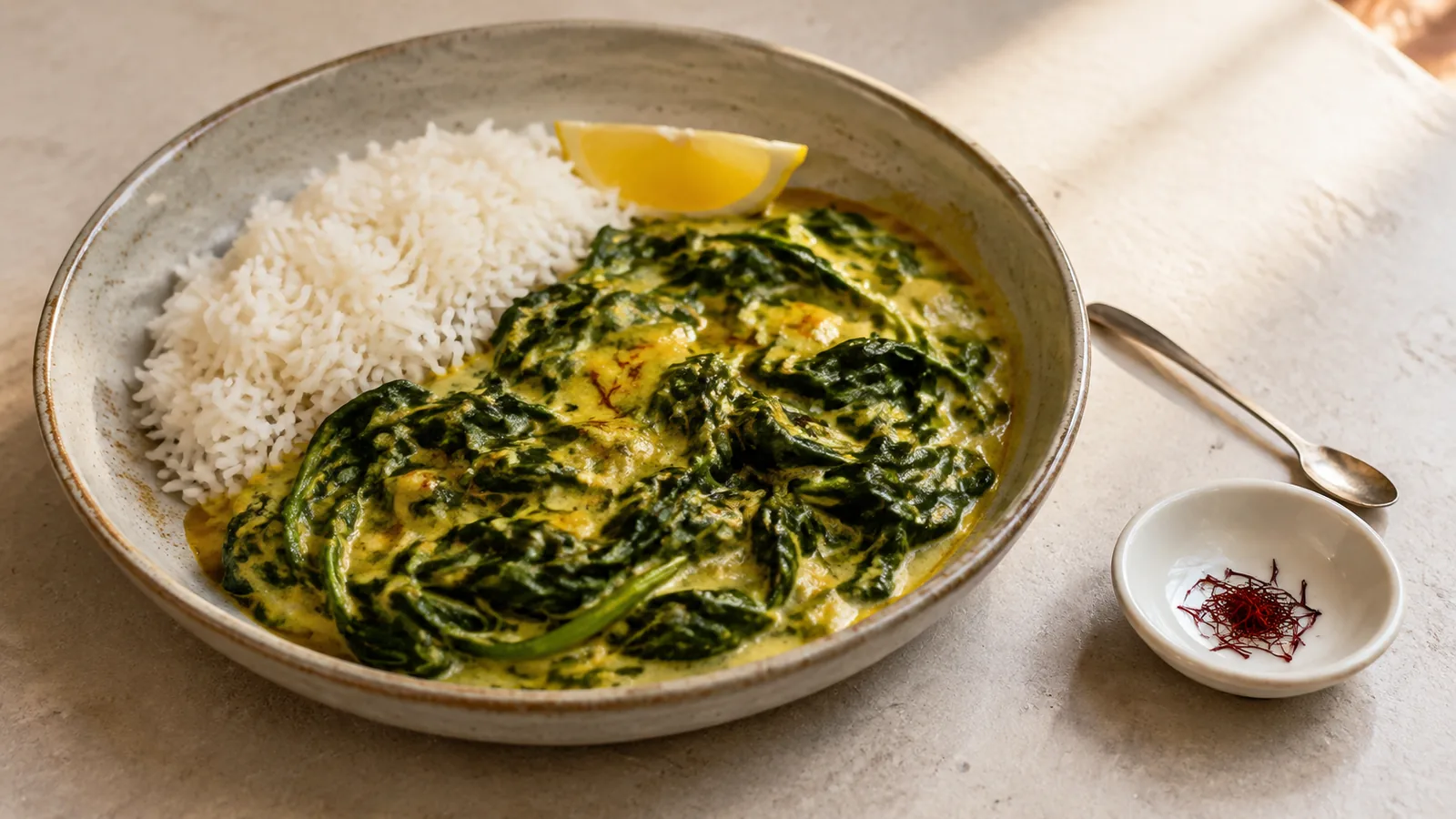
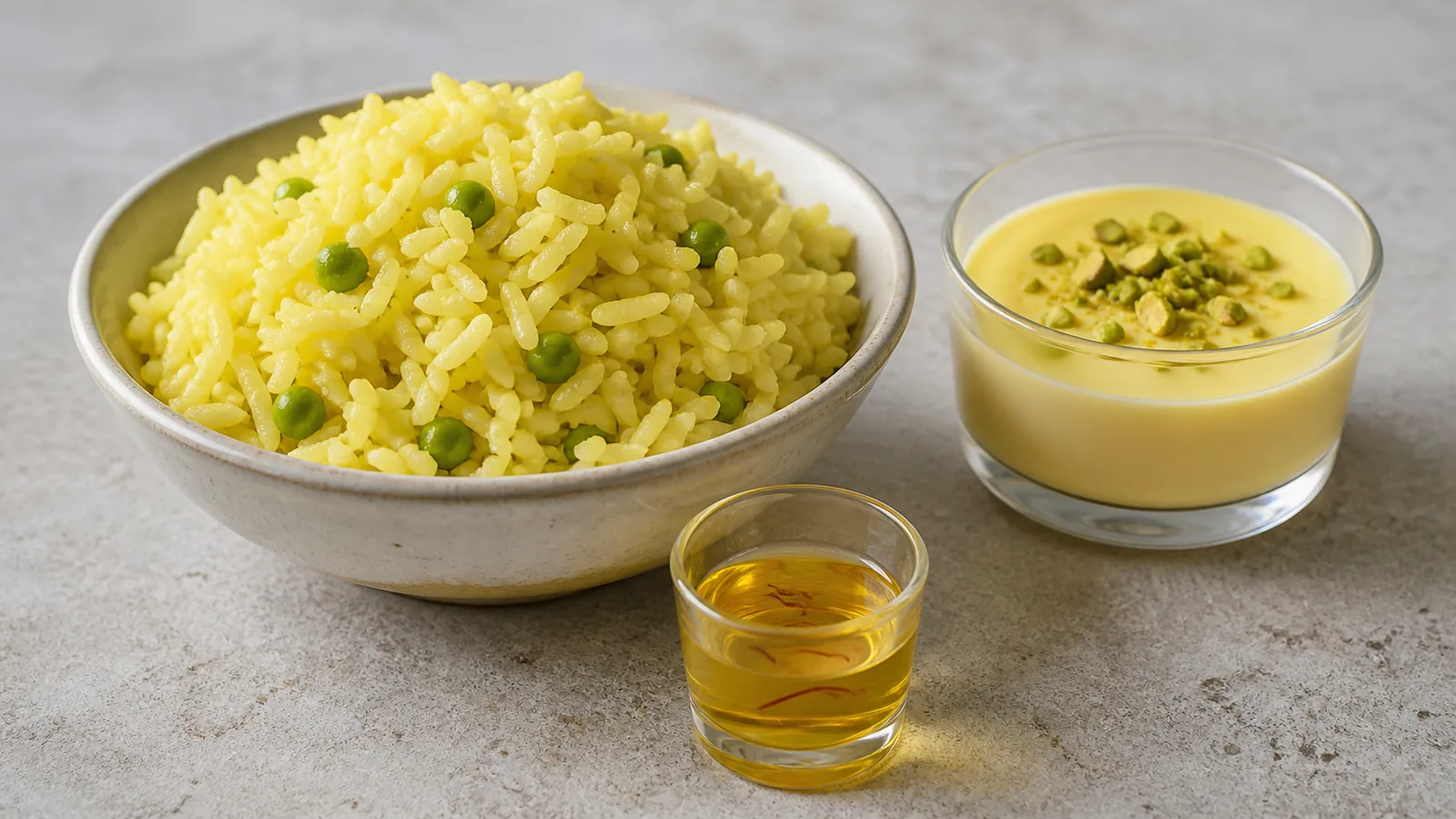
The reliable culinary benefits are less dramatic and still worthwhile. Saffron gives food a floral aroma, warm colour, and gentle complexity. Because its flavour is strong, a small pinch can season several portions. It may make a simple meal or drink more enjoyable without requiring large amounts.
Daily use is optional. There is no nutritional requirement to consume saffron every day, and taking breaks does not cause a deficiency. If you enjoy it, use it because it fits the food; do not keep increasing the amount in pursuit of an effect that may never appear.
Potential Risks of Daily Consumption
The original advice that 1–2 grams per day is generally safe is too broad and too high to present as a routine recommendation. There is no official universal saffron daily intake for all adults. Research doses are tied to specific preparations and cannot be converted confidently into a household rule.
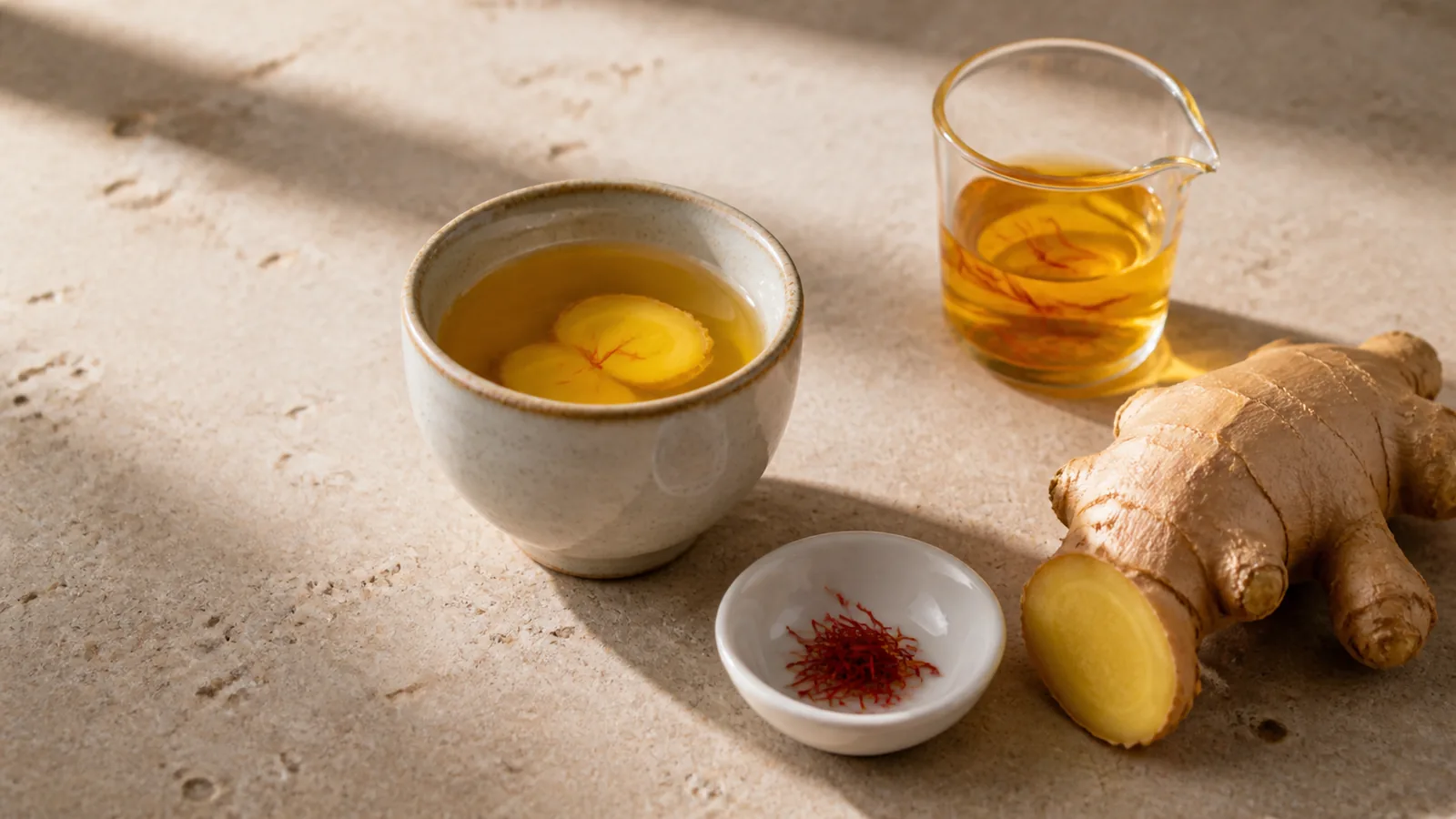
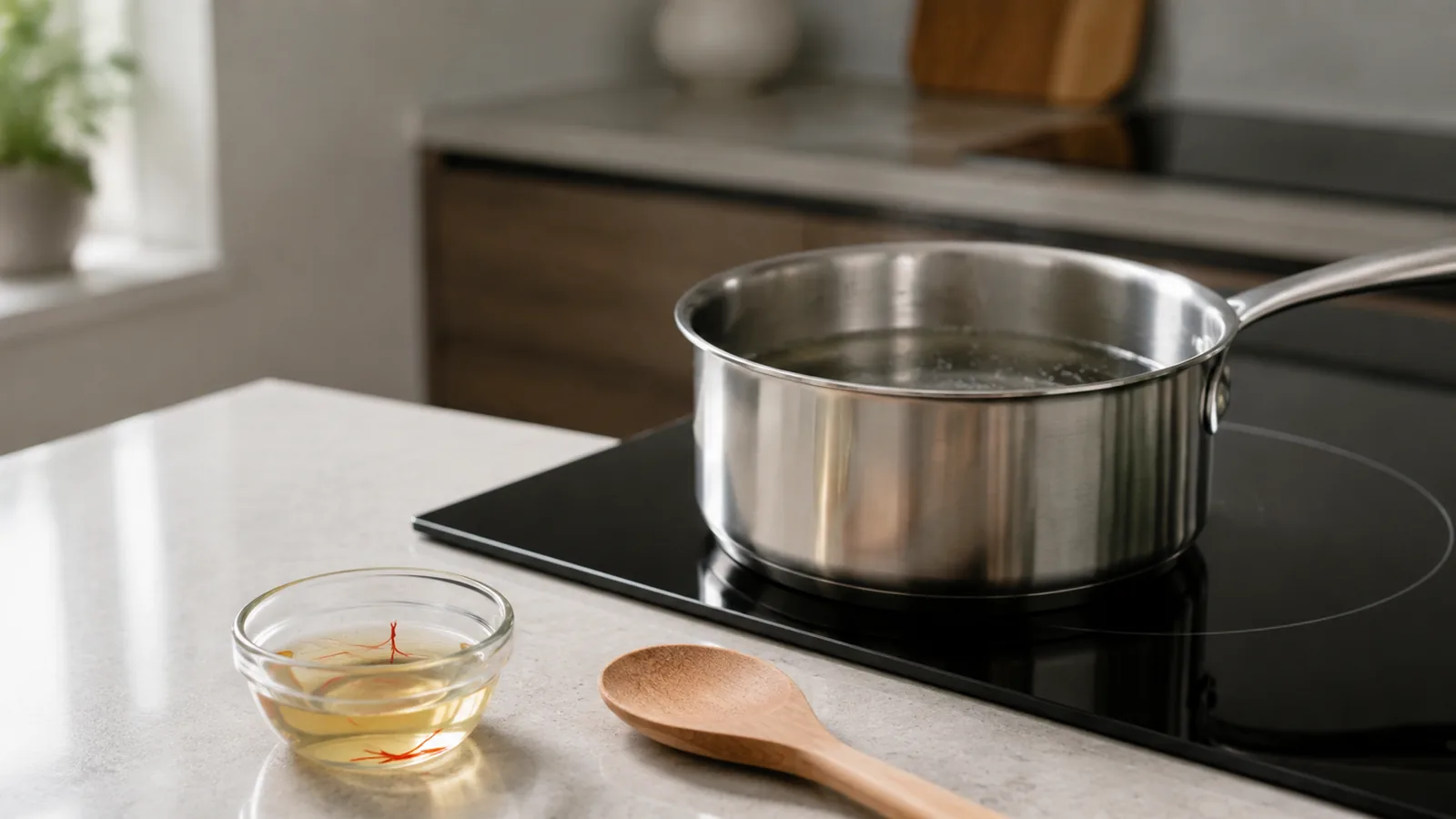
How much saffron per day is appropriate for food? Use the small amount the recipe needs, commonly a pinch steeped and divided among servings. Our fuller guide to how much saffron is safe per day explains why culinary amounts, thread counts, extracts, and study doses should not be treated as interchangeable.
Possible adverse effects include nausea, headache, dizziness, dry mouth, appetite change, or digestive upset. A 2026 systematic review of saffron adverse events found that reporting across trials was inconsistent. That uncertainty is a reason for sensible caution, not a reason to declare every amount dangerous.
Is saffron safe to take with medicine? That must be checked against the particular medicine and product. Do not assume that a supplement is harmless with anticoagulants, antiplatelet drugs, blood-pressure treatment, sedating products, or several other supplements. A pharmacist can review the ingredient list without asking you to stop a prescribed medicine.
Pregnancy also requires a form-specific answer. Ordinary seasoning and deliberate medicinal exposure are not the same, but high or concentrated use should not be started without obstetric advice. A recent pregnancy review describes a limited evidence base that does not support casual certainty about all doses.
Avoid saffron after a confirmed allergic reaction. Stop and get urgent help for trouble breathing, swelling of the lips or throat, fainting, or rapidly spreading hives. Persistent vomiting, severe dizziness, unusual bleeding, palpitations, or another concerning change also calls for prompt medical advice.
Product quality is part of safety. Buy recognisable threads from a traceable source, keep them dry and protected from light, and do not use material that smells musty or shows moisture or mould. A powder or extract may hide added ingredients that are not obvious from the word “saffron” on the front.
Conclusion
Is saffron safe? In a modest culinary amount, genuine saffron is generally a lower-risk choice for many adults. Is saffron safe to take daily as an extract? That needs a closer look at the label, dose, medicines, health history, pregnancy status, and reason for taking it.
Keep the preparation consistent, do not combine several saffron products without counting the total, and stop if a repeatable symptom appears. Ask a clinician or pharmacist before supplement use if you take regular medicine, have low blood pressure or a bleeding condition, are pregnant or breastfeeding, or have surgery planned.
If your aim is flavour, a little is enough. Browse our saffron products, choose a form you can identify and store properly, and let the recipe—not a health promise—set the amount.