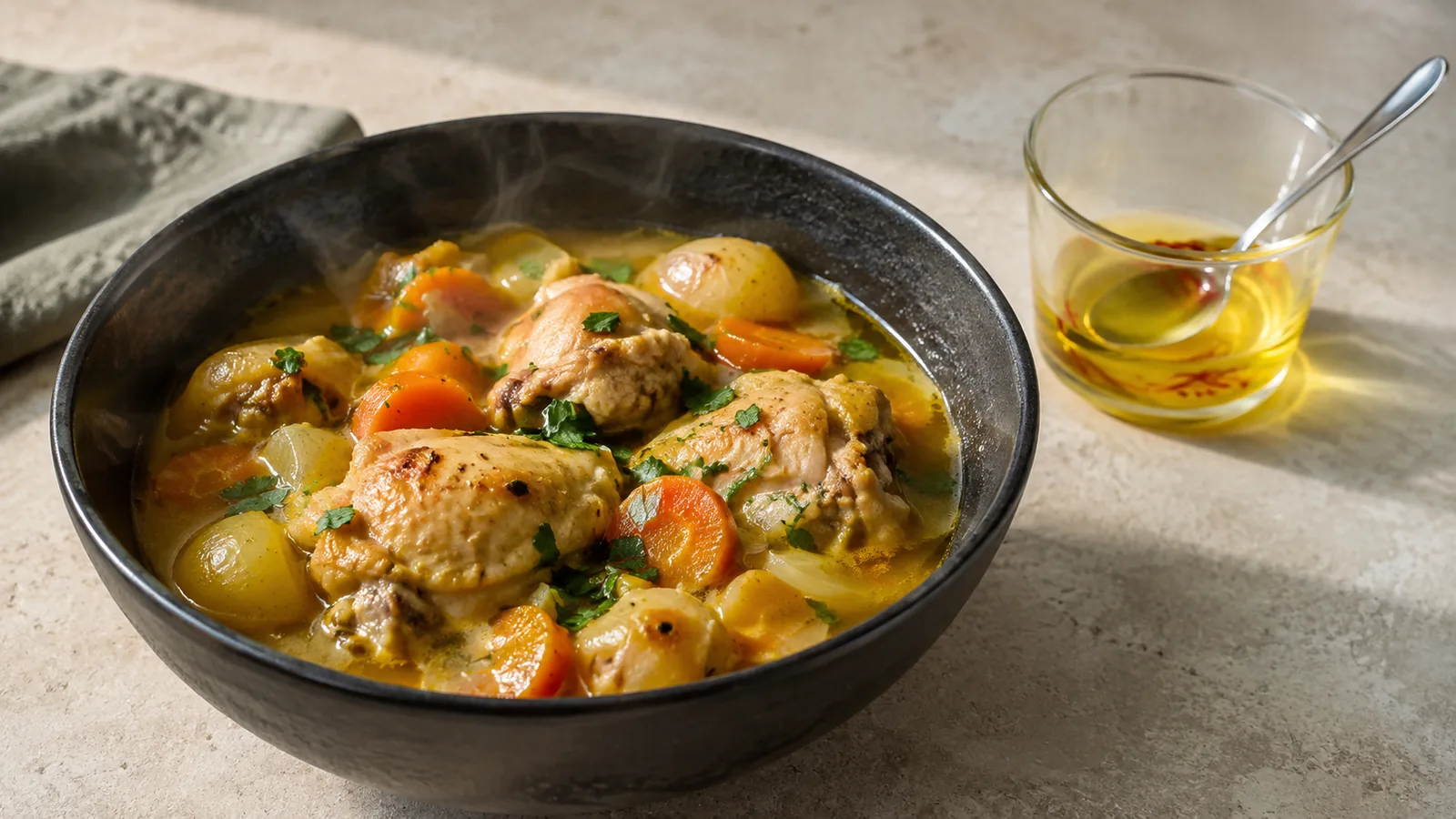
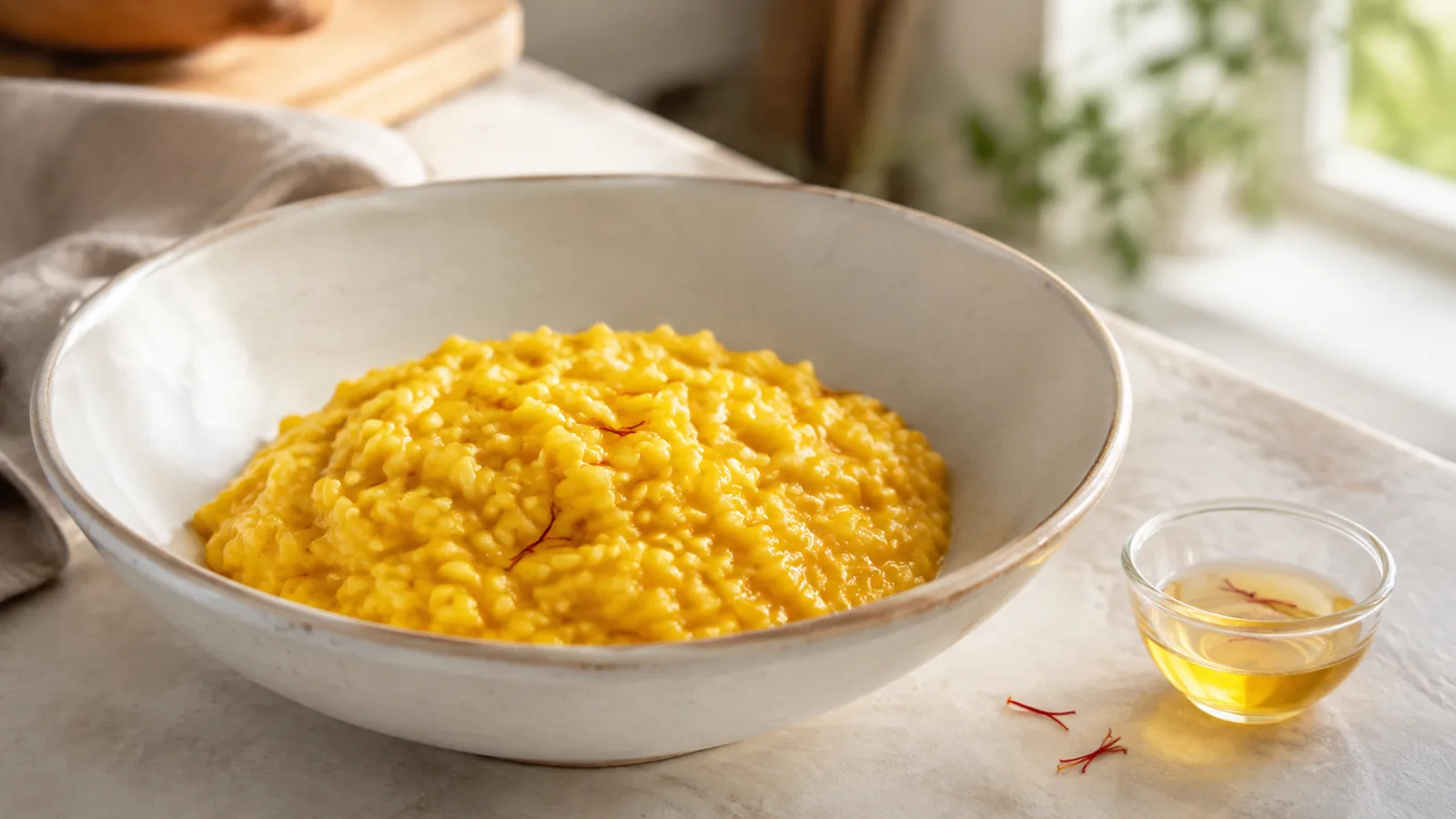
Saffron Khoresh Gheymé is a slow-cooked split-pea and meat stew sharpened with dried lime; the eggplant version keeps that foundation and adds silky browned aubergines and tomatoes. Both recipes below serve four, use the same measured saffron infusion and preserve the homestyle character that makes this khoresh so familiar.
Gheymé, gheimeh or gheymeh?
All three spellings refer to the Persian stew usually written as khoresh gheimeh. English transliterations vary, which is why this page retains Gheymé in its title while using the other common forms where they help a cook recognise the dish.
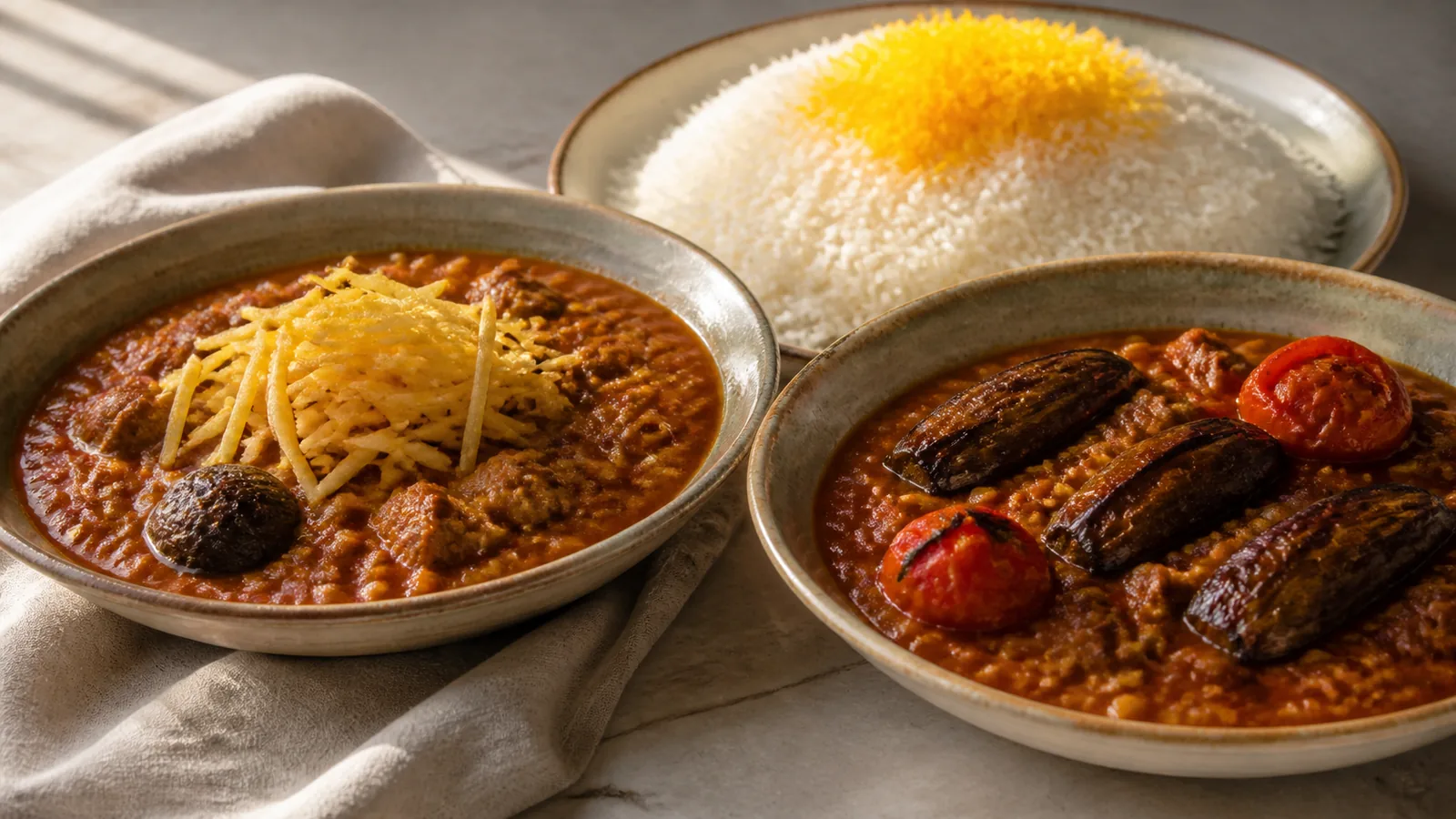
Classic gheimeh combines yellow split peas, small pieces of lamb or beef, onion, tomato paste and dried lime. It is often served with crisp potato matchsticks. Khoresh gheimeh bademjan adds fried or roasted eggplant and fresh tomato; potatoes are usually left out so the eggplant remains the defining garnish.
For many Iranian families, the aroma of this stew is tied to food waiting after school and to a parent’s or grandparent’s cooking. No written recipe can reproduce one household exactly. It can, however, give you the sequence and tasting points needed to make the pot your own.
Prepare the saffron and dried limes first
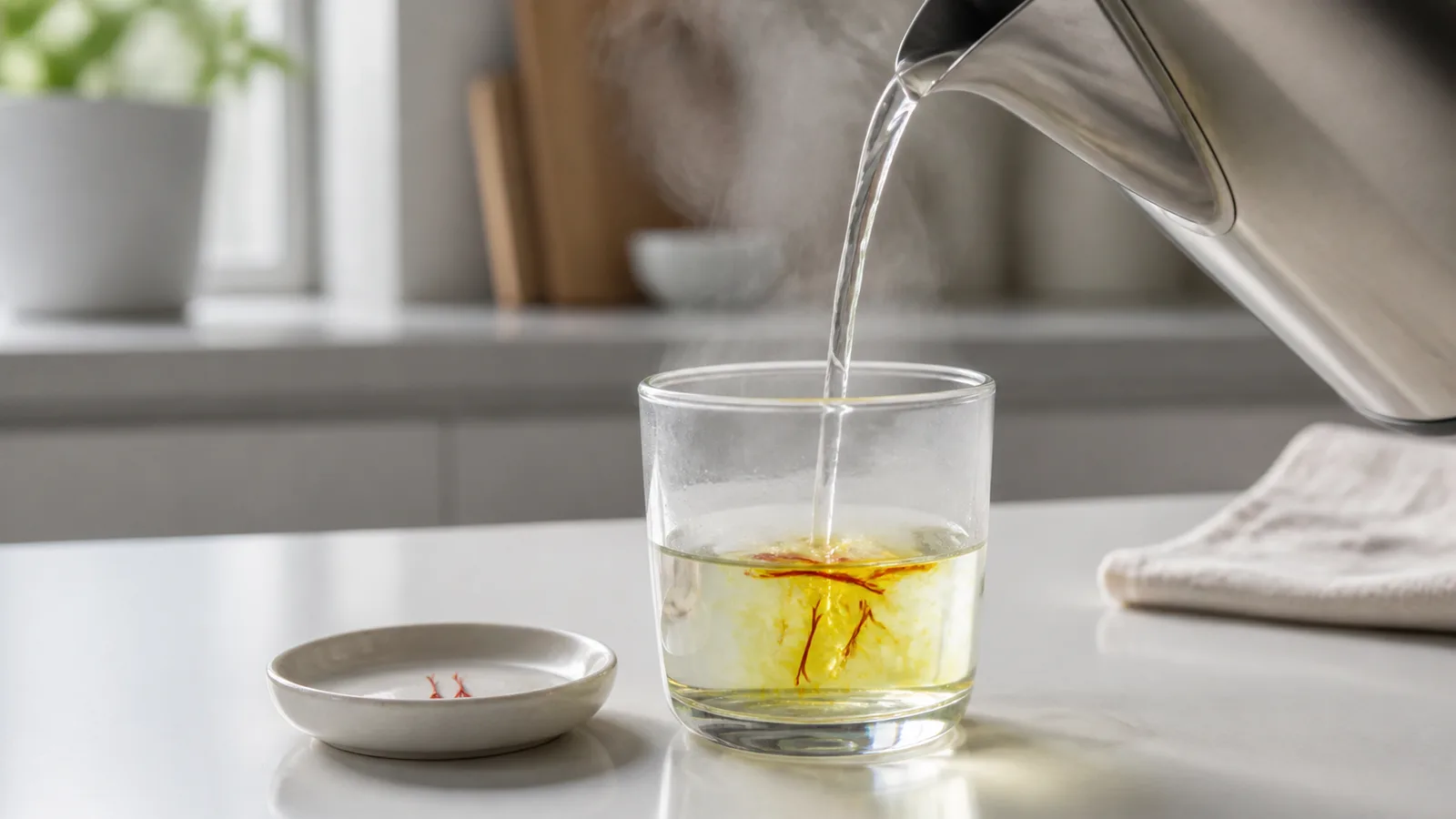
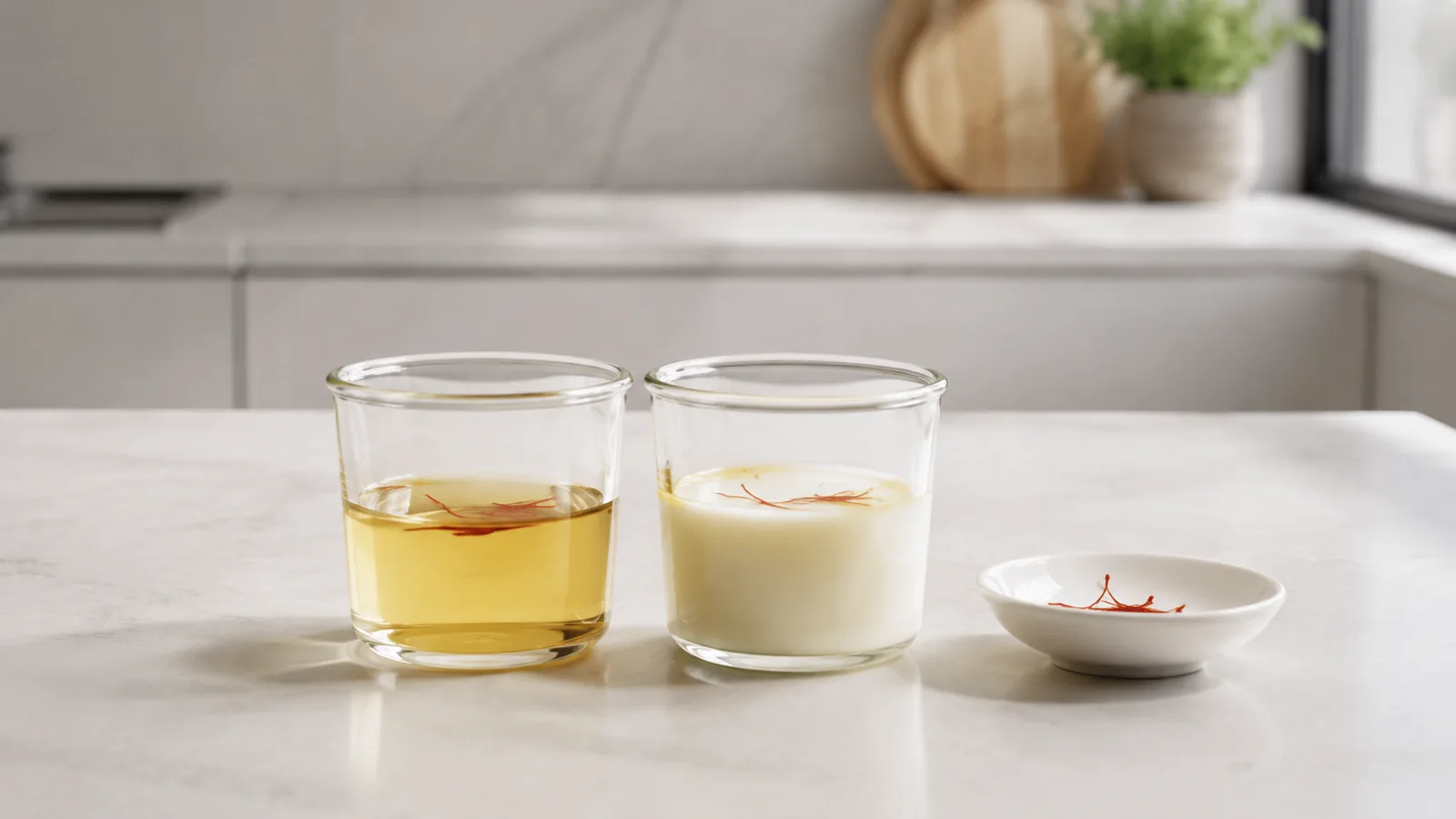
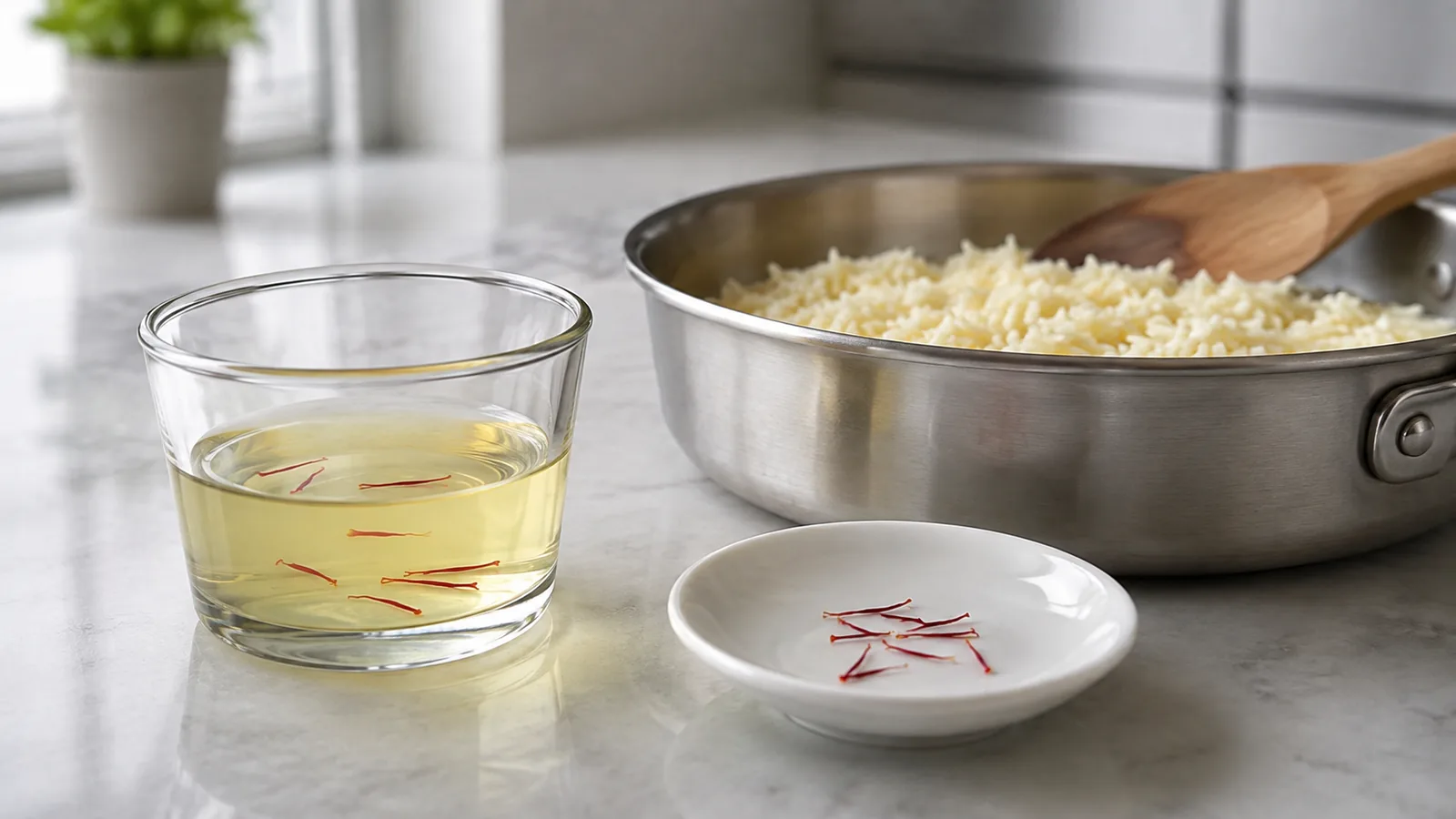
For either recipe, lightly grind the saffron threads and cover them with two tablespoons of hot water. Leave the cup covered for 15 minutes. Adding the infusion near the end keeps its aroma clearer than frying ground saffron with the meat.
Rinse the dried limes, pierce each one two or three times with a skewer and soak them in warm water for 20–30 minutes. Do not slice them wide open or boil them for a long time: broken seeds and prolonged cooking can make the whole stew harsh. Add the soaked limes late enough to keep control of their bitterness.
Saffron Khoresh Gheymé for 4 people
Ingredients
- 250 g yellow split peas
- 250 g stewing lamb or beef, cut into 2 cm pieces
- 1 medium onion, finely chopped
- 2 tablespoons tomato paste
- 3 dried limes, soaked and pierced
- 1/2 teaspoon saffron threads, lightly ground
- 2 tablespoons hot water for the saffron
- 2 cardamom pods, lightly cracked, optional
- 1 small cinnamon stick
- 1 teaspoon salt, then more only after tasting
- 1/2 teaspoon black pepper
- 1/2 teaspoon turmeric
- 3 tablespoons neutral oil
- 750 ml hot water, plus more if needed
- 2 medium potatoes for the traditional crisp topping, optional
This is a generous, split-pea-forward formula. If your household prefers more meat and a looser sauce, use 150–180 g peas rather than changing the rest of the method. The original 250 g quantity remains the main recipe because it gives the hearty result promised by this version.
1. Soak and par-cook the split peas
Rinse the split peas and check them for stones. If time allows, soak them for 2 hours, then drain. Put them in a saucepan, cover with fresh water and simmer for 20–30 minutes, or until the outside is tender but the centre still has some firmness. Older peas may need 30–45 minutes.
Drain and set aside. Par-cooking separately gives you control: the peas can finish in the stew without forcing the meat to wait, and the sauce is less likely to turn into a puree.
2. Brown the onion and meat
Heat two tablespoons of the oil in a heavy pot over medium heat. Cook the onion with a small pinch of salt for 8–10 minutes, until soft and golden at the edges. Add the meat in a single layer and brown it in batches if the pot is crowded.
Stir in the turmeric and black pepper. Move the meat to one side, add the tomato paste to the exposed oil and cook it for 2 minutes, stirring, until its raw smell fades and its colour deepens.
3. Simmer until the meat is nearly tender
Add 750 ml hot water and scrape the bottom of the pot. Bring to a simmer, cover partially and cook over low heat for 45–60 minutes. Add a little more hot water if the meat is exposed, but do not flood the pot.
Add the par-cooked peas, cardamom pods and cinnamon stick. Continue simmering for about 30 minutes. Use the meat as the test rather than the clock; it should be close to fork-tender before the dried limes go in.
4. Add the dried limes and saffron
Add the soaked limes and half the saffron infusion. Simmer gently for 20–30 minutes. Taste from more than one part of the pot, then adjust the salt. If the lime is already pronounced, remove one lime rather than letting it dominate for an additional hour.
Stir in the remaining saffron during the final 5 minutes. Remove the cinnamon stick and cardamom pods before serving.
5. Make the potato topping
Cut the potatoes into even matchsticks, rinse away the surface starch and dry them thoroughly. Heat the remaining oil in a wide frying pan, adding a little more if the pan needs it, and fry in batches until golden. Drain and salt lightly.
Spoon the khoresh into a shallow serving bowl and add the potatoes at the last moment so they stay crisp. Serve with steamed Persian rice.
Saffron Khoresh Gheymé with eggplant for 4 people
Ingredients
- 1/2 cup (about 100 g) yellow split peas
- 250 g stewing lamb or beef, cut into 2 cm pieces
- 1 medium onion, finely chopped
- 2 tablespoons tomato paste
- 4 small eggplants
- 4 medium tomatoes
- 1 dried lime, soaked and pierced
- 1/2 teaspoon saffron threads, lightly ground
- 2 tablespoons hot water for the saffron
- 1 small cinnamon stick
- 1 teaspoon salt, plus more for seasoning the eggplant
- 1/2 teaspoon black pepper
- 1/2 teaspoon turmeric
- 4–5 tablespoons neutral oil, divided
- 650–750 ml hot water
This version intentionally uses half a cup of split peas rather than the first recipe’s 250 g. The lighter pulse proportion leaves room for four eggplants and four tomatoes without making the finished stew crowded or overly thick.
1. Salt and brown the eggplant
Peel the eggplants fully or in alternating strips. Cut them lengthwise into halves or thick slices. Sprinkle lightly with salt and leave in a colander for 30 minutes, then rinse briefly and dry very well.
Salting seasons the surface and draws off some moisture; it is not a guarantee that every eggplant will absorb less oil. Brush with two tablespoons of oil and roast at 220°C/425°F for 20–25 minutes, turning once, or shallow-fry until golden. Set aside intact.
2. Par-cook the peas
Rinse the half cup of split peas. Simmer them in fresh water for 20–30 minutes, checking from 20 minutes and allowing up to 45 for older peas. Drain while they are tender outside but still hold their shape.
3. Build the meat and tomato base
Heat two tablespoons of oil in a heavy pot. Cook the onion until golden, then brown the meat. Add turmeric and pepper. Fry the tomato paste against the bottom of the pot for 2 minutes before mixing it through.
Add 650 ml hot water, bring to a gentle simmer and cook partially covered for 45–60 minutes. Add the split peas and cinnamon stick, then continue until the meat is nearly tender.
4. Cook the fresh tomatoes separately
Halve the tomatoes. Put them cut-side down in the eggplant pan with a teaspoon of oil and cook for 2–3 minutes, just until their surface colours. Do not cook them to a sauce; they should still be recognisable when served.
5. Finish without breaking the eggplant
Add the dried lime and half the saffron infusion to the stew. Simmer for 15 minutes, then arrange the eggplant and tomatoes over the top. Add the remaining saffron and cook uncovered for another 10–15 minutes. Shake the pot gently instead of stirring through the vegetables.
Taste and adjust salt. Remove the cinnamon stick. If the sauce is thin, lift out the eggplant and reduce the liquid for a few minutes; forcing the vegetables through a long final simmer will make them collapse.
How to tell when either khoresh is ready
The meat should separate easily under a fork, the split peas should be tender but visible, and a spoon drawn through the sauce should leave a brief path. Gheimeh is not meant to be a clear soup, nor should it stand as a solid mound.
The dried lime should give a bright, slightly bitter edge without numbing the other flavours. Saffron belongs in the aroma and finish rather than replacing the lime, tomato or cinnamon. Taste after a spoonful cools for a few seconds; heat can hide salt and acidity.
A cinnamon stick seasons the pot while remaining easy to remove. Ground cinnamon can leave the sauce looking murky and dark, so if a stick is unavailable, use only a small pinch rather than the same volume.
What to serve with saffron gheimeh
Steamed white rice is the usual partner, with a small golden saffron portion folded over the top. The recently completed saffron rice recipe for four people gives a matching quantity and optional potato tahdig.
Keep sides simple: fresh herbs, yogurt, torshi or a crisp salad balance the long-cooked sauce. If both versions are on the same table, leave the potato topping on the classic bowl and the eggplant and tomato visible on the bademjan bowl so diners can tell them apart at a glance.
Storage and reheating
Cool leftovers promptly in shallow covered containers and refrigerate. Keep rice in its own container so the grains do not absorb all the sauce. Reheat the stew until steaming throughout, adding a spoonful of water if it has thickened; warm the eggplant gently and prepare fresh crisp potatoes when possible.
These recipes share a base, but they should not taste identical. The first is hearty and lime-forward beneath its crisp potatoes. The second is softer and more vegetable-led. Careful timing lets the same saffron, split peas and meat support both without turning one pot into a blurred version of the other.