This saffron pastry recipe makes tender, fragrant biscuits for Eid, Nowruz or an afternoon tea tray. The dough is rich with butter and rose water, but the saffron remains clear rather than disappearing under heavy sweetness. Alongside it, you will find three other familiar celebration cookies: chickpea nokhodchi, instant-coffee biscuits and walnut-coated Oscari cookies.
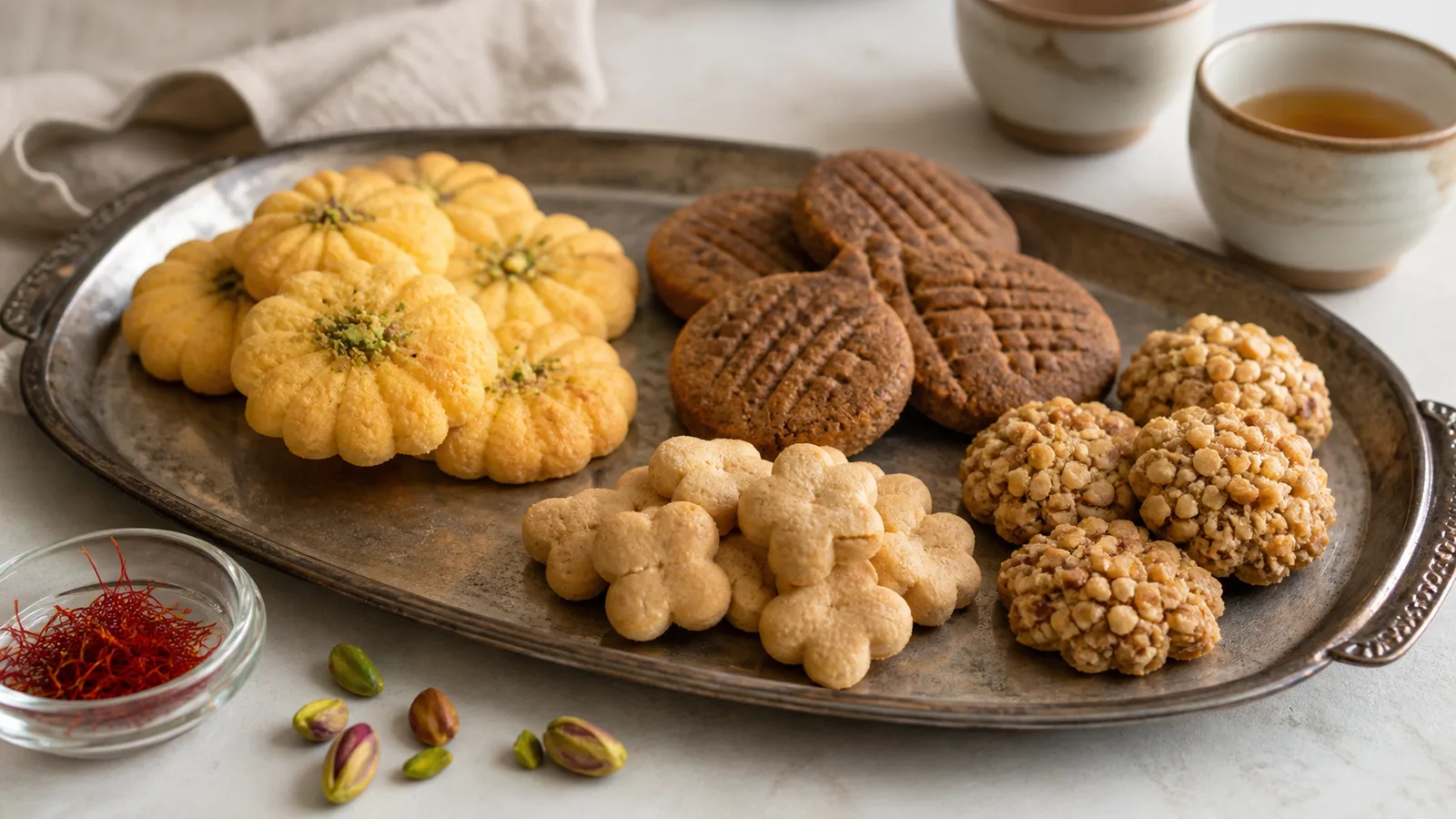
These are four separate doughs, not variations to mix in one bowl. Read each recipe through before starting, weigh the flour when possible and let hot trays cool between batches. Small decisions like those protect the shape and crumb far more reliably than adding extra flour at the end.
Saffron pastry recipe
This batch makes roughly 300 g of saffron pastries, depending on the cutter and thickness.
Ingredients
- 100 g unsalted butter, softened but not melted
- 60 g powdered sugar, sifted
- 1 small egg, at room temperature
- 30 g cornstarch
- 170 g all-purpose flour, plus no more than a spoonful if the dough truly needs it
- 1/4 teaspoon fine salt
- 2 tablespoons food-grade rose water
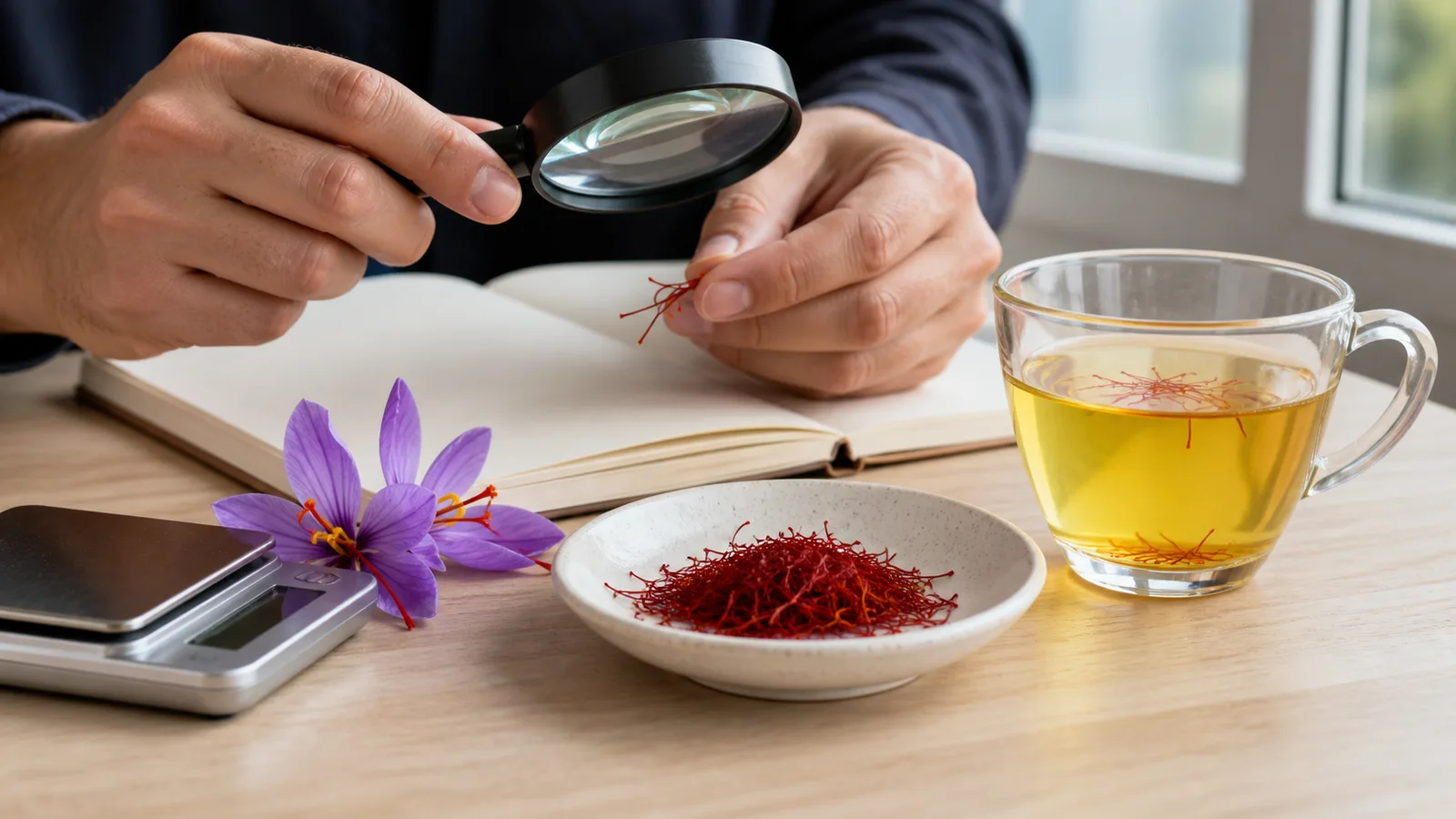
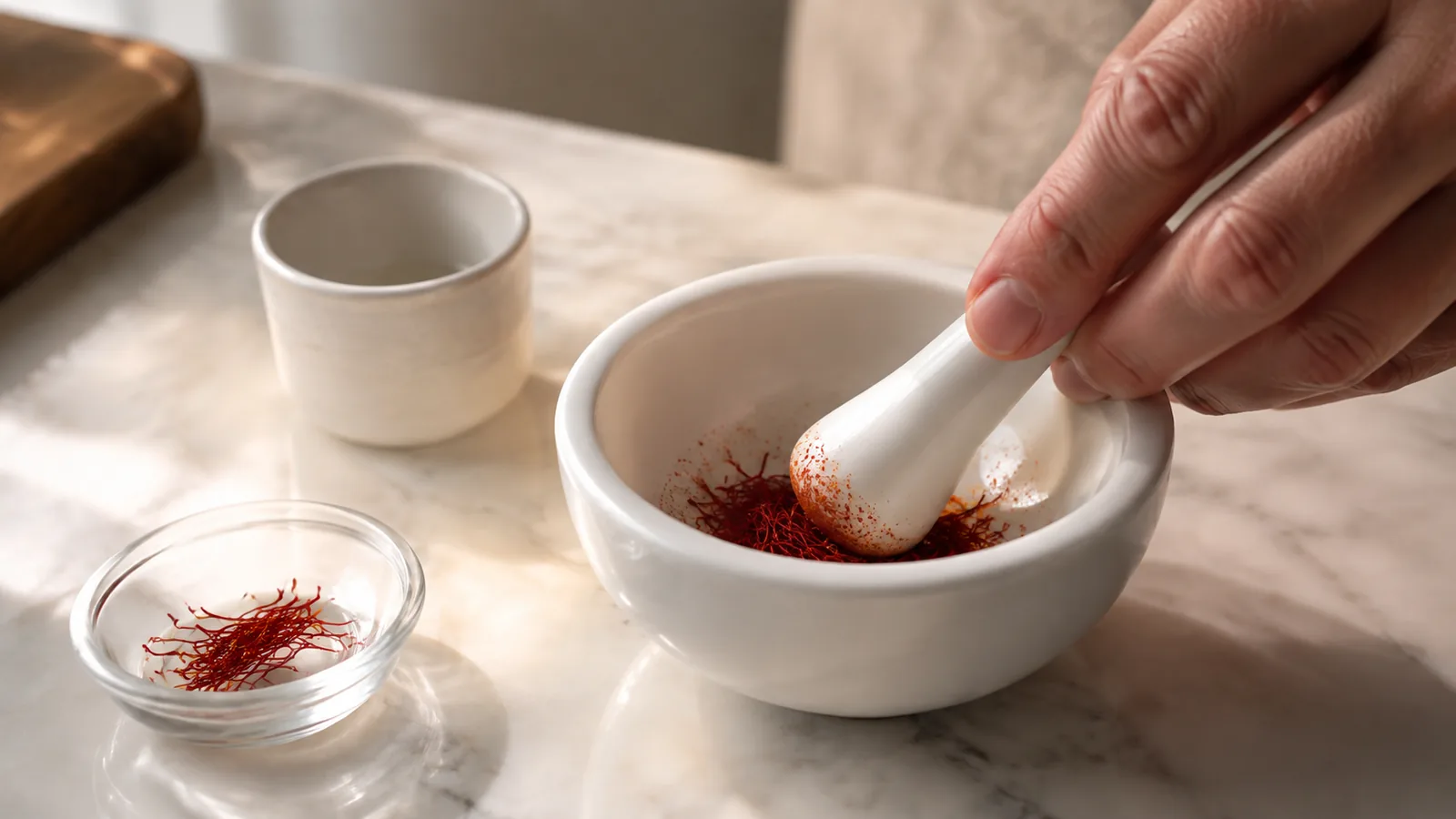
- 1/4 teaspoon lightly ground saffron threads
- 1 small ice cube or 1 tablespoon hot water
The old ingredient list called for one teaspoon of ground saffron and one teaspoon of salt. Both are aggressive for a 300 g pastry batch. A quarter teaspoon of saffron still gives a visible golden colour, while a quarter teaspoon of fine salt seasons the dough without making it savoury. If your saffron is already diluted with another powder, fix the ingredient rather than increasing the spoonful.
How to make the saffron pastries
- Bloom the saffron. Put the ground threads over a small ice cube and let it melt, or cover them with a tablespoon of hot water. The ice method is slower; both spread the colour through the dough.
- Cream the butter and sugar. Beat them for 2 to 3 minutes, until smooth and a little lighter. Scrape the bowl once so no firm butter remains underneath.
- Add the liquids. Mix in the egg, saffron infusion and rose water just until even. It may look slightly separated at first; the dry ingredients will bring it together.
- Form the dough. Whisk the flour, cornstarch and salt in a separate bowl. Add them to the butter mixture in two portions. Fold with a spatula and stop as soon as no dry streaks remain. Do not knead: warm, overworked dough spreads and can turn oily.
- Chill. Flatten the dough into a disc, wrap it and refrigerate for 30 minutes. If it becomes hard, give it five minutes at room temperature before rolling.
- Roll and cut. Roll between two sheets of parchment to 5–6 mm thick. Cut close together, transfer to a lined tray and chill the shapes for another 10 minutes while the oven heats.
- Bake. Bake at 180°C (350°F) for 8–10 minutes. The tops should stay pale and the undersides should be only lightly coloured. Let them set on the tray for five minutes before moving them to a rack.
Nokhodchi chickpea cookies
Nokhodchi—also written nokhodchi or, less precisely, Noghoutchi—are small Persian chickpea-flour cookies. A classic batch does not need white wheat flour. Leaving that incomplete line in the old recipe would make the dough unpredictable, so this version uses chickpea flour only.
Ingredients
- 500 g fine roasted chickpea flour, sifted
- 250 g powdered sugar, sifted
- 250–300 g solid vegetable oil or ghee, softened
- 1 teaspoon ground cardamom
- Ground pistachio and a small saffron infusion for decoration, optional
Beat the fat until smooth, then beat in the powdered sugar until lighter. Add cardamom and work in the chickpea flour gradually. The dough should hold when pressed but may look crumbly before it is compacted. Rest it for 30–60 minutes. Roll it about 1 cm thick, cut small clover or flower shapes and transfer them carefully. Bake at 160°C (320°F) for 12–15 minutes; look for a dry base, not a dark top. Cool completely before lifting. Properly stored in an airtight container, these low-moisture cookies can stay pleasant for about two weeks.
Instant-coffee cookies
Often called Nescafé cookies, these are crisp-edged butter biscuits flavoured with instant coffee. A brand is not required; use a coffee powder that dissolves completely.
Ingredients
- 150 g unsalted butter, softened
- 90 g powdered sugar
- 2 small eggs
- 2 1/2 tablespoons instant coffee powder
- 1 tablespoon hot water
- 45 g cornstarch
- 255 g all-purpose flour
- 1/2 teaspoon vanilla extract and 1/4 teaspoon fine salt
Dissolve the coffee in the hot water and cool it. Cream the butter and sugar, then add the eggs one at a time, followed by vanilla and coffee. Fold in the flour, cornstarch and salt without kneading. Chill for 30 minutes, roll between parchment and cut. Bake at 180°C (350°F) for 8–10 minutes. Because coffee powders differ in bitterness, do not add more simply to make the dough darker.
Oscari walnut cookies
Oscari cookies are buttery rounds coated with egg white and chopped walnuts. The yolks enrich the dough; the whites make the nut coating adhere.
Ingredients
- 150 g unsalted butter, softened
- 2/3 cup powdered sugar
- 2 eggs, separated
- 1 teaspoon vanilla extract
- 1/2 teaspoon ground cardamom
- 2 1/2 cups all-purpose flour
- 1 cup finely chopped walnuts
Cream the butter and sugar, then beat in the yolks, cardamom and vanilla. Fold in the flour until a soft dough forms. Roll into small balls. Dip the upper half of each one in lightly beaten egg white, then in walnuts, and set nut-side up on a lined tray. Bake at 170°C (340°F) for 14–18 minutes, until the bases are golden. The former 20–30-minute range at 180°C risks drying a small butter cookie before its centre is ready.
A small saffron pastry cream
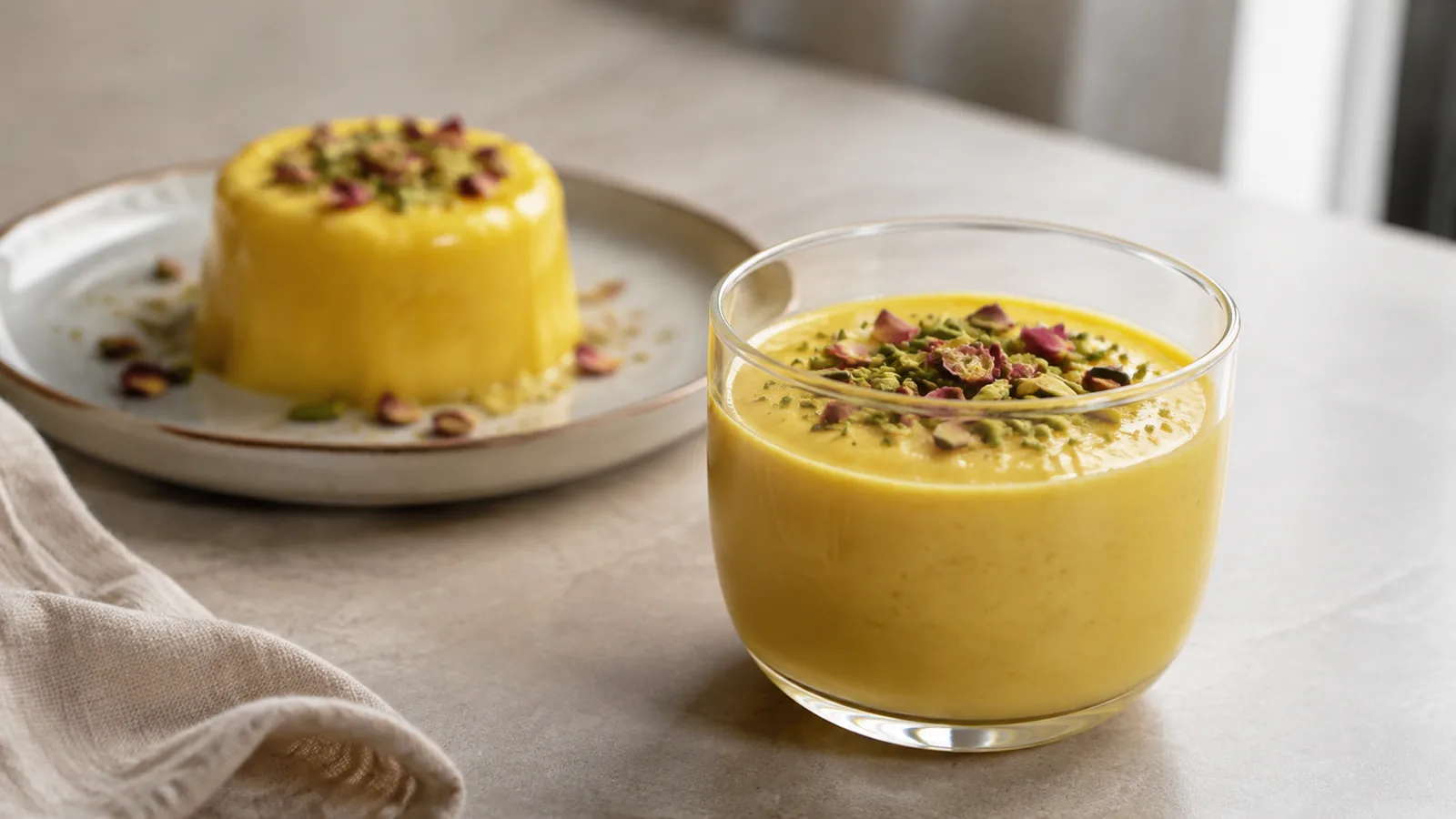
If your search for saffron pastry means a cream filling rather than a biscuit, use a separate custard. Warm 1 cup (240 ml) milk with a small pinch of bloomed saffron. Whisk 2 egg yolks with 3 tablespoons sugar and 2 tablespoons cornstarch, temper with the warm milk, then return everything to the pan. Whisk over medium-low heat until it bubbles and thickens; cook for one more minute. Cover the surface, chill promptly and use it only in pastries that will be refrigerated.
Planning an Eid sweets tray
Pastry in Iran varies by region and celebration. Kerman’s Berenji rice-flour sweets and Yazd’s qottab are different recipes from the four above, so do not treat the names as interchangeable. A balanced tray works because the textures contrast: one saffron biscuit, one fragile chickpea cookie, one darker coffee cookie and one walnut-coated piece.
- Bake the palest dough first, while the trays and oven are clean.
- Cool every cookie fully before stacking or dusting it.
- Keep coffee biscuits apart from delicate saffron pastries until serving so their aroma does not transfer.
- Label nut-containing sweets when serving guests, and prevent cross-contact for anyone with an allergy.
The FDA notes that flour is a raw food, so do not taste any of these doughs before baking and clean flour-dusted surfaces carefully. For more ideas, see our broader saffron cookies guide. A saffron cupcake is a separate cake-batter recipe and should not be made by simply loosening this pastry dough.