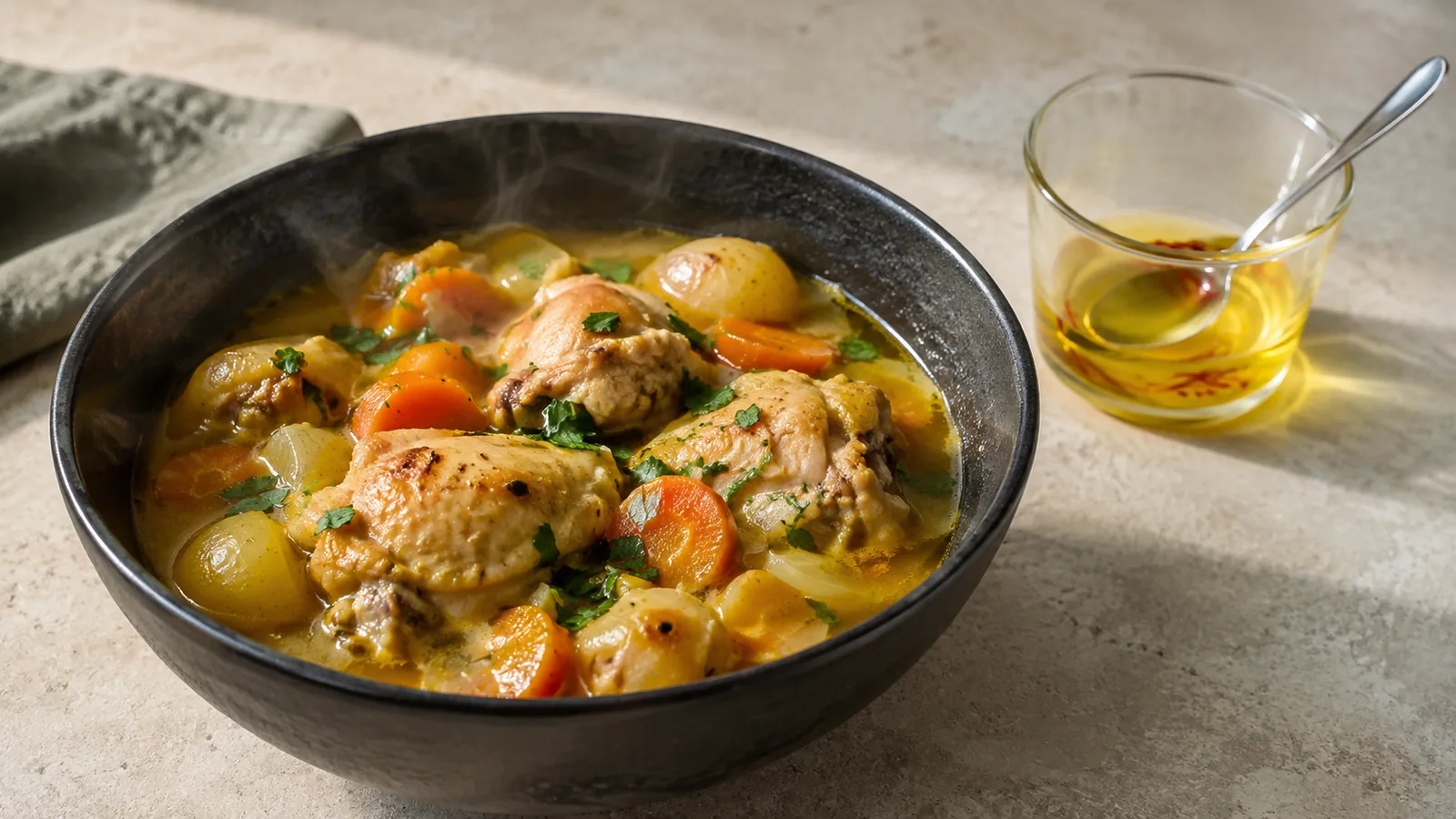


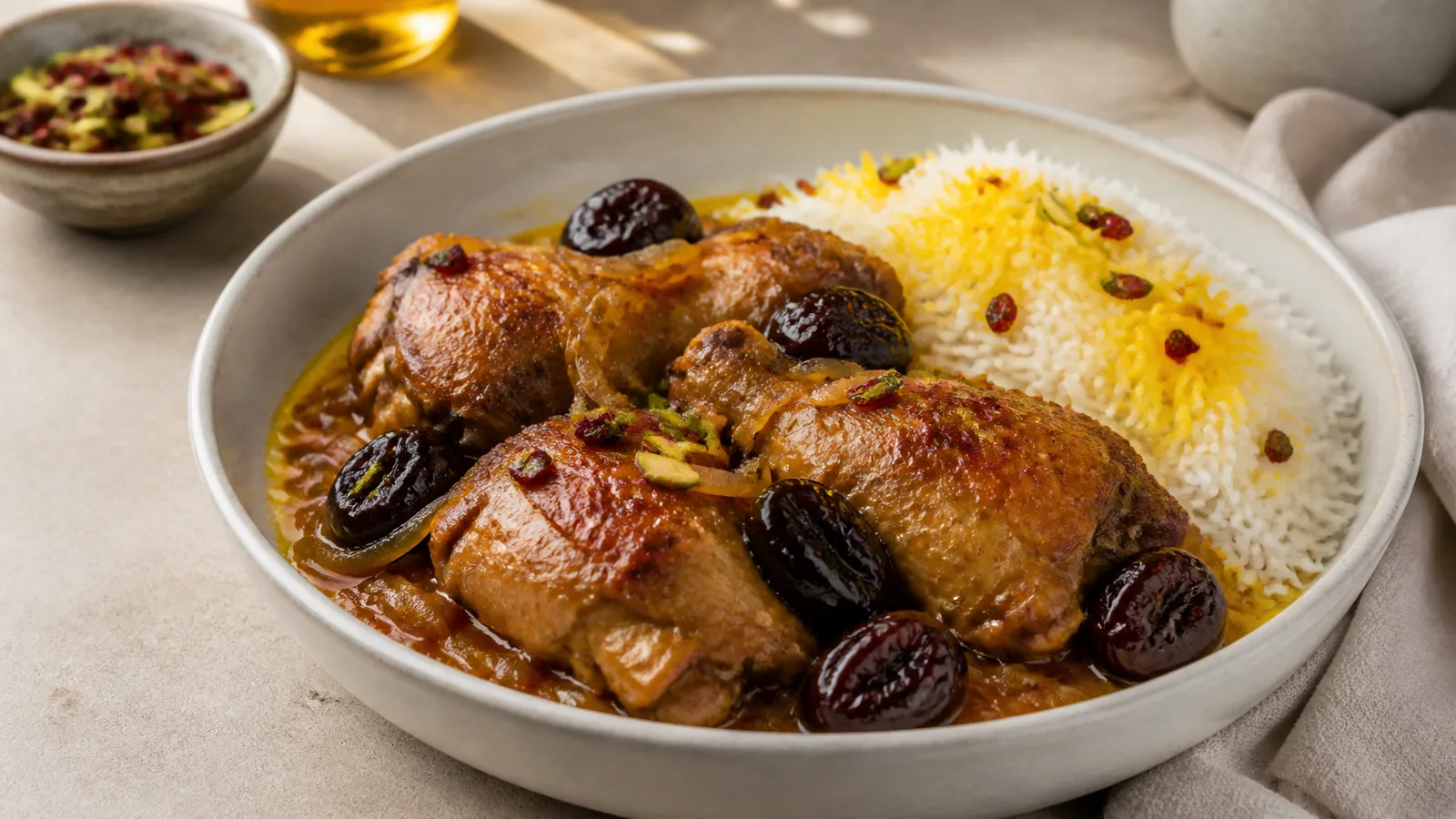
This saffron chicken with plums recipe, prepared in a Persian style, balances savoury saffron chicken with soft dried plums and a glossy sweet-tart sauce. The fruit goes in late enough to hold its shape, while bloomed saffron is divided between the simmer and finish. Sugar is optional: taste the plums first, then decide whether the pot needs it.
Saffron chicken with plums at a glance
- Serves: 4
- Preparation: about 25 minutes
- Cooking: about 55–70 minutes, depending on the chicken pieces
- Flavour: savoury, aromatic and gently sweet-tart
- Serve with: steamed basmati rice, saffron rice, Zereshk Polo or flatbread
Bone-in thighs are the easiest choice because they stay juicy while the sauce develops. Breast works too, but it should be checked earlier and removed as soon as it is safely cooked.
Ingredients
- 800 g bone-in chicken thighs or a mixture of thighs and breast pieces
- 200–250 g dried plums, preferably pitted, about 12–16 depending on size
- 1 large onion, finely sliced
- 2 garlic cloves, finely chopped
- 2 tablespoons neutral oil
- 15 g unsalted butter, optional, especially when using breast
- 1 teaspoon ground turmeric
- ½ teaspoon freshly ground black pepper
- 1 teaspoon fine salt, divided, plus more after tasting
- ½ teaspoon loosely packed saffron threads, about 0.15 g
- 3 tablespoons hot water for blooming the saffron
- 350–450 ml hot water or unsalted chicken stock
- Up to 2 tablespoons sugar, optional
- 1 tablespoon fresh lemon juice, optional
For a simple garnish, use a small spoonful of toasted slivered almonds or pistachios and briefly sautéed barberries. The garnish should sharpen the presentation, not turn the dish into a second fruit stew.
Which dried plums work best?
Dried sour or sweet-tart plums—often sold as Aloo Bokhara, aloo bukhara or Persian dried plums—give the sauce its most useful balance. Choose pieces that are soft enough to rehydrate, smell clean and show no mould or fermentation. Pitted fruit is easier to serve, although whole dried plums can hold their shape well if diners know they contain stones.
Taste one after soaking. Some batches are sharply sour; others are already quite sweet. This is why adding 2 tablespoons of sugar automatically can make the finished chicken with plums cloying.
Qeysi usually refers to dried apricot rather than a plum. It can make a good chicken-and-fruit variation, but it tastes different and should be named honestly. If using dried apricots, omit the sugar at first and add lemon only after the sauce has reduced.
Bloom the saffron
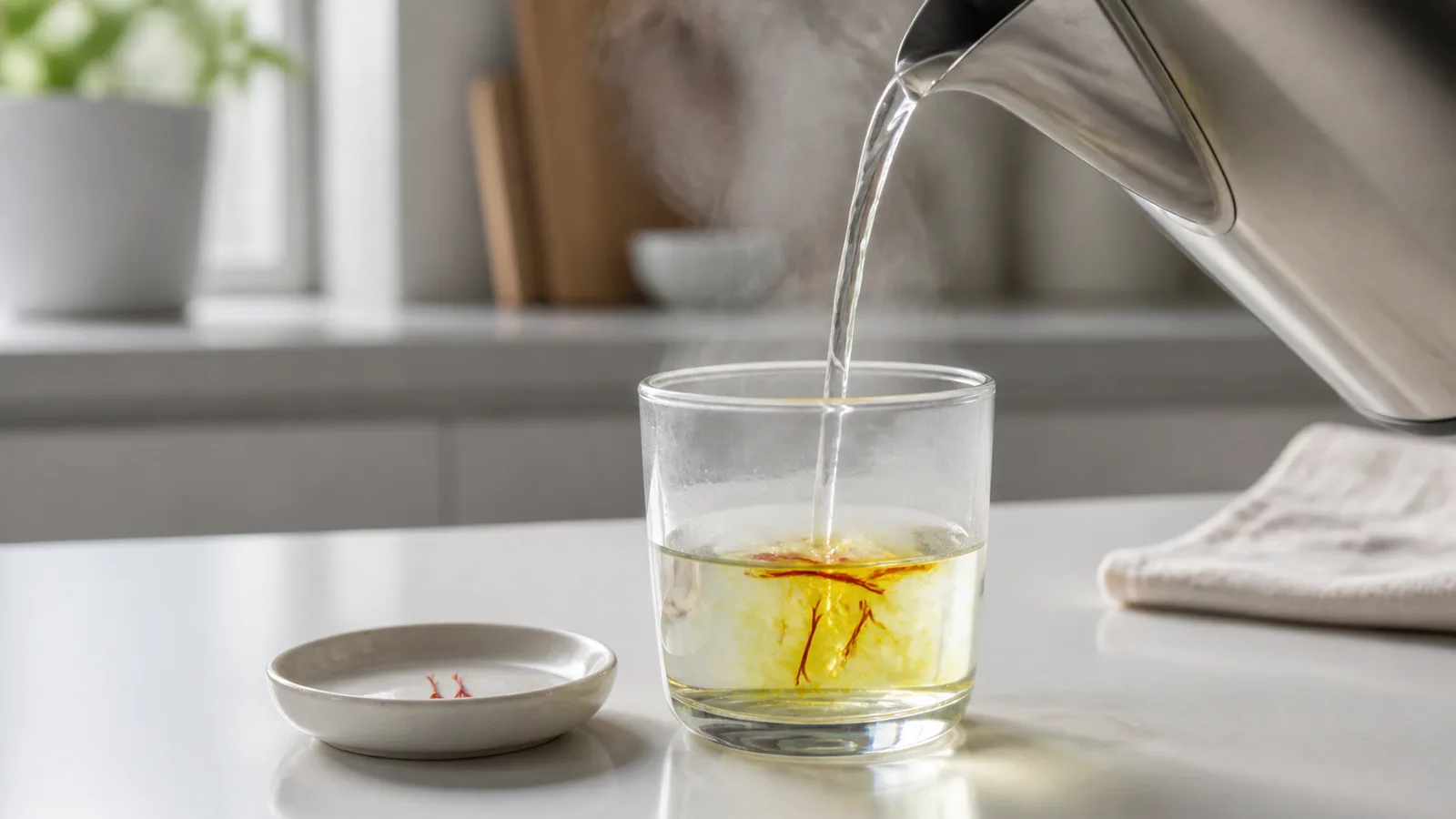
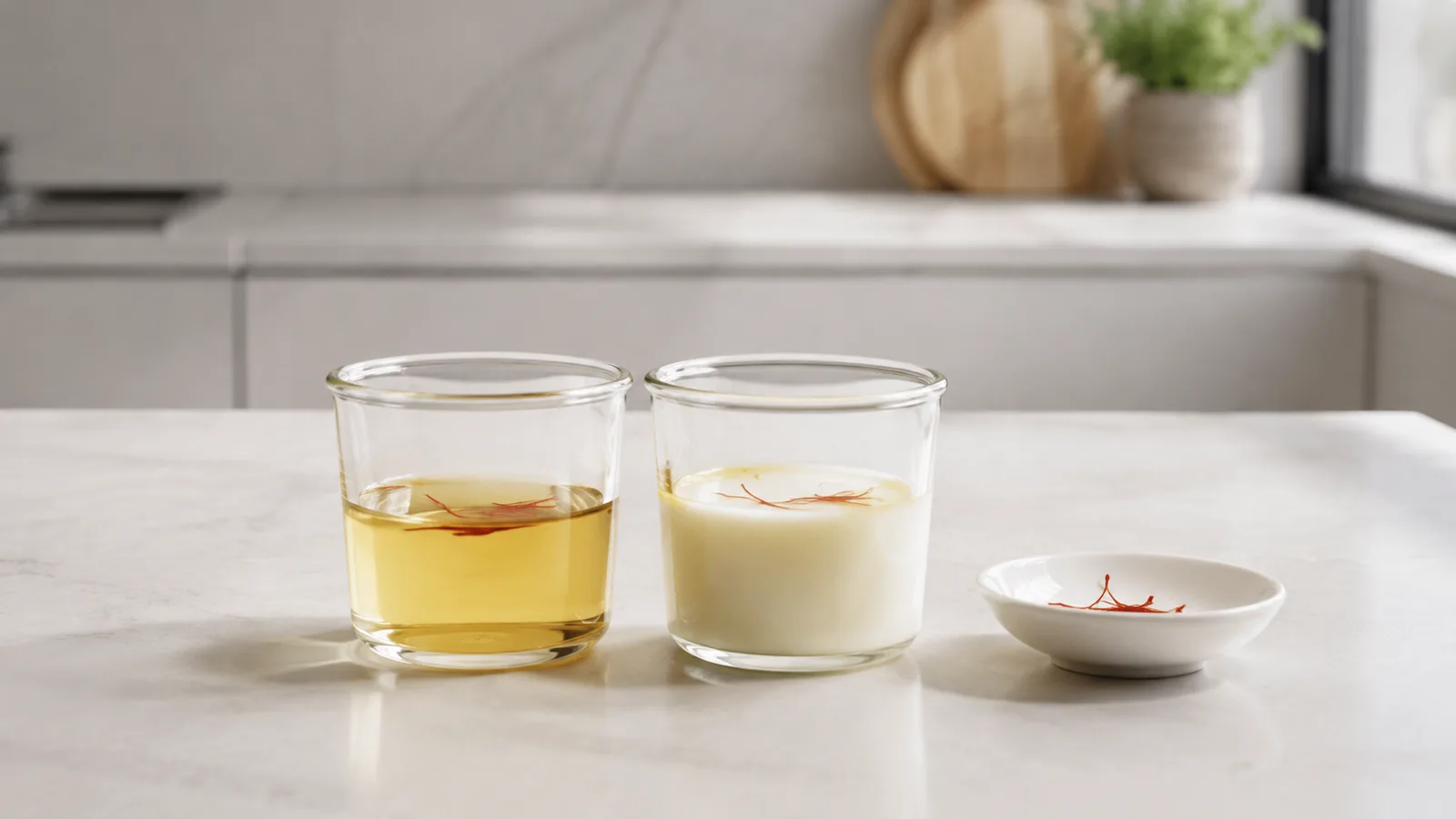
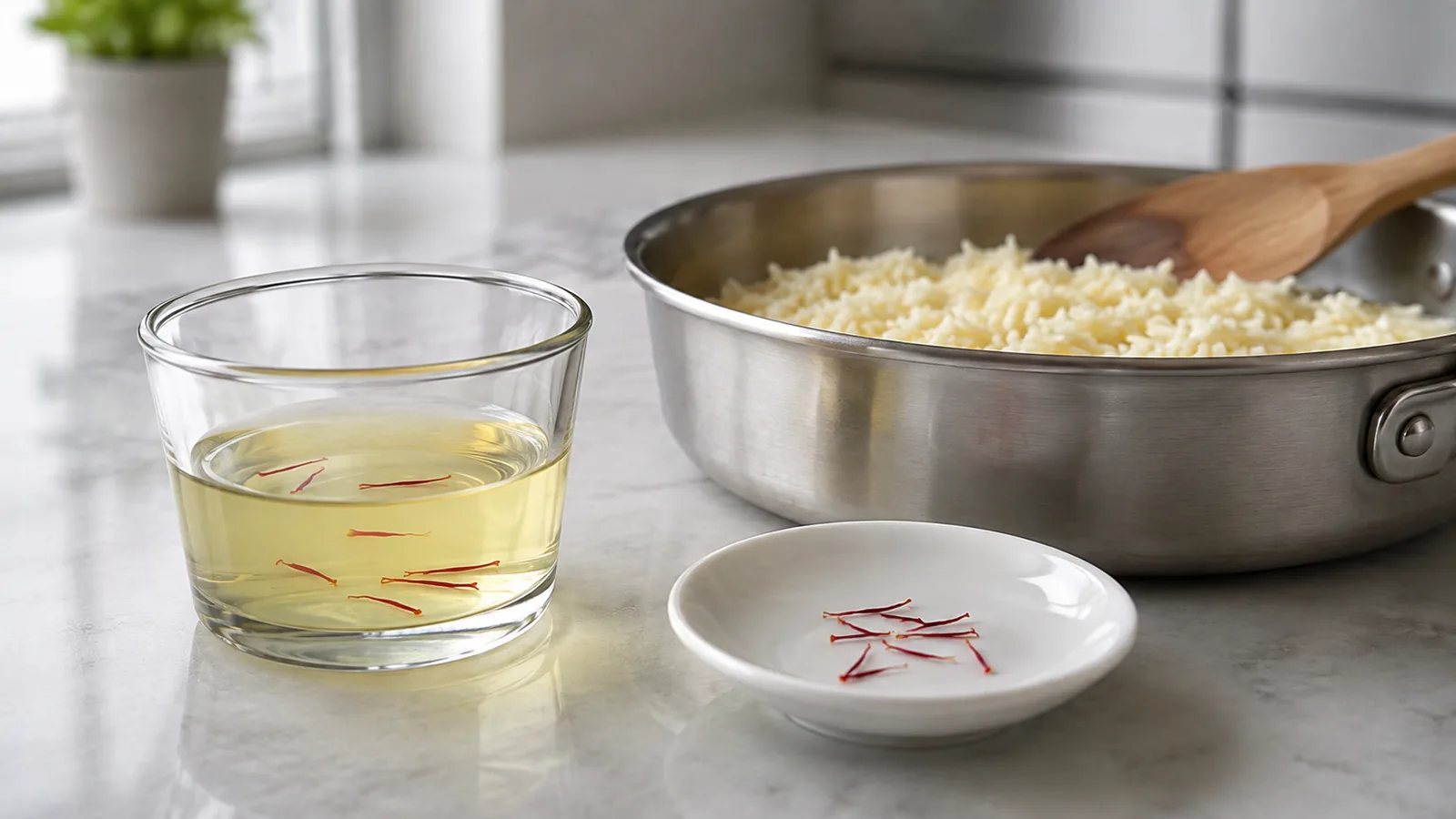
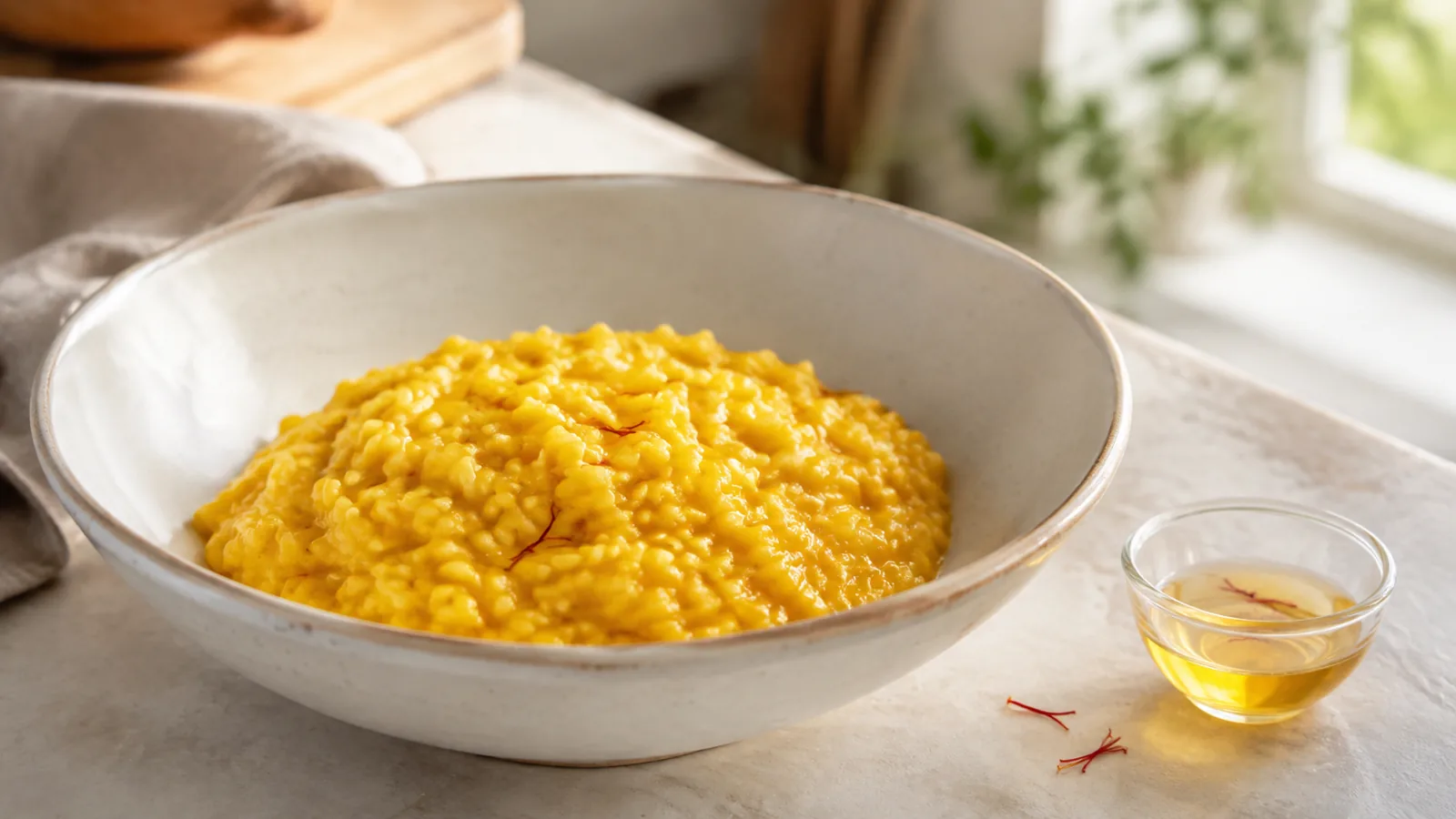
Grind the saffron threads to a coarse powder, pour over the hot water and cover for 10–15 minutes. The liquid should become deep gold and aromatic. Use half during the simmer and reserve half for the end. That gives the sauce colour and depth without cooking away every fresh aromatic note.
For more detail on temperature and ice alternatives, see our guide to blooming saffron before cooking.
How to make saffron chicken with plums
1. Prepare the fruit and chicken
Rinse the dried plums briefly, then cover them with warm water for 15–20 minutes. Lift them out rather than tipping any grit from the bowl into the dish. Reserve the clear soaking water only if it tastes clean and the fruit was not coated with preservatives that give it an off flavour.
Pat the chicken dry; do not wash it in the sink. Season with black pepper and ½ teaspoon each of the salt and turmeric. Keep the board, knife and plate used for raw chicken away from ready-to-eat ingredients.
2. Brown the chicken
Heat the oil in a wide, heavy pot over medium heat. Brown the chicken in one layer for 3–4 minutes per side. Work in batches if necessary. The pieces will not be cooked through yet; browning simply builds flavour and helps them keep a good surface during the simmer. Transfer to a clean plate.
3. Cook the onion and garlic
Lower the heat and add the sliced onion with the remaining ½ teaspoon salt. Cook for 10–12 minutes, stirring and scraping the pot, until soft and lightly golden. Add the garlic and remaining turmeric and cook for about 1 minute. Do not let the garlic darken.
If the onion sticks, add a spoonful of hot water. Extra oil is rarely needed once the onion begins releasing moisture.
4. Simmer the chicken
Return the chicken and any collected juices to the pot. Add 350 ml hot water or stock and half the saffron infusion. The liquid should come partway up the pieces rather than submerge them. Bring to a gentle simmer, cover and cook over low heat for about 25–35 minutes.
Check breast pieces earlier than thighs. If a breast reaches its safe temperature before the sauce is ready, transfer it to a covered clean plate and return it near the end.
5. Add the plums
Nestle the soaked plums into the sauce. Cover and simmer gently for another 12–18 minutes. Stir by moving the pot or using a spoon around the fruit; vigorous mixing can break softened plums into the sauce.
Check the thickest part of each chicken piece with a food thermometer, avoiding the bone. Poultry should reach at least 74°C/165°F. Time alone cannot confirm doneness because piece size and pot temperature vary.
6. Balance and reduce
Uncover the pot and add the remaining saffron infusion. Simmer for 5–10 minutes until the sauce coats a spoon. Taste before adjusting. If the plums are very sour, add sugar one teaspoon at a time. If the sauce is too sweet, add lemon juice one teaspoon at a time. Stir in the butter at the end if using.
Rest the dish off the heat for 5 minutes. The sauce will settle and thicken slightly around the fruit and chicken.
What should the finished sauce be like?
The sauce should be glossy and loose enough to spoon over rice, with some softened onion still visible. It is not a soup and does not need flour or starch. Reduction concentrates the onion and fruit naturally.
Plums vary enough that no fixed sugar-to-lemon formula works for every pot. A good version first tastes savoury and aromatic, then tart and gently sweet. Saffron should be recognisable without making the sauce medicinal or bitter.
Chicken breast or thigh?
Thighs suit the longer simmer and provide a richer sauce. Breast gives a lighter, neater presentation but dries sooner. If using both, keep pieces similar in size and monitor them separately. Adding butter can enrich breast meat, but it cannot repair overcooking.
Boneless pieces can be used and will finish faster. Do not shorten the onion stage; instead, add the chicken later or remove it sooner. The sauce still needs time to soften the onions and plums.
How to keep the plums intact
- Choose dried plums that are supple rather than cracked and brittle.
- Soak them briefly instead of boiling them first.
- Add them only after the chicken is mostly cooked.
- Keep the sauce at a gentle simmer, not a rolling boil.
- Stir around the fruit rather than pressing it with a spoon.
- Reduce the sauce uncovered for a short time instead of cooking everything for another half-hour.
Garnish without making the dish too sweet
Toast almond or pistachio slivers in a dry pan or a small amount of butter. If using barberries, rinse and sauté them over low heat for less than a minute. Scatter either garnish over the plated chicken; do not cook it into the sauce.
A little colour is enough. Candied nuts, a large amount of sugar and sweet dried apricots together can overwhelm the plum’s acidity and the saffron aroma.
What to serve with chicken and plums
Plain steamed basmati rice gives the sauce room to lead. Saffron rice makes a more formal plate, while Zereshk Polo adds another tart layer. Sabzi Polo can work if its herbs are kept balanced and the plum sauce is not very sweet. Warm flatbread is useful for a casual meal.
A crisp cucumber, herb and lettuce salad or plain yoghurt keeps the table fresh. Avoid another heavy sweet side; the chicken-and-plum sauce already provides that contrast.
Can this Persian chicken with plums be made ahead?
Yes. The flavour settles well after a short rest, and the stew can be prepared earlier the same day. Cool and refrigerate it promptly in a covered shallow container. Reheat gently until the chicken and sauce are thoroughly hot, adding a spoonful of water if the sauce has tightened.
Plums become softer each time the dish is reheated. For the neatest presentation, make the sauce and chicken ahead, then add soaked plums during the final reheating and give them enough time to become tender.
Troubleshooting
- The sauce is too sour: add sugar one teaspoon at a time after reduction.
- The sauce is too sweet: add lemon gradually, then recheck the salt.
- The sauce is thin: lift out safely cooked chicken and reduce uncovered.
- The plums disappeared: add them later and simmer more gently next time.
- The breast is dry: use thicker pieces, check temperature earlier or choose thighs.
- The saffron is faint: use fresh threads, bloom them covered and reserve part for the finish.
- The saffron is bitter: check the amount and make sure onion or garlic has not burnt.
A Persian-style chicken with plums recipe that stays balanced
The method works because the ingredients enter in the order they need: onion first, chicken long enough to tenderise, plums late enough to remain whole, and part of the saffron at the finish. Taste the fruit before reaching for sugar. Done that way, saffron chicken with plums is elegant without being fussy and sweet-tart without becoming dessert.