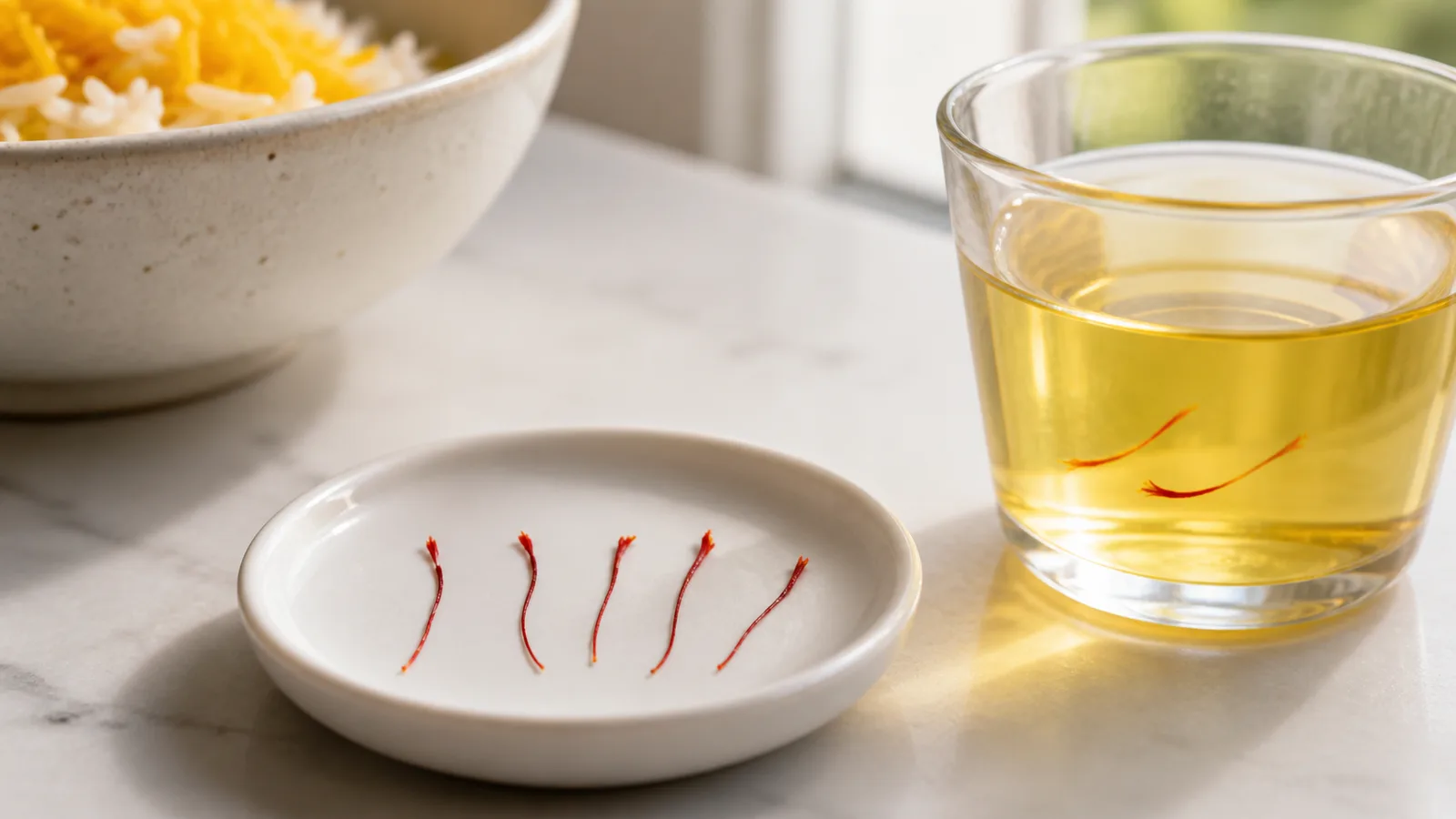
Saffron is not hot-spicy. It does not burn like chilli or tingle like black pepper. Its intensity comes from aroma and a gentle bitterness: floral, hay-like and earthy notes, sometimes with a honeyed impression. Saffron spiciness is therefore about aromatic strength, not chilli heat; used too heavily, it can become bitter or medicinal rather than “more saffrony.”
How spicy is saffron?
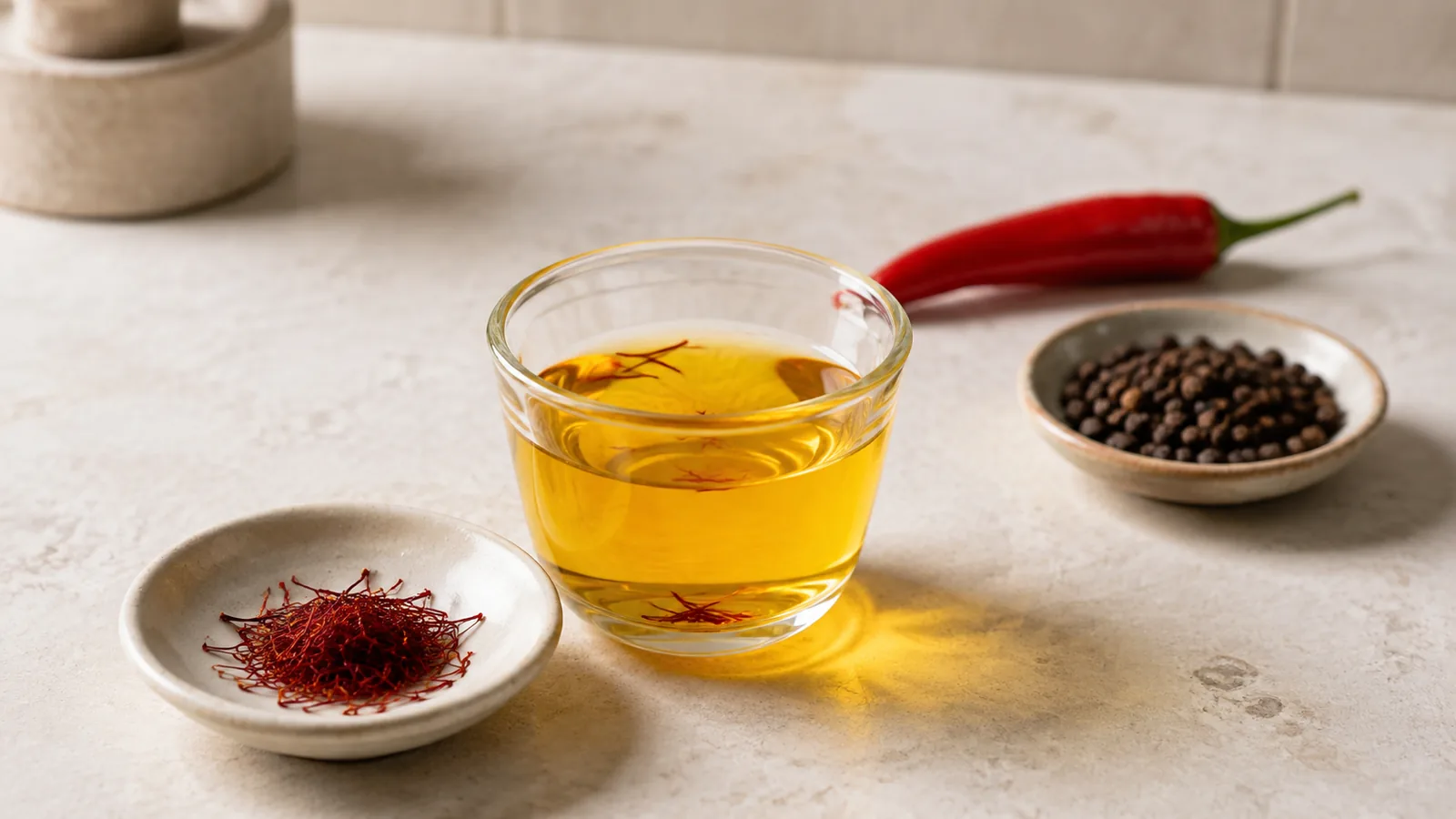
On a chilli-heat scale, saffron has essentially no role. Chilli heat comes from capsaicinoids, while black pepper’s pungency comes mainly from piperine. Saffron’s important sensory compounds are different. Crocins contribute its golden colour, picrocrocin contributes bitter taste, and safranal is central to its aroma, as summarised in a peer-reviewed review of saffron’s quality compounds.
That is why calling saffron a “spice” can cause confusion. The word describes a culinary ingredient; it does not mean that every spice is hot. Cinnamon, vanilla and nutmeg are spices too, yet none behaves like cayenne.
What does saffron taste like instead?
Good saffron is aromatic first. People often reach for words such as floral, grassy, hay-like, earthy and honeyed, but none is a perfect translation. “Honeyed” describes part of the aroma, not a sugary taste. A clean bitterness gives the flavour shape, especially in a concentrated infusion.
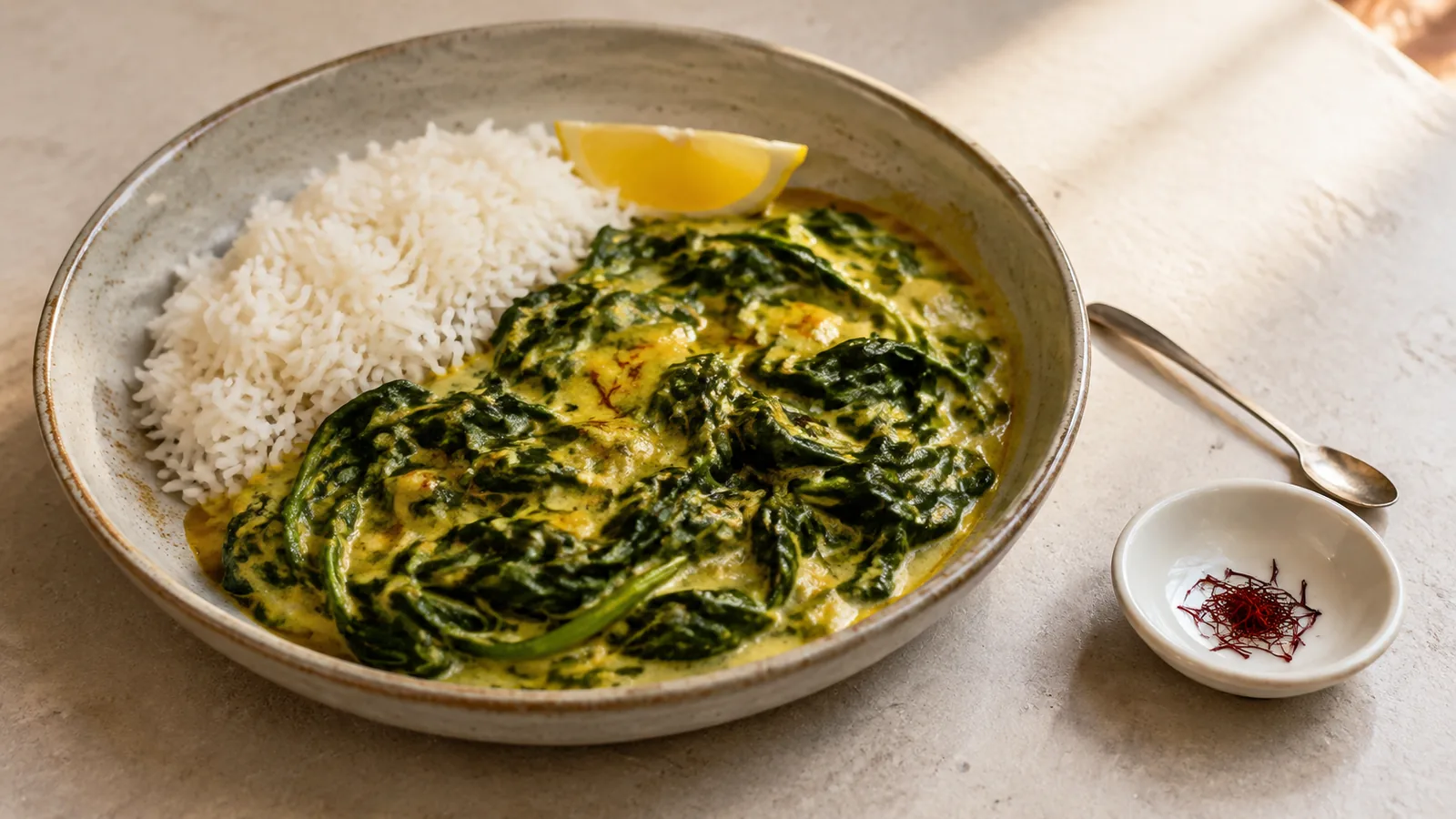
The balance changes with the dish. In rice or broth, saffron may feel warm and savoury. In milk, custard or cake, its floral side is easier to notice. Tomato, citrus, onion, butter, cardamom and stock each draw attention to a different part of the same spice.
Does saffron make food hot?
No. Saffron can make a dish golden and aromatic without increasing chilli heat. A saffron risotto, rice pudding or cup of saffron milk should not feel hot on the tongue unless another ingredient supplies that sensation.
If a saffron dish burns, check the whole recipe. Chilli, cayenne, hot paprika, pepper, ginger, mustard and some spice blends are more likely explanations. The temperature of the food can also make a strongly seasoned bite feel more intense, but that is not saffron creating heat.
Why can saffron taste bitter or harsh?
Too much was used
A restrained amount is part of saffron’s appeal. Doubling the threads can deepen colour while pushing bitterness past the aroma. If a recipe tastes medicinal or metallic, adding still more saffron will not repair it.
The threads were not distributed well
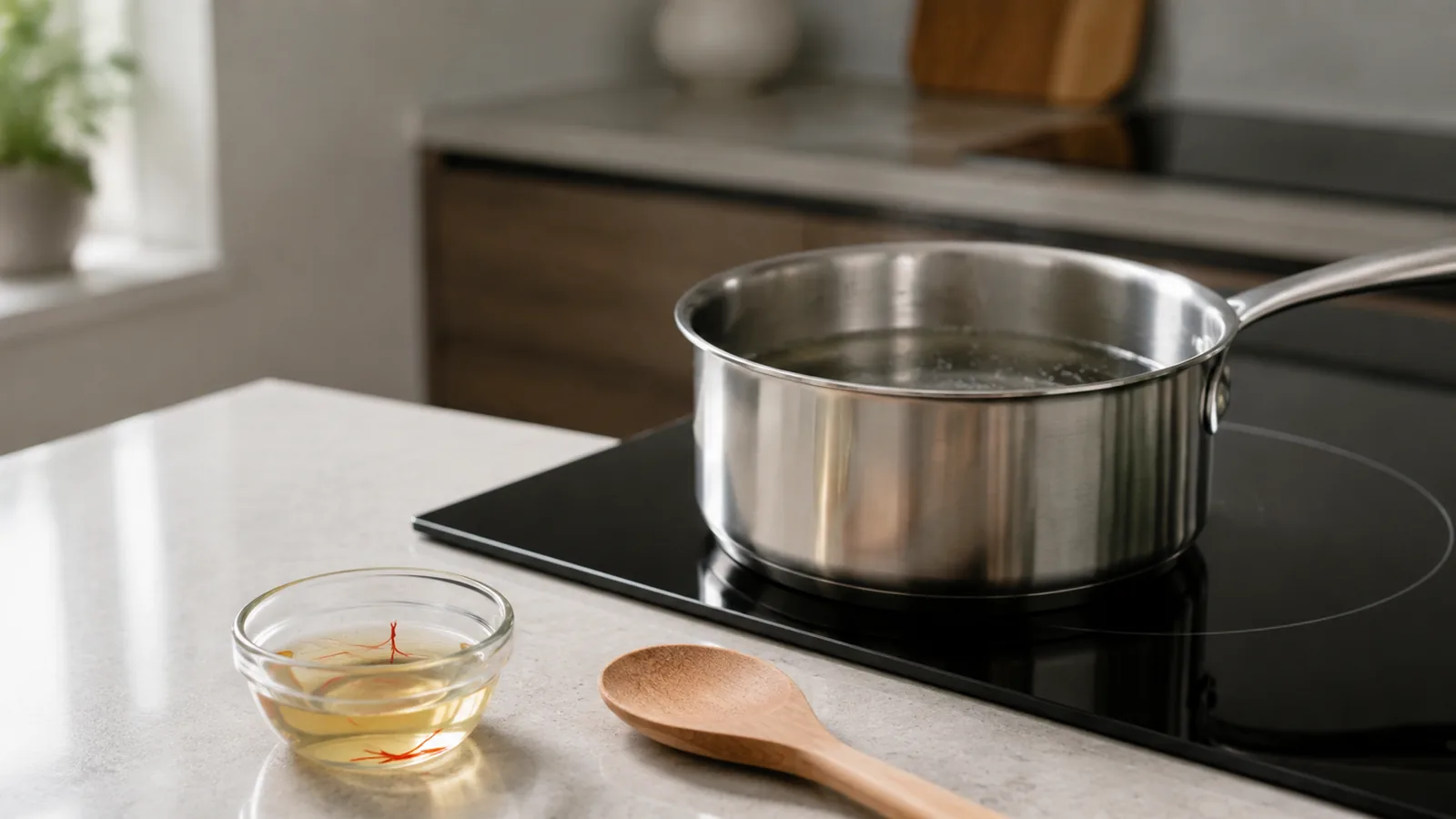
Dry threads dropped into one part of a dish can create concentrated bites. Lightly crush a measured pinch and steep it in warm water, stock or milk that belongs in the recipe. Stir the infusion through the dish so no mouthful receives most of it.
The product may be old or poorly handled
Light, heat, air and moisture gradually weaken saffron’s aroma. Old threads may still release colour while tasting flat or dusty. An odd chemical flavour can also be a reason to inspect the product, its storage and any other seasonings rather than assuming every bitter note proves authenticity.
How strong should saffron taste?
You should be able to notice it without searching for it, but it should still leave room for the food. In a simple infusion, the aroma should rise before the first sip; in rice, it should sit through the grains rather than appear only in a dark yellow patch. The bitterness is a quiet edge, not the main event.
Thread size, grade, age and recipe volume vary, so there is no honest universal thread count for every dish. Start with the recipe’s lower amount, infuse it, and judge the finished balance before changing the next batch. Saffron develops differently in water, fat and dairy, and the aroma can soften during long cooking.
Can you pair saffron with hot spices?
Yes. Saffron and chilli are not opposites; they simply do different jobs. A little chilli can give heat while saffron provides aroma and colour. The pairing works in rice, seafood stew, tomato sauce, chicken and some North African or South Asian dishes.
Keep the hot spice in proportion. A large dose of cayenne can cover saffron completely, which wastes the more delicate ingredient. Black pepper is easier to control, while sweet paprika can add body without as much heat. Smoked paprika changes the aroma more dramatically and may become the dominant flavour.
What foods show saffron’s flavour most clearly?
Rice, stews, soups and desserts can all reveal saffron clearly when their other seasonings leave room for it.
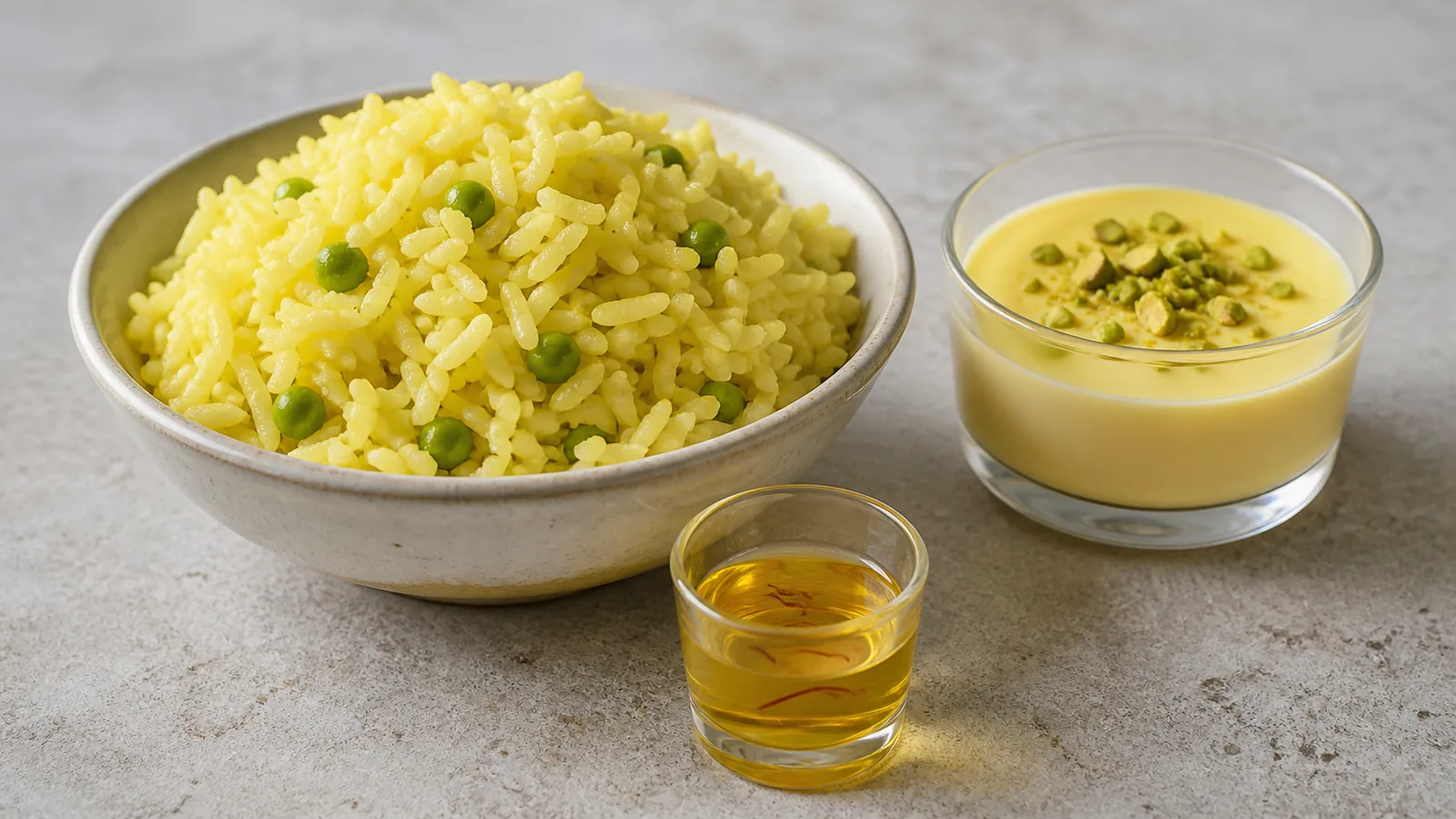
- Plain or lightly seasoned rice spreads the colour and leaves room for the aroma.
- Risotto and cream sauces soften the bitterness and make the floral notes easy to notice.
- Fish broth and seafood stew place saffron against savoury stock, fennel, tomato or citrus.
- Milk, custard and rice pudding show its aromatic side without chilli heat.
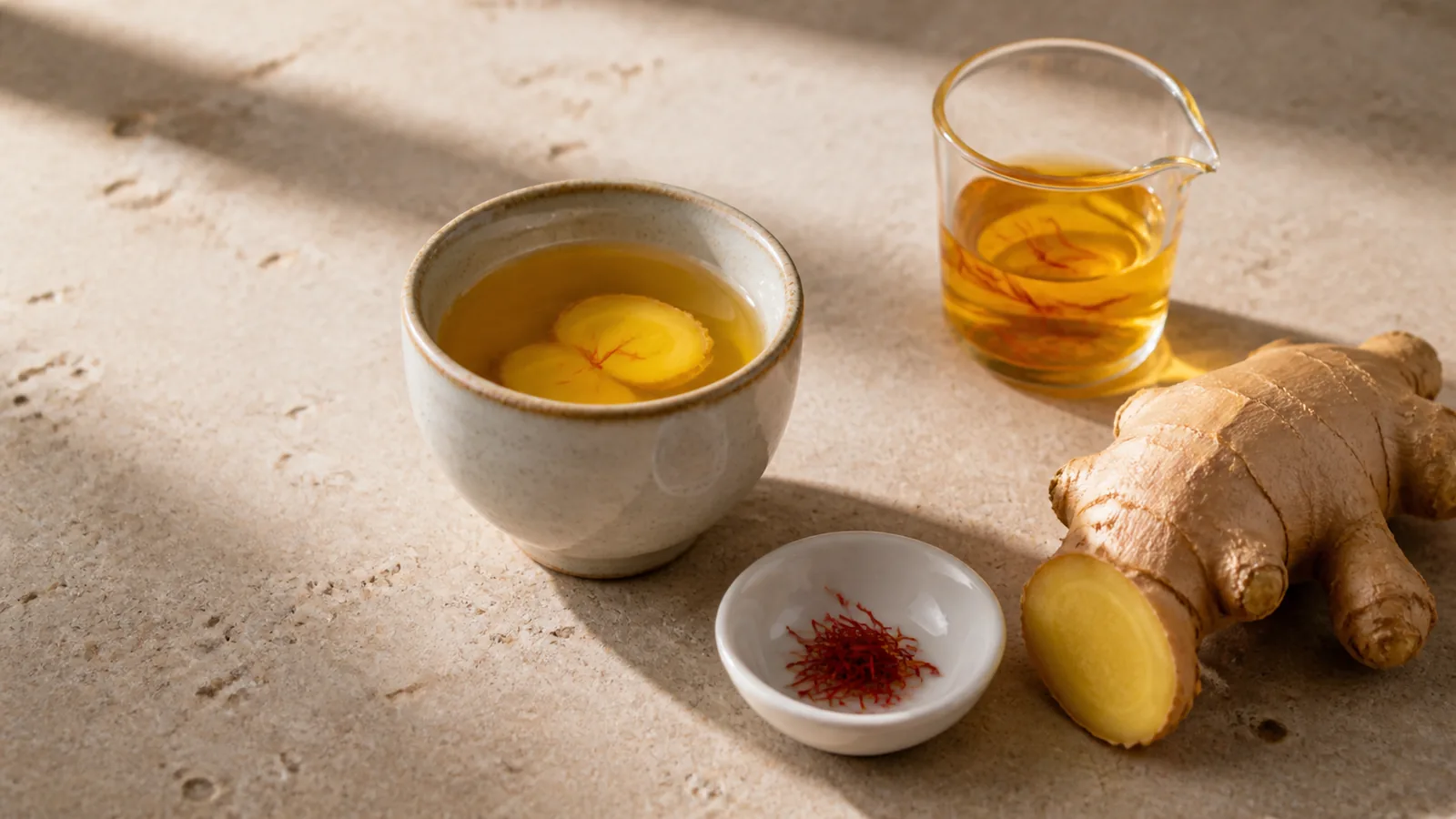
- Simple warm water infusion lets you learn the ingredient before adding it to a complex recipe.
If you are tasting saffron for the first time, compare a small infusion with plain warm water before judging it inside a heavily spiced dish. Smell it, sip when cool enough, and notice the aroma, colour and clean bitter finish separately. Our guide to how saffron tastes explores those sensory descriptions in more detail.
So, how spicy is saffron? It has character, but no chilli burn. Its strength is fragrant rather than hot. Use a modest, well-infused amount and let it share the dish with other ingredients; if you want heat, add a hot spice deliberately instead of expecting saffron to provide it.