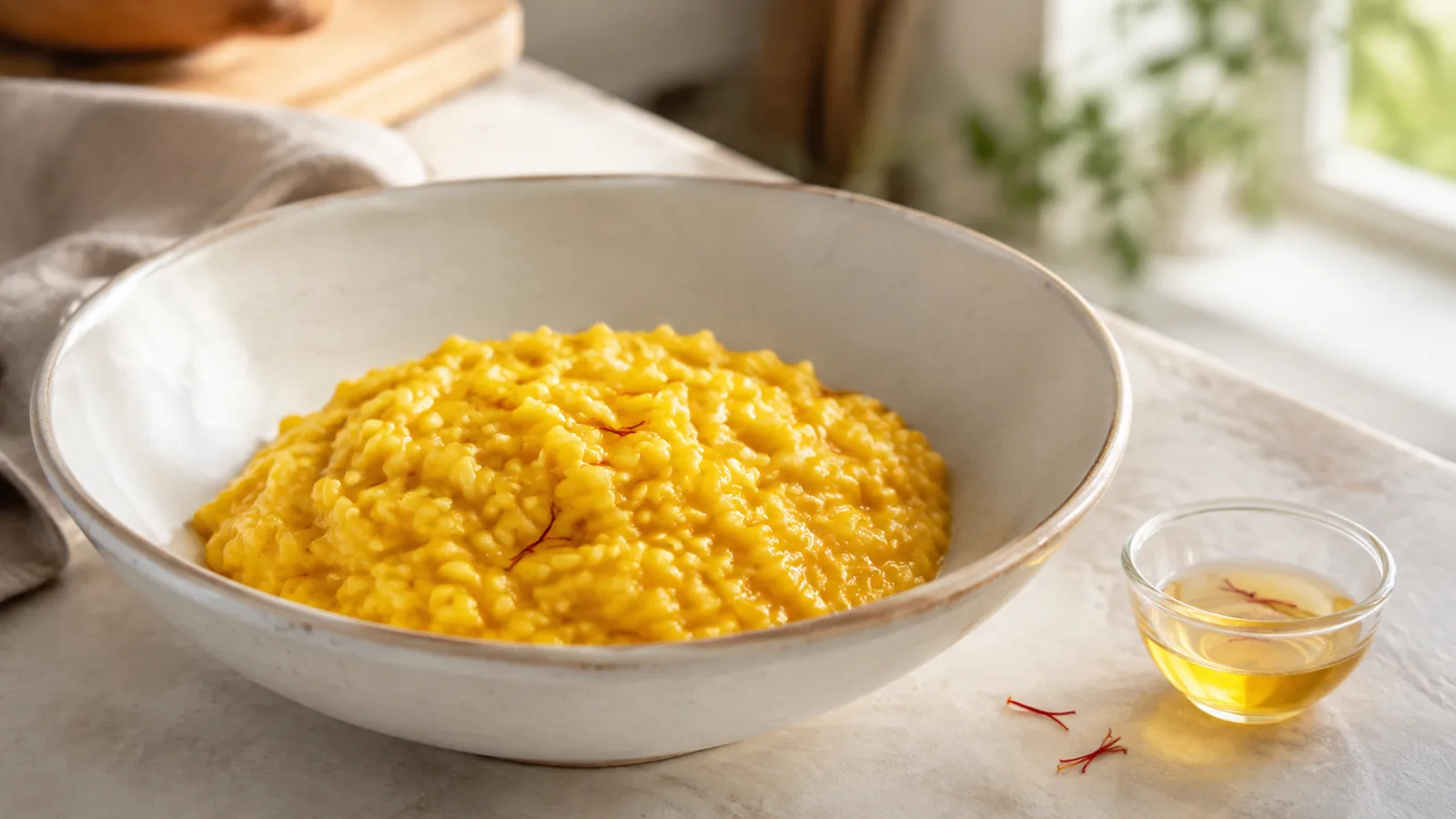
How much should we eat saffron in a month? There is no official recommended monthly allowance for saffron. For food and tea, use it as a spice: a small pinch or a few threads at a time, usually shared across several servings. You do not need to reach a gram target to gain its colour, aroma or flavour.
The older version of this page suggested three grams per person per month. That is not a recognised dietary recommendation, so it should not be treated as a goal. The sensible amount depends on whether you mean culinary threads, a strong infusion or a concentrated extract. Those are different exposures and should not be measured by the same rule.
How much saffron in a month is normal for cooking?
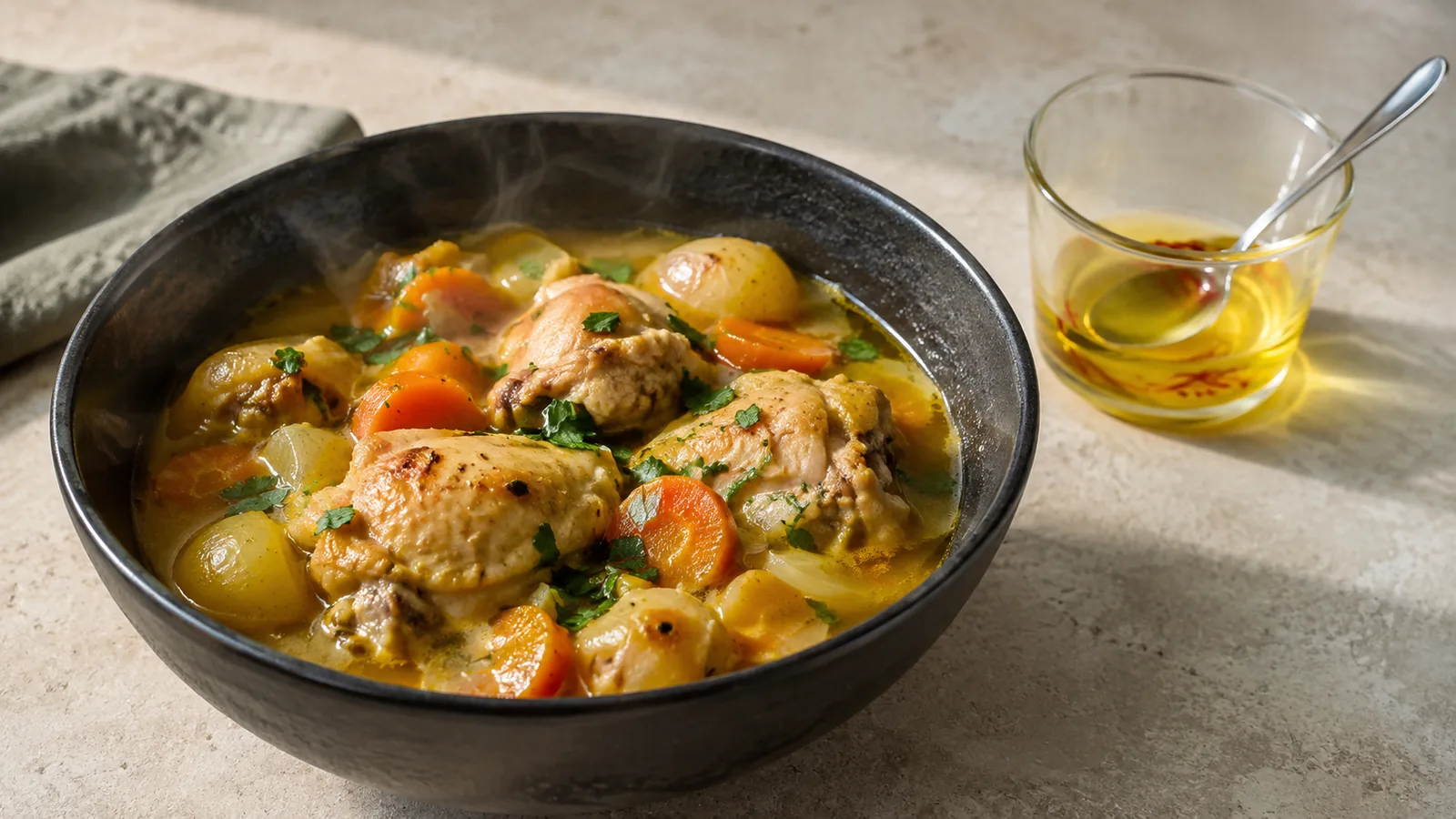
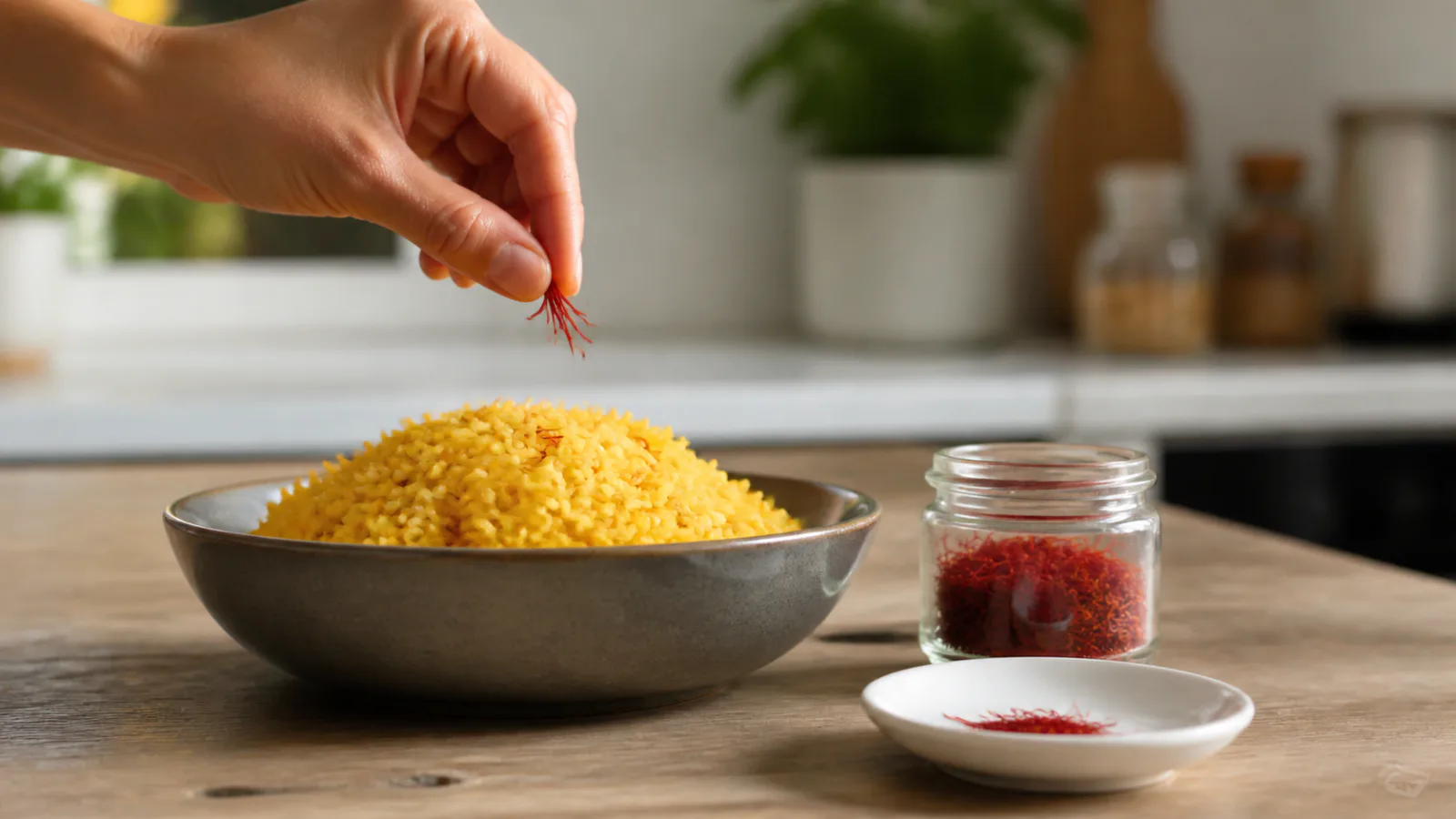
Most home cooks use saffron in tiny quantities. A pinch can flavour rice, soup, a stew, milk, a dessert or tea. In Iranian cooking it is often bloomed first, then spread through a larger dish rather than eaten by one person in one sitting.
Monthly use therefore follows the number of recipes you make. A household that prepares saffron rice every week may use more than someone who drinks an occasional cup of tea, but neither person needs a health quota. Start with less, taste the food, and add only enough to give the intended aroma and golden colour. Too much can make a dish bitter and wastes an expensive ingredient.
A practical way to measure saffron
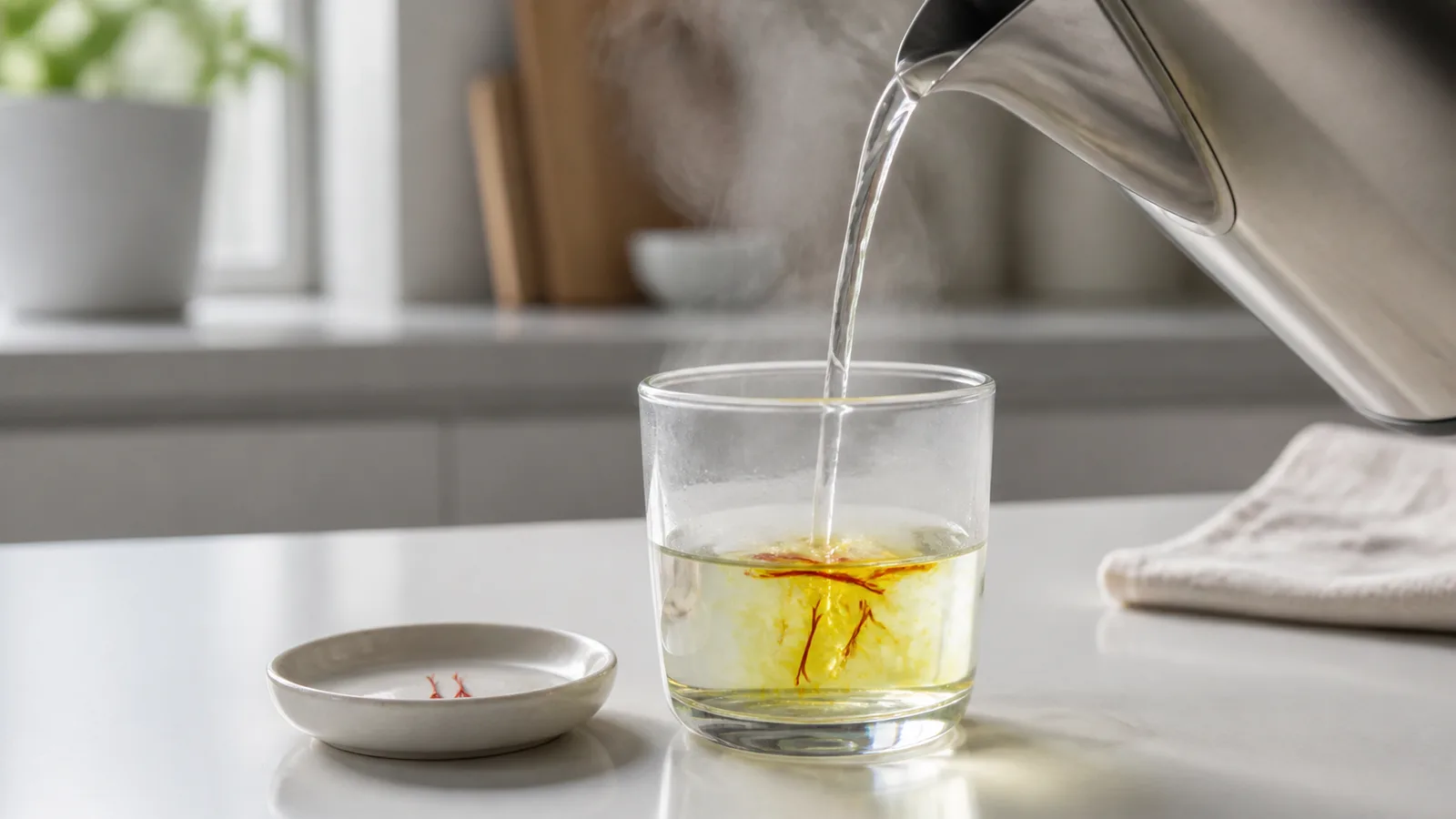
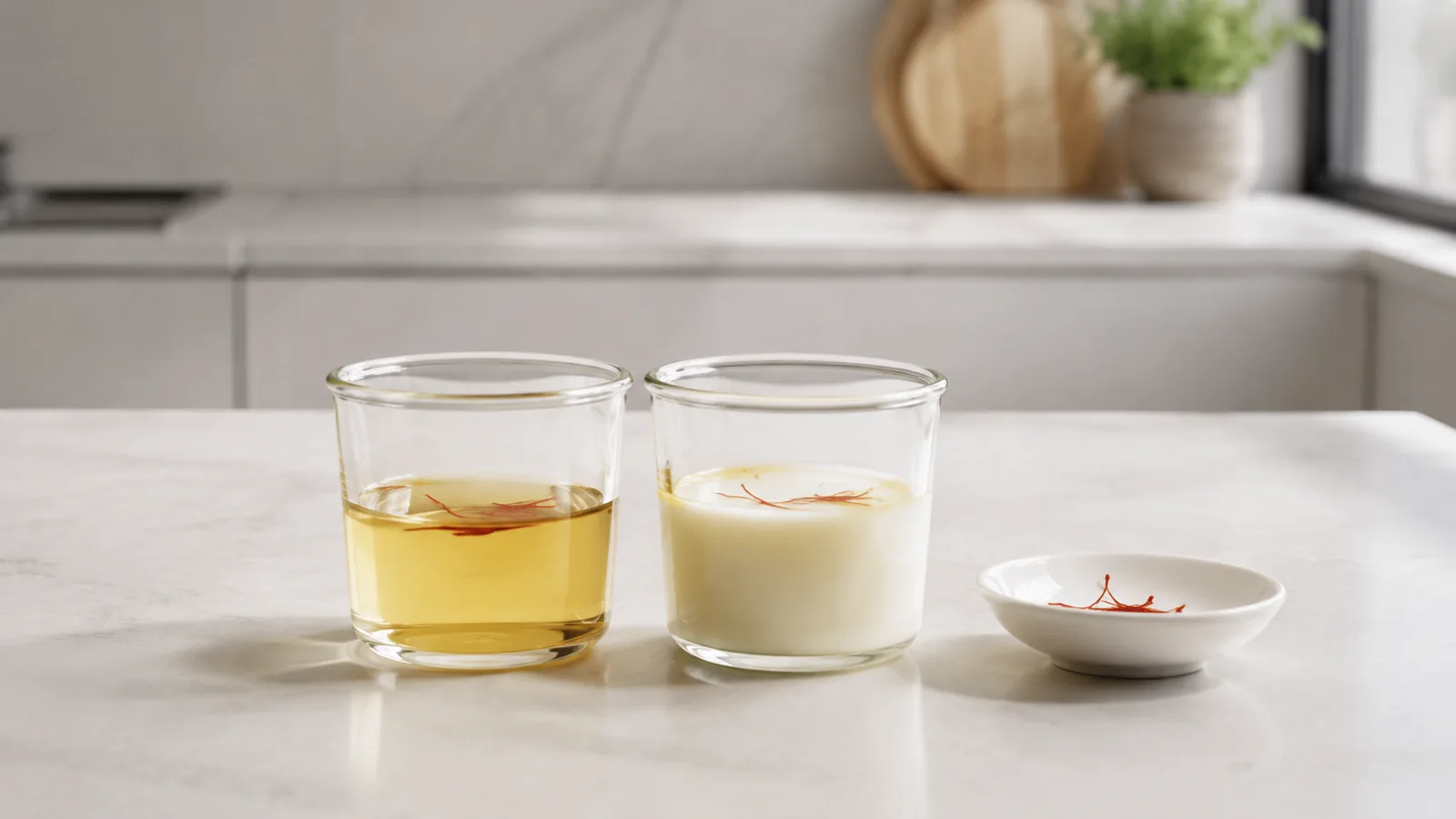
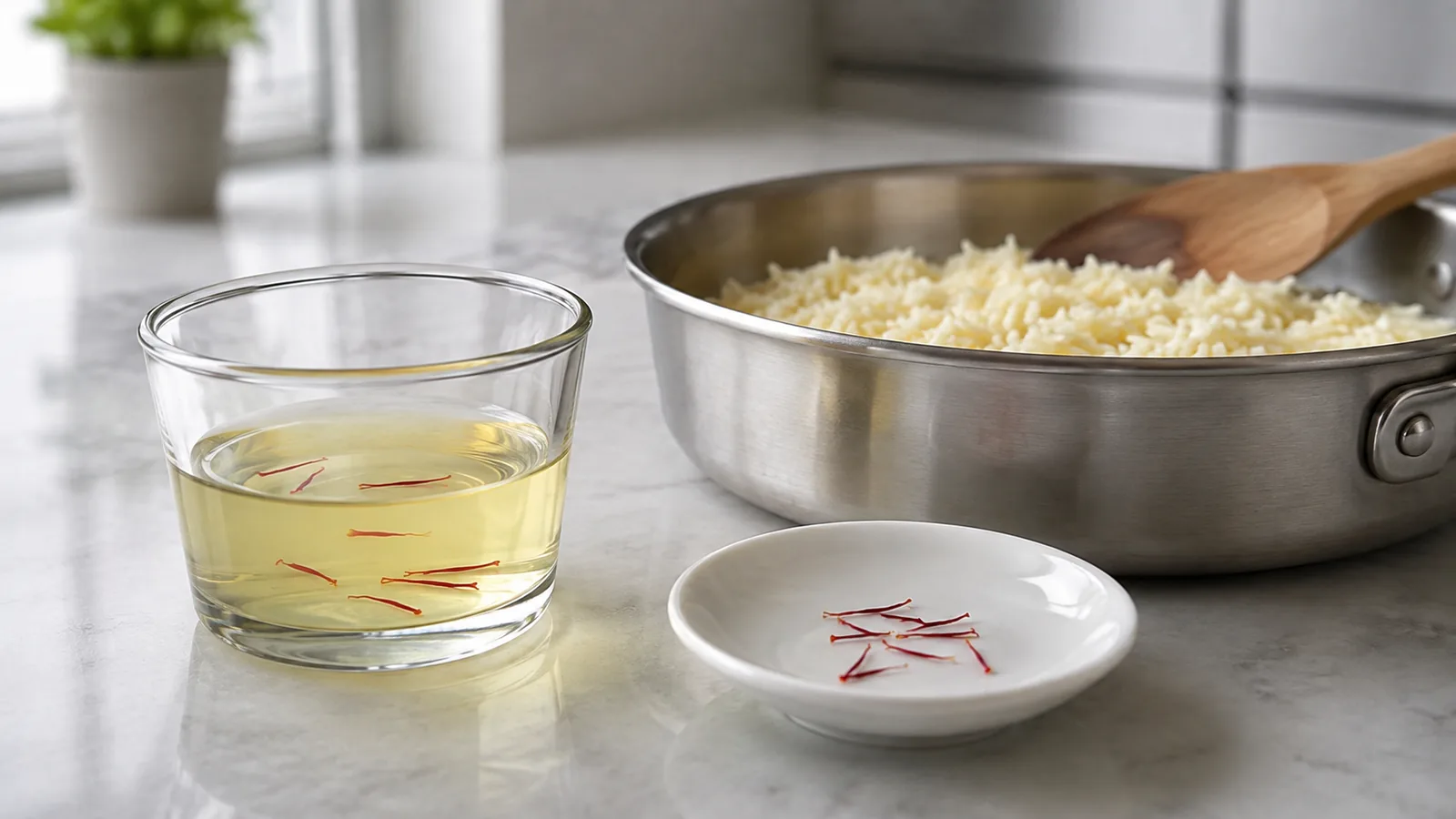
Whole threads are easier to inspect and measure than powder. For a cup of mild saffron tea, 5–8 threads are a reasonable culinary starting point. For a family-size dish, use a small pinch, lightly crush it and bloom it in warm water or another recipe liquid before mixing it through the food.
Thread counts are only approximate because flowers and threads vary. If precision matters, use a small scale that reads hundredths of a gram and follow a tested recipe. Do not use a kitchen teaspoon as though it were a medical dose, and do not convert a supplement study into an amount of loose threads by guesswork.
Culinary saffron and saffron supplements are not equivalent
A spice jar contains dried stigmas of Crocus sativus. Supplements may contain powdered material or a standardised extract with a stated amount of selected compounds. Research doses apply to the exact preparation studied; they are not a general instruction to eat the same number of milligrams of any product.
A systematic map of saffron clinical evidence found human trials across several health topics, but preparations, study quality and results varied. Saffron should not be taken each month as a substitute for treatment, and more is not automatically better. If you are considering a concentrated product for mood or another health reason, discuss the exact label and your medicines with a clinician or pharmacist.
Can eating too much saffron cause side effects?
Yes. Large or concentrated amounts are no longer ordinary seasoning. Reported unwanted effects include nausea, vomiting, headache, dizziness, dry mouth, drowsiness and allergic symptoms. A 2026 systematic review of saffron adverse events also found that safety reporting across clinical studies was inconsistent. The absence of a symptom in a short trial is not proof that every product and amount is safe.
Do not deliberately test gram-level amounts. If someone swallows a large quantity or develops severe vomiting, faintness, unusual bleeding, swelling or breathing difficulty, contact local poison-control or emergency services. Keep spice and supplement containers away from children.
Who needs extra caution?
- Pregnancy: do not use saffron extracts or medicinal amounts unless an obstetric clinician specifically recommends them. A 2026 review of saffron in pregnancy found limited, inconclusive evidence and reasons for caution with higher exposure.
- Breastfeeding: evidence for concentrated products is insufficient, so ask a qualified clinician before using one.
- Medicines: seek advice before combining a supplement with antidepressants, blood-pressure medicines, anticoagulants or antiplatelet medicines.
- Allergy or low blood pressure: stop using the product and obtain advice if it causes symptoms.
A normal amount distributed through food is a different situation from a capsule, extract or very strong drink. Even so, personal medical advice takes priority when pregnancy, an allergy, a health condition or prescription treatment is involved.
Does saffron need to be eaten every day?
No. Saffron is an optional flavouring, not an essential nutrient. It can make food appealing, but there is no evidence-based requirement to consume it daily or monthly. Claims that it is a guaranteed antidepressant, “happy drug” or protection against the harms of artificial colourings go beyond what food use can establish.
If you enjoy saffron, use it regularly or occasionally according to the dish. If you do not enjoy it, there is no dietary target you are failing to meet. For a balanced look at benefits, side effects and product forms, see our guide to the benefits and disadvantages of saffron for health.
How to keep a monthly saffron supply fresh
Buy an amount you can use while it remains aromatic. Store the dry threads in a tightly closed, food-safe container away from light, heat, moisture and strong odours. Take out only what the recipe needs, then close the container promptly. Damp spoons and steam shorten storage quality.
Intact red threads are easier to examine than powder. Choose a traceable seller and be cautious of unnaturally cheap products, added colour or exaggerated medical promises. Good saffron should contribute aroma and colour without requiring a large amount.
The short answer
There is no set amount of saffron that a person should eat in a month. Use a small culinary amount when a recipe calls for it, and do not turn the old three-gram figure into a target. Supplements and extracts need their own label-specific safety review. The best monthly amount is the smallest amount that gives your food the flavour and colour you want, without concentrated self-dosing.