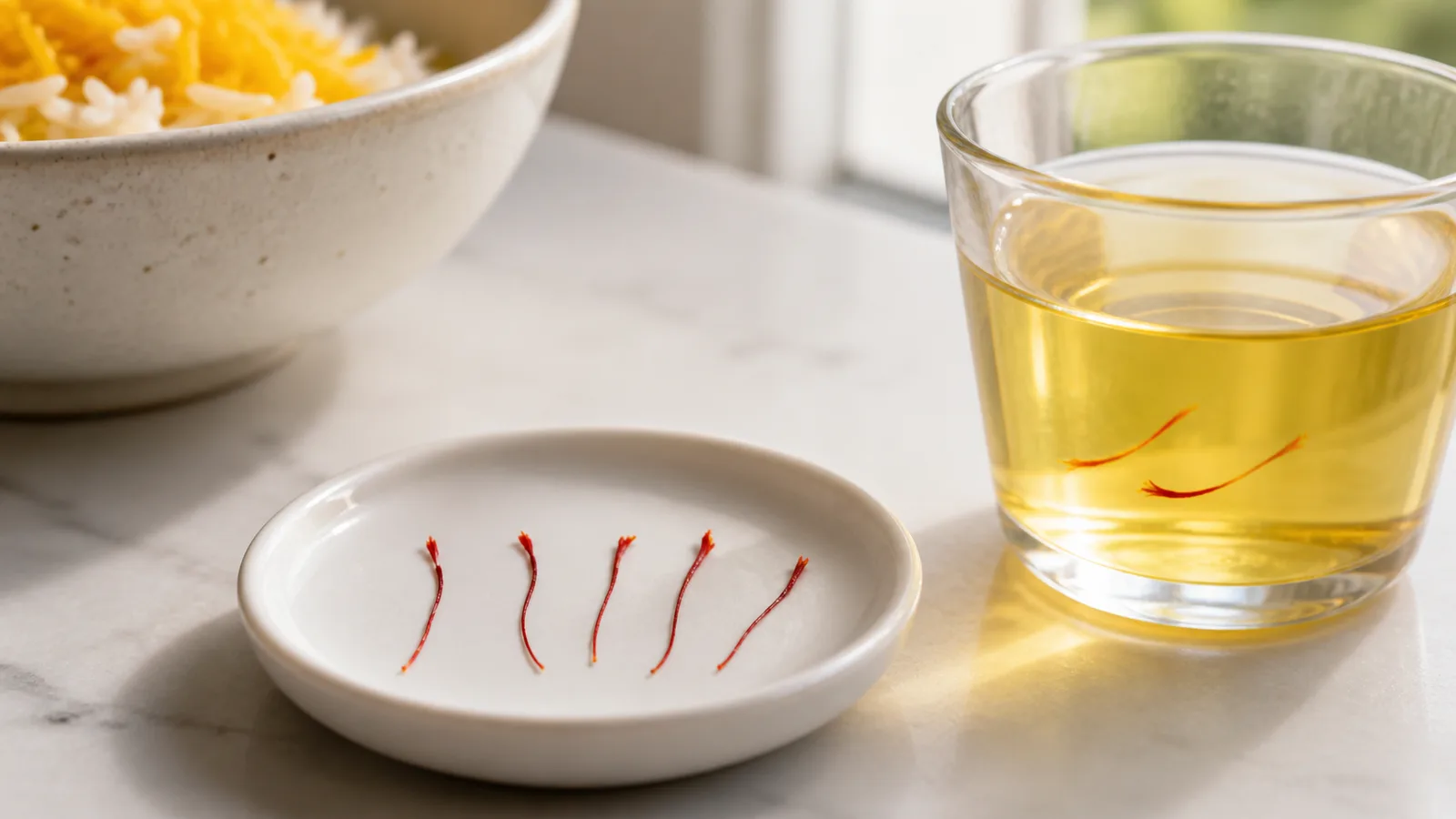
No amount of saffron can be expected to make someone happy on demand. Research does examine saffron supplements for depressive and anxiety symptoms, but the studies involve defined preparations taken for weeks, not an instant effect from a few threads in a meal.
That does not mean the research is irrelevant. It means saffron mood benefits need to be described in the same careful terms as the trials: possible changes in measured symptoms, important uncertainties, and no guarantee for an individual.
How much saffron to make you happy?
There is no scientifically established “happiness dose.” The 20–30-milligram figure often repeated online appears in some saffron studies and supplement labels, but it is not a universal recommendation. It also is not reliably equivalent to “a few threads,” because stigmas vary and extracts may be concentrated or standardised.
The old claim that consuming more than 1.5 grams is the point at which side effects begin is not a safe rule for self-dosing. A gram-level amount is far beyond ordinary seasoning, while risk depends on the preparation, duration, medicines, health conditions and person. Do not treat any smaller number as automatically safe or effective.
What does the current mood research show?
A 2026 GRADE-assessed systematic review and meta-analysis included 34 randomised controlled trials with 1,769 adults. Eligible interventions lasted at least four weeks and used saffron as the only difference between the intervention and control groups.
The pooled results found improvements on two self-reported measures: the Beck Depression Inventory and Beck Anxiety Inventory. However, the review found no significant effect on the clinician-rated Hamilton depression and anxiety scales or on the Profile of Mood States. The certainty of evidence was rated moderate, and results varied substantially across studies.
The authors therefore described saffron supplementation as a possible complementary intervention and called for stronger trials. That is more measured than saying saffron will reduce stress, lift spirits, create happiness or restore emotional balance.
Why 20–30 milligrams is not a kitchen instruction
A clinical product may be a stigma powder, capsule or standardised extract. A kitchen jar contains whole threads of variable size and moisture. Even when both labels use milligrams, their composition and intended use may differ.
- Whole threads in food are used mainly for aroma, flavour and colour.
- Ground saffron is harder to identify and measure by sight.
- Capsules and extracts may have a defined concentration and should be used according to their own label and professional advice.
Do not convert a trial amount into a thread count. Do not increase a supplement because a culinary meal felt subtle, and do not assume that a fragrant cup of saffron tea matches a research intervention.
Can saffron still be enjoyed as part of a daily routine?
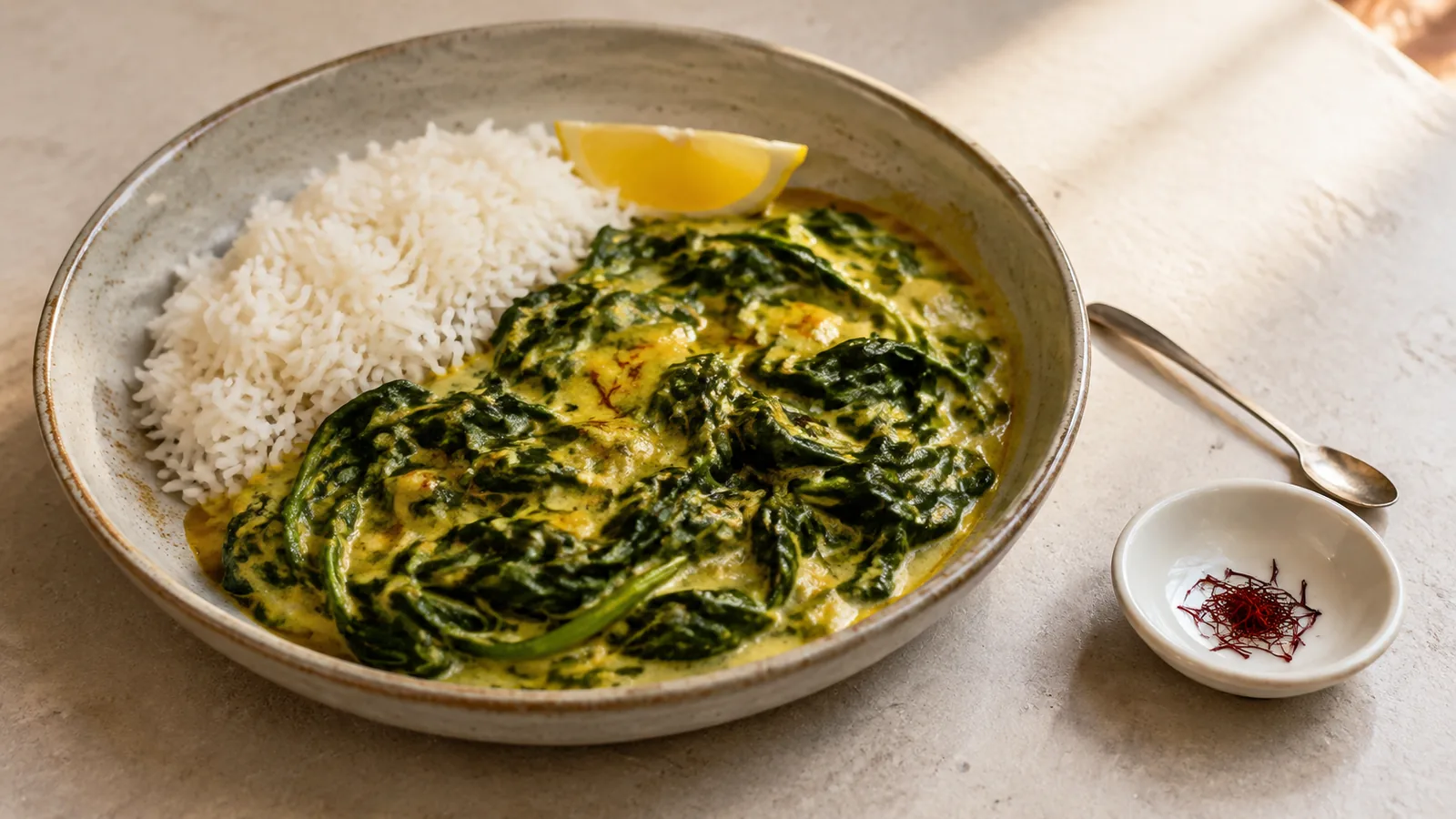
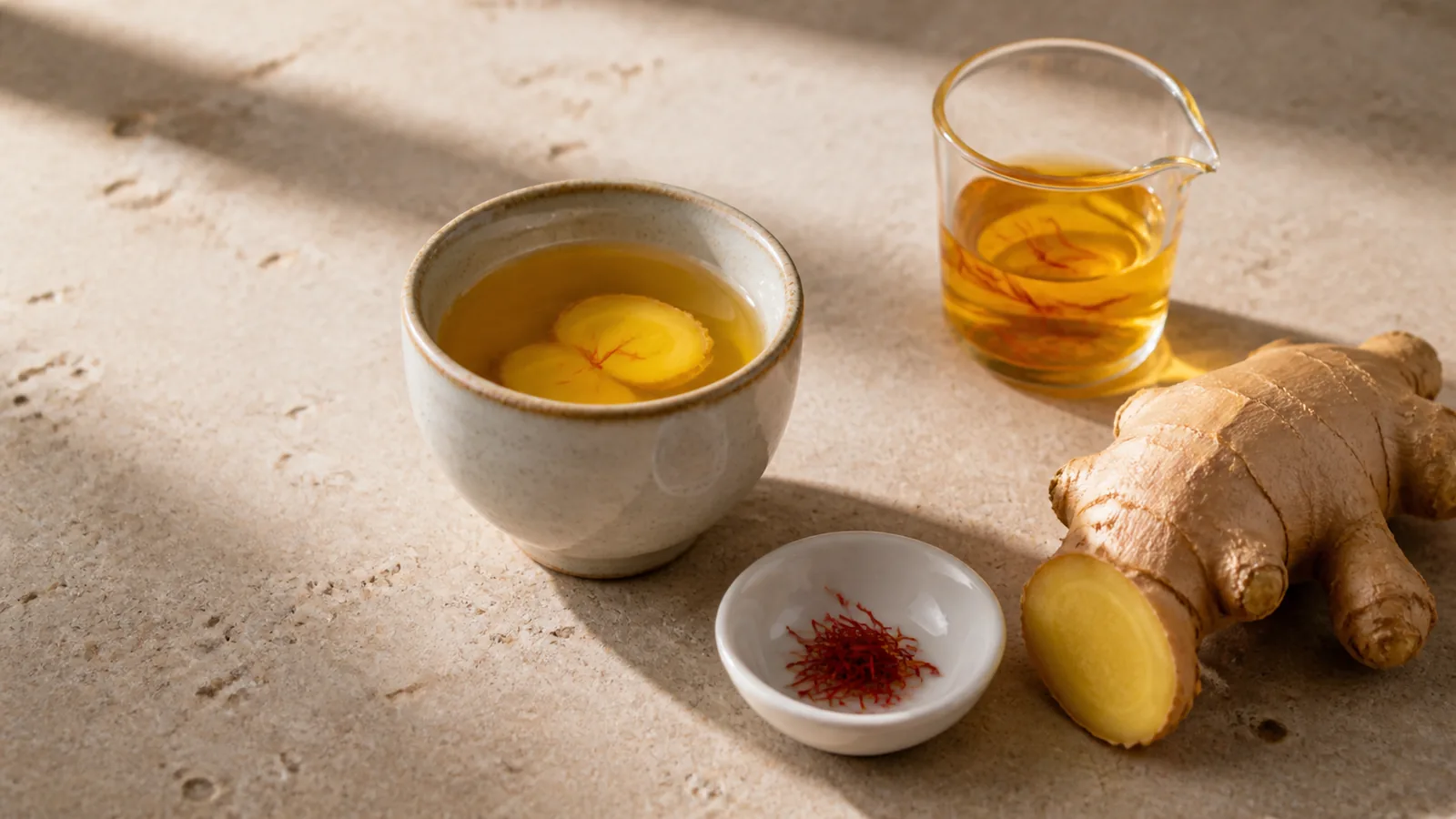
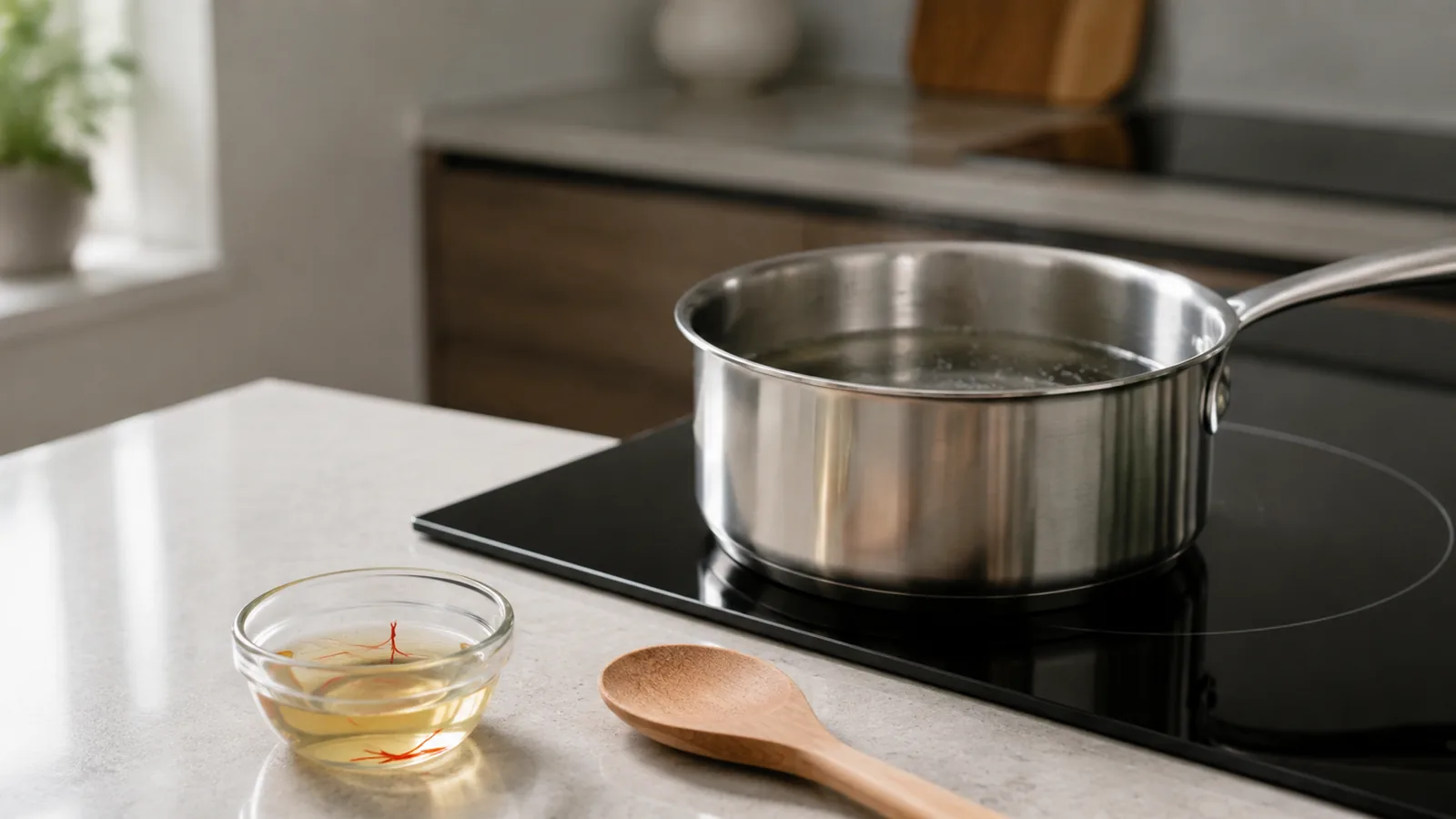
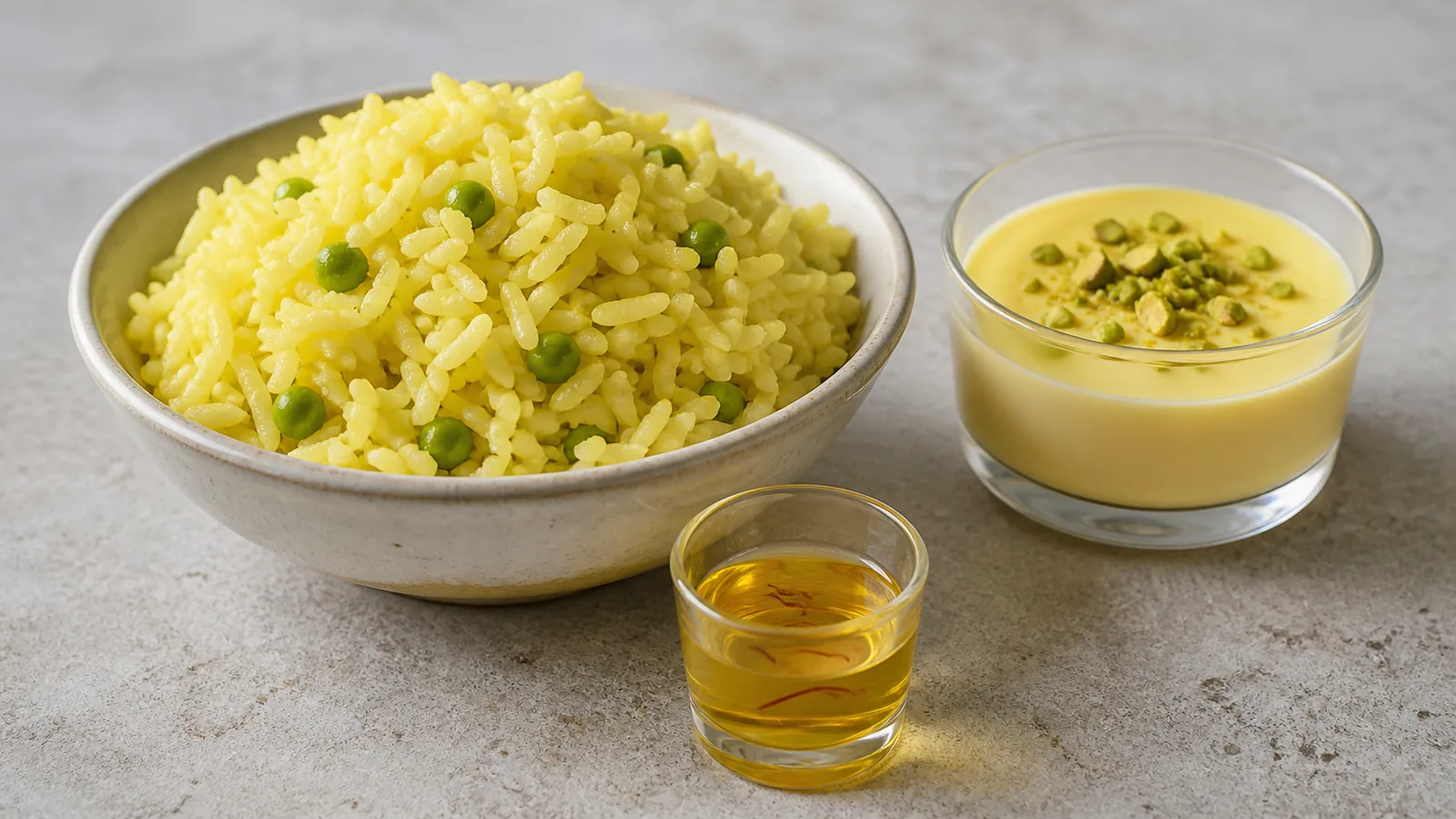
Yes, in ordinary culinary quantities. Add a small amount to rice, soups, teas, milk or desserts for its sensory qualities. Lightly crush the threads and bloom them in warm water, milk or unsalted broth for 10 to 15 minutes. Stir the infusion through the dish so the flavour and colour are evenly distributed.
Choosing healthy ingredients such as nuts or dairy may make a nourishing meal, but pairing them with saffron does not prove or amplify a therapeutic effect. Regular, moderate use does not itself establish emotional balance or overall well-being. Likewise, high-quality saffron should offer better traceability and culinary character; it does not guarantee stronger mood effects or “maximum therapeutic potential.”
A pleasant ritual, balanced meal or familiar aroma may be enjoyable in its own right. That everyday experience should not be confused with evidence that a food treats depression or anxiety.
What about safety?
A separate 2026 systematic review of saffron adverse events assessed 102 clinical trials and one case report. The authors estimated that around 17.5% of participants experienced an event related to saffron; gastrointestinal problems were most common and were usually minor and self-limiting. They advised monitoring for higher-dose or prolonged medicinal use.
Possible symptoms such as nausea, vomiting, diarrhoea, dizziness, faintness or rash deserve attention, particularly after a supplement or an unknown amount. Stop the product and seek medical advice. Severe symptoms, breathing difficulty, fainting or a large exposure require prompt local medical or poison-service guidance.
Ask a clinician or pharmacist before regular supplement use if you are pregnant or breastfeeding, preparing for surgery, buying it for a child, taking prescription medicines, or managing a significant physical or mental health condition.
Do not replace mental-health care with saffron
Persistent low mood, loss of interest, anxiety or difficulty functioning deserves proper assessment. The US National Institute of Mental Health advises speaking with a health professional when depression symptoms persist or do not go away; its depression guidance explains symptoms and treatment options.
If you may harm yourself or are in immediate danger, seek urgent help now. In the United States, call or text 988 or use the 988 Lifeline; elsewhere, contact your local emergency or crisis service. Do not delay care while trying a spice or supplement.
The practical answer
Saffron may be worth studying as a complementary preparation, but there is no amount proven to “make you happy.” Use whole threads modestly for food. If you are considering a supplement for mood, take its exact label to a clinician or pharmacist and discuss the evidence, your medicines and your symptoms.
You can browse our saffron products for culinary use, but flavour, colour and aroma—not a promised change in well-being—are the appropriate expectations for food saffron.