There is no single time at which saffron “kicks in.” Its colour, aroma and flavour appear during cooking within minutes. Health effects studied with standardized extracts, when they occur, are usually assessed after repeated use over several weeks. A calm feeling after one cup may be real to the person experiencing it, but it is not a dependable onset time.
So, how long for saffron effects? The answer depends on the exact outcome, preparation and study. Culinary threads, branded extracts and isolated crocin are not interchangeable, and many popular effects—such as weight loss or clearer skin—have not been established in the first place.
How long does saffron take to work?
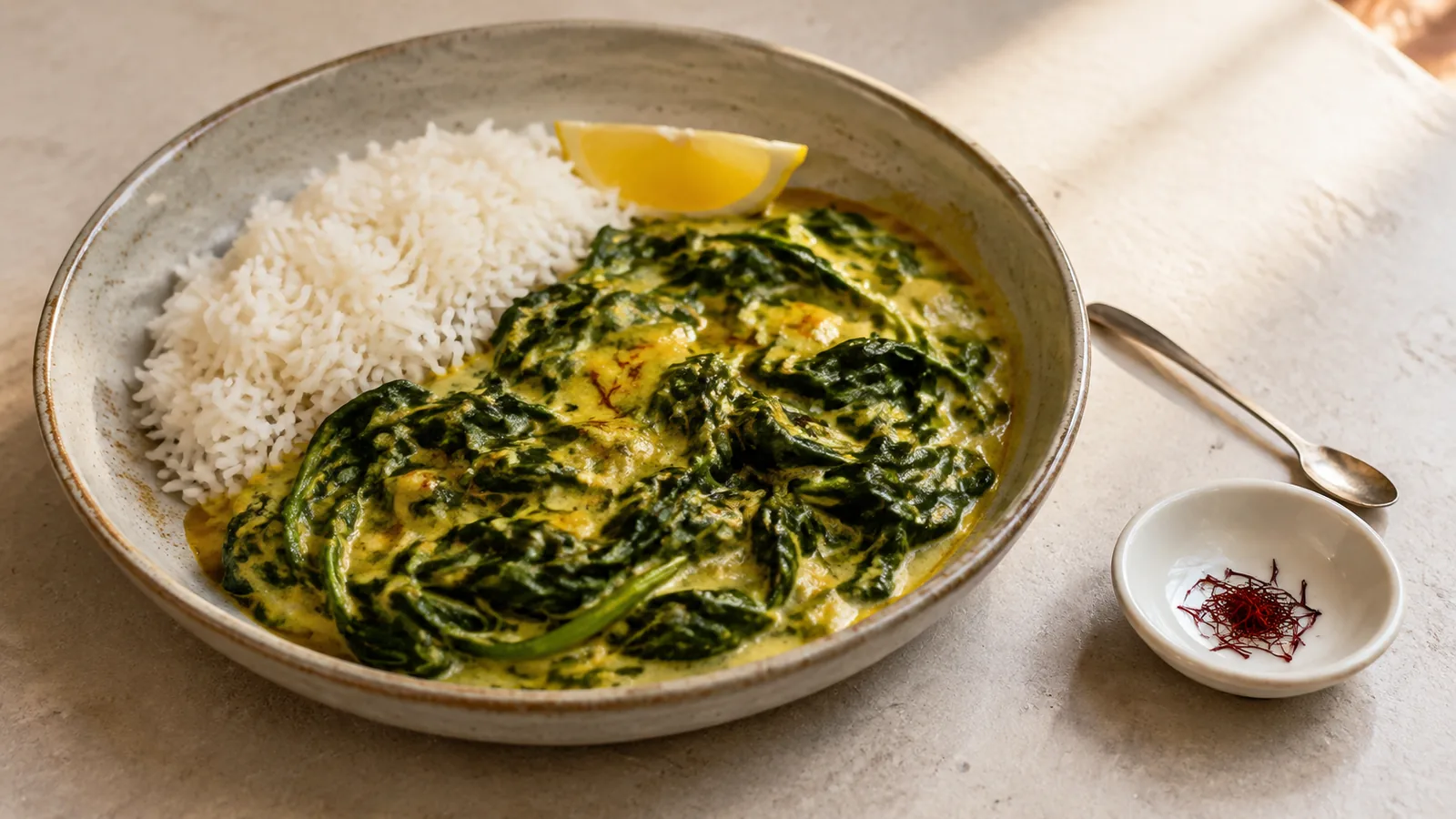
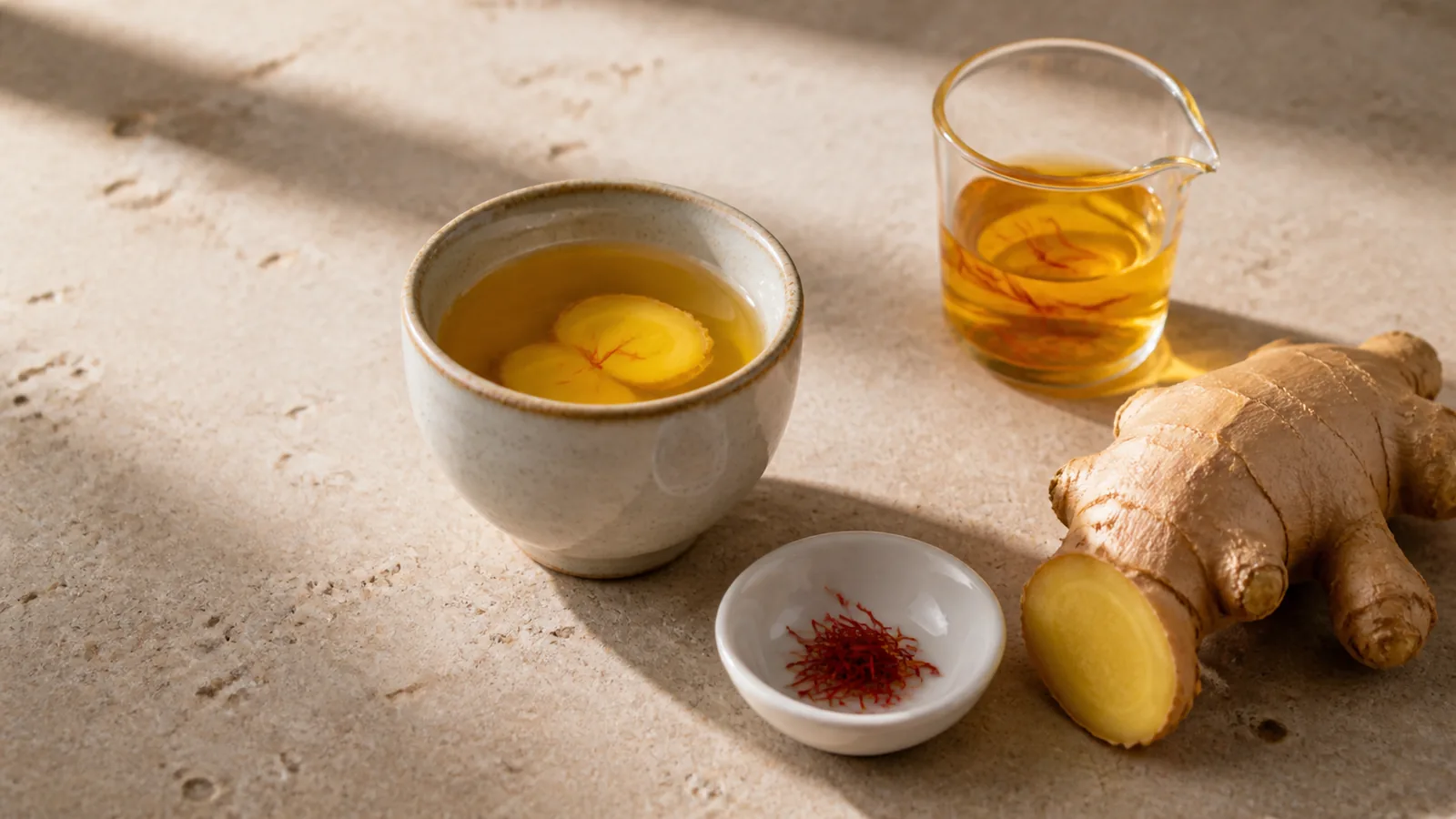
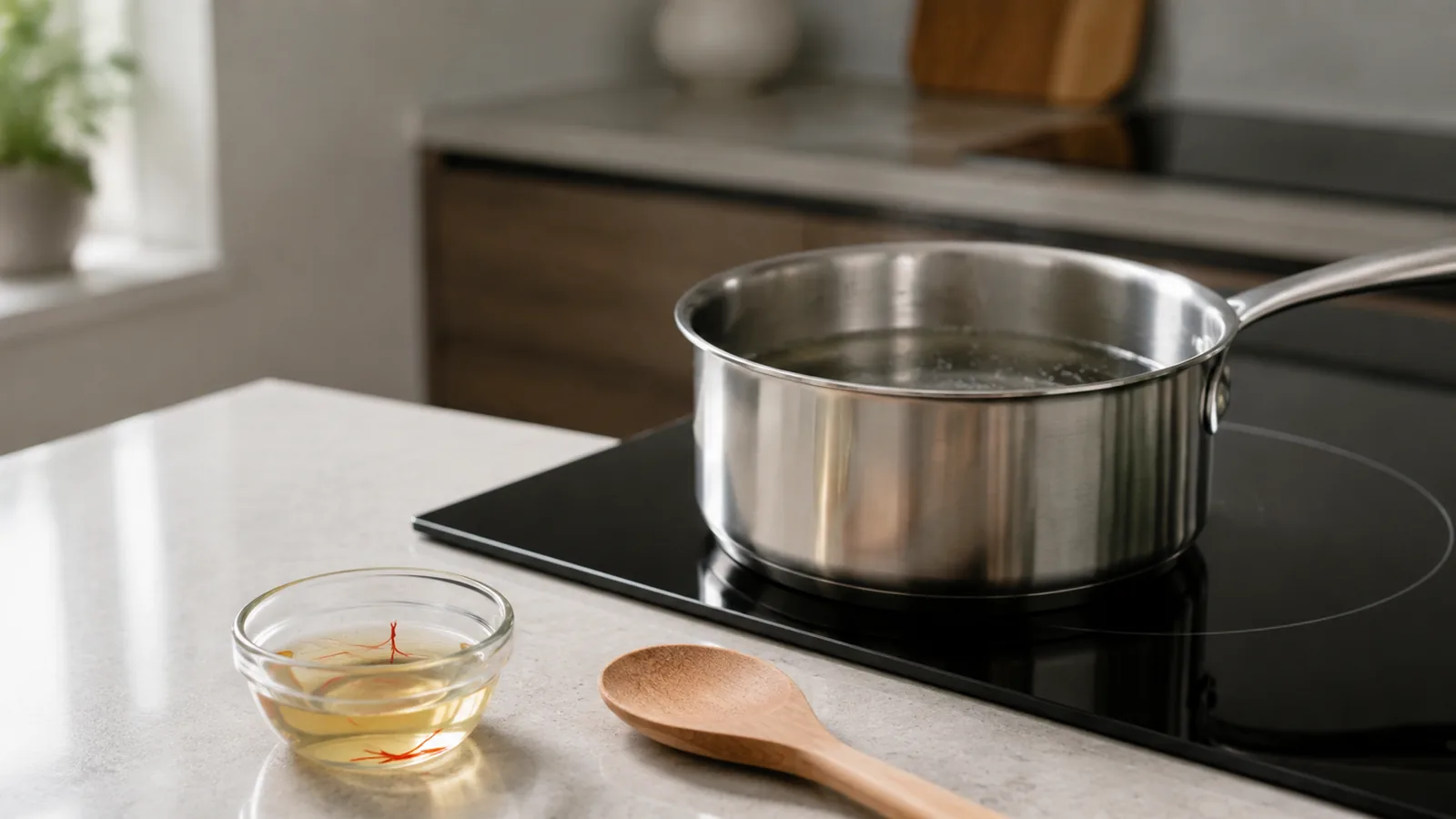
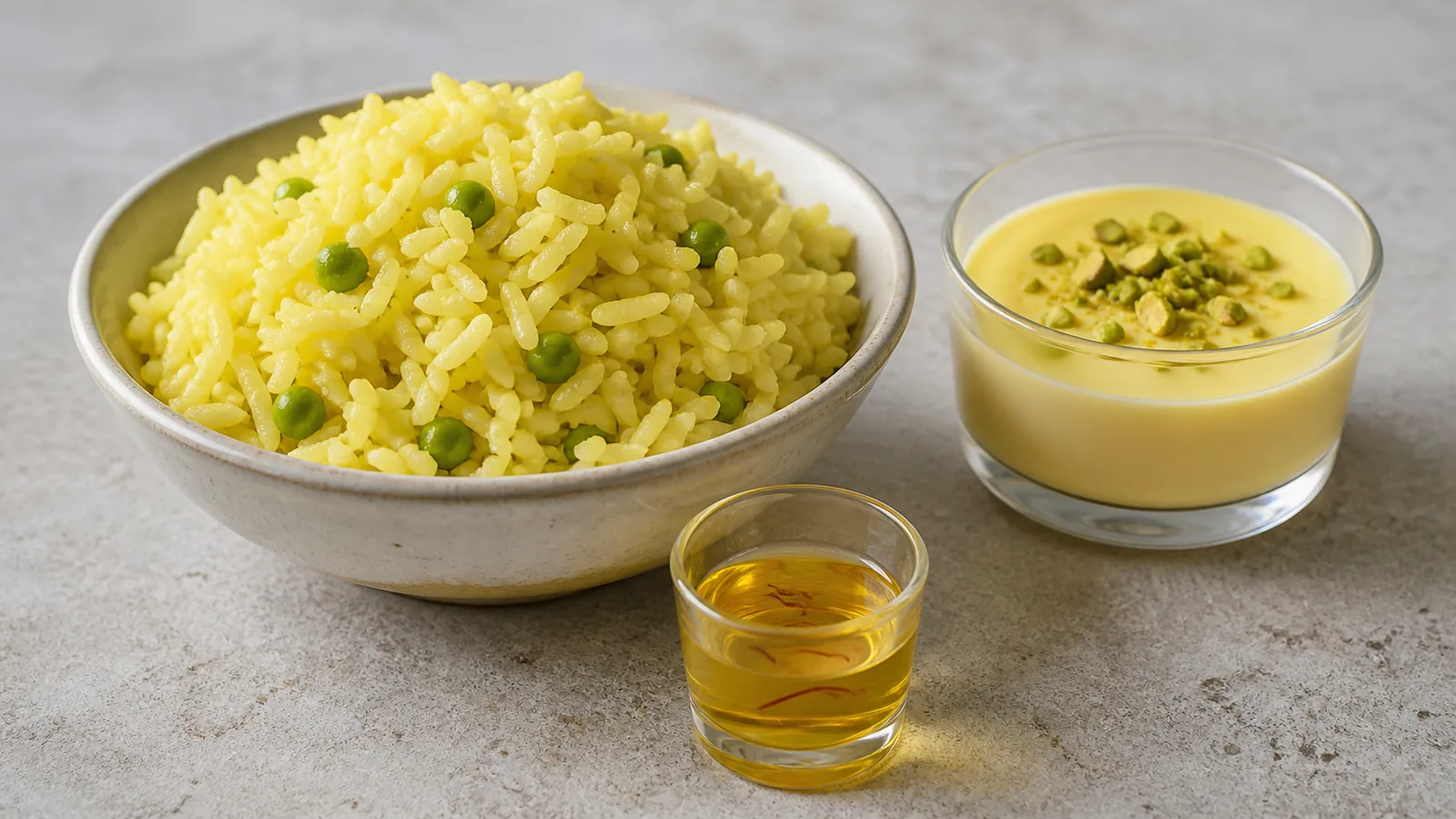
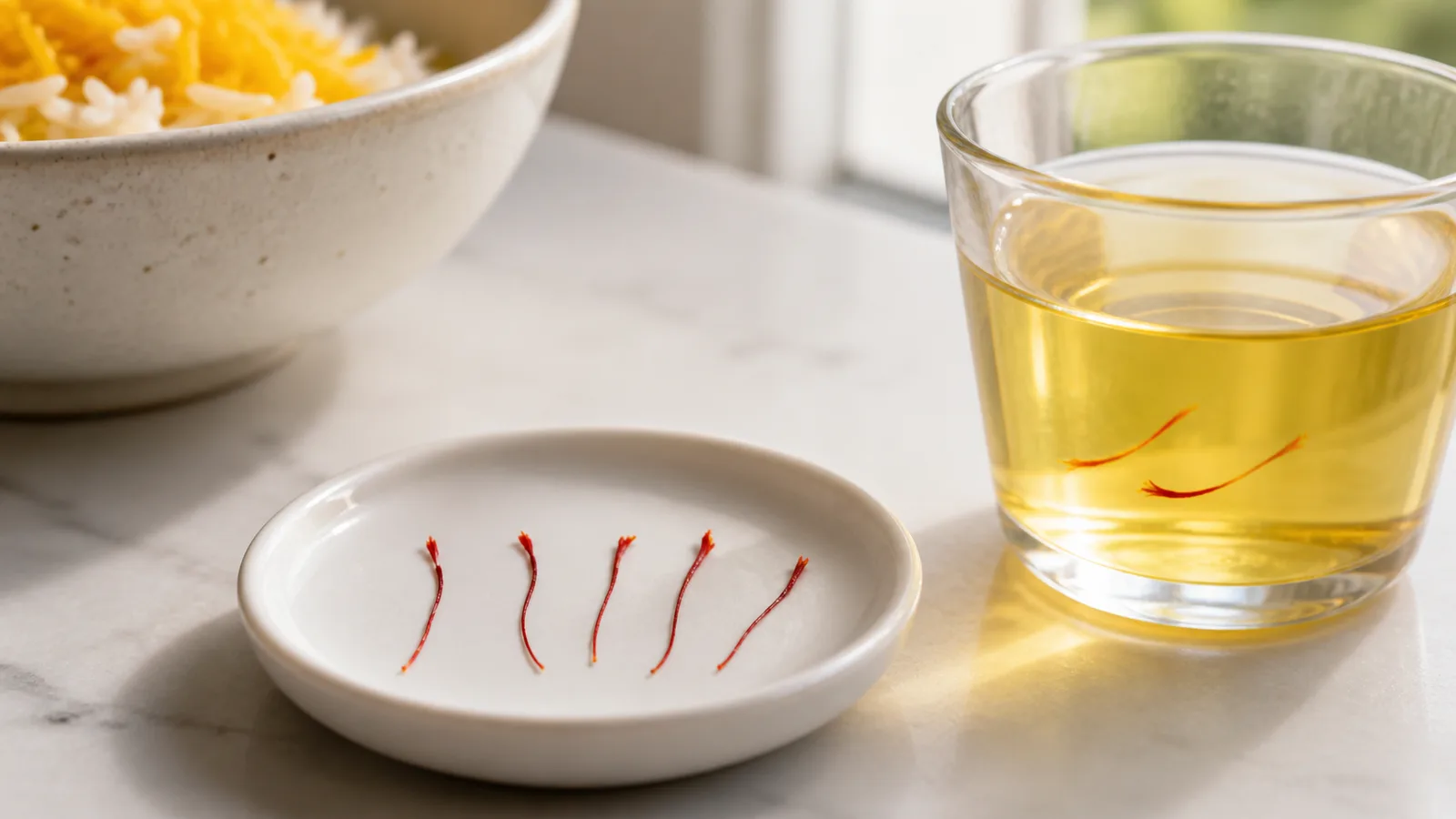
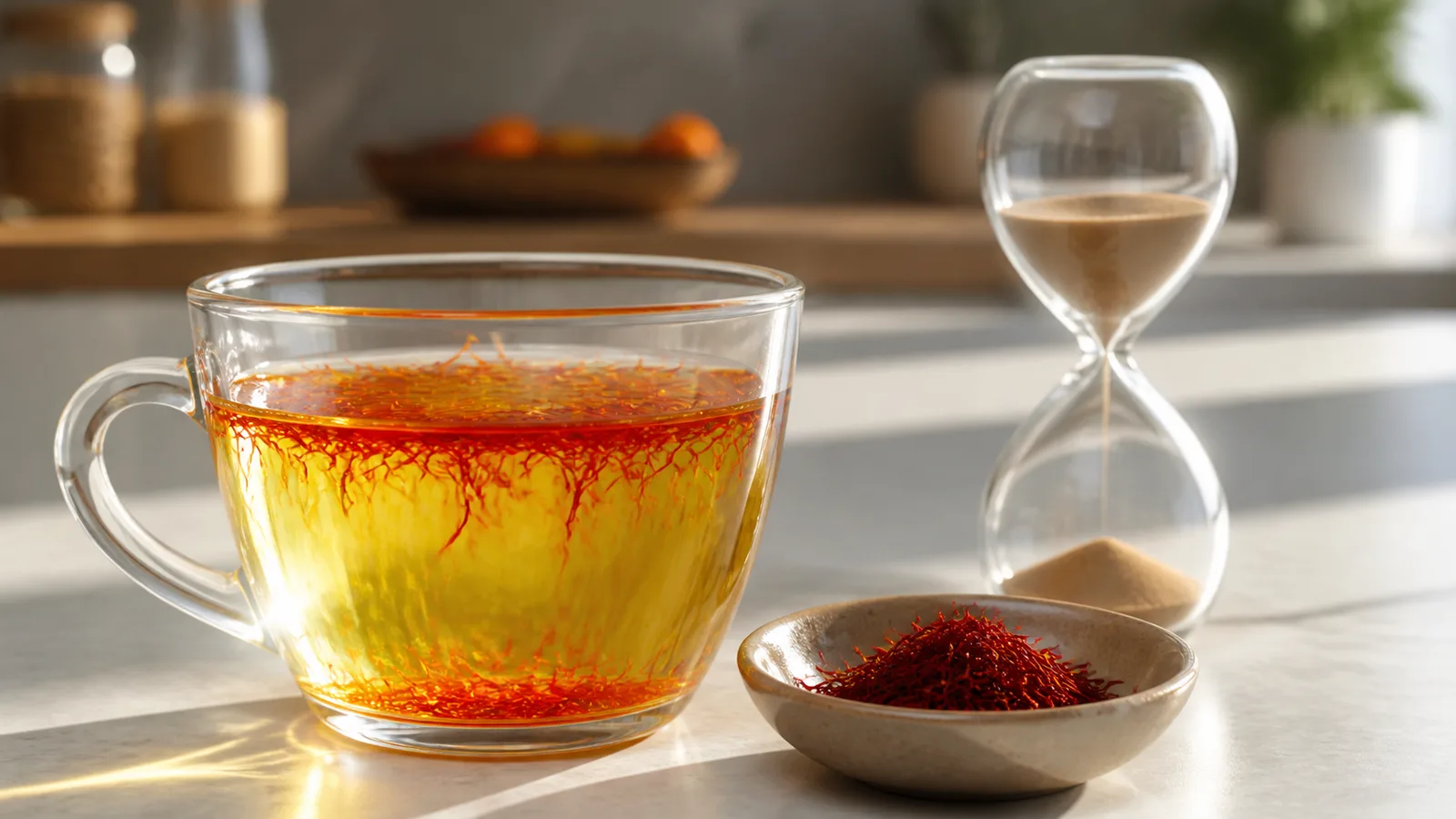
If “work” means colouring and flavouring food, saffron starts working as soon as its pigments and aroma compounds move into warm liquid. You can see a golden colour develop and smell the infusion before it reaches the dish.
If “work” means changing mood, sleep or another health outcome, the honest answer is different. Trials compare group averages at scheduled assessments. They do not provide a stopwatch for an individual, and a study lasting four or six weeks does not prove that benefits began on the last day—or that everyone felt them.
Immediate effects: does saffron work immediately?
No reliable evidence shows that ordinary saffron produces an immediate antidepressant, anti-anxiety or sedative effect. The claim that a person will feel uplifted energy within a few hours, or calm and relaxation within 30 minutes to an hour, is too specific. A warm drink, expectation, the setting and a break in the day can all affect how someone feels.
Saffron’s compounds are often discussed alongside serotonin, but “it raises serotonin, therefore you will feel it today” is not an established human timeline. Do not use a lack of an immediate sensation as a reason to take more.
Short-term effects: what can 1–2 days tell you?
A day or two can tell you about tolerability. You may notice nausea, abdominal discomfort, headache, dizziness, unusual sleepiness or another unwanted symptom soon after starting a supplement. It can also tell you whether you enjoy saffron in tea, warm milk, a smoothie or cooking.
One or two days generally cannot establish that saffron improved digestion, sleep quality, stress, anxiety or emotional balance. Sleep can vary from night to night for many reasons. A symptom diary may help, but a short good or bad spell should not be mistaken for proof.
Sleep: roughly one to four weeks in short trials
In a 28-day placebo-controlled sleep trial, adults with self-reported poor sleep took a particular standardized extract twice daily. The investigators reported that most of the measured improvement occurred in the first seven days, with smaller continued changes afterward. The study was small, relied heavily on self-report and still found borderline insomnia on average after treatment.
Other saffron sleep trials have also run for about four weeks. This suggests a research window, not a promise that saffron will start working on day seven. It also does not show that a cup made from culinary threads reproduces the capsule.
How long does saffron take to work for depression or anxiety?
A 2026 GRADE-assessed meta-analysis of 34 randomized trials included adult interventions lasting at least four weeks. It found improvements on self-reported depression and anxiety scales but not on several clinician-rated or other mood scales; certainty was rated moderate and results varied considerably between studies.
Many classic depression trials lasted six weeks, including a 40-person placebo-controlled trial of saffron stigma. That tells us that mood research generally tests sustained use rather than a one-dose effect. It does not mean someone should wait six weeks while severe depression, suicidal thoughts or disabling anxiety goes untreated. Saffron should not replace prescribed care, and medicine should not be stopped to test it.
How long does it take for saffron extract to work in an individual? A trial endpoint cannot answer that precisely. If a clinician agrees that a specific extract is reasonable, decide in advance when and how the symptom will be reviewed rather than waiting indefinitely for a feeling.
Long-term effects: why “1–3 weeks” is not a universal answer
The old 1–3-week timeline groups together unrelated outcomes: weight loss, skin health, cognitive function, inflammation, cellular repair, oxidative stress and stable energy. Research does not support one onset window for that list.
- Weight: a meta-analysis of 25 randomized trials found no significant pooled change in body weight, BMI or waist circumference, so there is no dependable time-to-weight-loss answer.
- Skin: a small 12-week study tested a formulated saffron-extract and avocado-oil cream. It did not test eating saffron, and it cannot establish when culinary saffron makes skin clearer.
- Cognition: trials differ by population, condition, extract and duration. A person should not expect a general “brain boost” after a fixed number of days.
- Antioxidants and anti-inflammatory activity: laboratory markers do not necessarily create a sensation that can be felt, nor do they prove better overall health or stable energy levels.
How long to feel the effects of saffron for PMS?
Trials of PMS and menstrual pain are usually designed around menstrual cycles rather than hours after a drink. A recent systematic review and meta-analysis found favourable pooled results, but preparations and protocols varied. The evidence does not support predicting that a daily pinch will work during the first cycle for a particular person.
New, severe or changing period symptoms deserve assessment instead of an open-ended supplement trial.
How long does saffron stay in your system?
There is no useful universal number for “saffron” as a whole. It contains multiple compounds, and products deliver them in different forms and concentrations. Human pharmacokinetic data for every culinary and supplement preparation are not available, so an online half-life should not be used to time extra doses, driving, medicine or pregnancy-related decisions.
Why individual onset varies
Differences in the product, extract standardization, amount, adherence, health condition, other medicines, sleep, diet and the outcome scale can all change what is reported. Expectations also matter when the outcome is subjective. That is why “how fast does saffron work?” cannot be answered responsibly without first asking “for what, and which product?”
Iranian saffron can be excellent culinary saffron, but country of origin alone does not set the onset of a health effect. Quality and authenticity matter; they do not turn threads into the standardized extract used in a trial.
How to use the timeline safely
- Decide what outcome you are tracking before you start; avoid judging ten vague benefits at once.
- Use only the labelled serving of the exact supplement. Do not increase it because you cannot feel it.
- Keep prescribed treatment unchanged unless the prescriber advises otherwise.
- Stop and seek advice for a significant adverse reaction.
- Review persistent mood, sleep, pain, weight or cognitive symptoms with an appropriate clinician.
Consistency cannot create an effect that the evidence does not support. Regular daily use is meaningful only when a suitable product, plausible goal and safe plan have been established.
Maximizing saffron’s effects does not mean taking it more often or at a higher amount. Even when a study used the product consistently, its schedule belonged to that formulation and protocol.
The shortest accurate answer
How long until you feel the effects of saffron? Culinary effects are immediate. In health studies, sleep changes have sometimes appeared within the first week, while mood trials generally assess at four to eight weeks. Many claimed benefits have no proven onset at all. Expect neither a 30-minute transformation nor a guaranteed 1–3-week result, and never chase a sensation by taking more.