There is no good human evidence that saffron raises serotonin levels in the brain. Some saffron extracts have improved mood scores in clinical trials, but those results do not tell us that serotonin increased, that reuptake was blocked, or that the spice works like an antidepressant medicine.
This is the central point in the discussion of saffron and serotonin levels: a possible mechanism and a measured clinical outcome are different kinds of evidence. We can discuss both, but we should not use one to prove the other.
Does saffron raise serotonin?
Researchers have proposed that crocin, crocetin and safranal may influence several signalling systems involved in mood. Serotonin is among them. Much of the detailed mechanism work, however, comes from cells or animals rather than direct measurements inside the living human brain.
Statements that saffron increases serotonin production or blocks serotonin reuptake are therefore hypotheses, not established human facts. The clinical trials usually measure depression, anxiety, sleep or wellbeing with questionnaires. They do not take a direct reading of serotonin at the synapse before and after someone eats saffron.
Why a blood serotonin level is not a brain serotonin level
Serotonin, also called 5-HT, has roles throughout the body. Most is produced outside the brain, particularly in the gut, and platelets store much of the serotonin circulating in blood. Brain serotonin is produced separately because serotonin itself does not cross the blood–brain barrier in physiologically meaningful amounts. A current review of central and peripheral serotonin biology explains this separation.
That means a blood test cannot simply reveal how much serotonin is available in the brain. It also means that a change in peripheral serotonin after an intervention would not, by itself, explain a change in mood. “Does saffron increase serotonin?” sounds like one question, but it actually needs a location, a reliable measurement and a demonstrated clinical meaning.
How does saffron increase serotonin?
The honest answer is that human research has not shown that it does. Laboratory studies can explore receptors, enzymes and transporters, while animal studies can examine brain tissue in ways that are not available in an ordinary human trial. These studies help form hypotheses about serotonin metabolism and reuptake; they do not prove a mechanism in people.
One small trial combined resistance training with saffron and measured serotonin in blood, but both the saffron-plus-training and placebo-plus-training groups changed. Exercise was part of the protocol, and circulating serotonin is not a proxy for brain serotonin. The study cannot support the simple claim that a daily cup of saffron boosts serotonin in the brain.
What do mood trials actually show?
A 2026 GRADE-assessed meta-analysis of 34 randomized trials found moderate-certainty improvements on self-reported depression and anxiety scales, but not on several clinician-rated or other mood measures. The trials lasted at least four weeks, varied substantially and used different preparations and populations.
Newer individual results also resist a one-line answer. In a six-week trial of 51 adults with subclinical symptoms, saffron did not improve the combined primary outcome for depression, anxiety and fatigue, although one self-perceived mental-health measure favoured it. A larger 12-week trial in 202 adults with low mood reported a modest improvement on its primary depression scale, while most secondary outcomes did not differ from placebo.
These findings justify continued research into certain standardized extracts. They do not demonstrate that saffron raised serotonin, and they cannot guarantee the same result from culinary threads.
Is saffron a natural antidepressant?
Calling it a natural antidepressant is misleading. “Natural” does not establish effectiveness, gentleness or safety, and a supplement is not a drop-in alternative to prescribed treatment. The FDA has specifically warned that products marketed with claims to treat depression may be unapproved drugs and that relying on them can delay appropriate care.
Someone with persistent low mood, loss of interest, major sleep or appetite changes, or difficulty functioning should seek professional help. Suicidal thoughts or an immediate risk of harm require urgent local emergency or crisis support. Do not stop an antidepressant or alter its dose in order to try saffron.
Sleep, appetite, cravings and energy
Serotonin participates in sleep, appetite and many other processes, but that does not create a chain of proof from saffron to higher serotonin and then to better sleep, fewer cravings or more energy. Each outcome needs its own human evidence.
Short saffron trials have reported some sleep findings, while research on appetite and weight is mixed. Neither supports promising that “serotonin boosting” will balance emotions, reduce unhealthy-food cravings or raise energy levels. A person who notices fatigue, appetite change or poor sleep should consider the many possible causes rather than assuming that one neurotransmitter is low.
The same caution applies to phrases such as mood regulation, a balanced emotional state or a guaranteed sense of calm. They describe outcomes a reader may want; they are not evidence that a serotonin mechanism has been measured.
How to use saffron for mood enhancement
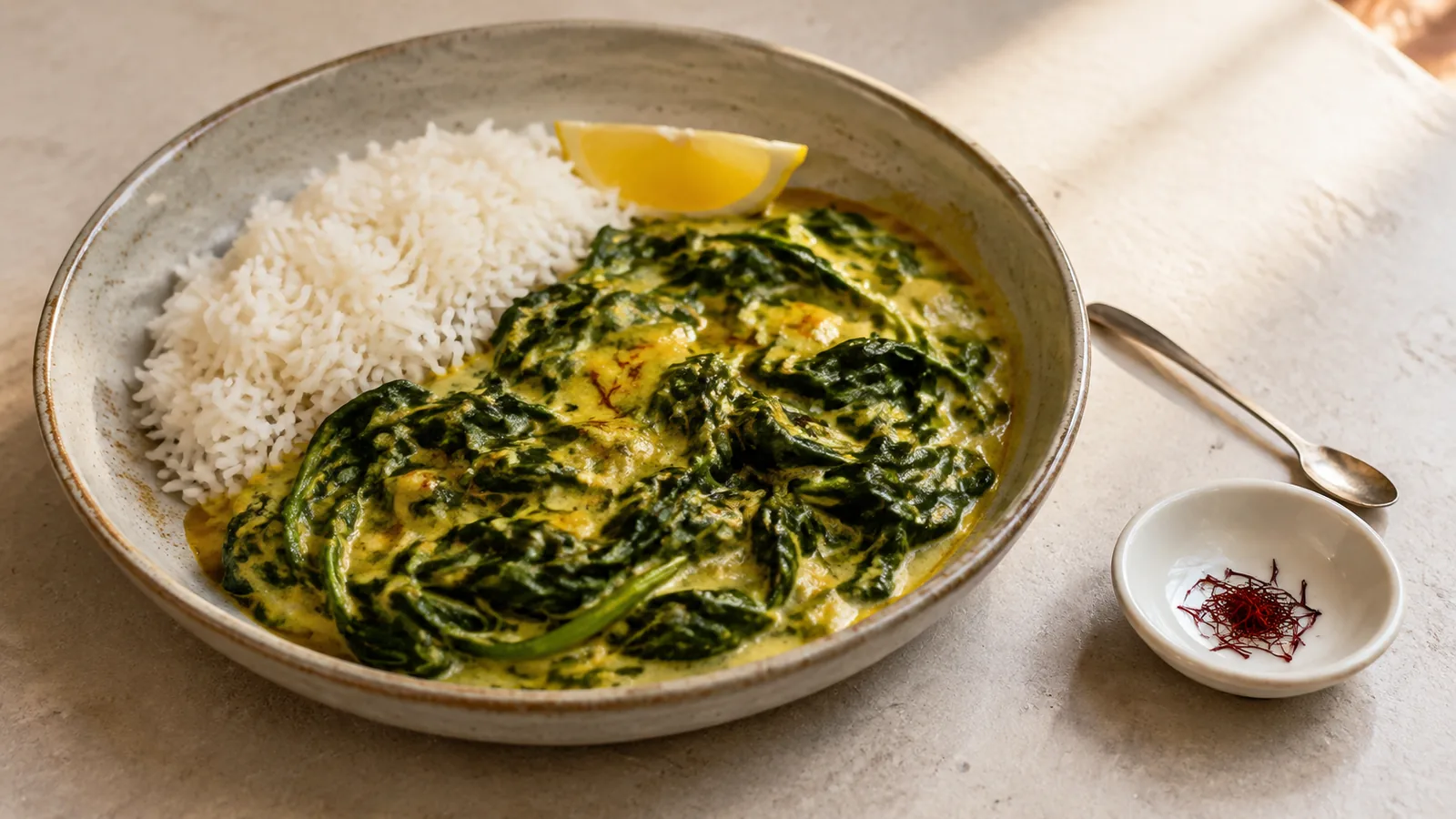
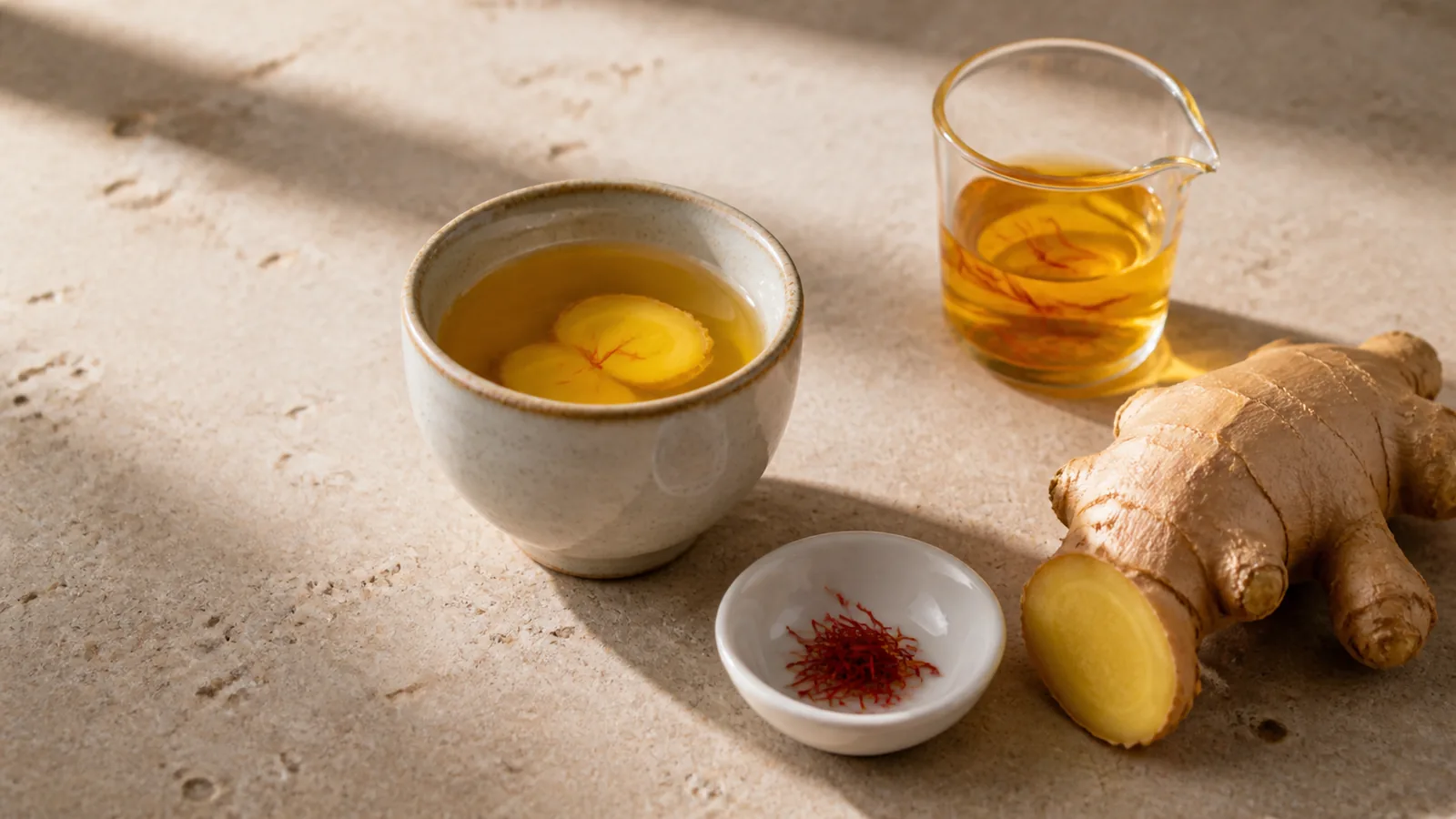
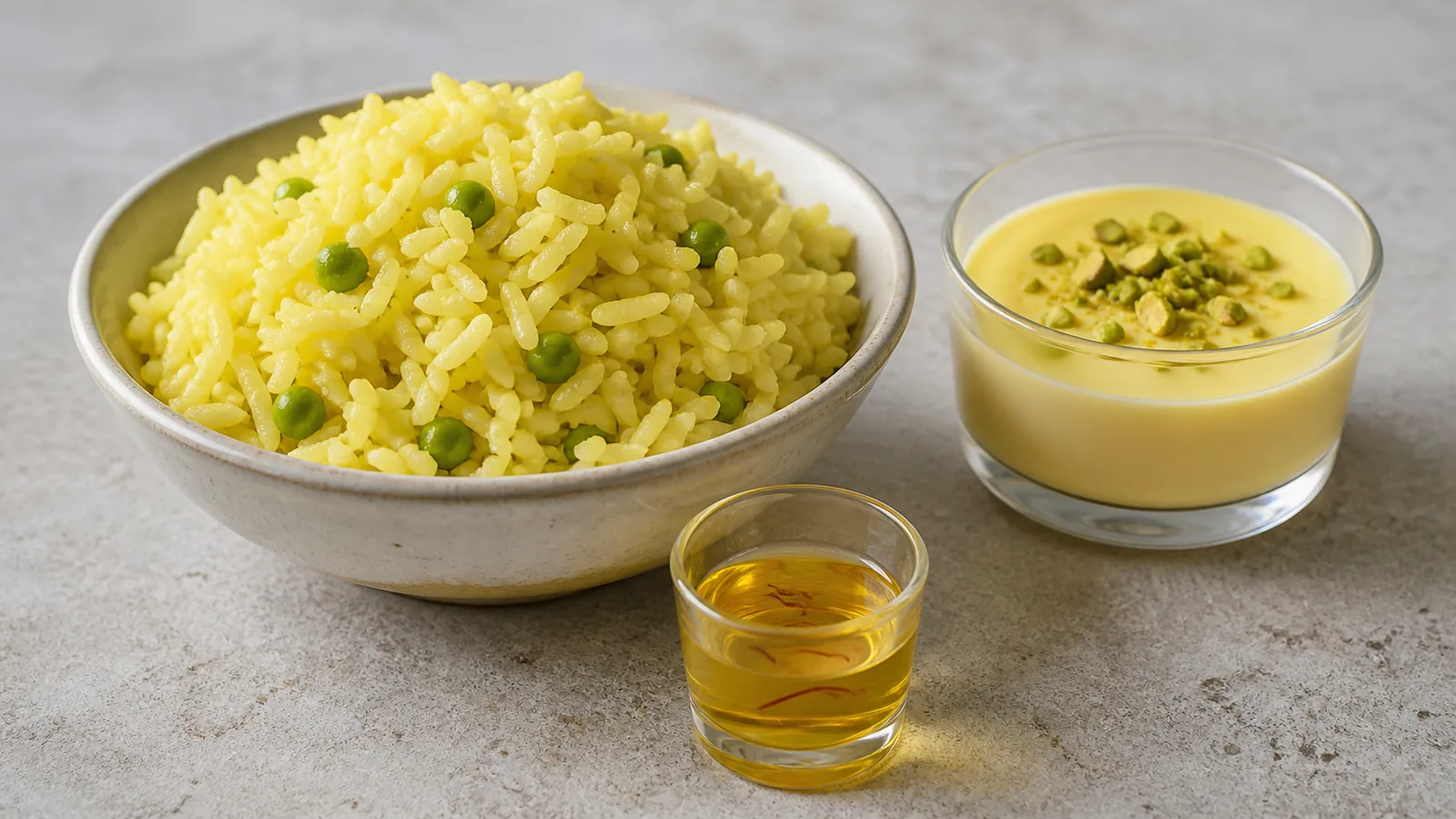
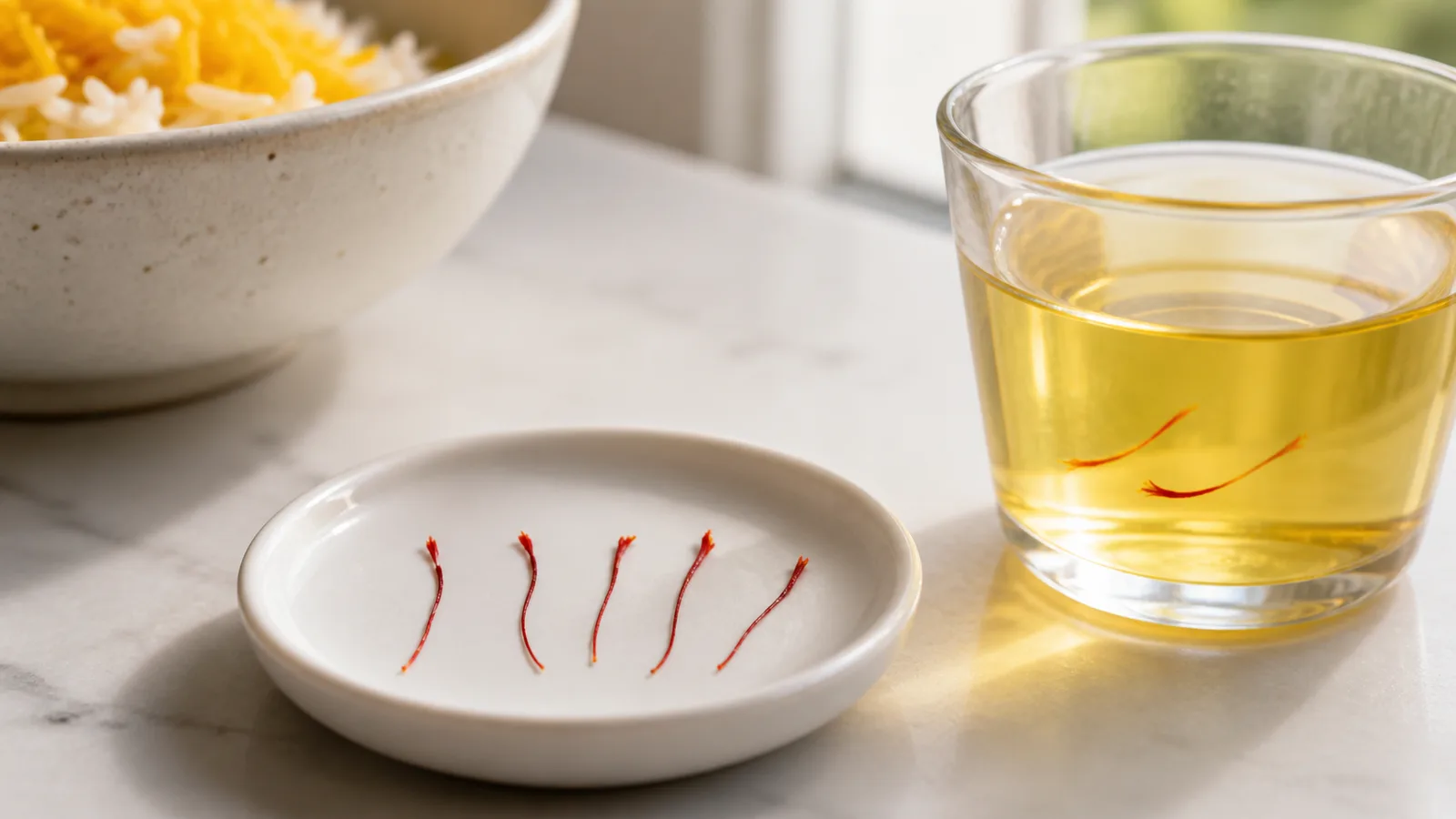
Saffron threads can add colour, aroma and flavour to warm milk, tea, a smoothie or food. That is a pleasant culinary routine, not a way to prescribe a neurotransmitter change. The amounts and composition of culinary saffron are not interchangeable with a standardized extract tested in a capsule trial.
If you are considering a concentrated product for mood, show its full label to a clinician or pharmacist, especially if you take an antidepressant or another medicine. The NCCIH supplement-safety guide notes that interaction and product-quality questions must be considered for each product. Our saffron products are sold for food use, not as treatment for depression or anxiety.
The clearest conclusion
Saffron and serotonin are linked by plausible research hypotheses, not by proof that eating the spice raises serotonin levels in the human brain. Some standardized extracts have produced modest mood findings over several weeks, while other important outcomes have been negative or mixed. That is worth describing accurately; it is not evidence for an immediate serotonin boost or a natural replacement for mental-health care.