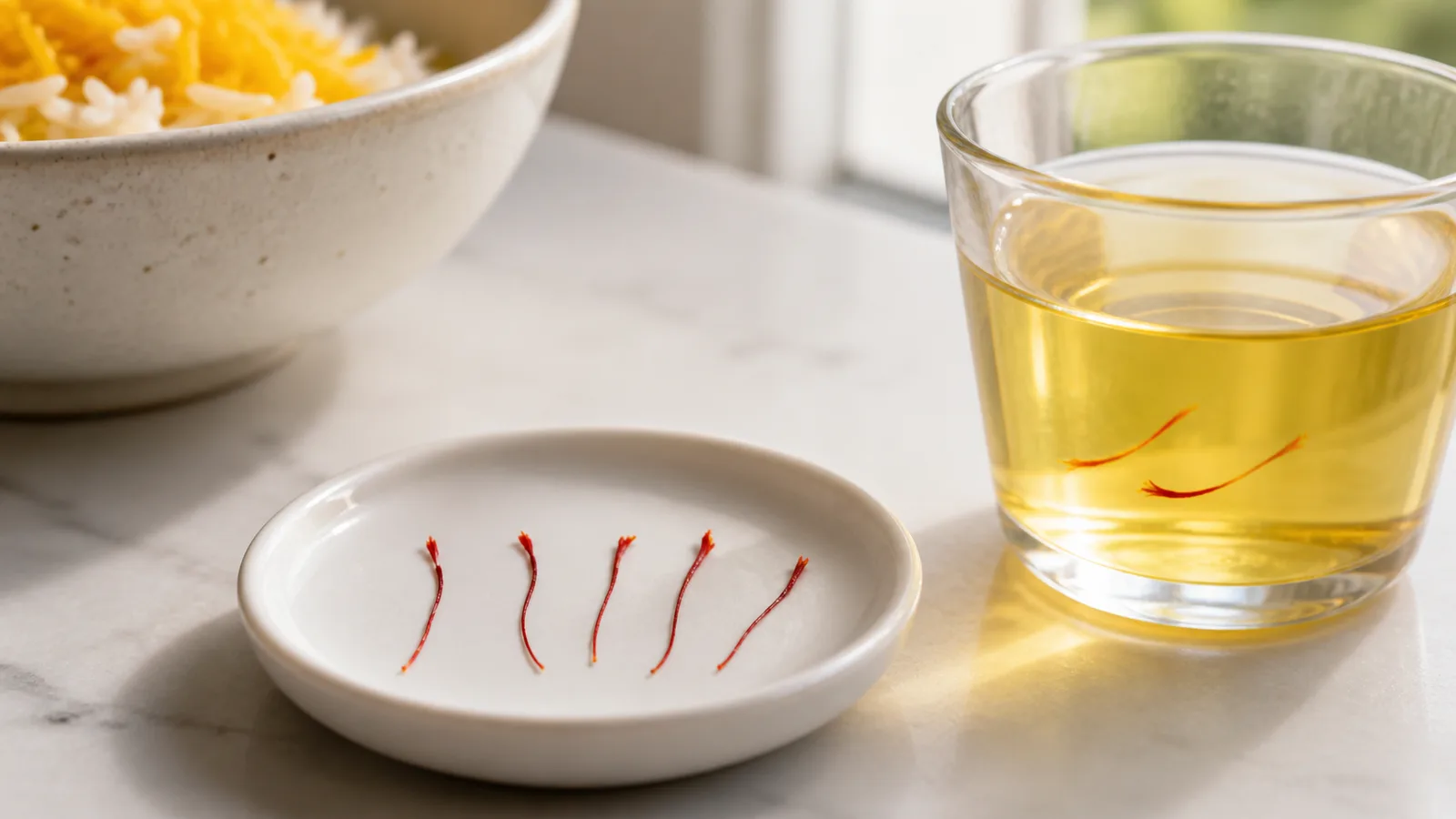
Does saffron make you sleepy? Usually not in the way a sedating medicine does. Small trials of standardised saffron extracts report modest improvements in sleep questionnaires, but they do not show that a culinary cup makes everyone drowsy or works on the first night. Some people notice no effect at all.
Feeling sleepy and sleeping better are not the same outcome. A supplement might change perceived sleep quality over several weeks without causing an immediate heavy or drugged feeling. That is the useful distinction when considering saffron and sleep.
Saffron and Sleep: Can It Help You Relax?
A 2022 meta-analysis of randomised trials found improvements on the Pittsburgh Sleep Quality Index, Insomnia Severity Index and Restorative Sleep Questionnaire compared with placebo. The participants and preparations varied, however, and the authors called for more research on dose and long-term safety.
A separate systematic review and meta-analysis rated the evidence for sleep-quality improvement as very low quality and found considerable variation between studies. Sleep-duration evidence was stronger but still came from only five studies with 220 participants. Promising is fair; certain is not.
Saffron’s Impact on Sleep
Researchers have studied extracts containing crocin, safranal and other constituents. Possible pathways involving mood, stress and sleep regulation have been proposed, yet human trials chiefly measure sleep diaries, questionnaires and, in a few cases, movement-based monitoring. They do not establish a simple sedative mechanism.
One 28-day placebo-controlled trial enrolled 63 adults with self-reported sleep problems and tested a specific extract twice daily. Scores for insomnia severity, restorative sleep and reported sleep quality improved, but the authors said larger samples, longer treatment and objective measures were needed.
So, can saffron make you sleepy? It may support sleep quality for some people when taken as a studied preparation over time. That does not mean it reliably causes bedtime drowsiness, and it should not be treated like a sleeping tablet.
How to Use Saffron for Sleep
There is no clinically established home recipe. Trials use measured extracts, not an interchangeable number of threads steeped in water or milk. Product concentration, extraction method and dose can differ, so copying a milligram figure from a study onto culinary saffron is not valid.
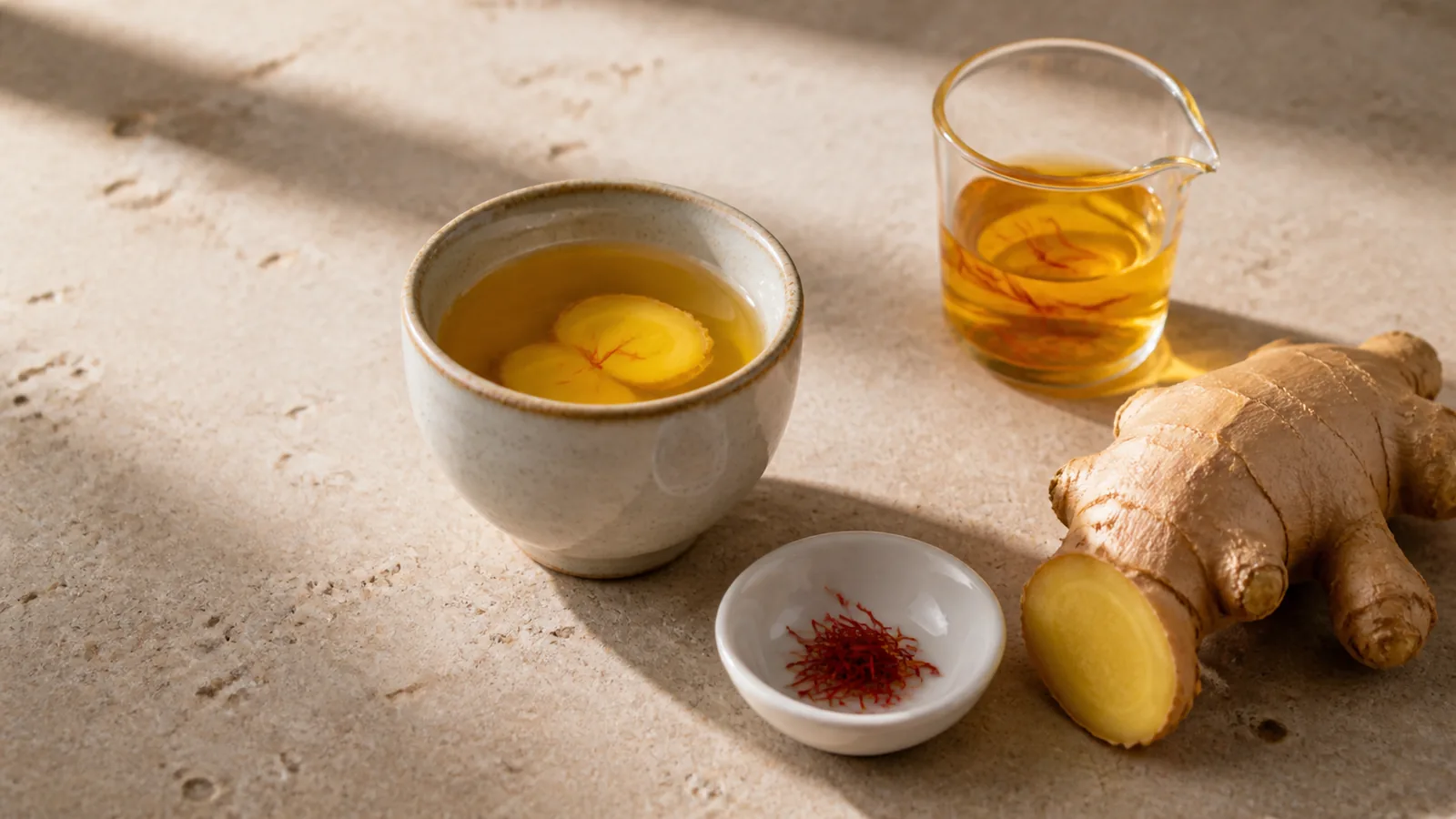
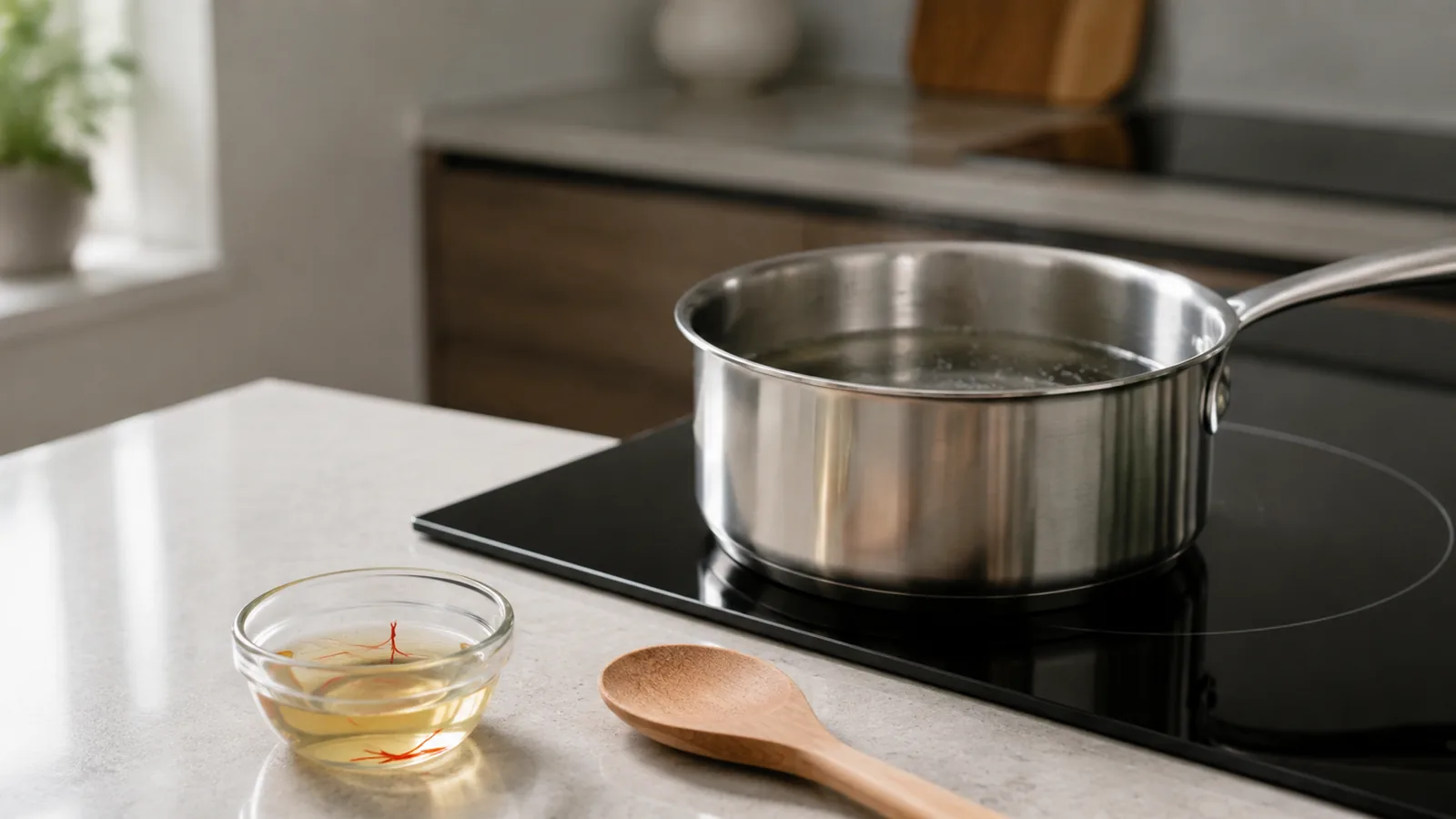
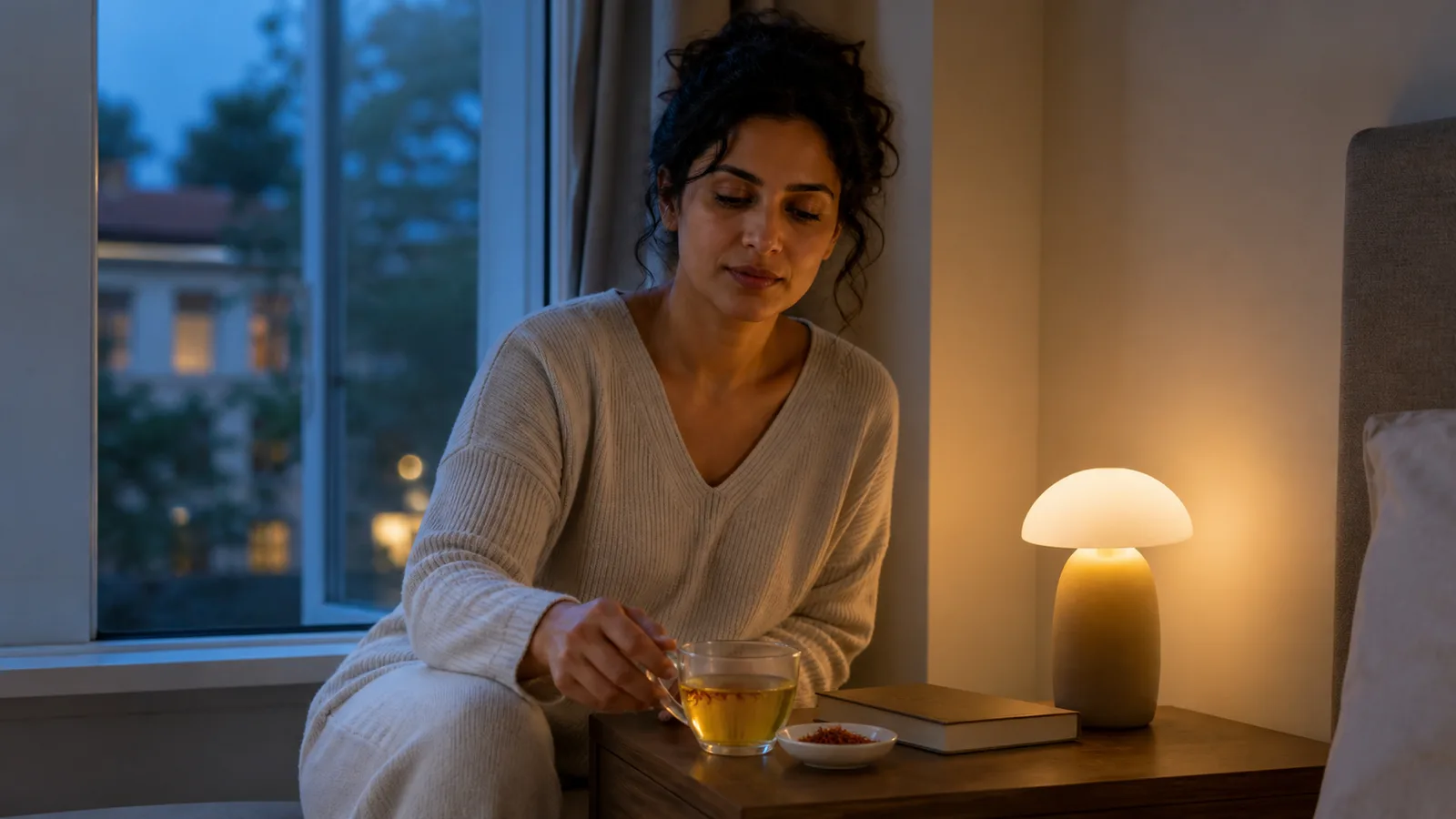
If you enjoy saffron tea as part of a calm evening routine, use a small culinary amount and keep the drink caffeine-free. Warm milk or water, a regular wind-down time and low evening light may feel relaxing regardless of the spice. Do not expect one drink to correct insomnia.
People asking how to use saffron for sleep are often better served by starting with routine: keep a consistent wake time, limit late caffeine and alcohol, make the bedroom quiet and dark, and allow enough time for sleep. These measures also make it easier to judge whether any optional addition is doing anything.
Does Saffron Work for Everyone?
No. Sleep disruption can come from stress, pain, menopause, restless legs, sleep apnoea, depression, medicine effects, shift work and many other causes. A supplement cannot be expected to address all of them. Recent trials also tend to be short and include selected groups, so their averages do not predict an individual response.
Seek medical advice if poor sleep persists, affects daytime safety, comes with loud snoring or breathing pauses, or is accompanied by severe mood symptoms. Cognitive behavioural therapy for insomnia is an established option that addresses the patterns maintaining chronic insomnia.
Possible Side Effects
Culinary saffron and concentrated supplements are different exposure levels. Human studies generally report good short-term tolerance, but possible adverse effects include digestive discomfort, headache, dizziness and allergic reaction. A supplement may also interact with medicines or be unsuitable during pregnancy.
Do not combine saffron with alcohol, sedatives or other sleep products on the assumption that “natural” combinations are automatically safe. Ask a doctor or pharmacist first if you take regular medicine, have a medical condition, are pregnant or breastfeeding, or plan to use an extract rather than food-level amounts.
What to Expect the Next Morning
Saffron is not generally expected to cause a sleeping-pill hangover, but individual reactions vary. Until you know how a product affects you, avoid trying it before driving early, operating machinery or doing work where alertness matters. Stop using it if you feel unusually drowsy, dizzy or unwell.
Is saffron good for sleep? Early trials say a defined extract may modestly help some sleep measures. The evidence does not promise immediate sleepiness, and culinary saffron should remain a pleasant part of a routine rather than a substitute for assessment or treatment.
Our saffron collection is intended for cooking and drinks. For product questions, contact us; for persistent sleep problems or supplement decisions, speak with a qualified healthcare professional.