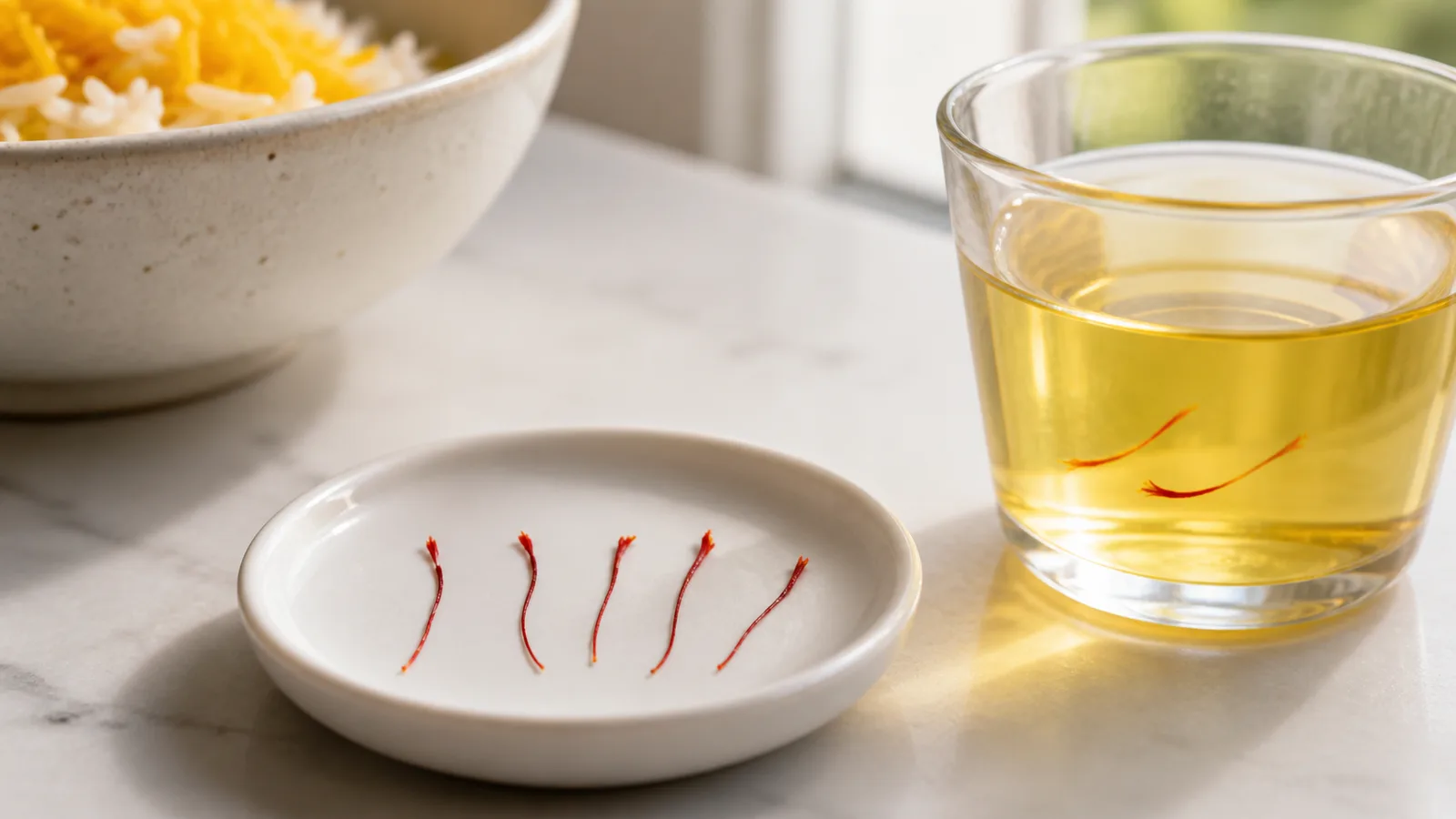
Saffron has shown promising effects on anxiety symptoms in controlled studies, but that does not make a cup of saffron tea a proven anxiety treatment. Most research uses a measured extract or supplement for a defined period, and results from those products cannot be transferred automatically to a few culinary threads.
The balanced answer is that saffron mood support is an active area of research. It may become a useful adjunct for some adults, but it should not replace assessment or established care when anxiety is persistent, severe or disrupting daily life.
What does saffron anxiety research show?
A 2026 systematic review and meta-analysis of 34 randomised controlled trials evaluated saffron across depression, anxiety and mood outcomes. The pooled results favoured saffron for several symptom measures, while the authors also used GRADE to assess certainty. As with any meta-analysis, the conclusion reflects the quality, size, populations and products in the underlying trials.
An earlier meta-analysis comparing saffron with selective serotonin reuptake inhibitors examined depression and anxiety trial outcomes. That comparison does not show that saffron is interchangeable with an antidepressant for an individual patient. Trials are controlled averages; diagnosis, dose, formulation, side effects, interactions and follow-up still matter.
Some studies include people with depressive symptoms, mixed anxiety and depression, mild to moderate anxiety, or other defined conditions rather than a broad group of people feeling temporarily stressed. Product composition and trial duration also differ. Those variations make the evidence encouraging but not a licence for self-treatment.
How might saffron affect mood?
Saffron contains compounds including crocin and safranal. Researchers have proposed effects involving oxidative stress, inflammation and neurotransmitter pathways. Serotonin is often mentioned in simplified summaries, but saying that saffron “boosts serotonin” as an established human mechanism goes beyond what ordinary consumers can conclude from current trials.
Mechanistic ideas help researchers design studies; they do not predict whether one person will benefit. Anxiety can have many causes and can occur alongside medical conditions, medication effects, sleep problems, depression or substance use.
Can culinary saffron reduce anxiety?
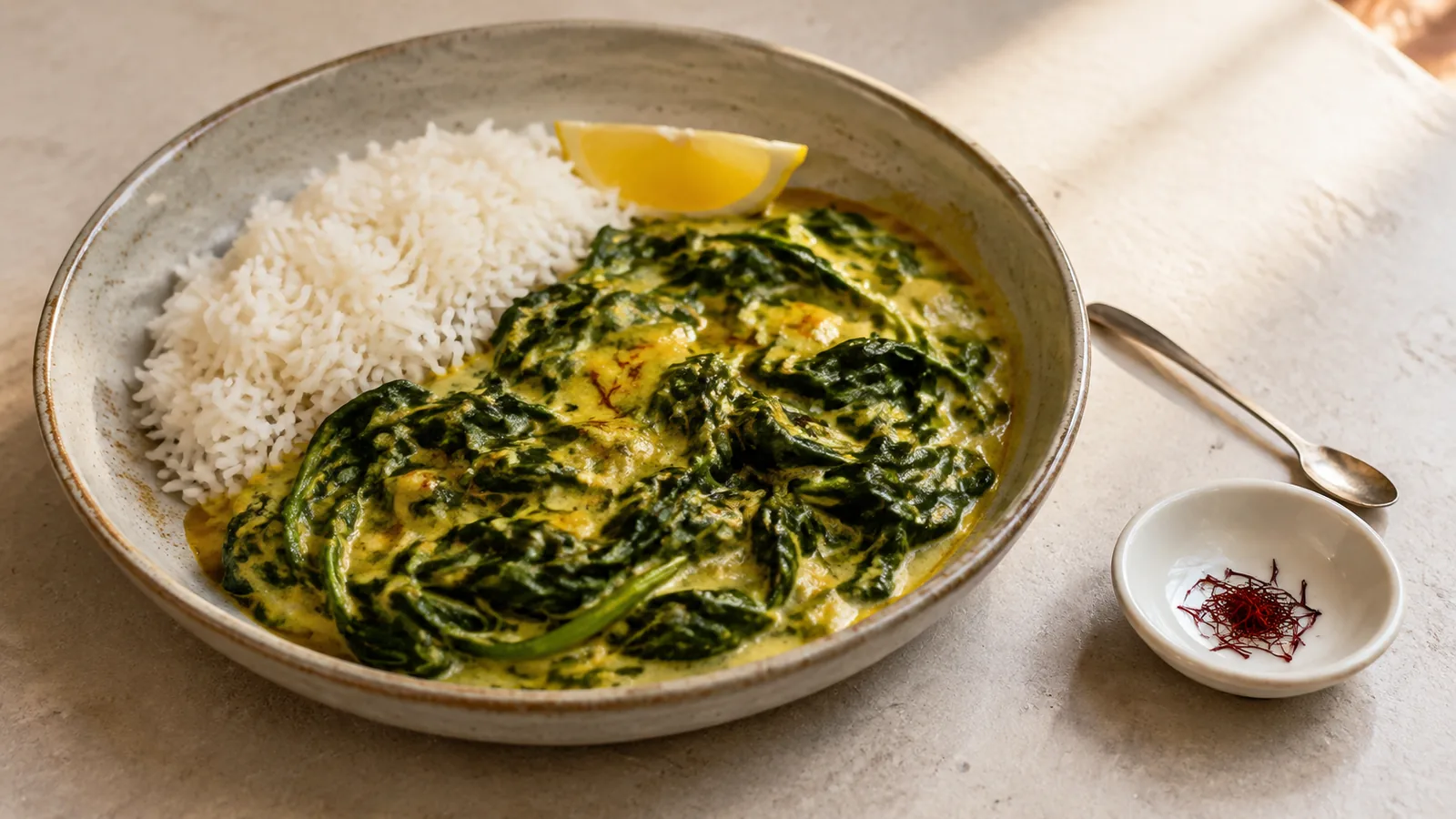
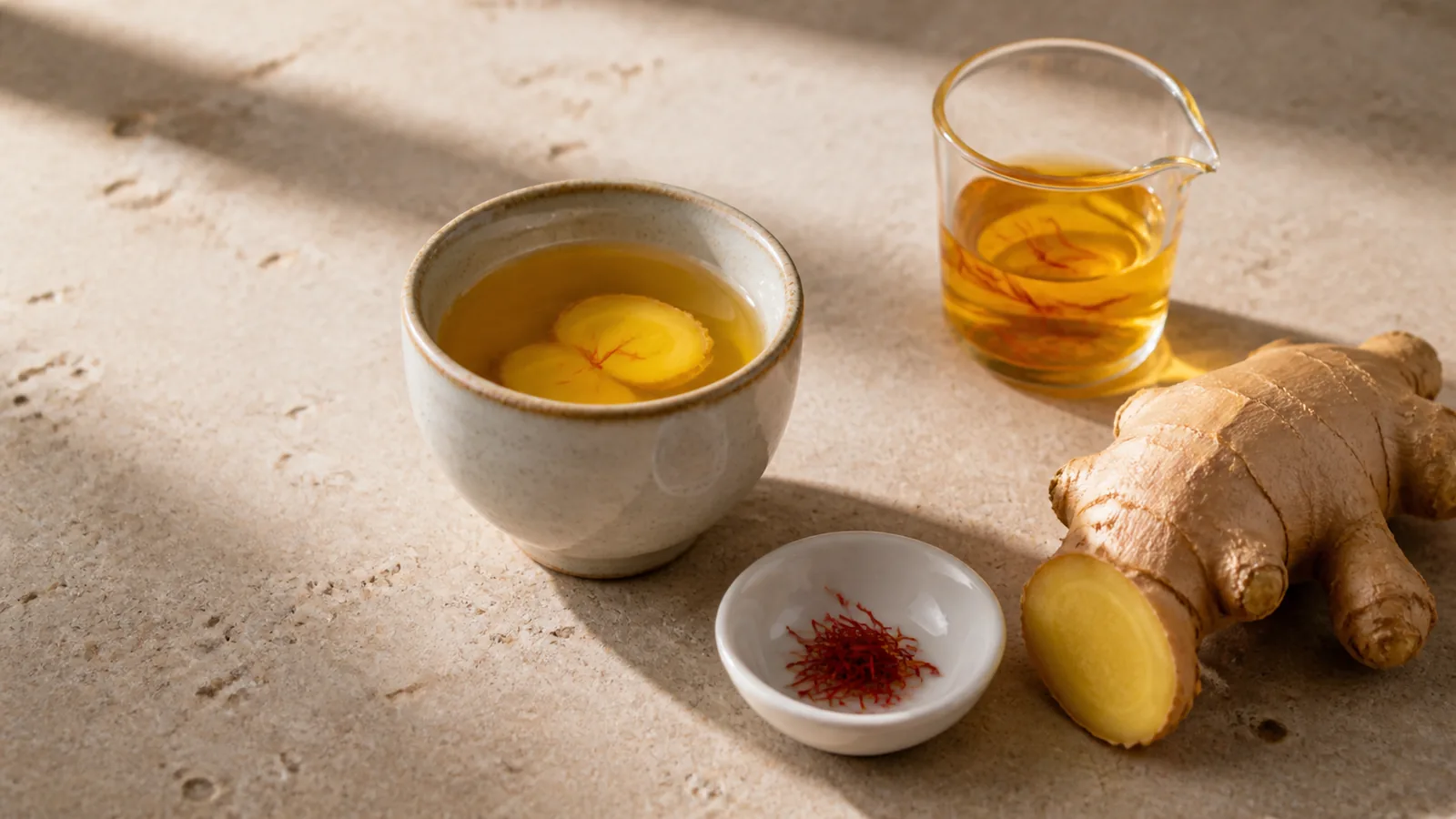
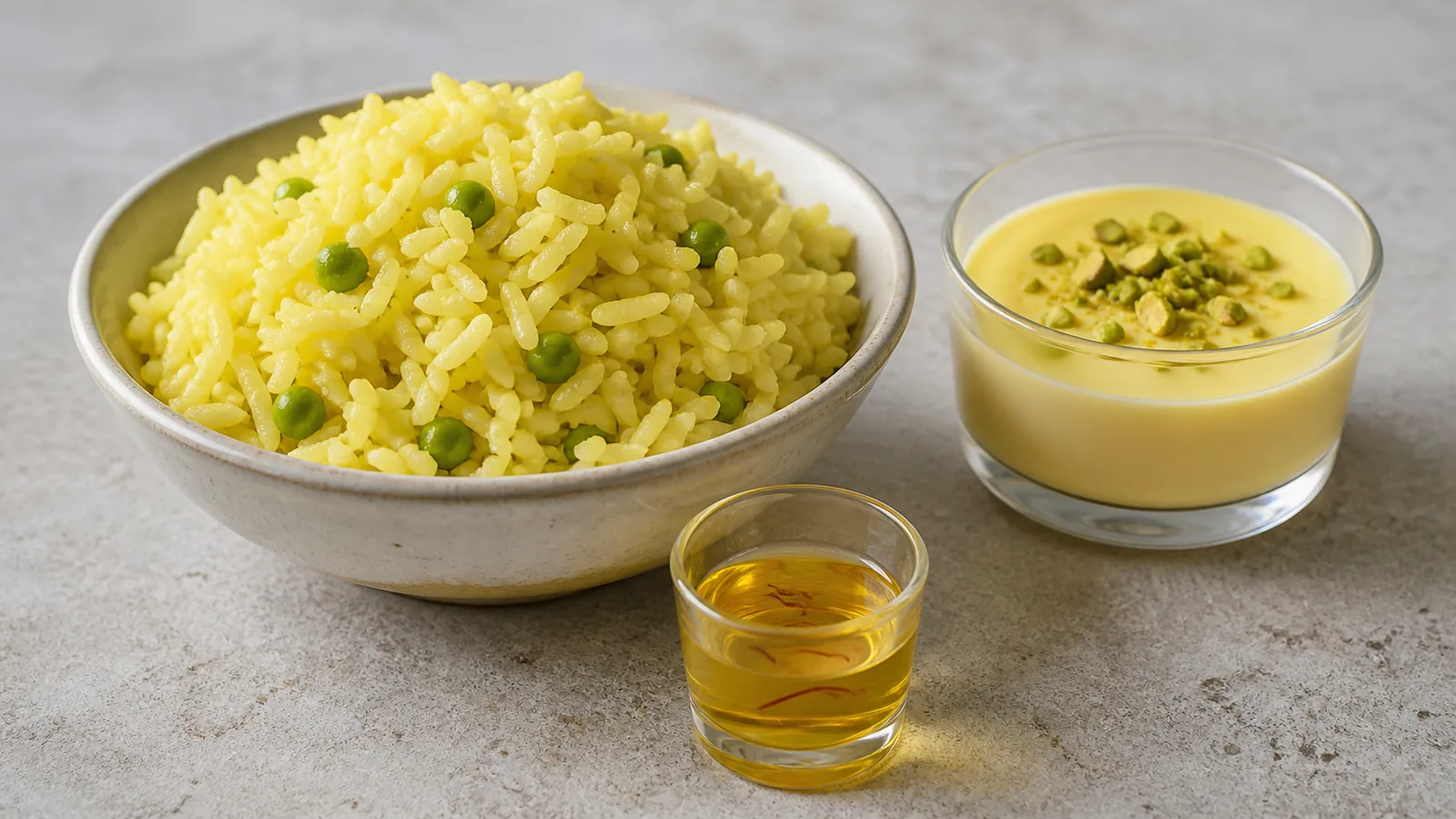
A few threads in tea, warm milk or a meal provide aroma, colour and a calming ritual. That experience may be pleasant, but it is not the same exposure used in a supplement trial. There is no established culinary thread count or recipe proven to treat an anxiety disorder.
Enjoy saffron in food if you like it. Avoid turning “regular, moderate use” into a treatment plan or increasing the amount in pursuit of a faster effect. More is not necessarily more effective, and large amounts can cause adverse effects.
What to check before using a supplement
- The product: whole threads, powder and standardised extracts are not equivalent.
- The measured dose: follow the label and professional advice; do not count threads to imitate milligrams from a paper.
- Other medicines: ask about interactions, especially if you already take treatment for mood, blood pressure or blood clotting.
- Pregnancy and health conditions: discuss regular supplemental use with a qualified clinician.
- Quality: choose an identifiable manufacturer or supplier with clear ingredient, batch and contact information.
The FDA’s dietary supplement guidance advises talking with a healthcare professional before using a supplement and reporting adverse reactions. “Natural” does not mean interaction-free or appropriate for everyone.
Do not delay effective anxiety care
If worry, panic, avoidance, poor sleep or physical anxiety symptoms persist, speak with a healthcare professional. Evidence-based care may include psychological therapies, practical self-management and, when appropriate, medication. The NICE guideline on generalised anxiety disorder and panic disorder describes stepped assessment and treatment rather than relying on one supplement.
Do not stop prescribed medication or substitute saffron without the prescriber’s help. Abrupt changes can cause withdrawal or symptom return. If anxiety comes with thoughts of self-harm or an immediate inability to stay safe, contact local emergency or crisis services now.
Choosing saffron for food
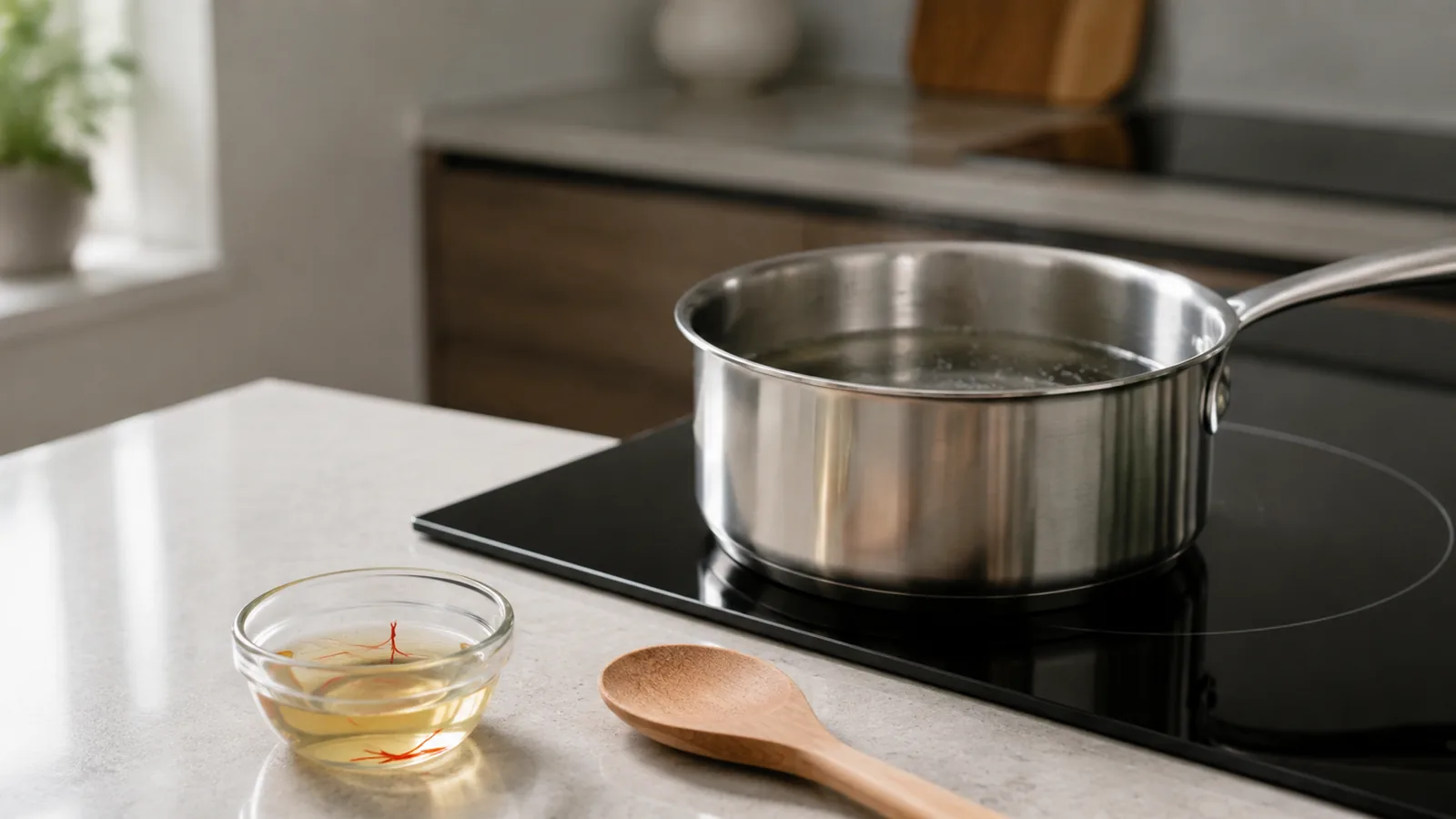
For culinary use, whole deep-red threads are easy to inspect and bloom. High quality saffron should be stored airtight, cool, dry and dark. A clean floral, hay-like aroma and gradual golden colour release are useful quality signs, although they do not prove a mental-health effect.
Our saffron products are intended for cooking, tea and other clearly described uses. Product quality can protect flavour and traceability; it cannot guarantee an anxiety outcome.
So, does saffron help with anxiety?
Measured saffron products have reduced anxiety symptoms on average in some trials and meta-analyses, so the question deserves serious research. The limits are equally important: the evidence does not prove that culinary saffron treats anxiety, does not identify one result for everyone, and does not justify replacing established care. Consider any supplement with a clinician who knows your symptoms, medicines and health history.