Saffron does not usually become rancid in the same way as an oily seed or nut. It contains little fat. What normally happens is that its aroma, flavour and colouring strength fade, especially after exposure to light, heat, air or moisture. If moisture or contamination enters the container, however, the spice can genuinely become unsafe.
This saffron freshness guide helps you separate stale saffron from saffron that should be discarded, then store the next jar properly.
Can saffron go bad?
Yes, although “bad” covers two different situations:
- Loss of quality: the threads smell weak, give little colour and taste flat. They may still be usable, but the result will disappoint.
- Spoilage or contamination: the saffron is damp, mouldy, infested, clumped from moisture, or smells musty or otherwise wrong. Discard it.
Do not taste a sample that shows mould, insects or unexplained moisture. The high price is not a reason to rescue a contaminated spice.
How long does saffron last?
There is no single shelf life of saffron that applies to every package. Drying quality, packaging, storage and how often the jar is opened all matter. Use the producer’s best-before or saffron expiry date as the first reference, then check the threads themselves.
Saffron expiration is therefore better treated as a quality-and-condition decision than a universal countdown. The date, storage history and sensory checks belong together.
A sealed, well-dried batch kept cool, dark and dry can retain useful quality for a long time. Once opened, repeated air and humidity exposure accelerates fading. Rather than relying on a promise that saffron stays “potent for many years,” date the jar when you open it and judge aroma and performance before an important recipe.
Does kesar expire? Kesar is another name for saffron, so the same answer applies. A date on the pack marks the maker’s expected quality period under stated storage conditions; it does not make a mouldy product safe or cause a well-stored thread to change at midnight.
Signs saffron is past its prime
Fresh dry threads are brittle and have a clear floral, hay-like aroma. Ageing saffron may look duller and smell faint. When bloomed, it can produce a weaker golden colour and a flatter taste.
Bitterness alone is not spoilage—genuine saffron naturally tastes bitter. Look for a change from the product’s earlier aroma, visible dampness, fuzzy growth, insects or a musty odour. Those are stronger reasons to discard it.
How to store saffron
- Keep the threads in a clean, airtight container.
- Store the container in a cool, dark cupboard, away from the oven, hob and direct sunlight.
- Use only a clean, completely dry spoon or clean dry fingers.
- Close the container promptly after measuring.
- Keep saffron away from coffee, perfume and strong spices whose odours it can absorb.
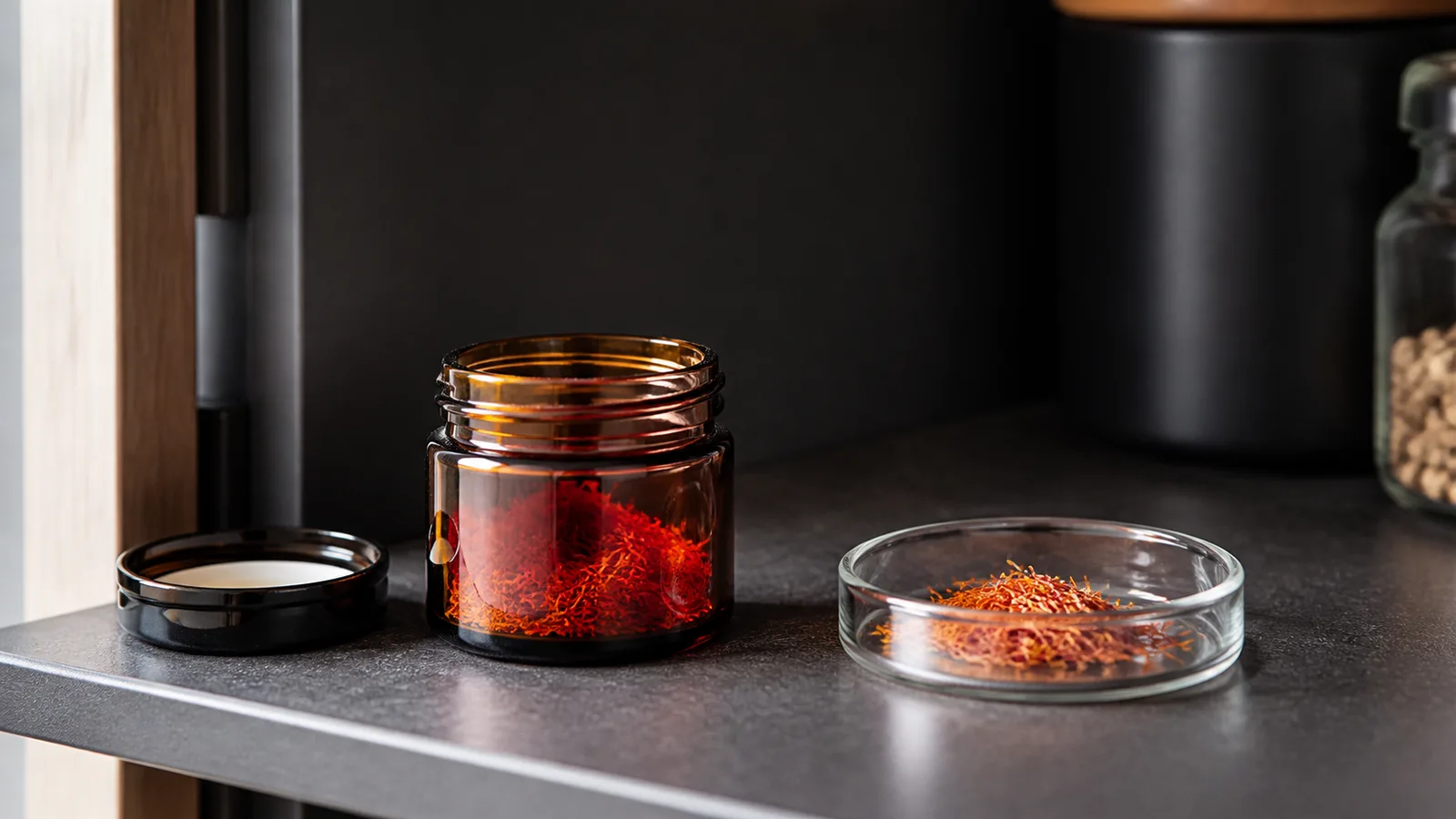
An opaque tin or amber glass container adds light protection. If you use clear glass, keep it inside a closed cupboard. Avoid transferring saffron repeatedly between containers, which adds handling and air exposure.
Should saffron be refrigerated?
For ordinary household quantities, a stable, cool cupboard is usually simpler. Refrigeration can create condensation when a cold container is opened in a warm, humid kitchen. That moisture risk can be worse than room-temperature storage.
If local conditions are persistently hot and humid and refrigeration is necessary, divide the saffron into small airtight portions. Let a sealed portion reach room temperature before opening it, so humid air does not condense on cold threads.
Can you freeze saffron?
You can freeze a carefully sealed, moisture-proof portion, but it is rarely necessary for a small jar. Freezing does not restore lost aroma, and repeated opening or thawing invites condensation. If you freeze a larger supply, make small one-use portions, keep them double-sealed, and allow each sealed portion to warm before opening. Do not refreeze a portion repeatedly.
Can blooming rescue older saffron?
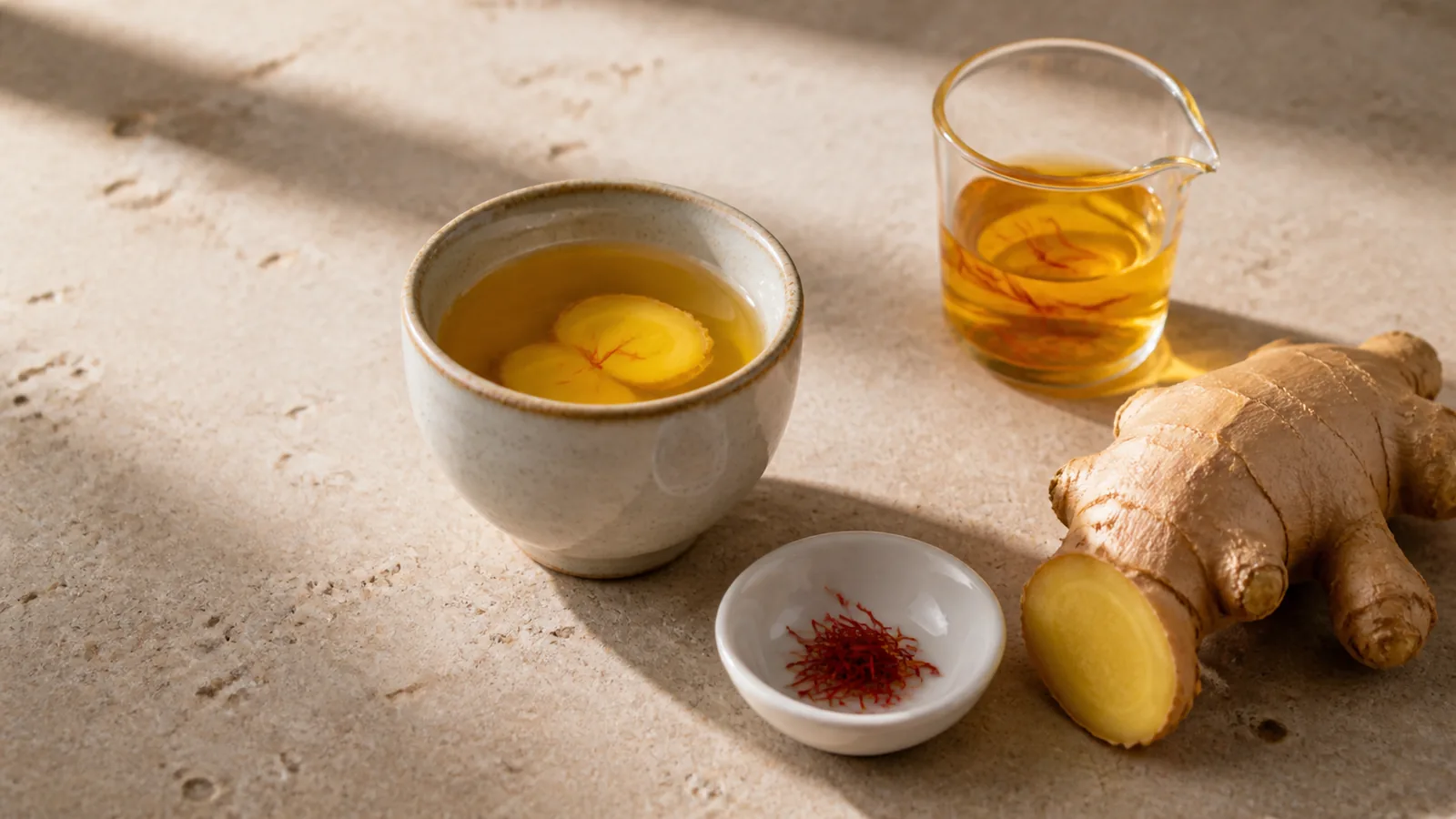
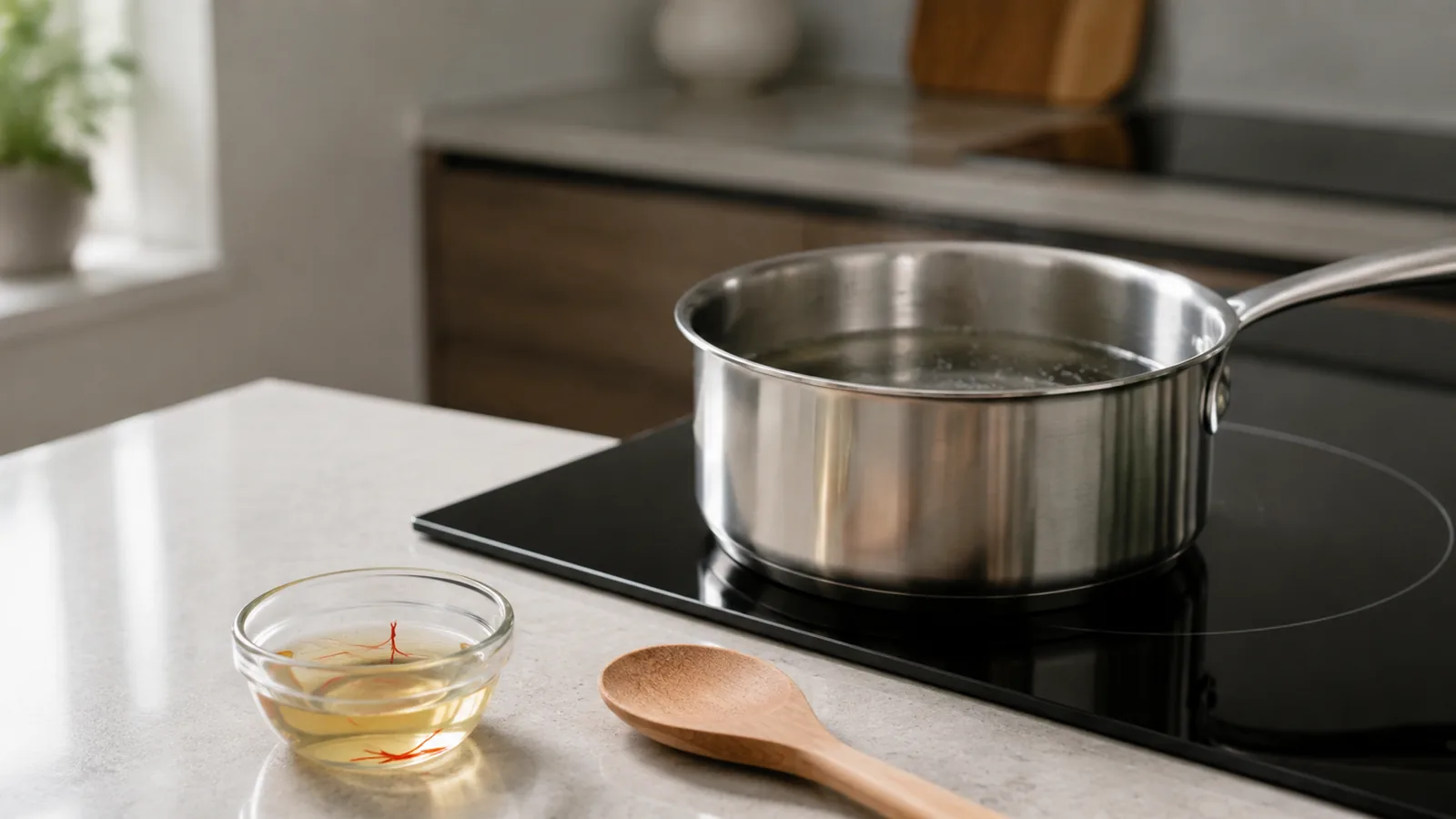
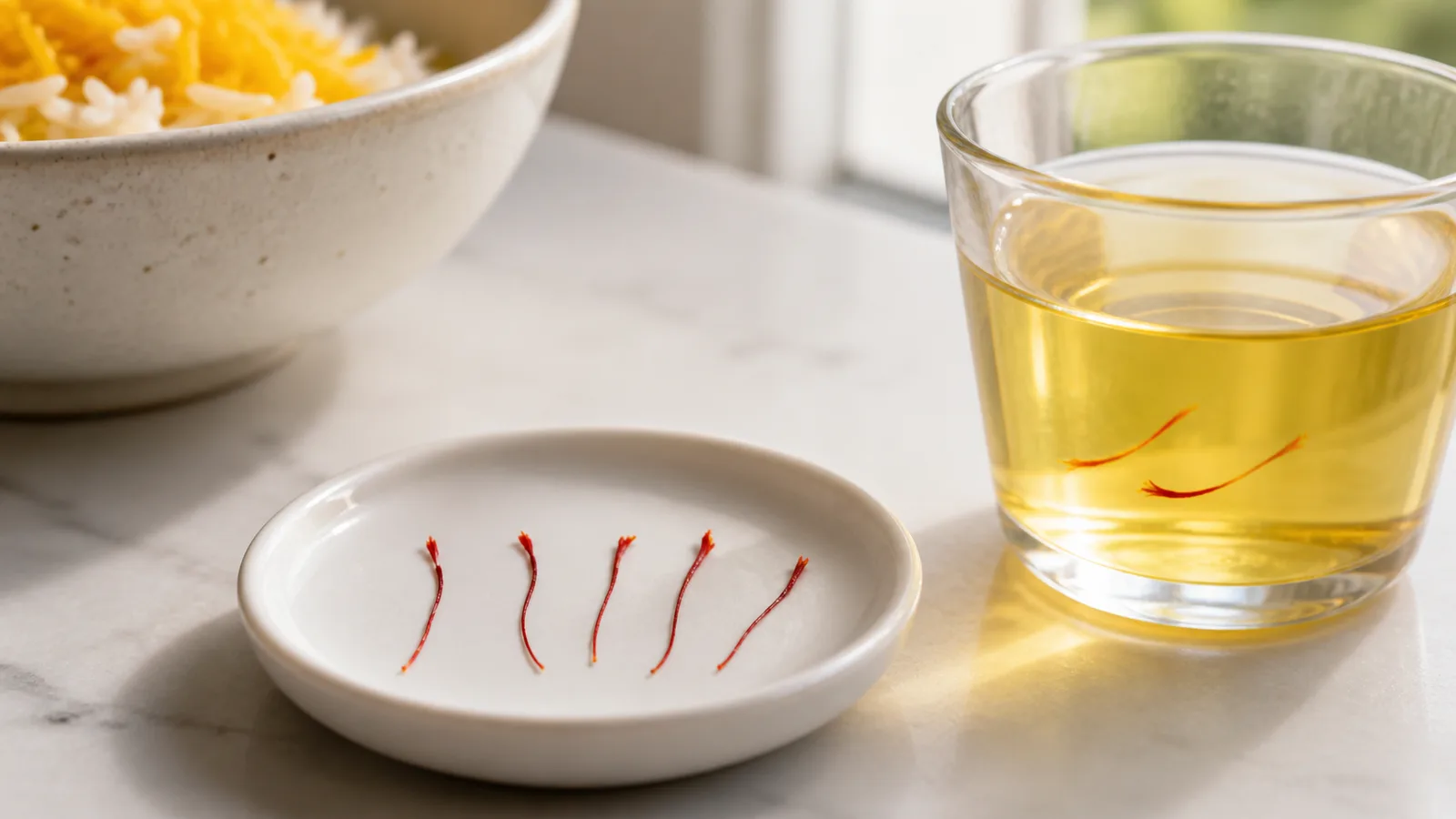
Blooming in warm water, milk or broth for 10 to 15 minutes extracts what remains and distributes it evenly. It may help you use a fading batch efficiently, but it cannot recreate aroma or colour compounds that have already degraded. Add more only after tasting; a large dose of stale saffron can make food bitter without bringing back the missing fragrance.
Buy an amount you can use well
The best saffron shelf life strategy is not a clever container alone. Buy whole threads in a quantity that suits your cooking, keep them sealed, and replace them when their aroma and performance are no longer worthwhile. Our saffron products page shows the available pack sizes, so you can choose a practical amount rather than storing an oversized jar for years.