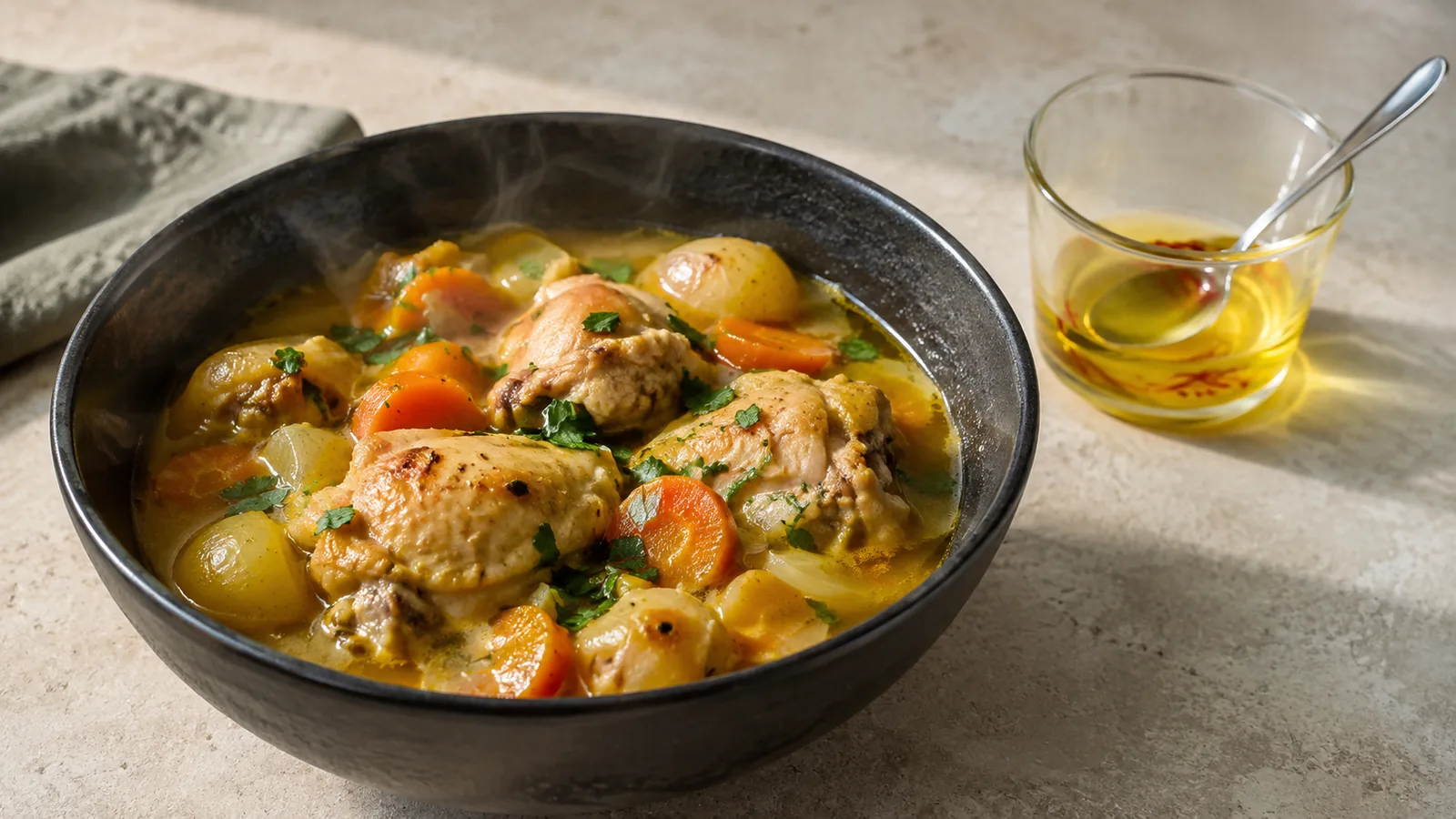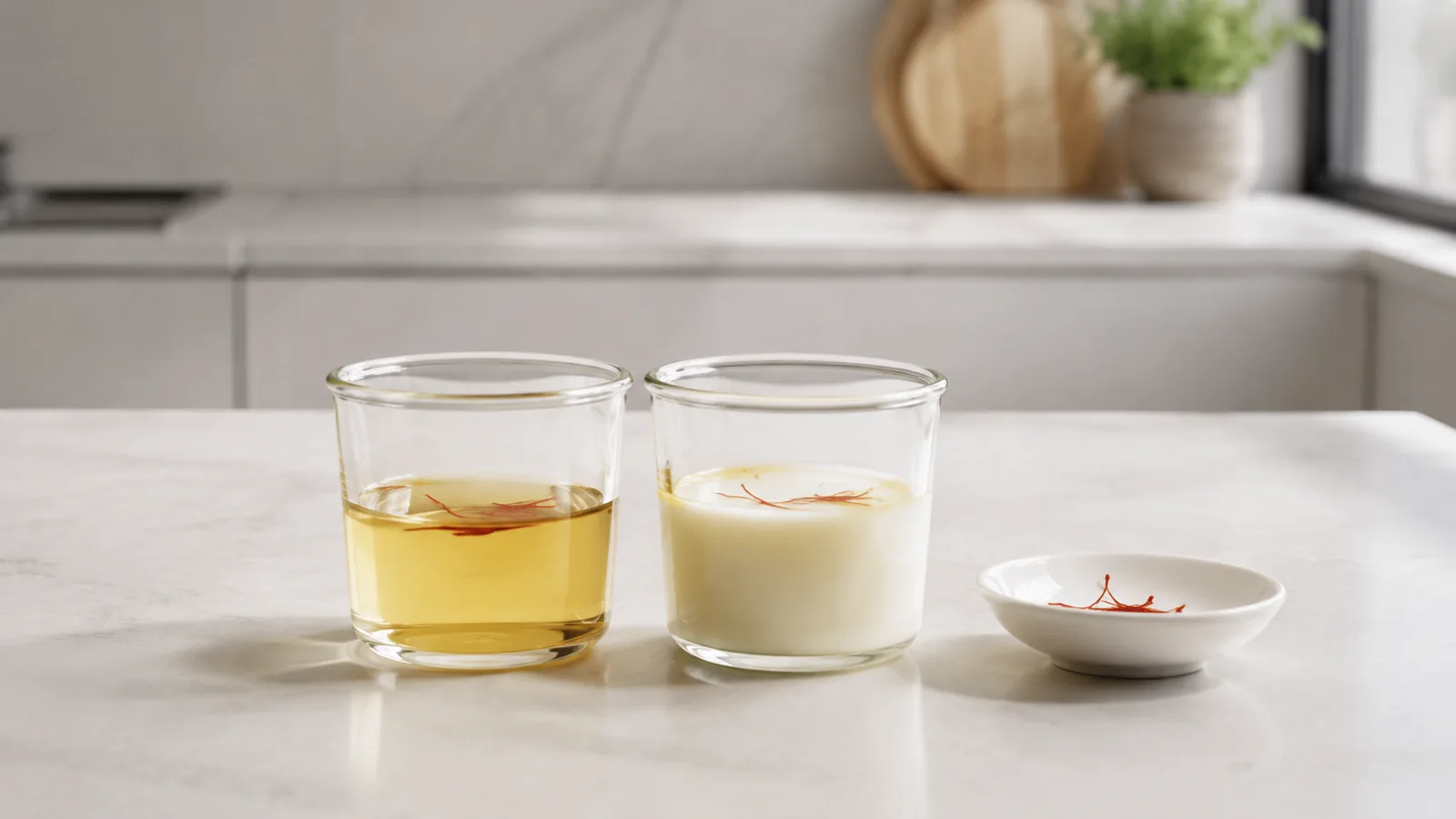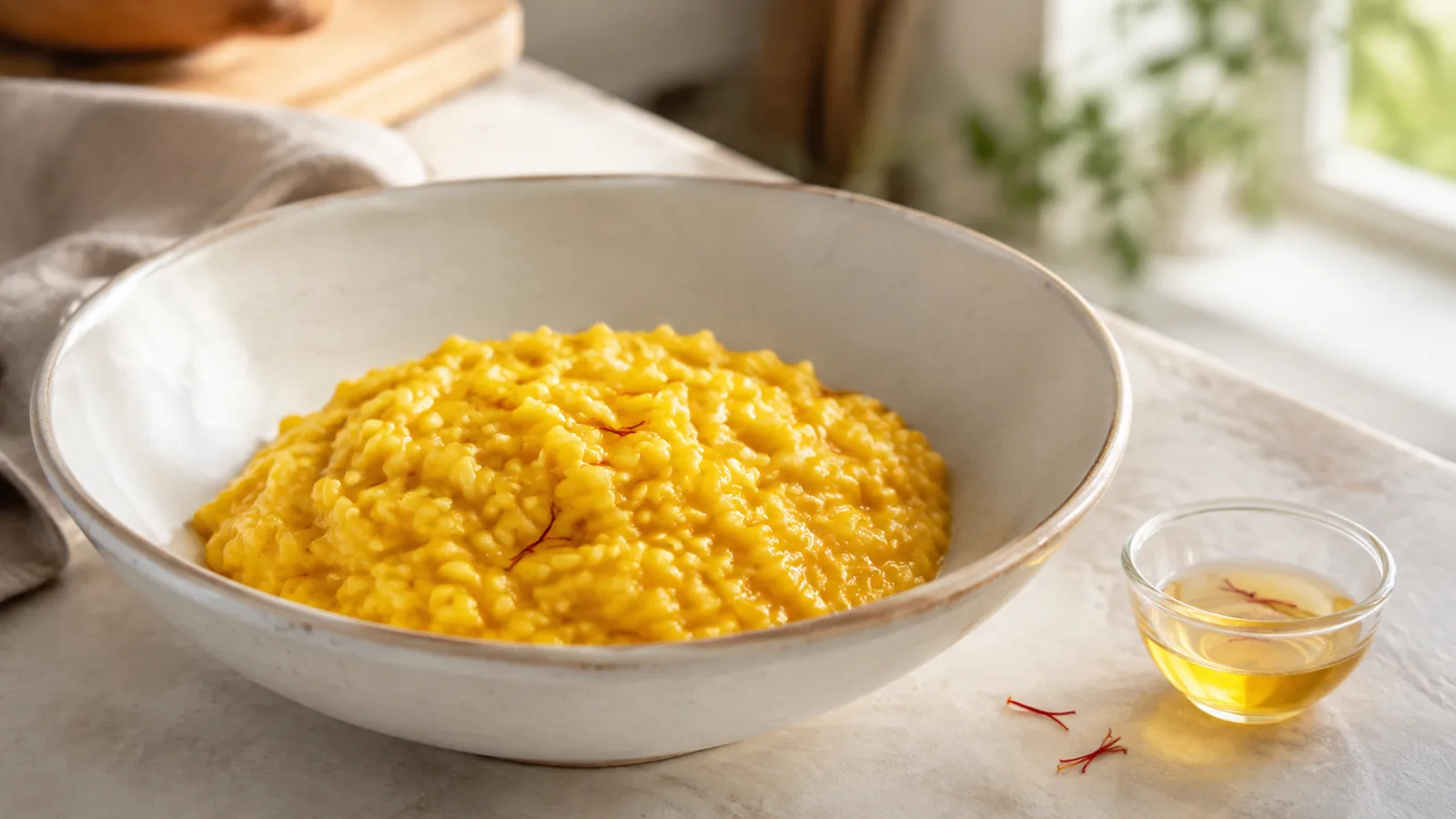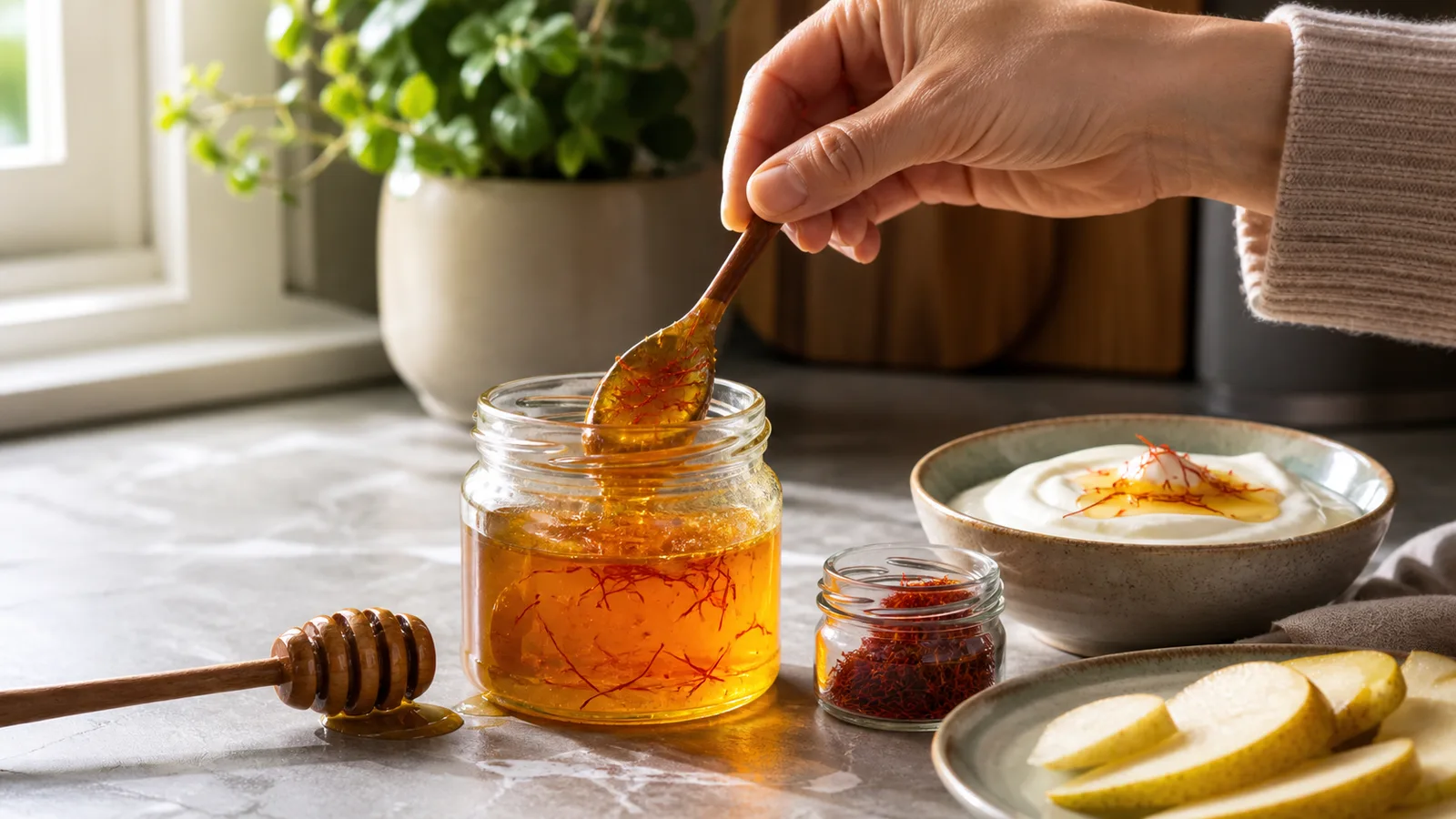
Do honey and saffron go together? Very well. Honey rounds saffron’s gentle bitterness, while saffron gives honey a floral, hay-like aroma and warm colour. The pairing works in tea, warm milk, yoghurt, fruit, toast, desserts and glazes.
Honey with saffron is best treated as a flavouring, not a remedy. Searches for saffron honey benefits often imply that the combination multiplies each ingredient’s effects, but separate studies do not establish that claim.
Saffron and Honey Mix: Health Benefits and How to Use It
What is saffron honey? It may mean honey infused directly with threads or a fresh mixture of honey and bloomed saffron. Direct infusion develops slowly; the bloomed version is ready sooner but contains water and should be made in a small amount rather than stored indefinitely.
Health Benefits of Saffron and Honey
The clearest benefit is culinary: sweetness makes saffron’s bitterness easier to balance, and a small serving can perfume a larger dish. Honey is mainly sugar and water, so portion still matters. It must never be given to a child under 12 months because of infant botulism risk.
Saffron contains crocins, crocetin, picrocrocin and safranal. A review of saffron evidence reviews found promising results alongside weaknesses in study quality and reporting. Those studies do not show that saffron with honey treats depression, inflammation, heart disease, poor memory or digestive problems. Honey may soothe a throat for some people, but this mixture is not a substitute for medical care.
How to Use Saffron and Honey Together
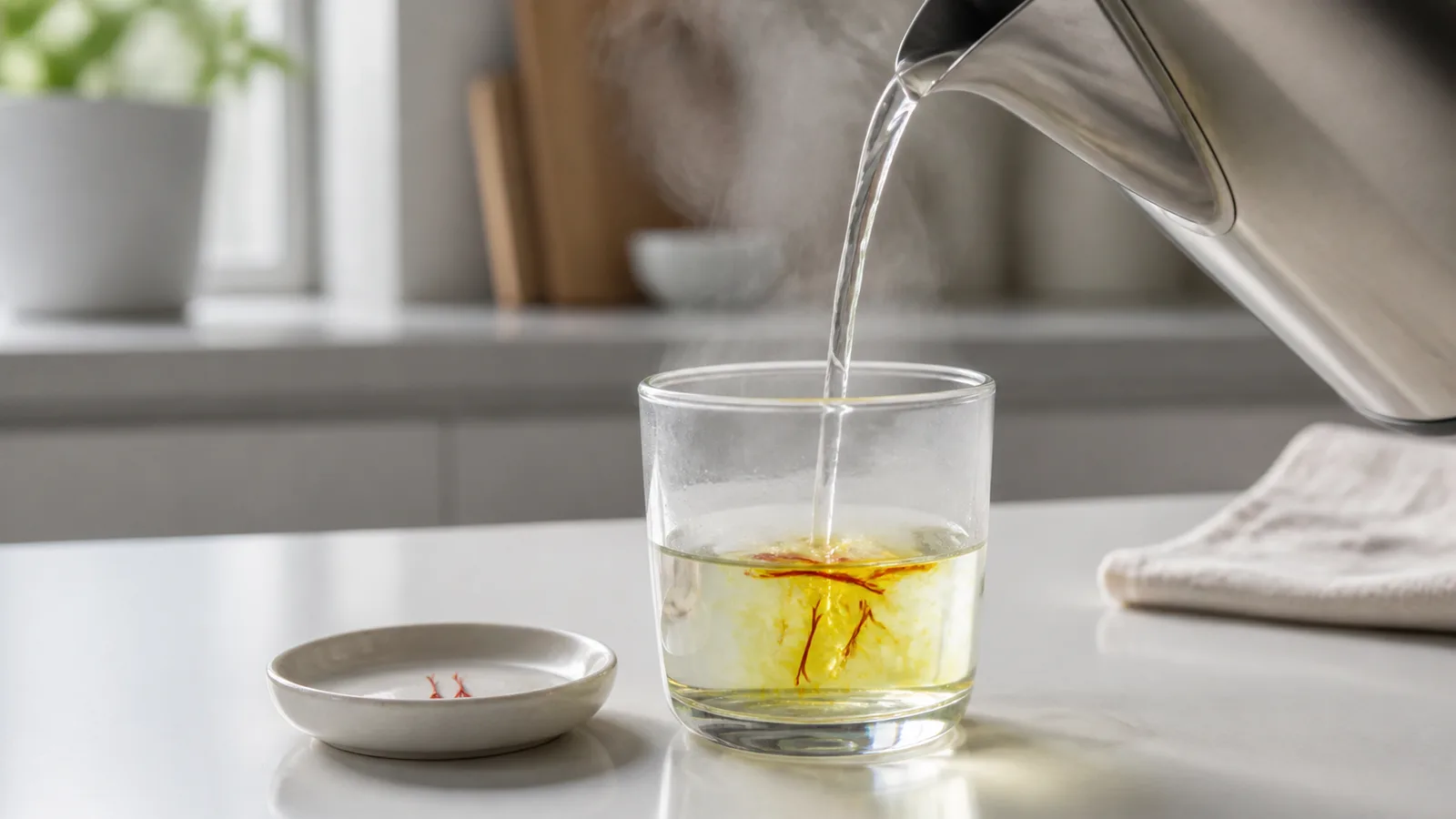
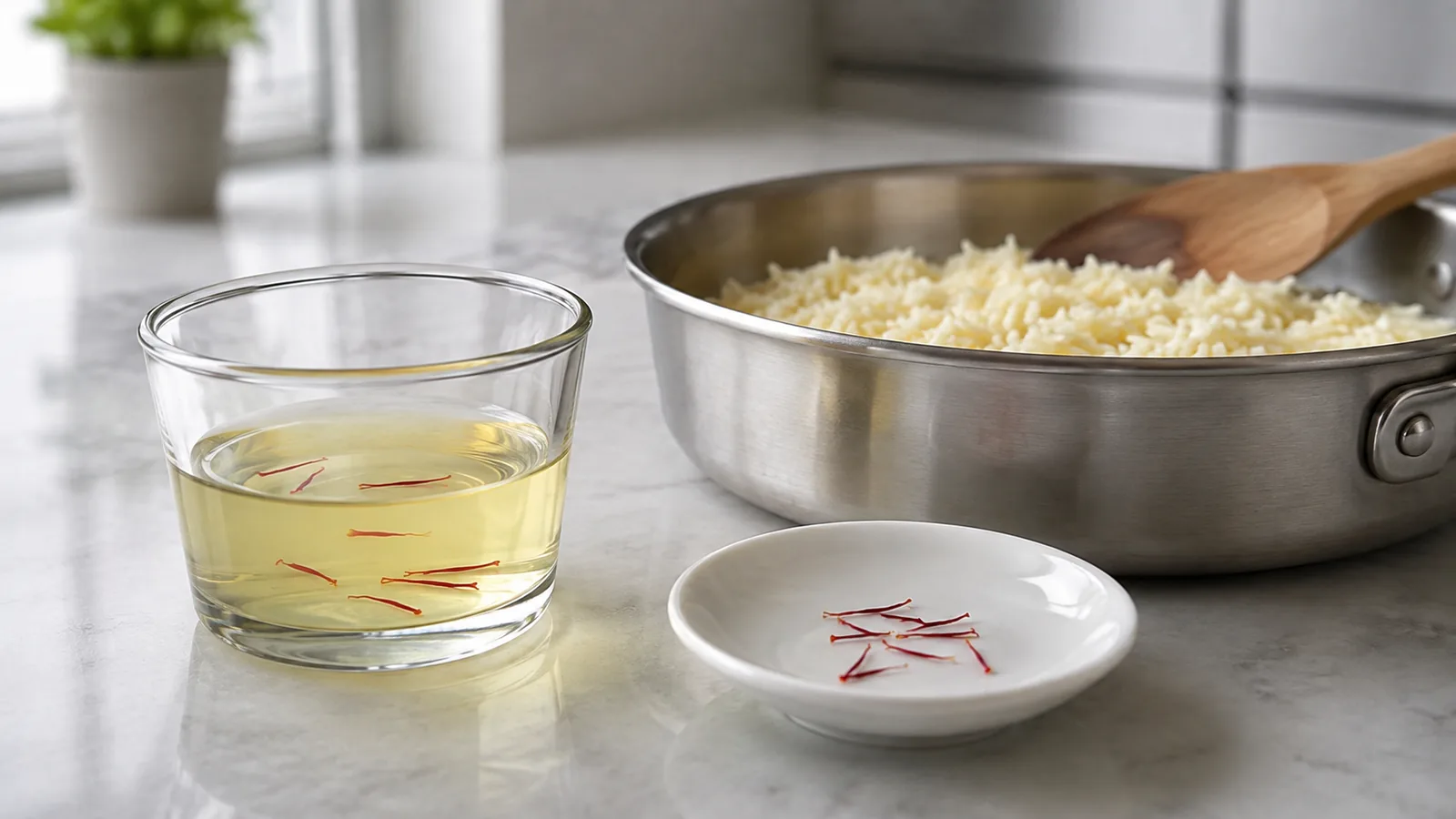
For a quick saffron honey recipe, lightly crush a small culinary pinch of genuine threads. Bloom it in one teaspoon of warm water for 15 minutes, let it cool, then stir it into two tablespoons of honey. Use the mixture promptly and refrigerate any remainder in a clean covered container.
For water-free saffron infused honey, mix dry threads into honey and leave the sealed jar in a cool, dark cupboard for several days, stirring with a clean dry spoon. This produces a subtler flavour. Discard it if moisture, fermentation, mould or an unusual odour appears.
Stir a little into warm—not boiling—tea or milk, spoon it over yoghurt or pear, brush it lightly on roasted carrots, or use it in a cake glaze. Taste first: strongly flavoured honey can overwhelm delicate saffron.
Precautions
Honey raises blood glucose and remains an added sugar. People managing diabetes or another condition affected by sugar should follow individual advice. Anyone with an allergy to honey, pollen or saffron should avoid the relevant ingredient.
Do not copy supplement doses into a recipe. Excessive or concentrated saffron can cause adverse effects, and pregnancy warrants particular caution (PMID 28293386). Ask a clinician before regular concentrated use if you are pregnant or breastfeeding, take medicines, have low blood pressure or a bleeding condition, or are preparing for surgery.
Conclusion
Saffron and honey are a strong flavour pairing when used sparingly. Bloom the threads for an immediate mixture or infuse them dry for a slower version, keep wet mixtures refrigerated, and enjoy the result as food rather than a health cure.
Browse our culinary saffron, or see how to add saffron to tea.