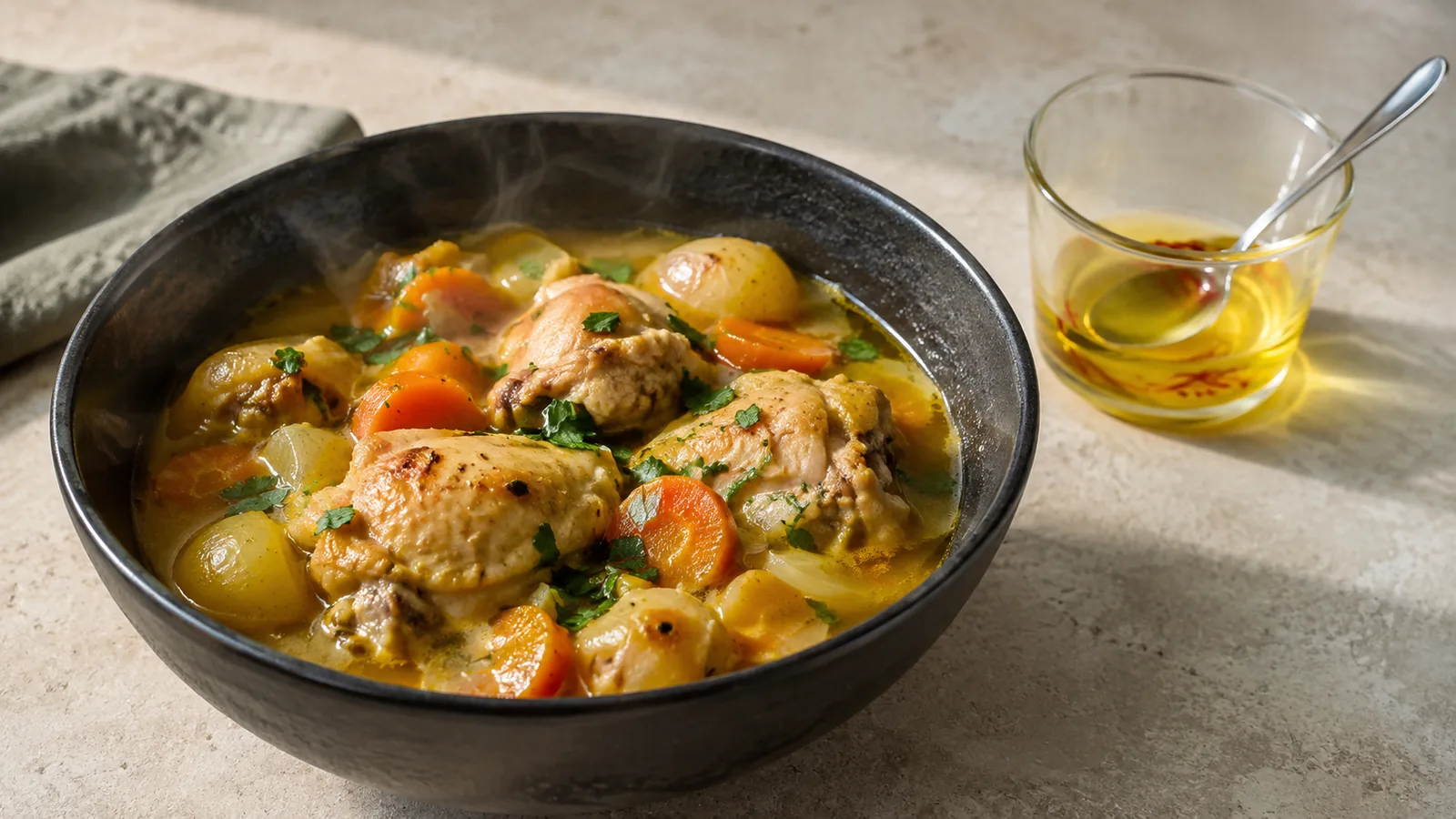
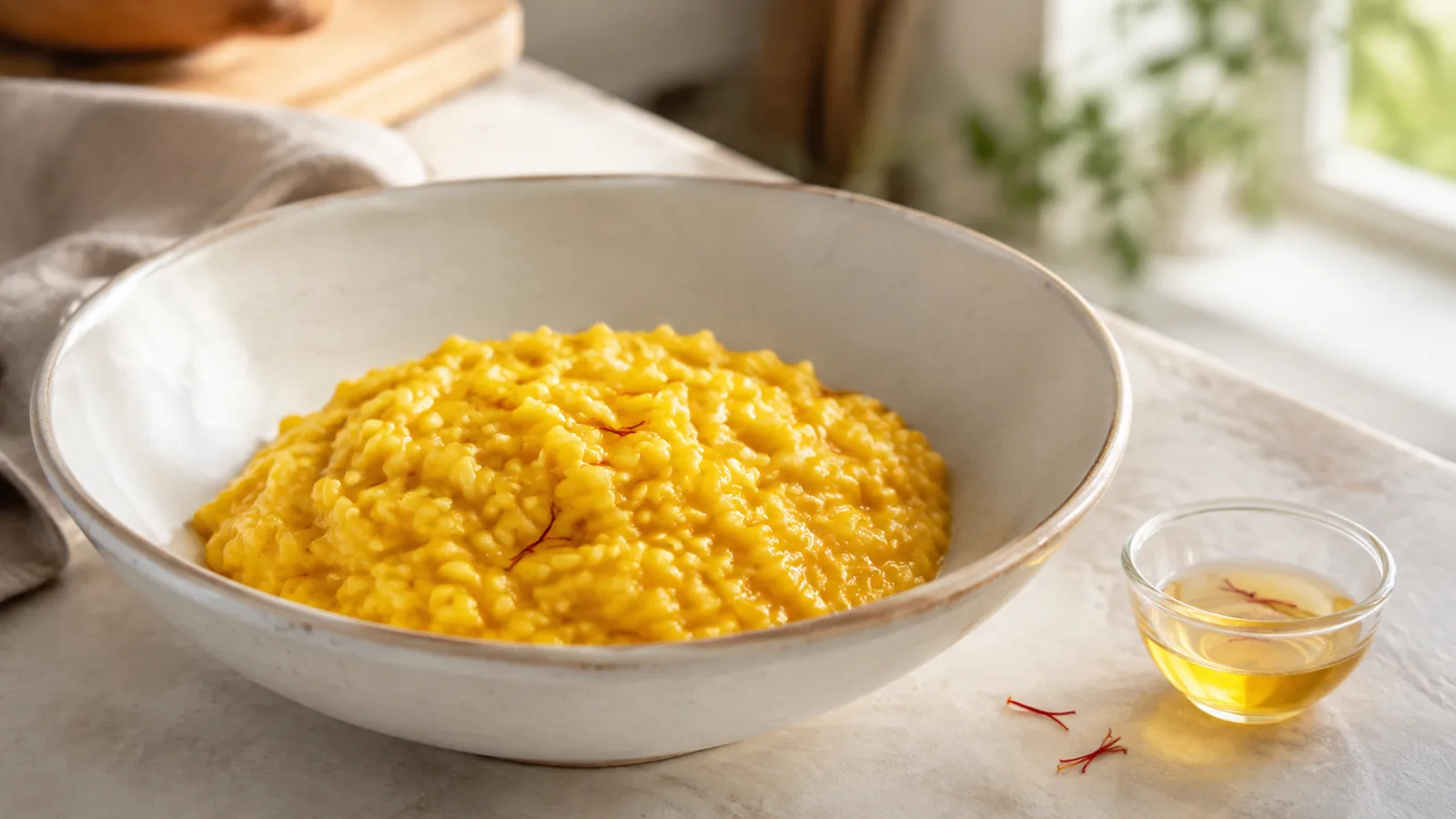
Kuku nuts is a substantial Persian-style egg dish filled with chicken, rice, potato, herbs and three kinds of nuts. Saffron and strained yogurt soften the rich filling, while parsley, celery, carrot and bell pepper keep each slice savoury and colourful.
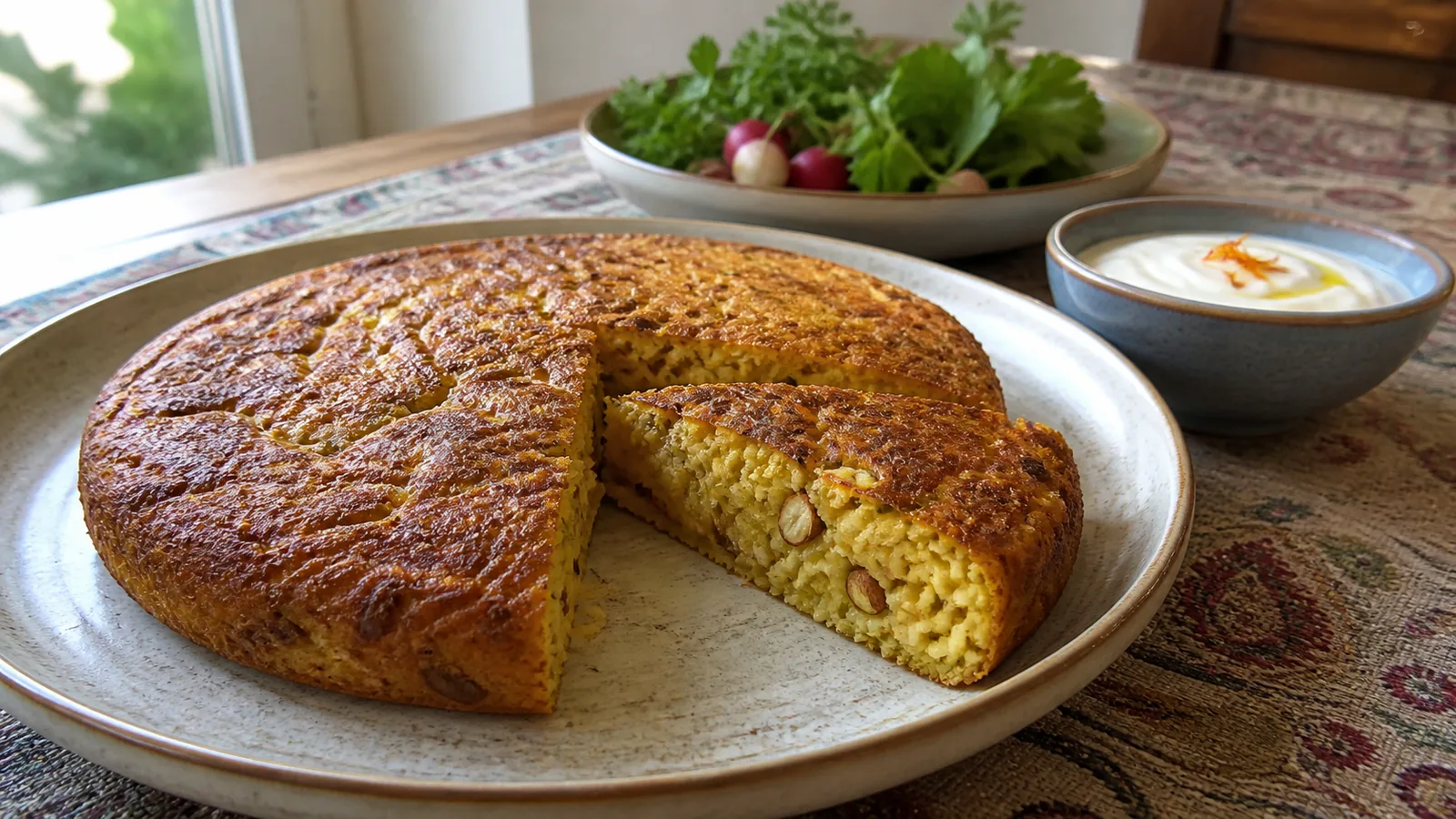
This recipe makes six servings and works as an appetizer, lunch or dinner. It can also be prepared for suhoor or iftar during Ramadan, though its nuts and fried ingredients make a small slice surprisingly filling.
Kuku nuts ingredients
- 300 g boneless chicken
- 2 potatoes, cut into small cubes
- 1 cup cooked rice, cooled
- 5 large eggs
- 1/2 cup thick strained yogurt
- 1/2 cup chopped parsley
- 1 cup walnuts, roughly chopped
- 1/2 cup almonds, roughly chopped
- 1/2 cup slivered pistachios
- 4 tablespoons fried onions
- 1 small bell pepper, finely diced
- 2 carrots, roughly chopped for poaching the chicken
- 2 celery stalks, roughly chopped
- 1 bay leaf
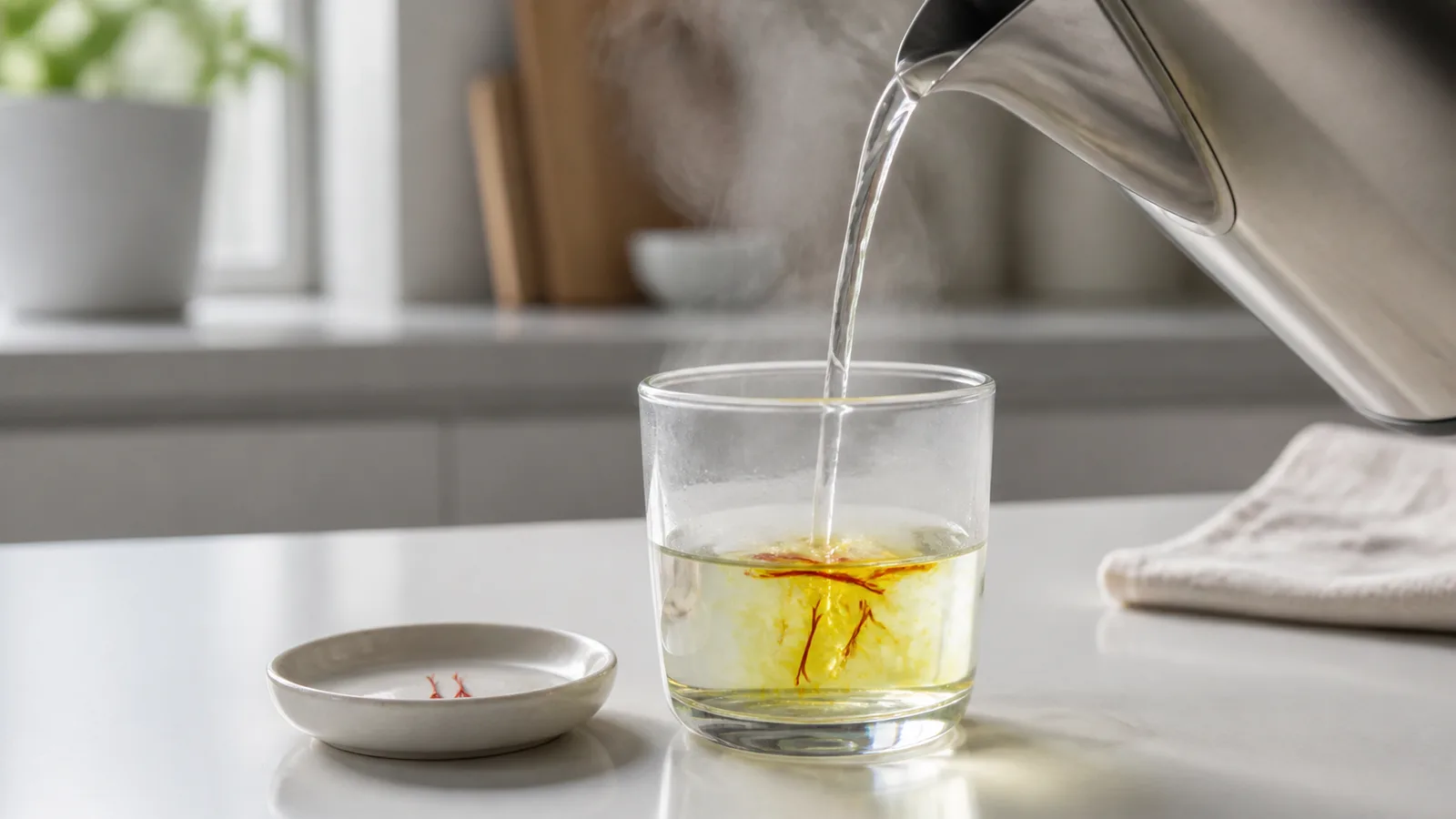
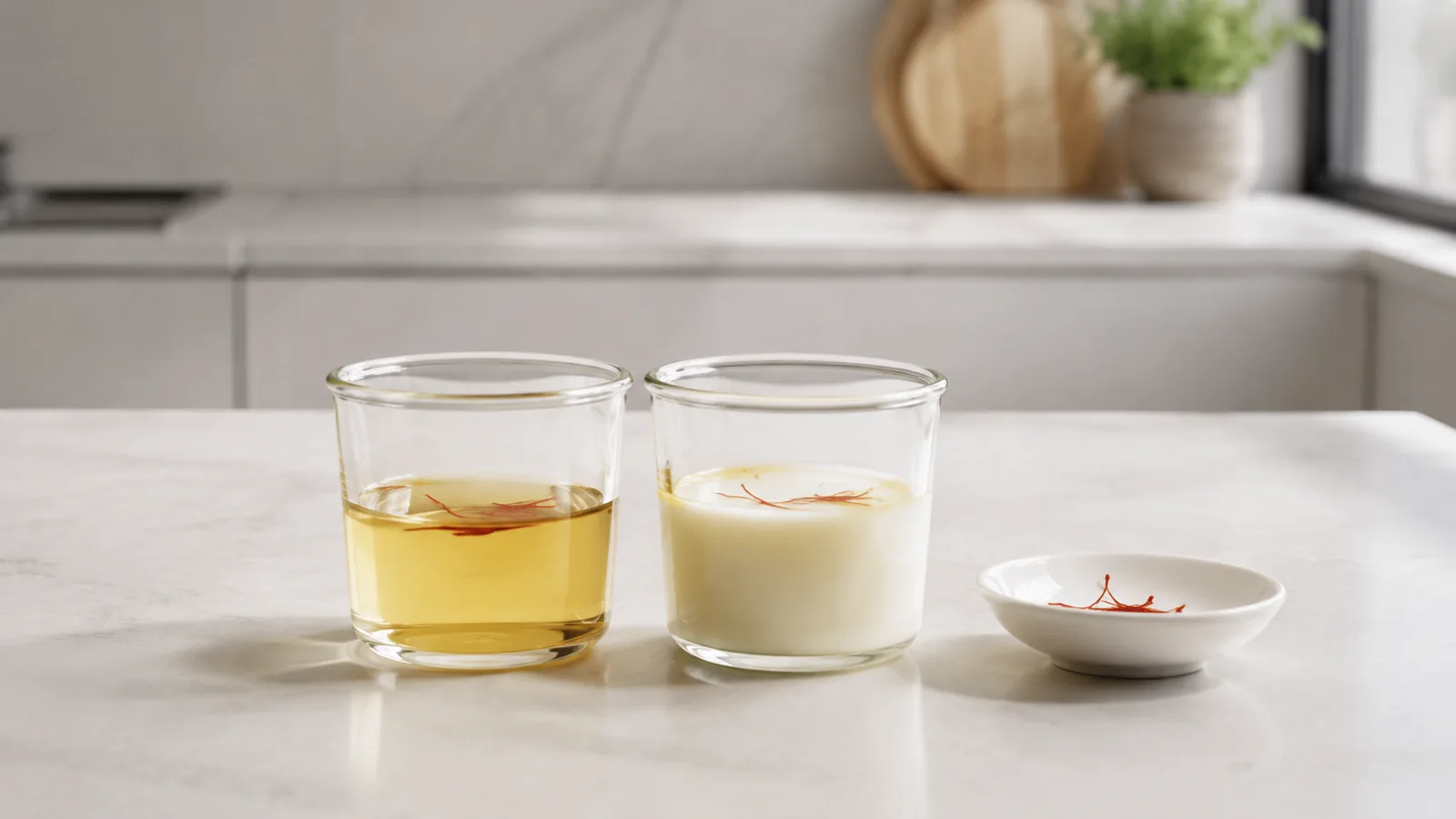
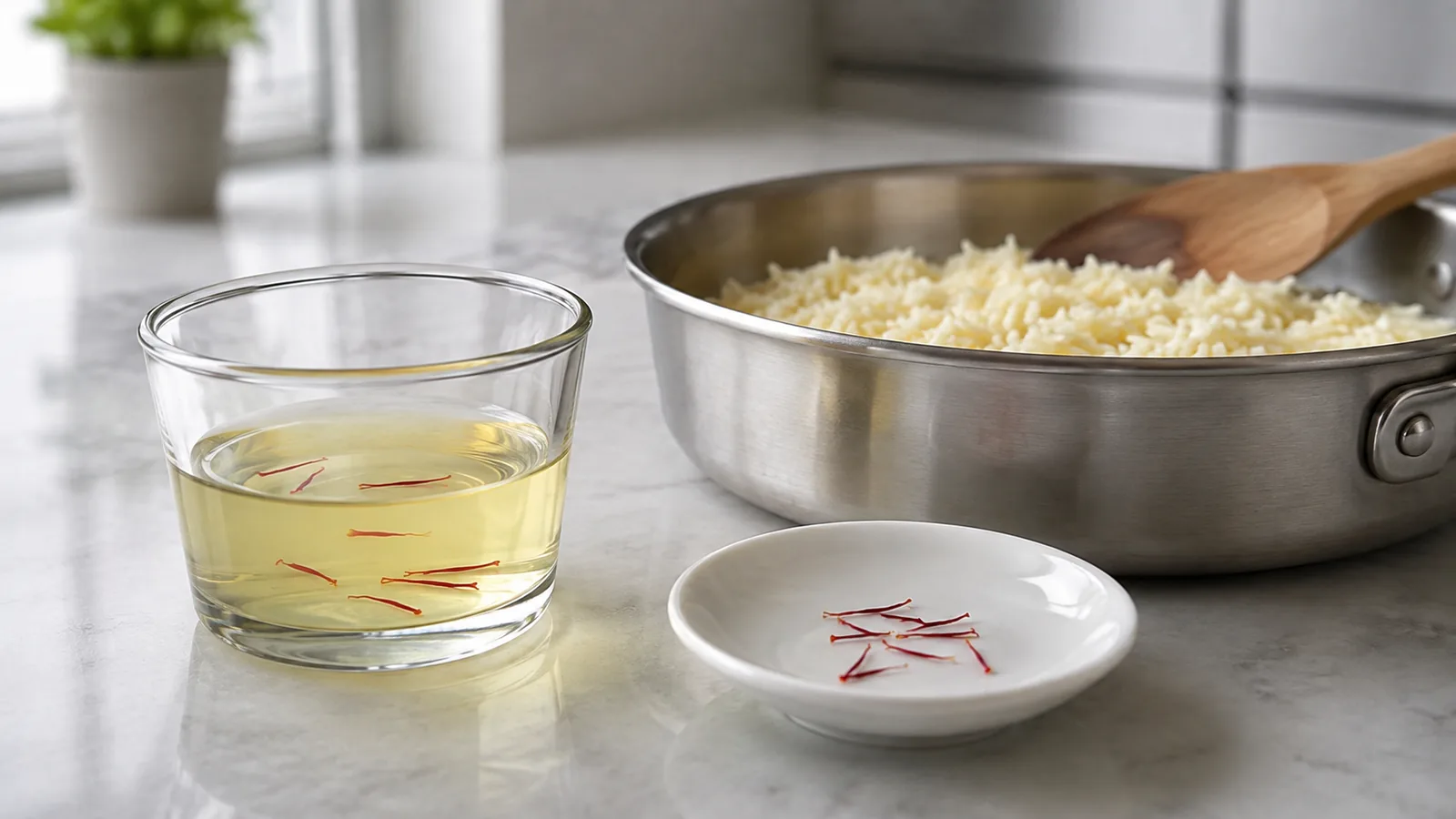
- 1 tablespoon concentrated brewed saffron
- Ground cinnamon, turmeric, salt and black pepper, to taste
- Neutral oil, for frying
“Yogurt abstract” in the earlier translation means thick or strained yogurt. The old ingredient line for bay laurel was also mistranslated; use one ordinary bay leaf for the poaching liquid and remove it before assembling the kuku.
Prepare the chicken and vegetables
1. Poach and shred the chicken
Put the chicken in a saucepan with the carrots, celery and bay leaf. Add enough water to cover, season lightly with salt and bring just to a boil. Reduce the heat and simmer gently until the thickest part of the chicken reaches 74°C/165°F.
Lift out the chicken, let it cool enough to handle and shred or dice it finely. Discard the bay leaf. Save the carrots and celery for soup or another meal; their job here is to flavour the chicken.
2. Fry the potato and pepper
Heat a thin layer of oil in a frying pan. Cook the potato cubes over medium heat until golden outside and tender in the centre. Transfer them to a paper-lined plate and cool.
Pour off excess oil, then sauté the diced bell pepper for 2–3 minutes. Add the shredded chicken and fried onions, season with a little turmeric and black pepper, and toss just until evenly mixed. Cool before it meets the eggs.
The earlier method suddenly mentioned minced meat and tomato paste, although neither appears in its ingredient list. They do not belong to this chicken formula and have been left out rather than guessed into the dish.
Make the kuku batter
Crack the eggs into a large bowl and beat until the whites and yolks are completely combined. Whisk in the strained yogurt and brewed saffron until smooth.
Add the parsley, walnuts, almonds and pistachios. Fold in the cooled rice, potato and chicken mixture. Season with salt, pepper, turmeric and a small pinch of cinnamon.
The mixture should be thick but coated with egg. If it looks dry and loose rather than bound, add one more beaten egg. Rice size, nut grind and yogurt thickness all affect how much egg the batter needs.
How to fry kuku nuts evenly
Choose a 26–28 cm non-stick or well-seasoned frying pan with a lid. Add 2 tablespoons of oil and warm it over medium heat.
Spoon in the kuku mixture and press it into an even layer about 2–3 cm thick. Reduce the heat to medium-low, cover and cook for 12–15 minutes, until the underside is deep gold and the top is mostly set.
Slide the kuku onto a plate, invert the pan over it and turn both together. Add a little more oil if the pan is dry, then slide the uncooked side back in. Cook uncovered for another 8–12 minutes.
The centre must be fully set and reach 71°C/160°F for an egg dish, while the chicken must have reached 74°C/165°F during poaching. Both temperatures appear in the US government’s safe minimum-temperature chart.
A lower-risk way to turn a heavy kuku
If a full pan feels difficult to flip, mark the partly set kuku into four wedges with a spatula. Turn each wedge separately and press the edges together as they finish. The plate method gives a neater round, but the wedge method is easier and reduces the chance of hot oil spilling.
You can also bake the mixture in a well-oiled 23 cm dish at 180°C/350°F until the centre reaches 71°C/160°F, usually 25–35 minutes. It will be less crisp underneath but easier to manage.
Texture, serving and storage
Let the finished kuku rest for 8–10 minutes before cutting. That pause allows the egg and yogurt to settle around the rice, chicken and nuts so the slices hold together.
Serve warm or at room temperature with fresh herbs, yogurt and pickles. Because the recipe contains walnuts, almonds and pistachios, label it clearly when serving guests and keep it away from anyone with a tree-nut allergy.
Refrigerate leftovers within two hours and use within three days. Reheat slices until steaming throughout. The best kuku nuts has a browned exterior, a tender centre and distinct pieces of chicken and nut rather than a dense, overmixed paste.