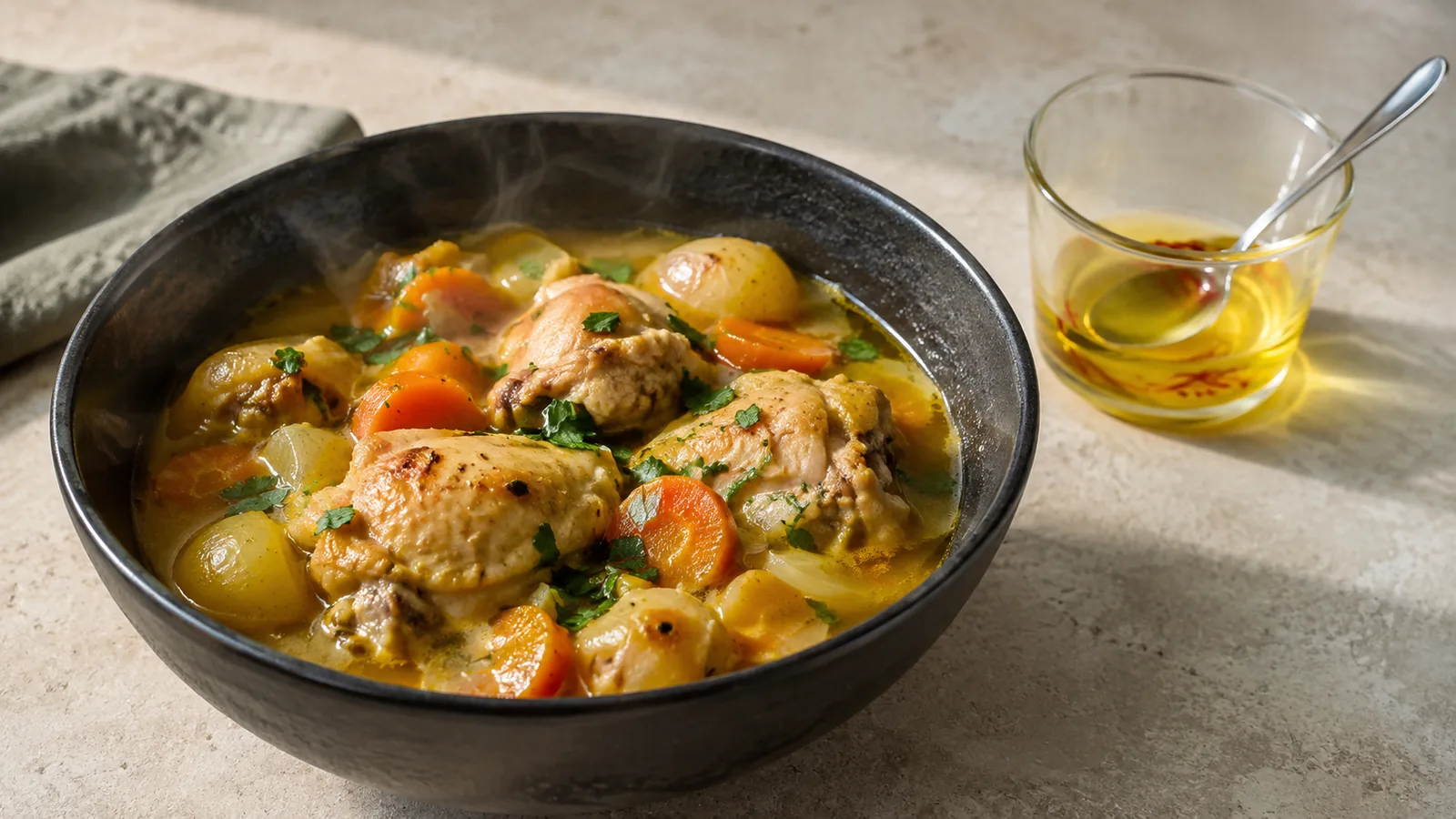
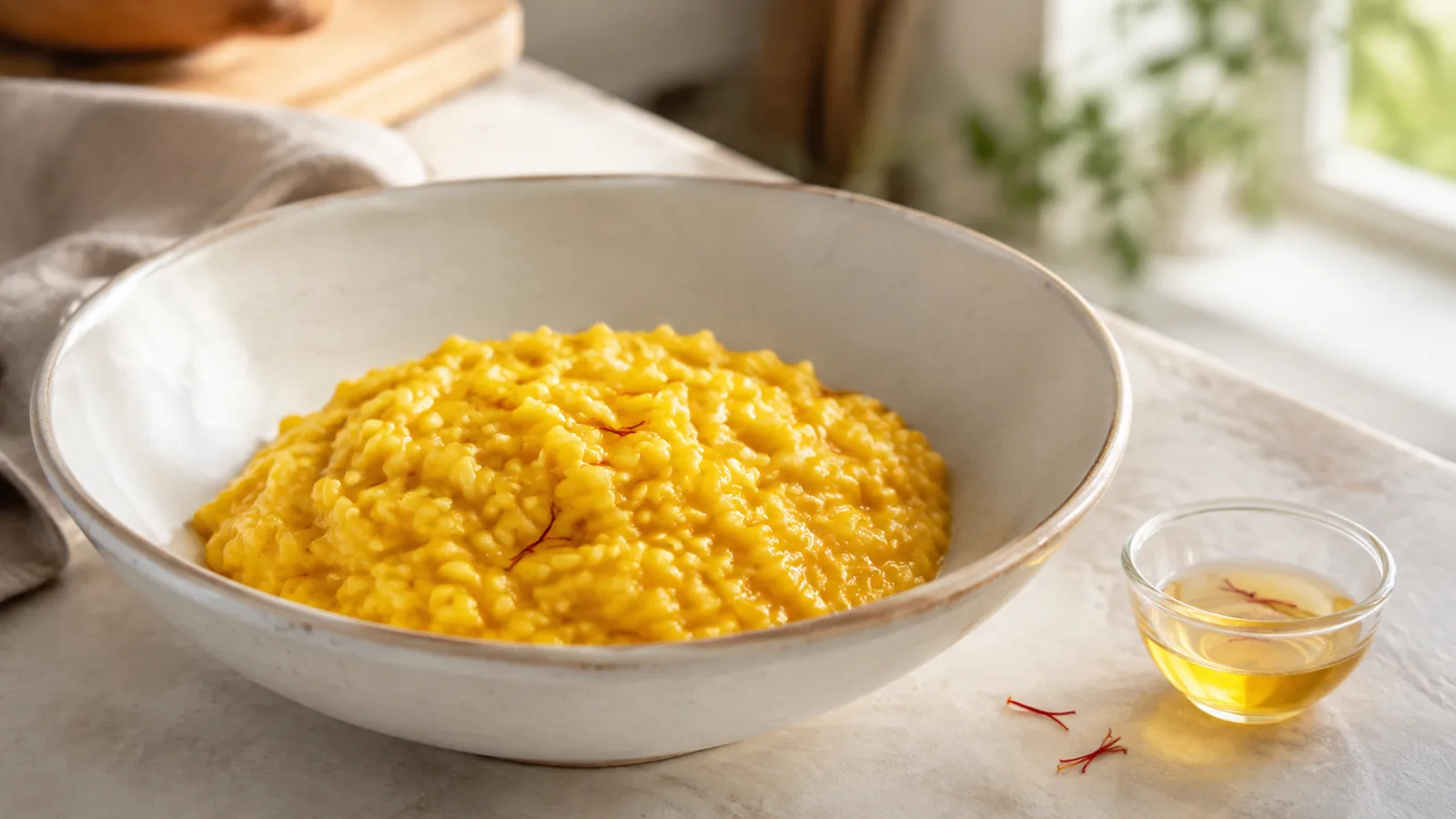
cooking shole Zard means making sholeh zard, the Persian saffron rice pudding scented with rose water and cardamom. You may also see the name written as shole zard or sholezard. It is a spoon dessert, not a “shole drink,” and it should finish soft and flowing while hot before thickening as it cools.
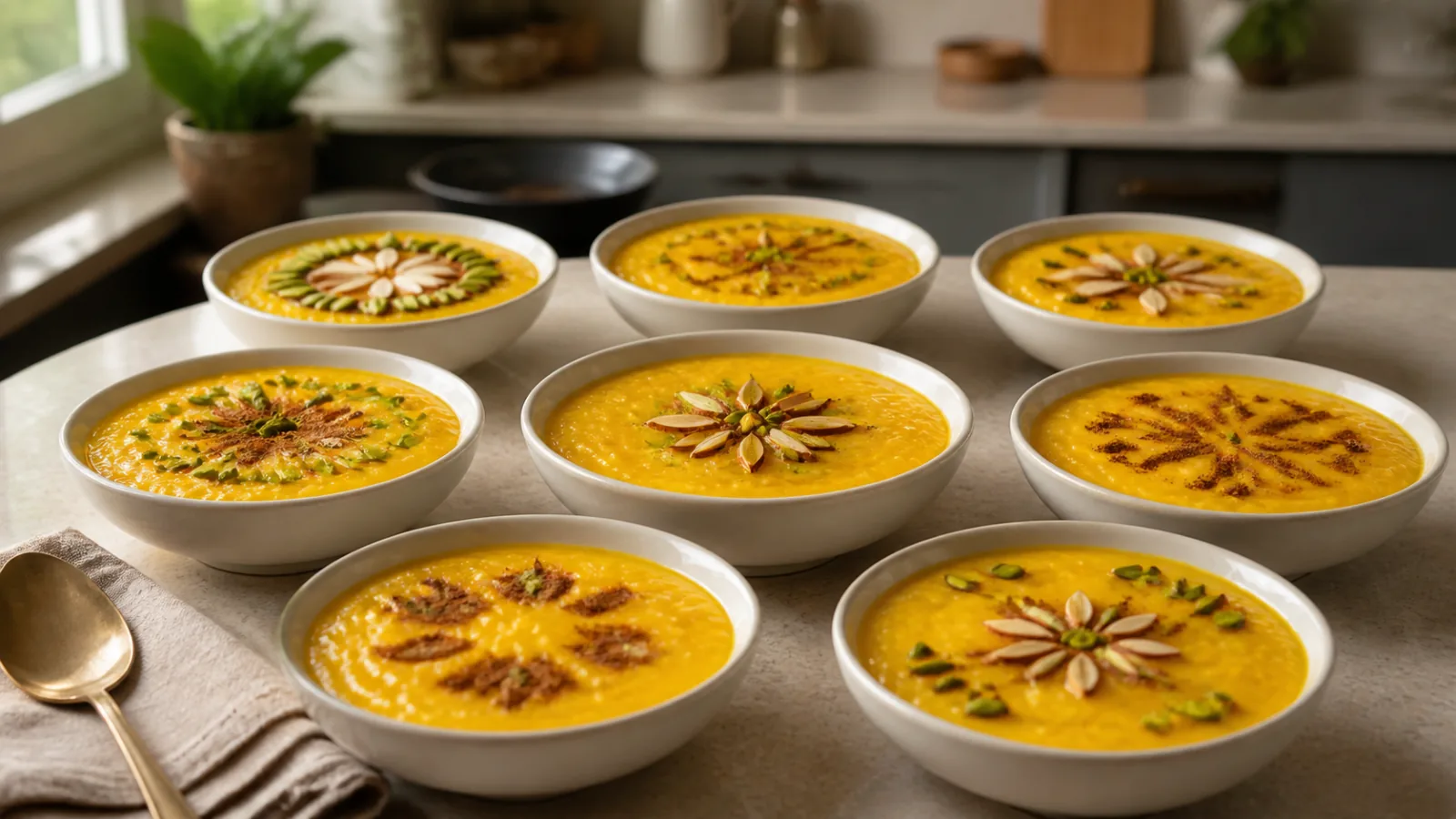
The old recipe contained damaged units—pounds where the proportions point to cups—and translated cardamom as spinach. The version below keeps its one-part rice, six-parts water and two-parts sugar structure, almond, butter, saffron and rose-water flavours, but makes every quantity and step usable.
Sholeh zard at a glance
- Serves: 8 small bowls
- Soaking: overnight
- Cooking: about 2½ to 3 hours
- Serve: warm, at room temperature or chilled
Ingredients
- 1 cup Iranian white rice, about 200 grams
- 6 cups water, about 1.4 litres, plus a little boiling water only if needed
- 2 cups granulated sugar, about 400 grams
- ¼ cup sliced almonds, about 25 grams
- 50 grams unsalted butter
- ½ teaspoon saffron threads, finely ground
- 3 tablespoons hot water, for the saffron infusion
- ½ cup rose water
- ¼ teaspoon ground cardamom
- ground cinnamon, pistachio slivers and extra sliced almonds, to decorate
Two cups of sugar produces the distinctly sweet pudding described by the historical recipe. You can reduce it slightly for household taste, but a large reduction changes both sweetness and final consistency.
How to cook shole zard
- Rinse and soak the rice. Rinse until the water is mostly clear. Cover the rice generously with fresh water and soak it overnight.
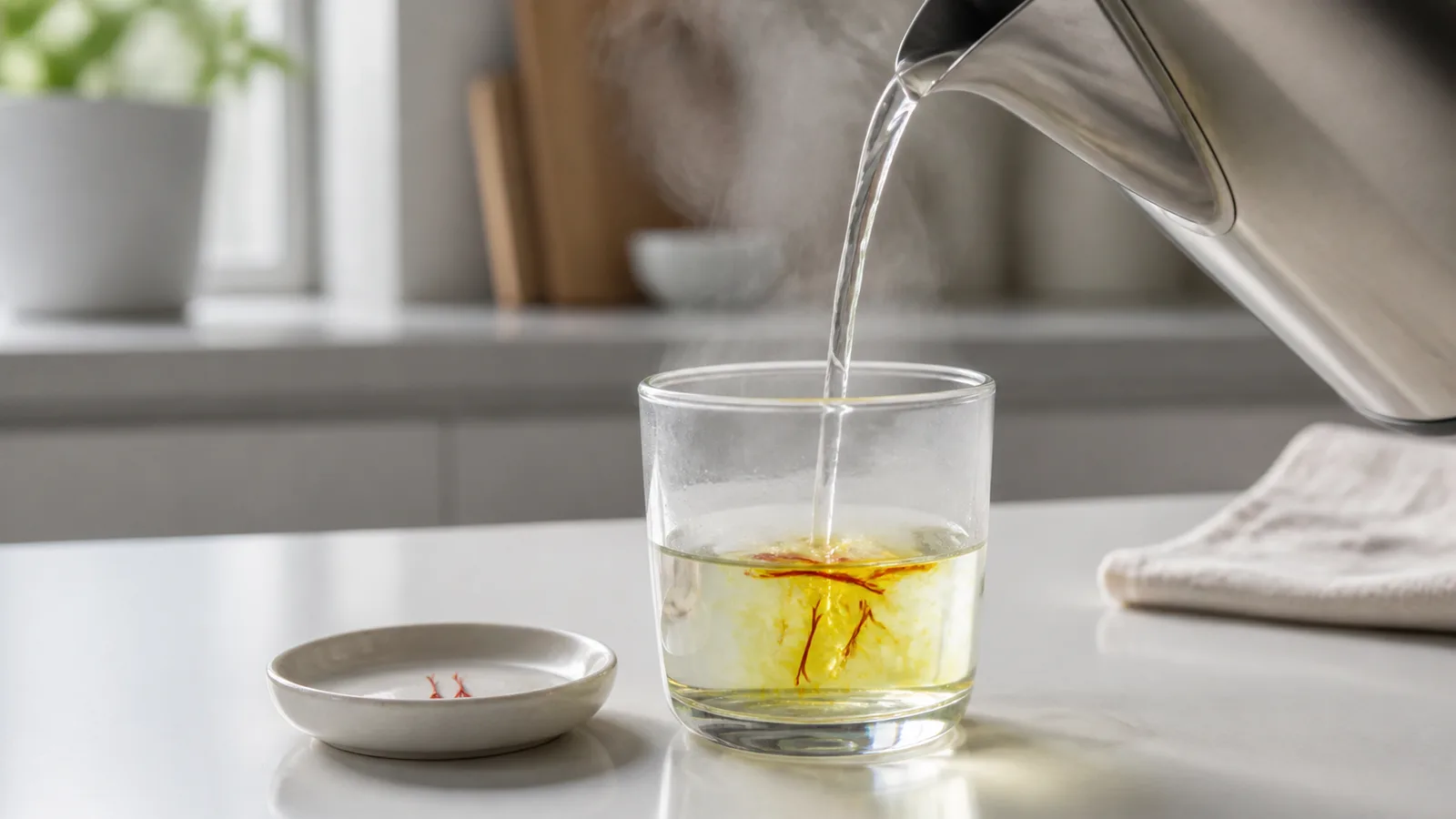
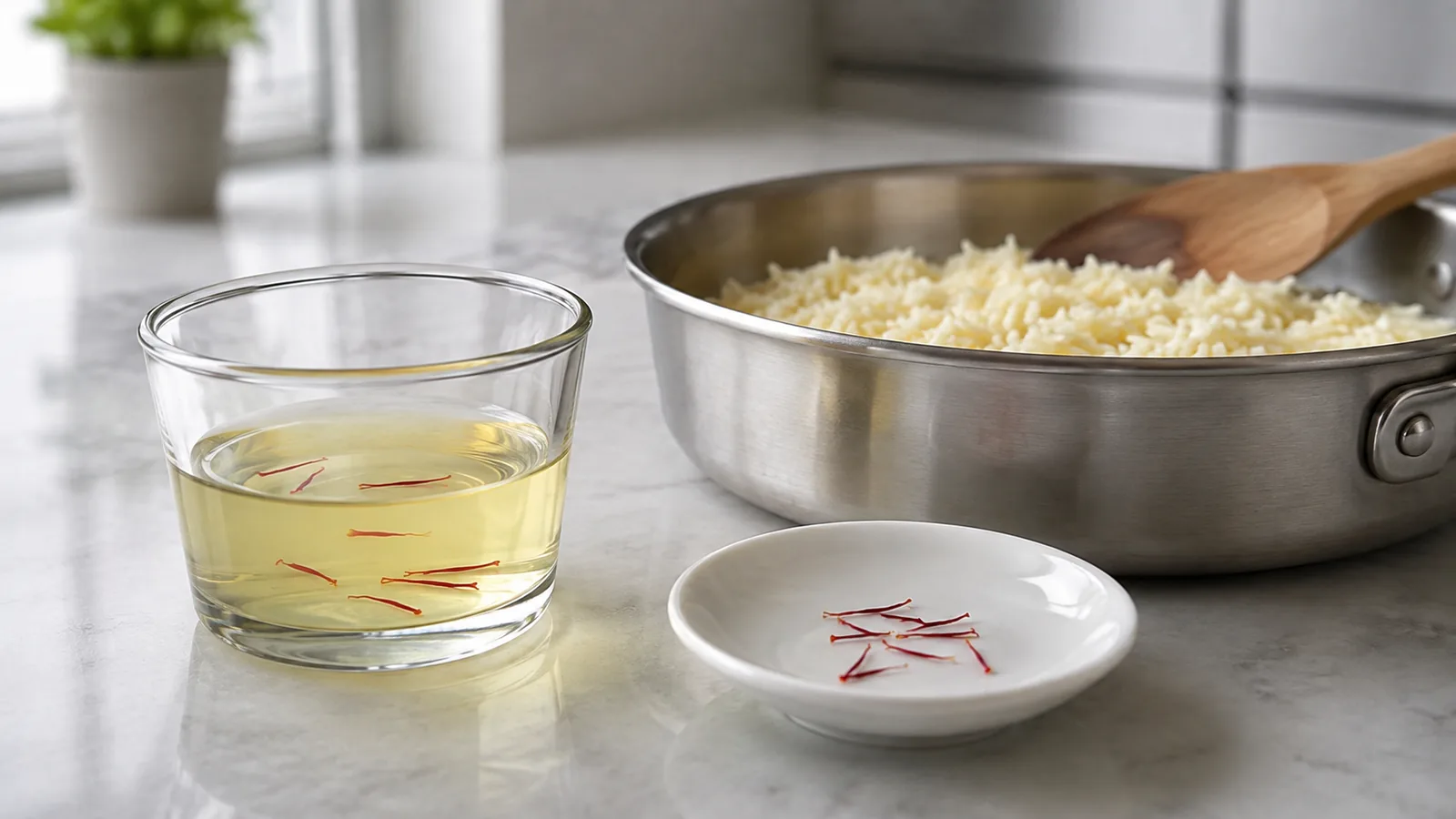
- Bloom the saffron. Pour the hot water over the finely ground saffron, cover and leave it for at least 10 minutes.
- Cook the rice until it opens. Drain the soaked rice and put it in a heavy pot with the 6 cups of water. Bring it to a boil, skim any foam, then reduce the heat. Simmer gently, partly covered, stirring more often as it thickens. The grains should become extremely soft and begin to lose their shape.
- Add sugar only after the rice is soft. This usually takes 60 to 90 minutes. Stir in the sugar gradually. The pudding will become looser as the sugar dissolves; this is normal.
- Build the flavour. Add the butter, saffron infusion and sliced almonds. Continue cooking over low heat, stirring across the base of the pot so the rice does not catch.
- Adjust only when necessary. If the rice is not fully soft and the mixture is becoming too thick, add boiling water a little at a time. Do not pour in cold water, and do not dilute it simply because the sugar temporarily loosened the pudding.
- Finish with rose water and cardamom. When the pudding is cohesive but still drops slowly from a spoon, stir in the rose water and cardamom. Cook for 5 minutes, then remove it from the heat.
- Portion and decorate. Ladle into shallow bowls. Once the surface begins to settle, decorate with cinnamon, pistachio slivers and sliced almonds.
Why the sugar goes in after the rice cooks
The original recipe repeated this point for good reason. Rice needs time in water to swell and break down. Adding a high concentration of sugar too early slows water moving into the grains, making it harder to reach the creamy, opened texture associated with sholeh zard.
Wait until you can crush a grain easily against the side of the pot. After the sugar goes in, keep the heat low and stir patiently; the base becomes more likely to stick as the pudding concentrates.
How thick should sholezard be?
Hot sholezard should be a little looser than the texture you want to eat. A spoonful should mound briefly, then relax rather than running like milk or holding like dough. The rice and sugar continue to set as the bowls cool.
If it becomes too stiff before the rose water is added, work in a small amount of boiling water and let it simmer again. If it is watery after the rice is fully broken down, cook it uncovered over low heat, stirring frequently. Do not add flour or starch; the rice supplies the body.
Saffron, rose water and cardamom
Blooming ground saffron before it enters the pot helps the colour and aroma disperse. Add it with the butter after the rice is soft so its character is not lost during the longest stage of boiling.
Rose water is more volatile, so it belongs near the end. The earlier translation’s “a quarter teaspoon of spinach” was not a plausible ingredient and conflicts with its own instruction to add cardamom. The corrected ingredient is ¼ teaspoon ground cardamom.
The old method also mentioned “honey” even though none appeared in its ingredient list. This version does not introduce honey as an unexplained extra; sugar remains the sweetener.
Decoration that stays readable
Traditional-looking decoration does not require a heavy layer. Let the surface skin form for a few minutes, then use cinnamon for fine lines or small shapes. Add pistachio and almond slivers where they will remain distinct.
For the visible search question “shole zard decoration,” the practical rule is simple: decorate after portioning, while the surface is warm enough to hold the garnish but no longer moving. If the nuts sink, wait another minute.
Serving and rice safety
Sholeh zard can be eaten warm or cooled. If you plan to chill it, divide it into the serving bowls rather than leaving one deep pot at room temperature.
The UK Food Standards Agency’s rice-safety guidance explains that cooked rice should be cooled quickly and refrigerated because Bacillus cereus spores can survive cooking. Refrigerate the bowls promptly—ideally within one hour—and keep them covered.
For another Persian sweet built around saffron, see our Persian saffron halva recipe.
What the damaged units most likely meant
The historical ingredient list said 6 pounds of water, 2 pounds of sugar and a quarter-pound of almonds alongside 1 cup of rice. Taken literally, those weights do not match the familiar 1:6:2 household ratio reflected by the method. This version treats them as translation damage and states the reconstructed cup measures openly.
The same applies to “a second cup of rose water,” which the method and common kitchen scale indicate was intended as a half cup. These repairs turn the original cooking shole Zard outline into a coherent recipe without hiding where the old text was uncertain.