Do I need to boil saffron in milk?
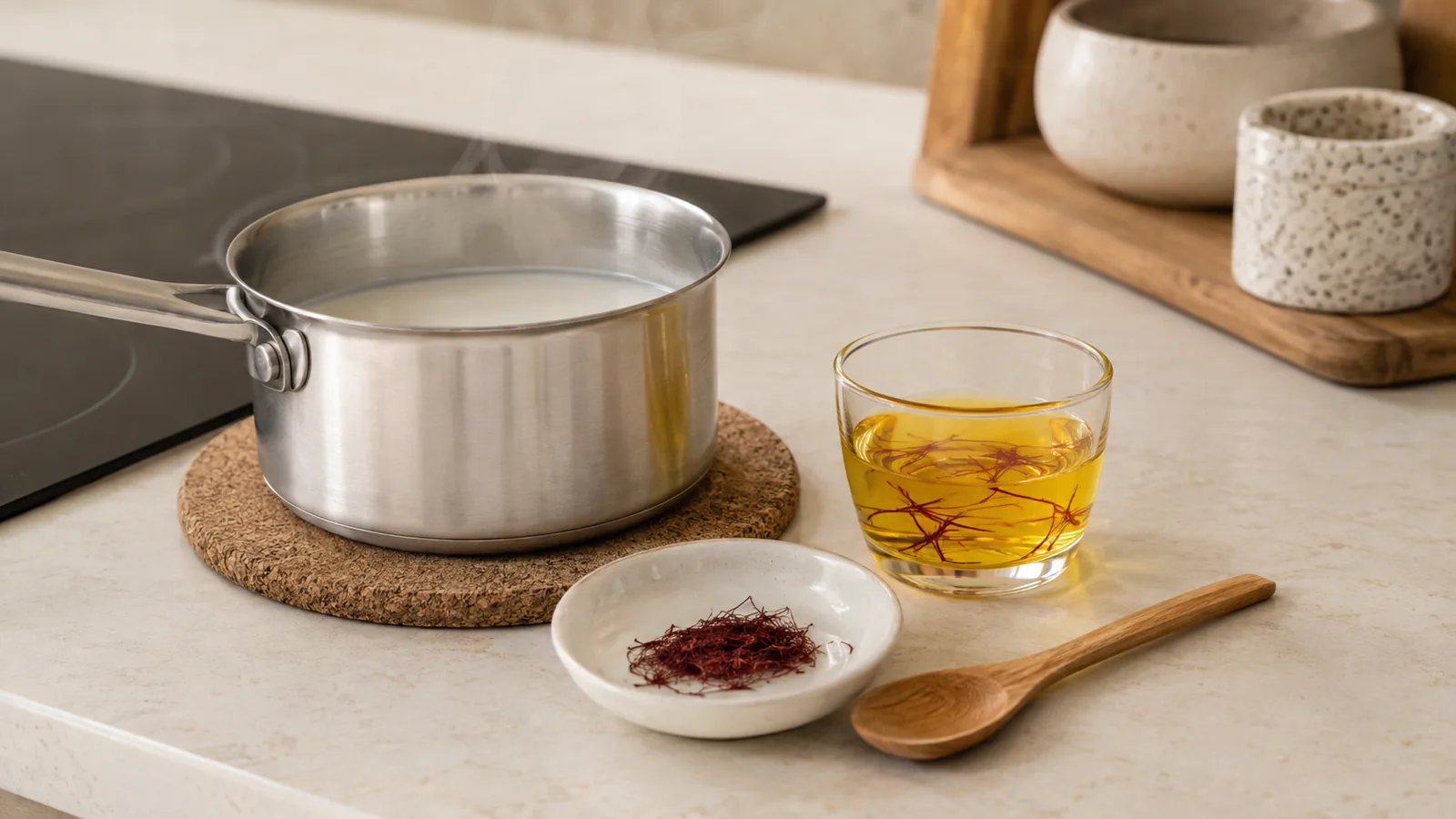
No, you do not need to boil saffron in milk. Warm the milk until it is steaming but not at a rolling boil, remove it ... Read More...



No, you do not need to boil saffron in milk. Warm the milk until it is steaming but not at a rolling boil, remove it ... Read More...
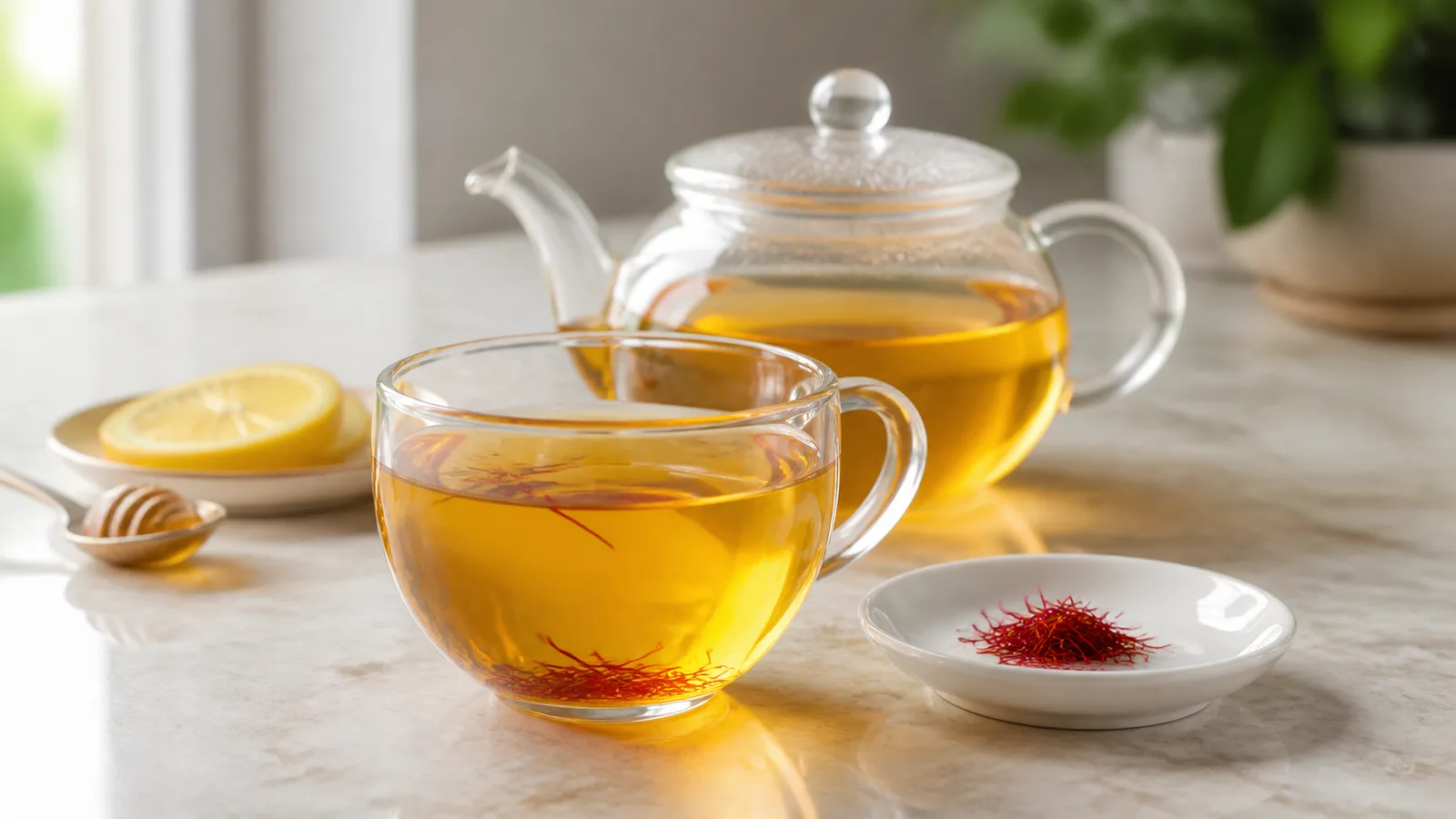
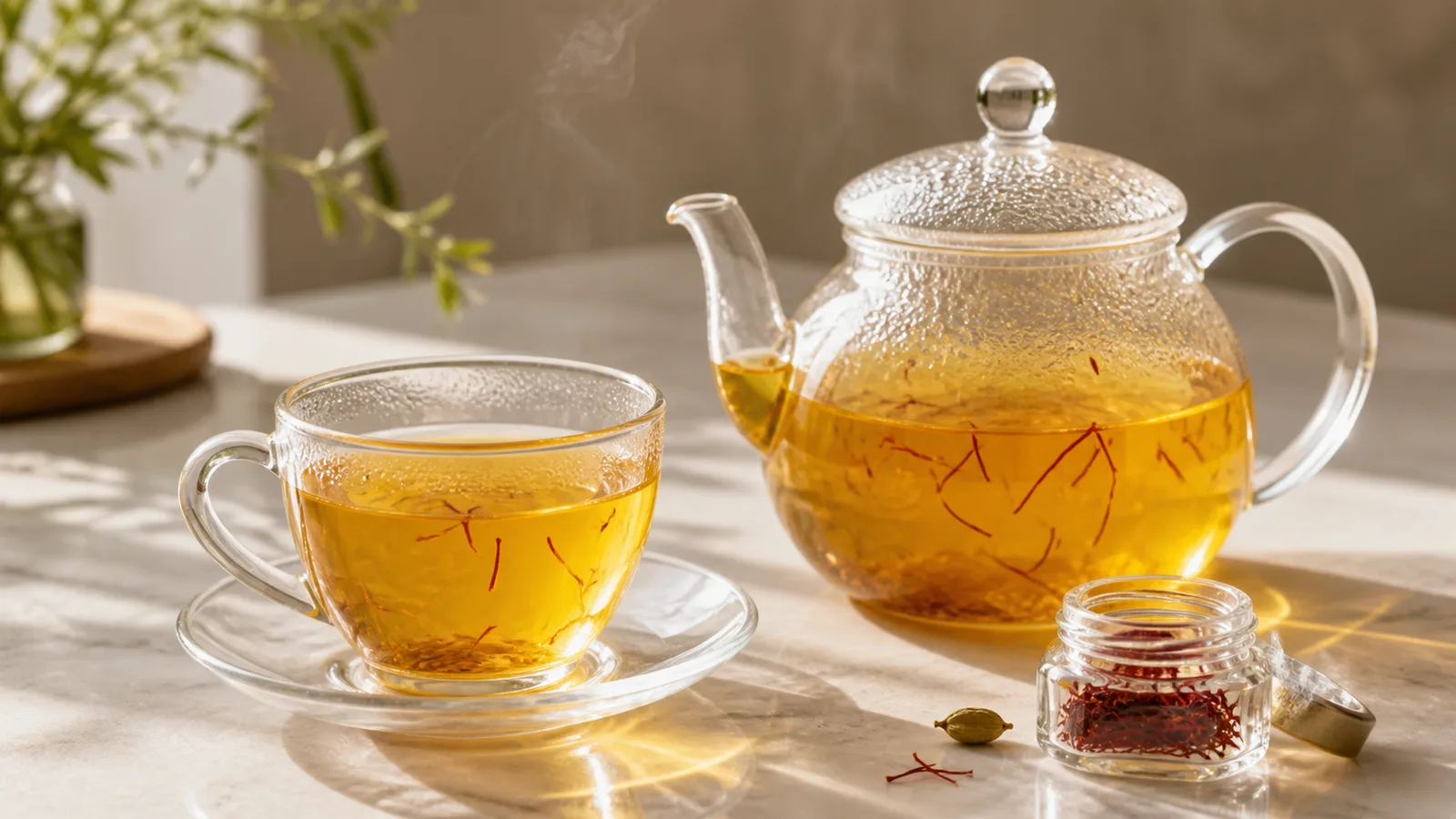
Can I put saffron in tea? Yes. Add a small pinch of saffron threads to black, green or herbal tea and give the spice several ... Read More...
No, saffron does not taste like honey. Saffron taste is floral, earthy and gently bitter, with an aroma that some people describe as honeyed. That ... Read More...
How do you add saffron to tea? Lightly crush a small pinch of genuine saffron threads, steep them in hot water for 5 to 10 ... Read More...
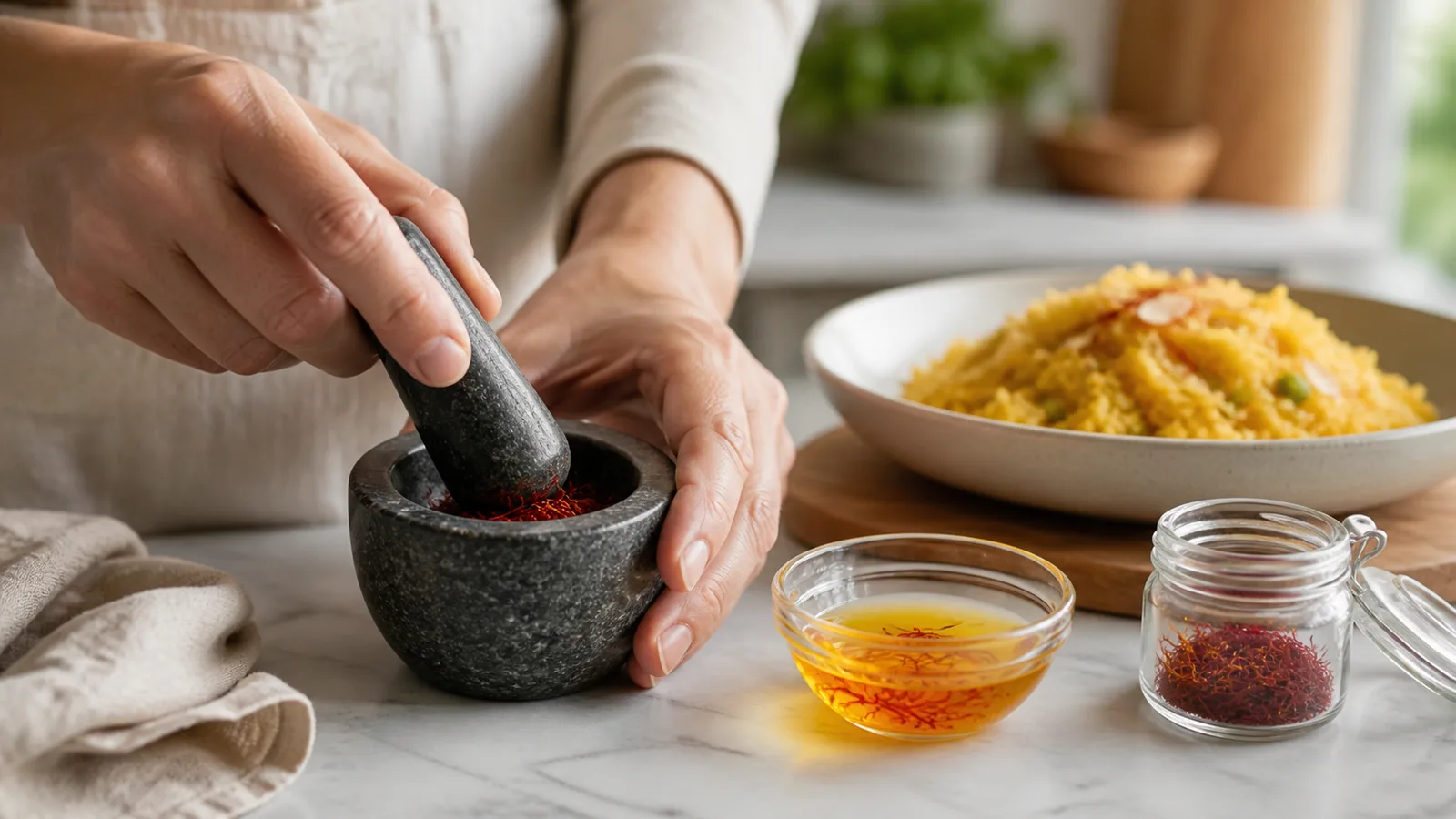
What is the best way to eat saffron? For most people, crush a small pinch of threads, bloom it in a little warm water, milk ... Read More...
Can you eat saffron threads? Yes. Genuine saffron threads are edible and are routinely cooked, infused and served with food. You can swallow a few ... Read More...
What foods use saffron? Saffron is most at home in rice, broths, seafood, meat marinades, breads, dairy desserts and warm drinks. Well-known examples include Persian ... Read More...
Real saffron should not have a distinctly fishy or rotting smell. Its normal aroma is complex—often described as floral, grassy, hay-like, earthy or warm—with a ... Read More...
The best way to eat saffron is to gently crush a small pinch, infuse it in warm water, milk or broth, and add the entire ... Read More...
No. Real saffron threads do not completely dissolve or melt in milk. They soften and release colour, aroma and flavour into the liquid, but pieces ... Read More...