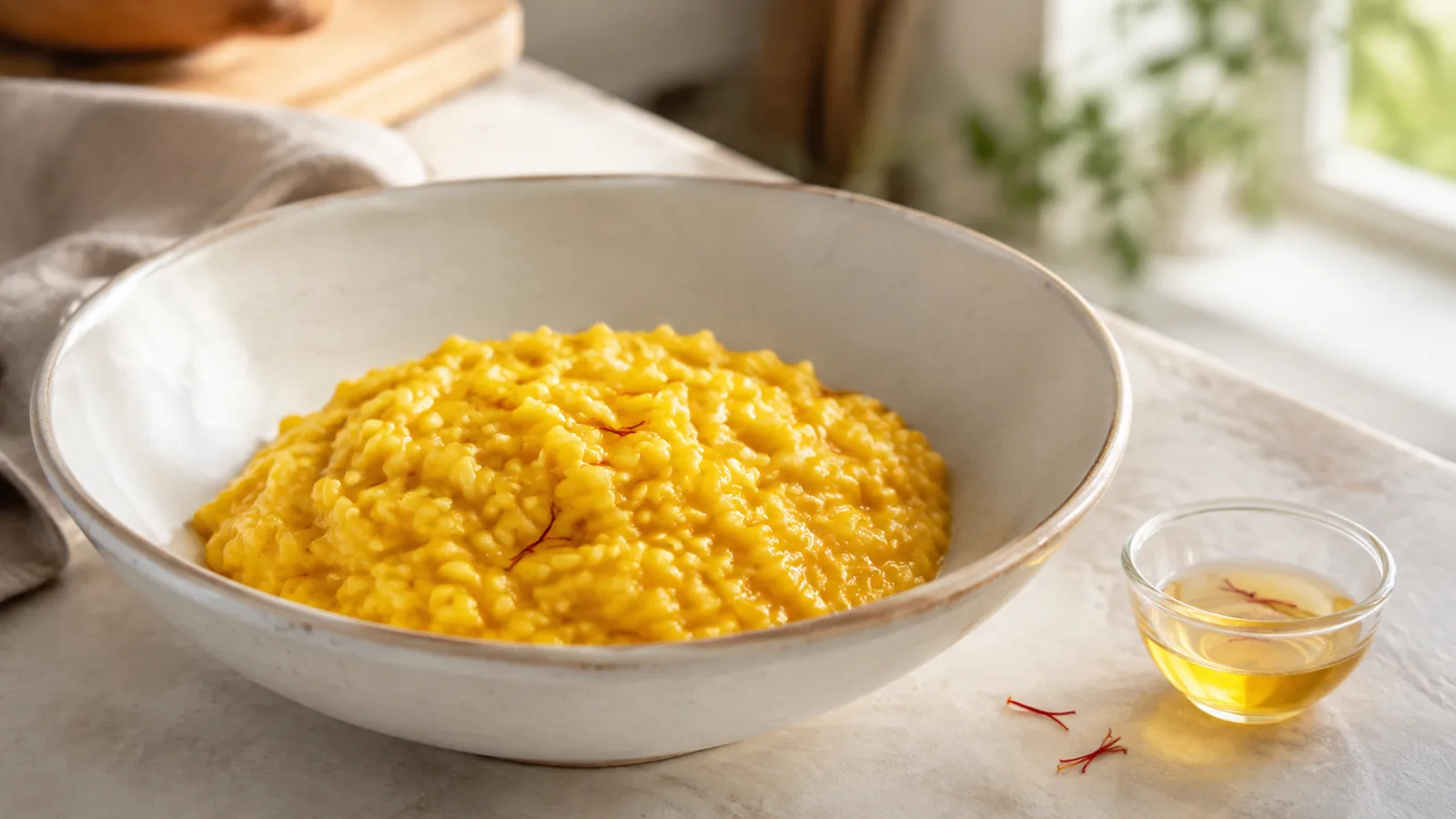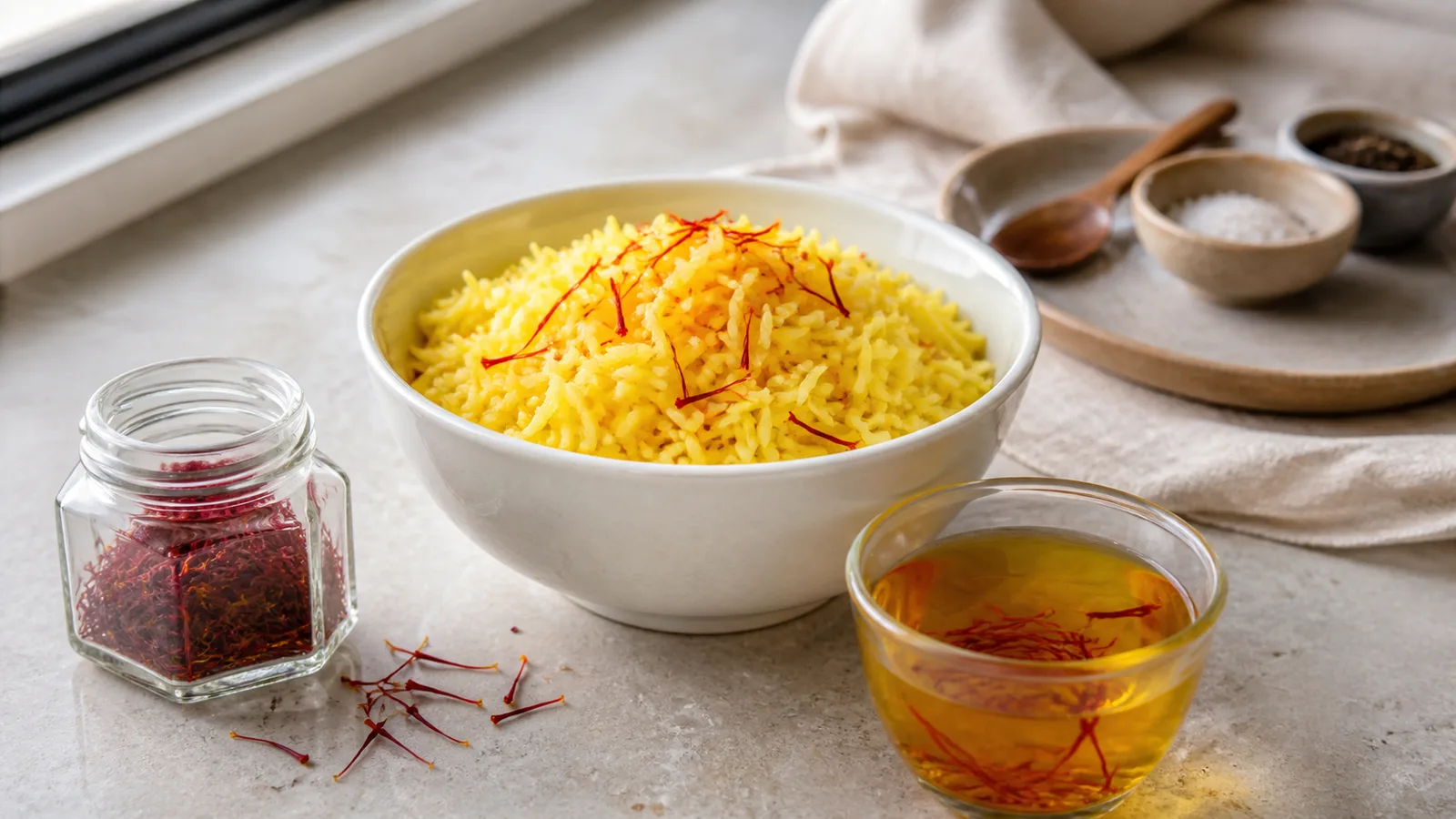
Can you eat saffron threads? Yes. Genuine saffron threads are edible and are routinely cooked, infused and served with food. You can swallow a few threads with a dish or drink, although blooming them first gives a more even colour and flavour. Culinary use is different from taking a concentrated extract or a large medicinal dose.
Can You Eat Saffron Threads?
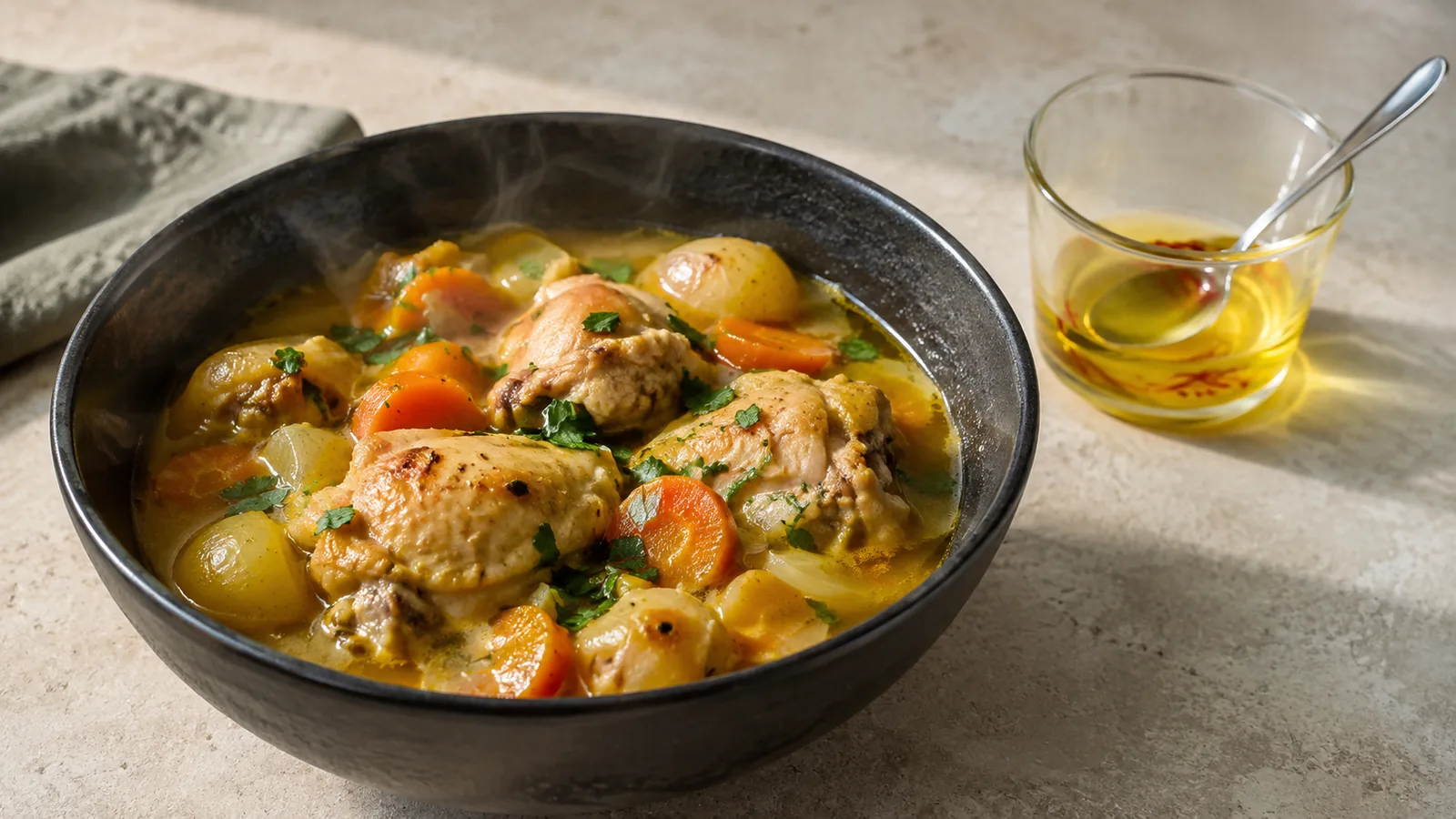
Saffron threads are the dried stigmas of Crocus sativus. The US Food and Drug Administration lists saffron for use as a flavouring and colouring ingredient, so the threads are not something that must be strained out of a finished recipe. In rice, soup, tea or milk, they can remain in the serving.
If you are wondering, “Can I eat saffron threads directly?”, the answer is also yes in ordinary food amounts. A dry thread is slightly bitter and its aroma is easy to miss, however. Crushing and soaking the threads usually makes better use of an expensive spice.
How to Consume Saffron Threads
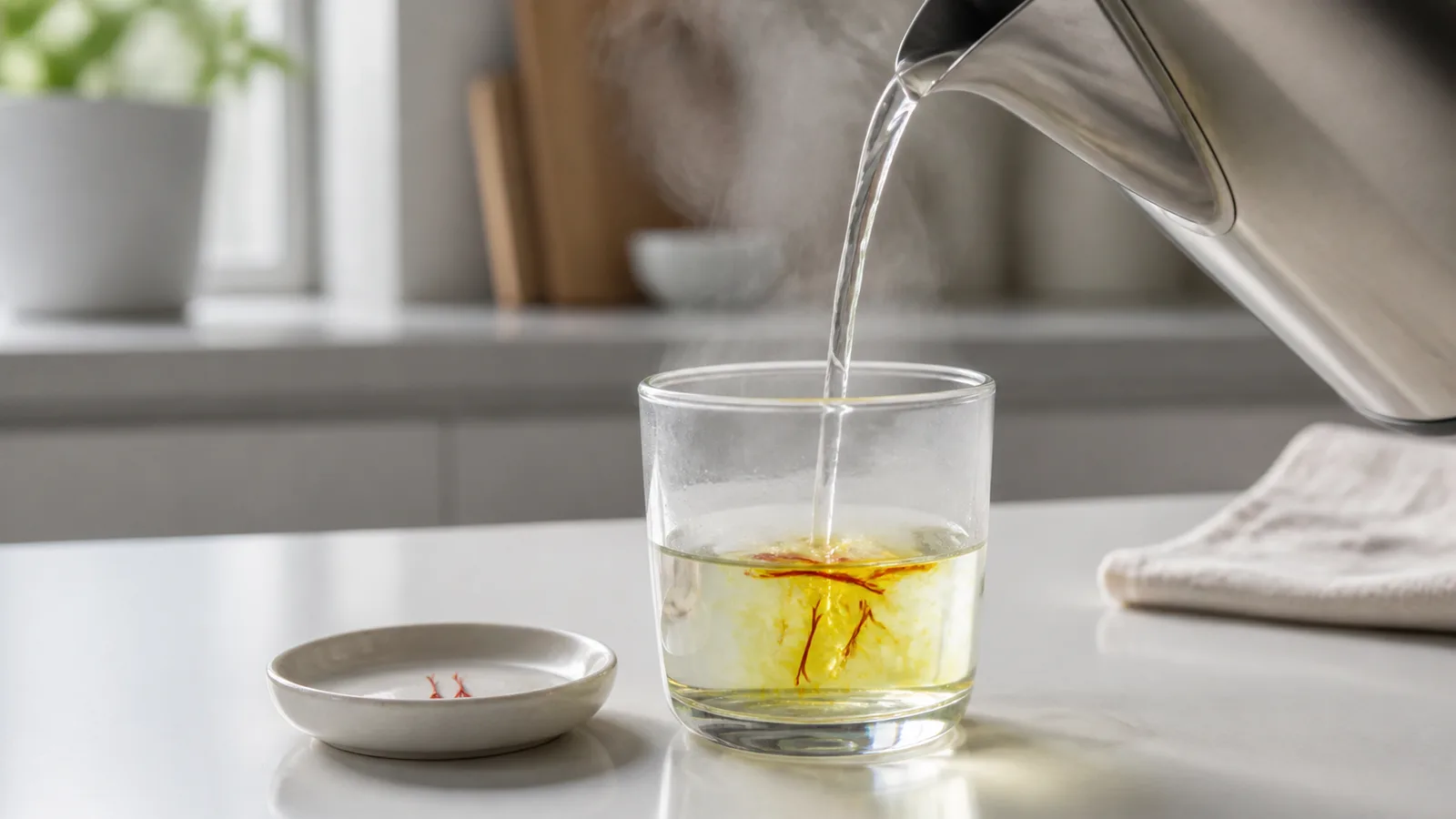
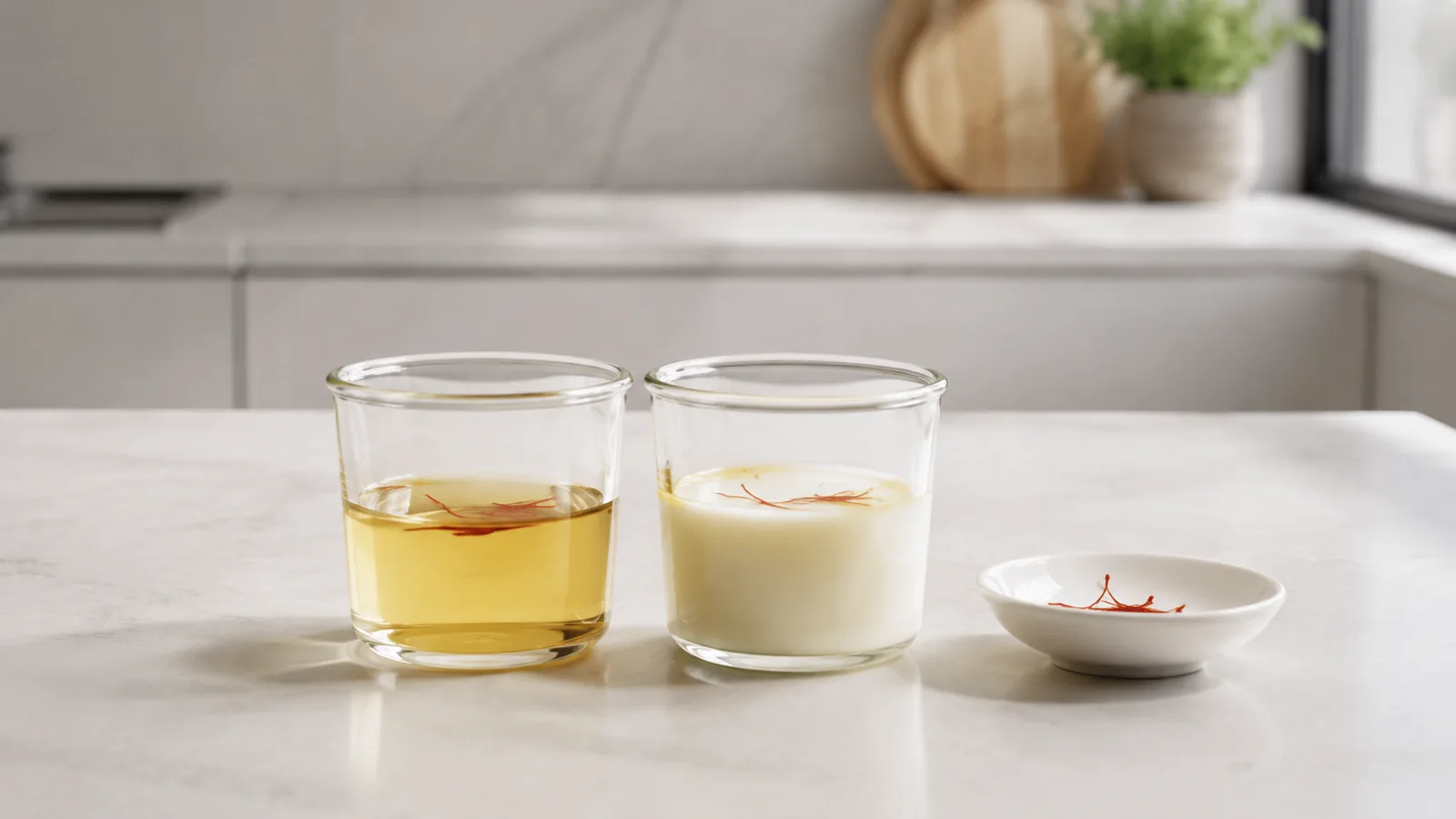
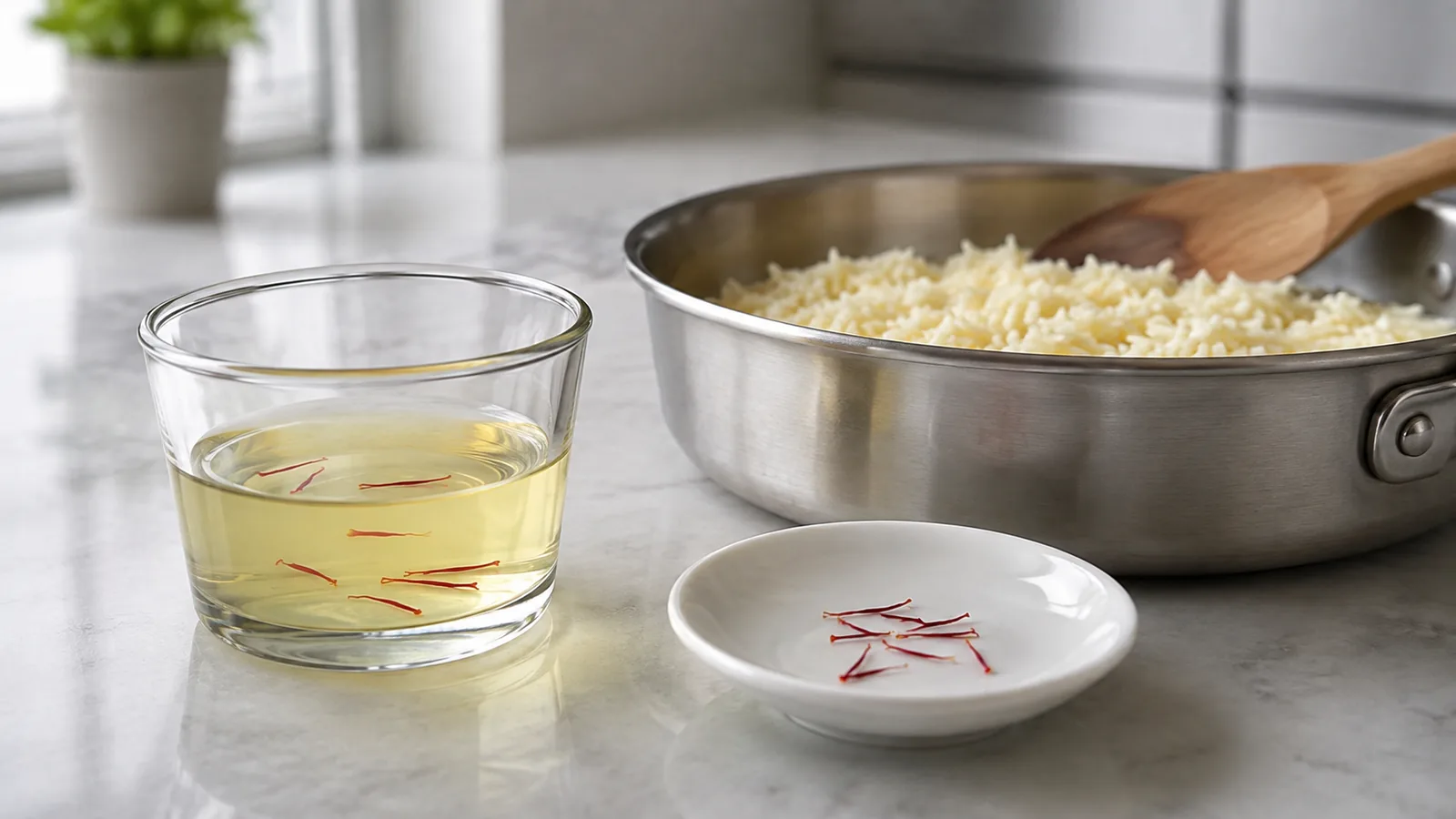
For most dishes, gently crush a small pinch between clean fingers or in a mortar. Soak it for 10 to 20 minutes in a little warm water, milk or stock, then add both the liquid and the softened threads. Avoid boiling water at the start; steady warmth is enough to draw out the golden colour and aroma.
You can also toast threads very briefly in a dry pan before grinding, but stop before they darken or smoke. For rice, add the infusion near the end of cooking or spoon part of it over the finished grains. In tea, leave the strands in the cup if you like. Can you swallow saffron threads after steeping? Yes—the softened threads are edible.
People use the words threads and strands for the same part of the spice. Can we eat saffron strands? Yes; the same guidance applies. Use genuine food-grade saffron in the small amount a recipe calls for.
Health Benefits of Eating Saffron Threads
Saffron contains compounds including crocins, picrocrocin and safranal, which contribute colour, bitterness and aroma. Research has examined saffron preparations for several health outcomes, but that does not turn a pinch in a meal into a treatment. A review of saffron meta-analyses found mixed evidence and weaknesses in the quality of the underlying reviews.
That distinction matters when discussing saffron thread benefits. In cooking, the reliable benefits are sensory: a distinctive aroma, golden colour and a small amount of flavour can change an entire dish. Do not use threads in place of prescribed care, and do not assume eating them dry delivers more benefit than using them in food.
Potential Risks and Side Effects
Normal culinary use and supplement-style dosing are not equivalent. A 2026 systematic review of human safety evidence found saffron generally well tolerated, while gastrointestinal complaints were the most frequently reported adverse effects and higher-dose or prolonged medicinal use called for more caution.
Use only a modest recipe quantity. Stop and seek medical advice if you develop an allergic reaction or feel unwell. If you are pregnant, breastfeeding, taking medication, managing a medical condition or considering a saffron supplement, ask a qualified clinician rather than using a food article to choose a dose.
Check the Threads Before You Eat Them
Buy saffron sold for food use in a sealed pack from an identifiable seller. The threads should be dry, predominantly deep red and strongly aromatic, without mould, dampness, insects or a chemical smell. Perfectly identical fibres, loose unlabelled powder or colour that looks painted on deserve closer scrutiny.
Browse our saffron threads collection, or use the checks in our guide to telling whether saffron is real. Store the closed pack somewhere cool, dry and dark.
Conclusion
Eating saffron threads is a normal part of many recipes. You may eat them dry, swallow them after steeping or leave them in a finished dish. For the best flavour, bloom a small pinch and use the whole infusion; for anything beyond culinary use, get individual medical guidance.