Can you eat saffron daily? Most healthy adults can use a small culinary amount in food or drink as part of an ordinary diet. That does not mean everyone should take a concentrated saffron extract every day, and it does not establish a universal daily dose.
The safest way to think about daily saffron consumption is to separate seasoning from supplementation. A few threads shared through a meal are not equivalent to a capsule made with a standardised extract. Your reason for using it, the product, amount, medicines, health conditions, and length of use all matter.
Daily Saffron Consumption: Is It Safe to Eat Saffron Every Day?
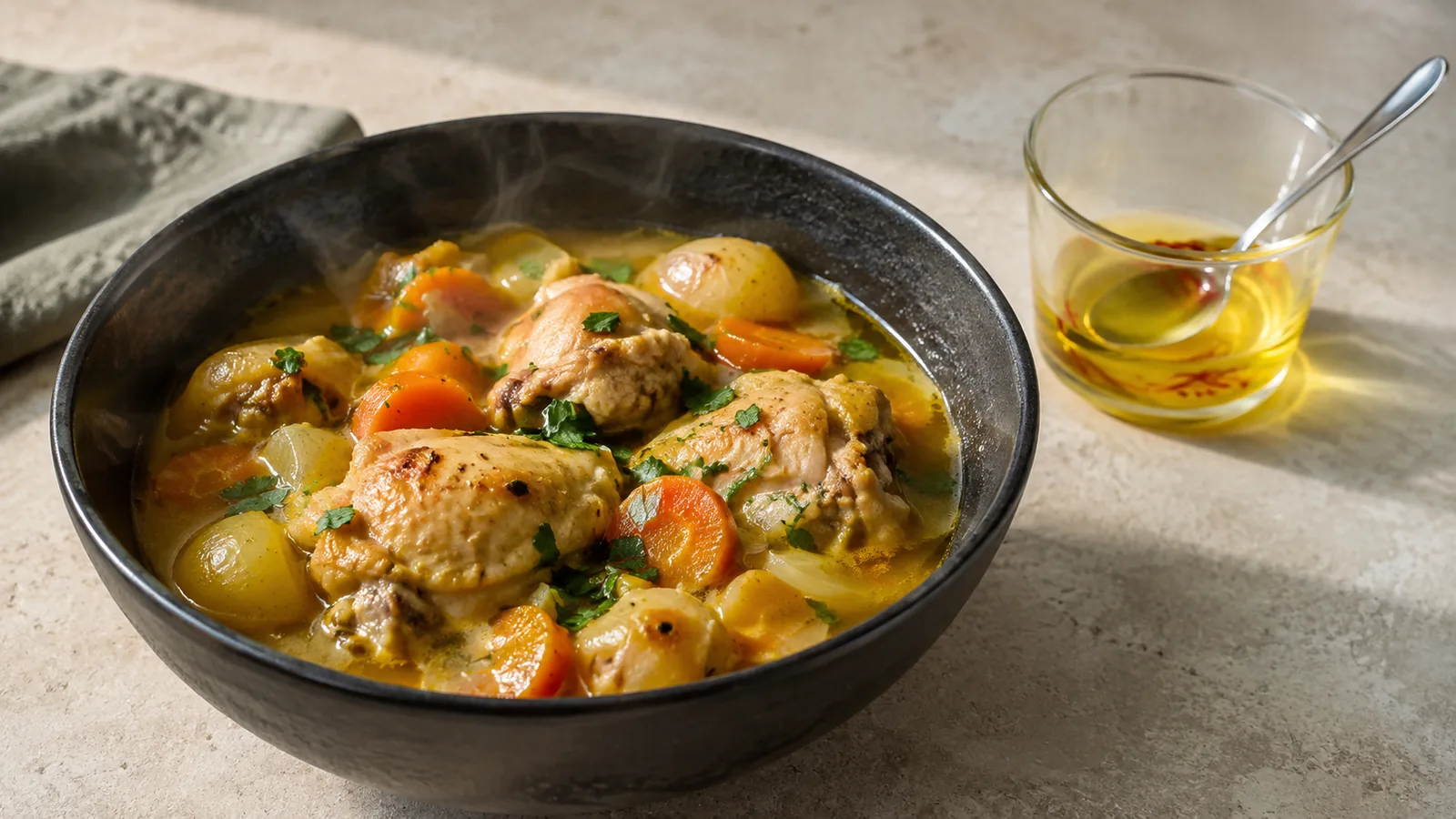
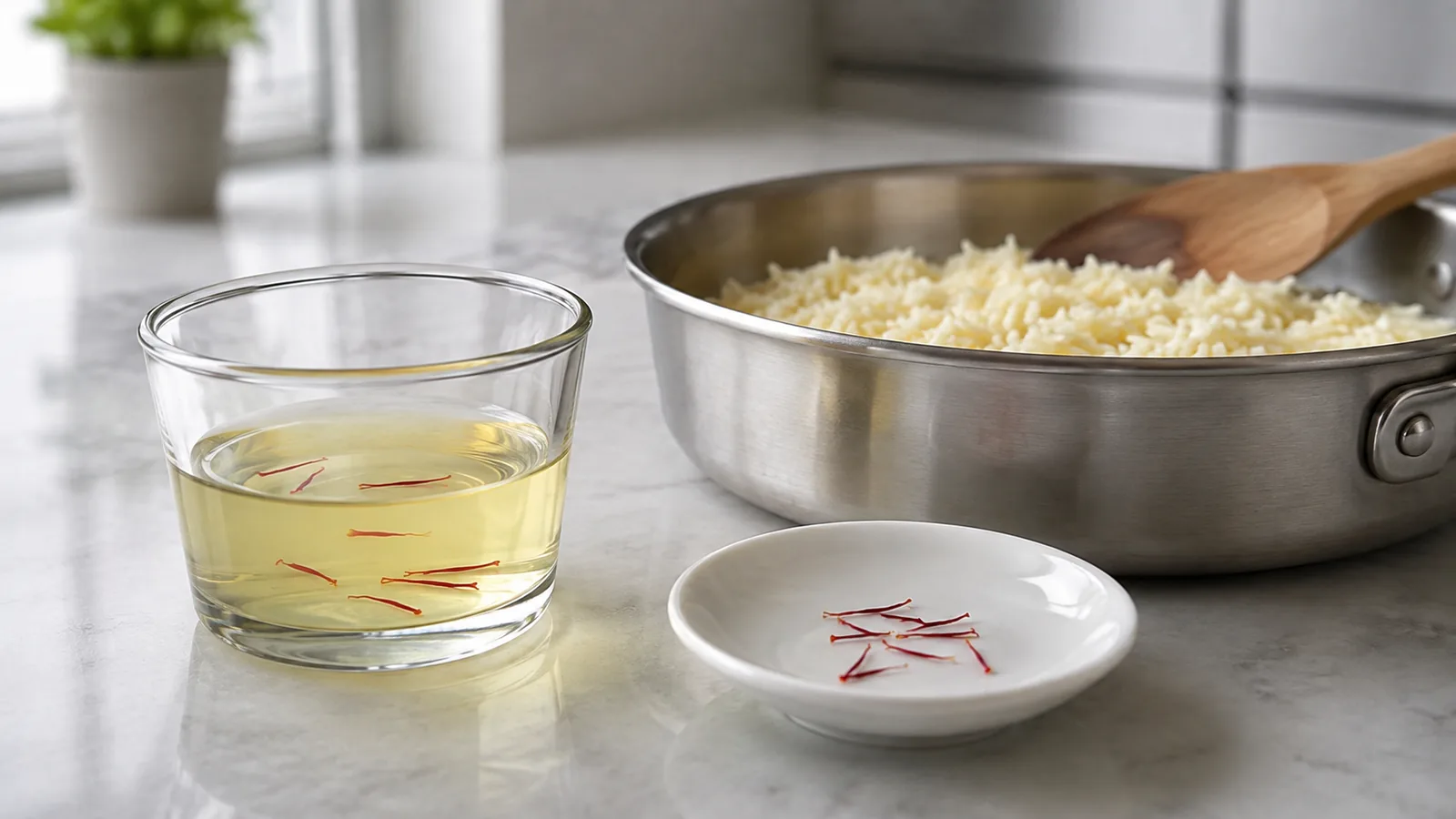
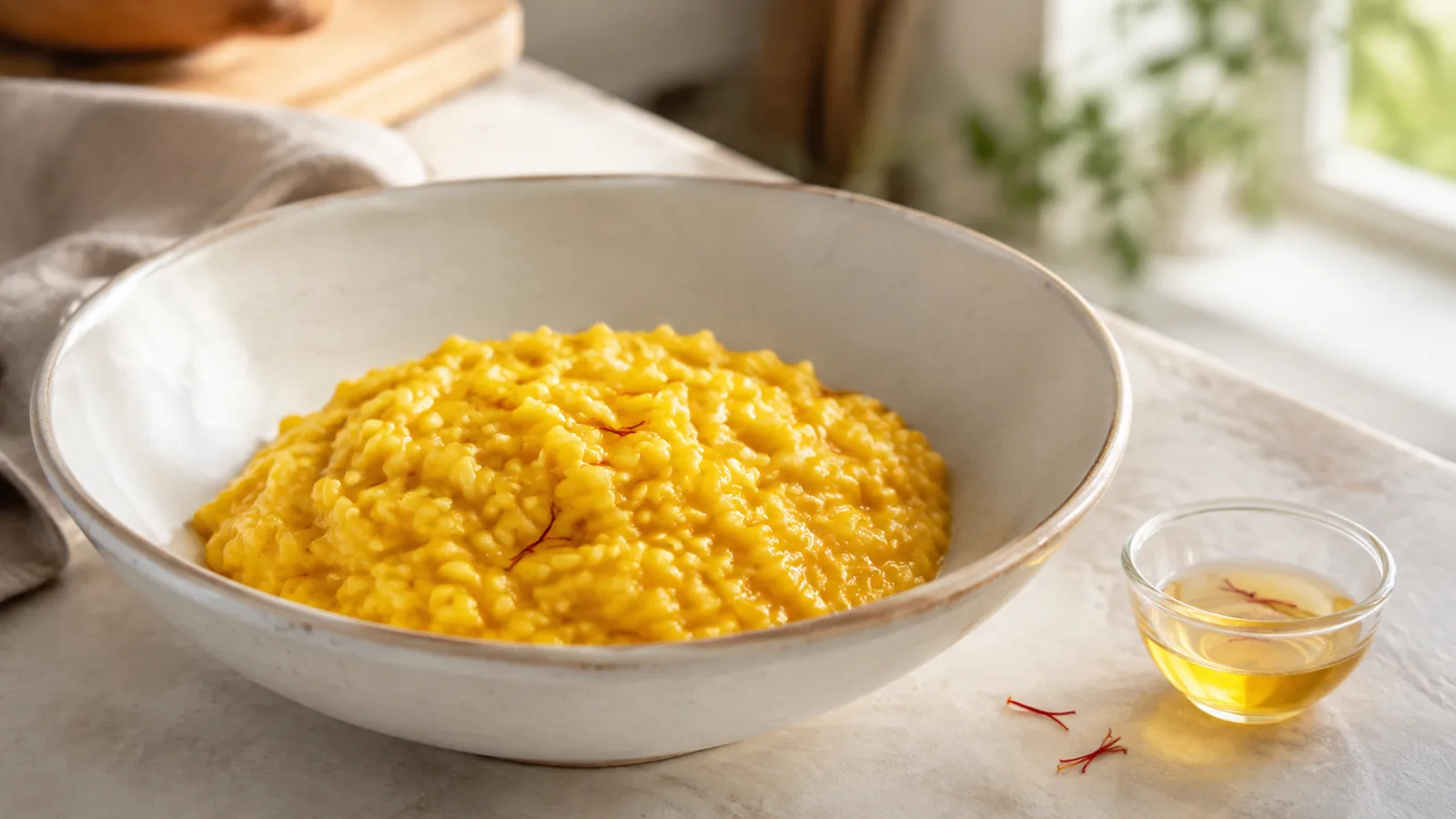
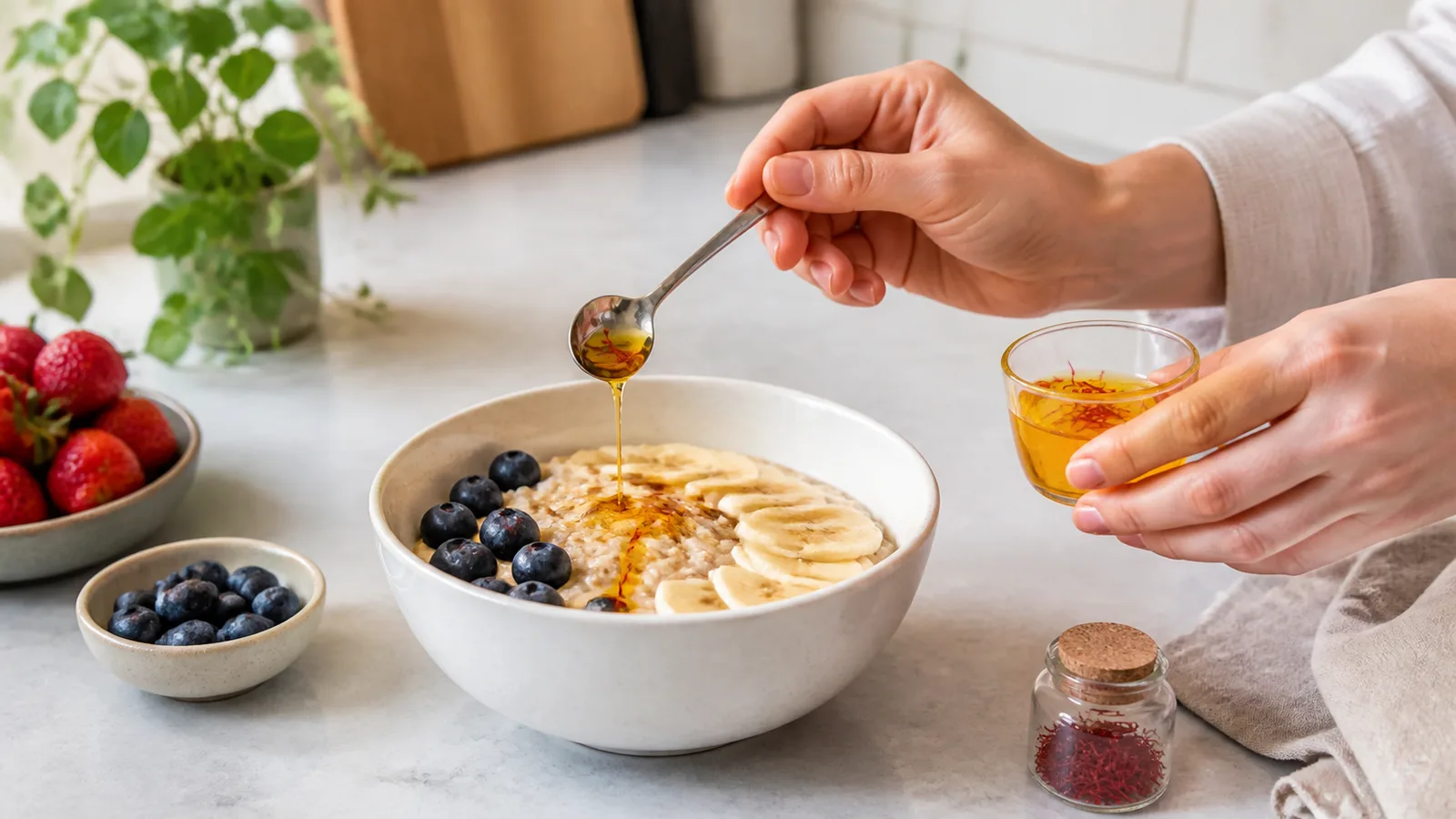
Eating saffron every day can be as simple as using a modest pinch in rice, soup, milk, tea, or a dessert. Saffron is potent by flavour and colour, so recipes rarely need much. More is not automatically healthier and can make food bitter.
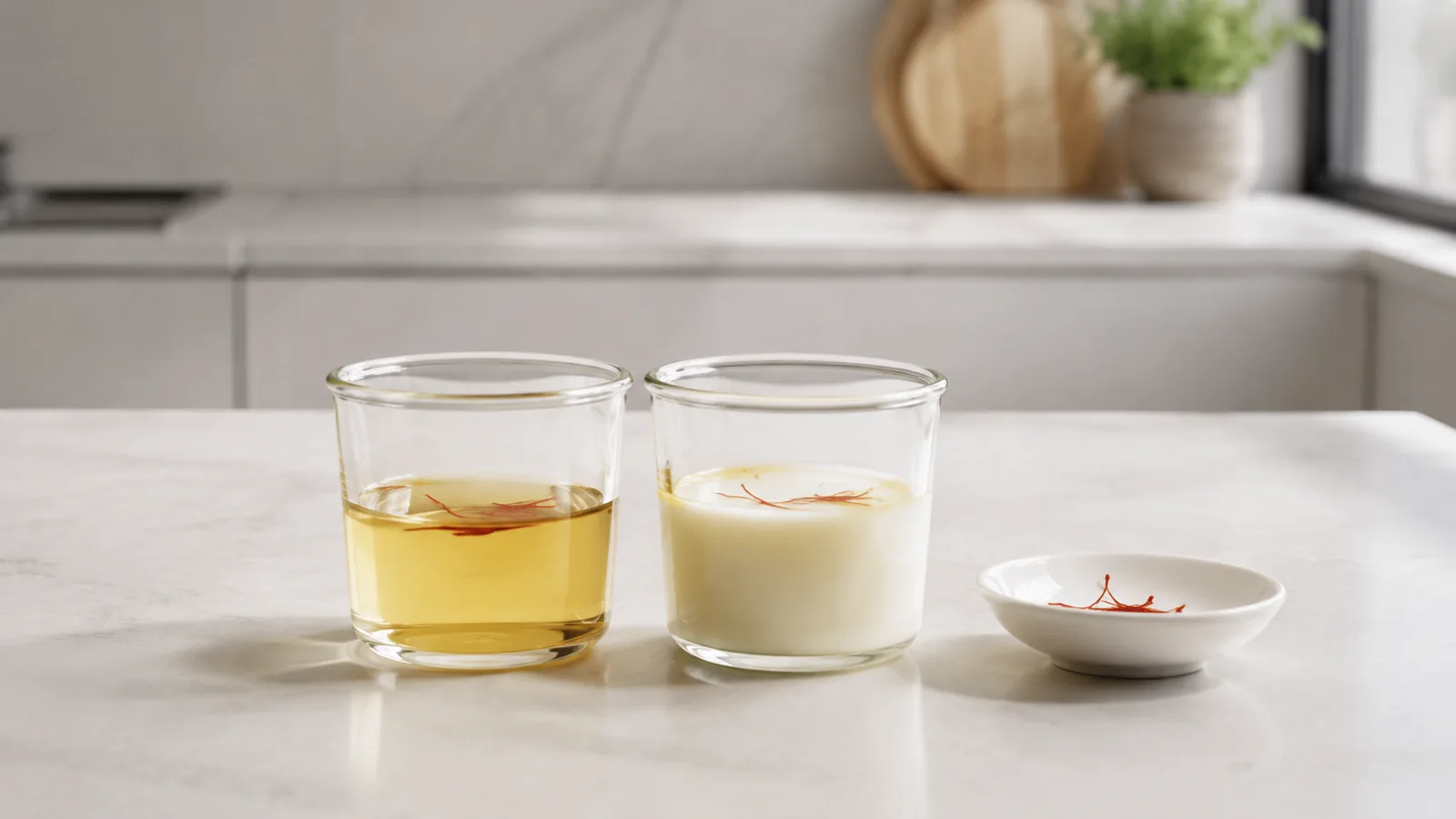
If you drink saffron every day, judge the total amount of saffron rather than the number of cups. One lightly infused drink is different from repeatedly adding strong infusions throughout the day. It is also worth noticing other ingredients: a sweet saffron milk drink may add more sugar or energy than the spice itself.
Concentrated supplements should be approached as a separate decision. Read the exact ingredient, extract ratio, dose, manufacturer, testing information, and warnings. Do not assume that two products labelled “saffron” are interchangeable or that a trial result applies to both.
Health Benefits of Saffron
Saffron contains compounds including crocins, crocetin, picrocrocin, and safranal. Researchers have studied preparations in relation to mood, sleep, cognition, metabolic markers, and other outcomes. The presence of antioxidant activity does not prove that eating a few threads each day prevents inflammation, protects every organ, regulates blood sugar, or treats a condition.
A meta-research review of saffron health studies described promising results in several areas, but it also found that the quality of published meta-analyses needed improvement. Studies varied in formulation, dose, participant group, and duration. Results from a measured extract cannot be transferred automatically to a culinary serving.
The reliable everyday value is culinary. Saffron can make nourishing food more appealing through aroma and colour, and a small jar can serve many meals. Enjoying that role does not require a medical promise.
How Much Saffron is Safe to Consume Daily?
There is no single thread count that defines a safe daily amount for every adult. Threads vary in length, thickness, moisture, and trimming, so “a few strands” is not a precise milligram dose. Nor is there one clinically proven amount that delivers every benefit claimed online.
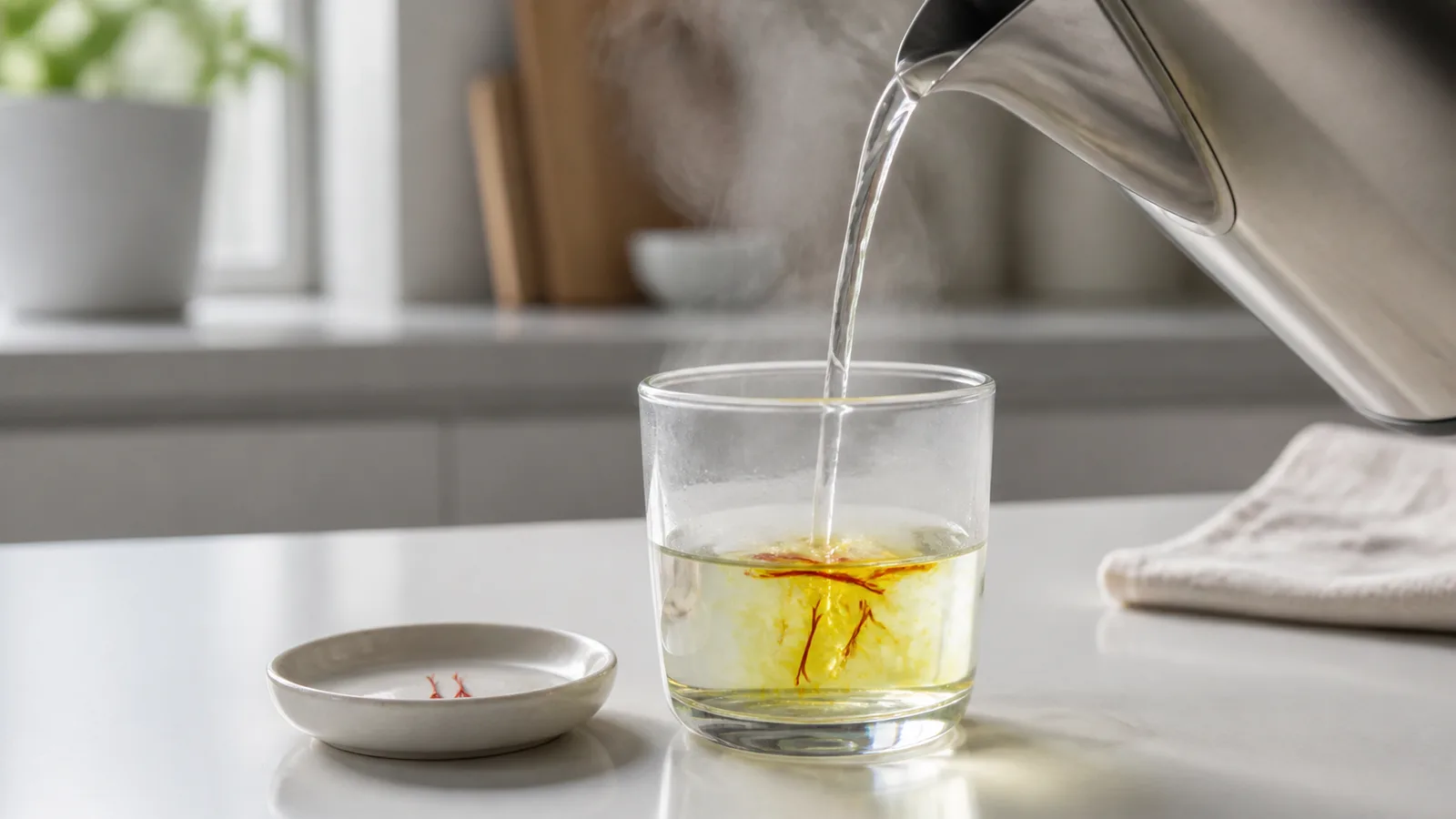
For food, begin with the smallest amount that suits the recipe. Lightly crush a modest pinch, steep it in warm liquid for 10 to 15 minutes, and add the infusion and threads to the dish. If the flavour is already clear, adding more is wasteful rather than beneficial.
A 2026 systematic review of adverse events in human saffron studies found that saffron preparations were generally well tolerated. Gastrointestinal effects were reported most often and were usually mild, while the authors advised clinical monitoring for higher-dose or prolonged medicinal use. That is a sound reason not to turn a recipe into self-prescribed long-term supplementation.
Do not use dramatic toxicity numbers from an unsourced post as a personal dosing guide. If you need an exact medicinal amount, the appropriate product and dose depend on why it is being considered and should be discussed with a qualified clinician or pharmacist.
Who Should Avoid Daily Saffron Consumption?
A person who has had an allergic reaction to saffron should not keep testing it at home. Stop using it and seek advice if you develop swelling, breathing difficulty, a widespread rash, or another serious reaction.
Pregnancy and breastfeeding call for a clearer boundary between food and supplements. Ordinary spice use in a meal is not the same as a high-dose preparation, but concentrated or medicinal use should be discussed with the relevant healthcare professional. The same applies before surgery and when managing a bleeding disorder, low blood pressure, or another diagnosed condition.
If you take prescription or over-the-counter medicines, do not rely on a generic internet interaction list. A pharmacist can check your actual medicines, doses, and health history. Our detailed guide to who should not take saffron explains the main decision points without treating all people in one category as identical.
Consulting with a Healthcare Provider
Ask for professional advice when you want saffron for a symptom, plan to take a supplement daily, use several supplements, have an ongoing condition, or take regular medicine. Bring the product label or a photo of it. “Saffron supplement” is too vague for a meaningful safety check.
Seek care for persistent low mood, sleep difficulty, pain, sexual symptoms, changes in blood sugar, or digestive problems instead of using saffron to delay an assessment. Even promising research does not tell an individual what is causing a symptom.
For ordinary kitchen use, buy from a traceable seller and keep the threads tightly closed in a cool, dry, dark place. Blooming a small amount before use gives better distribution, which makes restraint easier. Our saffron collection shows current formats and pack sizes.
Is it safe to eat saffron every day? For most healthy adults, modest culinary use is a reasonable choice. Keep concentrated products, treatment goals, pregnancy, medicines, and health conditions in a separate safety conversation. Daily use should remain a way to season food, not a reason to make the spice carry claims the evidence cannot support.