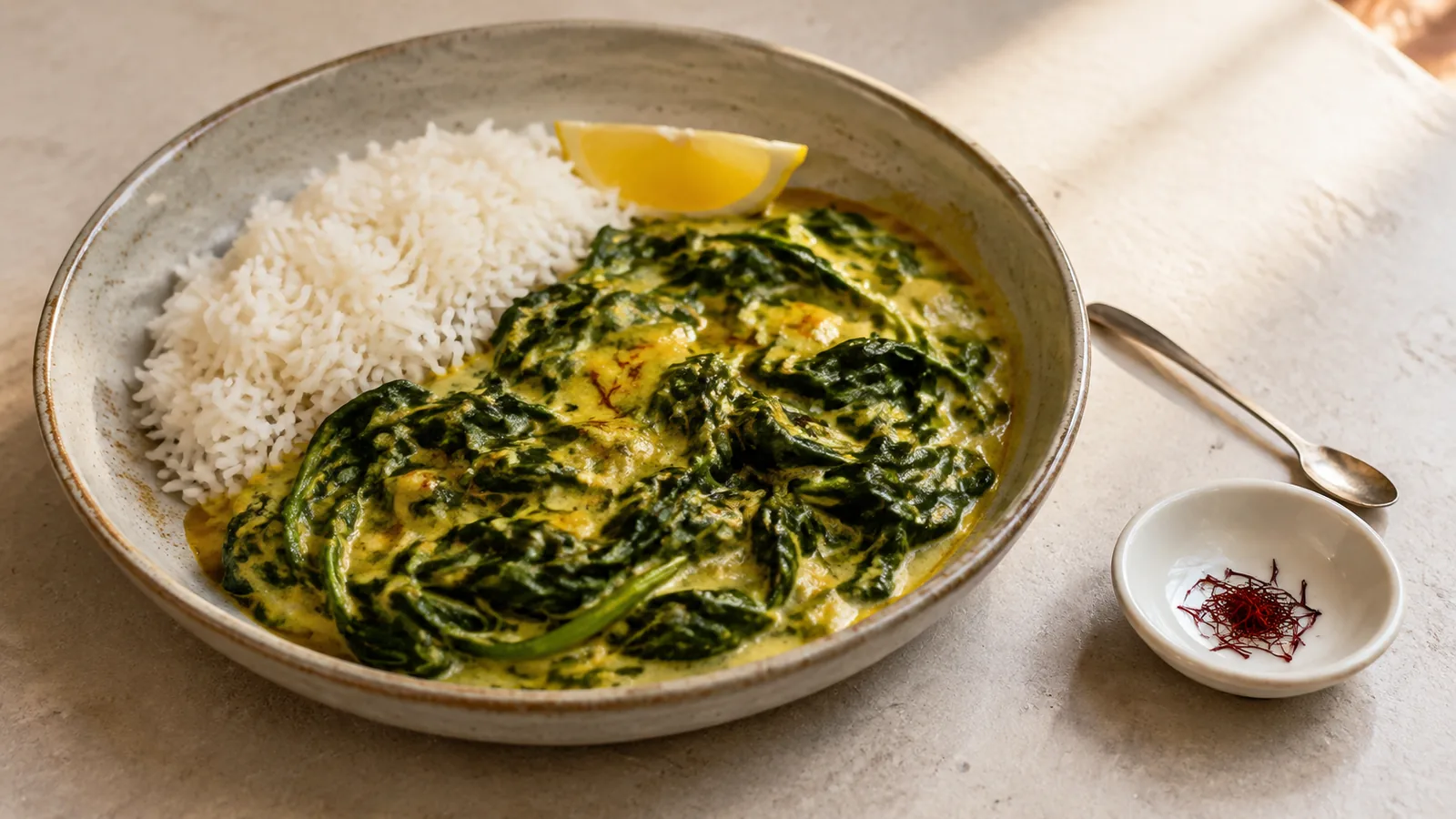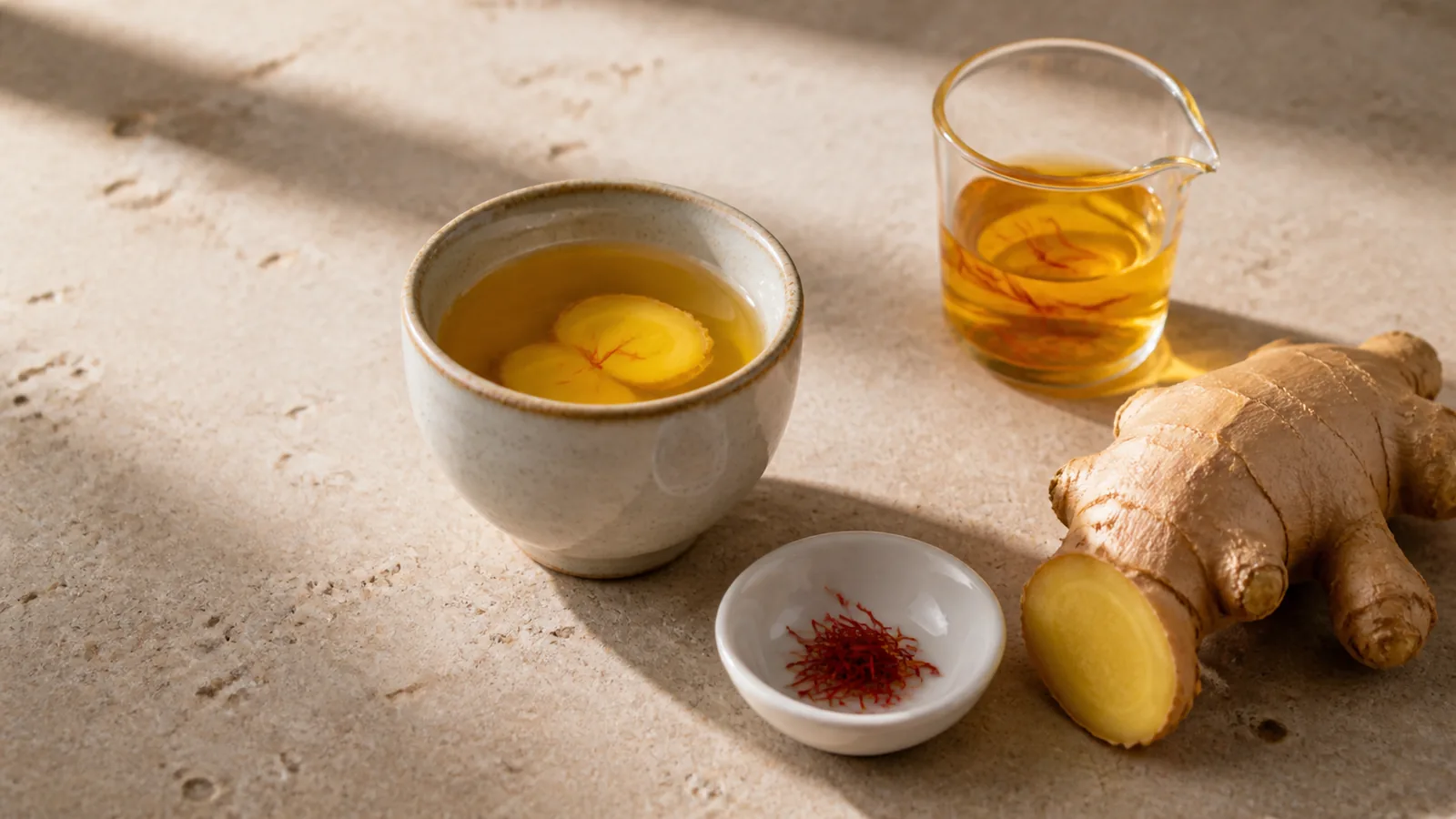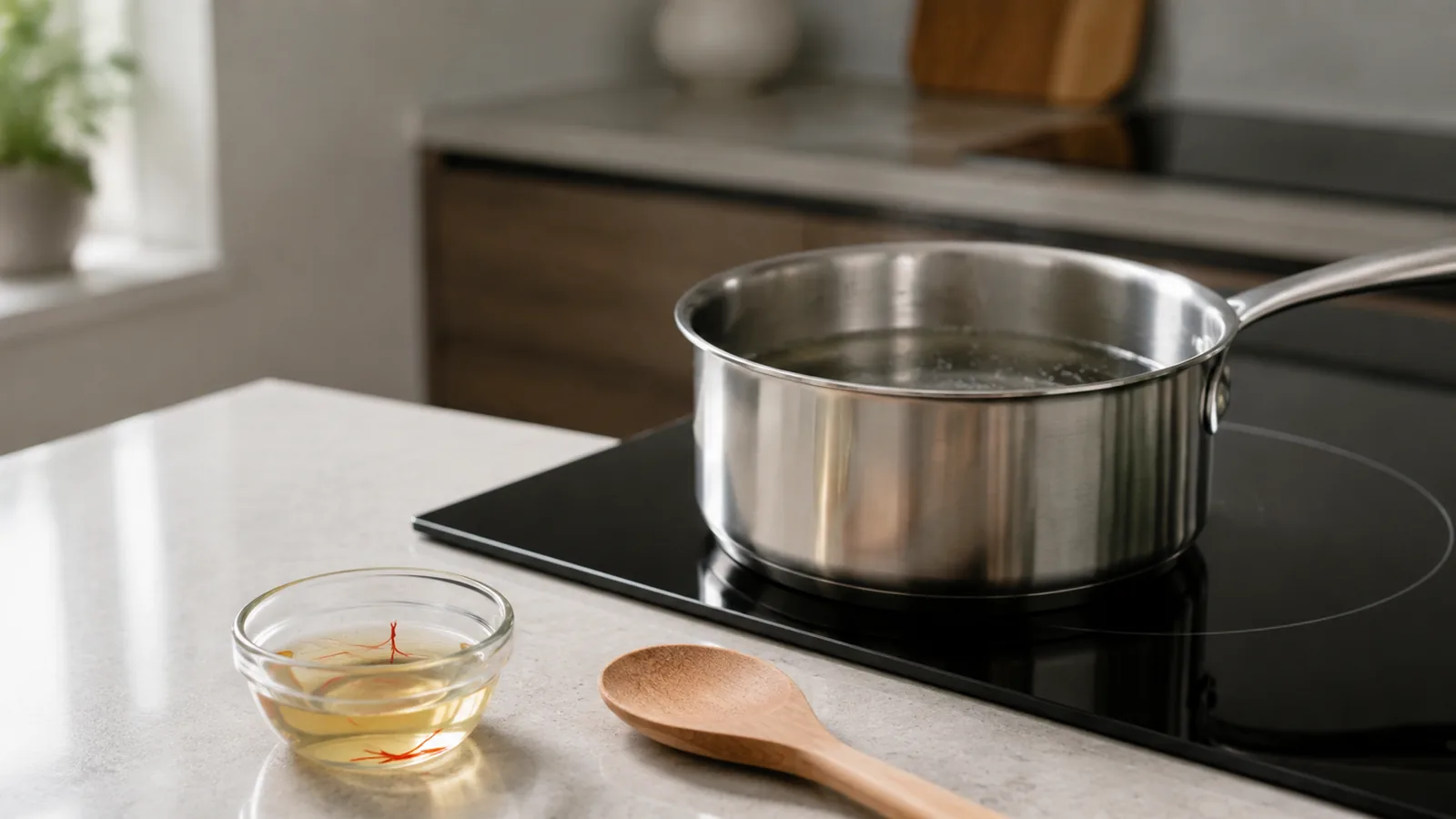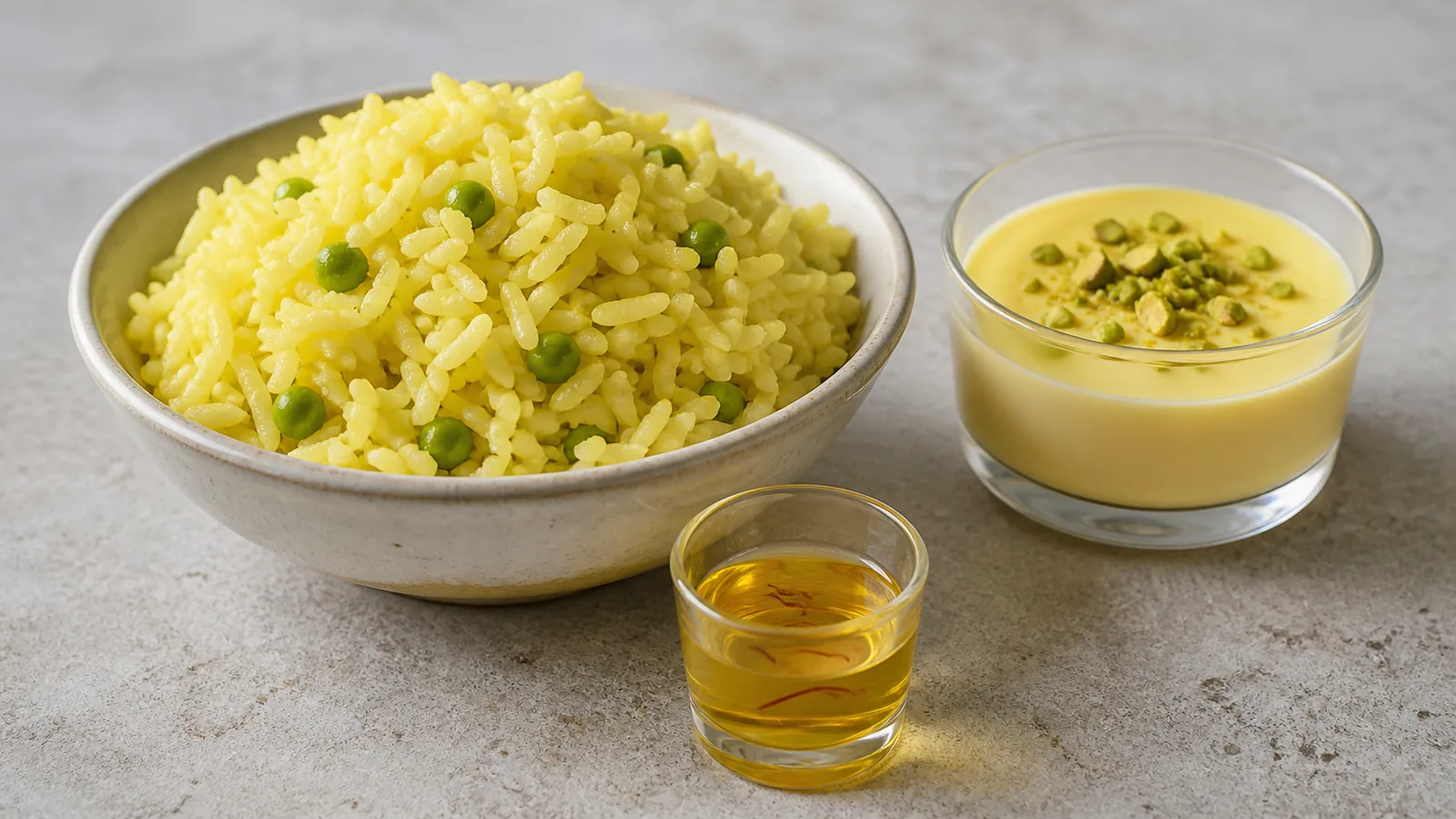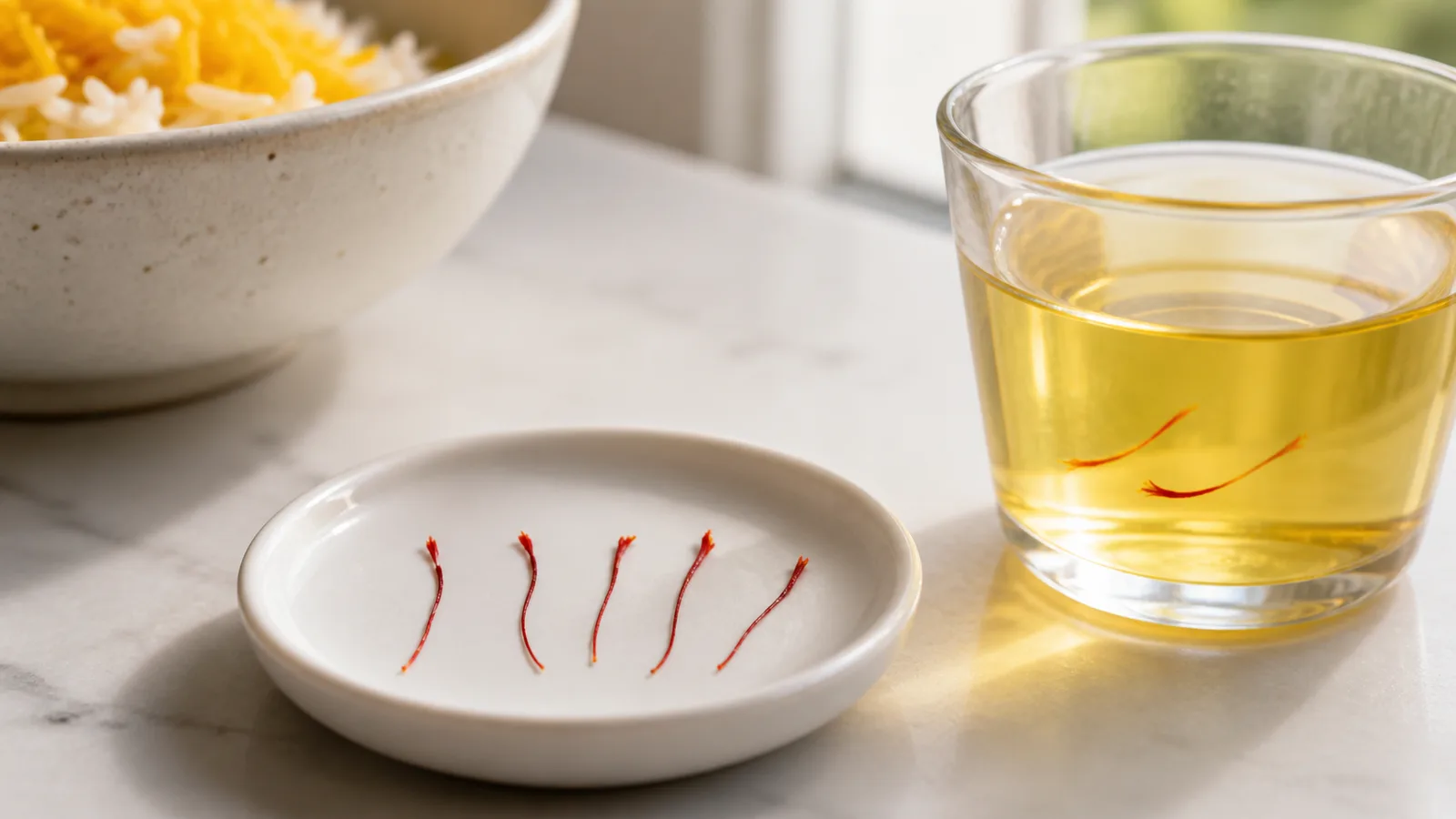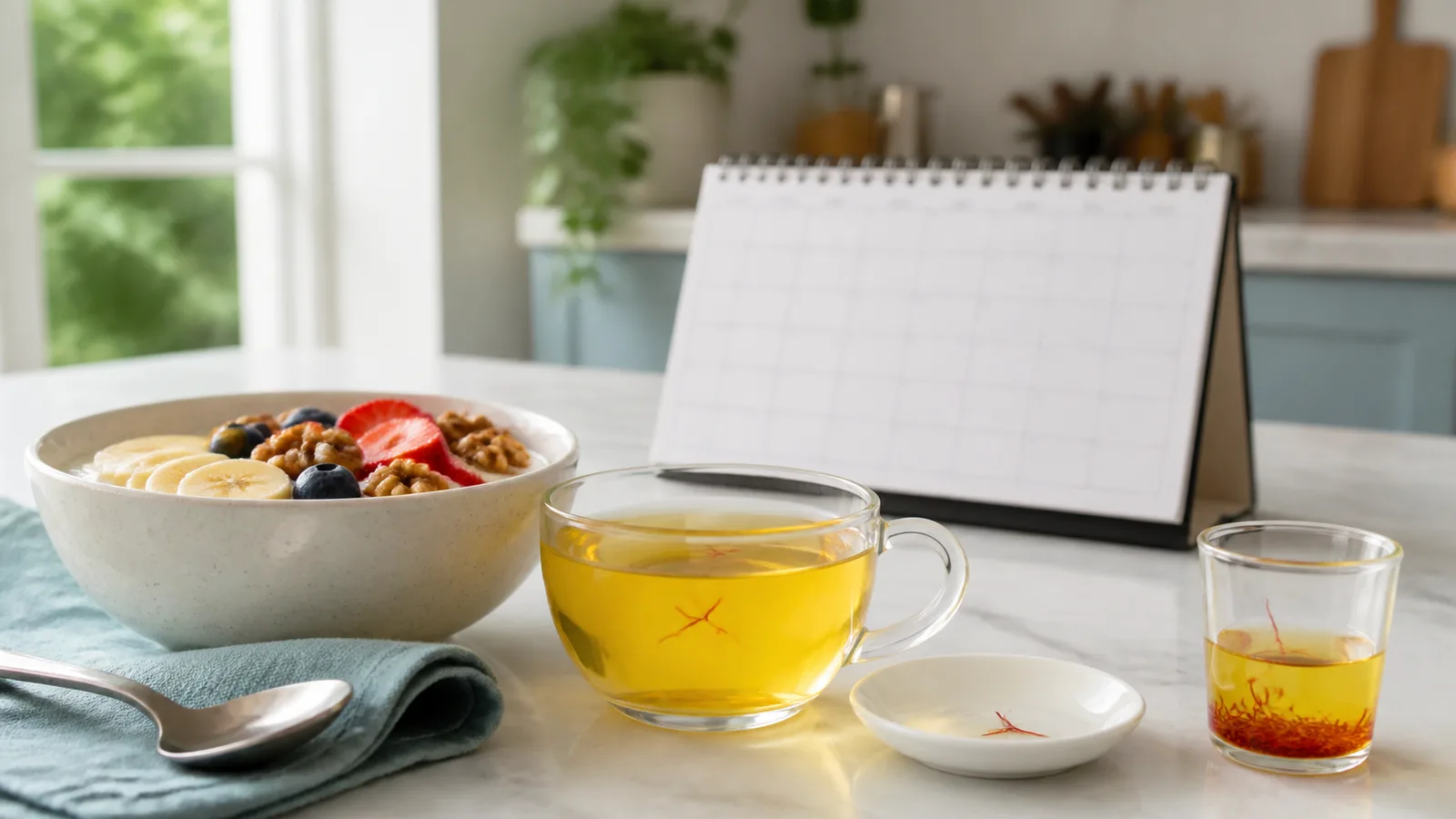
Most people can use a few saffron threads in food regularly, but “take saffron every day” can mean two very different things. Seasoning rice or tea with a small pinch is not the same as swallowing a measured extract. Saffron daily consumption, or daily saffron use, is easiest to assess when the form, amount and reason for using it are clear.
There is no universal recommended dosage for daily saffron as a health product. If you enjoy saffron for flavour and colour, keep it at ordinary culinary amounts. If you mean a capsule, tincture or concentrated daily tea, ask a health professional to review the actual product, your medicines and your circumstances.
Is saffron safe to take daily?
A few threads or a small pinch spread through several servings is far less than a gram and is generally treated as food use. That modest use is different from the doses tested in clinical research. It is also different from amounts measured in grams per day, which are far outside normal cooking.
A 2017 toxicology review of saffron and its constituents discussed clinical and experimental exposures and reported no significant toxicity at therapeutic doses in the reviewed studies. It does not establish a single safe daily dose for every person, and its cited ranges should not become a do-it-yourself instruction.
What do 30 mg and 200–400 mg figures mean?
Online summaries often say studies used about 30 mg per day or up to 200–400 mg short-term. Those figures come from particular preparations, participants and research protocols. They do not tell you how many threads to take, whether a commercial extract matches the study material, or whether long-term use is appropriate.
A milligram figure from one trial is not a general nutrition requirement. Product concentration can differ, and a saffron supplement may contain other active ingredients. Never convert a study range into a home dose by guessing with a kitchen spoon.
Potential benefits are not guaranteed
Saffron contains bioactive compounds including crocin and safranal. Research has examined mood and antioxidant activity, but “may support mood” is not the same as proven benefit for every daily user. A culinary serving is also unlikely to reproduce the exposure in a standardized extract trial.
Use saffron everyday because you enjoy its aroma, colour and flavour, not because a product promises maximum health benefits or overall well-being. It should not replace a varied diet, prescribed medicine or care for persistent symptoms.
Who should ask before daily use?
- Anyone who is pregnant or trying to become pregnant and is considering more than normal food use.
- People with low blood pressure, bleeding concerns or an existing health condition.
- Anyone taking certain medications, several prescriptions or other supplements.
- People planning a high-dose or concentrated saffron product.
- Anyone who has previously reacted to saffron or a related product.
This is not a claim that an ordinary saffron dish will cause a problem in each group. It is a reason to distinguish food from supplement use and get advice that accounts for medicines, dose and health history.
Possible side effects
Concentrated or excessive saffron may cause symptoms such as nausea, dizziness or headache in some people. Stop using a supplement and seek medical advice if a new reaction appears. Severe symptoms, fainting, breathing difficulty or signs of an allergic reaction need prompt care.
The FDA’s dietary-supplement guidance notes that supplements can have strong effects, interact with medicines and interfere with laboratory tests. “Natural” and “premium” are not safety certifications.
Quality reduces one risk, not every risk
Choose recognisable deep-red threads from a traceable supplier and store them away from light, moisture and heat. Authenticity can reduce the risk of contamination or undeclared filler. It cannot ensure safety for a particular user, eliminate dose-related side effects or prove a wellness purpose.
Our all-red saffron is sold as a culinary spice for cooking and tea. Verified quality describes the thread product; it is not a medical approval for daily supplementation.
A practical way to enjoy saffron every day
If daily culinary use suits you, bloom a small pinch in warm water and add only part of the infusion to a dish or drink. Refrigerate unused infusion promptly and use it soon, or prepare a fresh small amount when needed. Rotate saffron among rice, vegetables, yogurt and tea rather than treating it as an obligation.
Can I take saffron every day? In ordinary food quantities, regular use is a culinary choice for most healthy adults. For a supplement or a deliberate health dose, there is no one-size-fits-all answer. Check the formulation and seek personal advice instead of relying on a milligram number taken out of a study.