Kashmar Saffron Harvest: 5,500 Hectares, Yield and Context
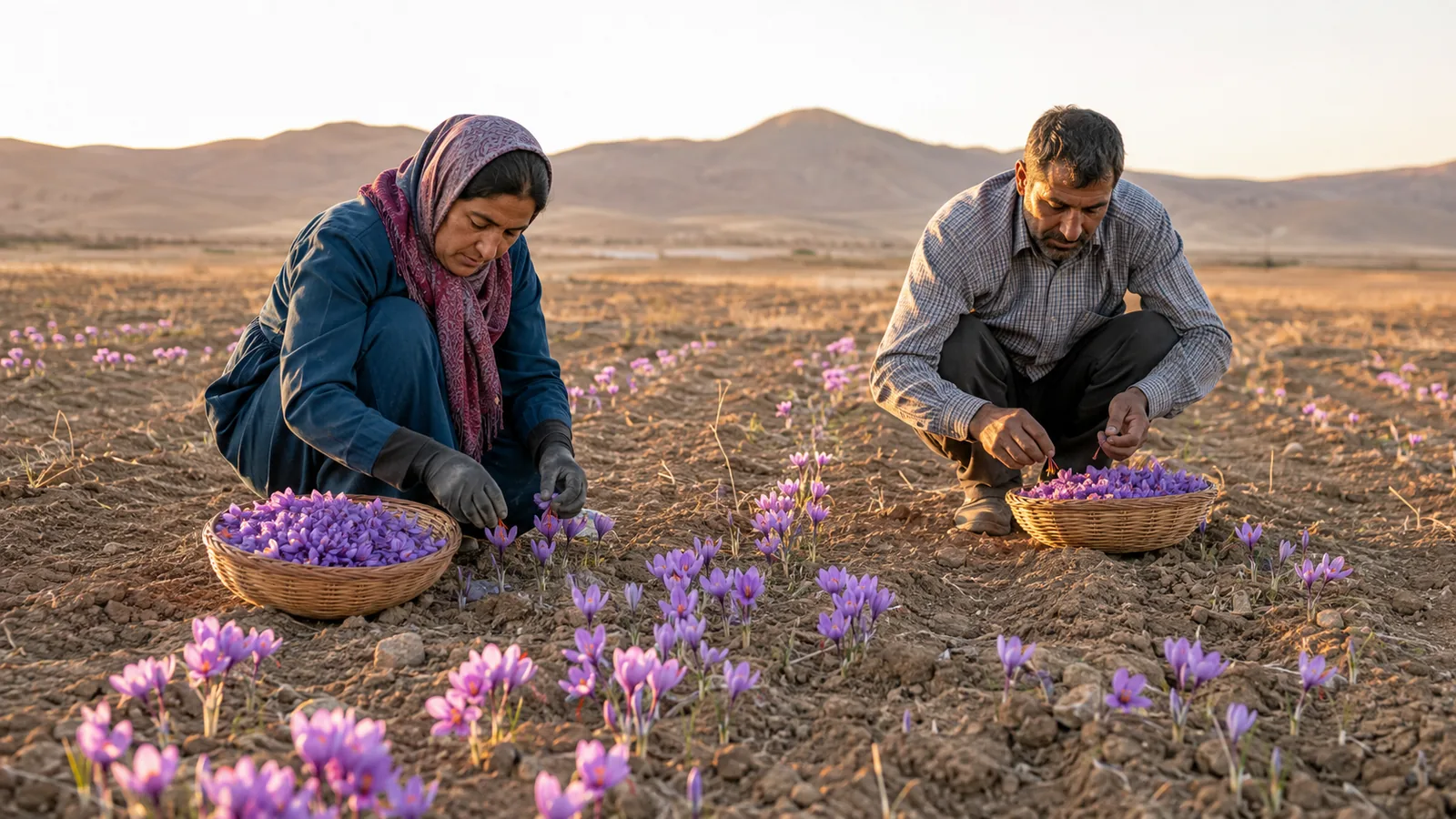
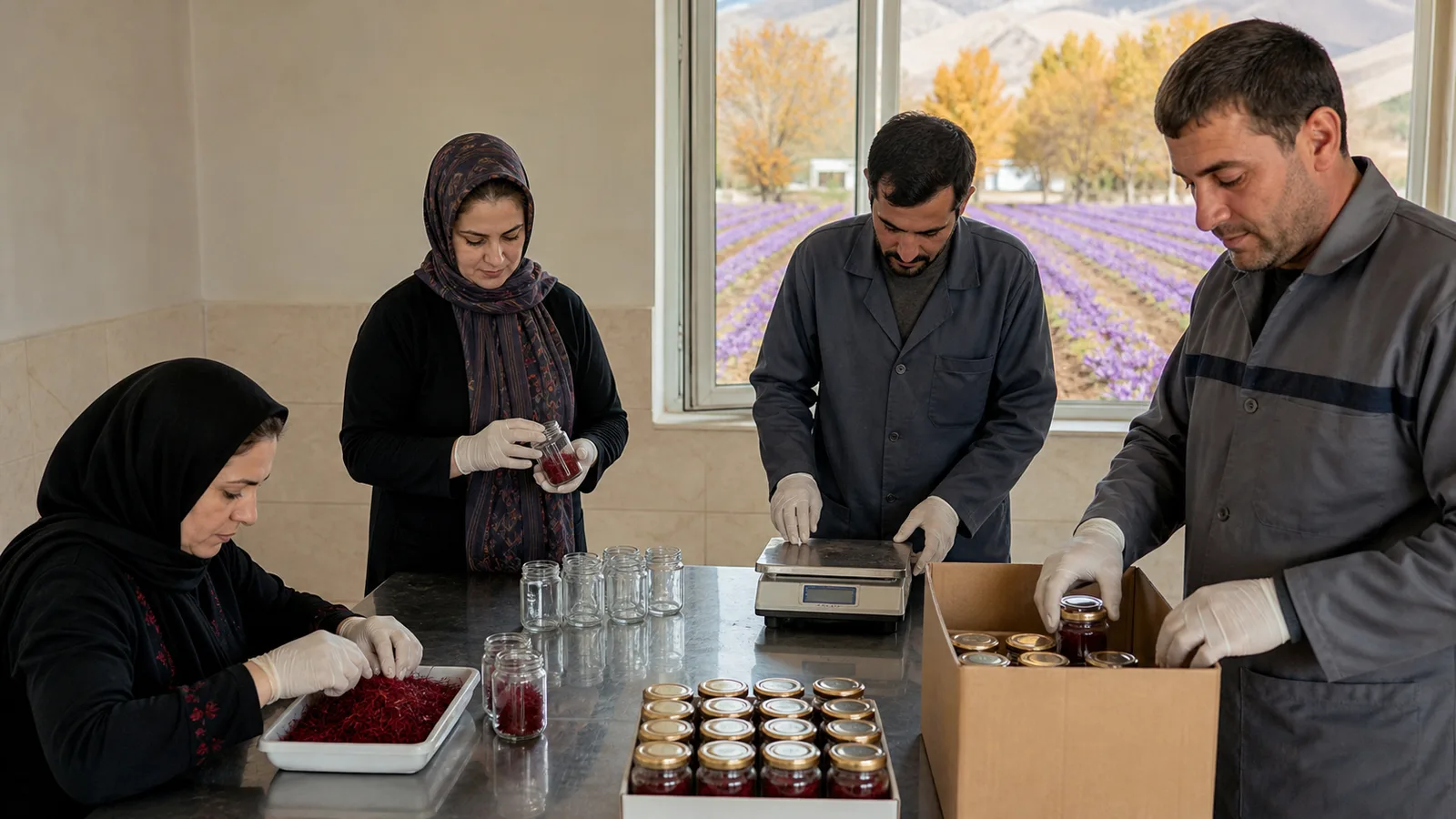
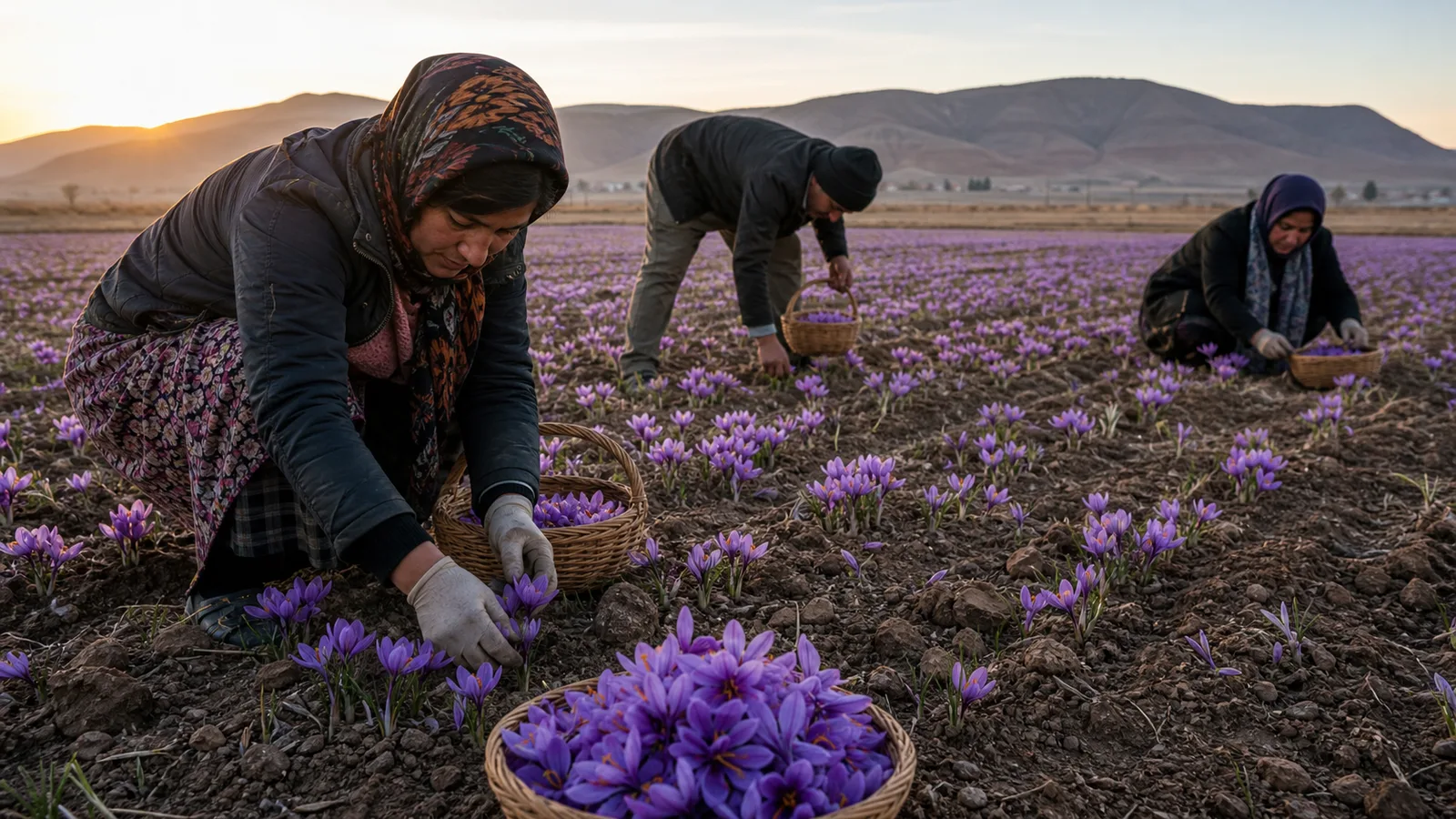
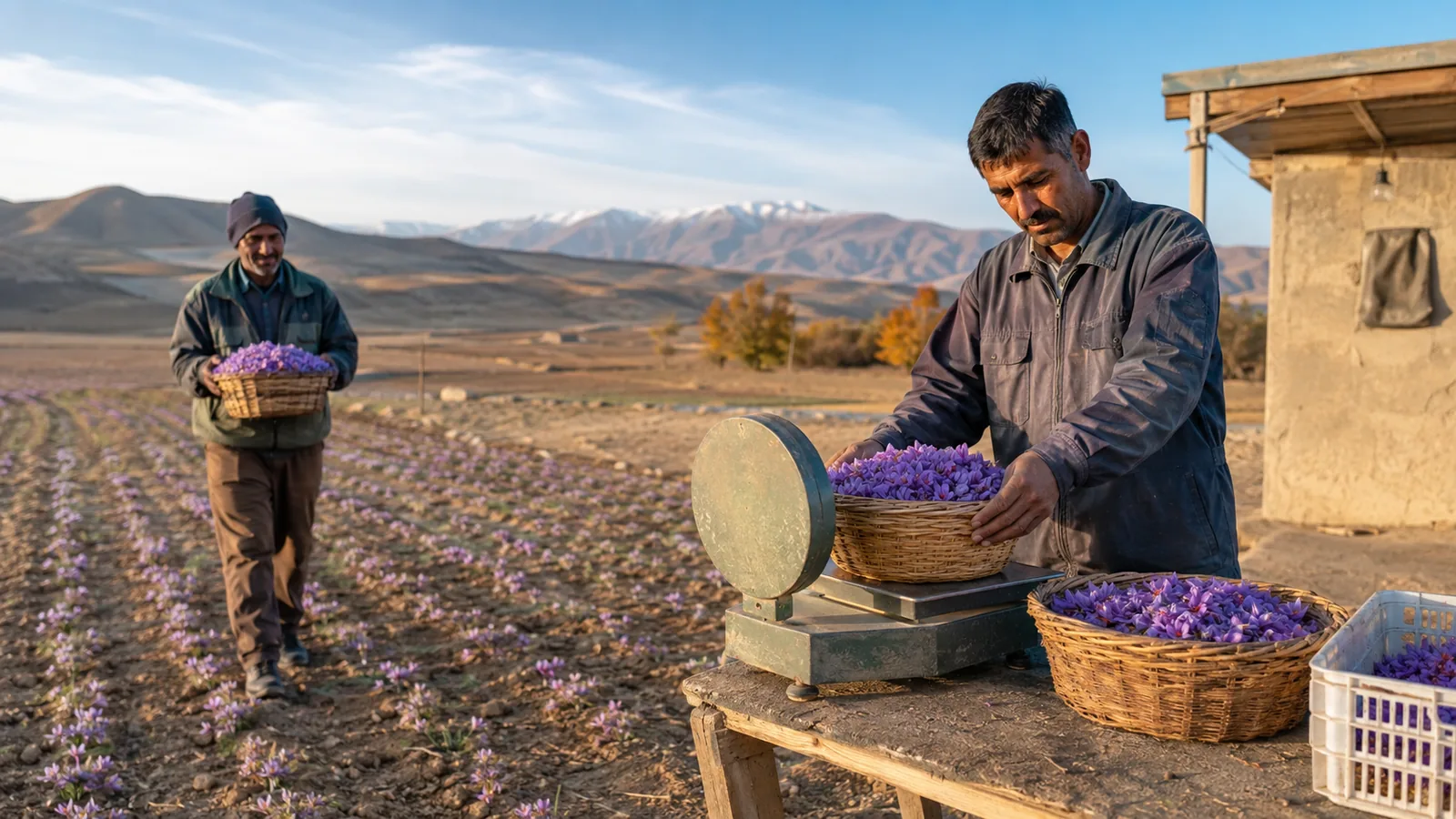
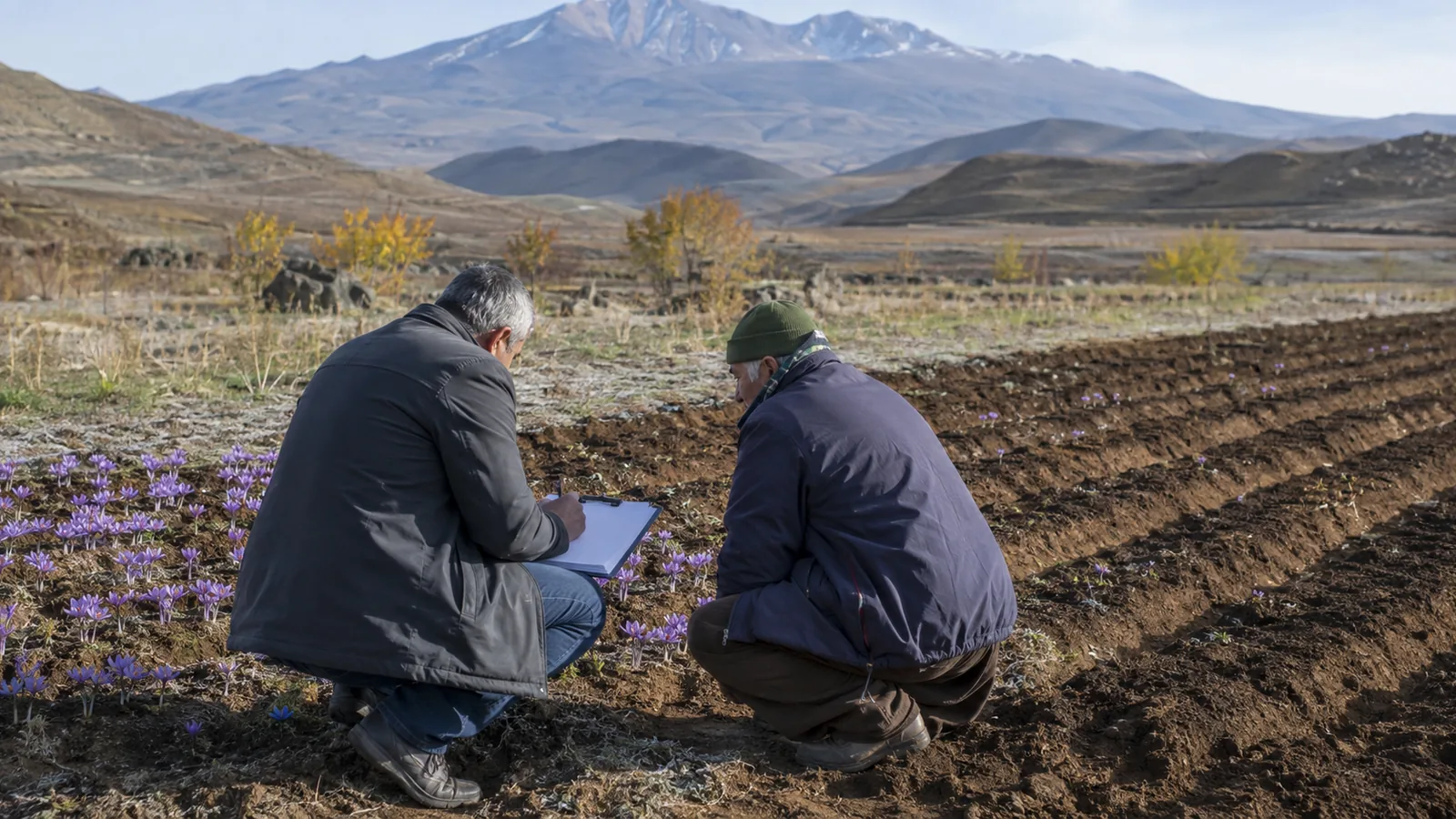
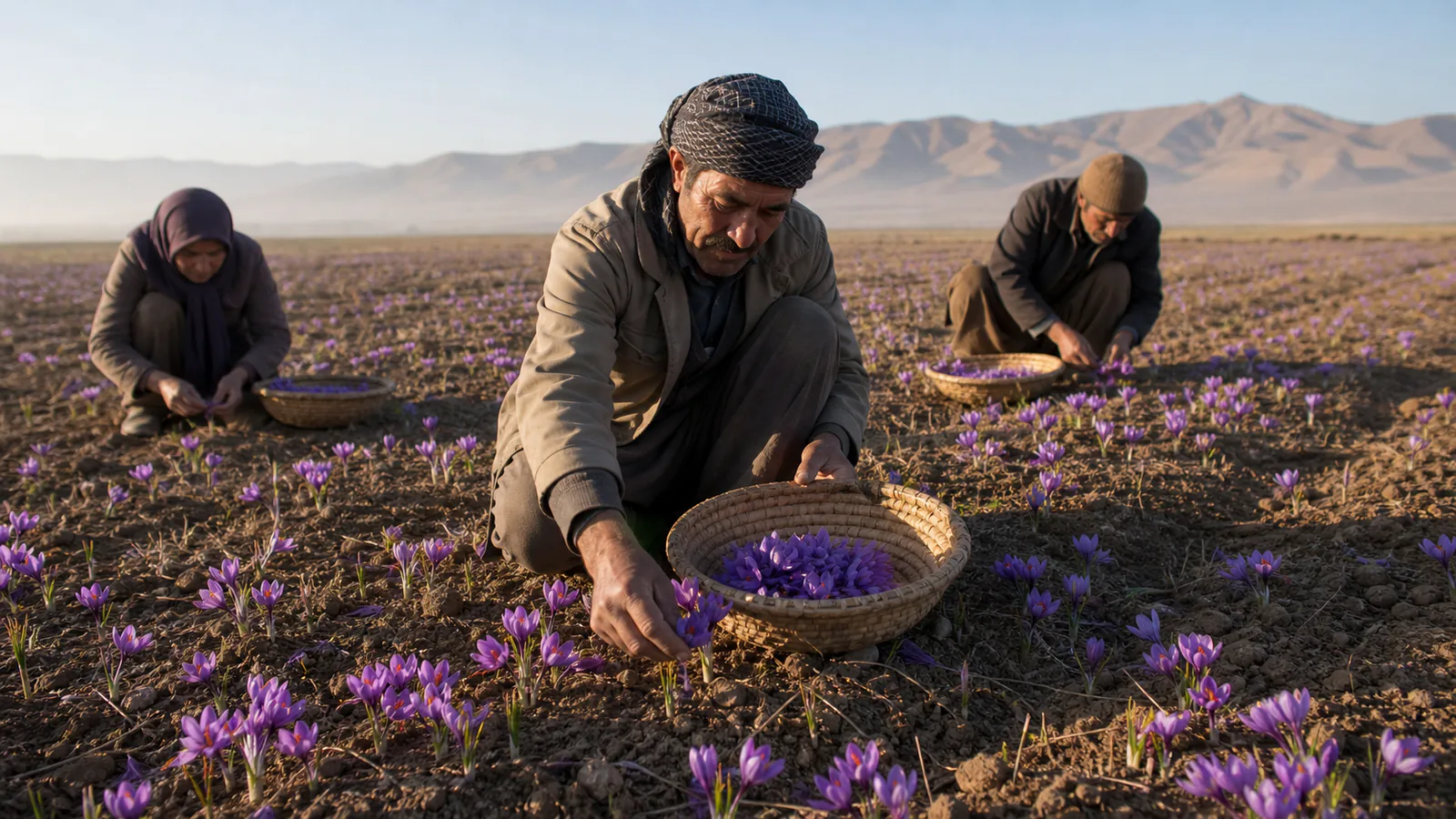
The Kashmar saffron harvest began across 5,500 hectares in the historical season described here. Of that area, 5,200 hectares were reported as bearing, with an ... Read More...




The Kashmar saffron harvest began across 5,500 hectares in the historical season described here. Of that area, 5,200 hectares were reported as bearing, with an ... Read More...
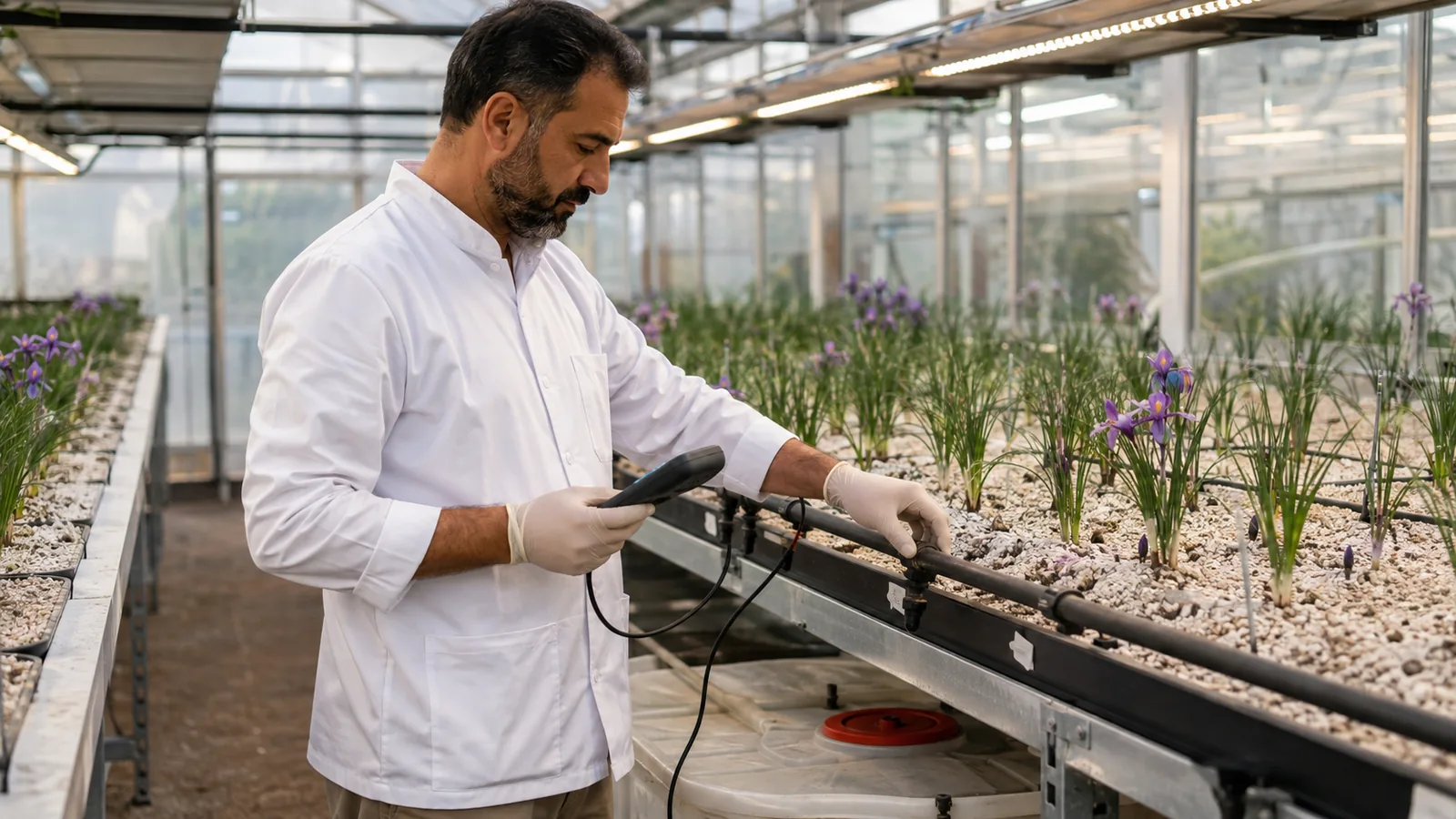
Yes, saffron can be grown hydroponically, but it is not as simple as placing corms in water and waiting for flowers. A successful system must ... Read More...
Iran can increase saffron production most safely by closing yield and quality gaps in existing fields before expanding acreage. The practical levers are healthy large ... Read More...
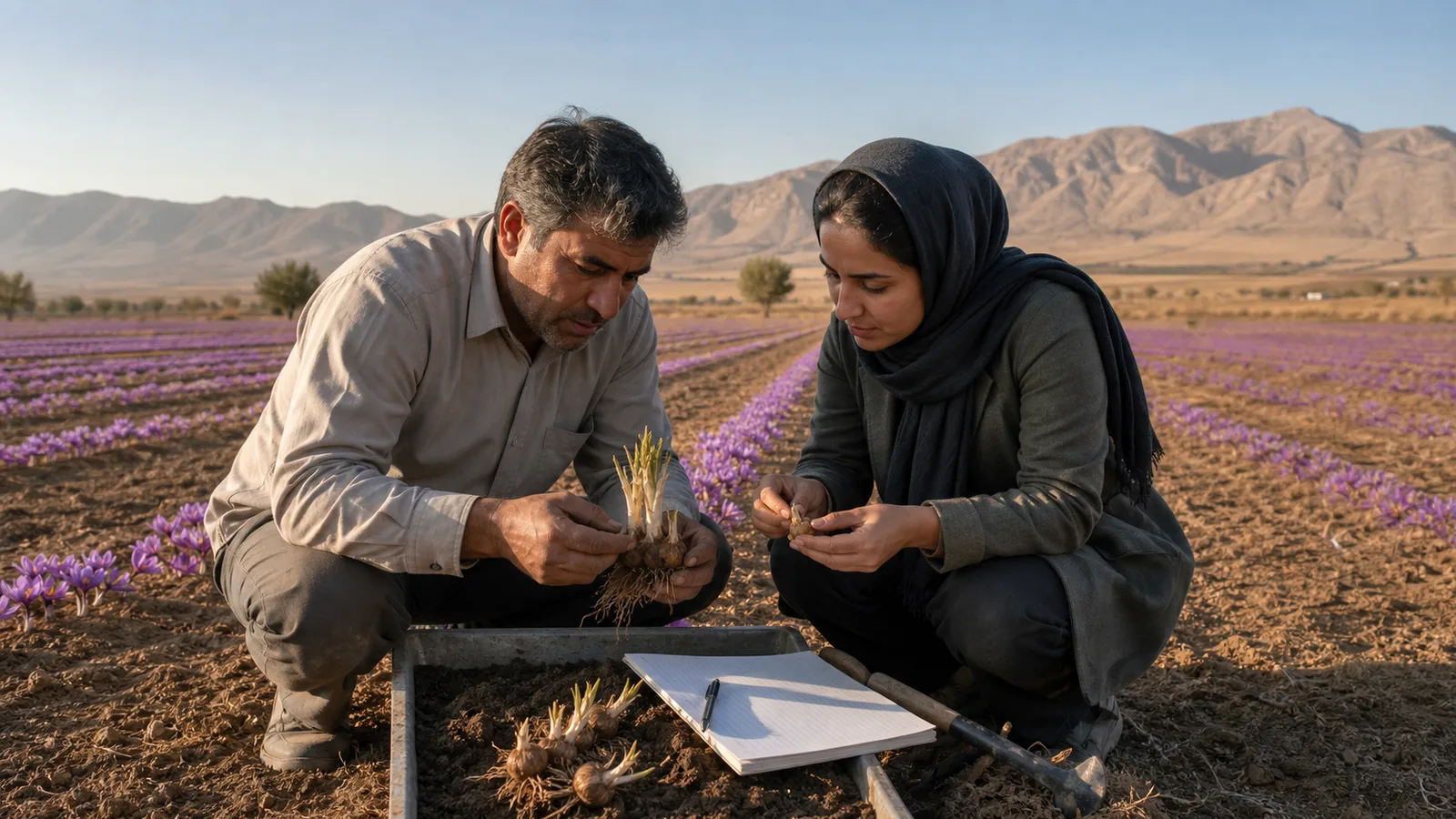
The working year of saffron farmers in Iran is quiet for long stretches and intensely busy at harvest. Soil and corm preparation begin months before ... Read More...
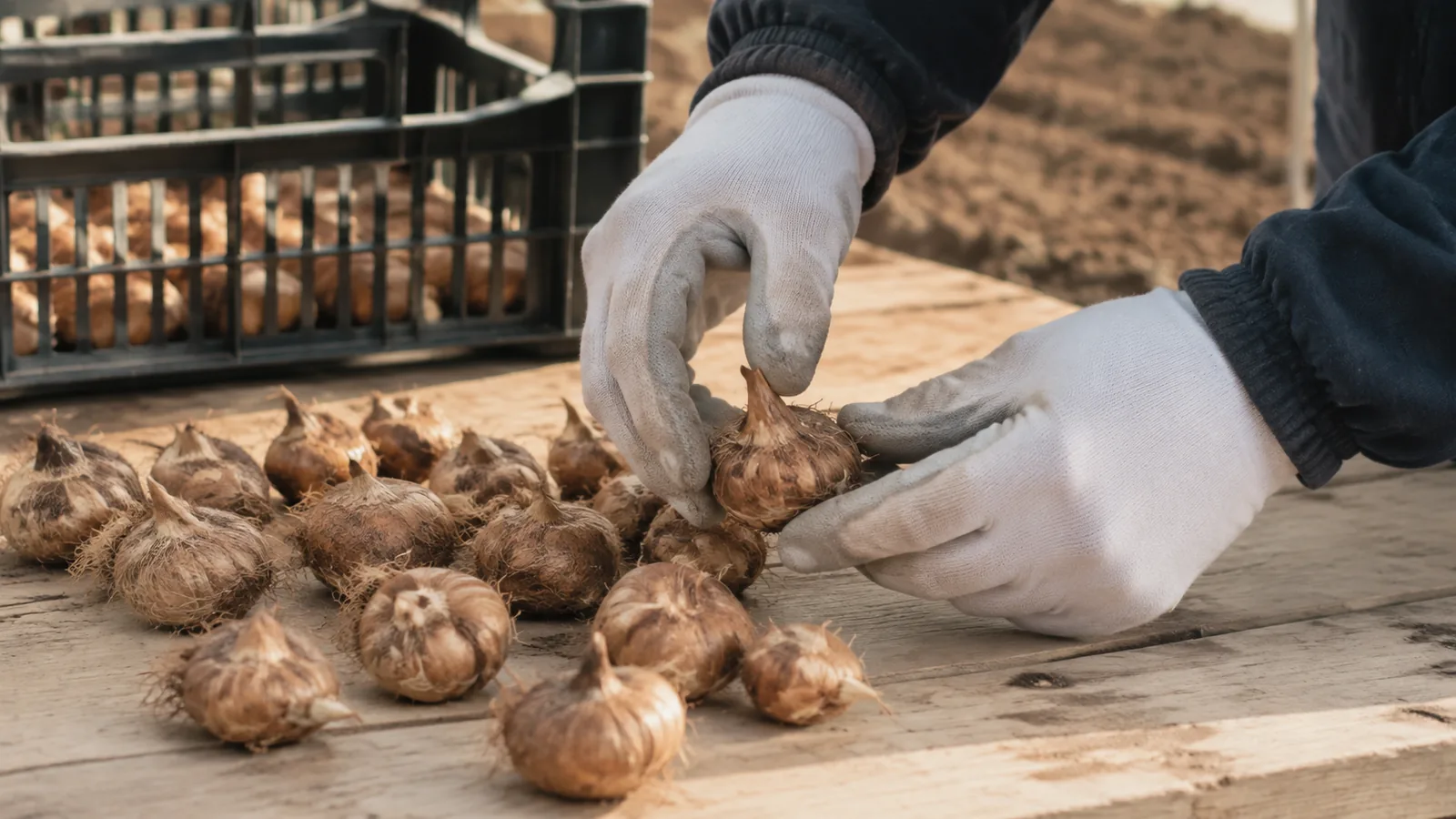
A saffron onion is the underground corm used to grow saffron, not a true onion or seed. Sellers sometimes describe a corm as “modified” or ... Read More...
Saffron production can create intensive seasonal work, add income to small farms and support processing, packaging and trade beyond the field. Its social effects can ... Read More...
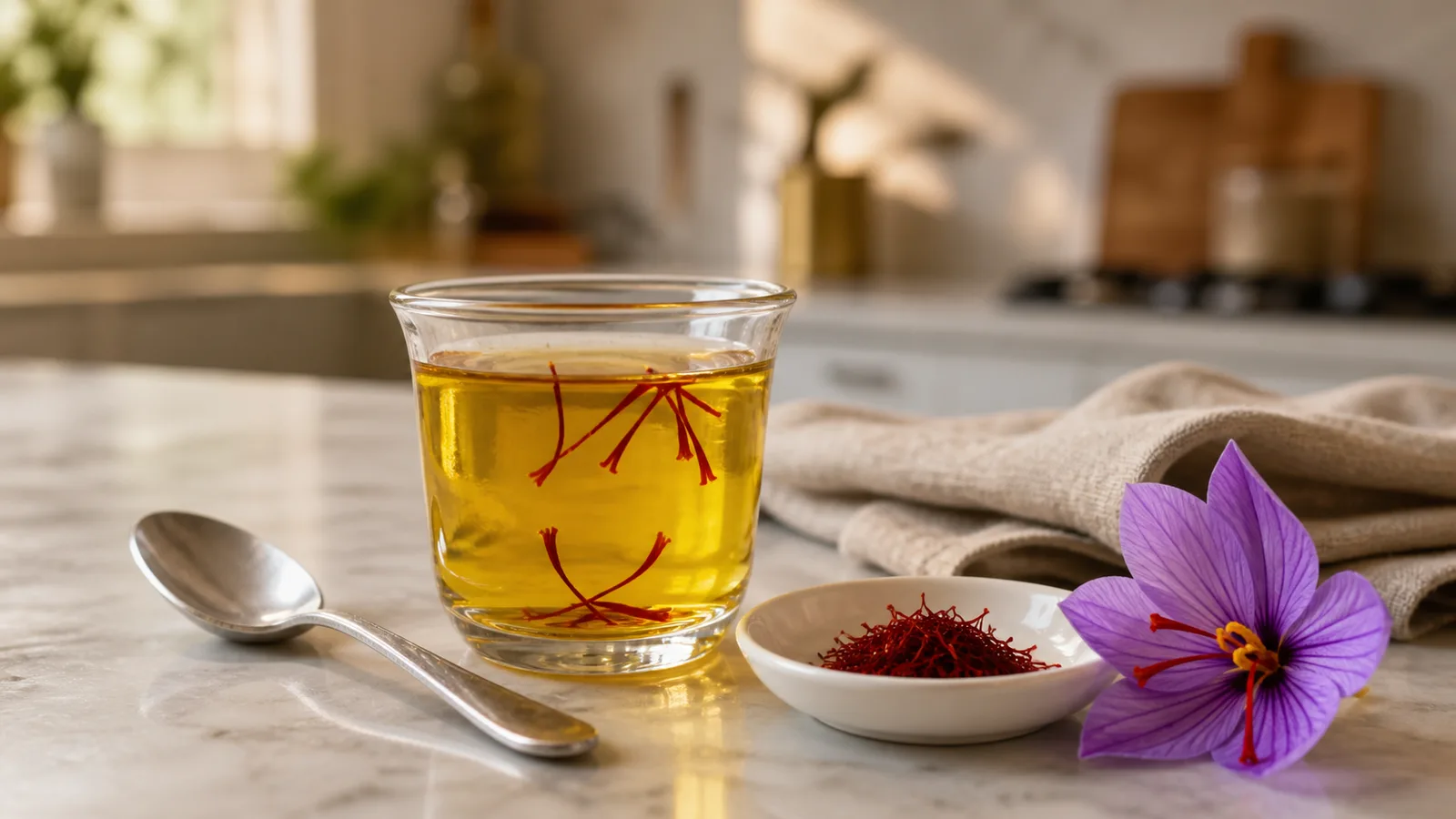
Pure saffron tastes distinctly bitter, with a light drying or astringent sensation. Its aroma can seem honeyed, floral, hay-like or earthy, but the threads themselves ... Read More...
Iran's best-known saffron cities are in the three Khorasan provinces. Torbat-e Heydariyeh is central to the huge production base of Razavi Khorasan, while Ghaen (Qaen) ... Read More...
An undated local report attributed to Mahallat agricultural director Ahmad Reza Jafari said saffron production increased by 45 percent in the crop year and reached ... Read More...
The “increase of 20 hectares of saffron cultivation area in Sarein city” was a development target, not a documented 20-hectare increase. Mohammad Ibrahim Mohammadi described ... Read More...