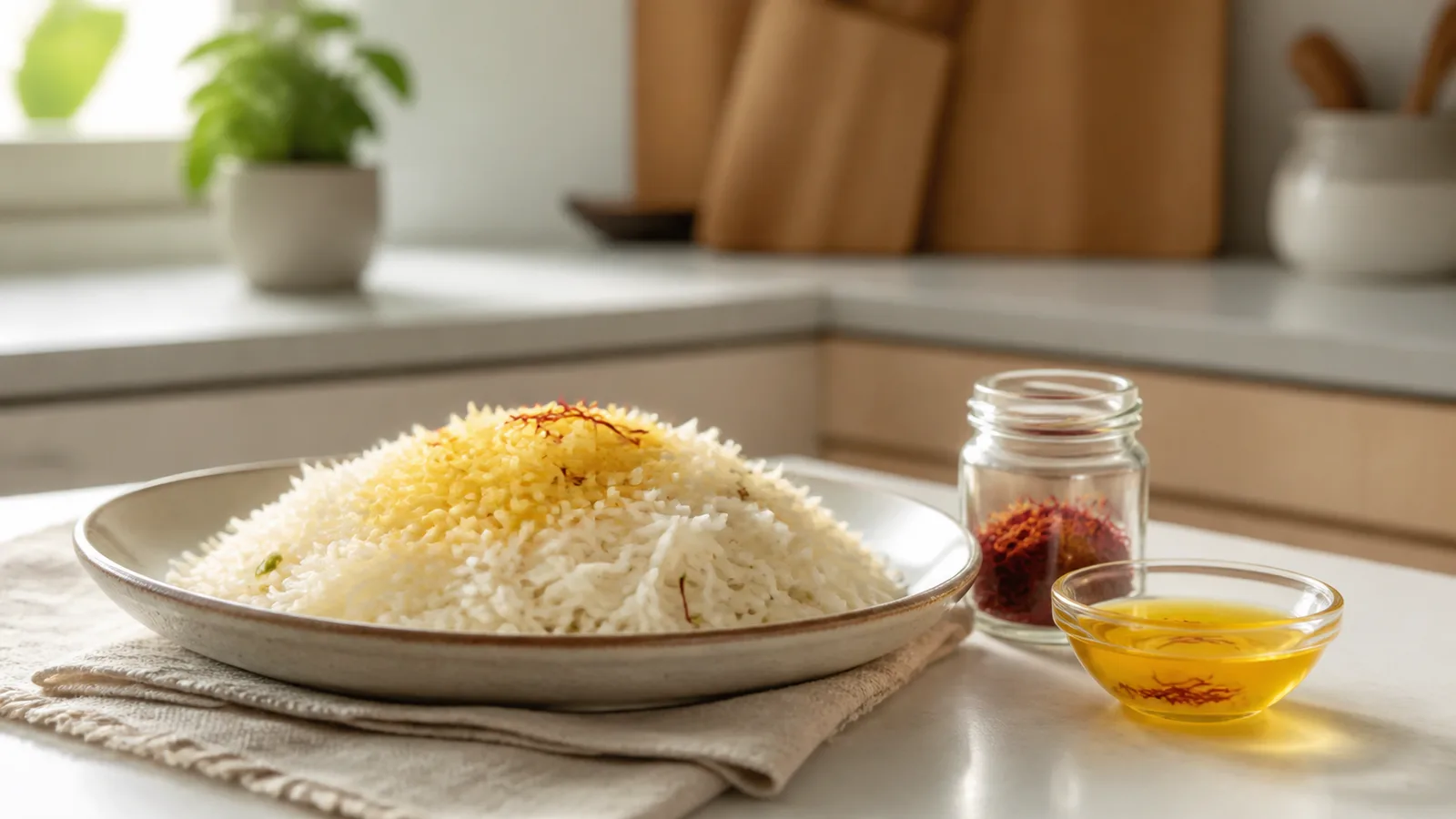
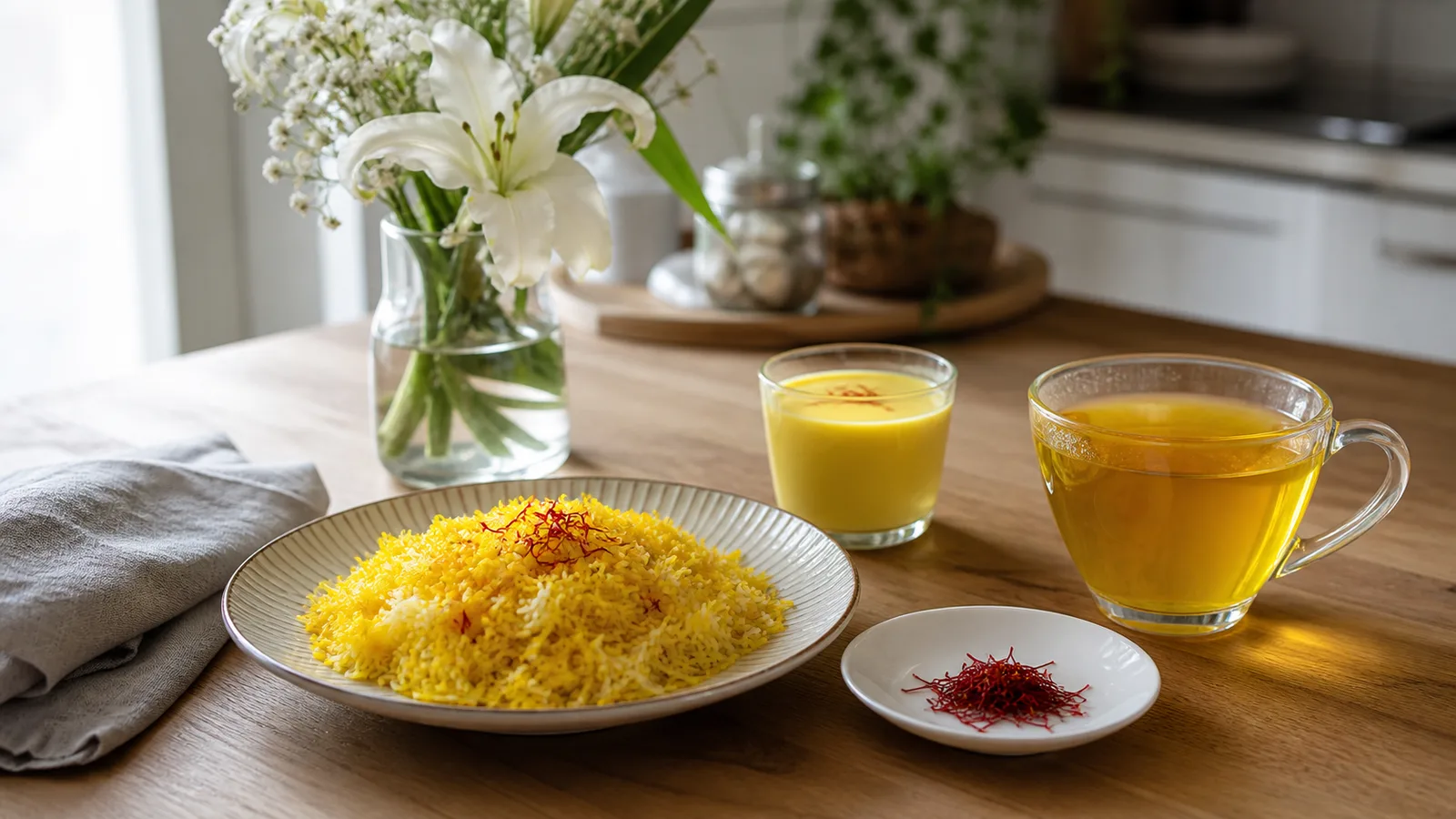
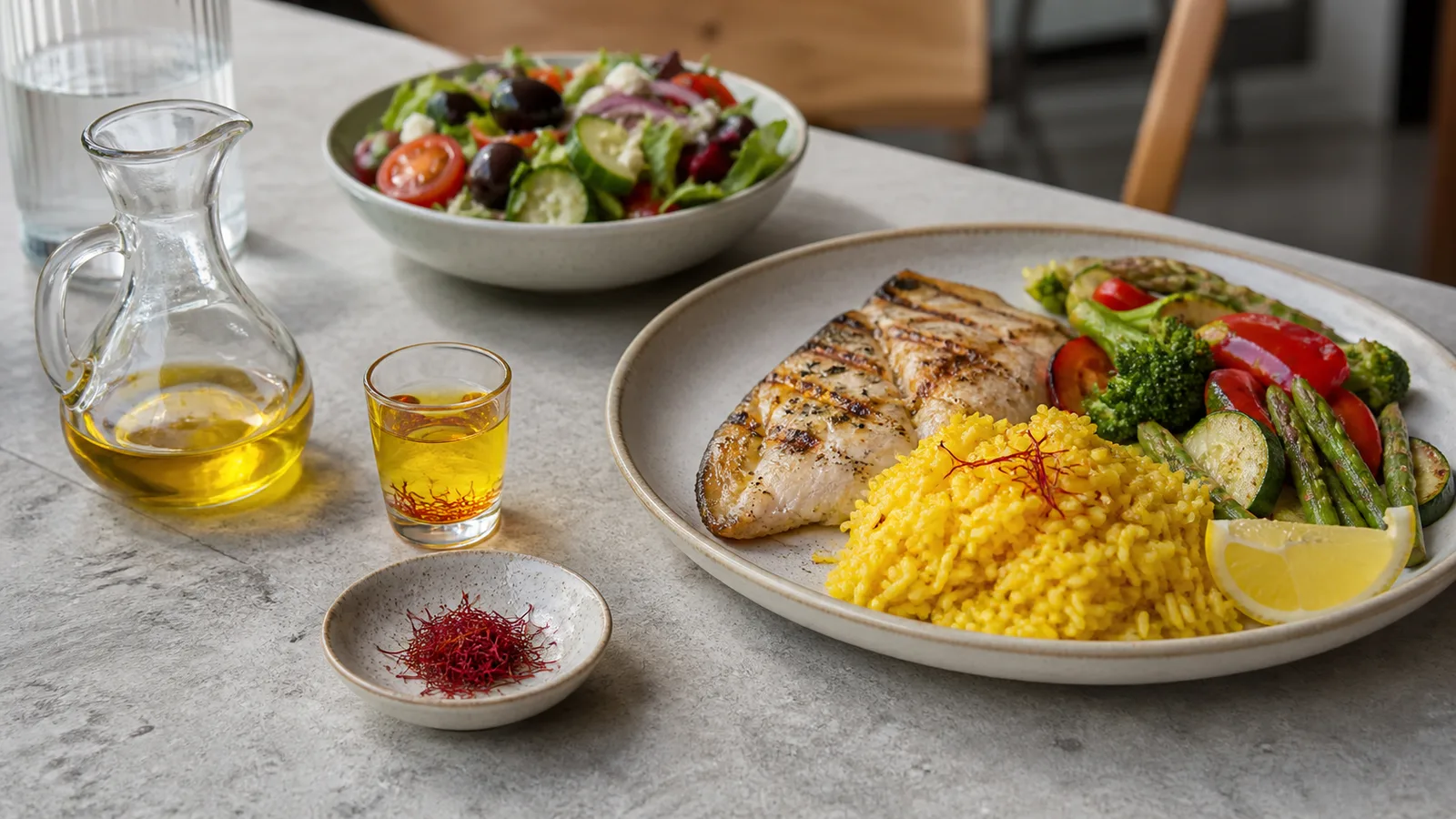
Saffron is not a proven natural solution for weight loss. Clinical researchers have tested saffron and saffron extracts for appetite, body weight and metabolic measures, but the best combined evidence has not shown a meaningful reduction in weight or body mass index. It can still be used as a flavourful part of a balanced eating plan—just not as a substitute for that plan.
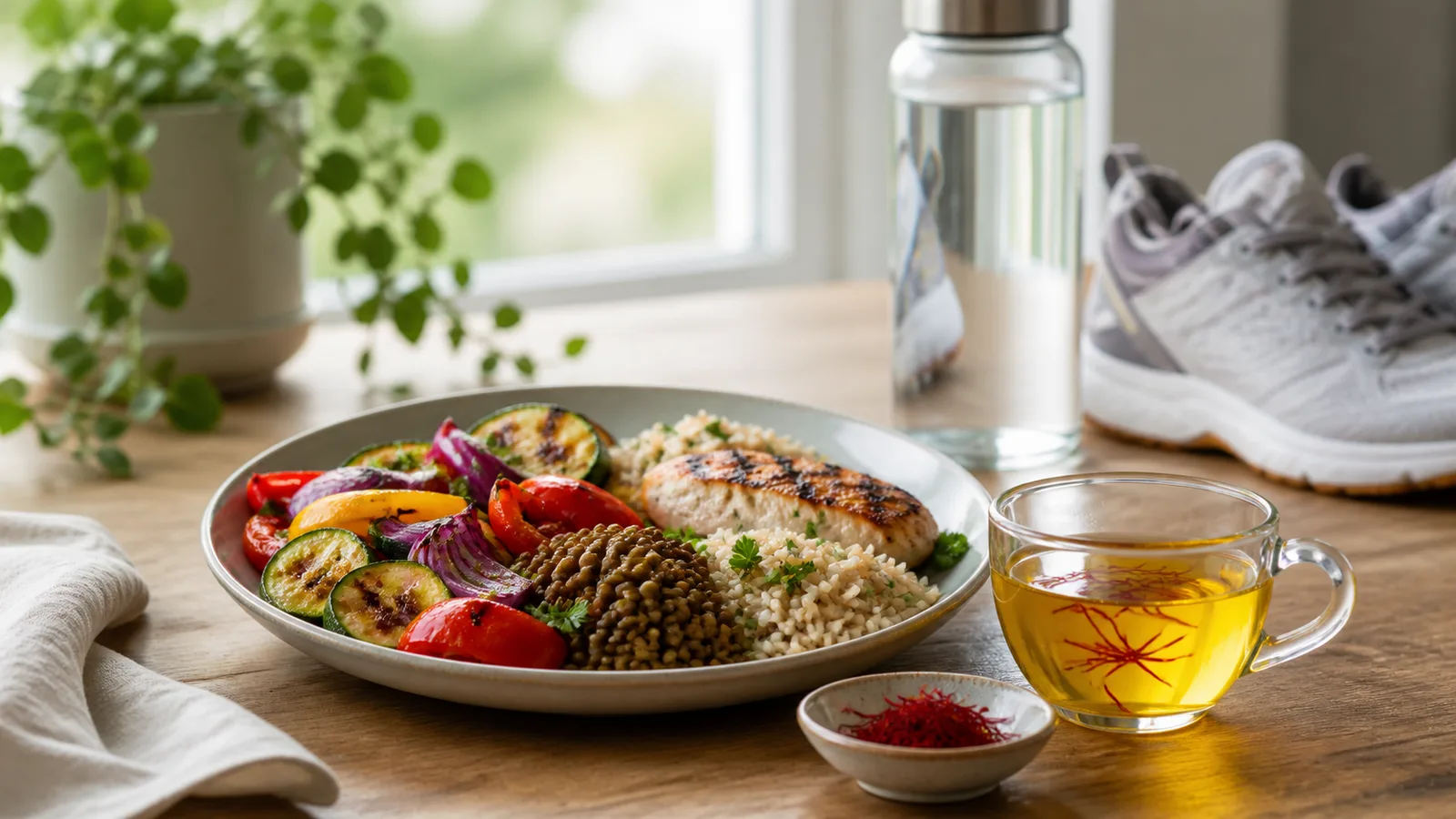
The phrase saffron for weight loss is often attached to claims about serotonin, cravings, fat digestion or metabolism. Some of those ideas have been explored in small studies. None justifies calling affordable Iranian saffron “the best” weight-loss remedy or promising that a drink will make the body burn fat.
Does saffron help you lose weight?
A 2022 systematic review and meta-analysis examined 25 randomized controlled trials in people with overweight or obesity. Compared with control groups, saffron supplementation did not produce a statistically significant reduction in body weight, BMI, waist circumference or hip circumference. The authors found a change in waist-to-hip ratio, while noting limitations and the need for stronger evidence.
A newer 2025 review of people with metabolic syndrome and related disorders likewise found no significant change in BMI or waist circumference, although some blood-glucose, cholesterol and blood-pressure measures changed modestly. Those outcomes do not demonstrate weight loss.
The practical conclusion is straightforward: saffron should not be expected to reduce body fat on its own. A measured extract used in a trial is also different from culinary threads, tea, milk or syrup.
Saffron, serotonin and appetite
Serotonin participates in mood and appetite signalling, but calling it the “happiness hormone” oversimplifies its many roles. It is also too broad to say that people with excess weight generally have low serotonin or that saffron corrects a serotonin imbalance.
Some individual studies have reported changes in snacking, satiety or mood with particular saffron extracts. Results from one proprietary product cannot be transferred automatically to every powder, thread or drink. Even if a person notices fewer cravings, that does not prove greater long-term weight loss.
Emotional eating and “false hunger” can have many triggers: stress, habit, food restriction, sleep, mental health and the surrounding food environment. A spice may make a meal more enjoyable, but it cannot resolve all of those causes. Persistent binge eating or distress around food deserves support from a qualified clinician or eating-disorder professional.
Can smelling saffron reduce hunger?
The former version of this article said that inhaling saffron for 20 minutes raises serotonin and helps without consuming it. There is no dependable evidence for using that as a weight-loss method. Smelling a spice can influence the experience of food, but an aroma is not a clinically established appetite treatment.
Enjoy saffron’s scent while grinding or blooming it for a recipe. Do not replace meals, prescribed care or a practical eating plan with repeated inhalation.
Does saffron block fat or boost metabolism?
Claims that saffron inhibits lipase, prevents fat digestion, reduces calorie absorption or boosts metabolism usually come from laboratory hypotheses or overextended interpretations. They have not been shown to make an ordinary saffron drink a reliable fat blocker. Drinking saffron tea after a meal does not make the body “burn fat for energy” in a special way.
Weight changes over time depend on overall energy intake and expenditure, alongside sleep, medicines, health conditions, environment and behaviour. The US National Institute of Diabetes and Digestive and Kidney Diseases advises choosing a healthy eating pattern that can be maintained and regular physical activity or exercise. That foundation has much stronger support than a spice-based shortcut.
How saffron can fit a weight-management routine
Saffron’s useful role is culinary. Its aroma and golden colour can make nutritious food appealing without requiring a heavy sauce or much added sugar. Bloom a small pinch in warm water and add it to vegetables, beans, lentils, whole grains, fish, chicken, yoghurt or a lightly sweetened drink.
Use the following principles:
- Build meals around vegetables, whole grains or other fibre-rich foods and an appropriate protein source.
- Use saffron for flavour rather than assuming it cancels calories elsewhere in the meal.
- Count honey, sugar, sweetened syrup and full-fat milk as part of the food or drink.
- Choose a routine that is realistic enough to maintain, rather than a short “slimming” ritual.
- Track trends over weeks, not changes after one cup or meal.
Saffron with basil seeds, rosewater or cardamom
A drink made with basil seeds, saffron, rosewater and cardamom can be refreshing. Basil seeds absorb water and add texture, while the spices contribute aroma. That combination has not been proven to maximize saffron’s effects or suppress appetite enough to cause weight loss.
If you prepare it, soak food-grade basil seeds according to their package directions, use a small pinch of bloomed saffron and flavour with rosewater or cardamom. Keep added sugar or honey modest if reducing calorie intake is your goal. Honey is still an added sugar; it does not enhance a weight-loss mechanism.
The old instruction to drink saffron syrup with basil seeds 30 minutes before meals was too prescriptive. It may be pleasant in hot weather, but there is no established timing that turns it into a slimming treatment. Drink it when it fits your meal plan, and avoid using fluid or fibre to suppress normal hunger excessively.
What about saffron milk?
Saffron milk can supply protein, calcium and other nutrients depending on the milk. It can also add substantial calories if made with a large serving of full-fat milk, sugar, honey or nuts. Whether it supports a person’s plan depends on the whole diet and portion—not on the saffron.
To make a simple version, grind a small pinch of threads with cardamom, bloom it in a spoonful of warm milk, then stir it into the rest. Choose unsweetened milk if that suits your needs. This can be a satisfying beverage, but it is not inherently a “slimming” drink and has not been shown to improve mood and weight together.
Is saffron tea useful after meals?
An unsweetened saffron infusion is low in calories and naturally caffeine-free. It may be a useful replacement for a sugary or caffeinated drink, and that substitution can support an eating plan. Its value comes from what it replaces and whether you enjoy it—not from a proven metabolic boost.
For a practical preparation, use the saffron herbal tea recipe and leave out optional sweeteners. Drinking it after a meal is a matter of preference. It is not necessary to consume saffron before or after every meal.
Affordable does not mean effective for weight loss
Iranian saffron can be good value because Iran produces the majority of the world’s supply. Price, origin and clinical effectiveness are separate issues. An affordable bag of genuine threads may be excellent for cooking, but it has not become a weight-loss product simply because it costs less than an extract.
Concentrated supplements may use standardized extracts and doses unlike food. Labels can also differ in strength and purity. Do not calculate a supplement dose by estimating thread count or assume that more saffron will work faster.
Safety and when to get advice
Normal culinary amounts are different from repeated medicinal use. Concentrated saffron can cause unwanted effects such as nausea, digestive discomfort, headache or dizziness in some people. More is not better, and very large amounts can be harmful.
Speak with a doctor or pharmacist before using a saffron supplement if you are pregnant or breastfeeding, take medicines, are preparing for surgery or have a medical condition. People using diabetes, blood-pressure, blood-clotting, sedating or psychiatric medicines need product-specific advice. Stop a supplement and seek help if you have a concerning reaction.
If weight changes are unexpected, rapid or connected with fatigue, pain, menstrual changes, medication or a change in eating behaviour, a health professional can look for an underlying cause. A registered dietitian can also design an eating plan around medical needs, budget and culture.
The realistic place for saffron in weight management
Saffron can make balanced meals and unsweetened drinks more aromatic and enjoyable. That may help someone maintain a routine they like. Current trials do not show that saffron itself delivers meaningful weight or BMI reduction, blocks dietary fat, raises metabolism or works through a guaranteed serotonin effect.
Use affordable Iranian saffron as a spice. For weight loss, rely on a sustainable eating pattern, appropriate portions, activity, sleep and professional support when needed. That answer is less dramatic than “the best natural solution,” but it is more useful—and much safer.