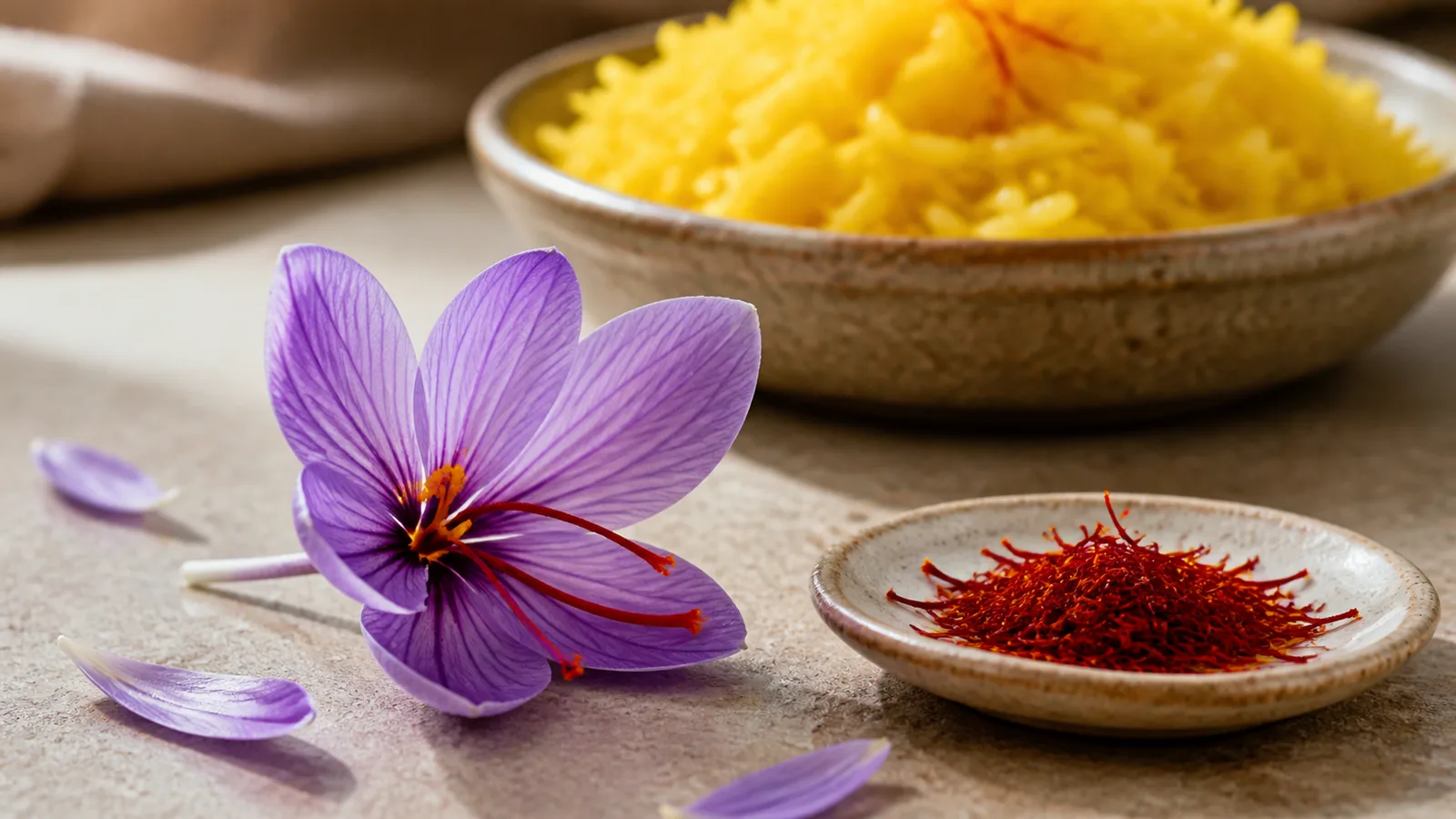
Saffron is special because a tiny part of a short-lived flower can transform an entire dish. Each Crocus sativus bloom carries only three stigmas. They must be separated, dried well, protected from moisture and light, and used with enough care that their aroma is not lost.
Its value does not come from one romantic story. Biology, seasonal labour, chemistry, culinary reach, and a long cultural history all meet in the same few red threads. That combination is difficult to reproduce with another spice.
What Makes Saffron Special?
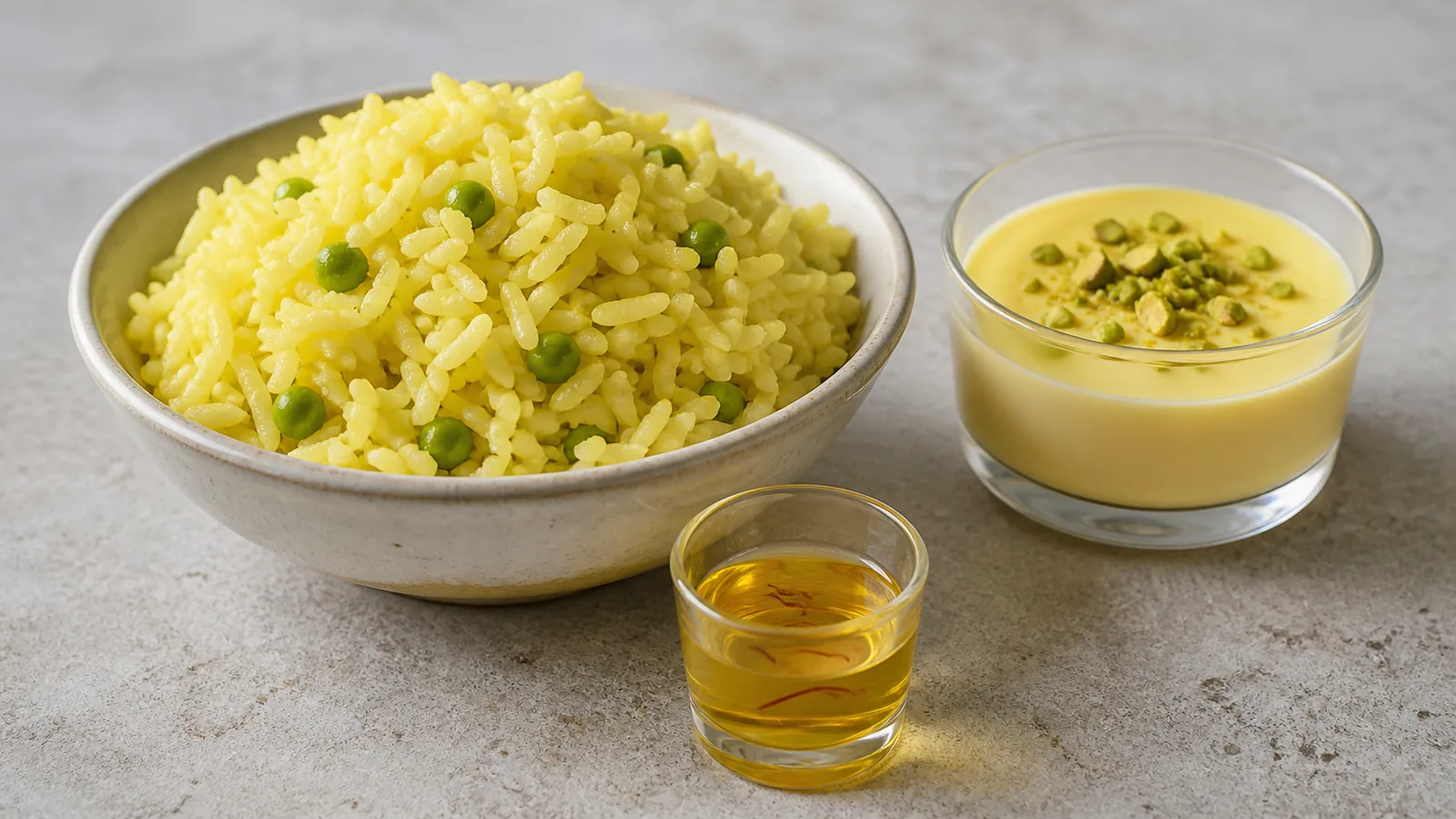
What is so special about saffron? It contributes colour, aroma, flavour, and a sense of place at once. A small infusion can turn rice gold, perfume a broth or custard, and add a slightly bitter, honeyed depth. Used badly, it can taste flat or harsh. Used carefully, it becomes part of the dish rather than sitting on top of it.
Saffron is also unusually concentrated. The saleable spice is not a leaf, bark, seed, or whole flower; it is the dried pistil material from thousands of blooms. The current ISO 3632-1:2025 specification covers dried saffron in filament, cut-filament, and powder forms. That formal standard is one sign of the attention paid to identity, quality, storage, and trade.
The Rarity and Harvesting Process
A saffron flower gives a grower very little usable dry material. Flowers open over a concentrated period, so picking and stigma separation cannot simply be postponed until labour is convenient. The plant is propagated through corms, and field conditions, flowering, handling, drying, and storage all influence the finished spice.
Estimates of flowers per kilogram vary widely because flower and stigma size, trimming, moisture, season, and drying differ. The often-repeated figure of about 150,000 flowers is a useful illustration, not a universal conversion. The FAO’s production overview describes timely harvesting and careful drying as central to flavour and appearance.
Calling saffron “rare” does not mean the plant is endangered or grown in only one place. Iran is the leading producer, while India, Afghanistan, Spain, Greece, Morocco, Italy, and other regions also cultivate it. What is scarce is the weight of well-processed stigmas relative to the flowers, land, time, skill, and labour required.
This production story also explains why a suspiciously cheap offer deserves scrutiny. High value creates an incentive to add unrelated plant material, excessive yellow style, moisture, colouring, or filler. Whole threads are easier for a shopper to inspect than powder, although appearance alone cannot prove origin or grade.
Flavor and Aroma
Saffron does not taste simply “sweet” or “floral.” It combines a gentle bitterness with warm, hay-like, honeyed, and sometimes metallic or earthy notes. Picrocrocin is associated with bitterness; safranal contributes strongly to aroma; crocins produce the characteristic colour. Storage and cooking change how those qualities reach the plate.
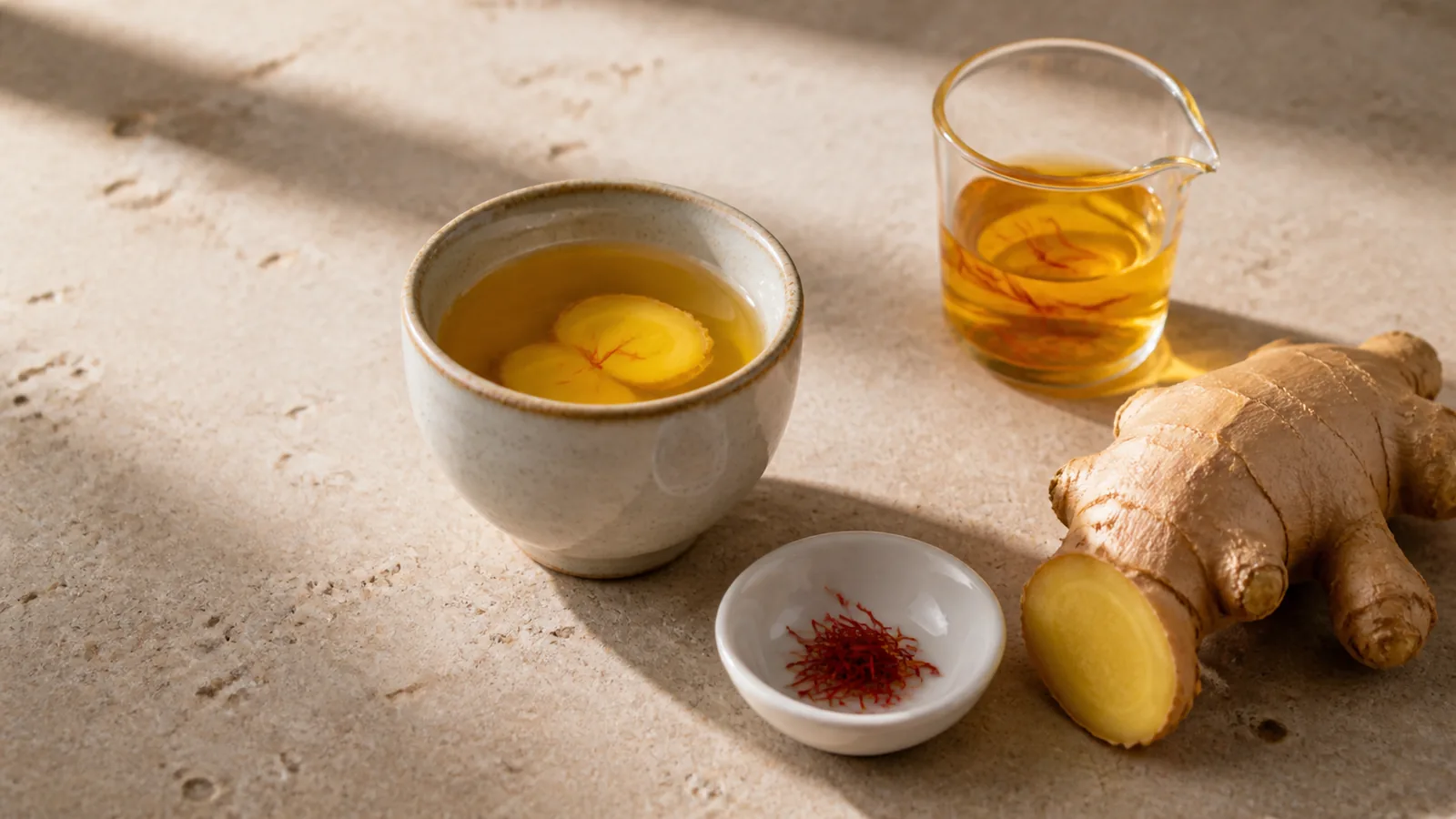
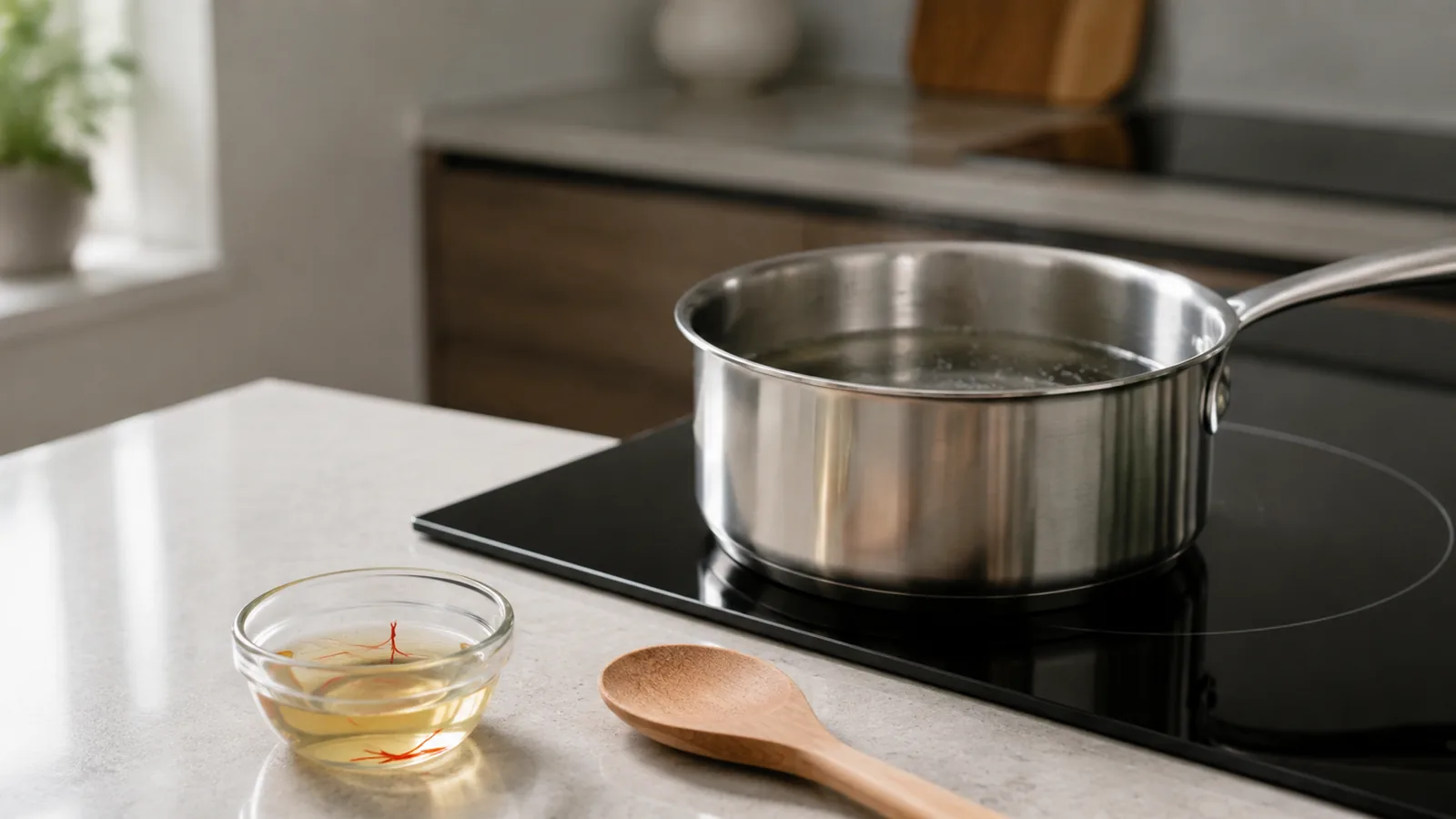
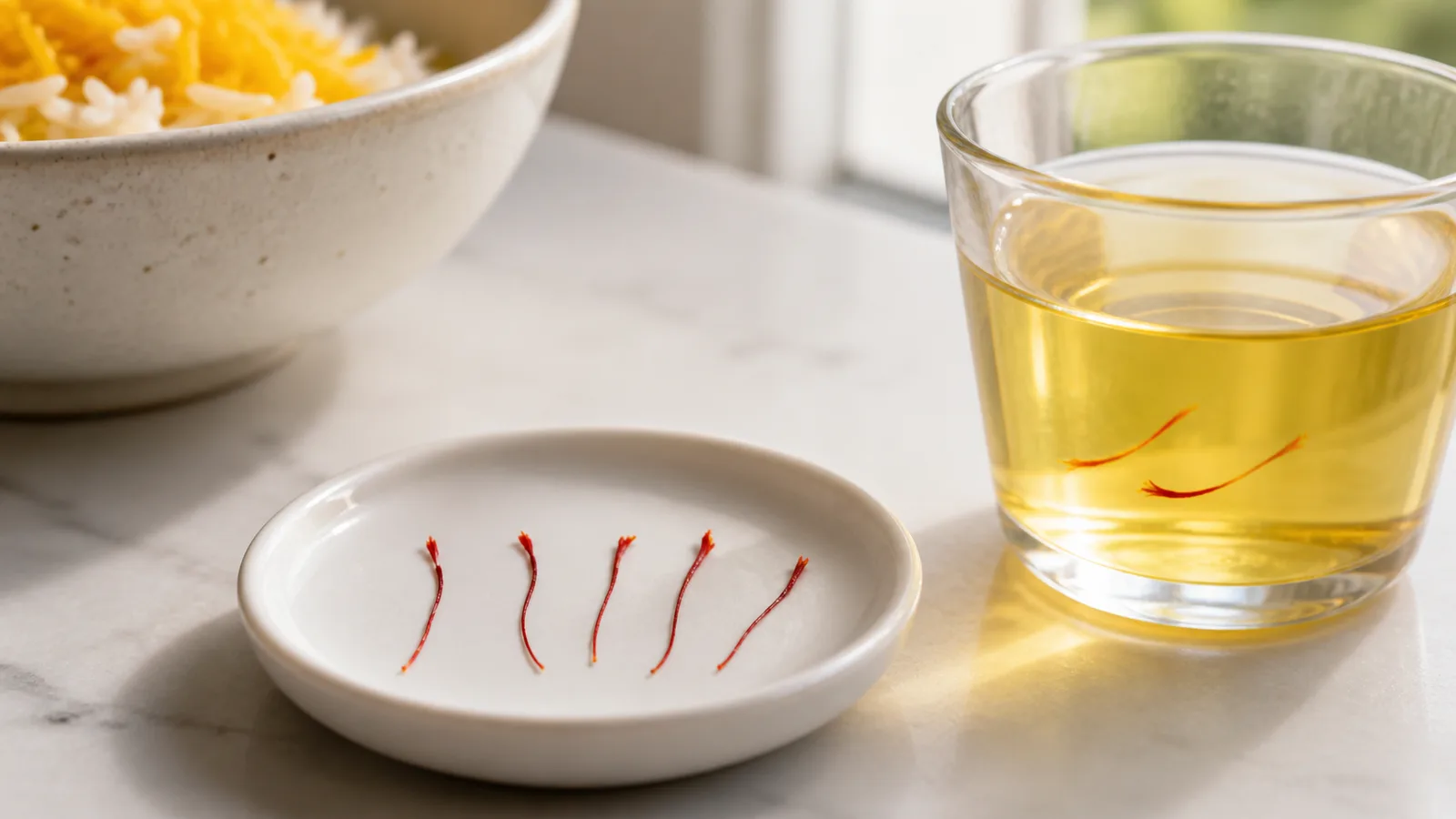
A few threads work best when crushed lightly and steeped in warm water, milk, or stock before being added to food. The liquid spreads the colour and flavour. Adding a large dry clump can produce an uneven dish, while hard boiling for a long time may flatten the aroma. More saffron is not always better.
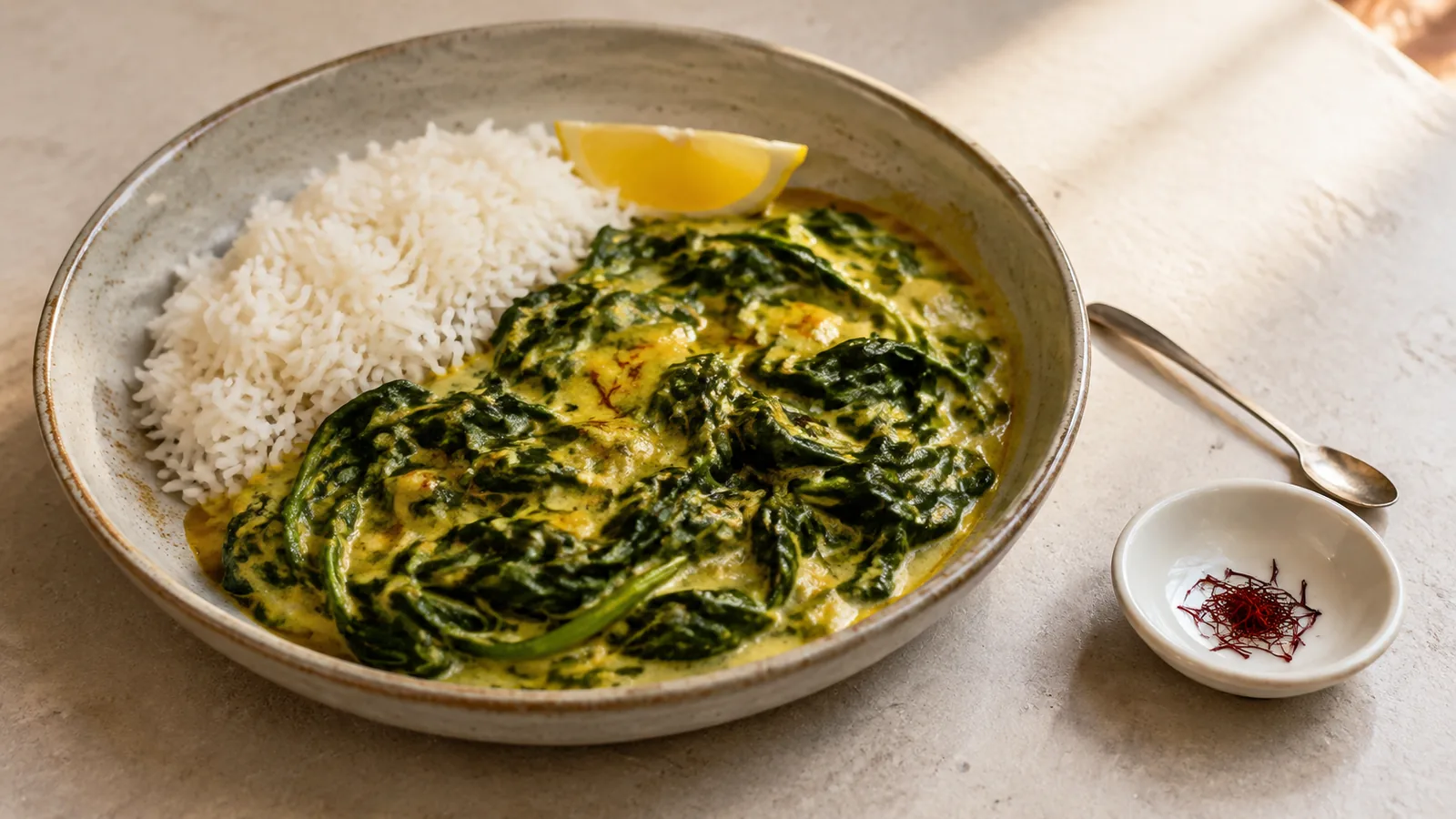
Its range is another part of its appeal. Persian saffron seasons rice, stews, sweets, and drinks; Spanish cooking uses it in paella and related rice dishes; Italian risotto alla Milanese and South Asian biryani rely on it in different ways. The spice remains recognisable while adapting to very different ingredients and methods.
Health Benefits
Saffron contains biologically active compounds, and researchers have studied preparations in relation to mood, cognition, sleep, metabolic measures, and other outcomes. That makes it scientifically interesting, but it does not turn a culinary serving into a treatment. Claims about Persian saffron benefits or Iranian saffron benefits require the same evidence as claims about saffron from elsewhere.
A meta-research review of saffron health evidence reported promising findings across several outcomes while also concluding that the methodological quality of the reviews needed improvement. Product, dose, population, comparator, and study length matter. Results from a standardised extract should not be applied automatically to every jar of threads.
For a customer, the dependable benefit is culinary: saffron can add intense sensory character without a large volume of spice. It can be part of a varied diet, but it should not replace diagnosis, medicine, or professional care. Sellers who promise cures are not demonstrating higher-quality saffron.
Cultural and Historical Significance
Saffron has moved through Persian, Mediterranean, Middle Eastern, South Asian, and European food traditions for centuries. It has coloured festive rice, flavoured sweets and drinks, scented preparations, and appeared in art, ceremony, textile dyeing, and trade. Its role differs by place; reducing that history to “a luxury spice” misses the everyday knowledge behind it.
For many families, saffron is tied to hospitality and celebration. A cook may judge the infusion by colour and aroma, recognise the right moment to add it, and reserve a small jar for particular dishes. That practical knowledge is as important to the spice’s identity as an old quotation or royal anecdote.
Saffron was valuable in historic trade, but sweeping claims that it routinely served as currency should be treated cautiously unless a source identifies the time and place. Its documented importance does not need exaggeration.
When buying saffron, look for traceable seller information, stated origin and net weight, protective packaging, and realistic quality claims. Store it tightly closed in a cool, dry, dark place. Our saffron collection shows the current forms and pack sizes; contact us if you need product information.
Why is saffron so special? Three delicate stigmas carry a remarkable sensory load, yet producing and preserving them takes precise seasonal work. Add the spice’s reach across cuisines and cultures, and its reputation makes sense without myths, medical promises, or manufactured exclusivity.