People love saffron because a few threads can change the smell, colour, and character of a whole dish. Its appeal is sensory, but it is also personal: saffron is tied to family recipes, hospitality, celebration, regional identity, and the care involved in preparing something special.
Price and rarity add to its reputation, yet they do not explain affection on their own. A cook comes back to saffron when the flavour belongs in the food and the aroma recalls a meal worth remembering.
Why People Love Saffron: Unveiling the Spice’s Appeal
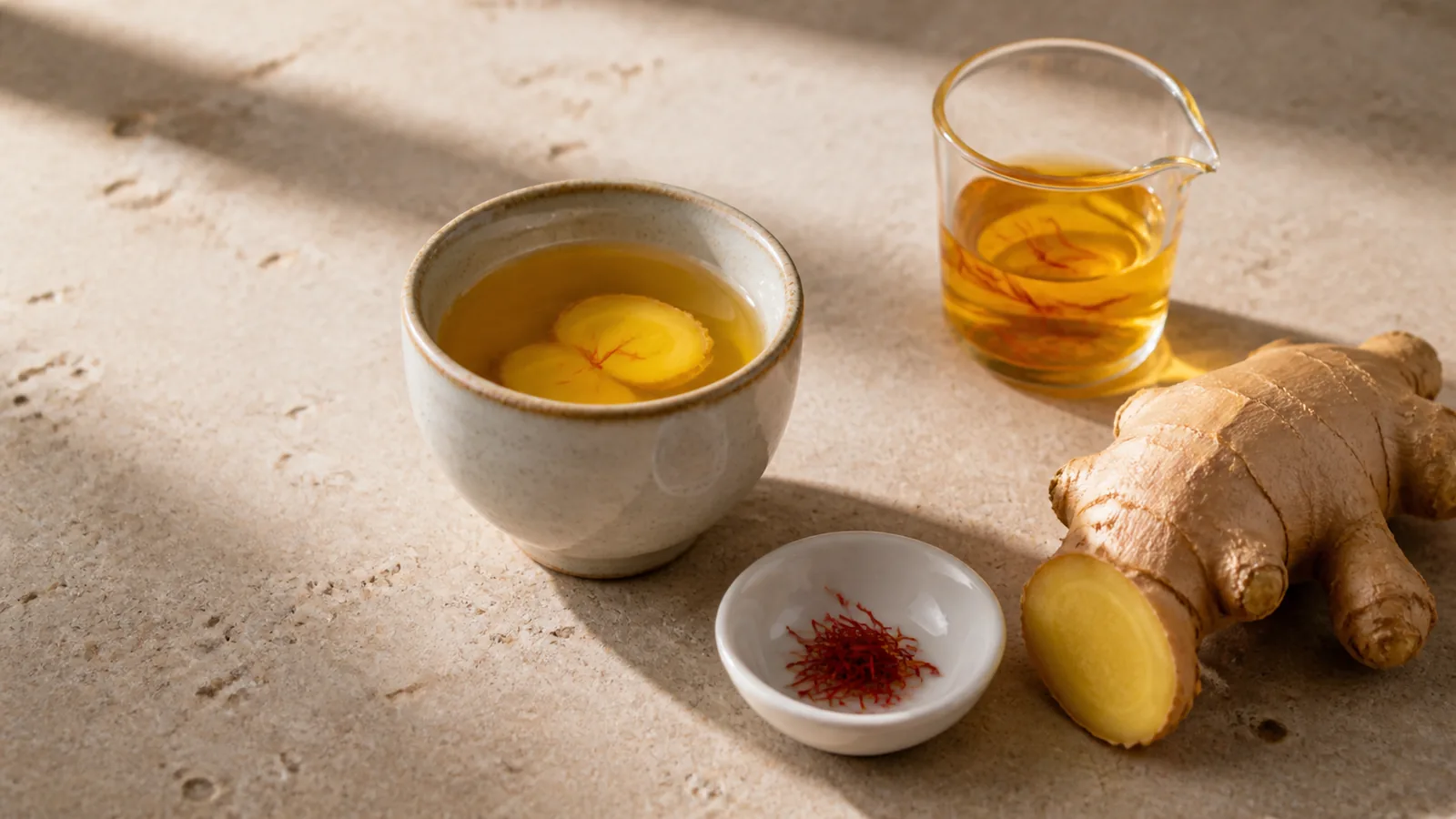
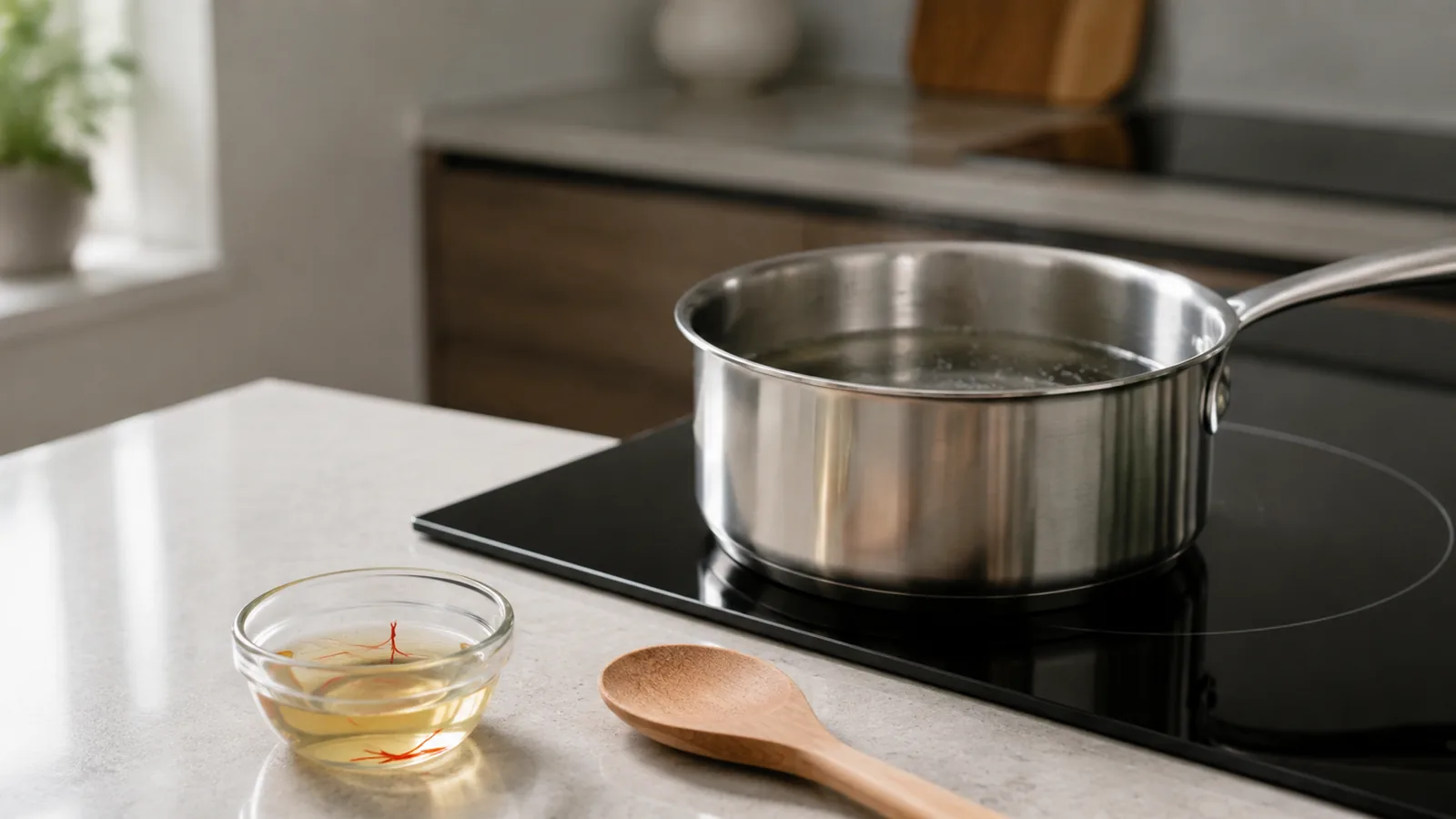
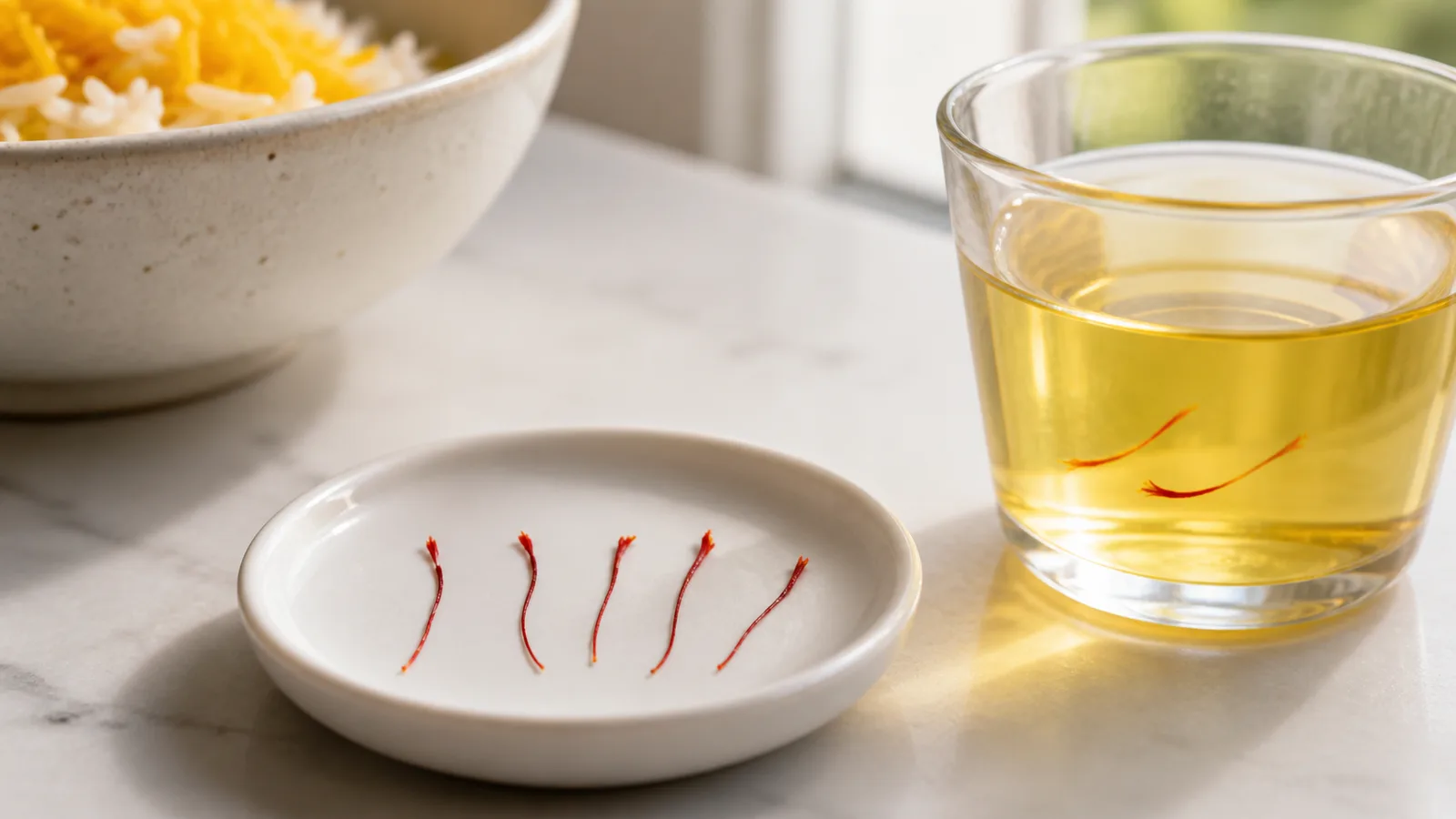
Saffron asks for attention without needing much space in a recipe. The dried stigmas of Crocus sativus are usually crushed gently, infused in warm liquid, and distributed through food. Watching that liquid turn gold is part of the pleasure; tasting the finished dish is the reason the ritual lasts.
Not everyone likes saffron immediately. Its bitterness can surprise someone expecting a sweet floral spice, and stale or poor-quality threads may taste flat. The best introduction is a balanced dish where saffron supports other ingredients rather than a strong cup made to prove its intensity.
Rich Flavor and Aroma
Saffron’s flavour is difficult to reduce to one word. It can seem honeyed, hay-like, floral, earthy, warm, or faintly metallic, with a clean bitterness underneath. Safranal contributes strongly to its aroma, while picrocrocin is associated with bitterness. Origin, drying, storage, age, and cooking method all affect what reaches the plate.
This complexity is why saffron works in both savoury and sweet food. It can lift a seafood broth without making it sugary, then sit comfortably with milk, nuts, cardamom, or fruit in a dessert. A light infusion lets the cook taste those layers; long hard boiling can leave more colour than fragrance.
People often remember saffron before they can describe it. Aroma reaches the table as a lid is lifted or rice is served. That moment creates a stronger attachment than an abstract list of tasting notes.
Vibrant Color
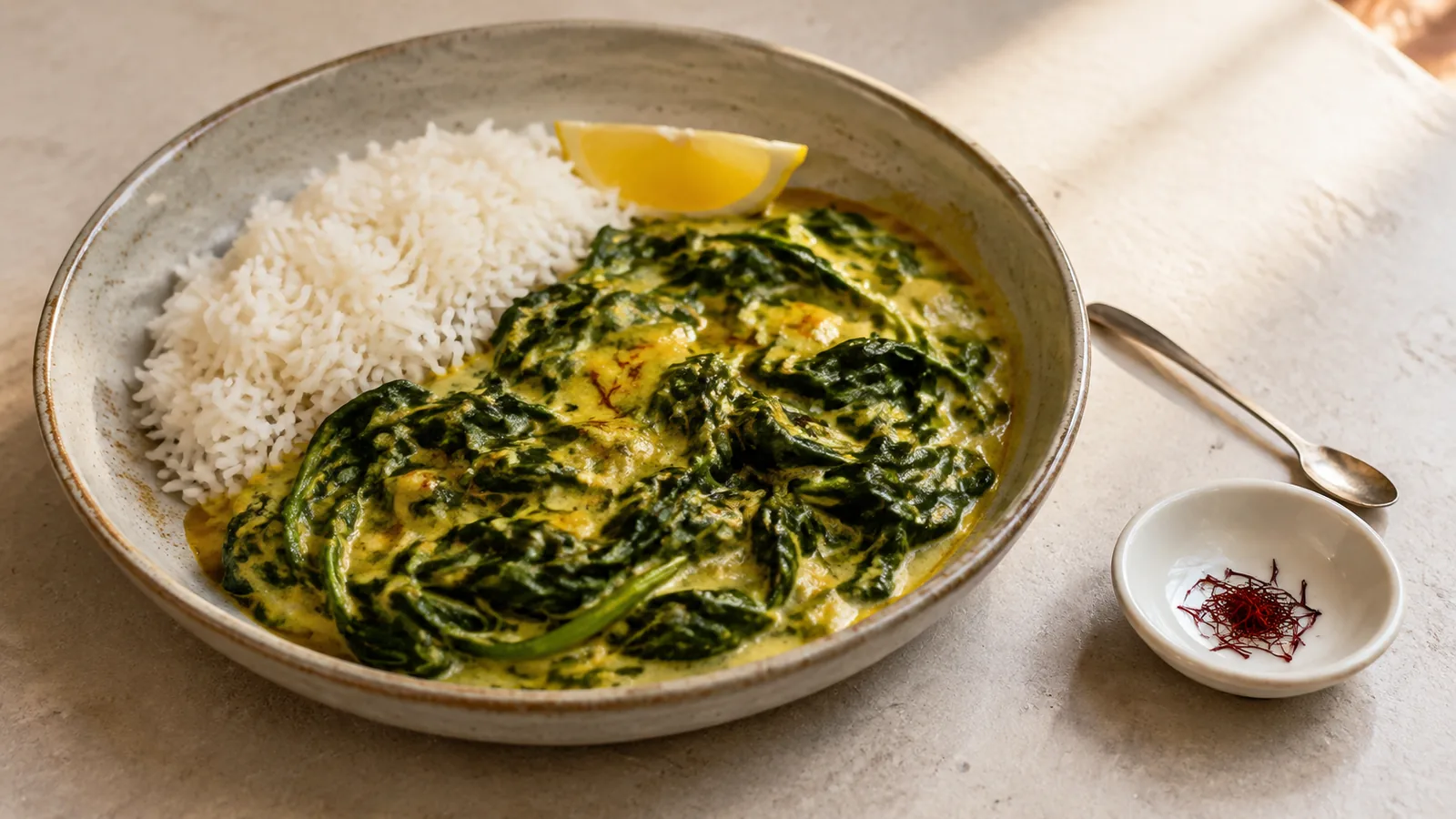
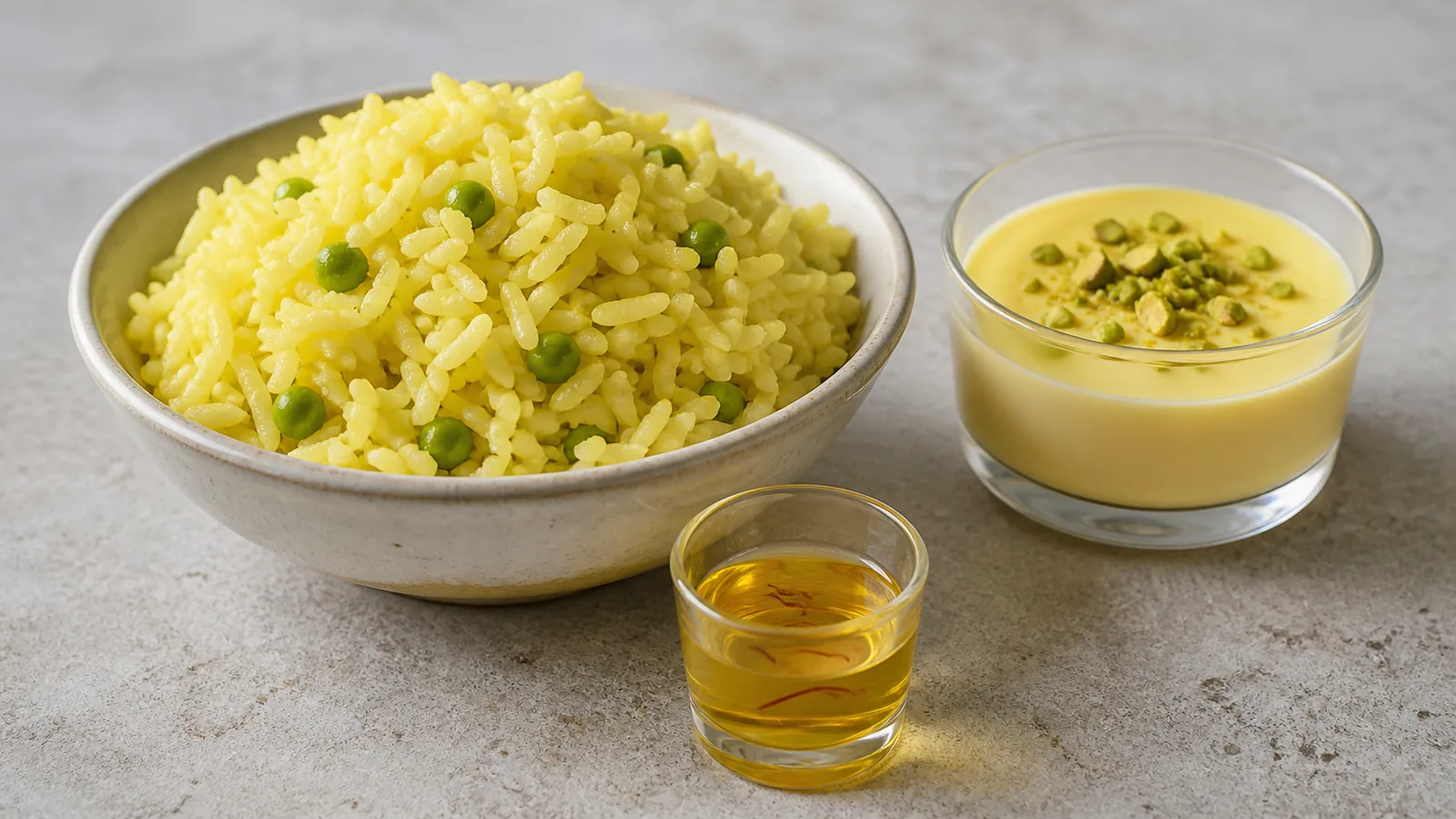
Crocins give saffron its golden colour in water-based food. A small infusion can make part of a pot of white rice glow, warm the colour of a custard, or create amber light in a clear drink. The effect is striking because it develops from very little dry spice.
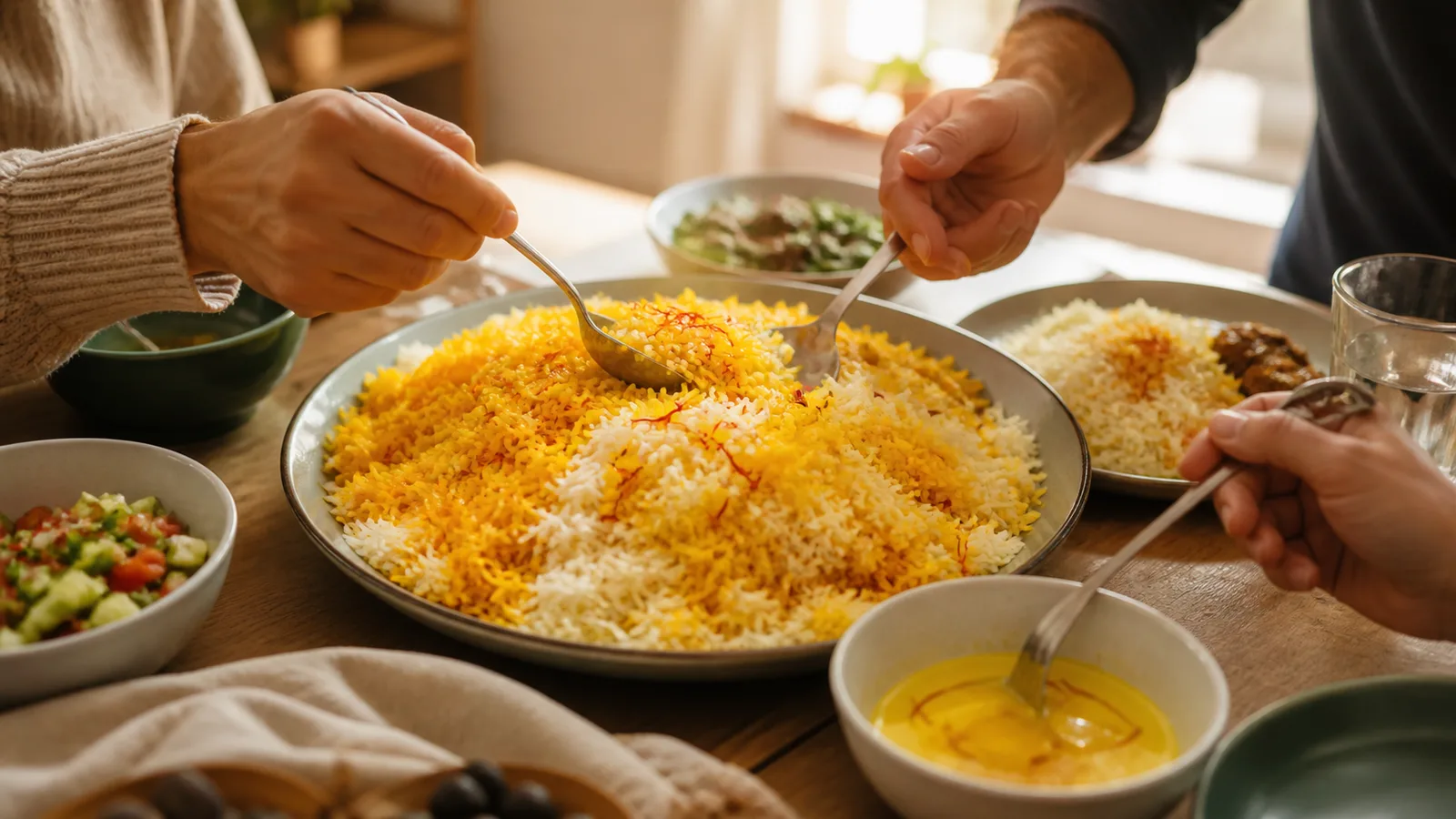
Good cooking does not require every grain or spoonful to be the same shade. Persian rice and biryani often look more appetising when saffron creates golden sections among paler grains. Variation signals how the infusion was added and keeps the presentation natural.
Colour is not a complete authenticity test. Genuine saffron releases colour, but an instant neon-yellow cloud can also come from added dye. Thread structure, aroma, traceability, seller information, storage, and credible testing matter together.
Health Benefits
Interest in health research is one reason some people discover saffron. Its compounds have been studied in relation to mood, sleep, cognition, metabolic measures, and other outcomes. Those studies do not justify calling every saffron dish a remedy or promising that culinary threads will treat depression, inflammation, or another condition.
A review of saffron meta-analyses reported promising findings while also identifying weaknesses in the quality of the evidence base. Trials use particular preparations, measured doses, selected participants, and limited follow-up. The most honest approach is to enjoy saffron as food and discuss medicinal use of a concentrated product with a clinician.
Removing exaggerated claims does not make saffron less interesting. It lets flavour, craftsmanship, and genuine research stand on their own.
Cultural and Historical Significance
Saffron appears in Persian, South Asian, Mediterranean, Middle Eastern, North African, and European traditions, among others. It has been used in food, ceremony, fragrance, dyeing, and traditional preparations. Each culture gives it a different setting; there is no single “saffron tradition.”
In many homes, saffron marks effort and welcome. It may be saved for a wedding dish, a holiday sweet, a family gathering, or a guest. The jar is small, the technique is learned, and the cook decides where the precious infusion will have the most effect.
History is sometimes overdecorated in sales copy. Claims about royalty, ancient cures, or use as currency should identify a time and source. Saffron’s documented cultural reach is remarkable enough without treating every anecdote as fact.
Versatility in Cooking
Saffron can season rice, soup, stew, sauce, bread, cake, biscuits, custard, ice cream, tea, and warm milk. It pairs well with seafood, chicken, lamb, onion, garlic, tomato, citrus, cardamom, rose, pistachio, and dairy. The exact combination depends on the dish, not on a checklist.
For most recipes, lightly crush the threads and steep them in warm water, milk, cream, or stock for 10 to 15 minutes. Add the infusion and threads at a point that allows them to spread without boiling away the aroma. Our guide to the best way to use saffron covers the method in detail.
Exclusivity and Luxury
Each saffron flower carries three stigmas, and the useful dried weight is tiny. Flowers must be picked in a concentrated season, the stigmas separated, then the spice dried and protected. That work helps explain the high price per unit of weight.
Luxury is only part of the picture. Because a recipe uses a small amount, the cost per shared dish may be modest. Saffron can be celebratory without being wasteful, and a high price does not excuse poor quality. A traceable, well-stored product is more valuable than ornate packaging or a grand story.
See our saffron collection for current formats and pack sizes, or contact us with a product question.
Why do people love saffron? It brings a recognisable aroma, luminous colour, and centuries of cooking knowledge into a few threads. For many people, that experience is connected to home and hospitality. The spice feels special because of what it does in food and what the finished food means, not because a label calls it luxurious.