Saffron Consumption Precautions: What to Avoid When Taking Saffron
Saffron is a powerful and beneficial spice, but like any potent ingredient, it should be consumed with caution. While saffron offers numerous health benefits, taking it incorrectly or in excessive amounts can lead to unwanted side effects. In this article, we discuss the key precautions to follow and what to avoid when taking saffron, ensuring that you can enjoy its benefits safely.
1. Avoid Overconsumption
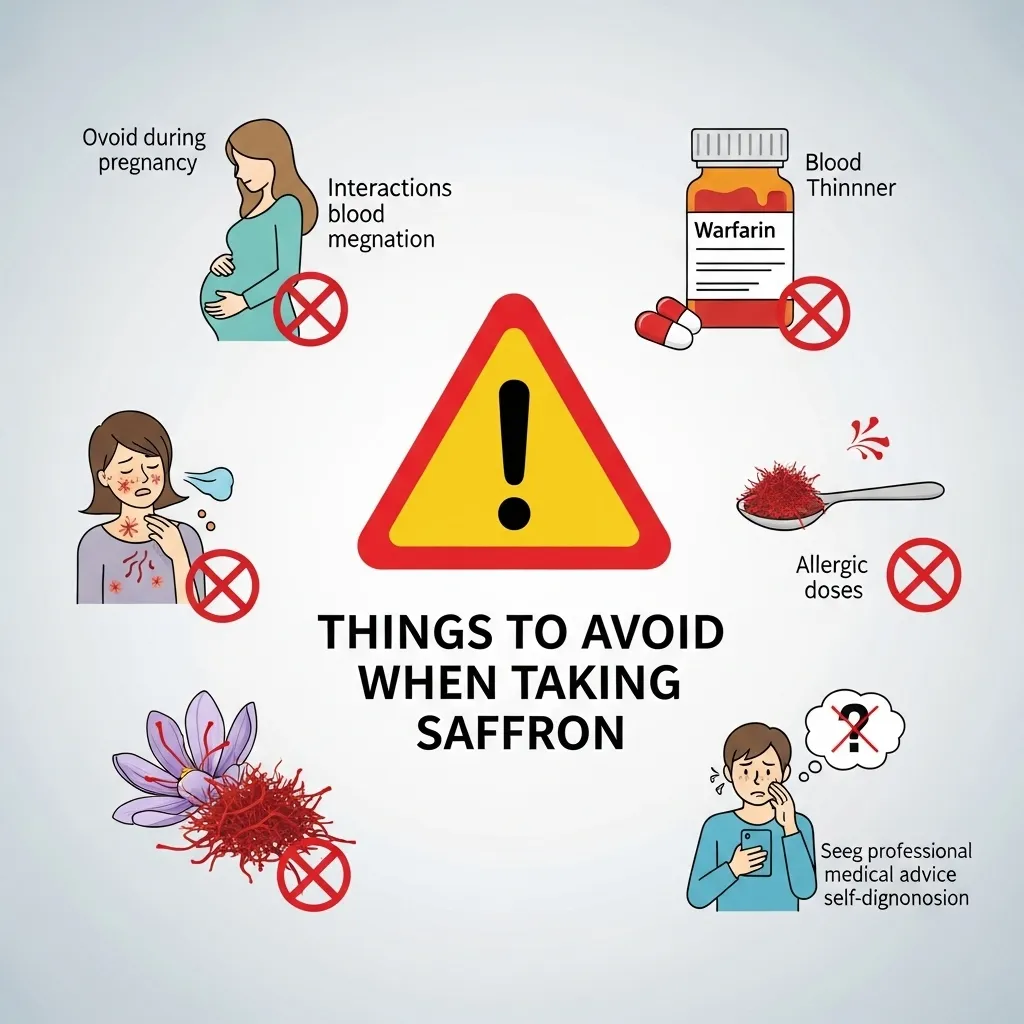
Excessive consumption of saffron can be harmful. While it’s beneficial in moderate doses, consuming large amounts can lead to side effects such as nausea, dizziness, or more severe reactions. The recommended daily intake of saffron is around 30-50 milligrams, and you should never exceed 1 gram per day. Always adhere to the recommended dosage to safely enjoy the health benefits of saffron.
2. Avoid Low-Quality Saffron
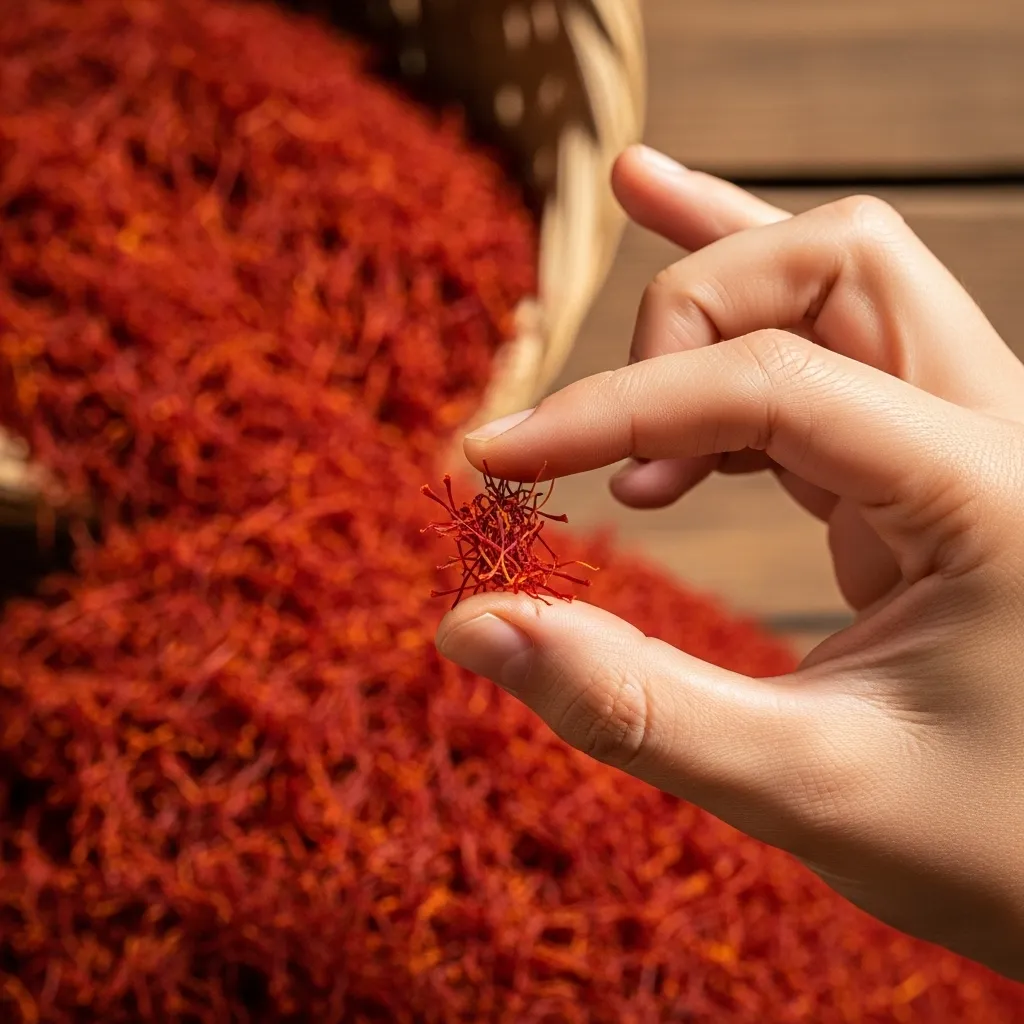
When purchasing saffron, it’s crucial to choose high-quality, pure saffron. Poor-quality saffron may be adulterated with other substances, which can not only reduce its effectiveness but also cause potential allergic reactions or other health concerns. Ensure you purchase saffron from trusted sources to avoid contamination and to ensure you are getting the best quality possible.
3. Avoid Saffron in Large Quantities During Pregnancy
While saffron is generally considered safe in small quantities during pregnancy, consuming large doses can be risky. High doses of saffron may cause uterine contractions, which could lead to complications. Pregnant women should limit saffron intake and consult with a healthcare provider before using saffron supplements or high doses of saffron.
4. Avoid Interaction with Certain Medications
Saffron may interact with medications, especially those that affect blood pressure, blood sugar levels, or blood clotting. If you are on medications such as blood thinners, anticoagulants, or any drug affecting blood pressure, consult with your healthcare provider before incorporating saffron into your routine. Saffron can either enhance or interfere with these medications, so it’s important to get professional guidance.
5. Avoid Excessive Use for Sensitive Skin
While saffron has numerous skincare benefits, excessive use on the skin can cause irritation, especially for those with sensitive skin. If you’re using saffron-infused skincare products, start with a patch test to check for any allergic reactions. Limit the application to avoid excessive irritation, and always use saffron products that are specifically formulated for skincare to ensure safety.
If you’re looking for high-quality saffron to safely incorporate into your daily routine, visit our all-red saffron collection to find the best saffron for consumption and skincare.
Conclusion
Saffron is a wonderful and natural spice with many health benefits, but it must be consumed in moderation and with awareness of potential interactions and side effects. By following these saffron consumption precautions and being mindful of what to avoid, you can safely enjoy saffron’s many advantages. Always consult with a healthcare provider if you’re uncertain about its use, especially when dealing with specific health conditions or medications.